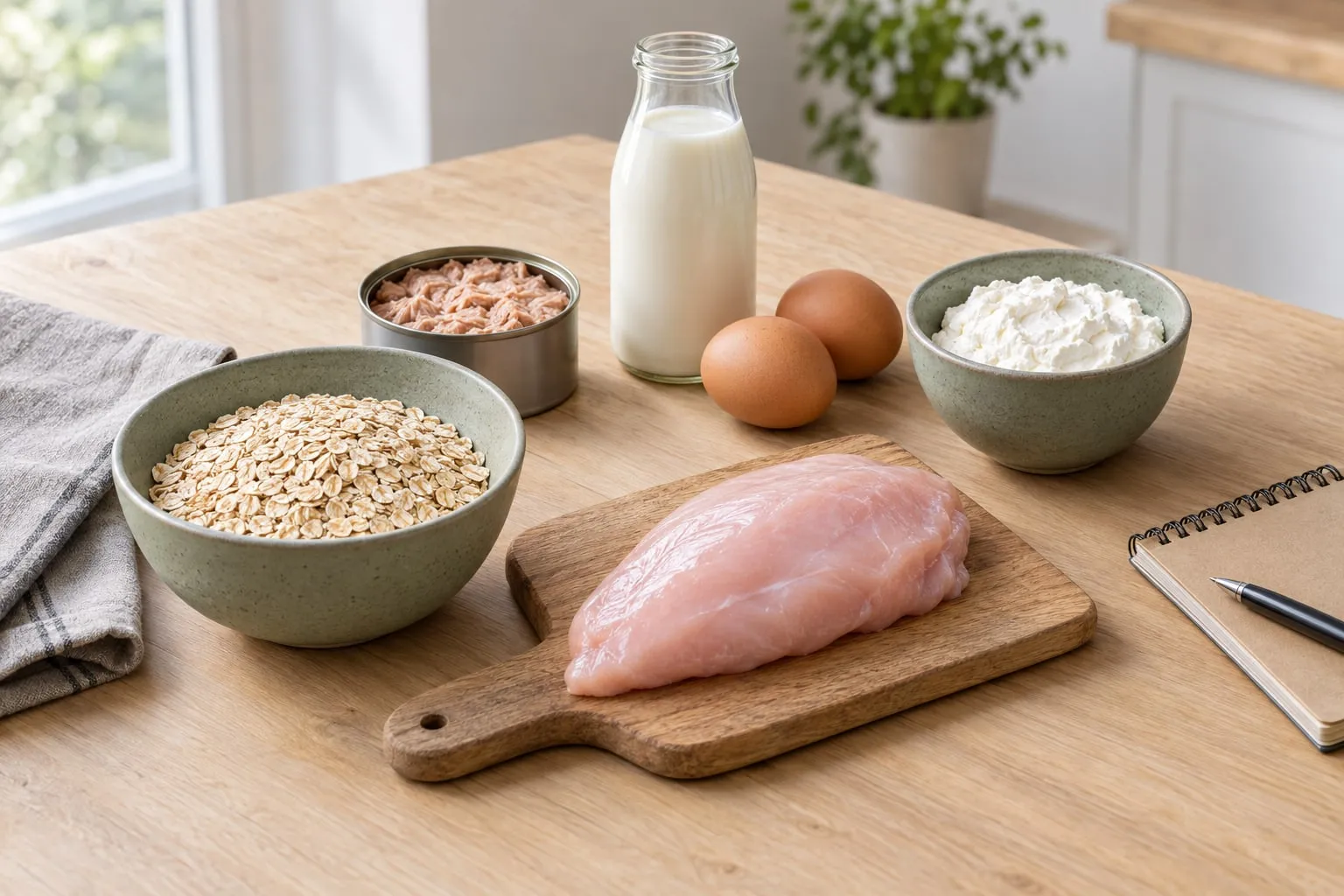
How Much Protein Do You Need Per Day?
How much protein do I need? The UK reference is 0.75 g per kg of body weight a day, or 52.5 g at 70 kg. See food values and a worked example day.
49 guides
How much protein you need, how to count it, and how much is in the foods you already buy. Food values come from CoFID, the UK food composition tables, and daily amounts from the UK and EFSA reference values.
How much protein do I need? The UK reference is 0.75 g per kg of body weight a day, or 52.5 g at 70 kg. See food values and a worked example day.
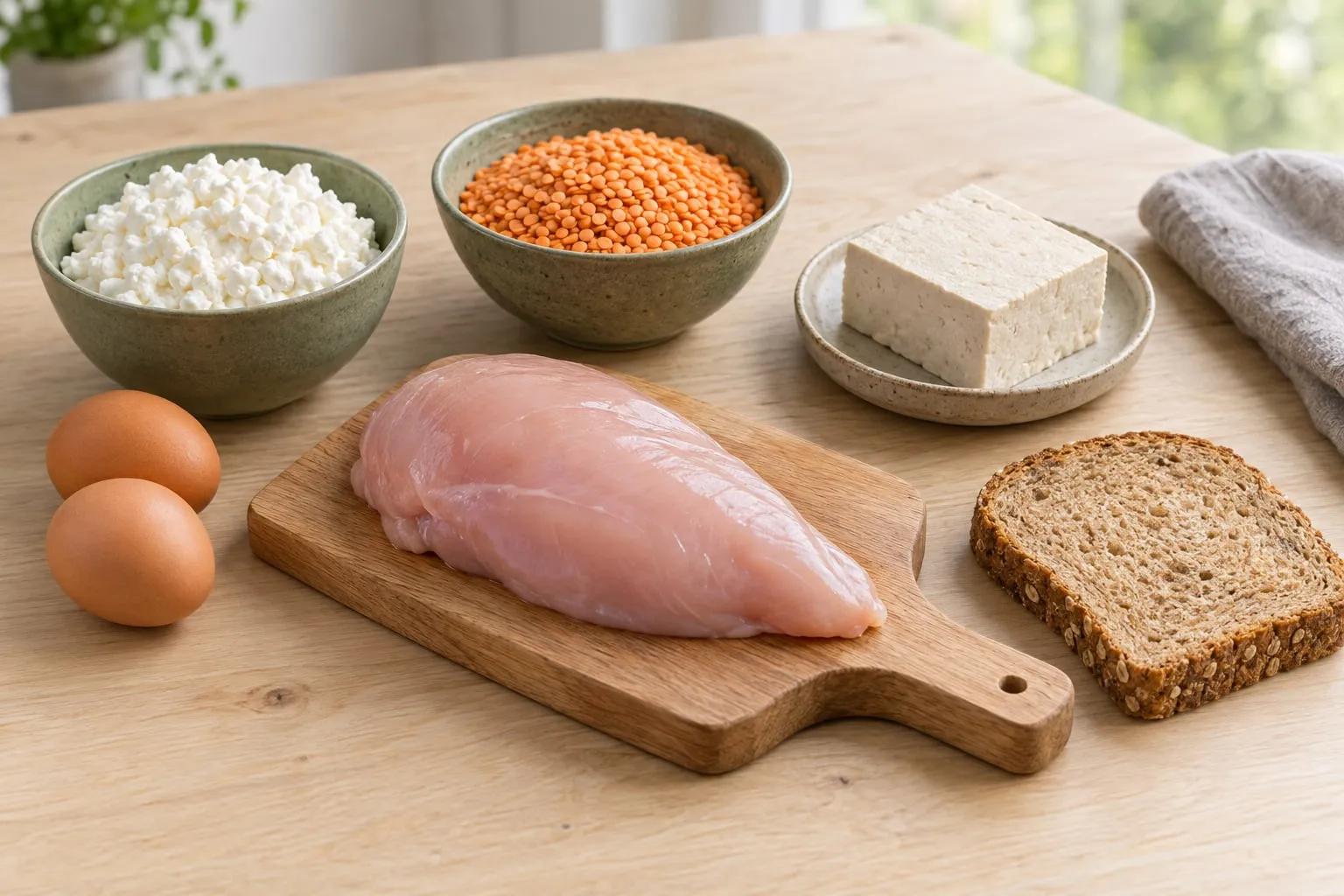
What is protein good for? It is made of amino acids, nine of them essential. See what it does, the UK 0.75 g per kg a day reference and food values.
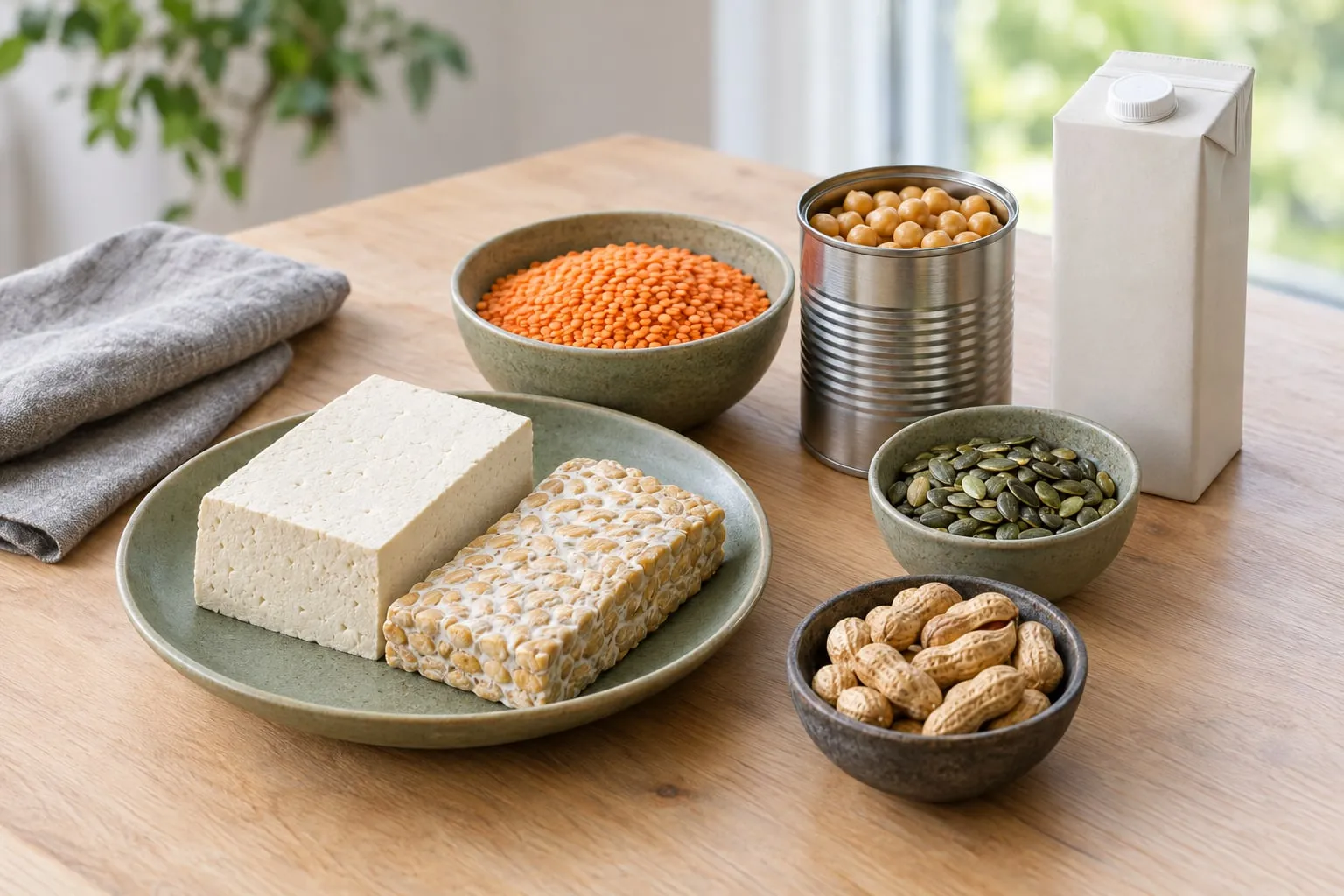
Sources of protein for vegans: tempeh has 20.7 g protein per 100 g, dried red lentils 25.6 g and firm tofu 12.5 g. Values per 100 g and per portion.
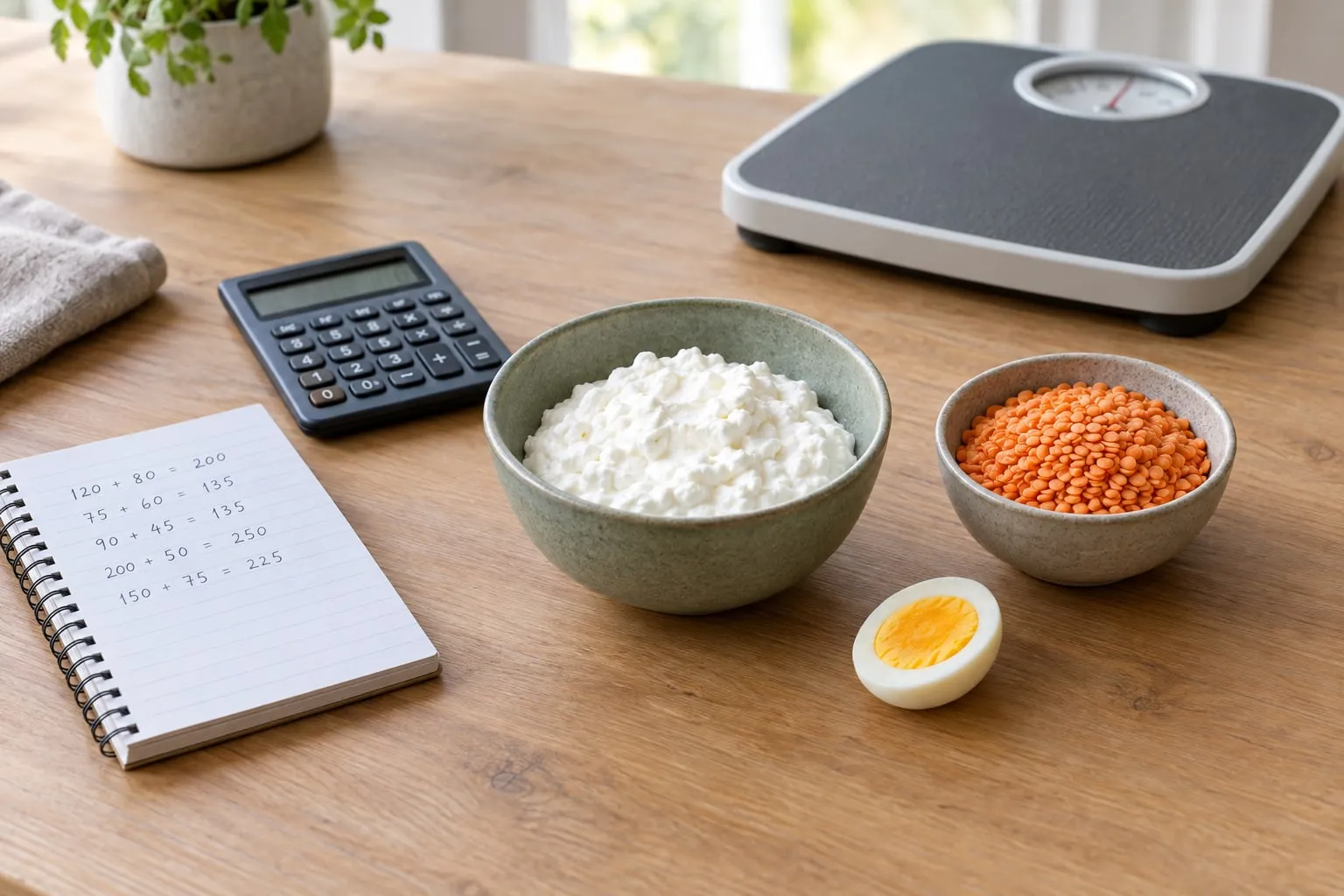
Protein calculator: multiply your weight in kg by 0.75 for the UK reference amount, so 70 kg gives 53 g a day. Tables for kg and stone, plus foods per 20 g.
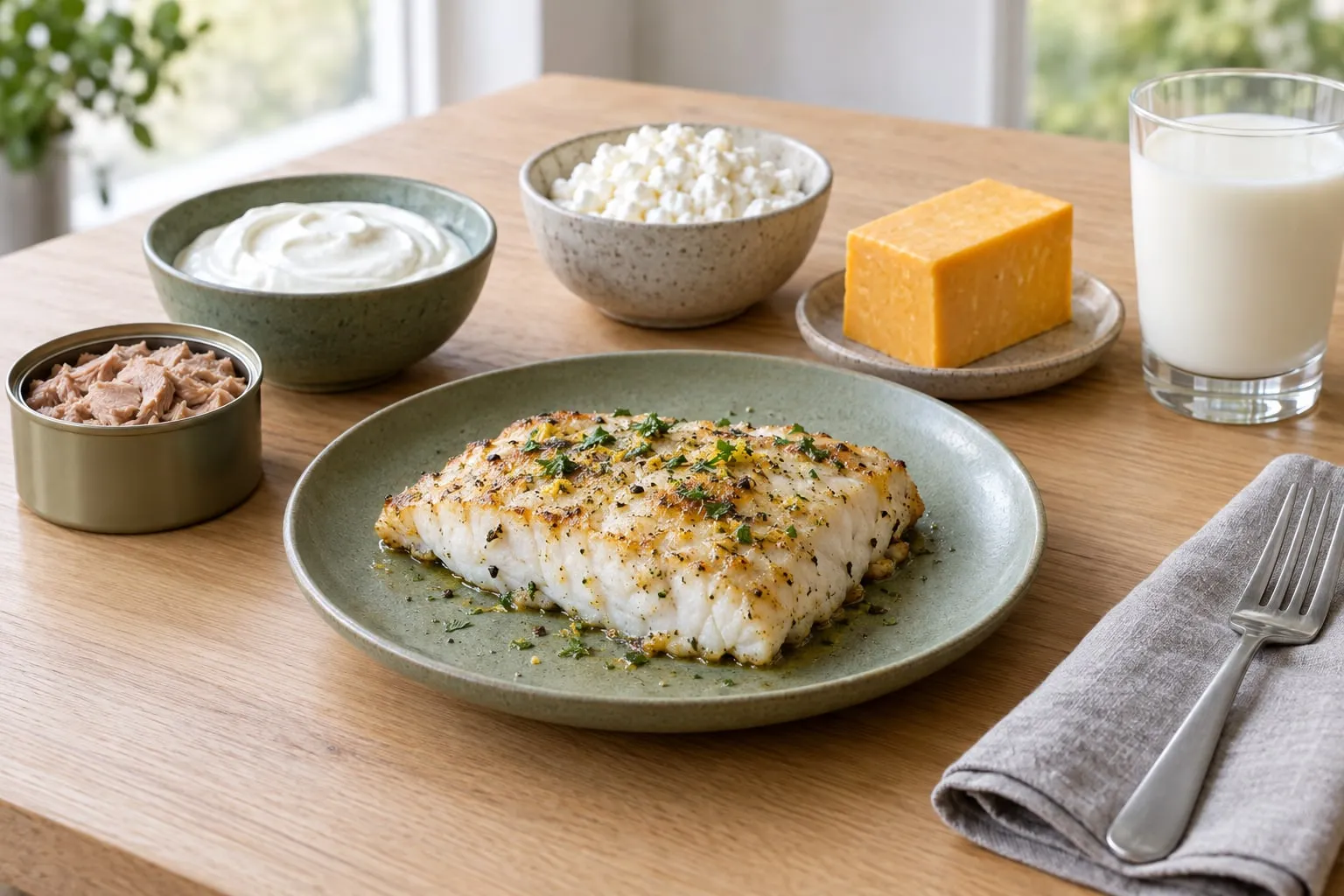
Protein for weight loss in numbers: 20 g of protein costs 84 kcal from baked cod, 105 kcal from Greek yogurt and 328 kcal from Cheddar. Ranked table inside.
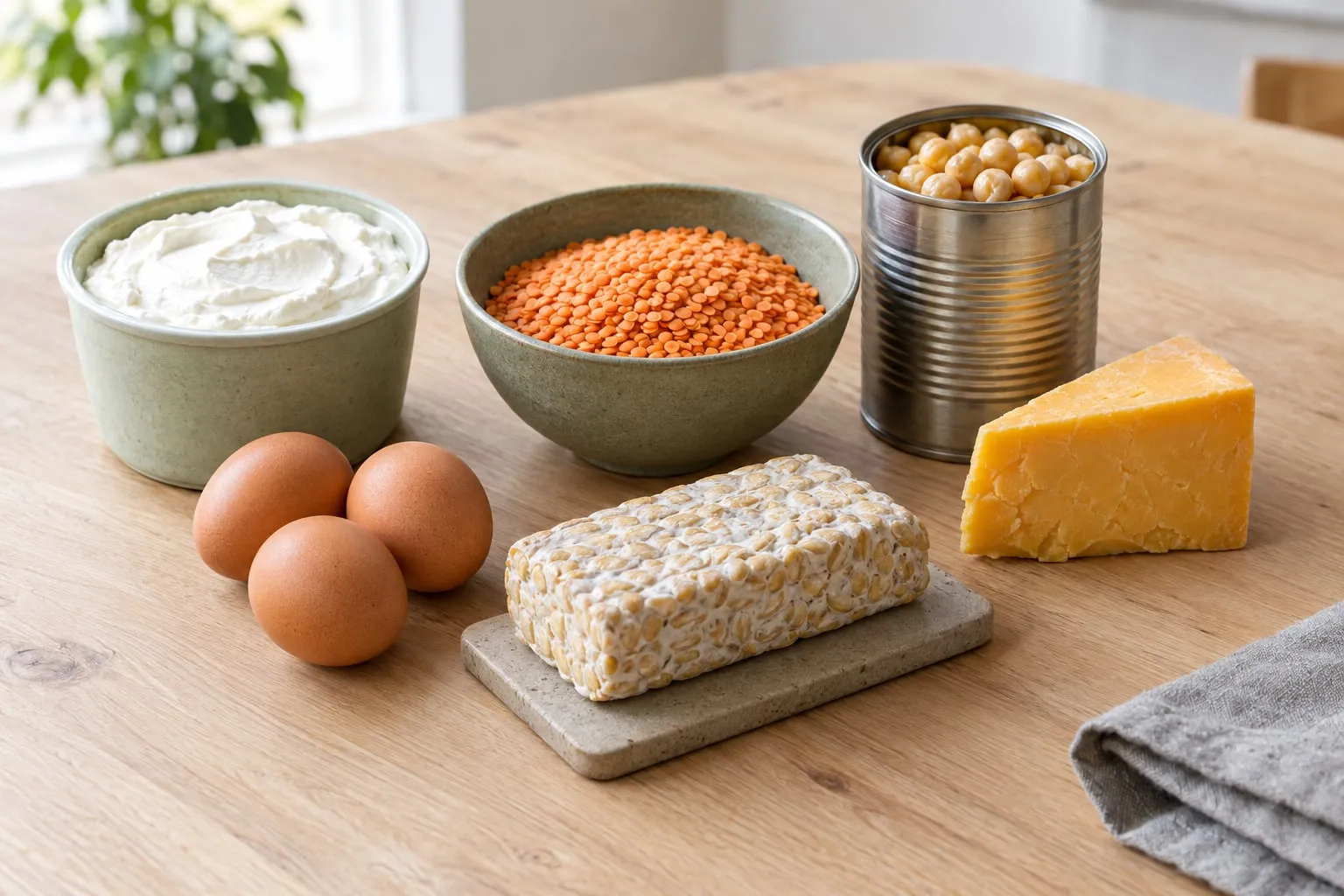
Vegetarian protein sources ranked per 100 g and per portion: dried lentils 25.6 g, tempeh 20.7 g, quark 14.6 g and eggs 12.6 g, from UK food tables.
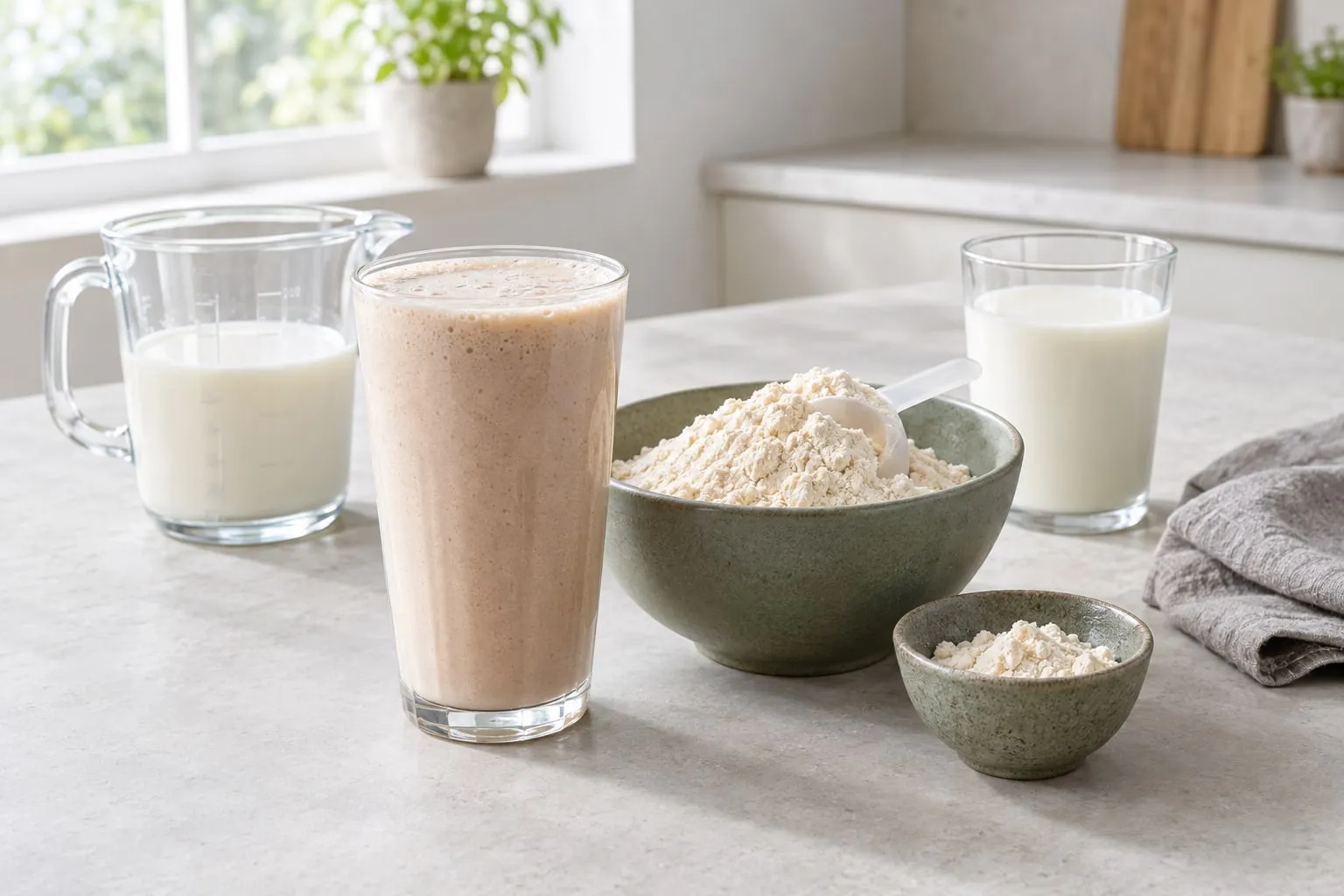
Protein shake for weight loss: a shake adds calories like any food. 30 g whey with water has 22.5 g protein and 114 kcal, with semi-skimmed milk 229 kcal.
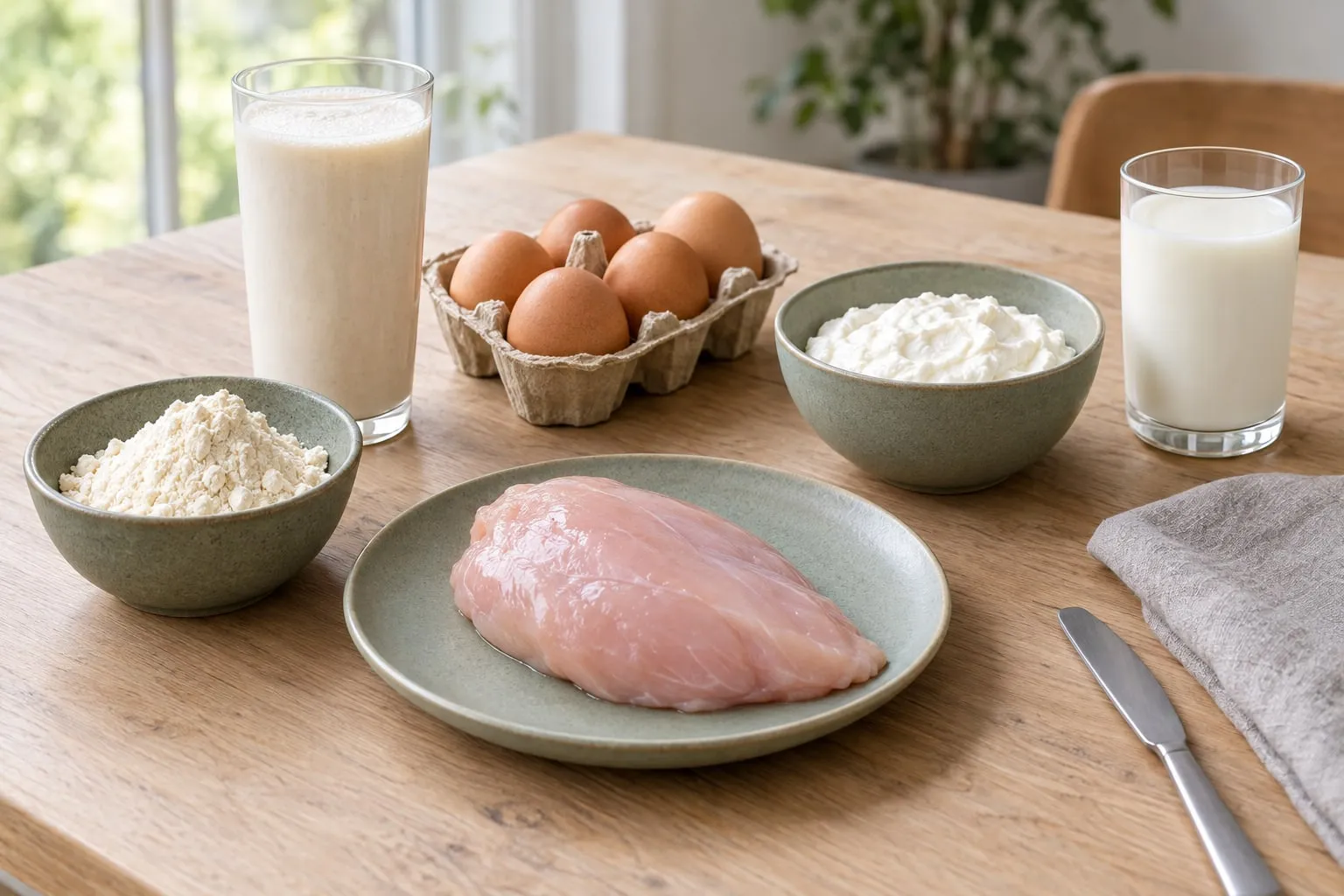
How much protein to build muscle: research on regular training suggests 1.2–1.6 g per kg a day, 84–112 g at 70 kg, against 53 g for the UK reference intake.
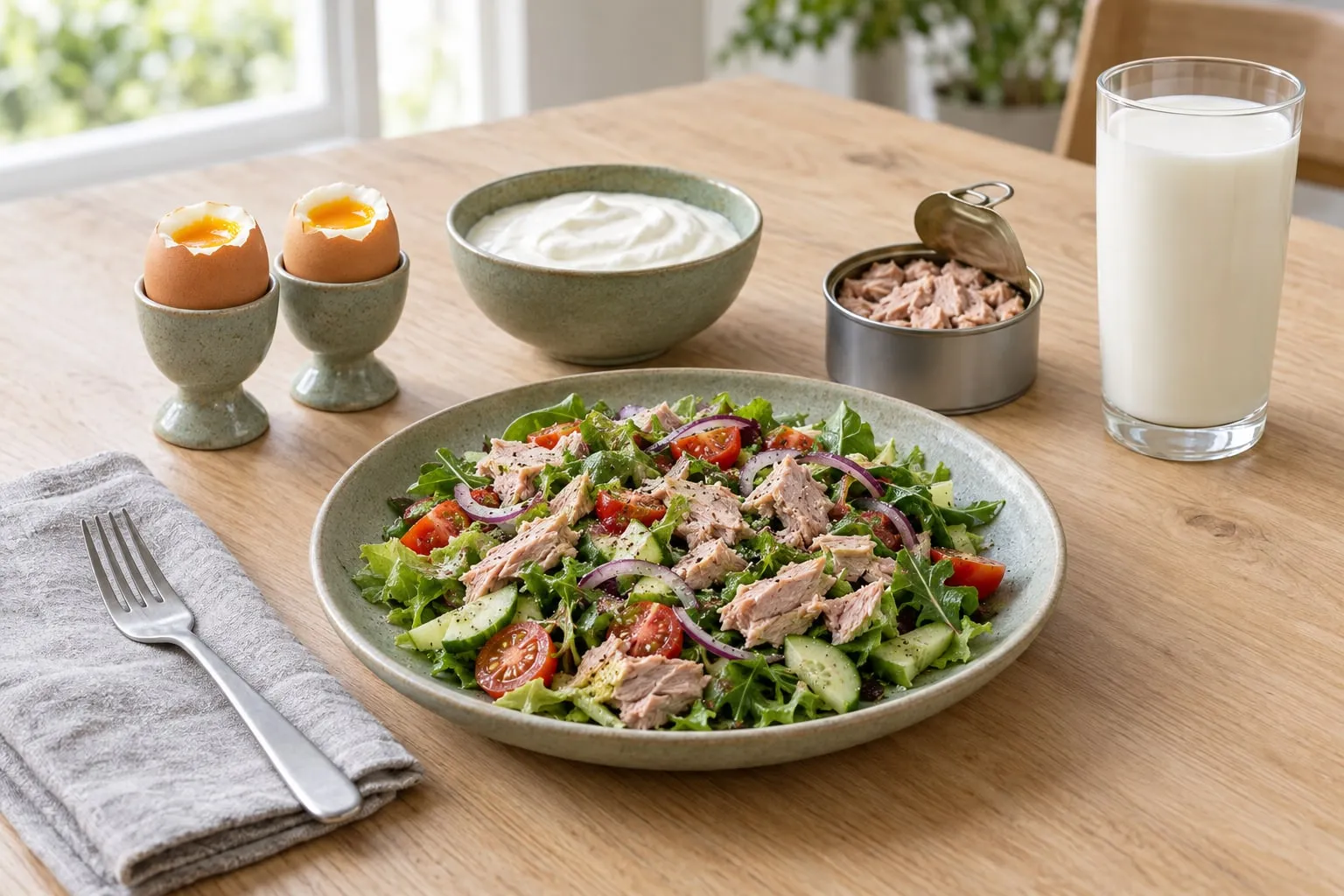
Protein for women: the UK reference is 0.75 g per kg a day, or 45 g at 60 kg. Daily amounts, food portions and what to check on a protein shake.
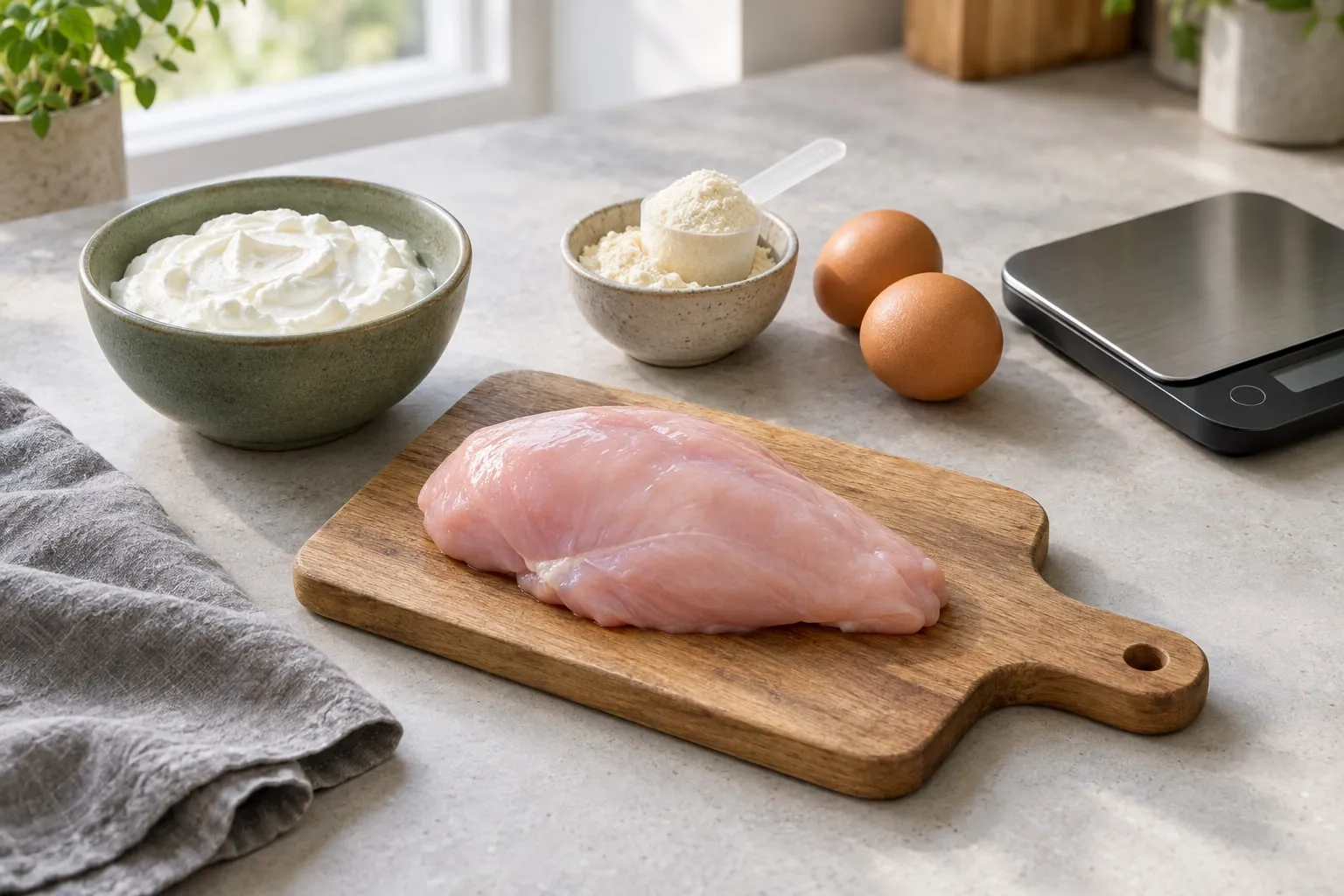
Too much protein: there is no fixed upper limit, but UK advice is not to exceed twice the 0.75 g per kg reference intake, about 112 g a day for a 75 kg adult.
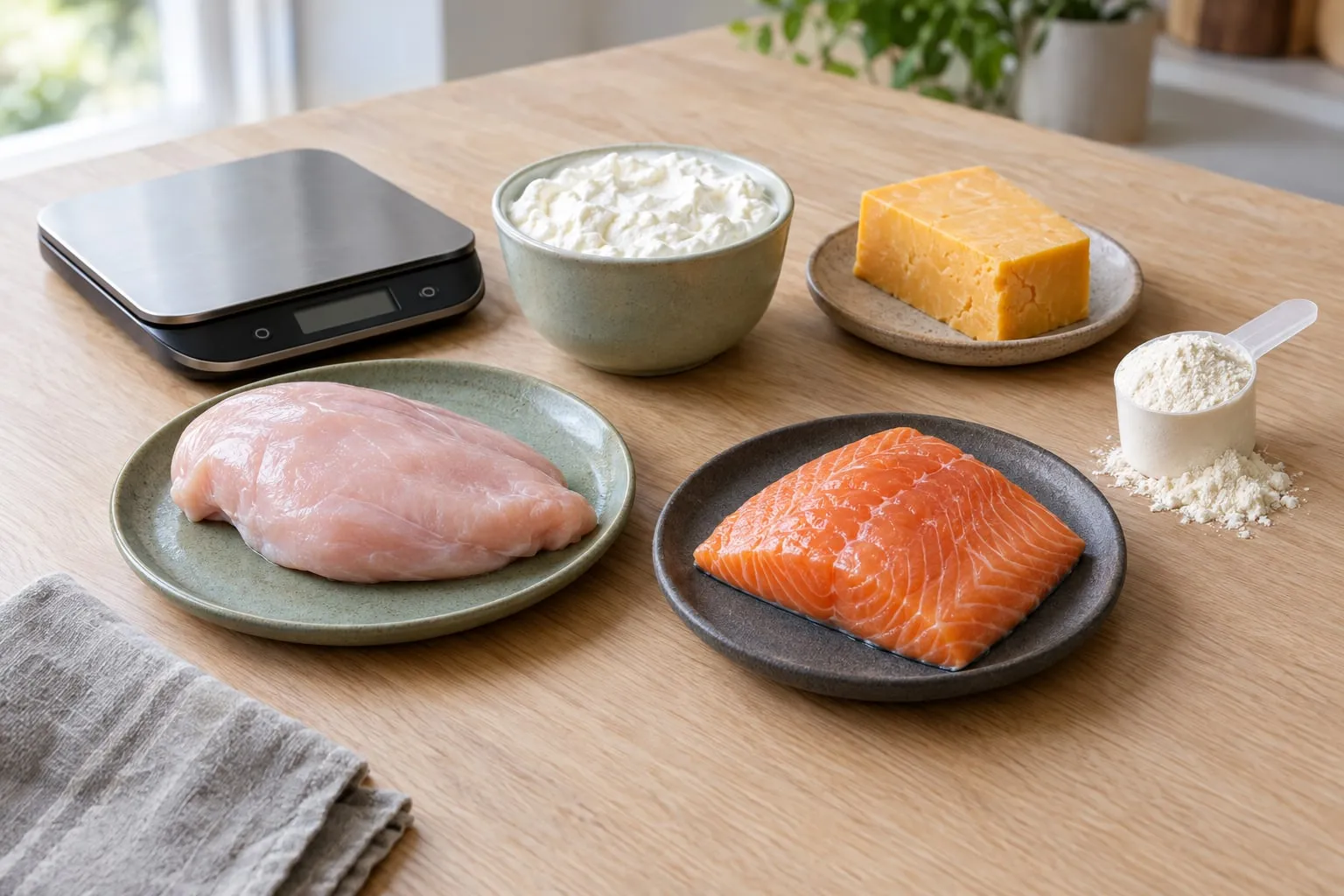
Does protein make you gain weight? Weight follows total energy, and a 30 g scoop of whey has 114 kcal. See the calories in common protein foods.
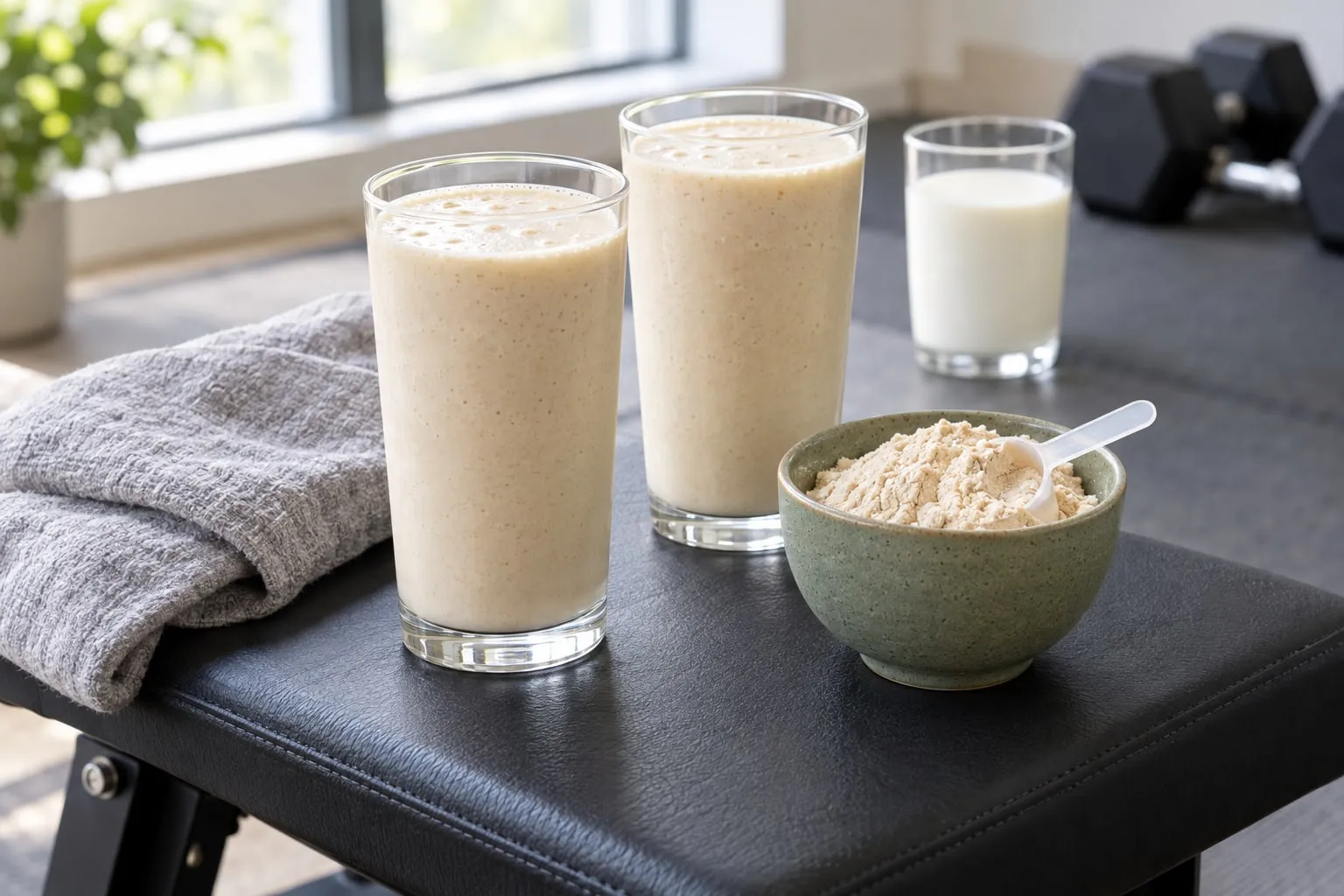
Protein shake before or after workout: timing matters less than the day's total. A 30 g scoop of whey gives 22.5 g protein, 31.3 g with semi-skimmed milk.
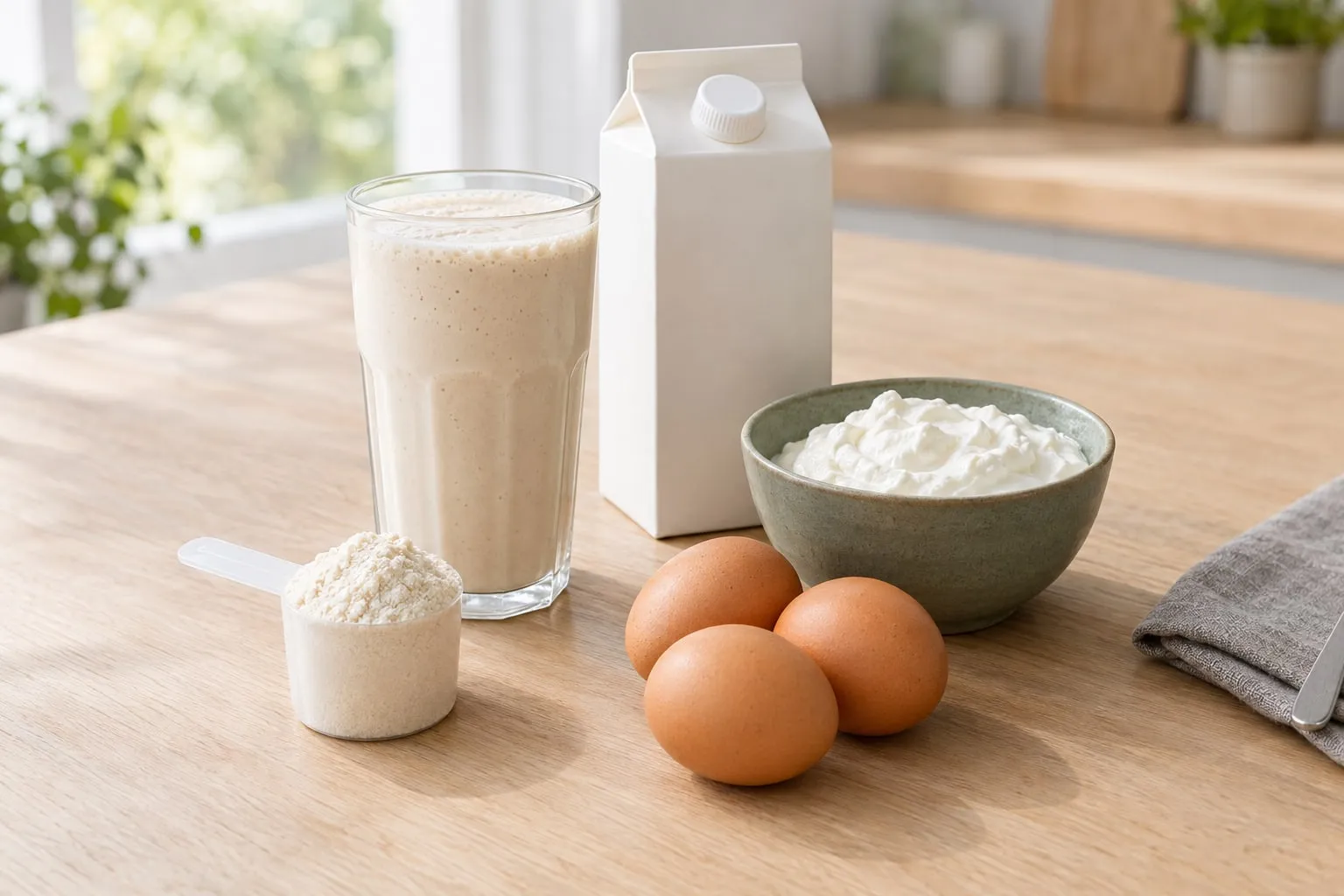
Are protein shakes good for you? A scoop of whey has 22.5 g protein and 114 kcal. See what is in a shake, who may find one useful and what to check.
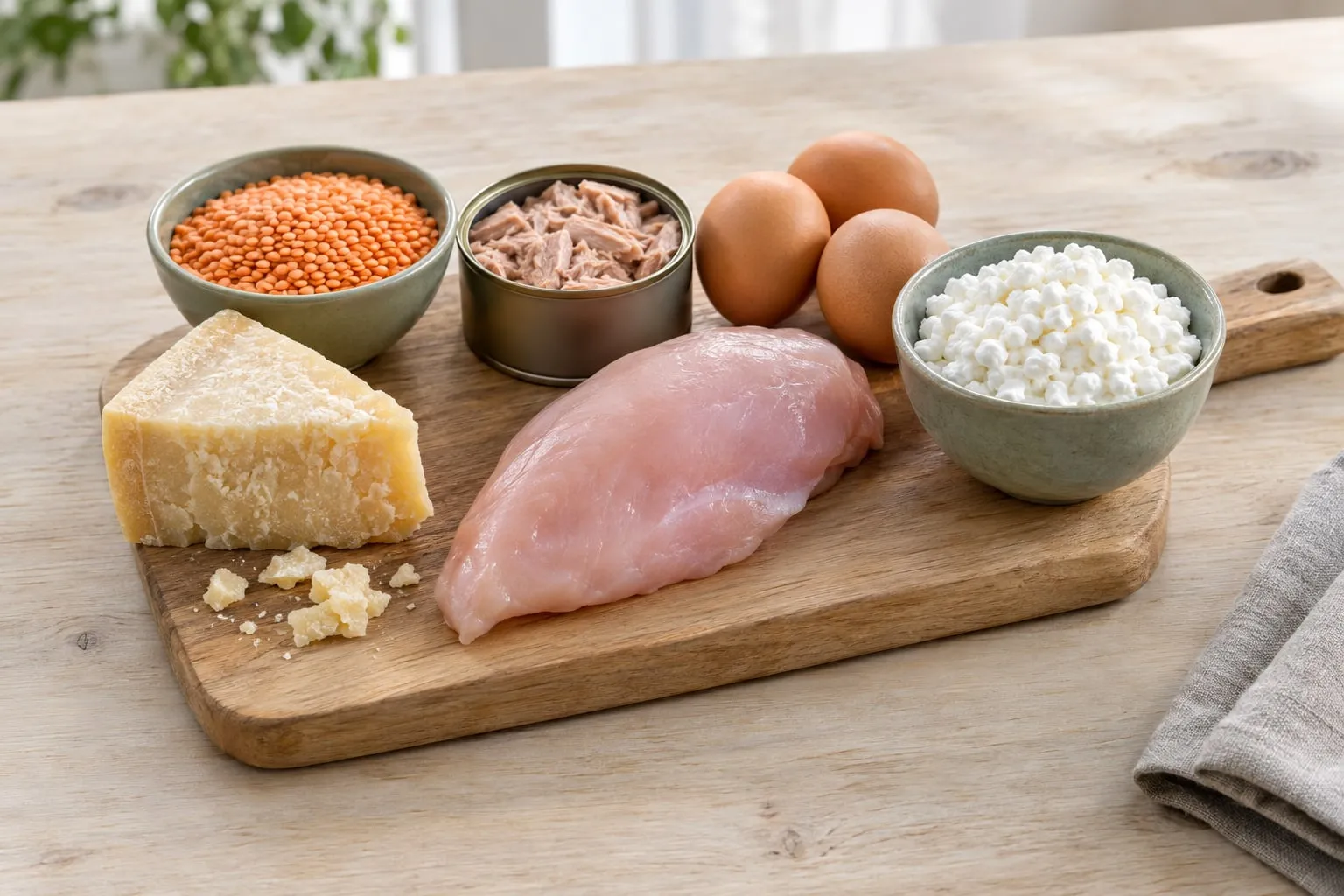
Highest protein per 100g: dried prawns 83.1 g, dried egg white 81.7 g, whey 75 g. A food table for everyday foods, raw, cooked and dried.
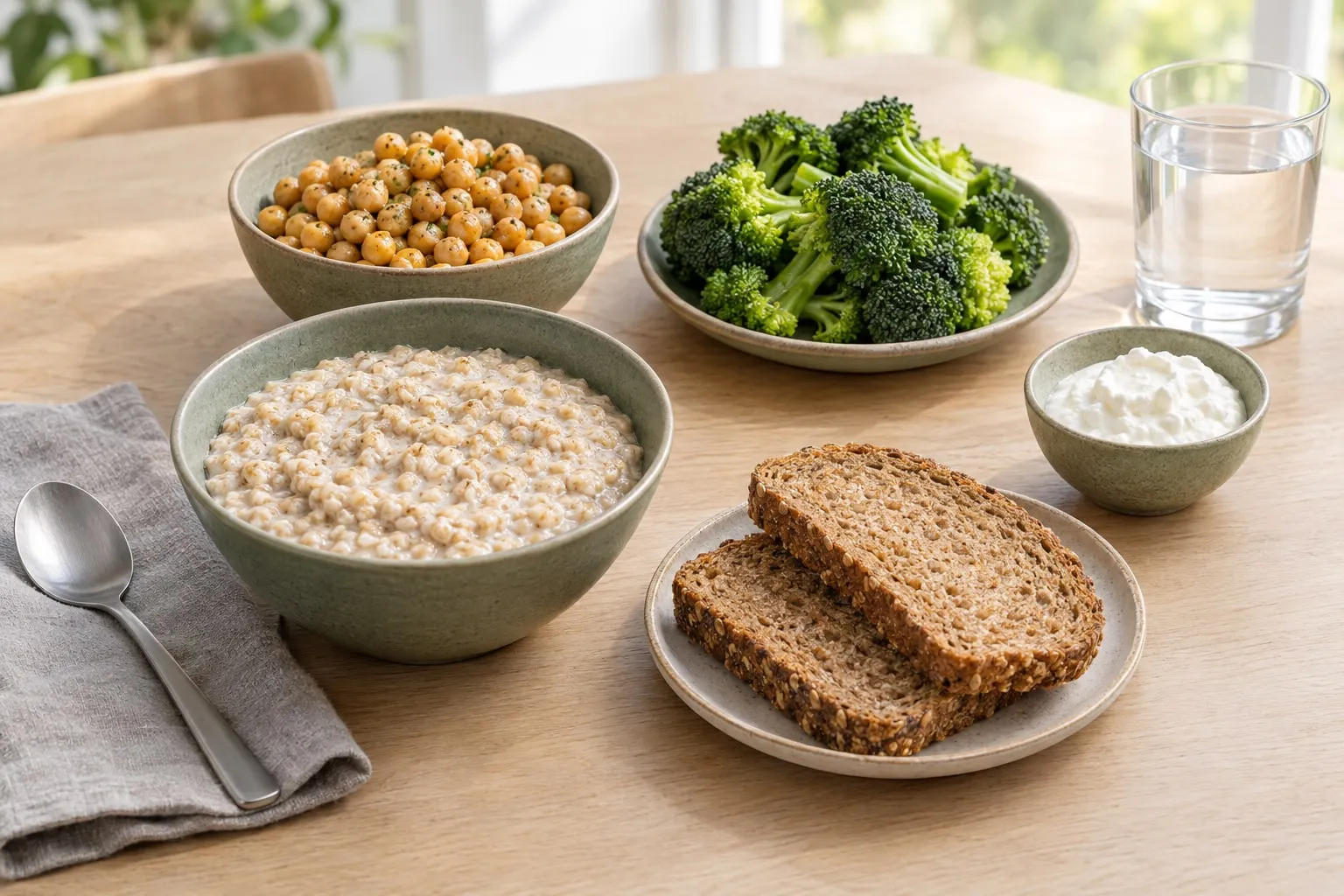
Can protein cause constipation? The NHS lists too little fibre and fluid as causes. Fibre per portion of chicken, quark, whey, pulses and oats.
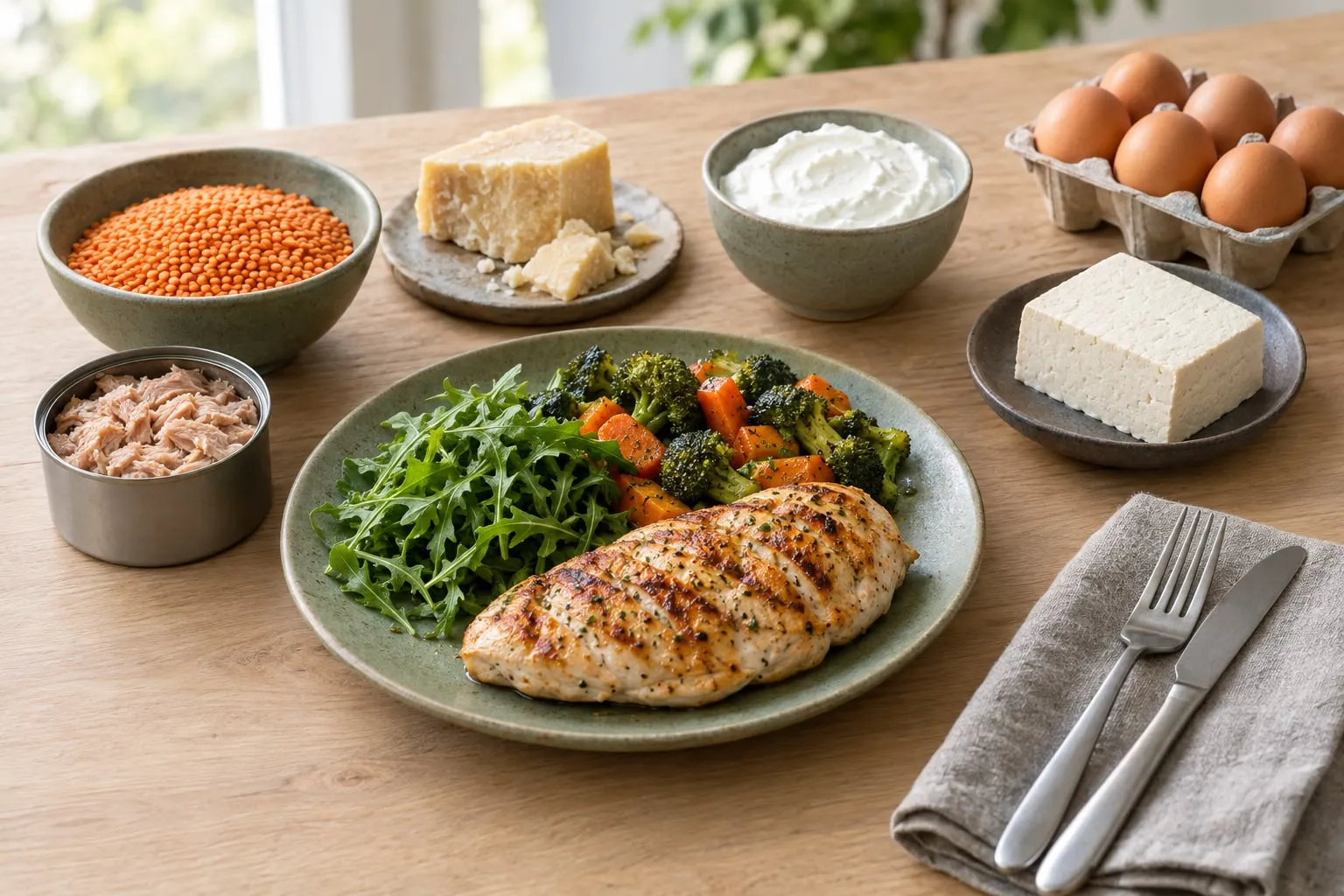
High protein foods ranked by protein per 100 g and per 100 kcal: Parmesan has 36.2 g, grilled chicken 32.0 g, dried red lentils 25.6 g and egg white 10.8 g.
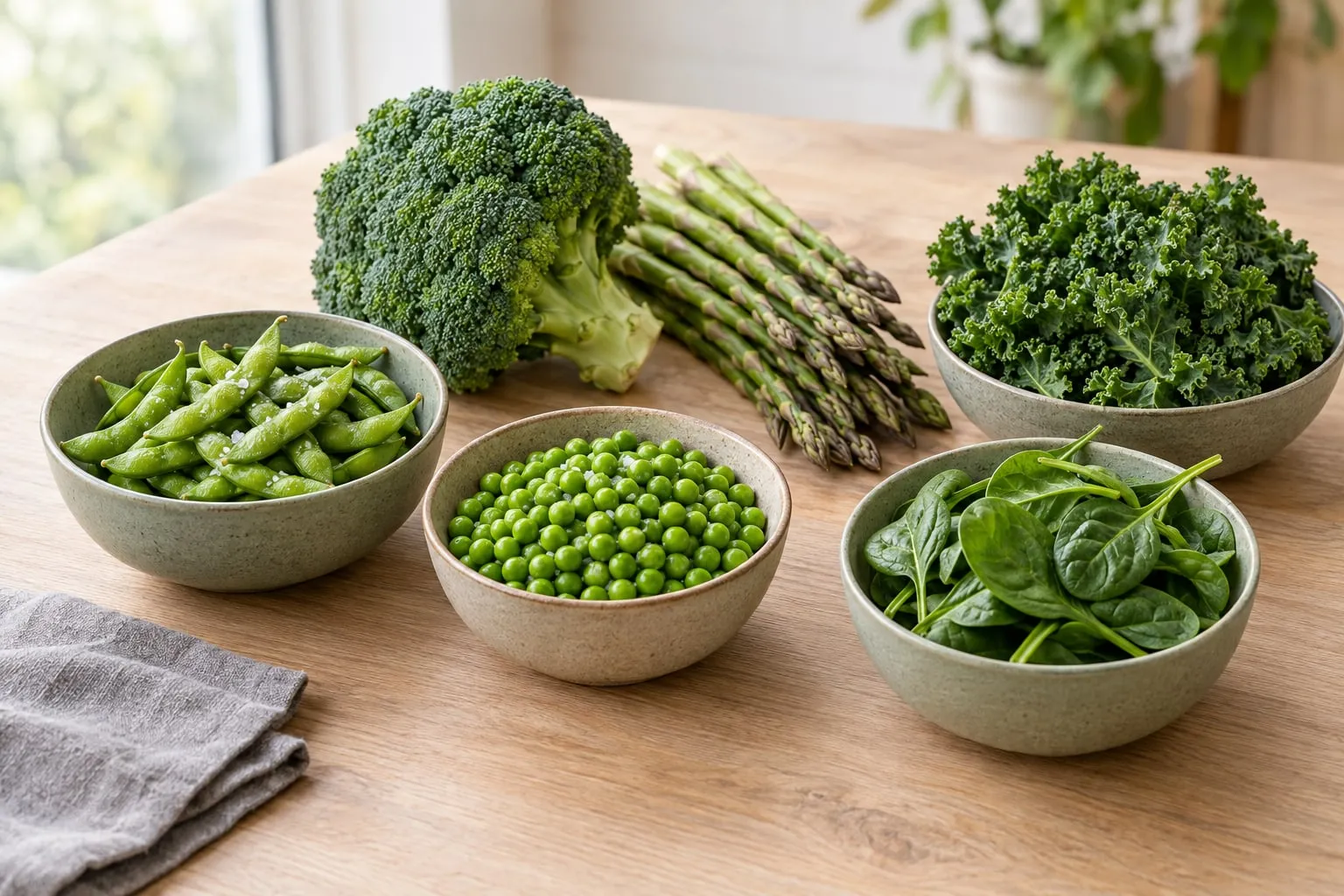
Vegetables high in protein: edamame has 12.2 g per 100 g, boiled peas 6.7 g and raw broccoli 4.3 g. Table with calories and 80 g portions inside.
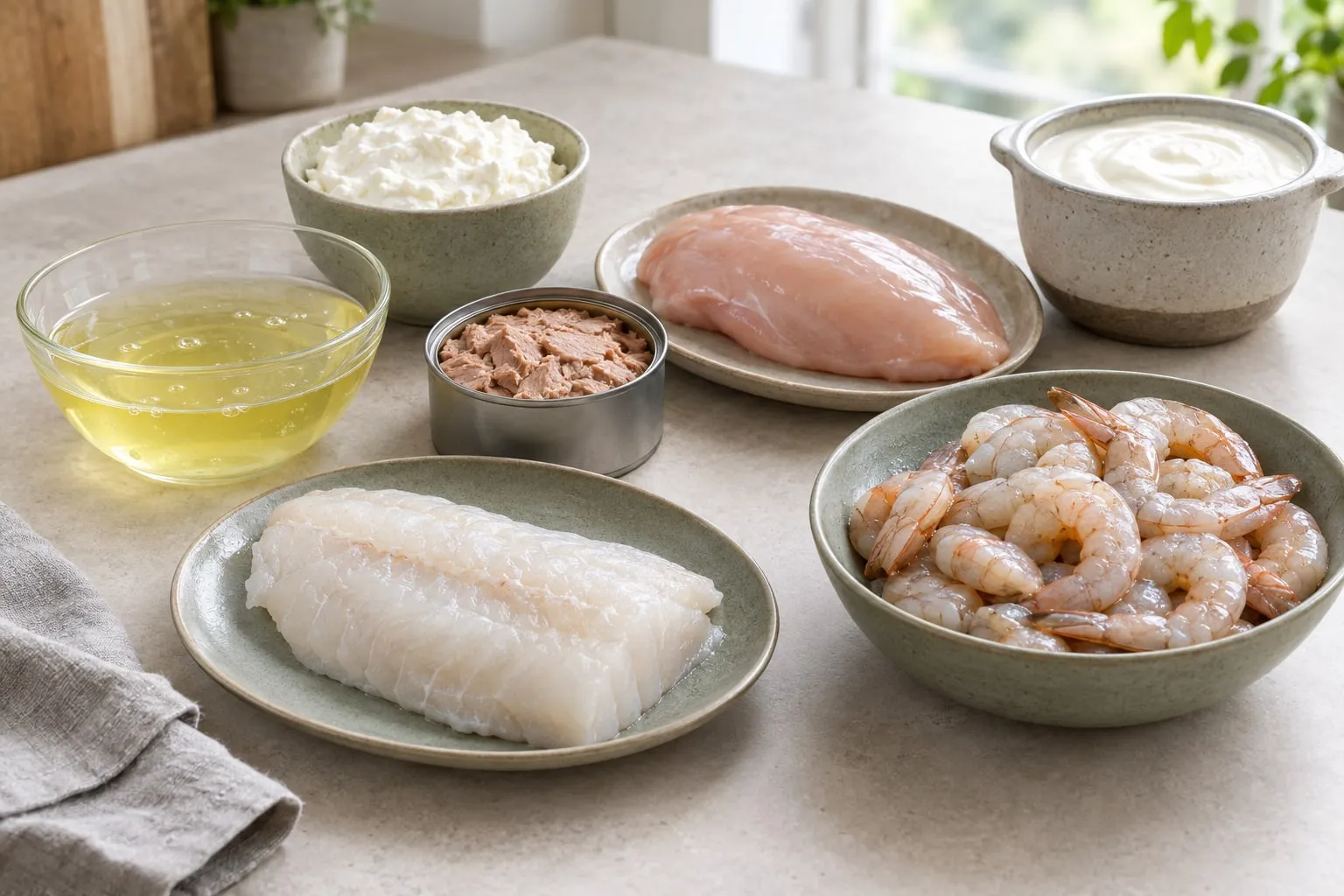
High protein low calorie foods ranked by protein per 100 kcal: egg white gives 25.1 g, cod 23.3 g, prawns 22.9 g and tuna 22.8 g. Tables and portions inside.
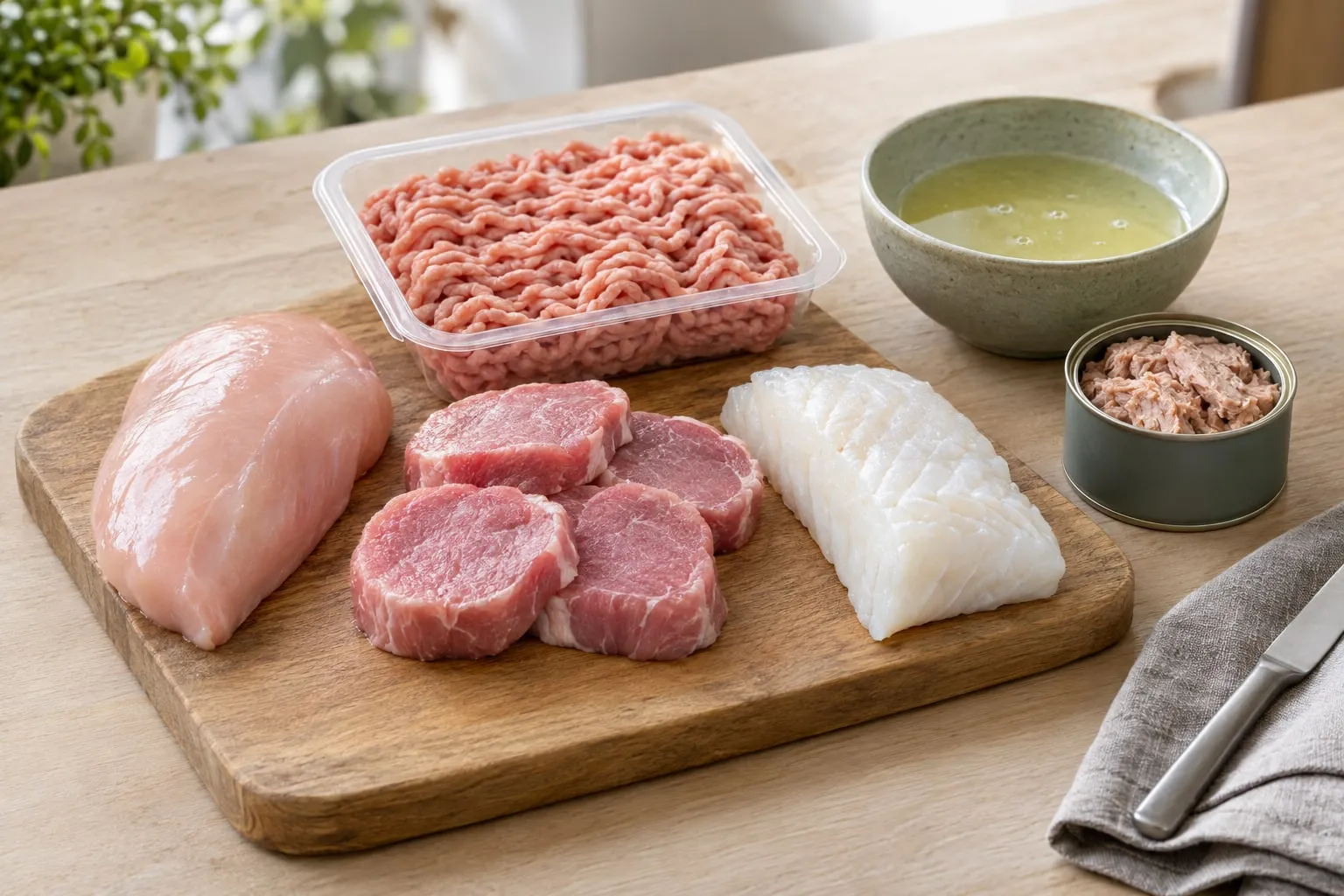
Lean protein sources ranked by fat: raw chicken breast has 24.0 g protein and 1.1 g fat per 100 g, tuna 24.9 g and 1.0 g. Meat, fish and dairy compared.
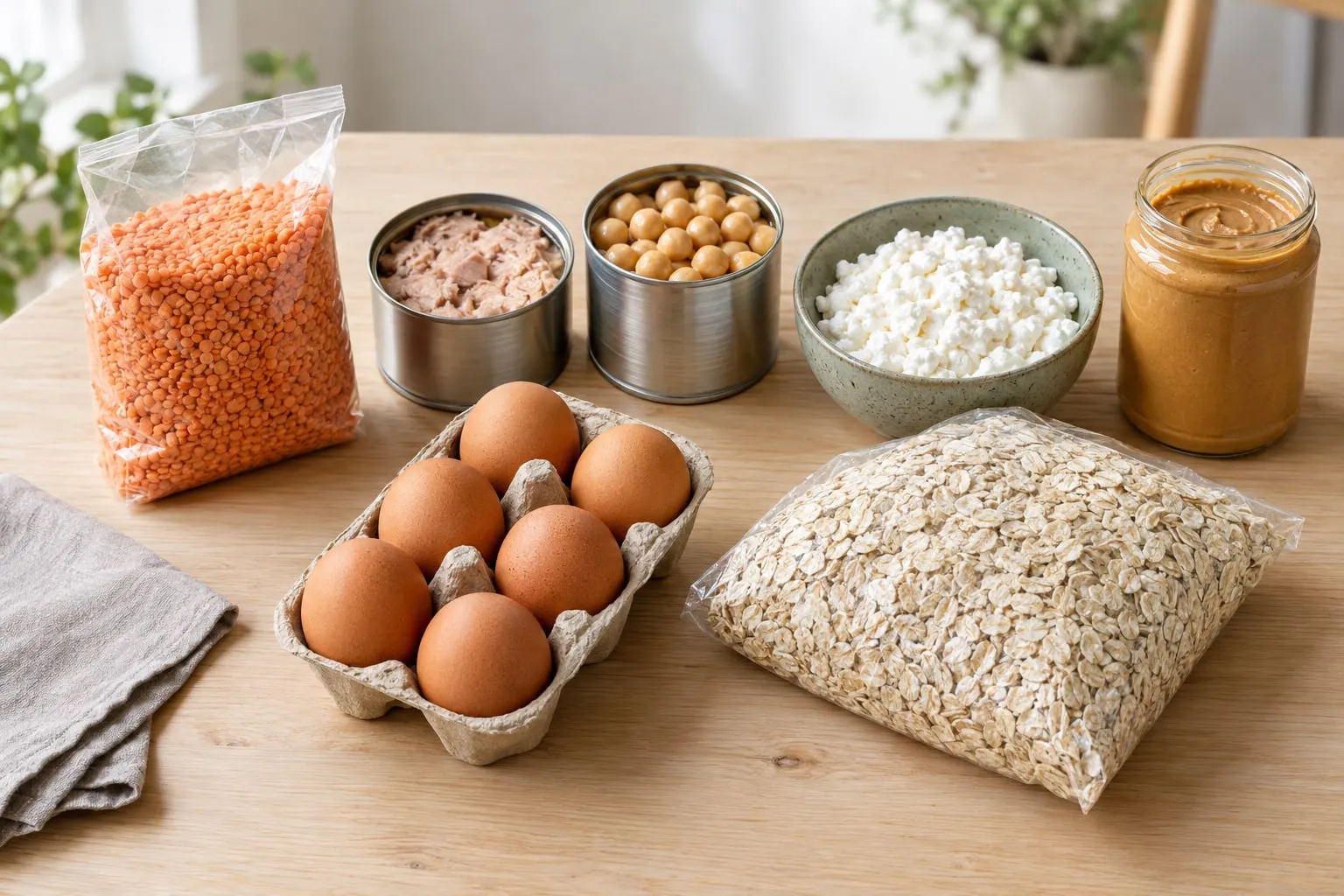
Cheap sources of protein ranked by how many grams give 20 g protein: 40 g TVP, 78 g red lentils, 80 g tuna, 159 g eggs. Check the unit price per kg.
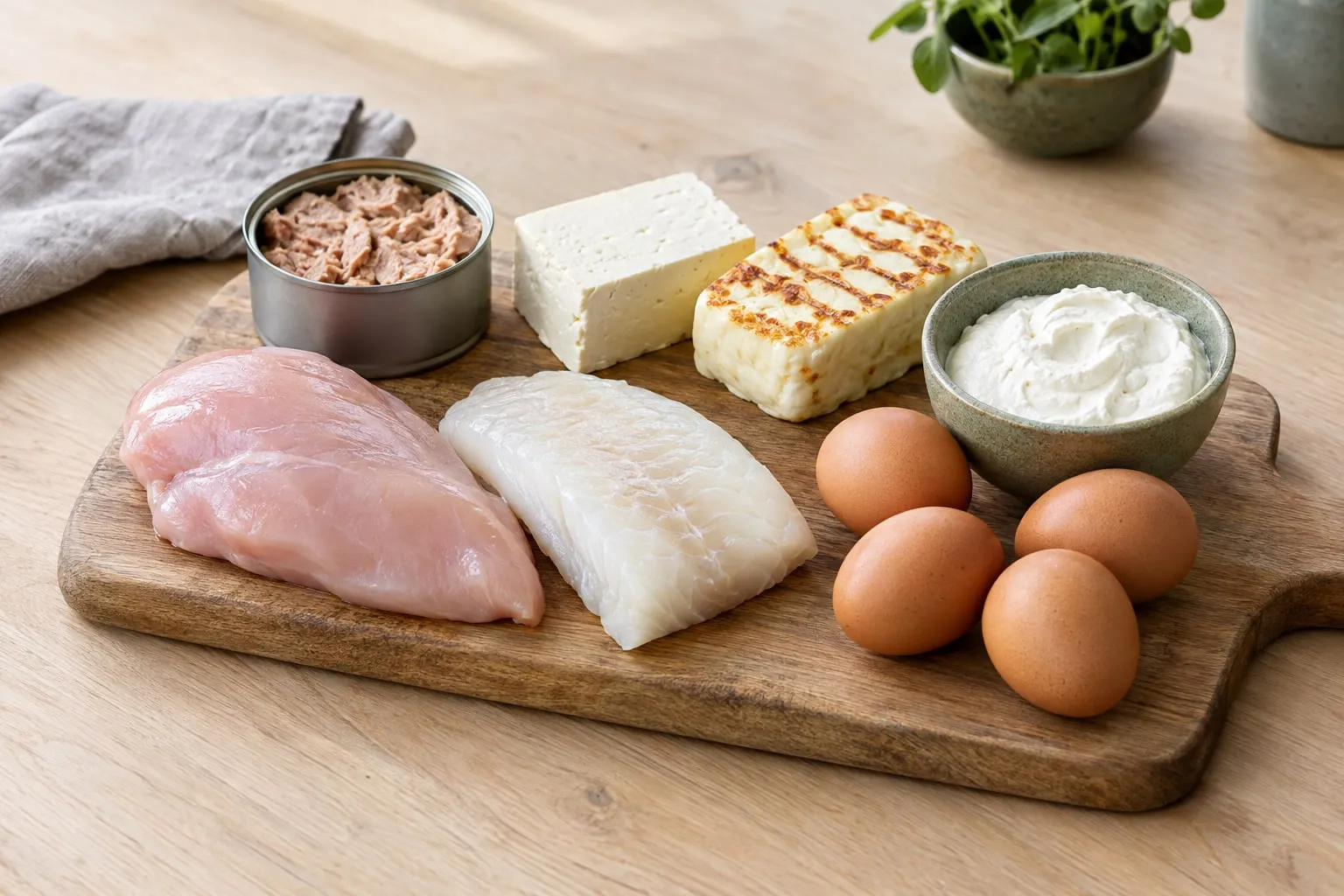
Highest protein foods low carb: chicken, fish and eggs have 0 g carbohydrate per 100 g, paneer 26.0 g protein with 0.9 g carbs. Table and portions inside.
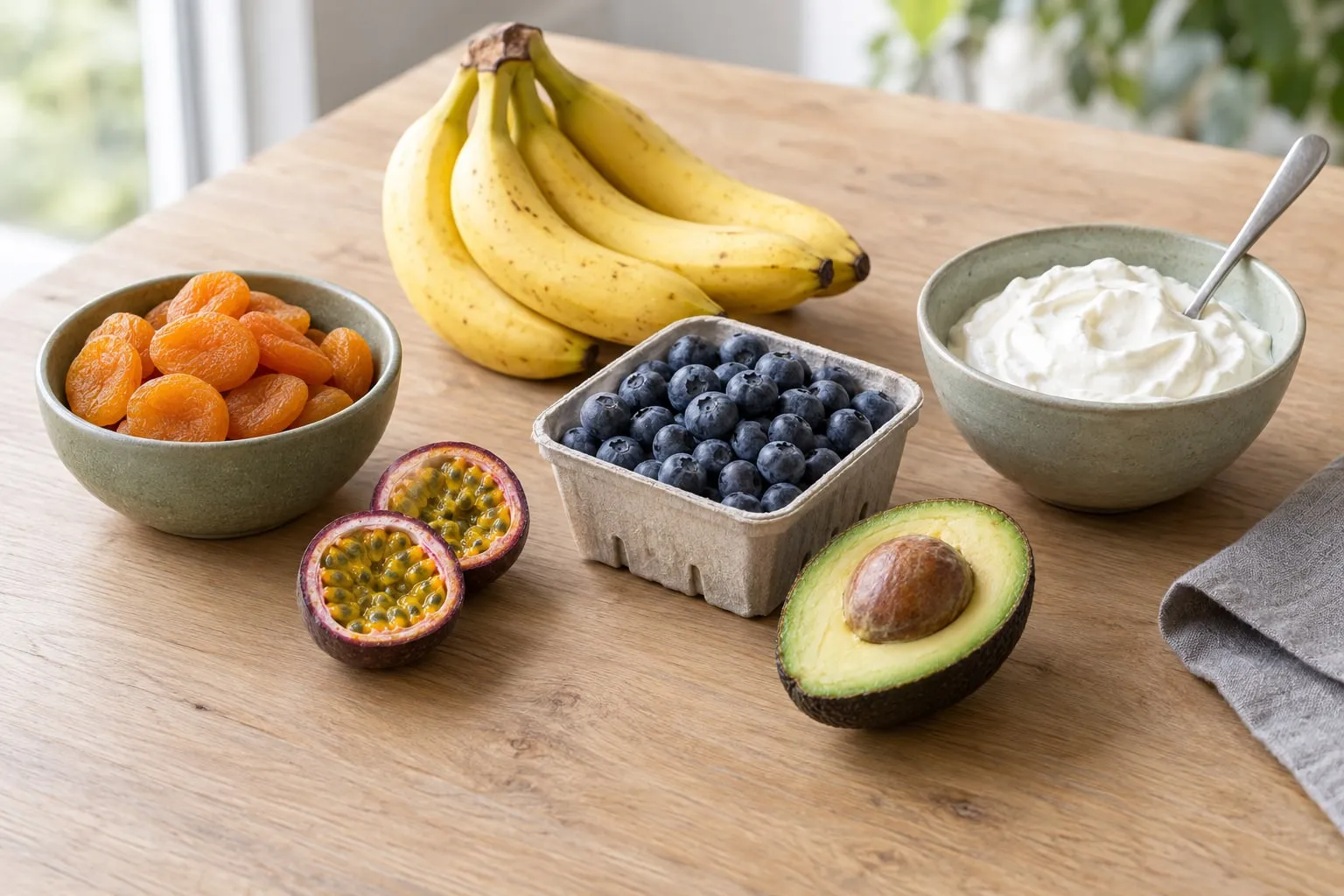
High-protein fruits are rare: dried apricots have 4.8 g protein per 100 g and passion fruit 2.6 g, while berries and apples stay under 1 g. Full table inside.
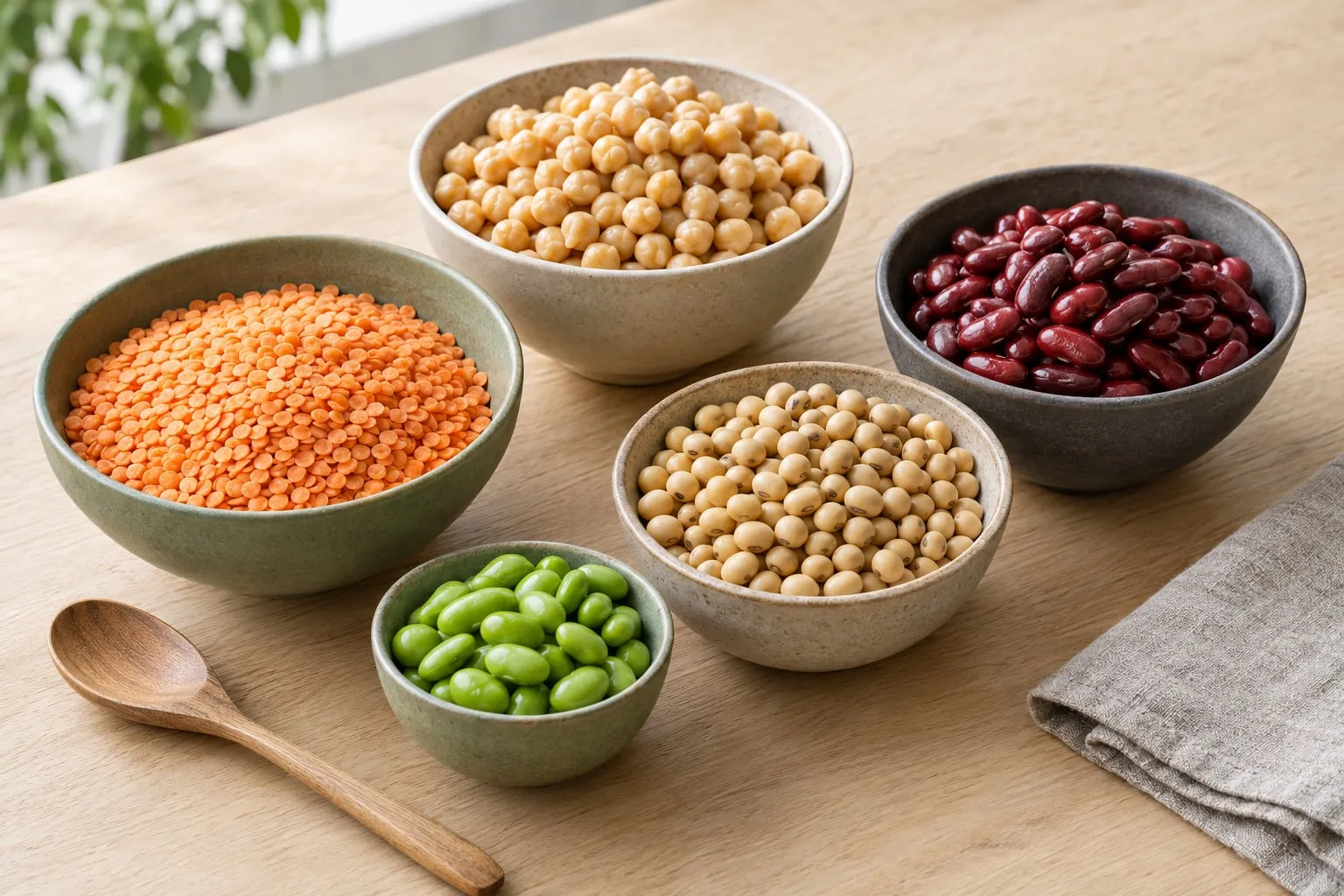
Protein foods high in fiber (fibre): 240 g drained chickpeas give 20.2 g protein and 17.0 g fibre. Values per 100 g and per portion for pulses and soya.
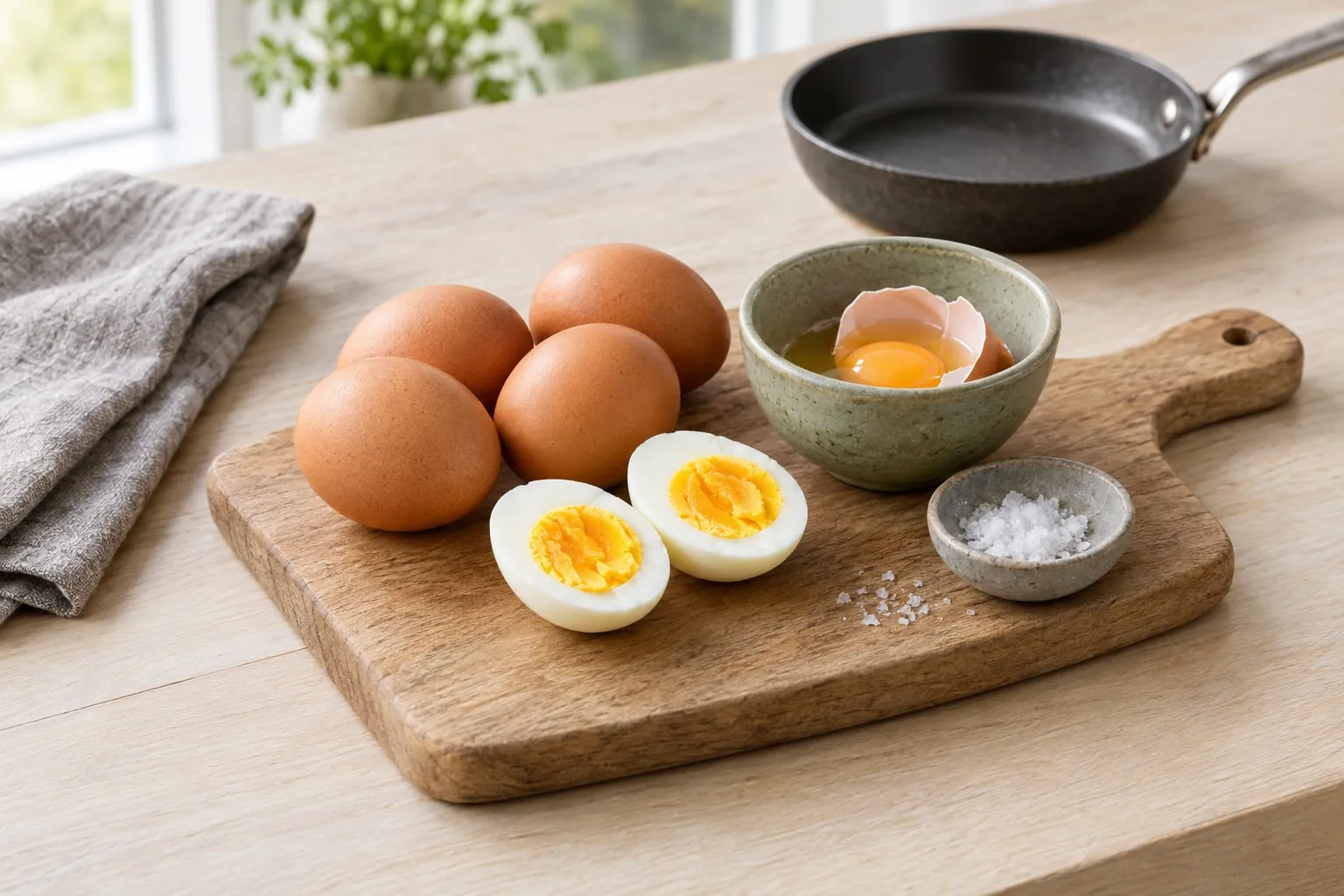
How much protein in an egg: one medium raw egg has 6.3 g protein and 66 kcal. Values per egg, per 100 g, boiled, fried and scrambled.
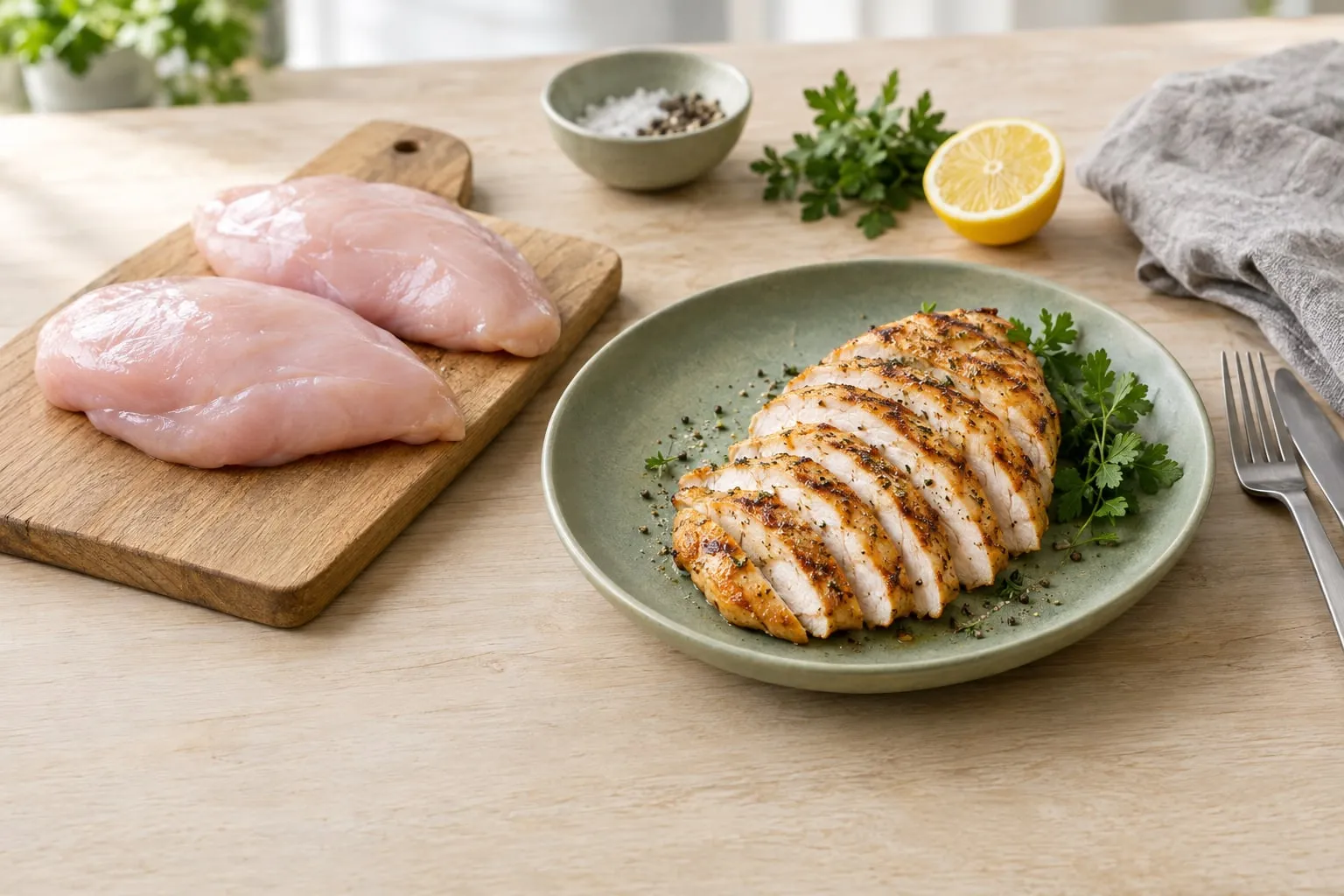
How much protein in a chicken breast: a raw 150 g fillet has 36.0 g protein and 159 kcal. Per 100 g raw and cooked, with fillet sizes and pack totals.
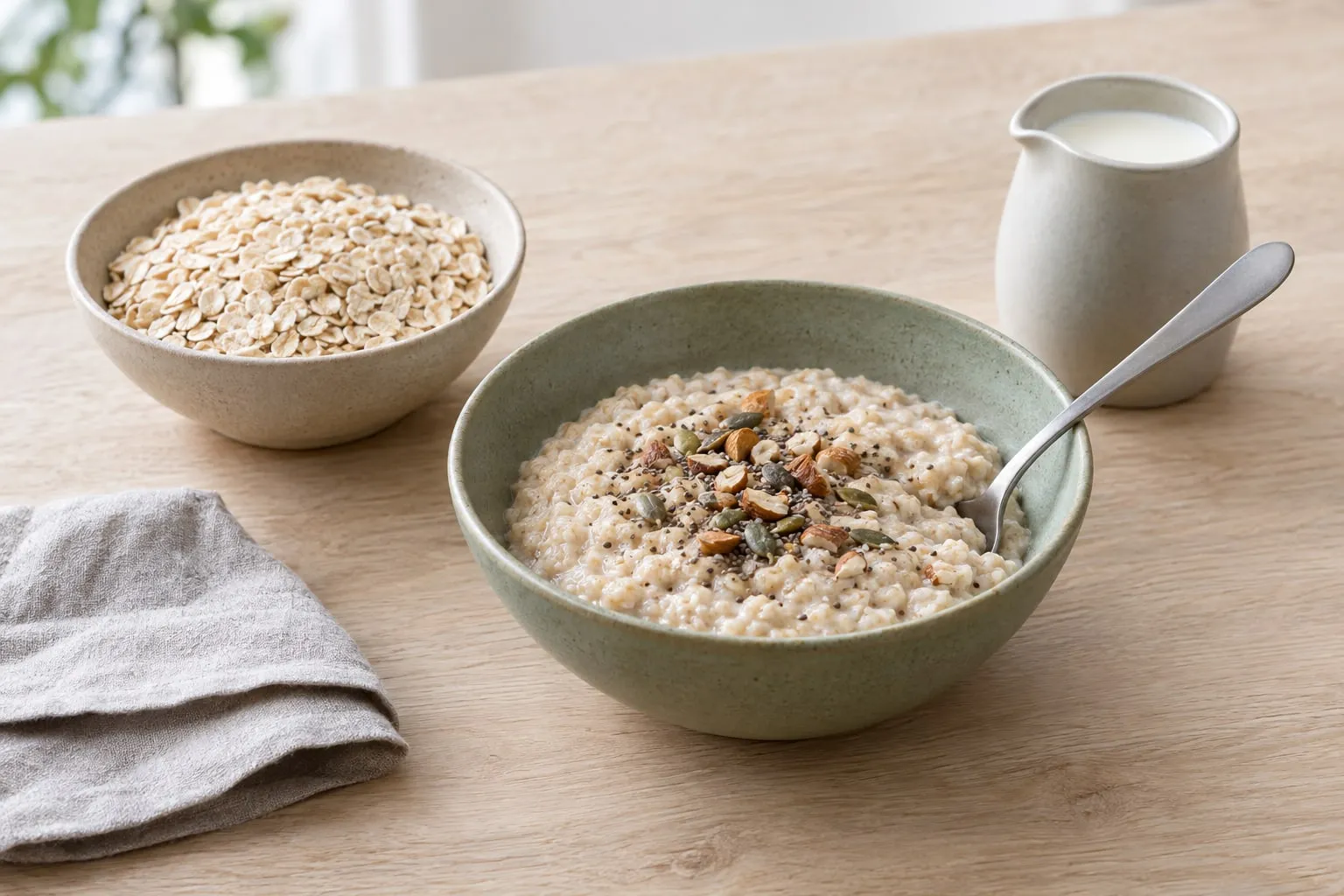
Protein in oats: porridge oats have 10.9 g protein per 100 g dry, so a 40 g portion gives 4.4 g. Porridge made with milk or water, and ways to add more.
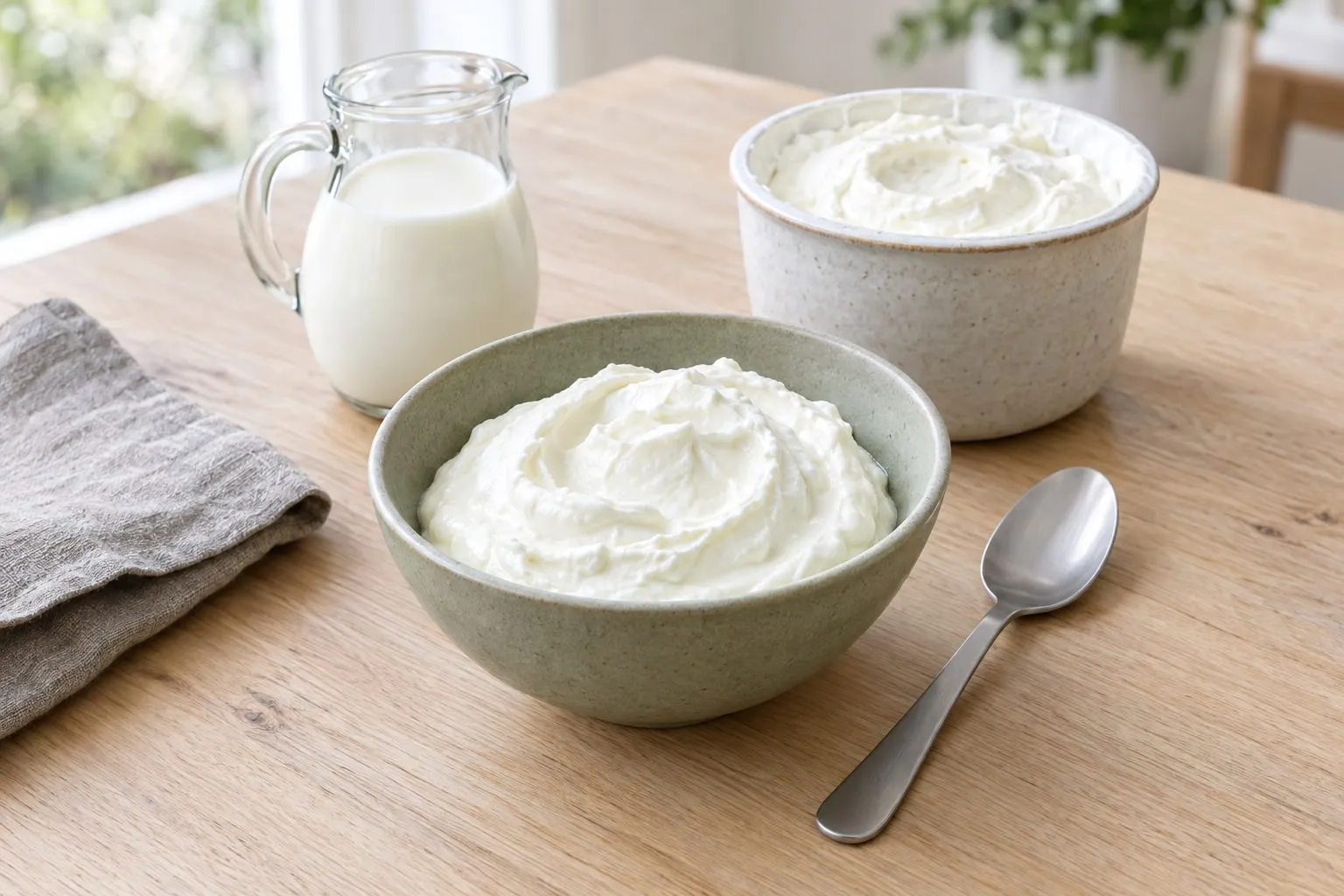
Protein in Greek yogurt: 150 g of strained 0% fat Greek yogurt has 15.5 g protein and 81 kcal, skyr 16.5 g. Compared per 100 g and per portion.
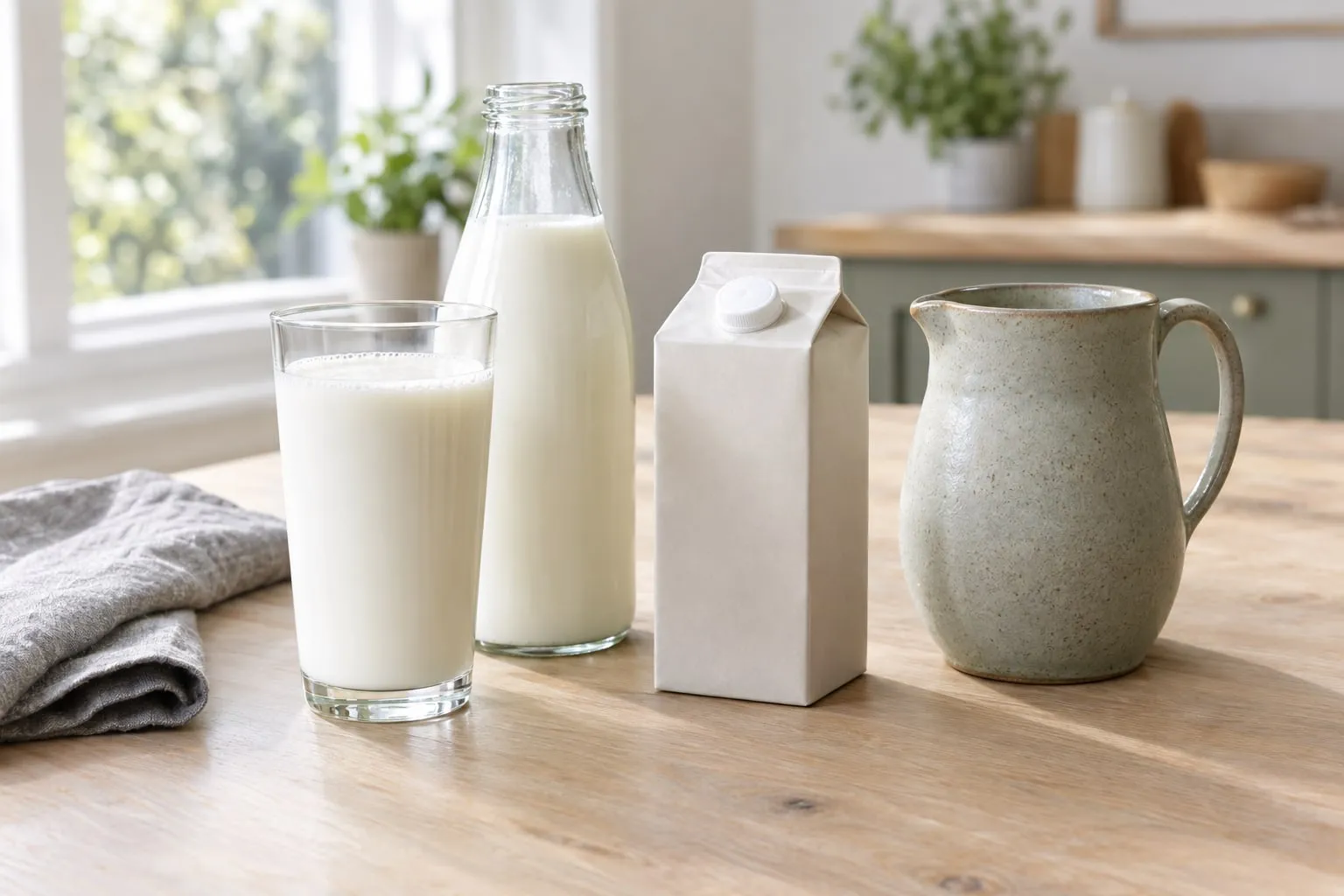
Protein in milk: semi-skimmed has 3.5 g per 100 g, so a 200 ml glass gives 7.0 g and a pint 19.9 g. Whole, skimmed, goat's and plant drinks compared.
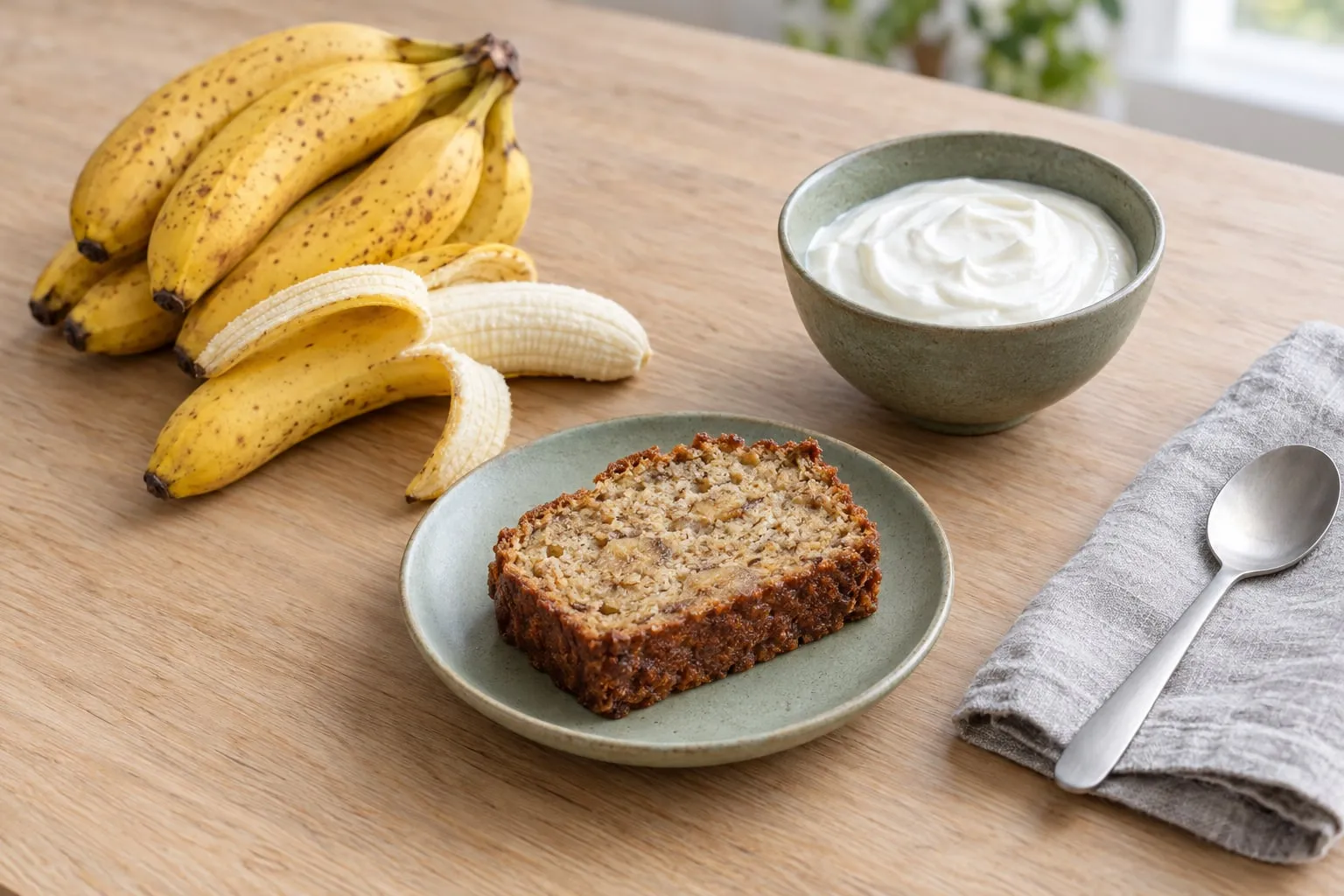
How much protein in banana: a medium banana has 1.0 g protein and 61 kcal. Values per 100 g, per size, and how to pair it with protein foods.
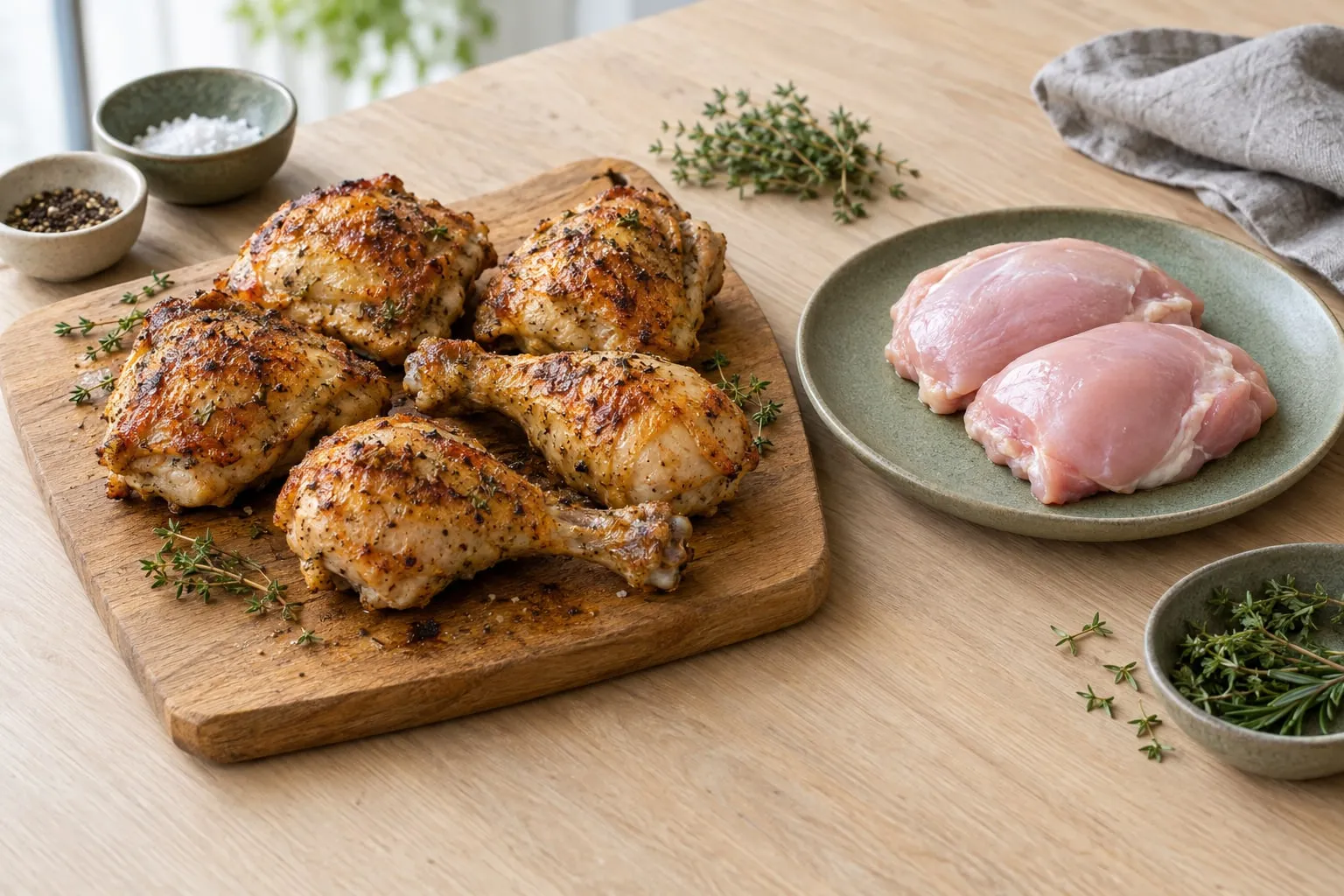
Protein in chicken thighs: a cooked bone-in thigh of 120 g has 21.4 g protein, and two boneless raw thighs have 41.8 g. Drumsticks, skin and bone compared.
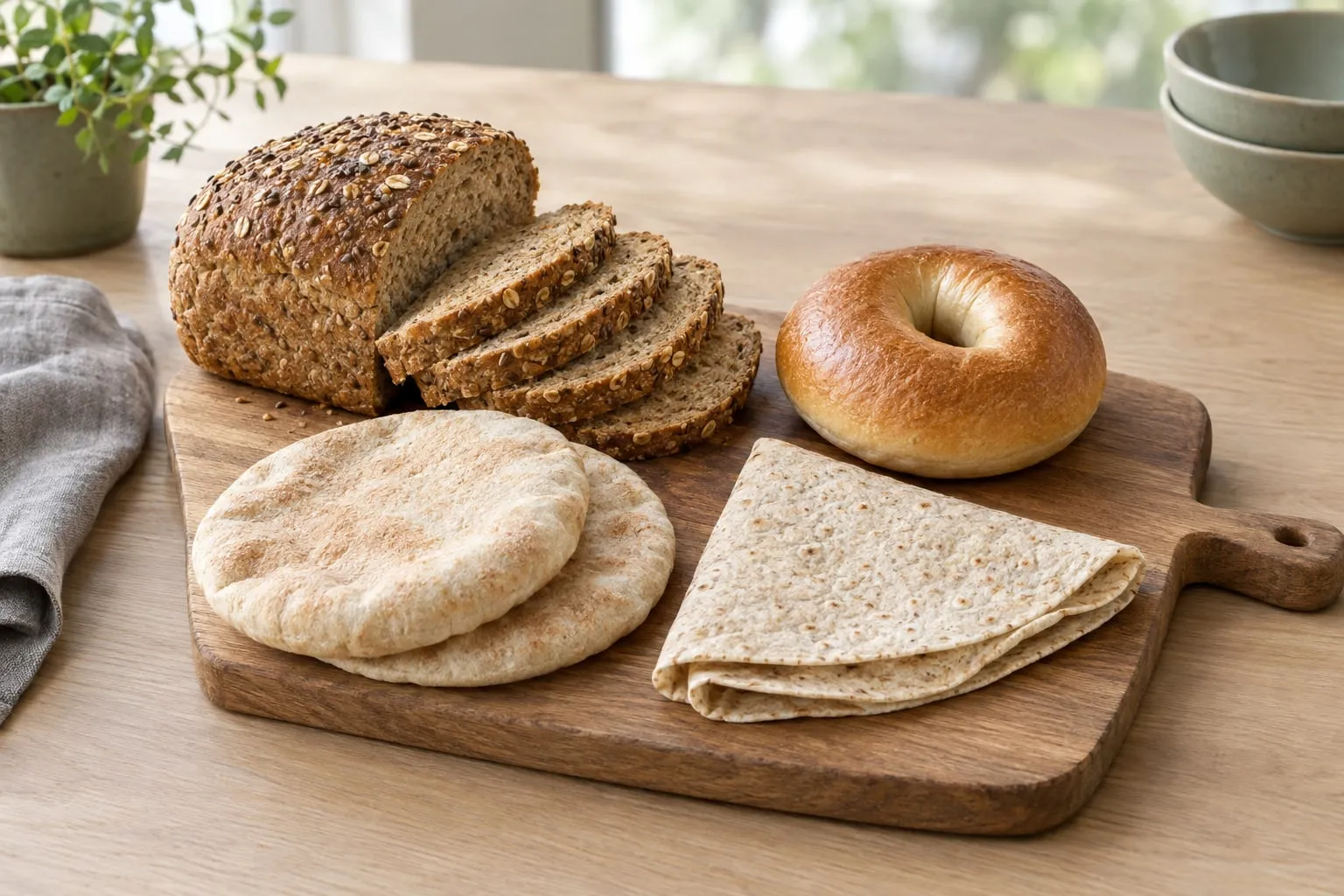
Protein in bread: a slice has 2.8–4.0 g protein depending on type and weight. Wholemeal, white, seeded, bagels, pitta and tortillas compared.
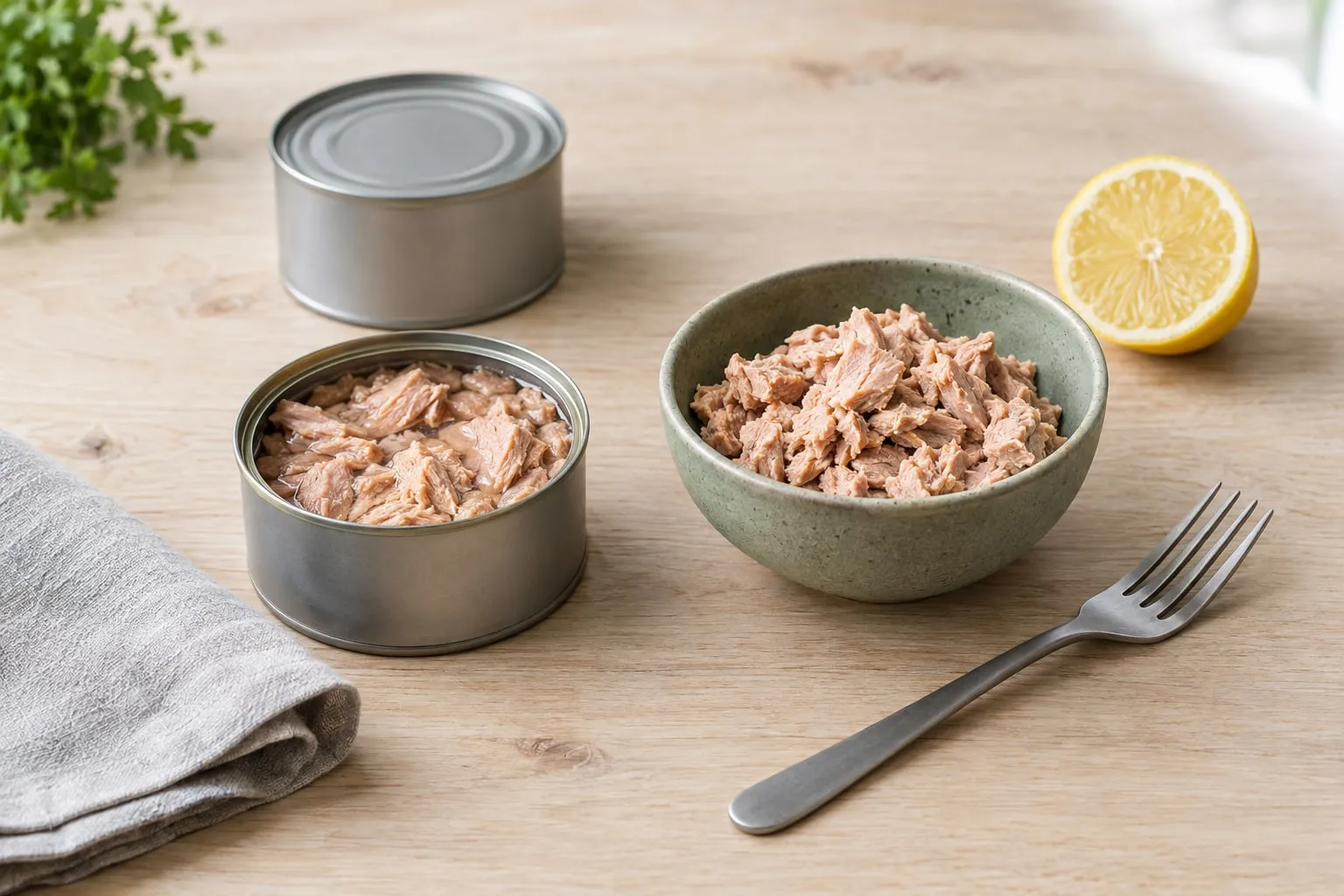
How much protein in tin of tuna: a 145 g tin in brine, drained to about 102 g, has 25.4 g protein and 111 kcal. Brine, oil and fresh tuna compared.
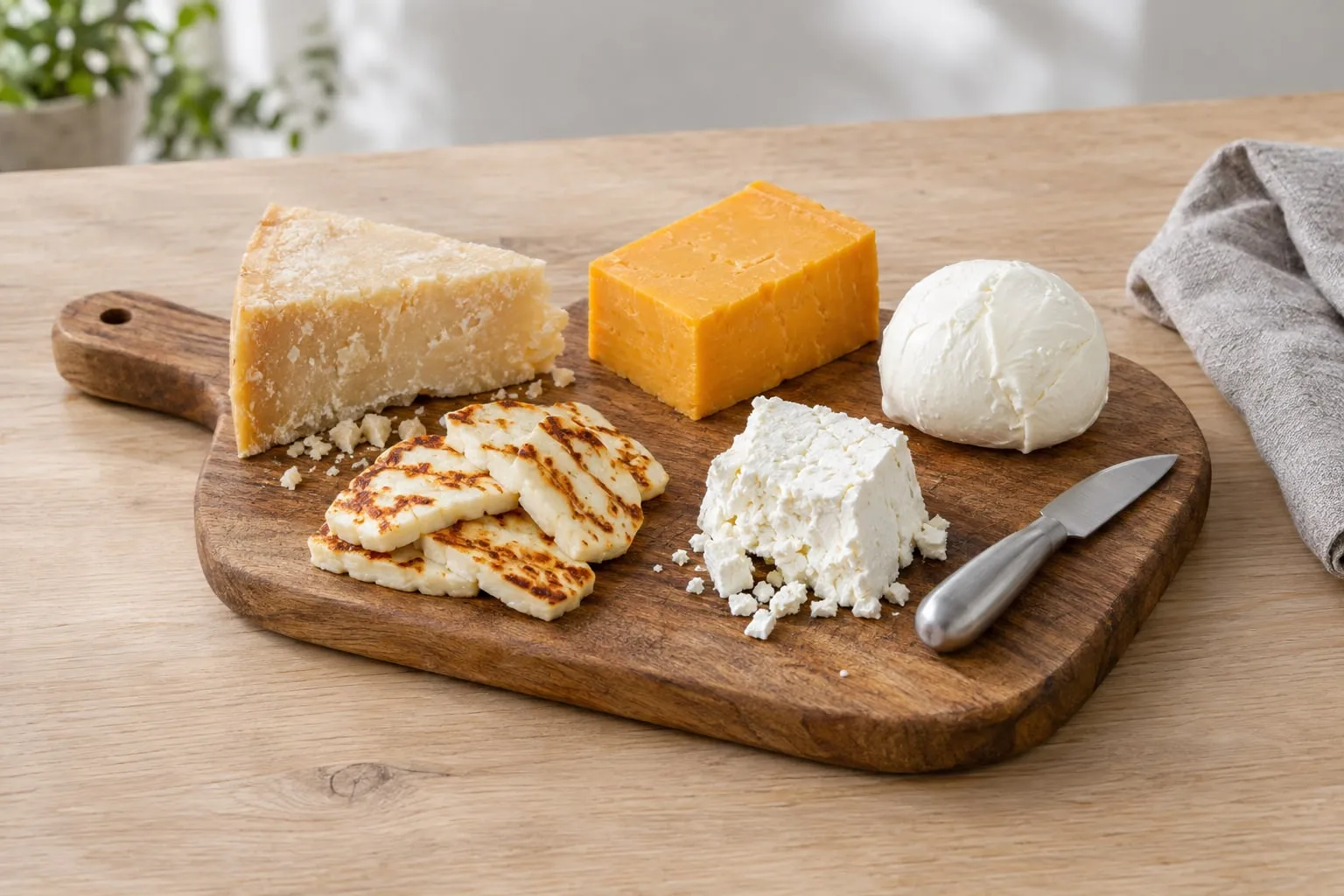
Protein in cheese per 100 g and per portion: Parmesan has 36.2 g, half-fat Cheddar 32.7 g and feta 15.6 g. Ranked by protein and per 100 kcal.
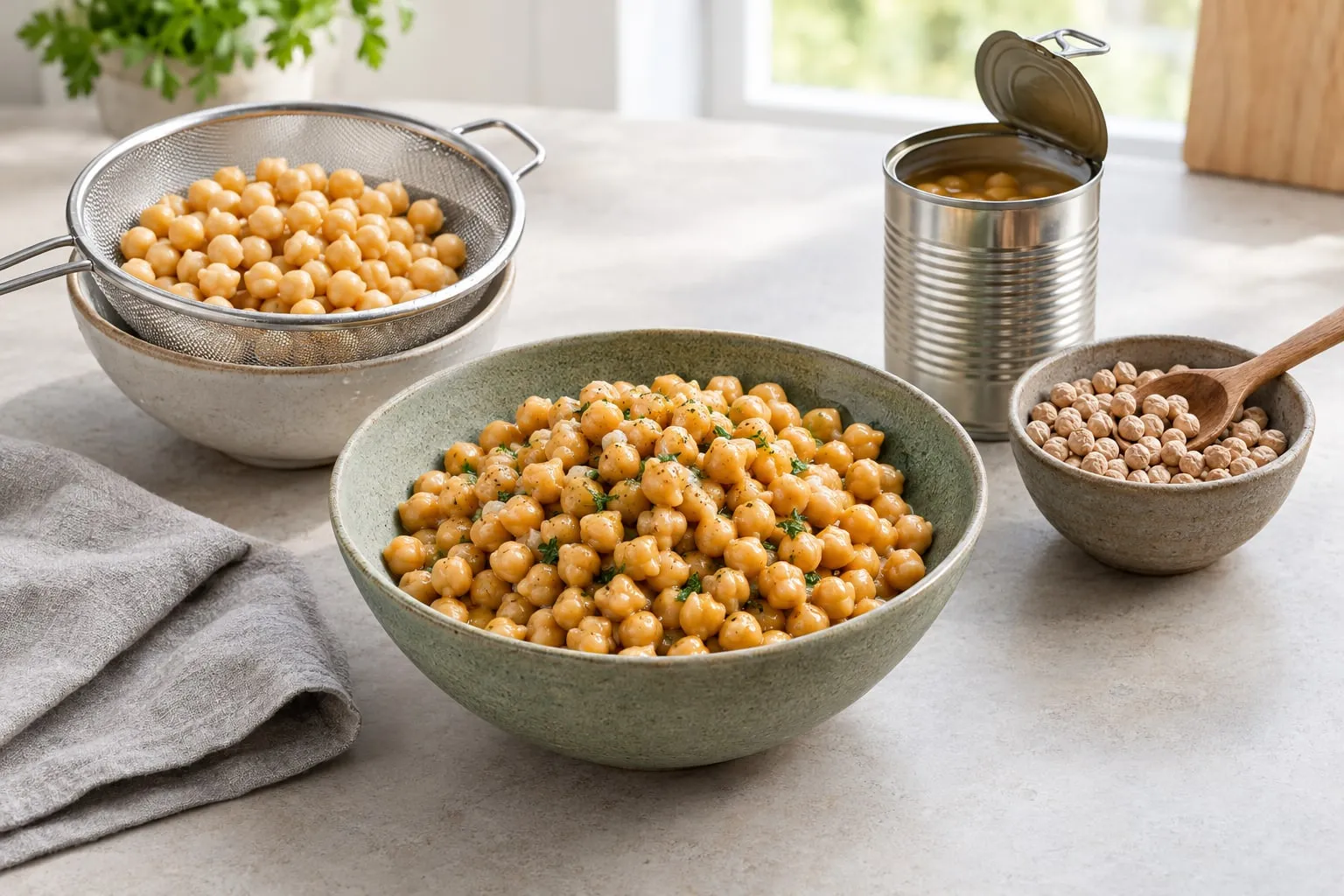
Protein in chickpeas: drained tinned chickpeas have 8.4 g protein per 100 g, so a 400 g tin gives 20.2 g. Dried, cooked and houmous compared.
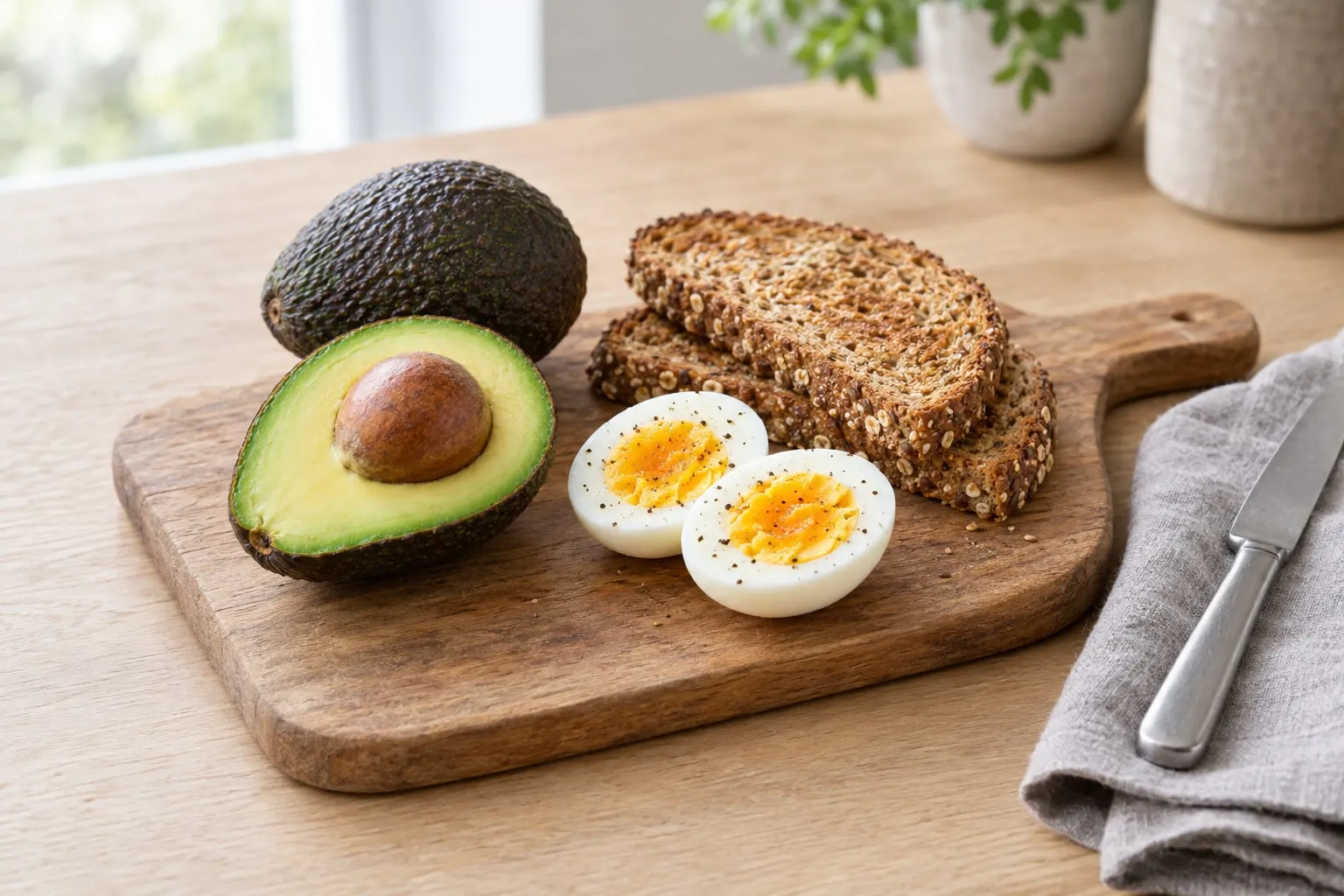
Protein in an avocado: a medium one has about 2 g protein and 177 kcal. Values for Hass and Fuerte per 100 g, per half and per whole fruit.
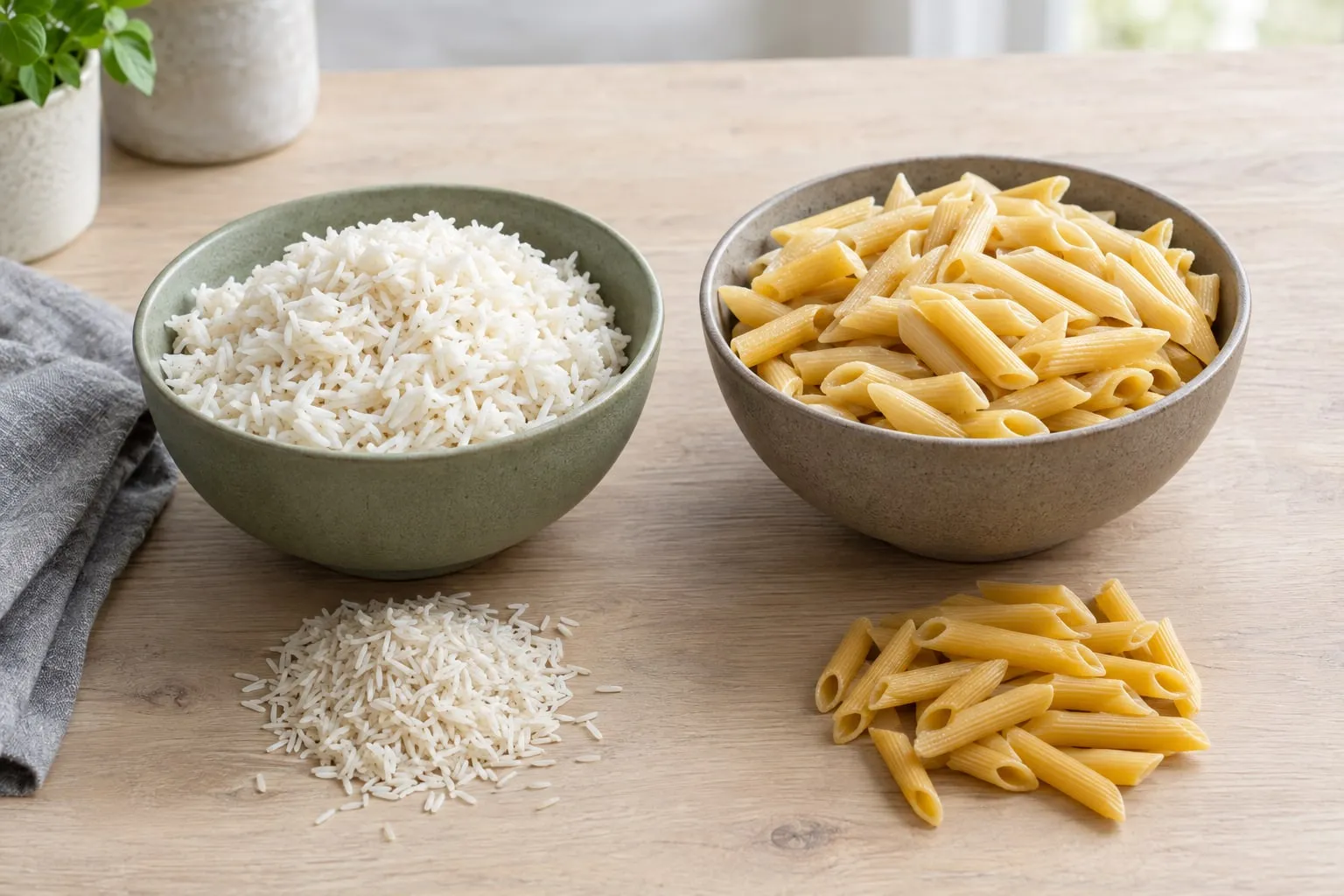
Rice with protein: 75 g dry basmati has 6.1 g protein and 75 g dried pasta 8.5 g. Raw and cooked values, plus how high protein pasta compares.
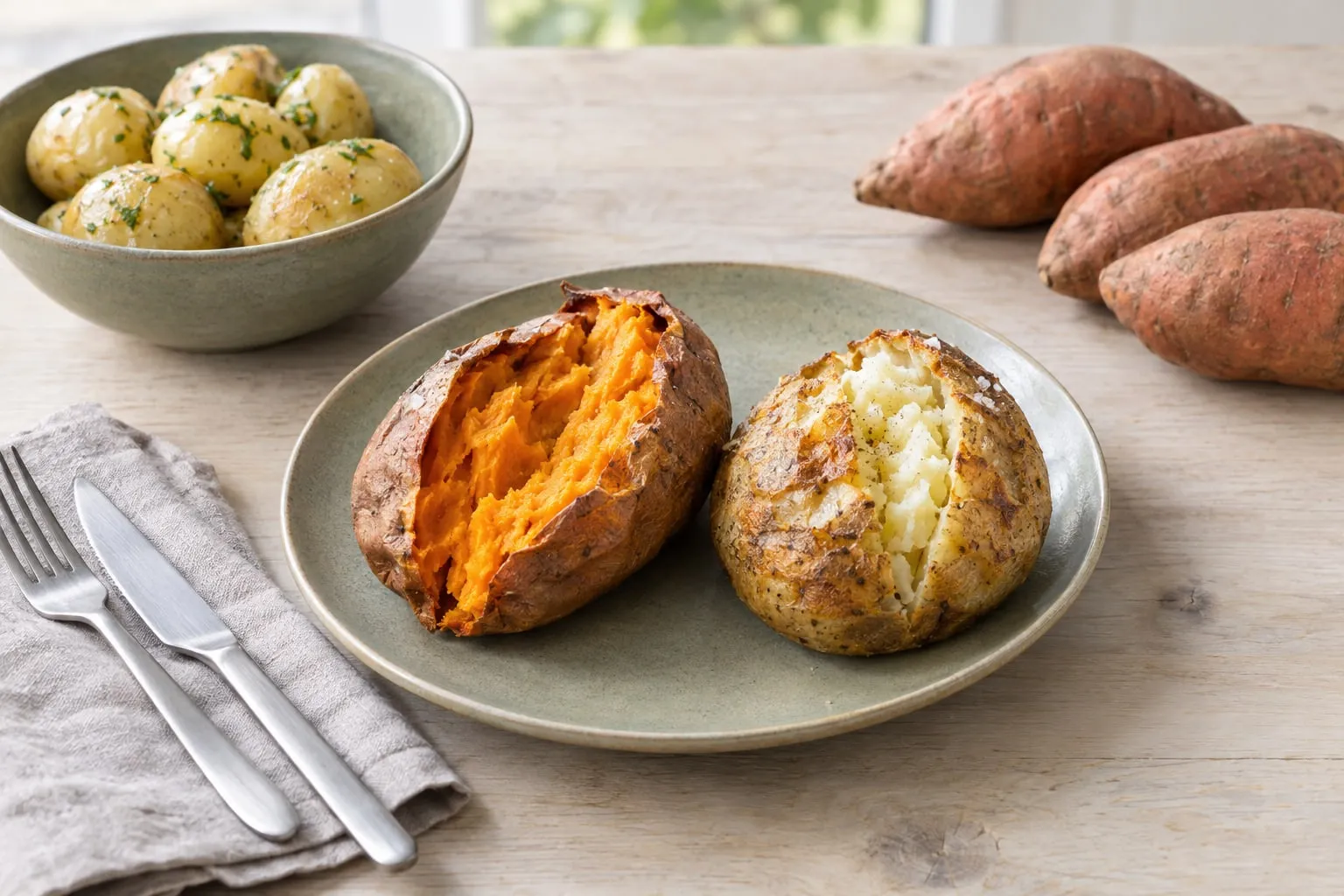
Sweet potatoes protein: baked sweet potato has 1.6 g protein per 100 g, a baked potato 2.5 g. Values per 100 g and per portion, plus a bowl that adds more.
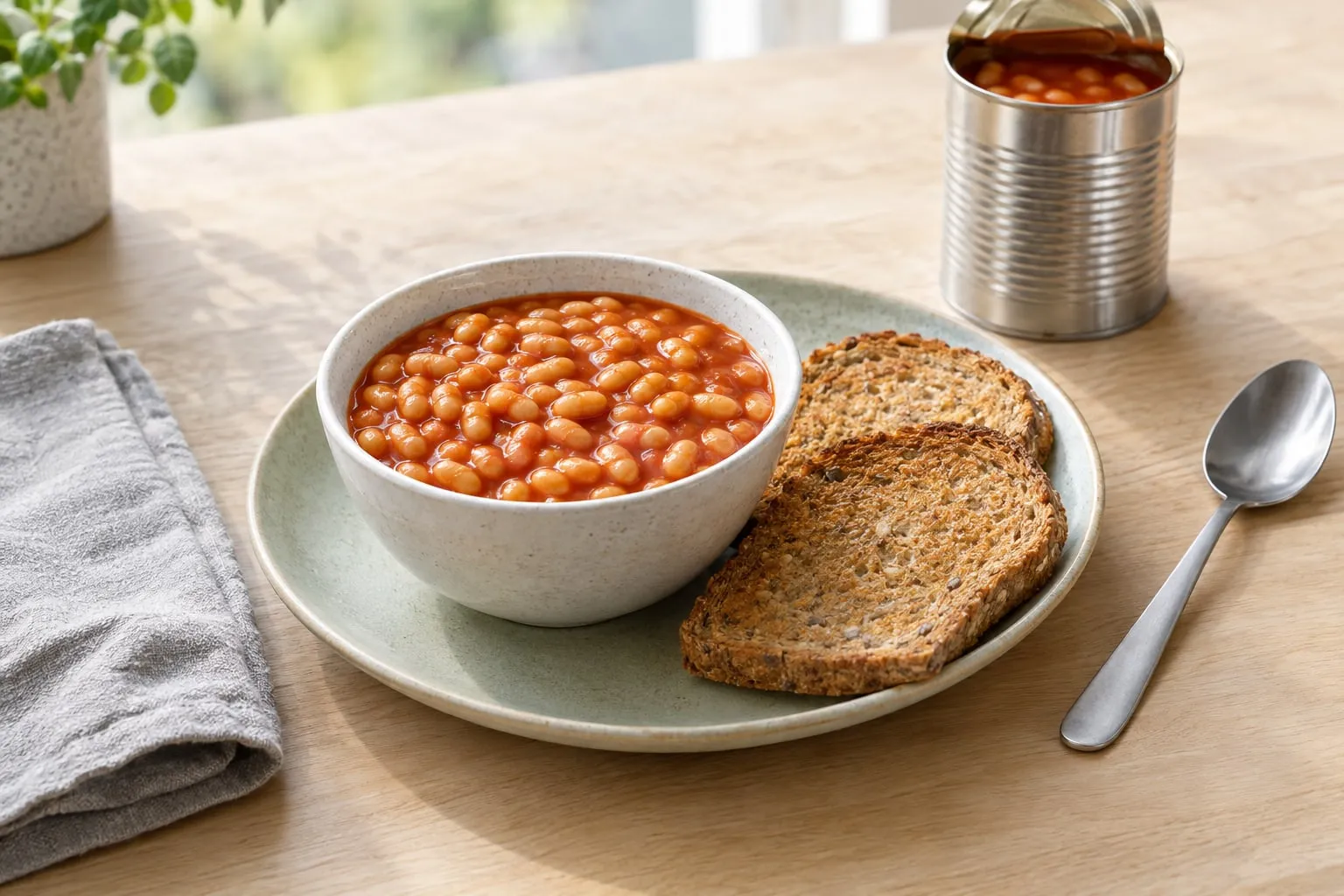
Baked beans protein: 5.0 g per 100 g, so 10 g in half a 400 g tin and 20 g in the whole tin. Compared with kidney beans, soya beans and edamame.
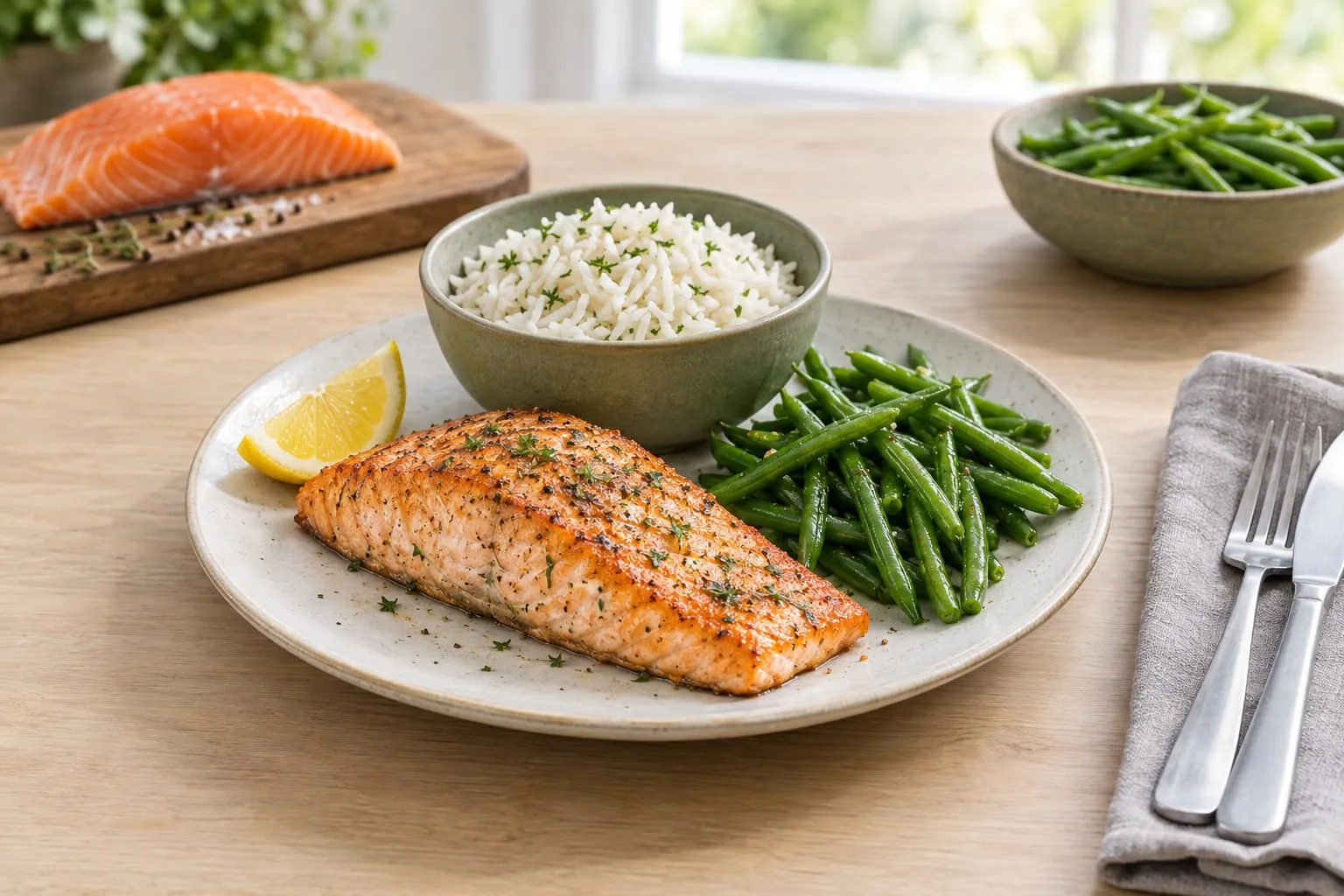
How much protein in salmon fillet: a 120 g raw fillet has 24.5 g protein and 260 kcal. Raw, baked, smoked and tinned salmon per 100 g and per portion.
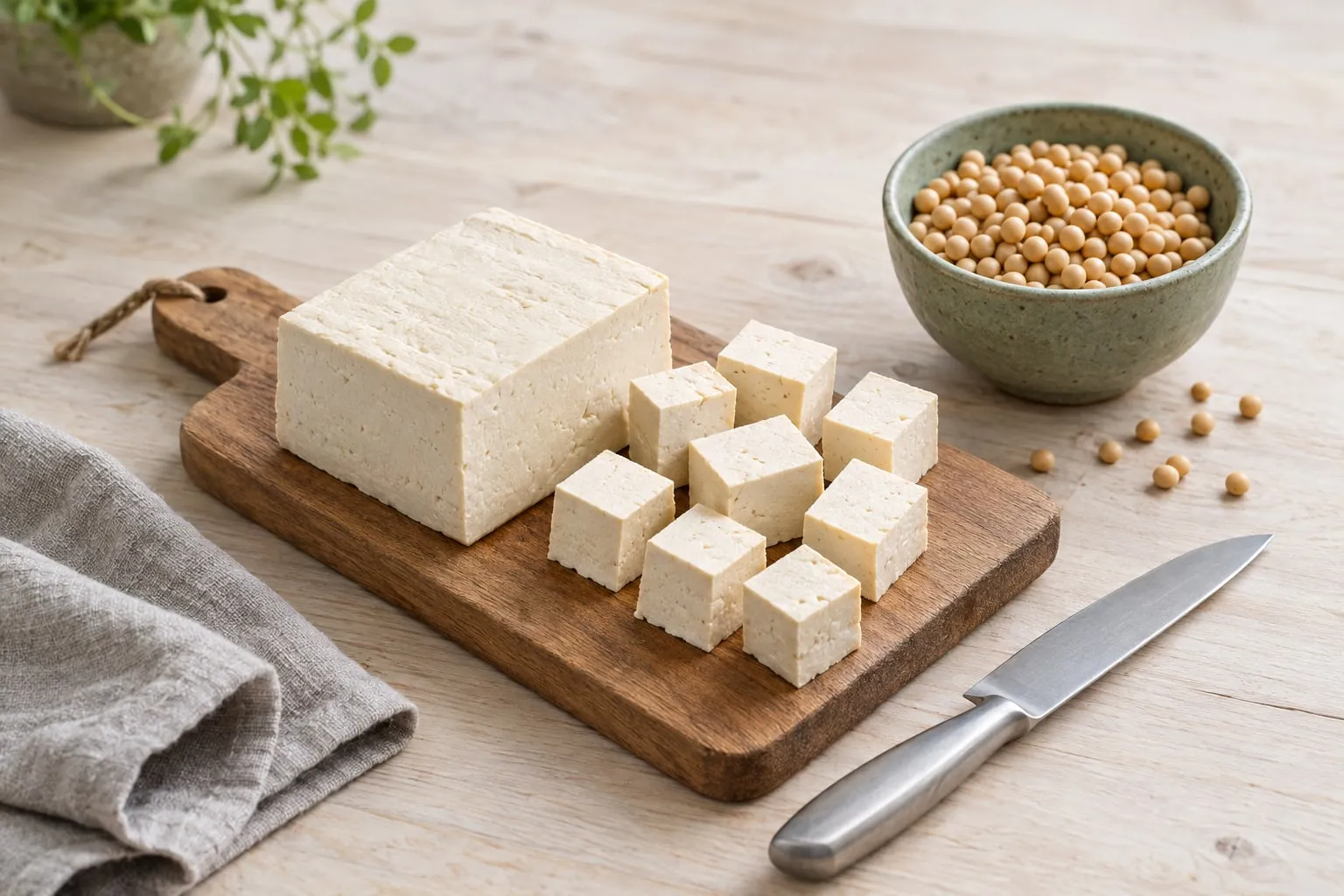
Protein in tofu: firm tofu has about 12.5 g protein and 125 kcal per 100 g, steamed tofu 8.1 g. Values per 100 g and per block, with tempeh and seitan.
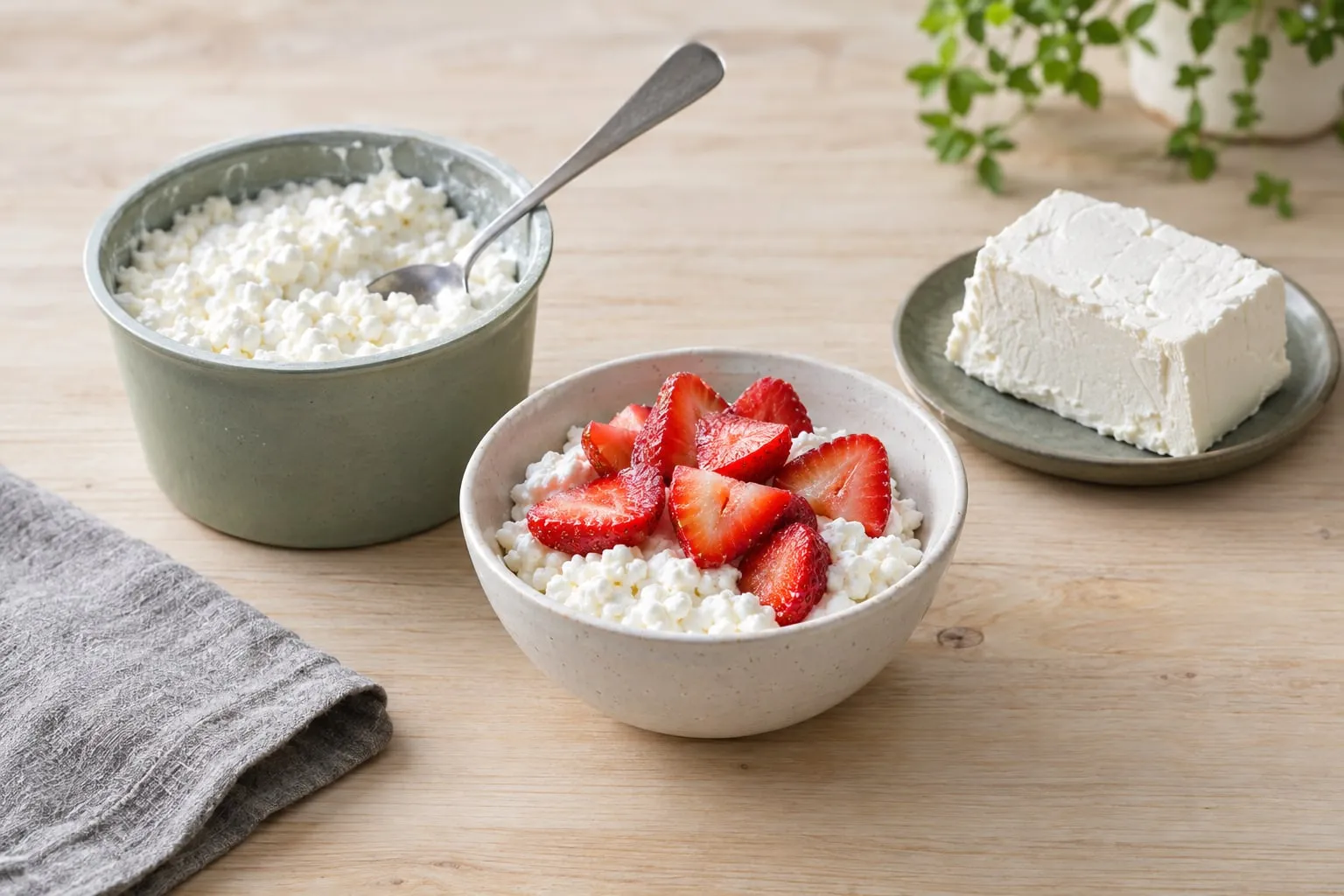
Protein in cottage cheese: 150 g plain has 14.1 g protein and 155 kcal, reduced fat has 15.9 g and 102 kcal. Values per 100 g, per portion and per tub.
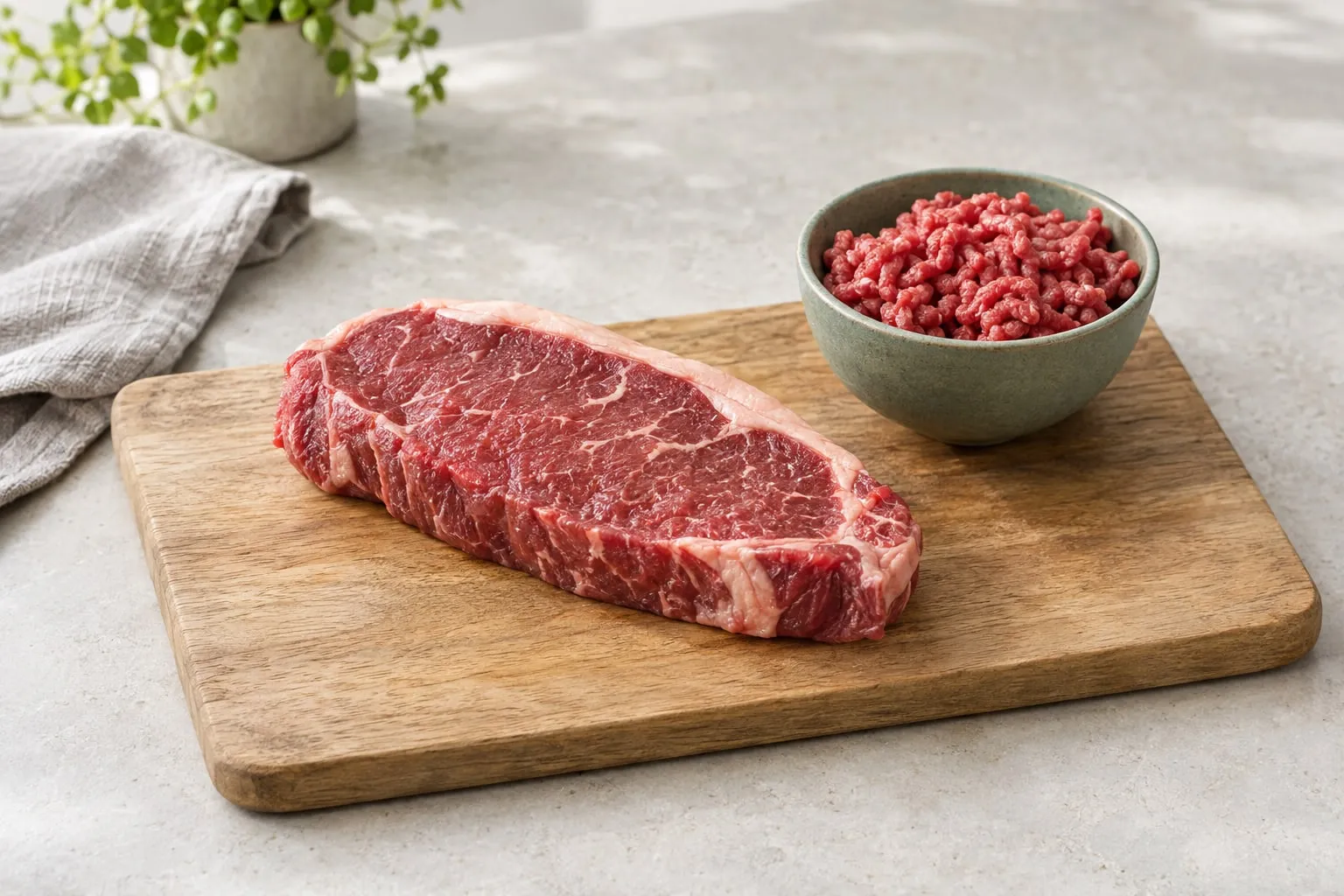
How much protein in steak: 225 g of raw lean sirloin has 52.9 g protein and 304 kcal. Steak cuts, regular and extra lean mince, raw and cooked.
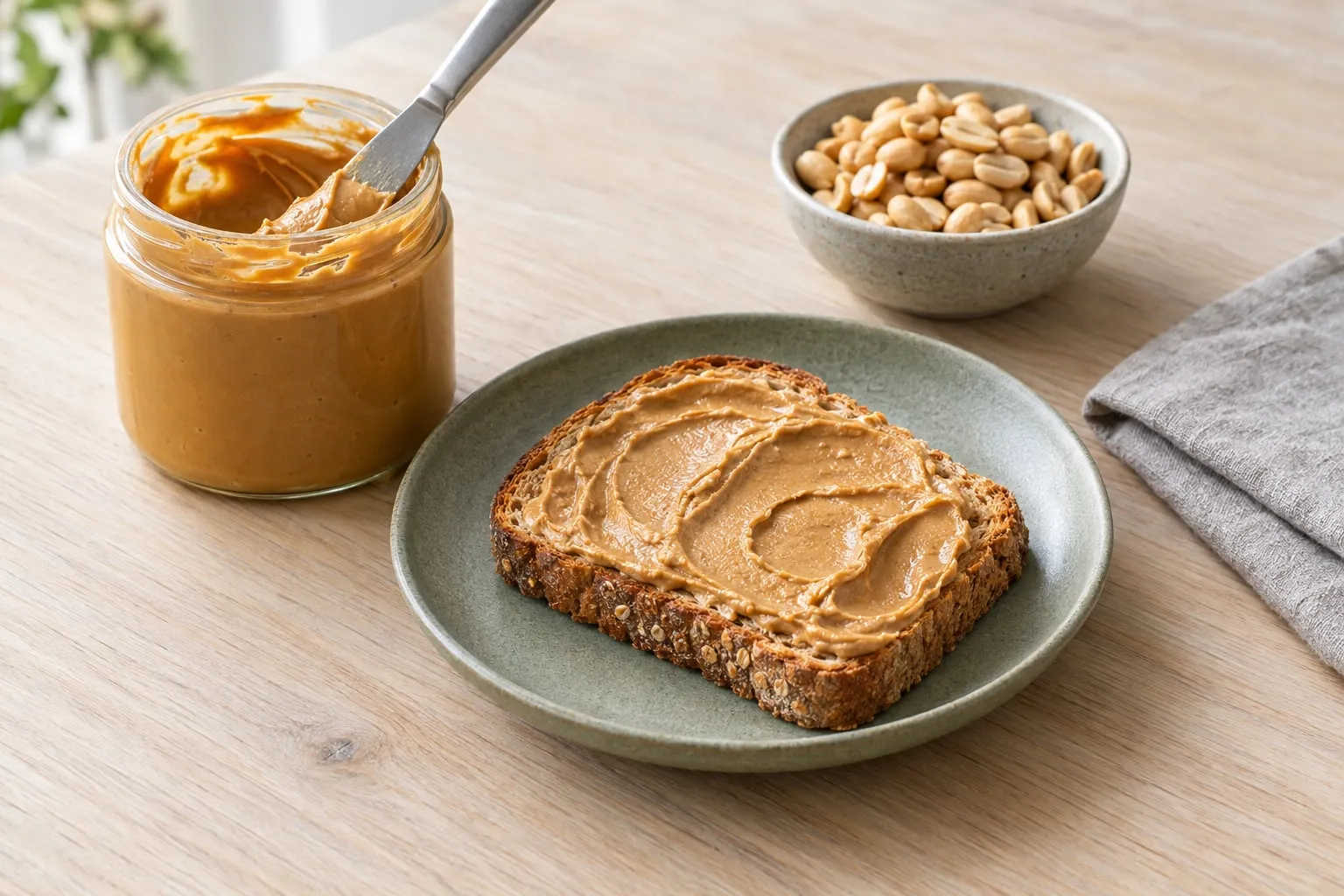
Peanut butter for protein: smooth peanut butter has 22.8 g protein per 100 g, so 2 tbsp (30 g) give 6.8 g and 182 kcal. Per tablespoon and compared.
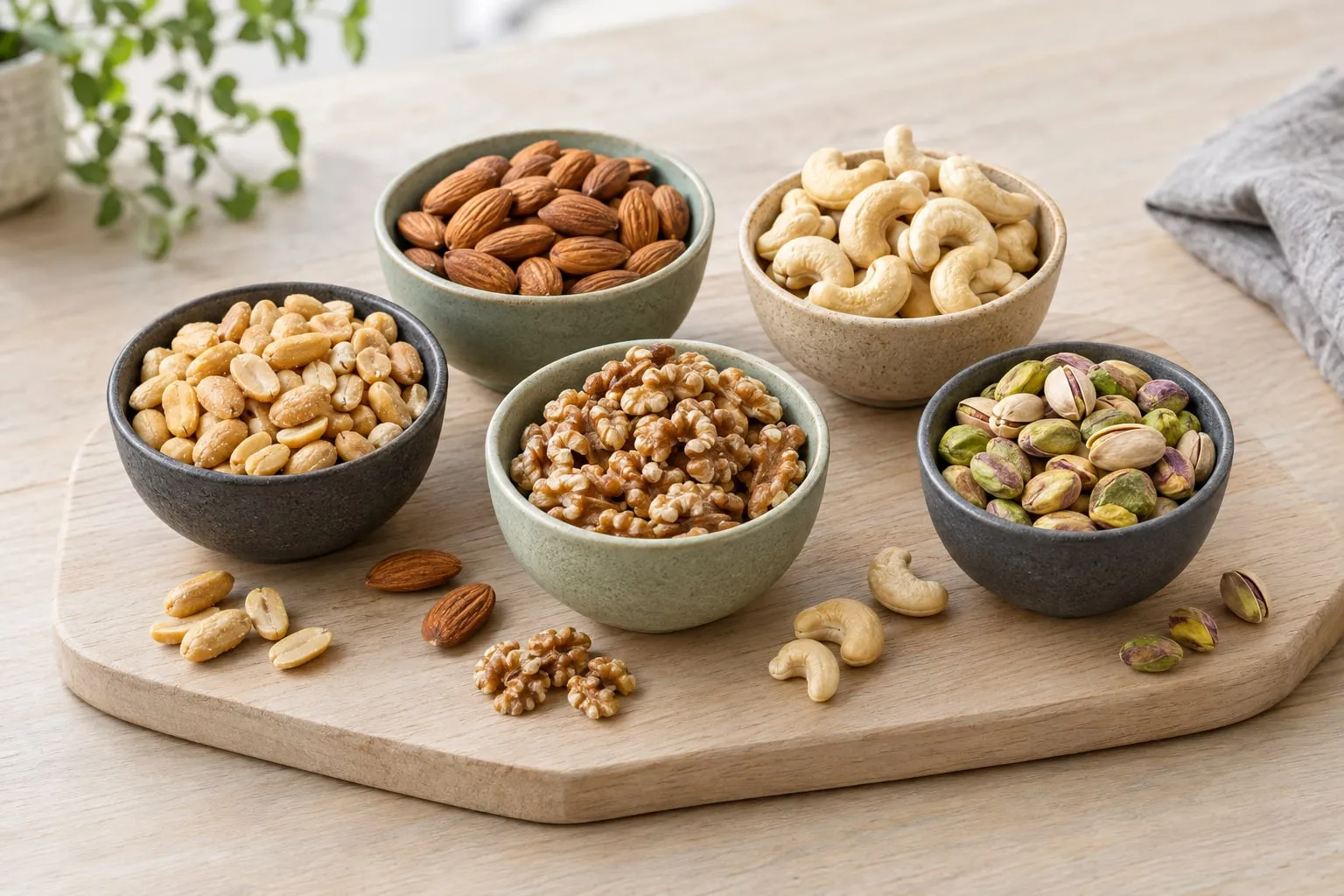
Nuts with highest protein: peanuts lead with 25.8 g per 100 g, then almonds at 21.2 g. A ranked table per 100 g and per 30 g handful.
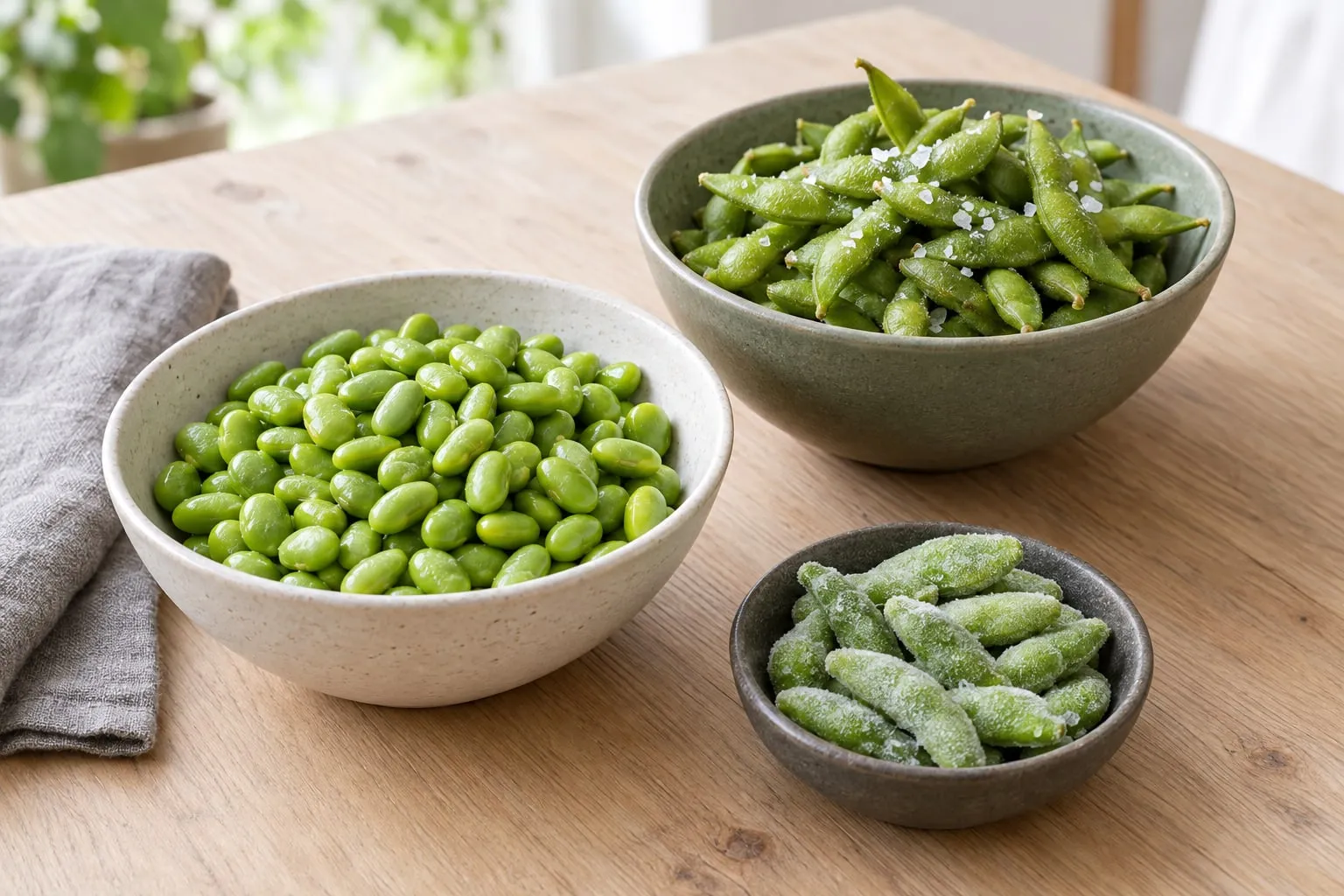
Protein in edamame: boiled edamame beans have 12.2 g protein and 142 kcal per 100 g. Values per 80 g and 150 g, against soya beans, tofu and peas.
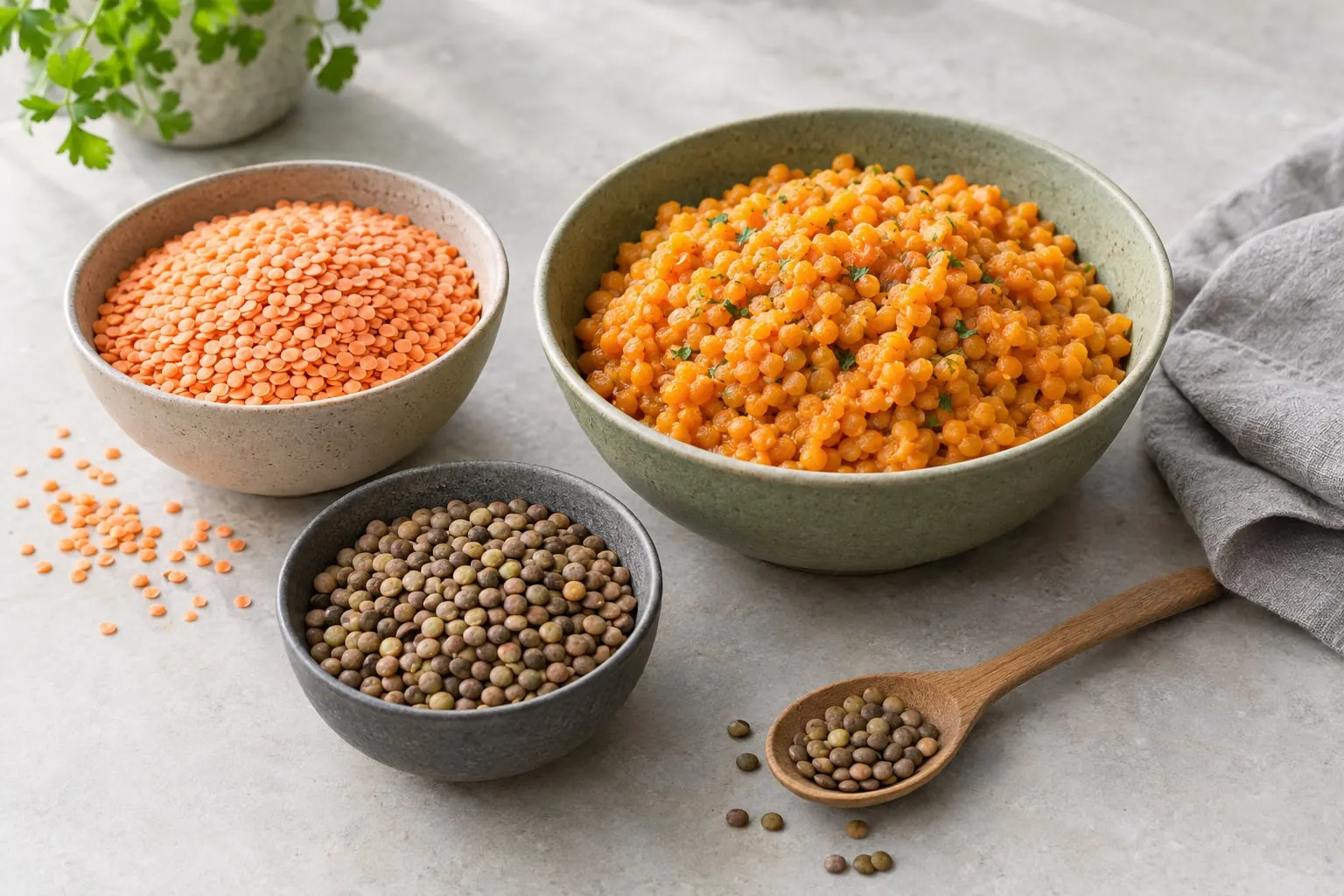
Protein lentils guide: red lentils have 25.6 g protein per 100 g dried and 8.1 g boiled. Values for red, green and brown lentils, per portion.
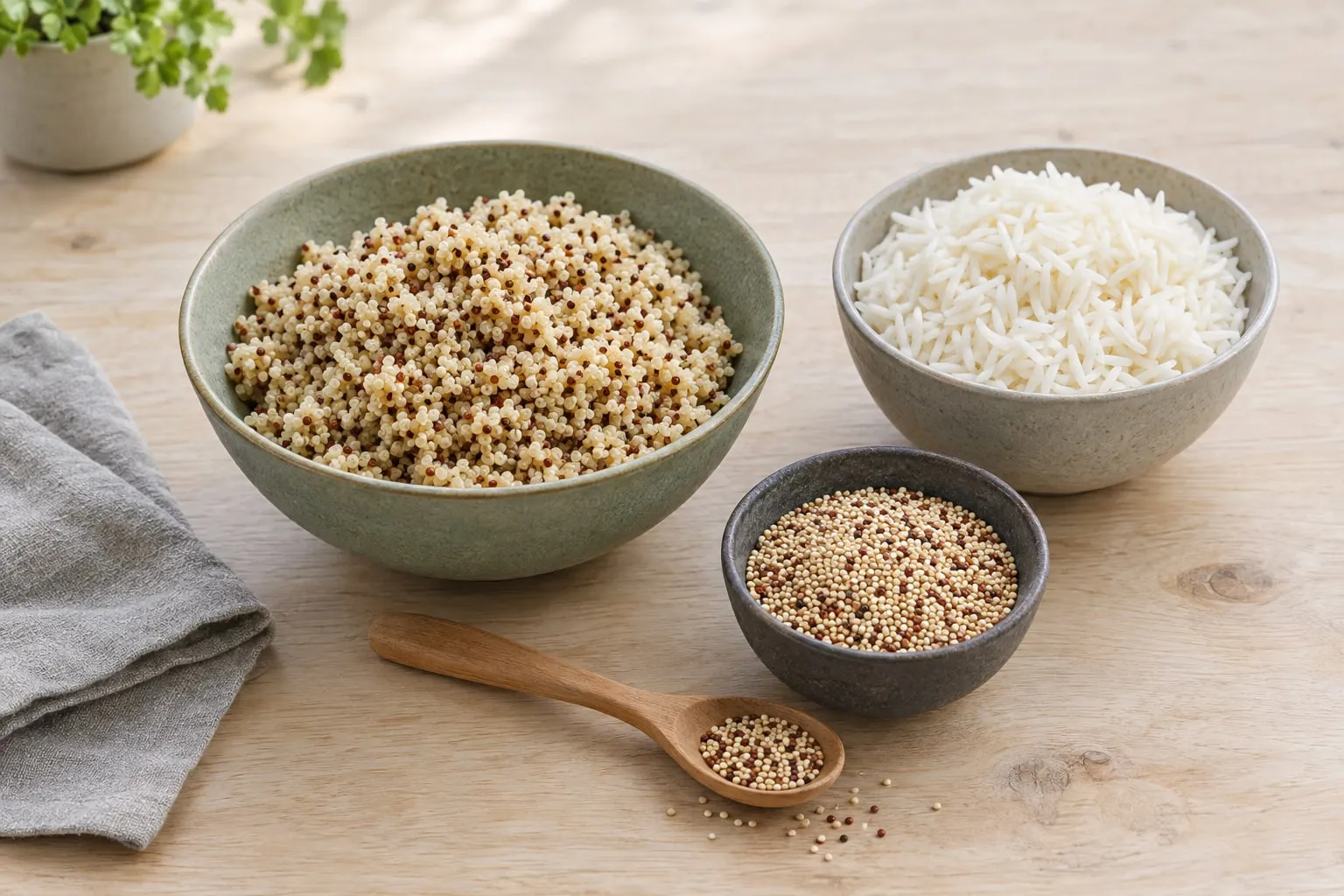
Quinoa protein: raw quinoa has 13.8 g protein and 309 kcal per 100 g, so a 75 g portion gives 10.4 g. Compared with rice, couscous, bulgur and pasta.

Protein in egg whites: raw egg white has 10.8 g protein per 100 g and 43 kcal. Values per white, per 100 g and compared with whole eggs and yolks.
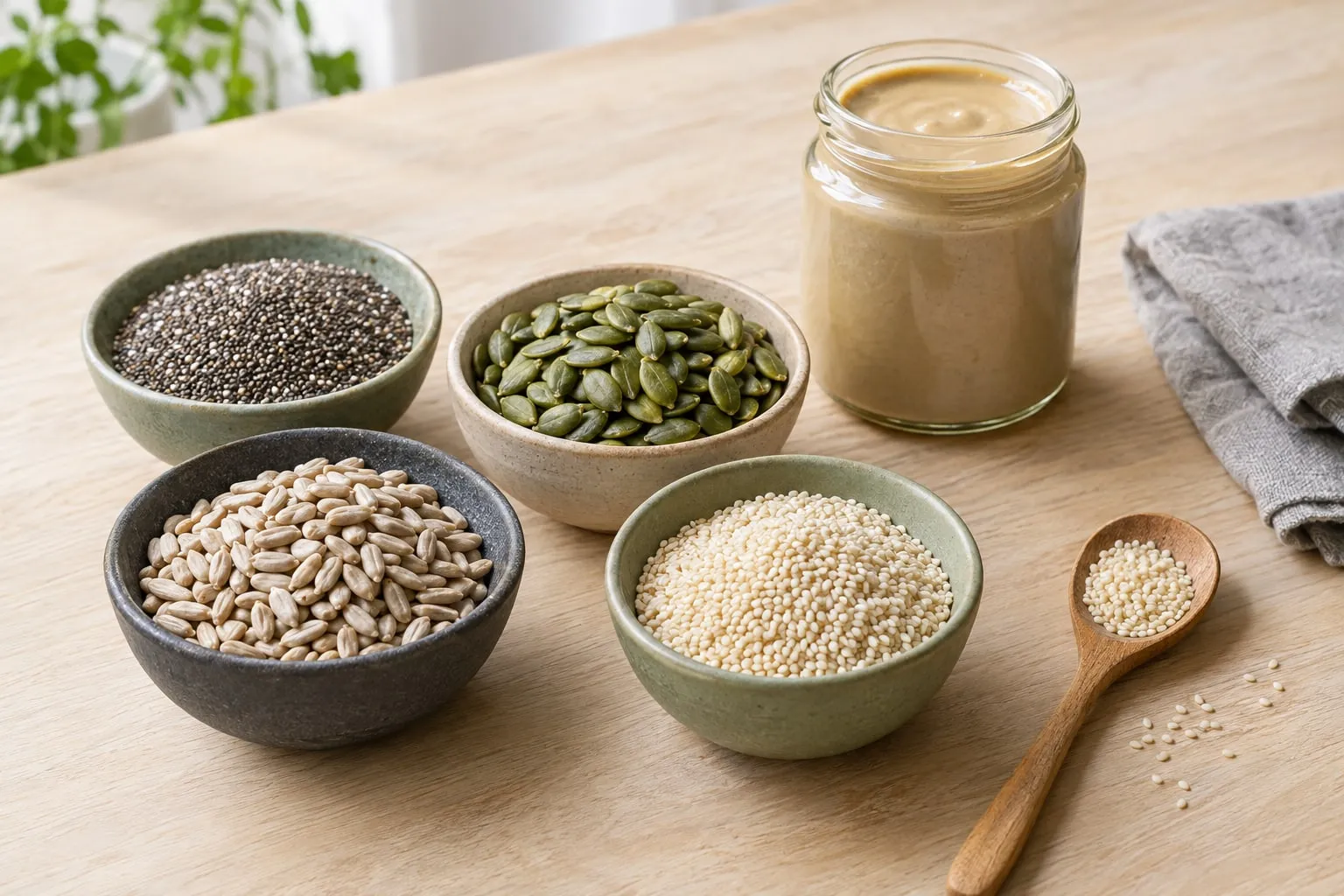
Protein in chia seeds is about 16.5 g per 100 g; pumpkin seeds have 24.4 g. Values per 100 g and per handful for common seeds and tahini.