Protein guide
Protein in Peanut Butter
Quick answer
Smooth peanut butter has 22.8 g protein per 100 g, which makes 3.4 g in a 15 g tablespoon and 6.8 g in 2 tbsp (30 g). It also has 607 kcal per 100 g, so only about 15% of the energy is protein.
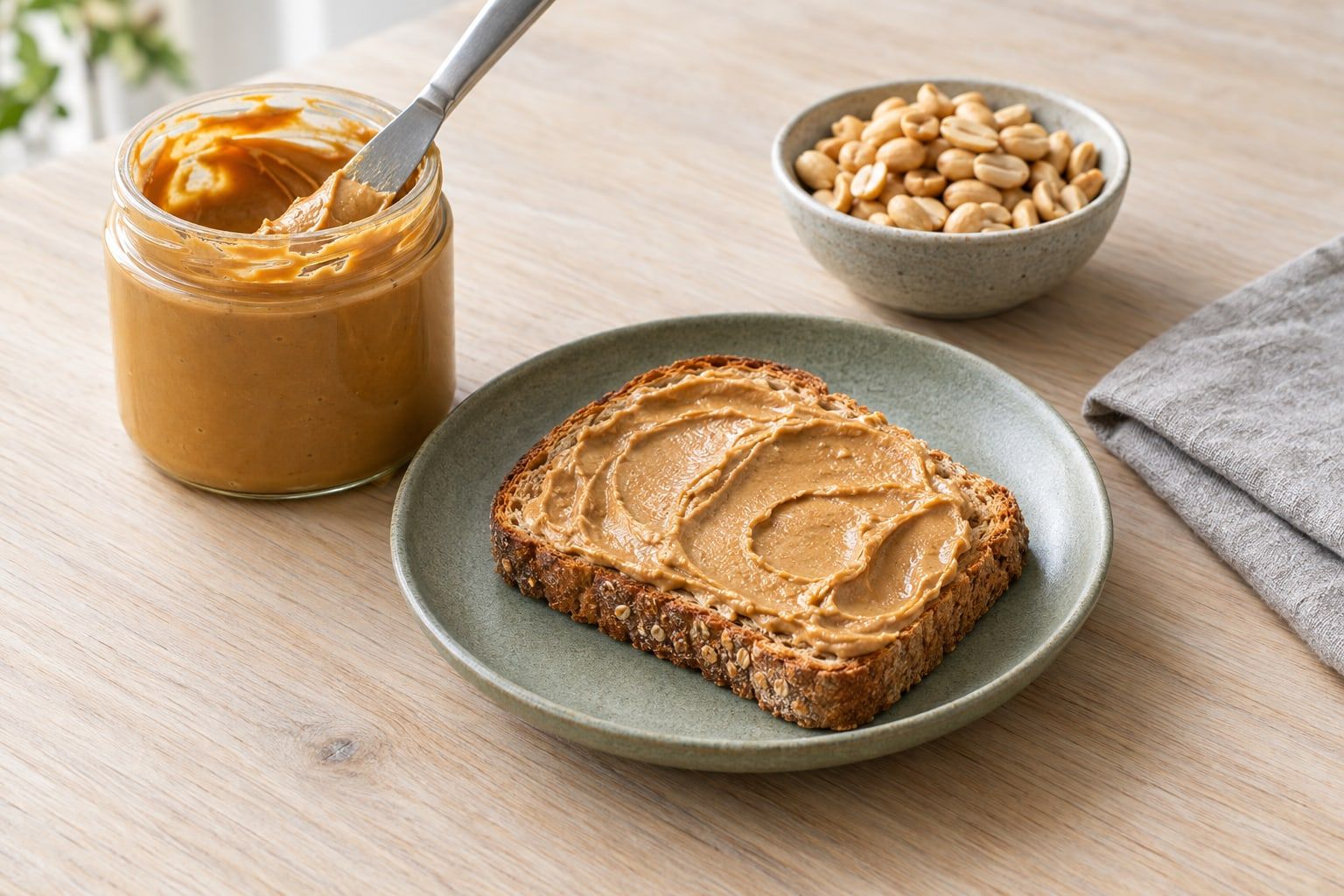
Peanut butter for protein works as an addition rather than a main source: smooth peanut butter has 22.8 g protein per 100 g, but also 607 kcal and 51.8 g fat, so protein supplies only about 15% of the energy. One tablespoon, taken as 15 g, gives 3.4 g protein and 91 kcal, and two tablespoons, 30 g, give 6.8 g and 182 kcal.
Plain unsalted peanuts have 25.8 g protein per 100 g, whole almonds 21.2 g and tahini 18.5 g, so peanut butter sits among the richer spreads. Check the label: a jar that lists only peanuts will match these numbers, while added sugar, salt or palm oil move them. Defatted peanut butter powder is a different product, with a typical 48 g protein and 400 kcal per 100 g, so 15 g gives 7.2 g protein and 60 kcal.
To reach 20 g protein from smooth peanut butter alone would take about 88 g, nearly six tablespoons and around 532 kcal, which is why it makes more sense as part of a snack: on toast, in porridge, in a shake or rolled into balls. Peanuts are an allergen, so anyone avoiding them can look at the nut-free balls in the recipes below.
| Food | Protein | Energy | Fat |
|---|---|---|---|
| Peanut butter, smooth | 22.8 g | 607 kcal | 51.8 g |
| Peanuts, plain, unsalted | 25.8 g | 564 kcal | 46.0 g |
| Almonds, whole kernels | 21.2 g | 554 kcal | 49.9 g |
| Tahini paste | 18.5 g | 607 kcal | 58.9 g |
| Peanut butter powder, defatted (typical value) | 48.0 g | 400 kcal | 12.0 g |
Source: CoFID – McCance and Widdowson's Composition of Foods Integrated Dataset 2021 (codes 14-892, 14-877, 14-896, 14-847); the powder row is a typical value (x21), not a CoFID figure
| Portion | Weight | Protein | Energy |
|---|---|---|---|
| 1 tbsp smooth peanut butter | 15 g | 3.4 g | 91 kcal |
| 2 tbsp smooth peanut butter | 30 g | 6.8 g | 182 kcal |
| Peanut butter powder (typical value) | 15 g | 7.2 g | 60 kcal |
| Smooth peanut butter to reach 20 g protein | about 88 g | 20.0 g | 532 kcal |
Source: Calculated from CoFID code 14-892 and typical value x21; 1 tbsp of peanut butter is assumed to weigh 15 g
How much protein is in a tablespoon of peanut butter?
A tablespoon of smooth peanut butter, taken as 15 g, has 3.4 g protein and 91 kcal. Two tablespoons, 30 g, give 6.8 g protein and 182 kcal, which is a normal amount on toast or stirred into porridge. Scale the numbers by weight rather than by eye, because a heaped spoonful can be twice a level one. Peanut butter has 22.8 g protein per 100 g, so a rounded 5 g difference in the spoon changes the total by about 1 g protein and 30 kcal.
Is peanut butter high in protein?
Per 100 g it contains a lot, 22.8 g, but peanut butter is also 51.8 g fat and 607 kcal, so only about 15% of the energy comes from protein. That is below the 20% threshold used for describing a food as high protein under UK rules. Reaching 20 g protein from smooth peanut butter alone takes about 88 g, nearly six tablespoons, and around 532 kcal. In practice peanut butter works best as part of a snack or meal that already has other protein, such as yogurt, milk or eggs, with the spoonful adding flavour and a few grams.
How does peanut butter compare with nuts and tahini?
Plain unsalted peanuts have 25.8 g protein per 100 g, a little more than peanut butter at 22.8 g. Whole almonds have 21.2 g, though that is the whole kernel, not almond butter. Tahini has 18.5 g protein per 100 g, so 30 g gives 5.6 g and 182 kcal, against 6.8 g and 182 kcal for the same weight of peanut butter. All of these are rich in fat. For a ranking of whole nuts, see the guide to nuts with the highest protein, linked below.
Does peanut butter powder change the picture?
Powdered peanut butter has most of the oil pressed out. A typical value is 48 g protein, 400 kcal and 12 g fat per 100 g, so 15 g gives 7.2 g protein and 60 kcal. That is about the same protein as 30 g of smooth peanut butter, which has 6.8 g, for 122 kcal less, and 1.8 g fat instead of 15.5 g. Powder is stirred with water to make a spread, or added to shakes and baking. Its taste and texture are different, so it suits some recipes better than others.
What should you check on the label?
Look at the ingredients first. A jar listing only peanuts, perhaps with a little salt, will be close to the figures here. Added sugar, palm oil or other ingredients change the numbers, and so does the salt, which in smooth peanut butter is about 0.88 g per 100 g, or 0.3 g in a 30 g serving. Peanuts are one of the 14 allergens declared on UK labels, so anyone with a peanut allergy should avoid them and can use the nut-free protein balls linked below instead.
Practical tips
- Weigh the spoonful
Put the jar on the scales and tare, then spoon out 15 g or 30 g. After a few tries you will know what a level tablespoon looks like.
- Stir it in rather than spread it
A spoonful stirred into warm porridge or blended into a shake spreads the flavour through the whole portion, so a smaller amount goes further.
- Pair it with a higher protein food
One tablespoon (15 g) stirred into 150 g of strained 0% fat Greek yogurt gives 18.9 g protein and 172 kcal, much more than the peanut butter alone.
Myth or fact
- The facts
Is it true that peanut butter is a high protein food?
It has 22.8 g protein per 100 g, but with 607 kcal only about 15% of the energy is protein, so it is better described as a protein-containing spread than a high protein food.
- Myth
Is it true that peanut butter has more protein than whole peanuts?
No. Smooth peanut butter has 22.8 g per 100 g and plain unsalted peanuts 25.8 g.
Frequently asked questions
How much protein is in 1 tbsp of peanut butter?
A 15 g tablespoon of smooth peanut butter has 3.4 g protein and 91 kcal.
How much protein is in 2 tbsp of peanut butter?
Two tablespoons, 30 g, have 6.8 g protein and 182 kcal.
How much protein is in 100 g of peanut butter?
Smooth peanut butter has 22.8 g protein and 607 kcal per 100 g.
What is a good protein peanut butter snack?
A tablespoon of peanut butter stirred into 150 g of strained 0% fat Greek yogurt gives 18.9 g protein and 172 kcal, or spread it on toast and add a boiled egg.
Can you make protein peanut butter brownies?
Peanut butter can flavour brownies, but the protein comes mostly from the other ingredients, since 2 tbsp across a whole tray adds only 6.8 g in total. The peanut butter protein cookies linked below show how the numbers are built.
Recipes to try
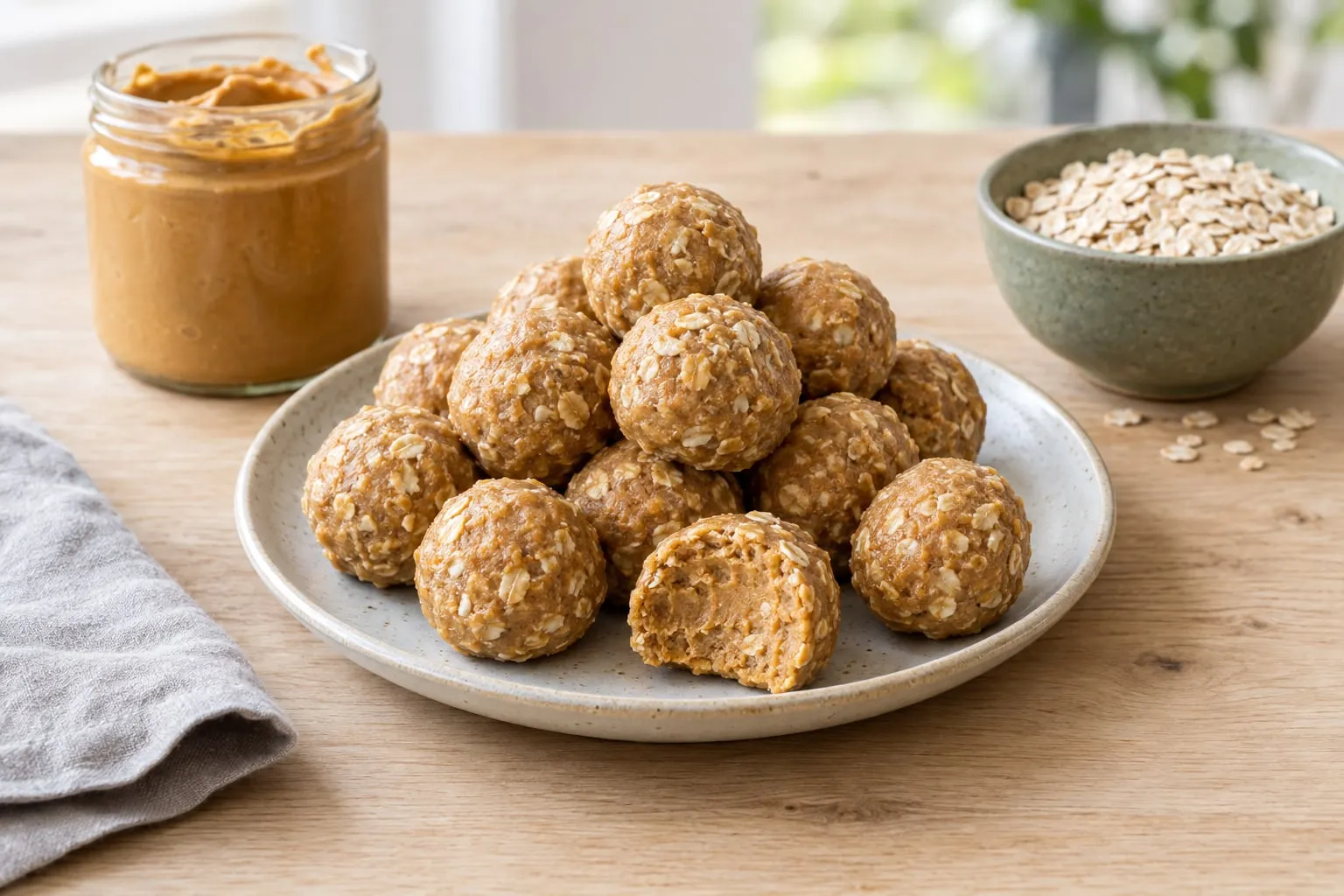
Peanut Butter Protein Balls
13 g protein189 kcal45 minVegetarian
A no-bake snack built around peanut butter.
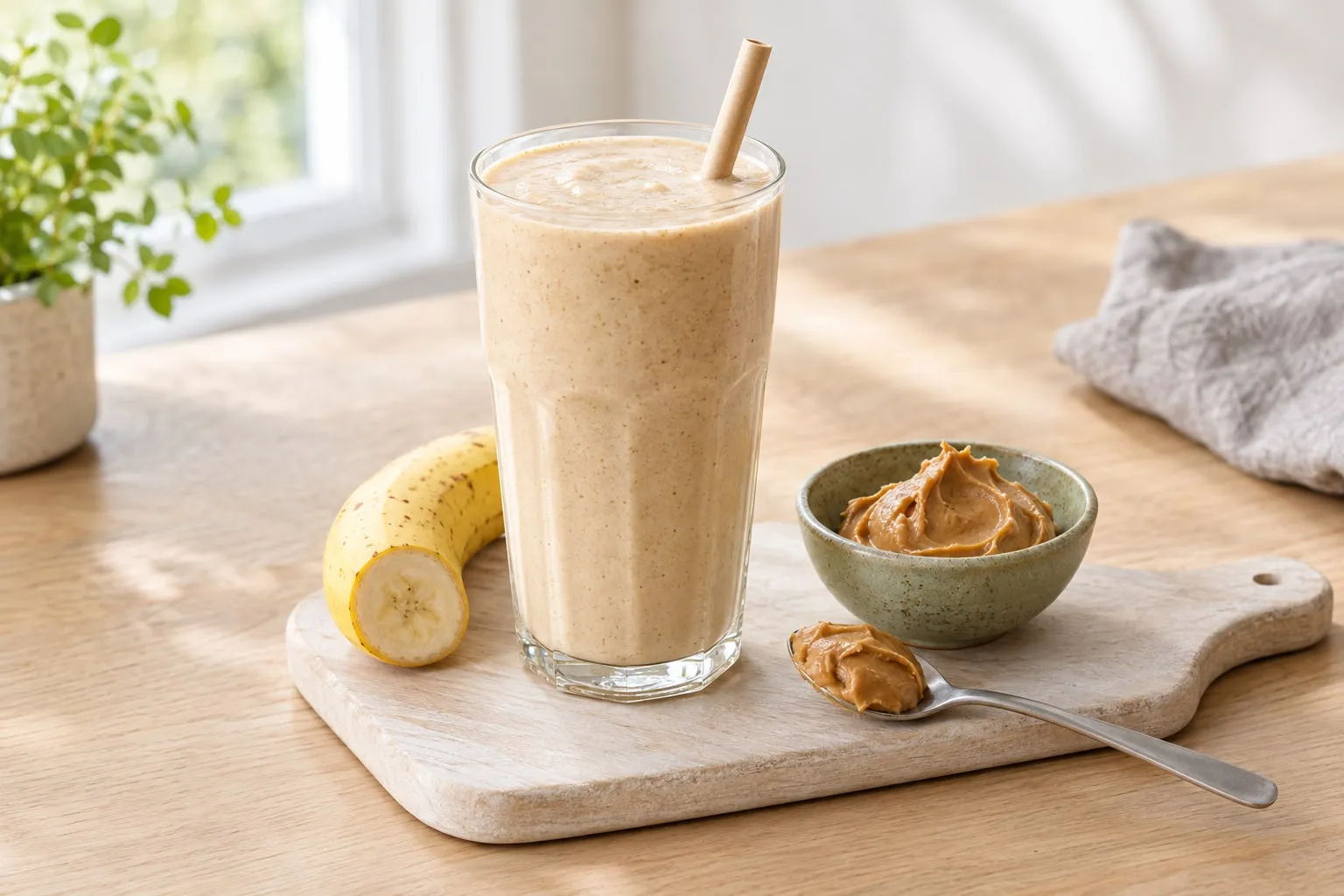
Peanut Butter Banana Protein Smoothie
28 g protein375 kcal5 minVegetarianGluten-free
A smoothie with peanut butter and banana.
Sources
- McCance and Widdowson's Composition of Foods Integrated Dataset 2021 (CoFID) – Values for smooth peanut butter, peanuts, almonds and tahini
- Food Standards Agency – Peanuts are among the 14 allergens that must be declared on UK food labels
Read our editorial policy for how figures are checked and how to report a mistake.
More protein guides
All guides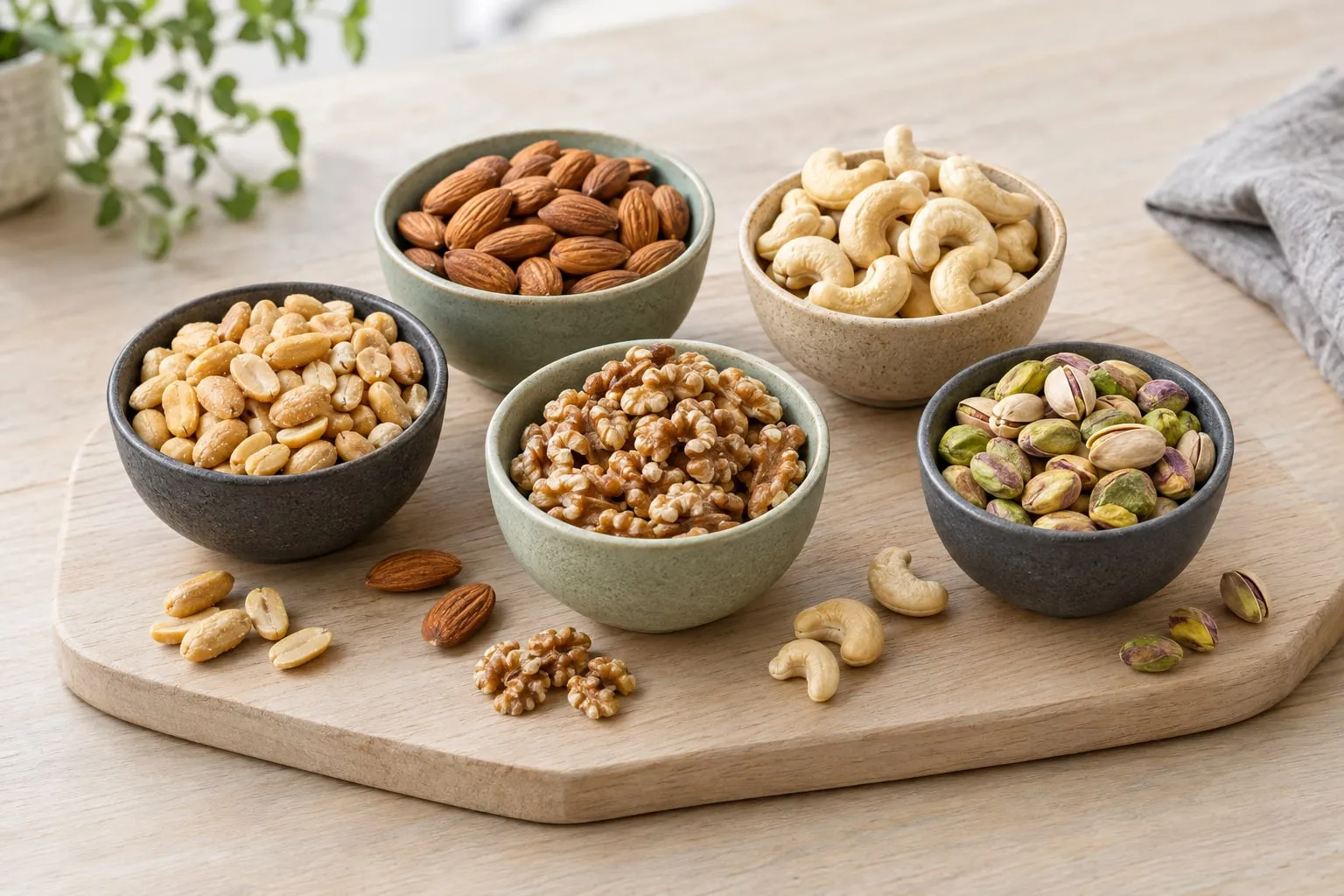
Guide
Highest Protein Nuts
Nuts with highest protein: peanuts lead with 25.8 g per 100 g, then almonds at 21.2 g. A ranked table per 100 g and per 30 g handful.
Guide
High Protein Foods: A Ranked List
High protein foods ranked by protein per 100 g and per 100 kcal: Parmesan has 36.2 g, grilled chicken 32.0 g, dried red lentils 25.6 g and egg white 10.8 g.
Guide
Protein Calculator
Protein calculator: multiply your weight in kg by 0.75 for the UK reference amount, so 70 kg gives 53 g a day. Tables for kg and stone, plus foods per 20 g.
Guide
How Much Protein to Build Muscle
How much protein to build muscle: research on regular training suggests 1.2–1.6 g per kg a day, 84–112 g at 70 kg, against 53 g for the UK reference intake.