 7 g protein
Category · 16 recipes
Protein Baking: High Protein Bread, Muffins and Cakes
Bread, muffins, cookies and brownies made with whey, Greek yogurt and cottage cheese, with protein and calories counted per slice or piece.
7–34 g proteinper serving, calculated from CoFID
All baking recipes
16 recipes, most popular first7 g protein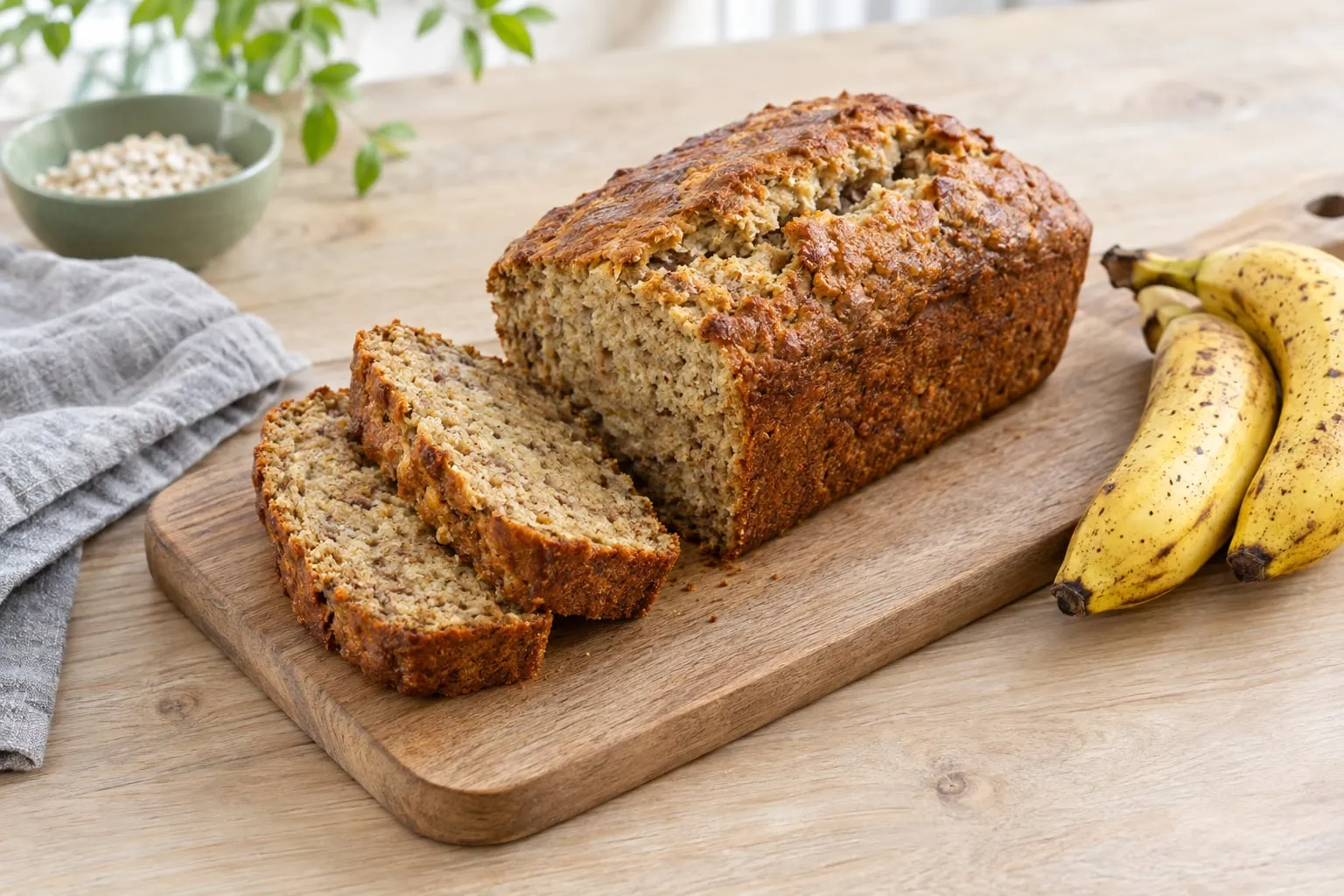 10 g protein
 7 g protein
 34 g protein
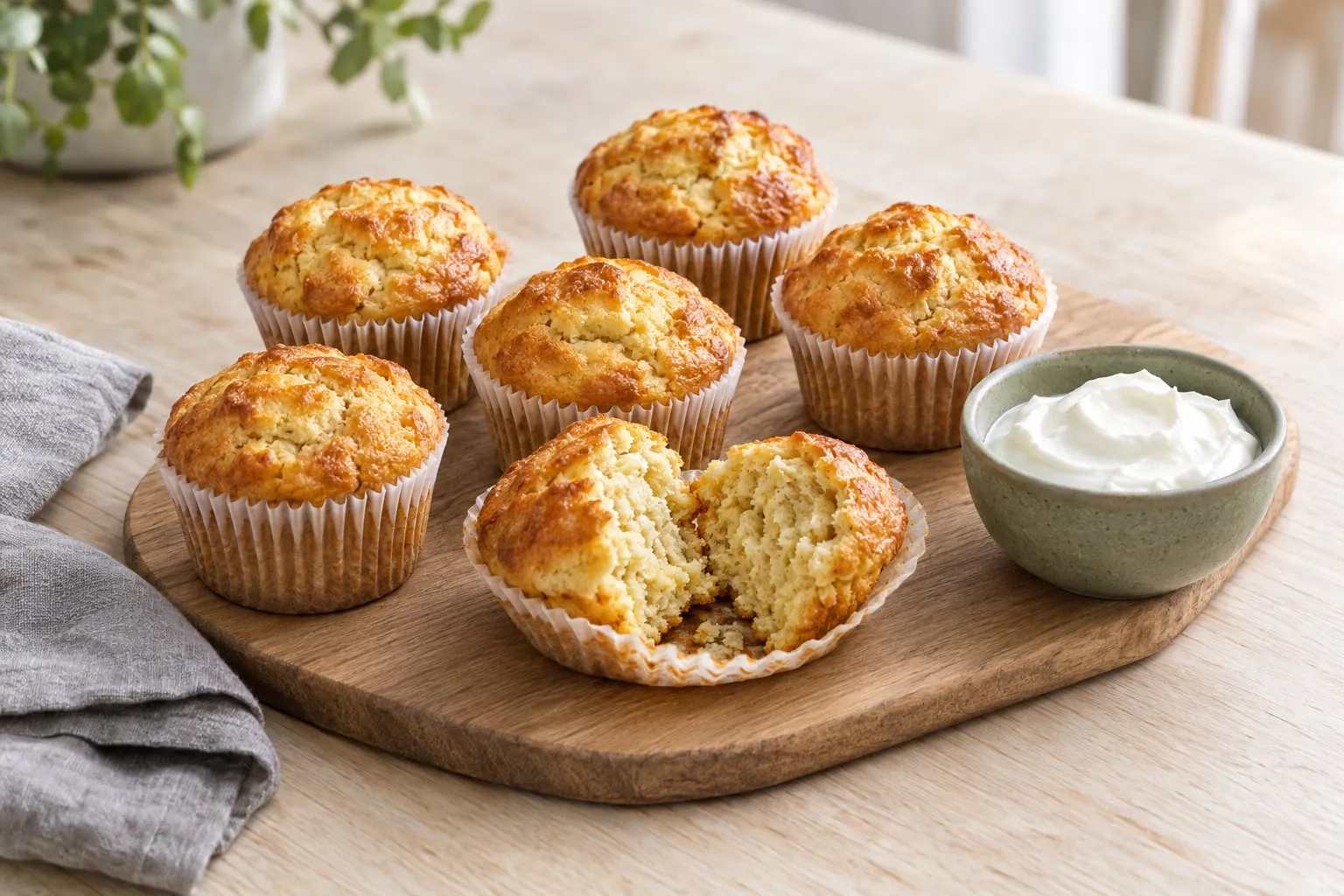 8 g protein
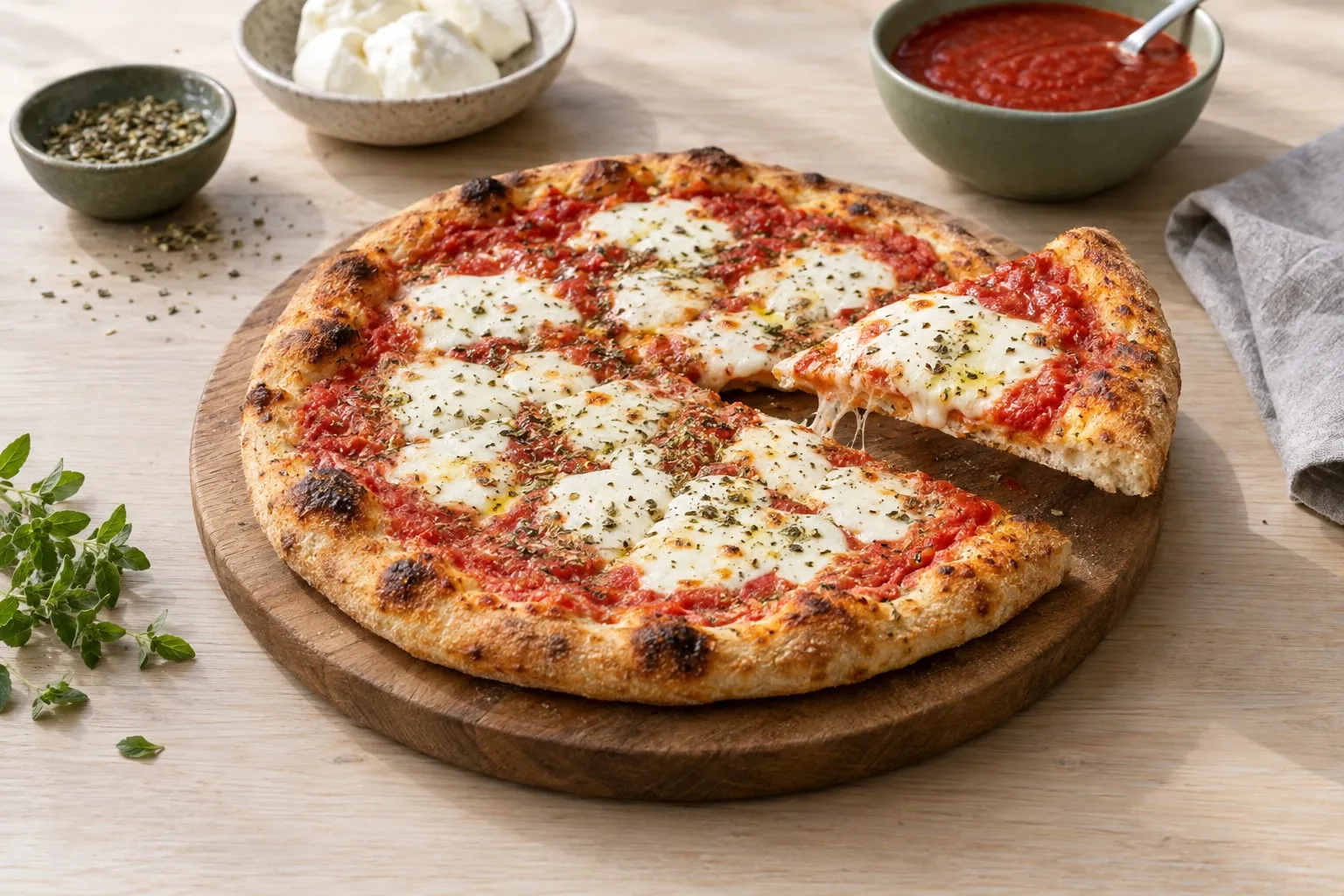 19 g protein
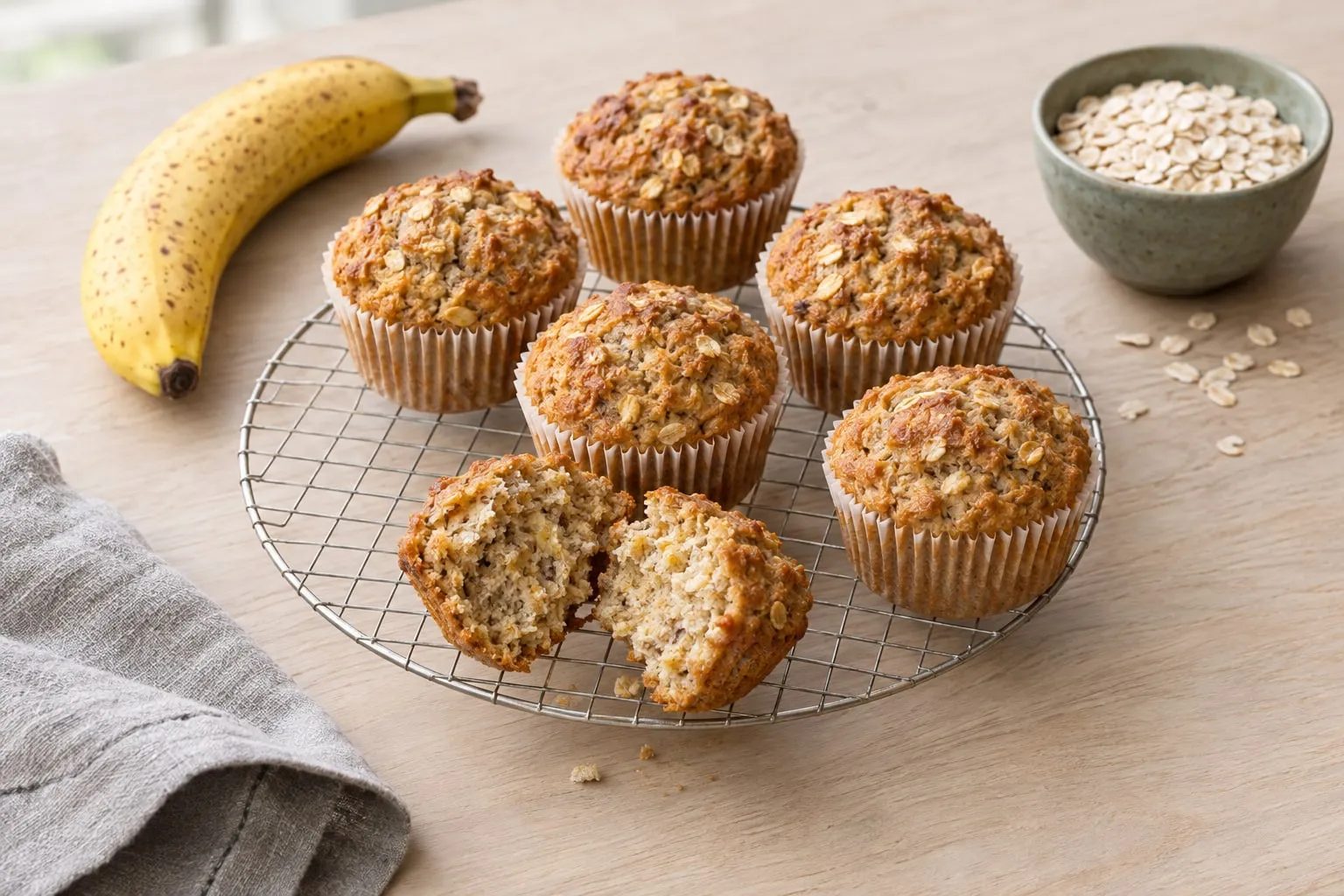 8 g protein
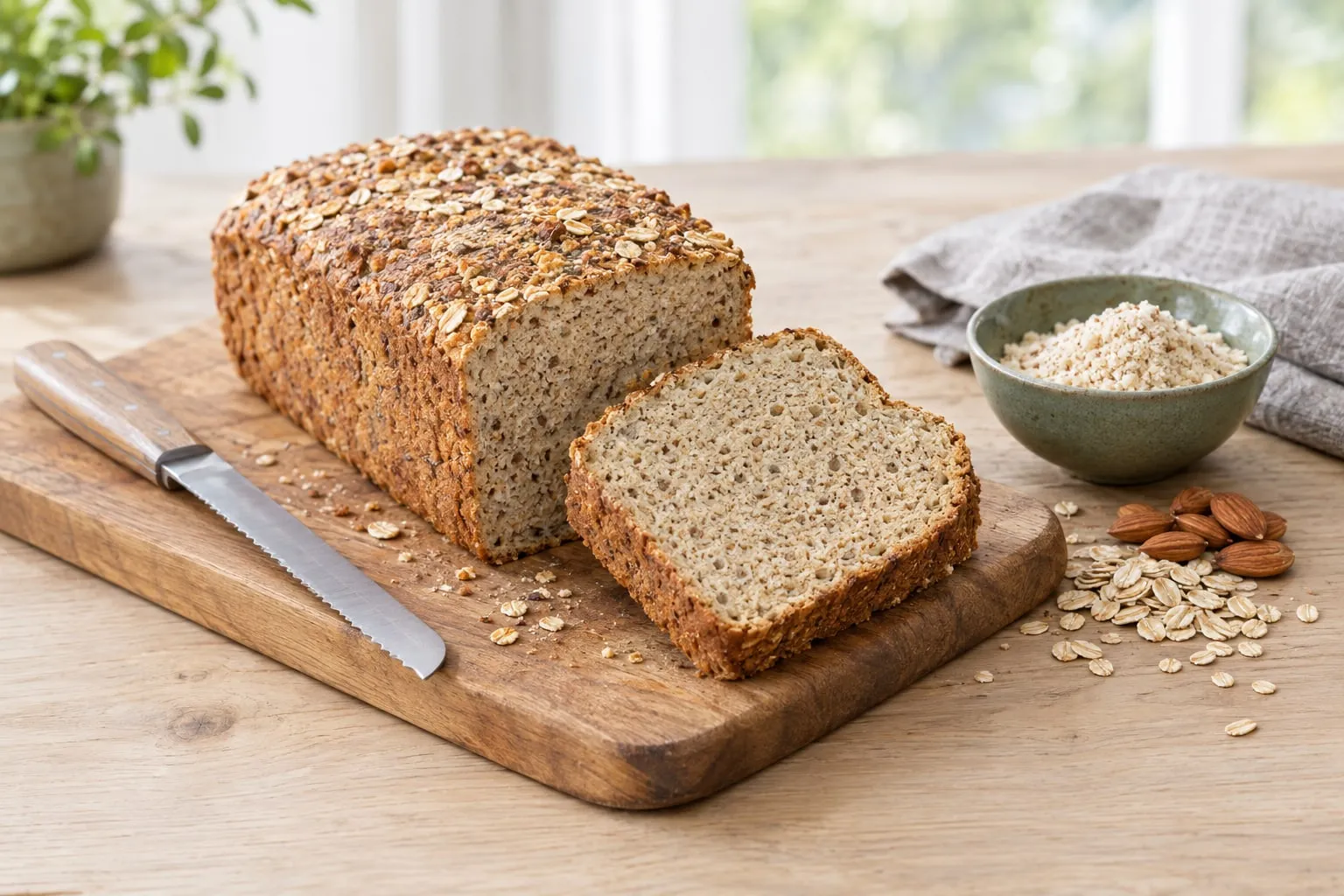 10 g protein
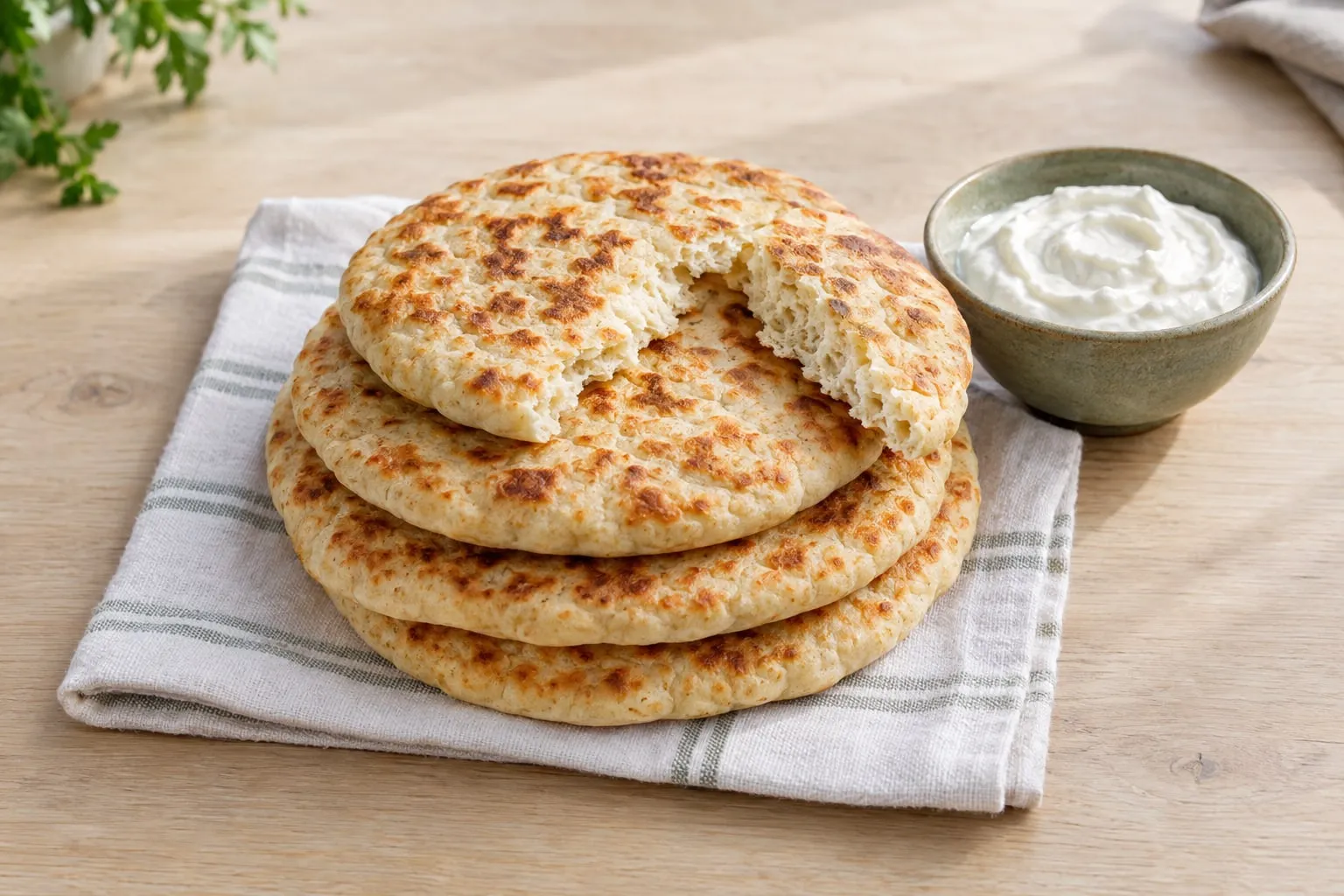 12 g protein
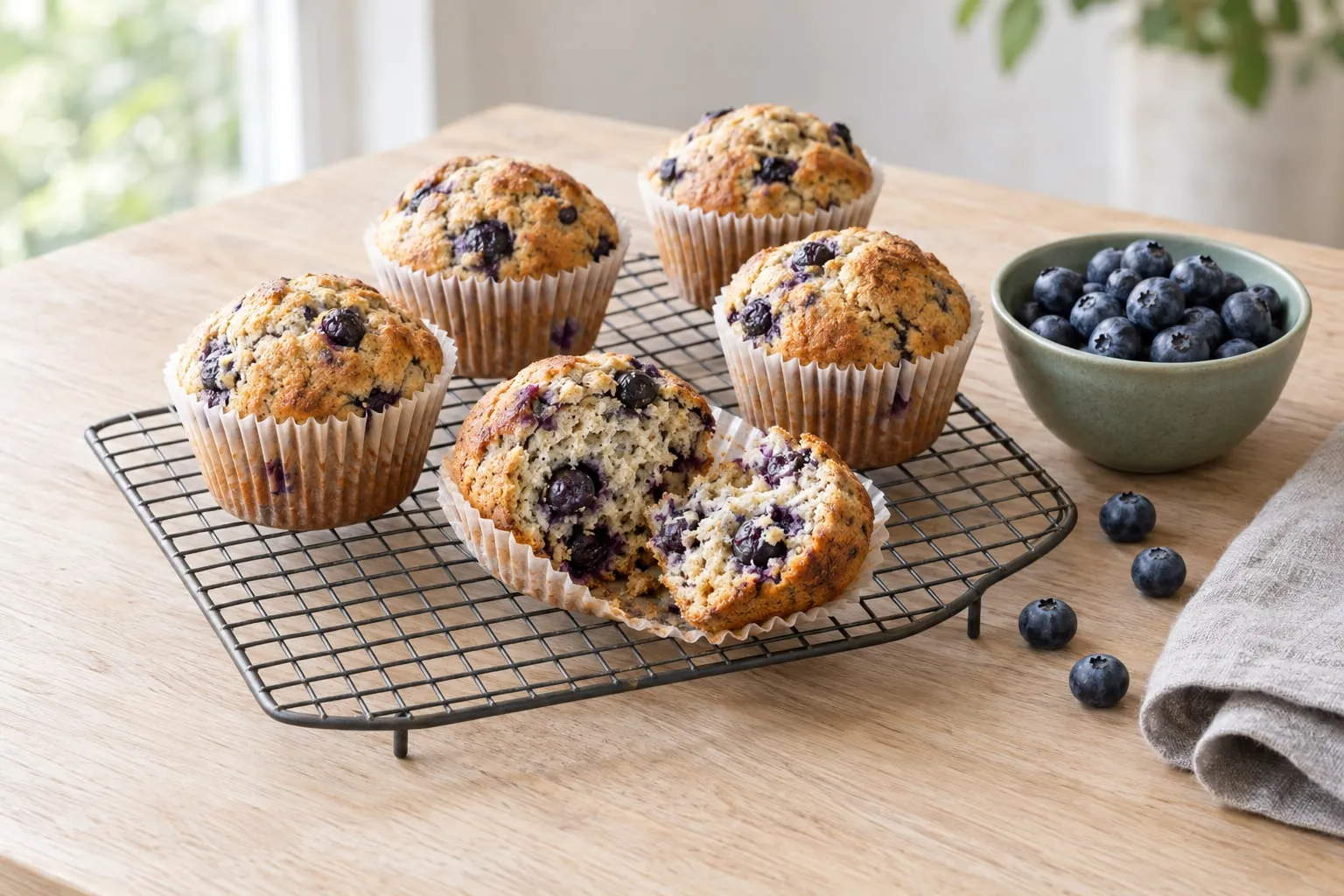 8 g protein
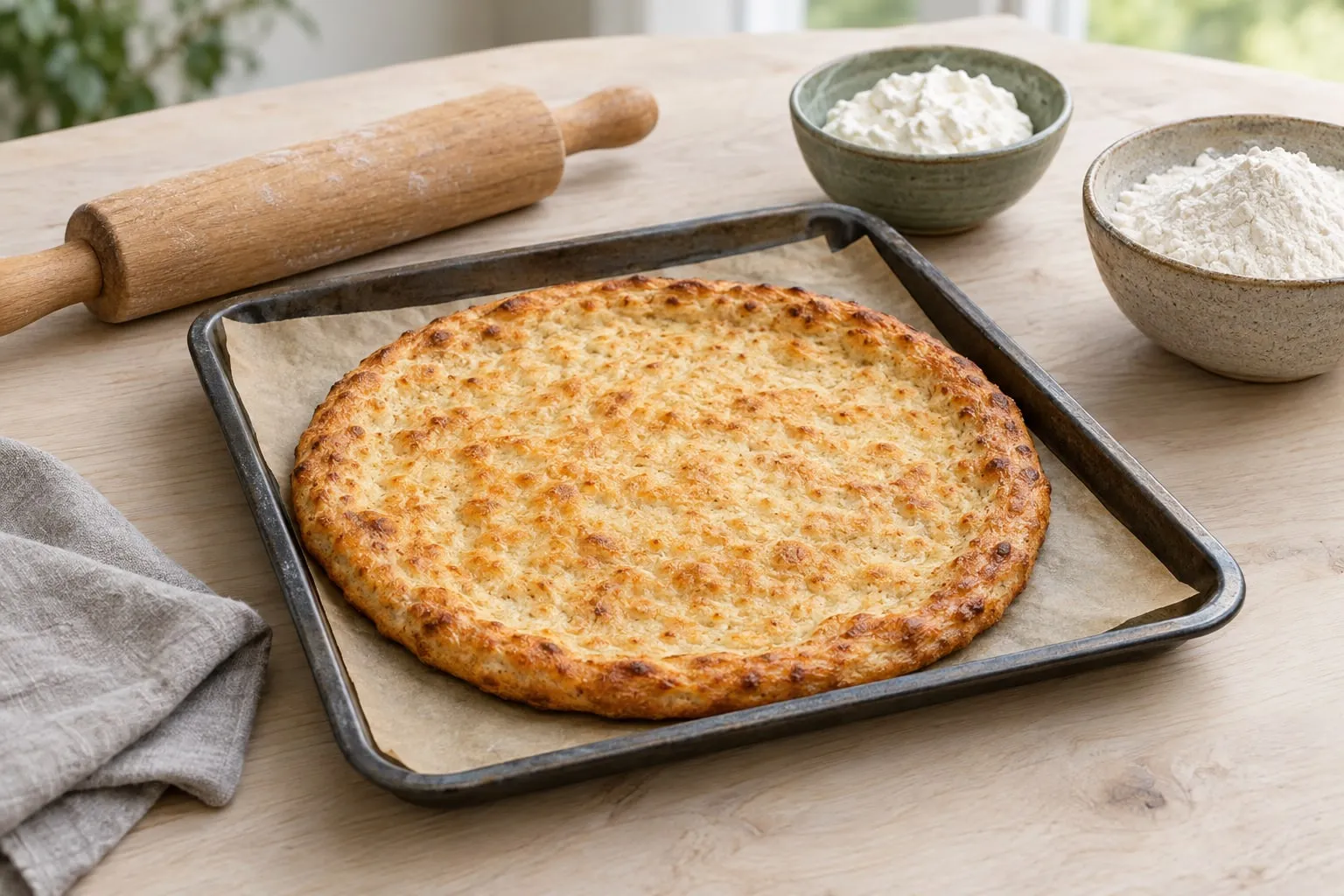 13 g protein
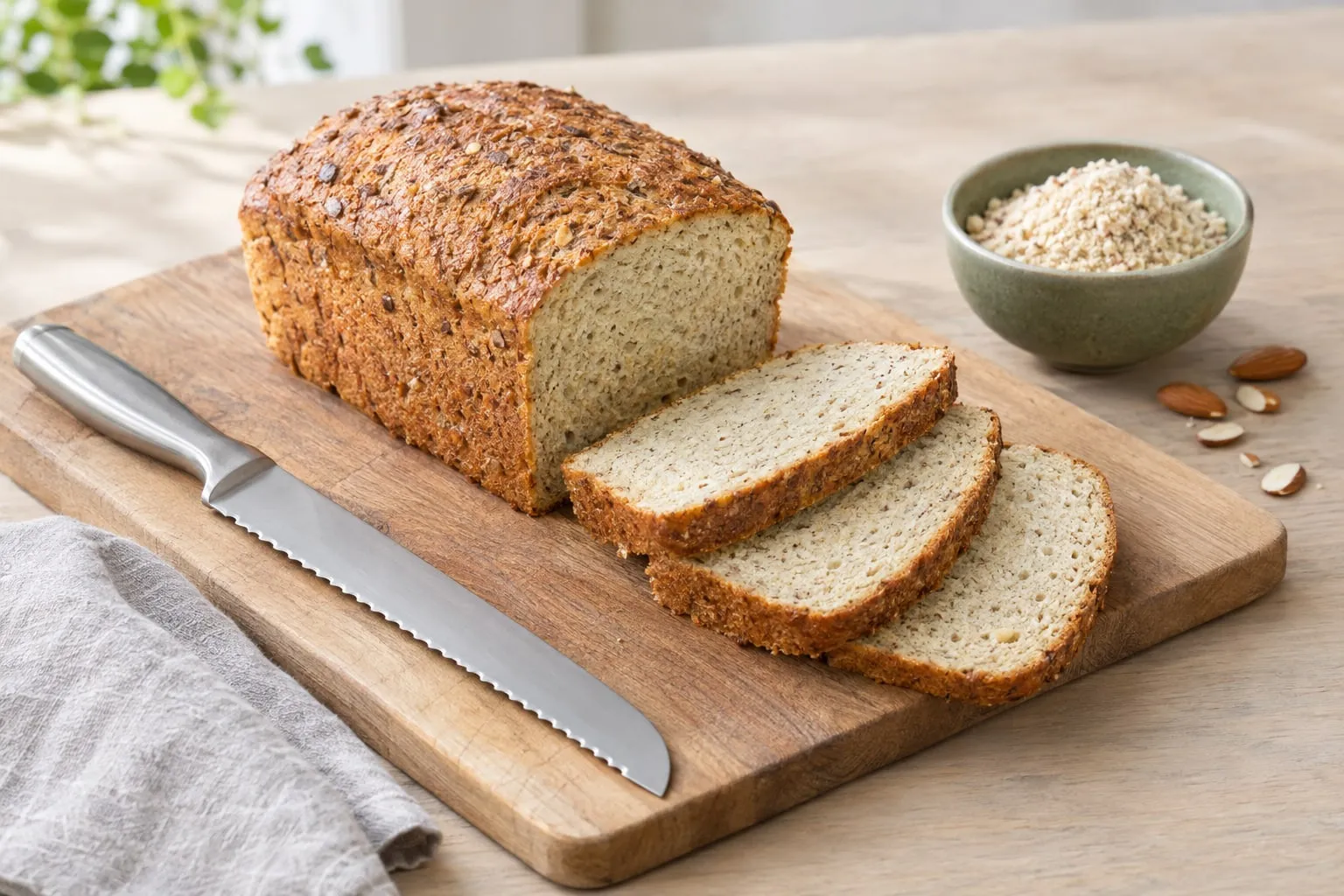 13 g protein
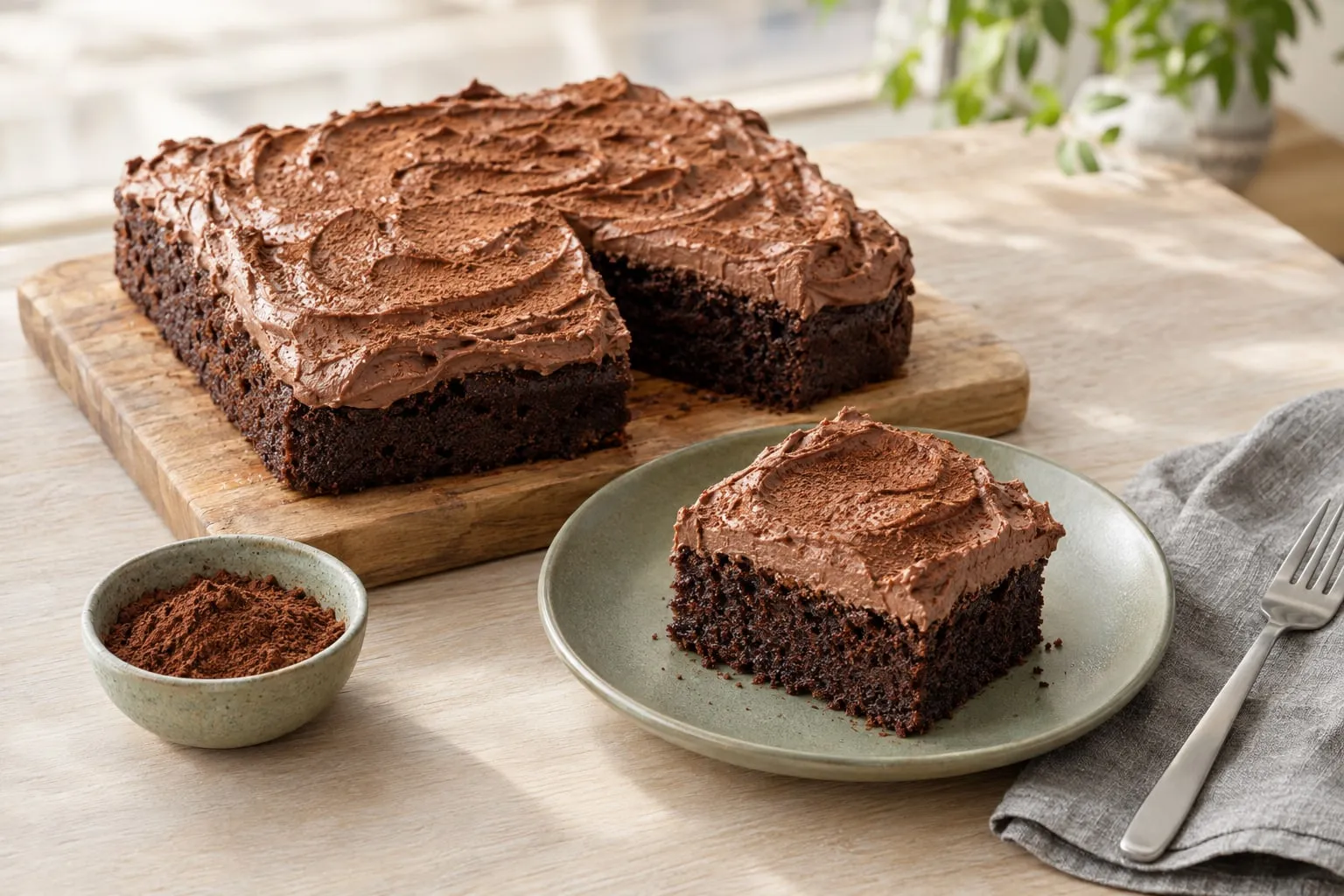 9 g protein
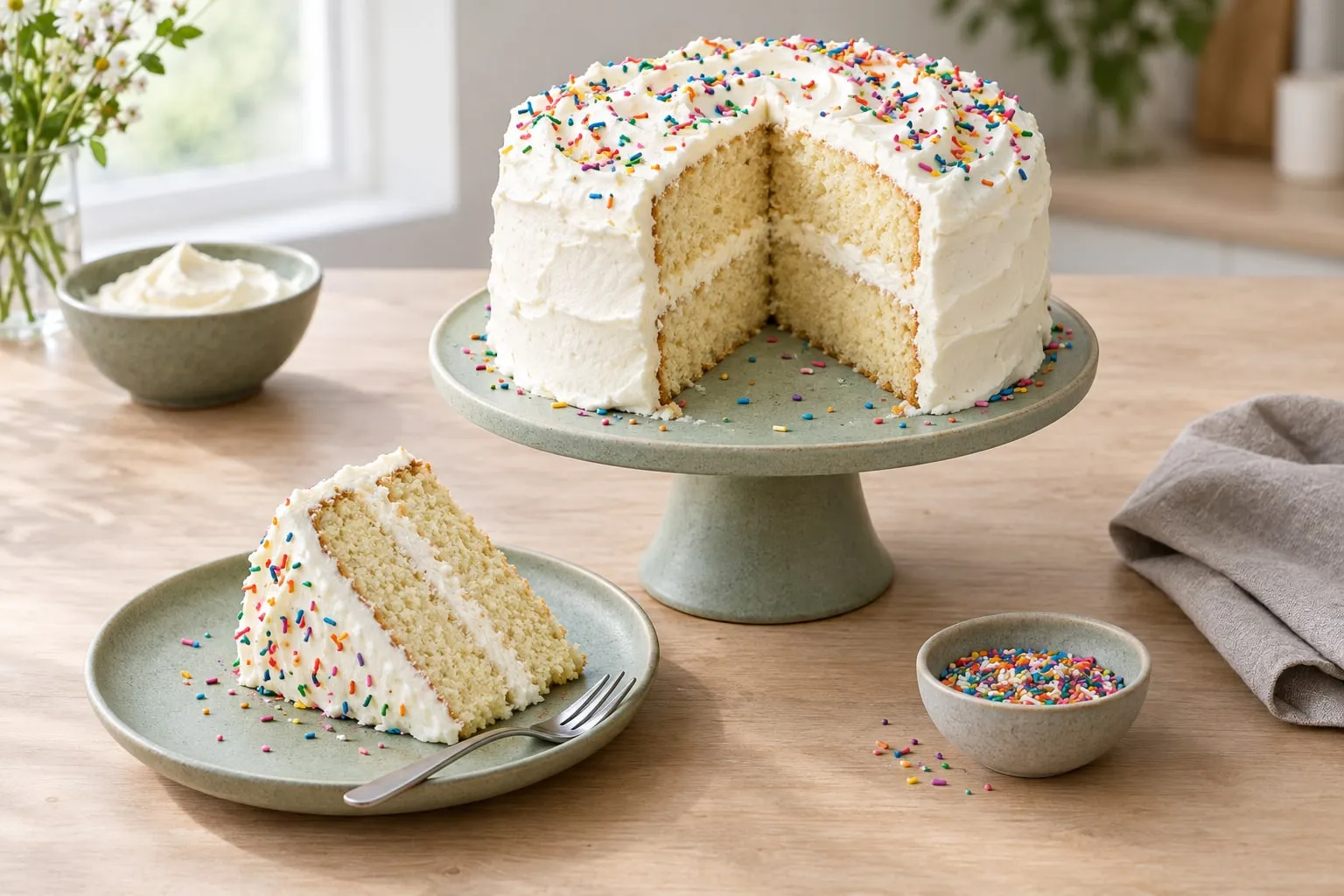 13 g protein
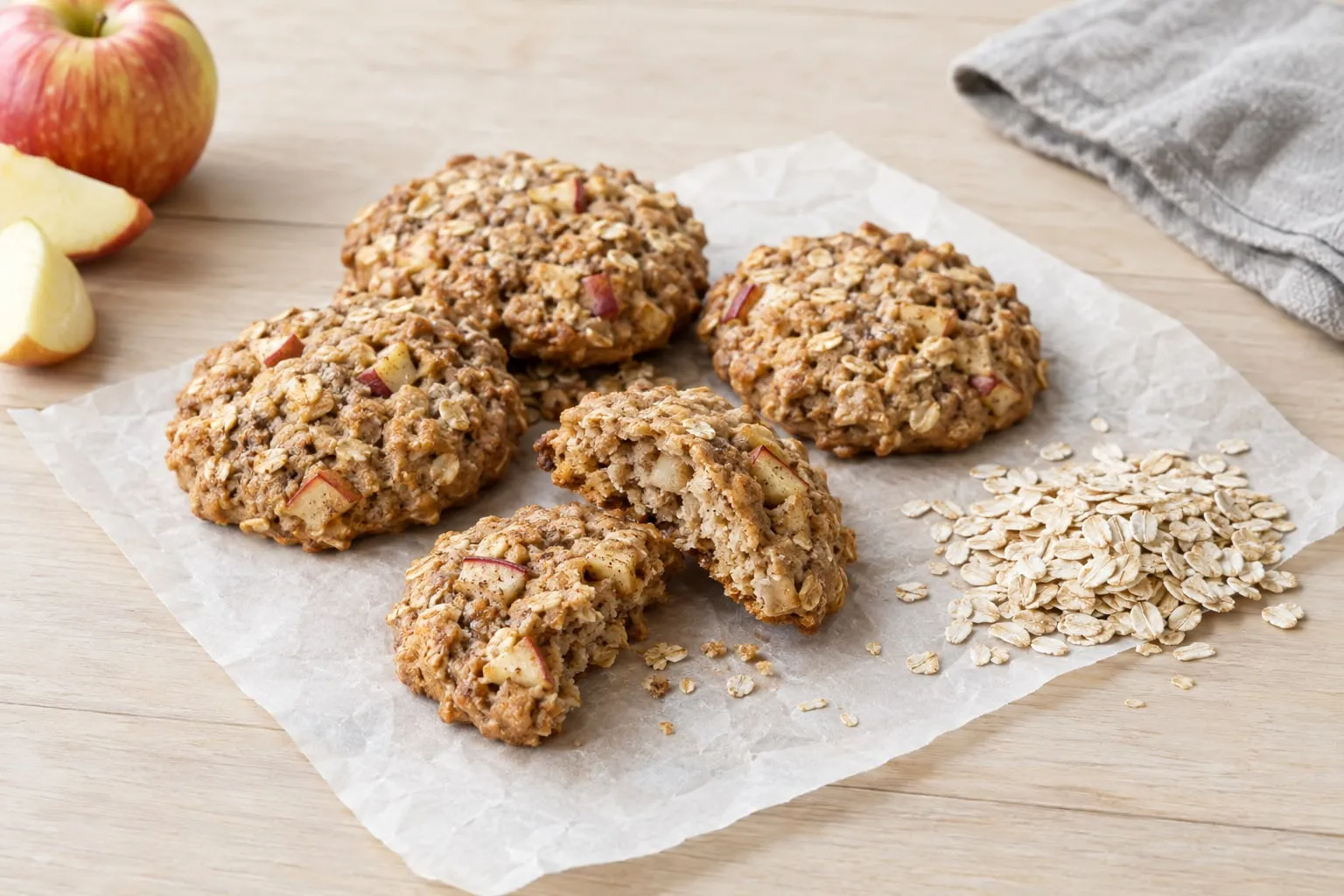 7 g protein
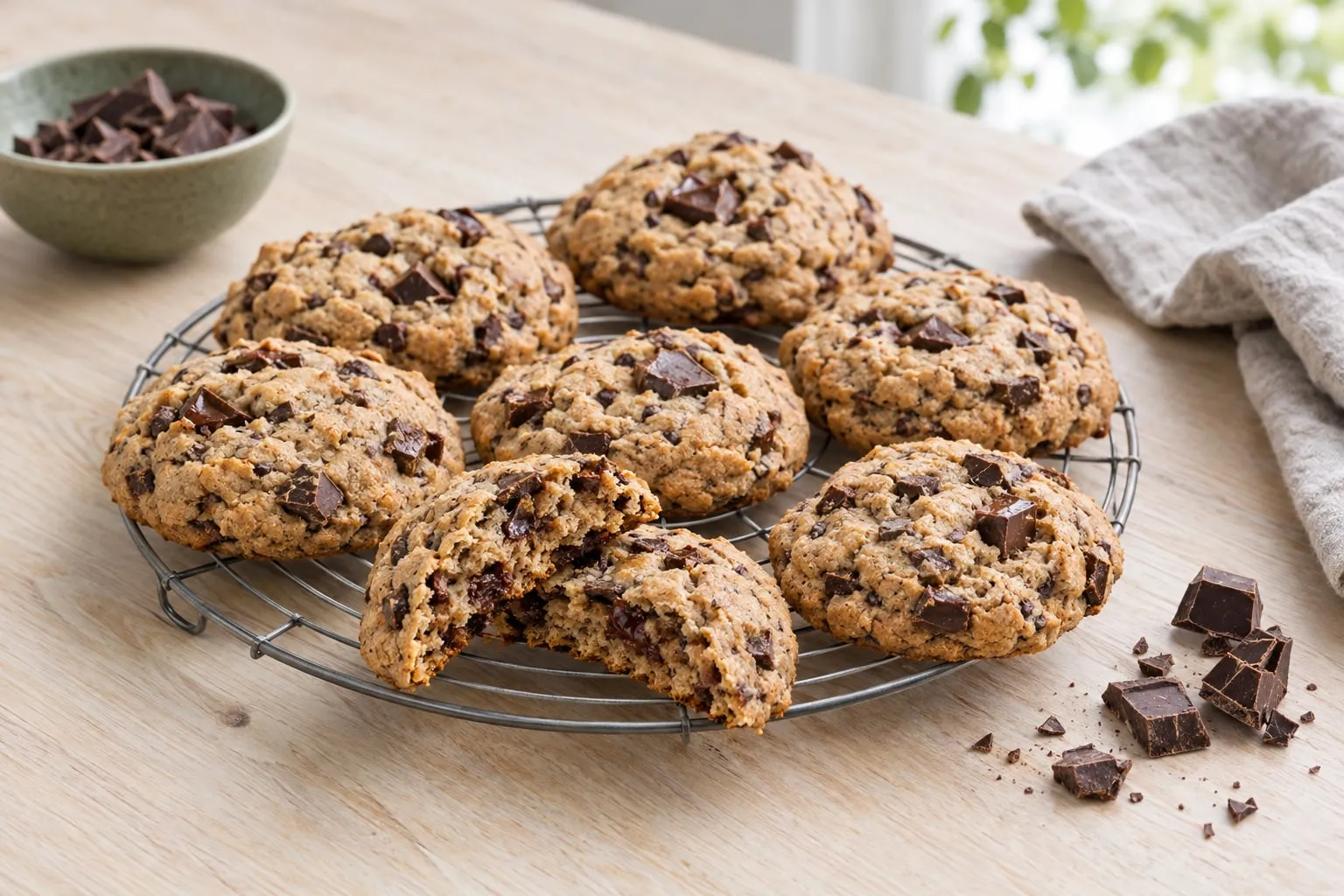 7 g protein
Compare protein and calories
Every recipe on this page per serving, highest protein first. Figures are calculated from the ingredient list using CoFID.
| Recipe | Protein | Energy | From protein | Time |
|---|---|---|---|---|
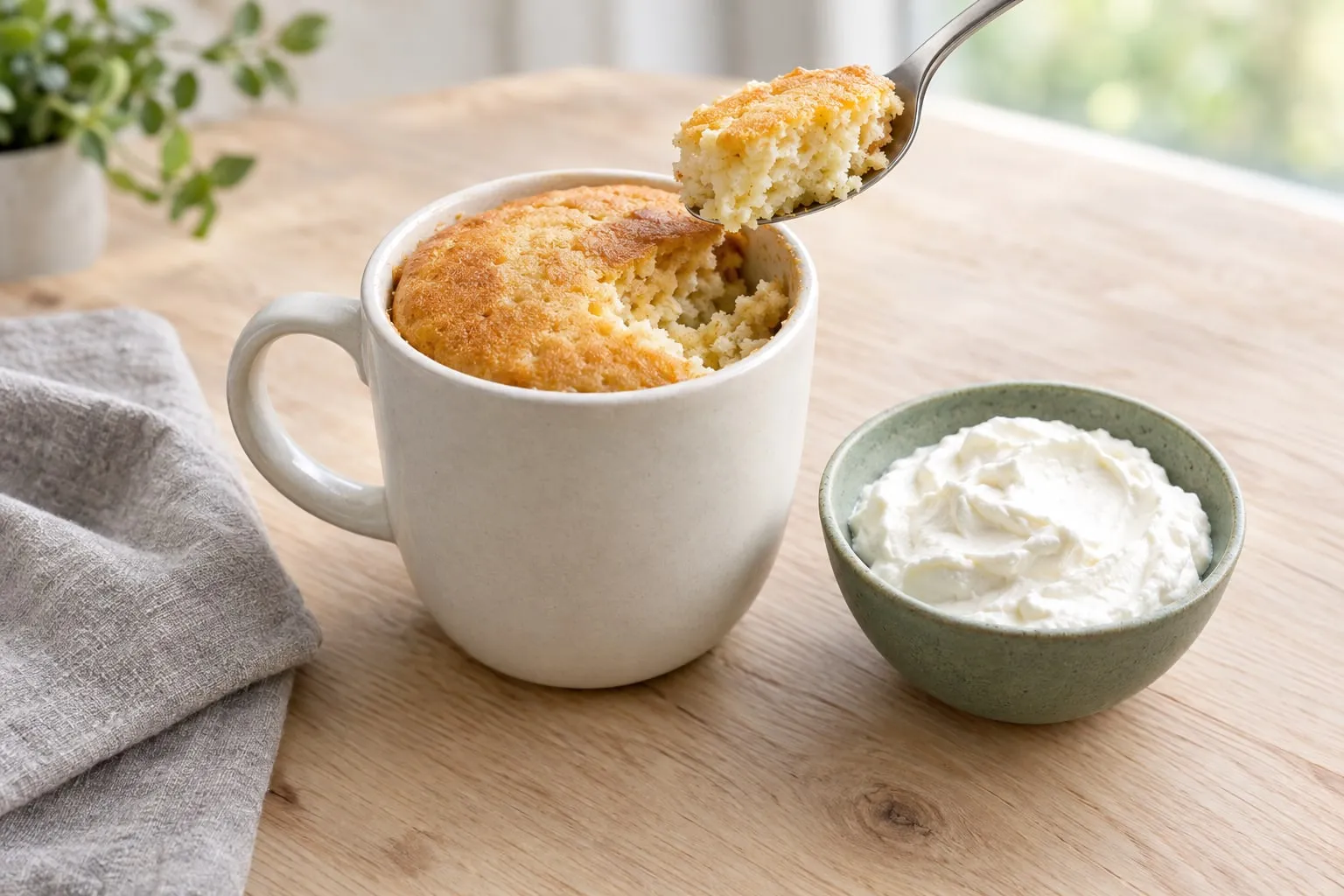
| High Protein Cakeper mug | 34 g | 309 kcal | 44% | 8 min |
| Greek Yogurt Pizza Doughper serving | 19 g | 310 kcal | 25% | 39 min |
| 2-Ingredient Protein Pizza Doughper serving | 13 g | 201 kcal | 25% | 33 min |
| Protein Birthday Cakeper slice | 13 g | 203 kcal | 25% | 2 hr 15 min |
| Low Carb High Protein Breadper slice | 13 g | 98 kcal | 52% | 2 hr |
| Greek Yogurt Protein Flatbreadper flatbread | 12 g | 166 kcal | 28% | 20 min |
| Gluten-Free Protein Breadper slice | 10 g | 131 kcal | 30% | 2 hr 20 min |
| Protein Banana Breadper slice | 10 g | 138 kcal | 28% | 1 hr 20 min |
| Protein Chocolate Cakeper slice | 9 g | 141 kcal | 27% | 2 hr 3 min |
| Protein Muffinsper muffin | 8 g | 128 kcal | 25% | 42 min |
| Blueberry Protein Muffinsper muffin | 8 g | 130 kcal | 24% | 45 min |
| Banana Protein Muffinsper muffin | 8 g | 103 kcal | 29% | 40 min |
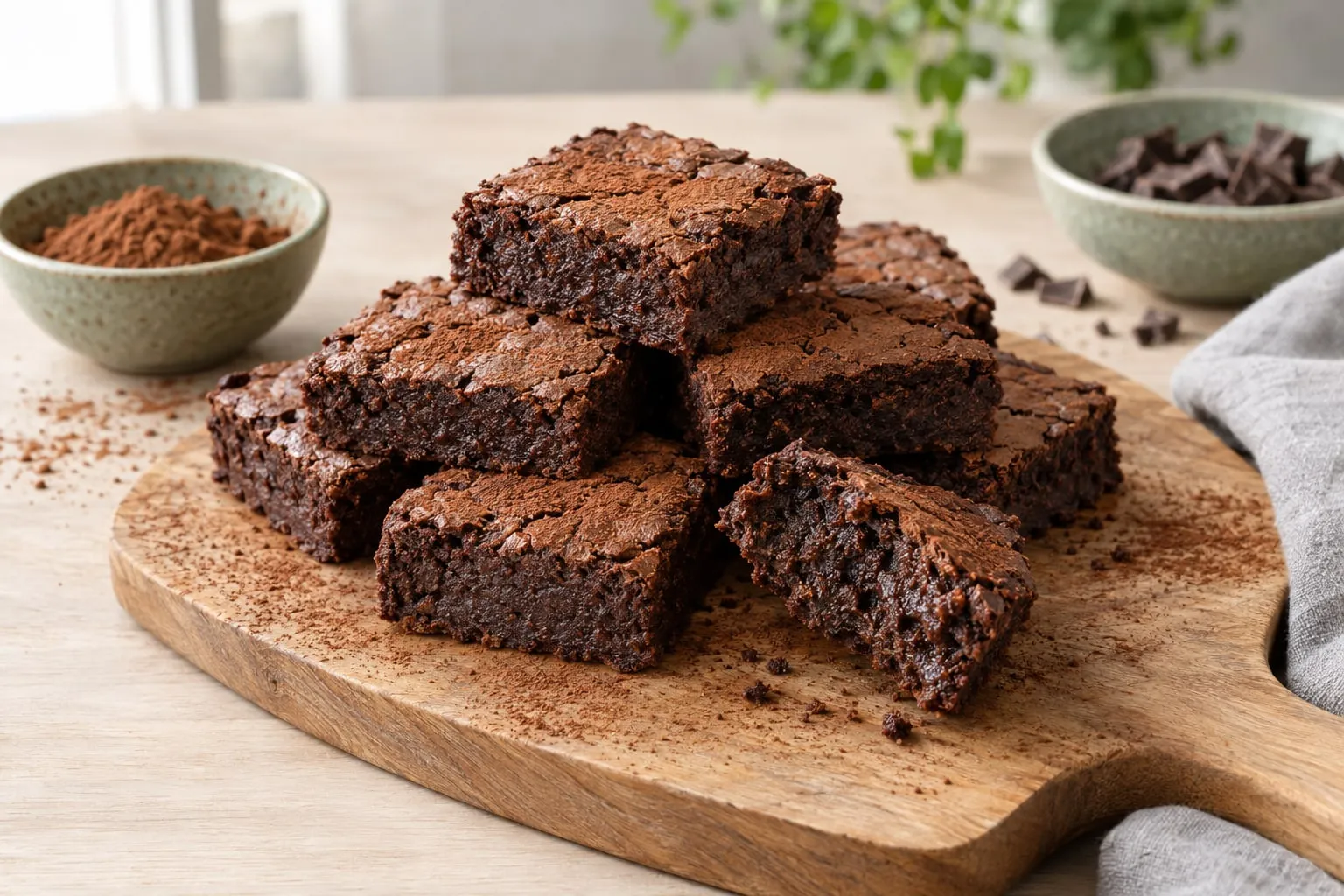
| Protein Browniesper brownie | 7 g | 120 kcal | 25% | 2 hr 37 min |
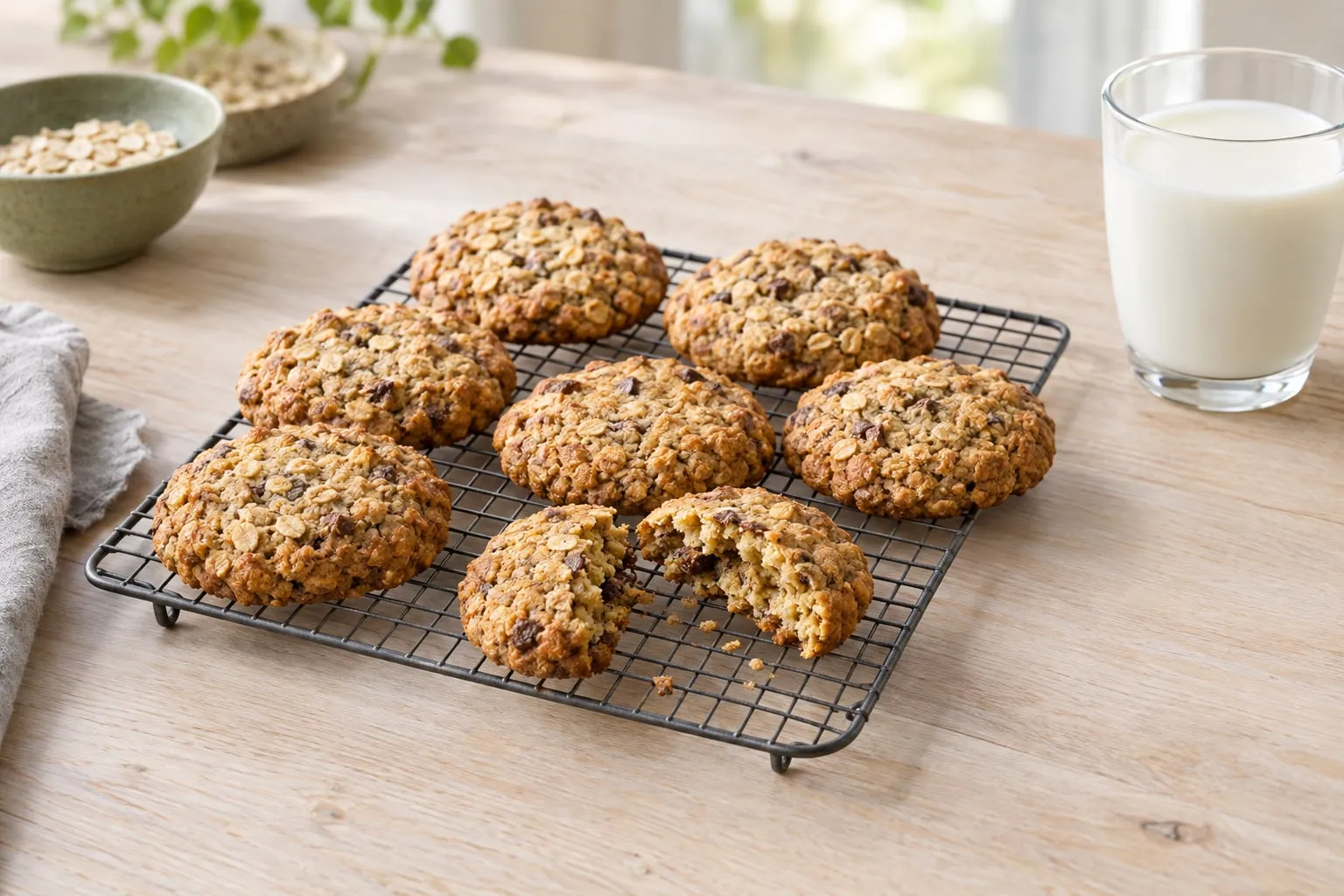
| Oatmeal Protein Cookiesper cookie | 7 g | 104 kcal | 27% | 39 min |
| Chocolate Chip Protein Cookiesper cookie | 7 g | 118 kcal | 22% | 32 min |
| Protein Cookiesper cookie | 7 g | 111 kcal | 24% | 39 min |
Swapping a quarter of the flour for whey is the simplest way to start protein baking, and the shape of the bake barely changes. The recipes here use whey, strained Greek yogurt, cottage cheese and eggs, and all are counted per slice, muffin or cookie.
Protein bread and savoury bakes
Low carb protein bread leads on protein with 13 g and 98 kcal a slice. Protein bread gives 10 g and 109 kcal, cottage cheese bread gives 10 g and 102 kcal, and the gluten-free protein bread gives 10 g and 131 kcal. Test the middle with a probe thermometer, since bread is ready at 96–98°C in the centre.
For something quicker, the Greek yogurt pizza dough has 19 g protein and 310 kcal a serving, the 2-ingredient protein pizza dough 13 g and 201 kcal, and the Greek yogurt protein flatbread 12 g and 166 kcal per flatbread.
Banana bread, muffins and cake
Protein banana bread gives 10 g protein and 138 kcal a slice. Protein muffins give 8 g and 128 kcal each, blueberry protein muffins 8 g and 130 kcal, and banana protein muffins 8 g and 103 kcal. Muffins are baked in a 12-hole tin, and a rest of a few minutes lets them set before they come out.
Cake slices are larger. Protein chocolate cake has 9 g and 141 kcal, and protein birthday cake has 13 g and 203 kcal a slice. The single-portion high protein cake is a mug cake with 34 g and 309 kcal and is ready in minutes.
Muffin batters should be mixed only until the dry flour disappears. Overmixing makes them tough, and with whey in the batter that matters even more. Fill the tin cases about two-thirds full and bake on the middle shelf, and test with a skewer.
Cookies and brownies
Protein cookies give 7 g protein and 111 kcal each, chocolate chip protein cookies 7 g and 118 kcal, and oatmeal protein cookies 7 g and 104 kcal. Protein brownies have 7 g and 120 kcal. Pull cookies and brownies out while the centre still looks a little soft, as they firm up as they cool.
Both cookies and brownies are more forgiving than cakes, because they are meant to be soft in the middle. Cool them on the tray for 10 minutes before moving them to a wire rack. If you want a chewier cookie, chill the dough for 30 minutes before baking, and flatten the balls slightly with a fork.
Why protein bakes go dry, and how to fix it
Whey absorbs more liquid than flour, which is the main reason protein bakes dry out. Keeping whey to roughly 30–40% of the flour and oat weight stops that, and so does adding moisture from yogurt, mashed banana or cottage cheese. Reduce the baking time slightly and check with a skewer: it should come out clean, with a few moist crumbs rather than wet batter. Casein thickens batters more than whey, and vegan powders are grainier and usually need a little extra liquid.
A few habits help every recipe on this page. Heat the oven fully before the tin goes in, line tins with baking parchment so slices release cleanly, and let loaves cool in the tin for 10 minutes before turning them out. Slice banana bread and bread only when completely cool, or the crumb tears.
Storing and freezing
Baked bread, muffins, cookies and cakes are best kept in a closed container at room temperature for 1–2 days. Freeze anything for longer: slice bread first, and wrap muffins individually. Do not store bakes in the fridge, which dries out the crumb.
Buying and measuring for protein baking in the UK
Weigh dry ingredients rather than using cup measures, because a few extra grams of whey change the texture. Self-raising flour, plain flour and bicarbonate of soda are in every supermarket, and vital wheat gluten is usually found in the free-from or world food aisle. A 900 g (2 lb) loaf tin and a 12-hole muffin tin cover most recipes. Check protein per 100 g on the powder tub. The guide on protein in bread compares ordinary loaves, and high protein foods lists the ingredients that boost the numbers.
Frequently asked questions
How much protein powder can you use in baking?
Keep whey to about 30–40% of the flour and oat weight, otherwise bakes turn dry and rubbery. Bake slightly cooler or for less time than a standard recipe.
How do you make high protein bread?
Replace part of the flour with whey, vital wheat gluten or cottage cheese. Protein bread gives 10 g a slice and 109 kcal, and cottage cheese bread gives 10 g and 102 kcal.
How much protein is in a protein muffin?
Between 8 g and 10 g. Protein muffins give 8 g and 128 kcal each. Blueberry protein muffins give 8 g and 130 kcal.
How should you store protein baking?
Keep baked bread, muffins and cookies in a closed box at room temperature for 1–2 days, or freeze them. Slice bread before freezing so you can toast it from frozen.
What is the best high protein baking without protein powder?
Greek yogurt pizza dough, cottage cheese bread and flatbreads rely on dairy. Greek yogurt pizza dough gives 19 g a serving and the protein flatbread 12 g.
Updated 22 November 2026 by The Protein Recipes editorial team.