Protein guide
Protein in Bread
Quick answer
A standard 36 g slice of bread has 2.8 g protein if it is white and 3.4 g if it is wholemeal. Per 100 g, bread ranges from 7.9 g (white sliced) to 11.1 g (wheatgerm), and a plain bagel has 10.0 g.
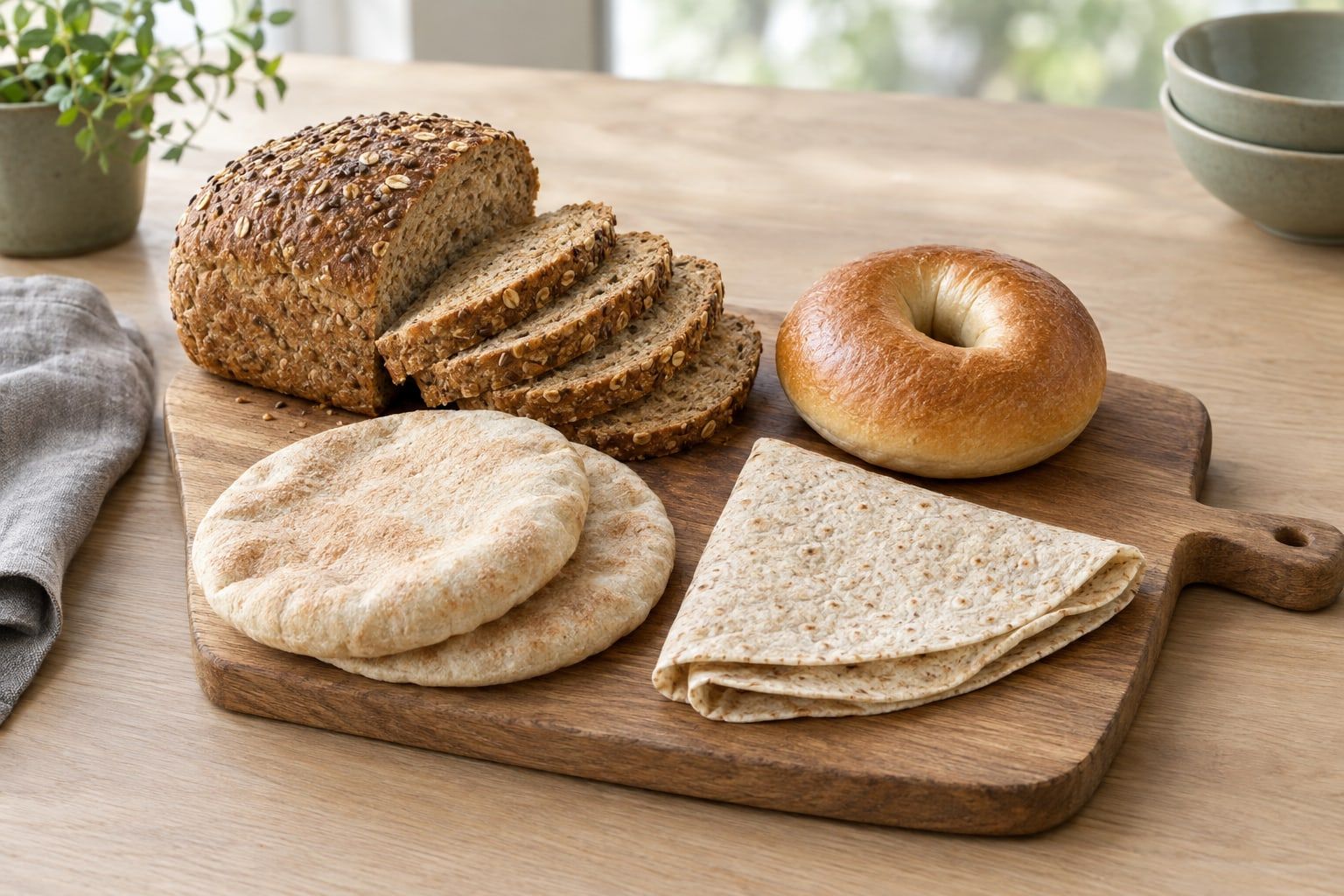
Protein in bread is modest and depends on the slice: a standard 36 g slice of white has 2.8 g protein, wholemeal has 3.4 g, and a 40 g seeded slice has 4.0 g. Per 100 g, loaves run from 7.9 g for white sliced to 11.1 g for wheatgerm bread.
Weight does most of the work. A thick 50 g slice of white gives about 4.0 g, more than a thin wholemeal slice, and a bagel of about 85 g reaches 8.5 g because it is dense and heavy. Wholemeal has a small edge in percentage terms, with about 17% of its energy from protein against 14% for white sliced, and it carries 7.0 g fibre per 100 g. Sourdough has no separate entry in the tables, so its protein depends on the flour and the slice weight.
The practical advice is to treat bread as the base and add a protein topping. Two wholemeal slices and two medium eggs reach 19.4 g, and cottage cheese or tuna reaches a similar range. For loaves that carry more protein themselves, the recipes linked below use cottage cheese, Greek yogurt or protein powder in the dough, with the protein per slice worked out from the ingredients.
| Bread | Protein | Energy | Fibre |
|---|---|---|---|
| White sliced | 7.9 g | 219 kcal | 2.5 g |
| White, average | 8.7 g | 236 kcal | 2.9 g |
| Wholemeal, average | 9.4 g | 217 kcal | 7.0 g |
| Seeded | 9.9 g | 270 kcal | 6.2 g |
| Wheatgerm | 11.1 g | 220 kcal | 5.7 g |
| Bagel, plain | 10.0 g | 273 kcal | 3.0 g |
| Pitta, white | 9.1 g | 255 kcal | 2.3 g |
| Tortilla, wheat, soft | 7.8 g | 285 kcal | 3.6 g |
Source: CoFID – McCance and Widdowson's Composition of Foods Integrated Dataset 2021 (codes 11-980, 11-1145, 11-981, 11-947, 11-975, 11-970, 11-974, 11-925)
| Portion | Weight | Protein | Energy |
|---|---|---|---|
| 1 slice white sliced bread | about 36 g | 2.8 g | 79 kcal |
| 1 slice wholemeal bread | about 36 g | 3.4 g | 78 kcal |
| 1 slice seeded bread | about 40 g | 4.0 g | 108 kcal |
| 2 slices wholemeal bread | about 72 g | 6.8 g | 156 kcal |
| 1 plain bagel | about 85 g | 8.5 g | 232 kcal |
| 1 white pitta | about 60 g | 5.5 g | 153 kcal |
| 1 thick slice white sliced bread | about 50 g | 4.0 g | 110 kcal |
Source: Calculated from CoFID values; typical weights of about 36 g for a standard slice, 40 g for seeded, 85 g for a bagel and 60 g for a pitta
How much protein is in a slice of bread?
A standard 36 g slice of white sliced bread has 2.8 g protein and 79 kcal, and a wholemeal slice of the same weight has 3.4 g and 78 kcal. A seeded slice, which is usually closer to 40 g, gives 4.0 g and 108 kcal. Two slices of wholemeal for a sandwich or toast give 6.8 g and 156 kcal. In most cases the weight of the slice matters more than the type: a thick 50 g slice of white gives about 4.0 g, more than a thin wholemeal slice.
Does wholemeal bread have more protein than white?
Slightly. Wholemeal bread has 9.4 g protein per 100 g against 7.9 g for white sliced and 8.7 g for average white bread. About 17% of the energy in wholemeal bread comes from protein, compared with 14% in white sliced. Wholemeal also has 7.0 g fibre per 100 g against 2.5 g. Wheatgerm bread is the highest of the standard loaves in the tables at 11.1 g, and seeded bread comes next at 9.9 g.
How much protein is in a bagel, pitta or tortilla?
A plain bagel of about 85 g has 8.5 g protein and 232 kcal, which is about the same as two and a half slices of wholemeal bread. A white pitta of 60 g has 5.5 g and 153 kcal. Soft wheat tortillas have 7.8 g per 100 g, so a 60 g wrap gives around 4.7 g and 171 kcal. Bagels are dense, so they weigh more than a slice and carry more of everything, including energy.
What about sourdough and other breads?
Sourdough is not listed separately in the UK food tables used here, so there is no exact figure. Its protein depends on the flour and the weight of the slice, and it should sit close to the wheat breads in the table. A thick slice of sourdough therefore carries more protein than a thin slice of sliced white, simply because it weighs more. Check the pack for the gram figure per slice.
How can you get more protein from bread?
Bread is a carbohydrate food with some protein, so the usual move is to add something on top. Two wholemeal slices (6.8 g) with two medium eggs (12.6 g) gives 19.4 g. Cottage cheese on toast, tuna in a sandwich or a thick layer of quark work in the same way. Dedicated recipes for protein bread use cottage cheese or Greek yogurt in the dough to raise the protein per slice.
Practical tips
- Check the weight per slice
Protein per slice depends on the slice weight. The label gives grams per slice, so use that instead of a generic figure.
- Choose the topping first
Eggs, cottage cheese, tuna, chicken or quark bring 10 g or more. The bread itself adds 3–4 g per slice.
- Weigh the bagel
Bagels vary a lot in size. An 85 g bagel has 8.5 g protein, but a large bakery bagel of 120 g gives about 12 g.
Myth or fact
- Myth
Is it true that wholemeal bread is a high protein food?
No. A wholemeal slice has about 3.4 g protein. It has more per 100 g than white bread, 9.4 g against 7.9 g, but it still counts as a carbohydrate food.
- The facts
Is it true that seeded bread has much more protein than other bread?
Only a little. Seeded bread has 9.9 g per 100 g against 9.4 g for wholemeal, and the seeds also raise the energy to 270 kcal per 100 g.
Frequently asked questions
How much protein is in a slice of bread?
A standard 36 g slice has 2.8 g protein if white and 3.4 g if wholemeal. A seeded slice of 40 g has 4.0 g.
How much protein is in a bagel?
A plain bagel of about 85 g has 8.5 g protein and 232 kcal. Per 100 g, plain bagels have 10.0 g.
Does sourdough bread have more protein?
There is no separate figure in the UK tables. Sourdough made from wheat flour is similar to other wheat breads, so check the label for protein per slice.
How much protein is in wholemeal bread?
Wholemeal bread has 9.4 g protein per 100 g, which is 3.4 g in a 36 g slice and 6.8 g in two slices.
What is the highest protein bread?
Among the breads in the tables, wheatgerm has 11.1 g per 100 g, followed by bagels at 10.0 g and seeded bread at 9.9 g. Recipes that use cottage cheese or Greek yogurt in the dough can go higher.
Recipes to try
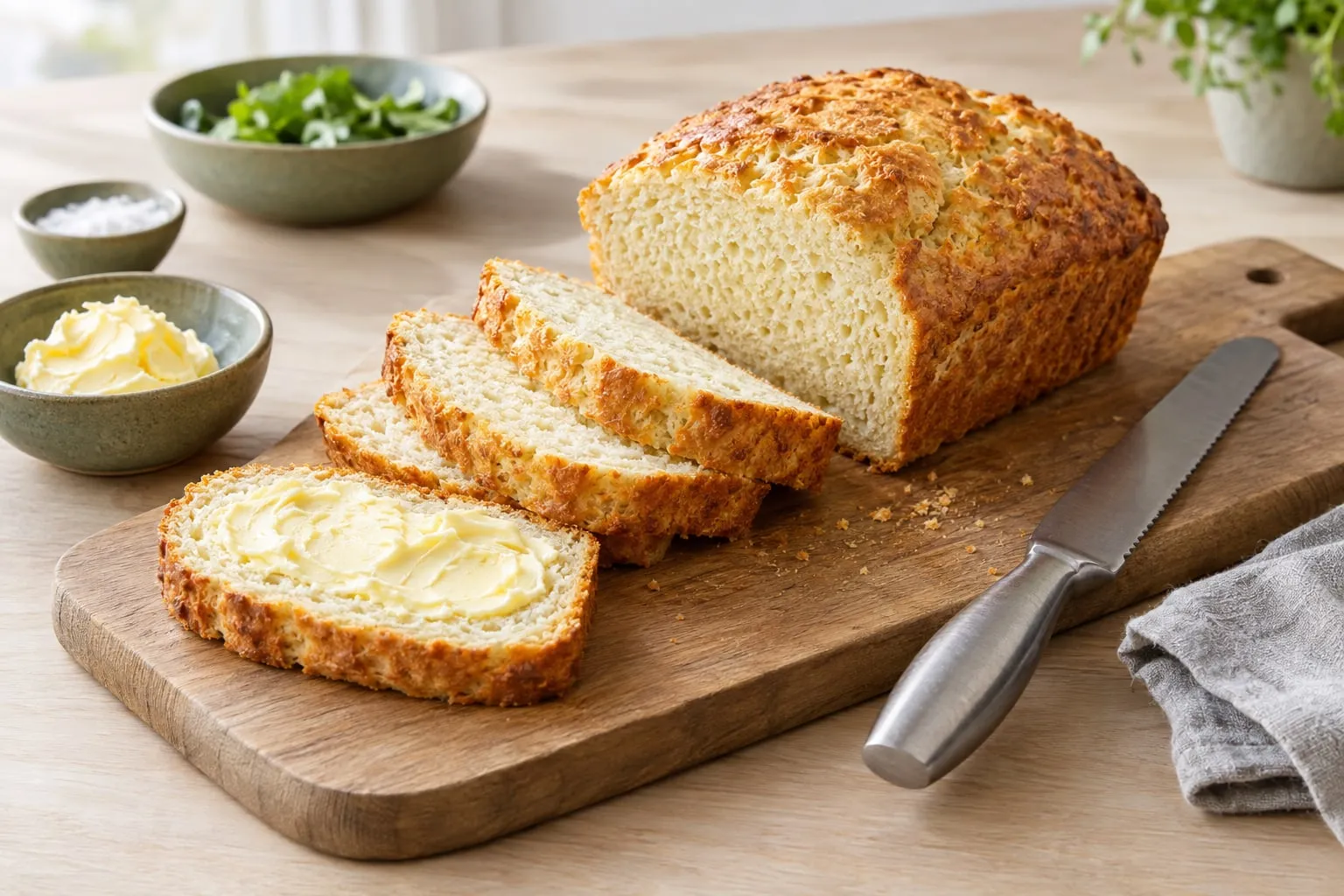
Cottage Cheese Bread
10 g protein102 kcal2 hr 5 minVegetarian
A loaf where cottage cheese raises the protein above standard bread.
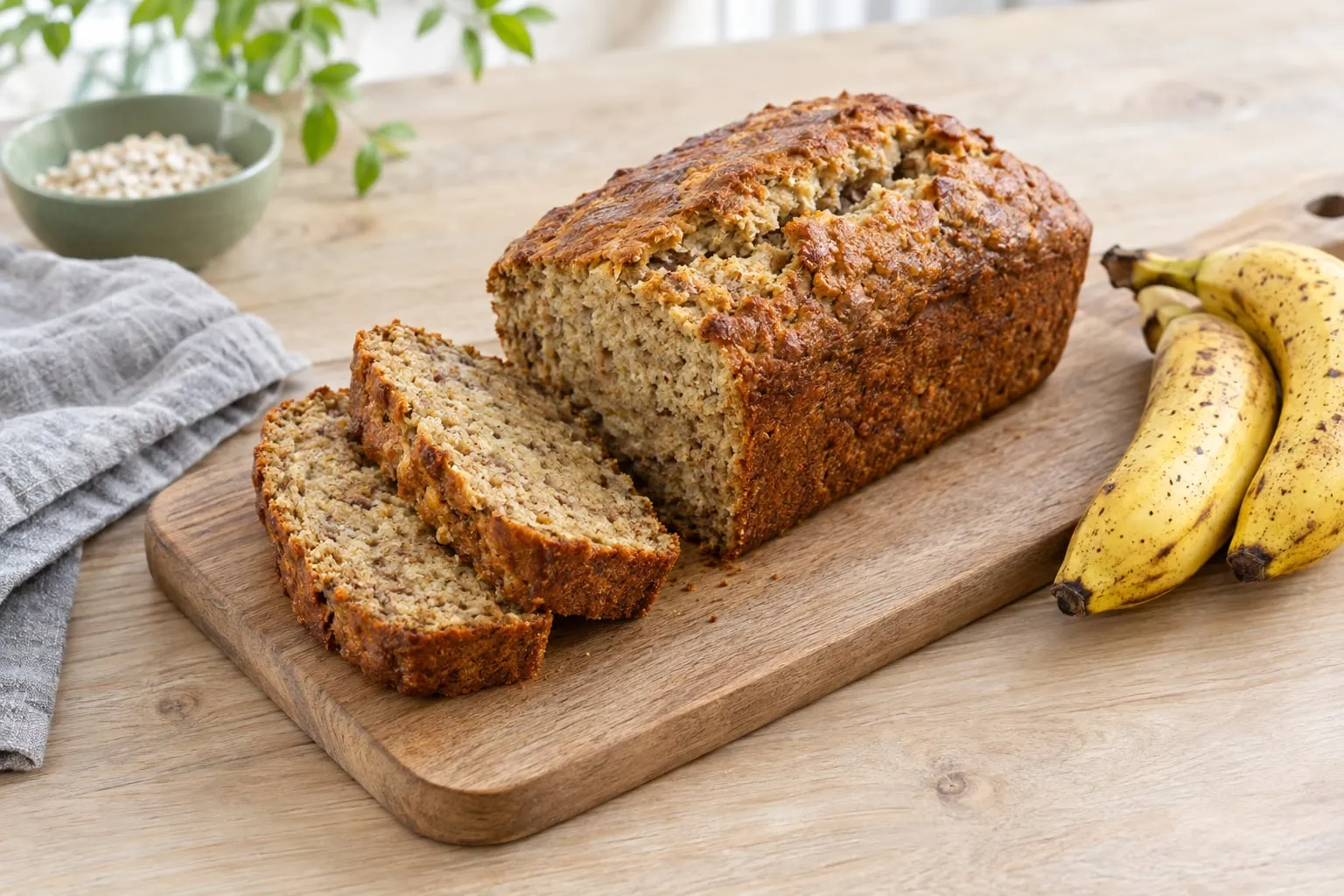
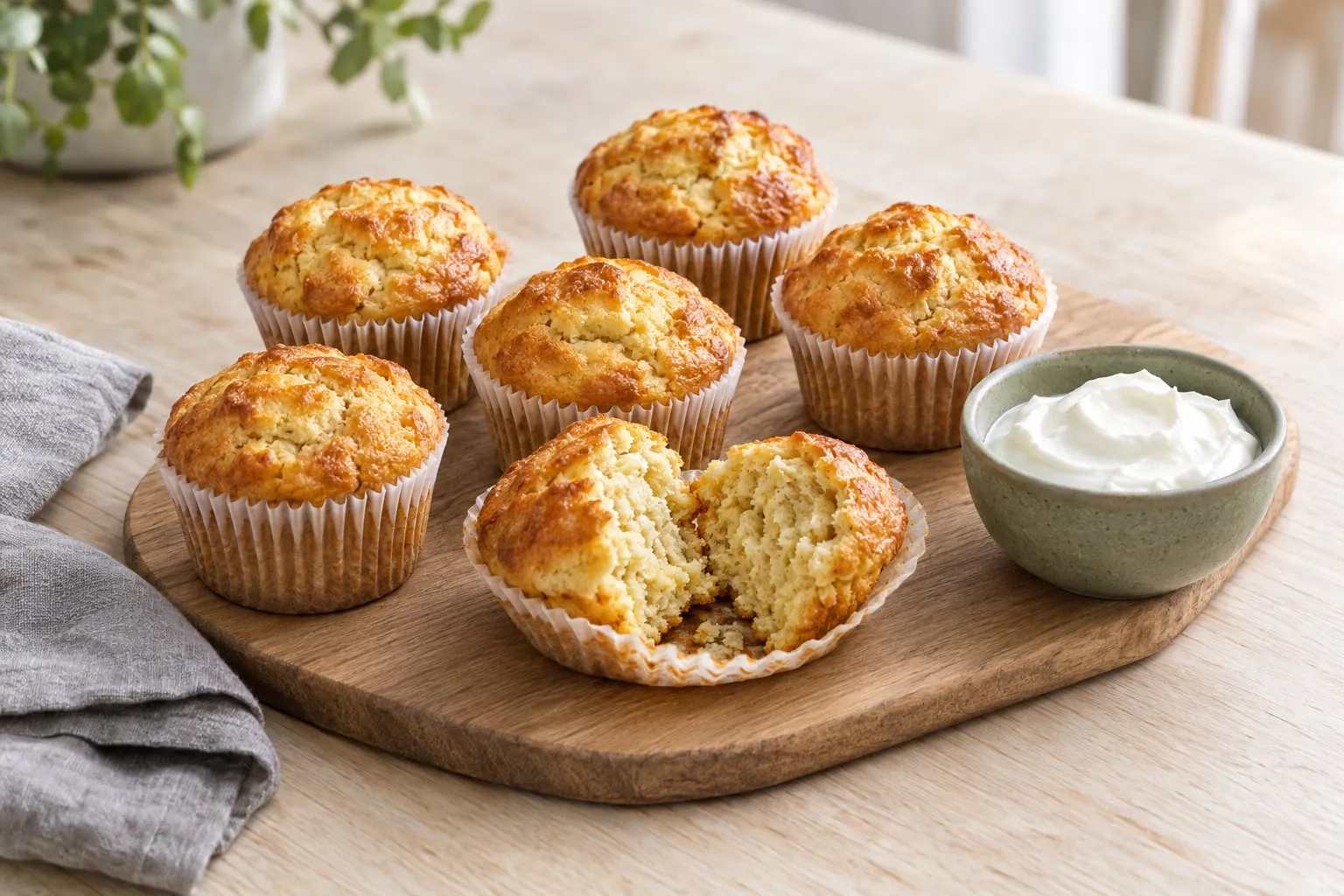
Protein Banana Bread
10 g protein138 kcal1 hr 20 minVegetarian
A banana loaf with the protein per slice worked out from the ingredients.
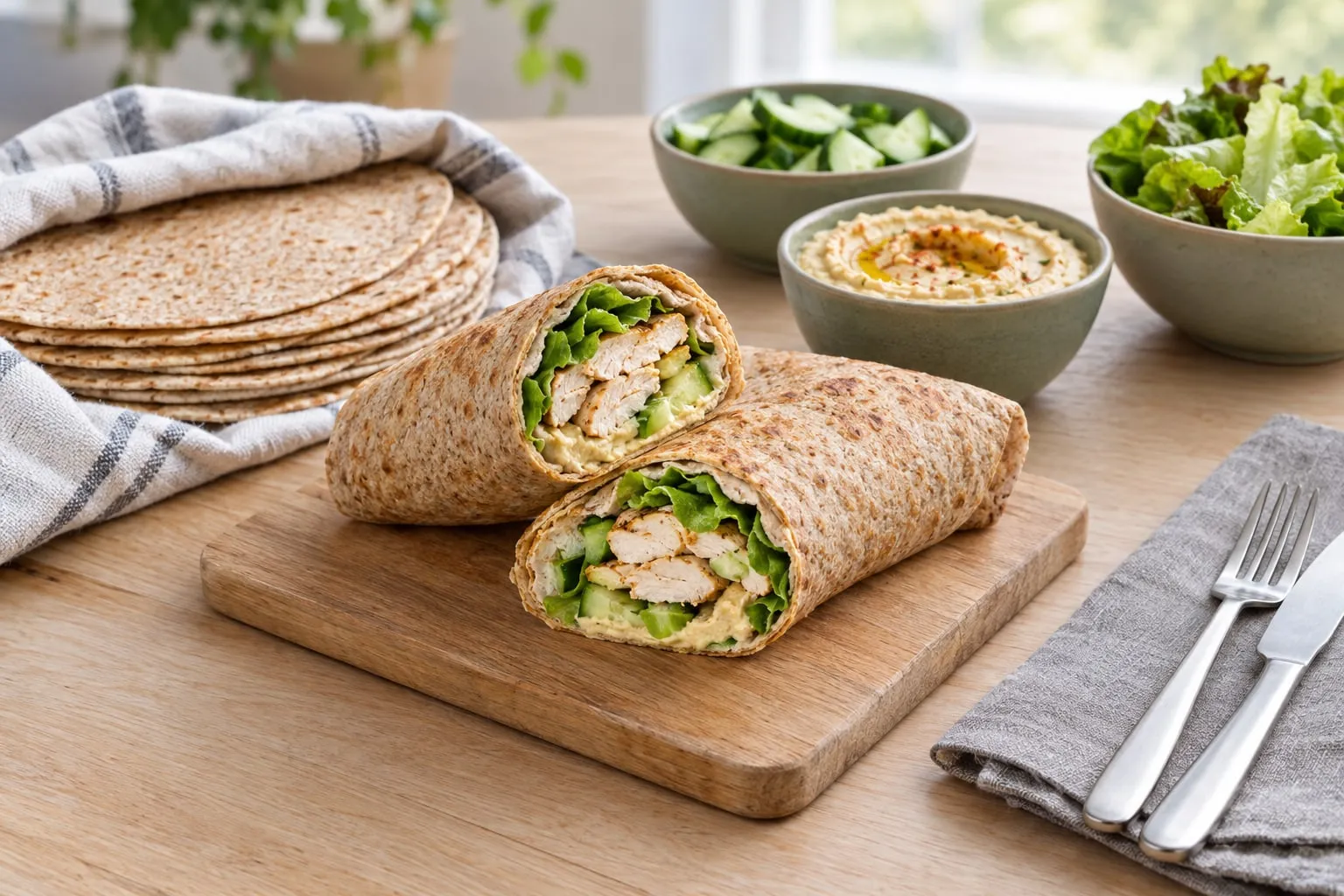
High Protein Wraps
54 g protein558 kcal58 min
Wraps made at home with the protein calculated per wrap.
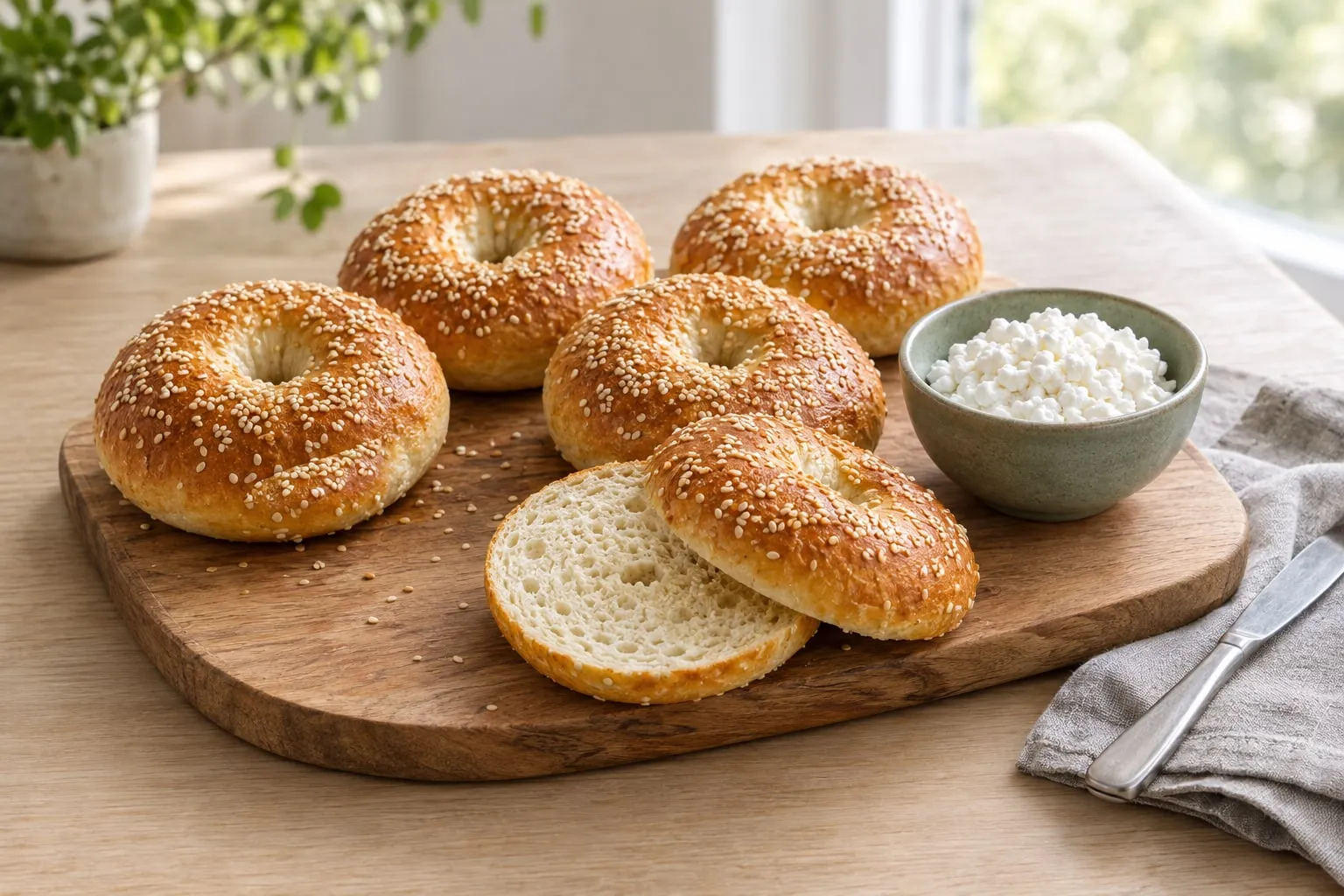
Cottage Cheese Bagels
14 g protein253 kcal55 minVegetarian
Bagels with cottage cheese in the dough for more protein per bagel.
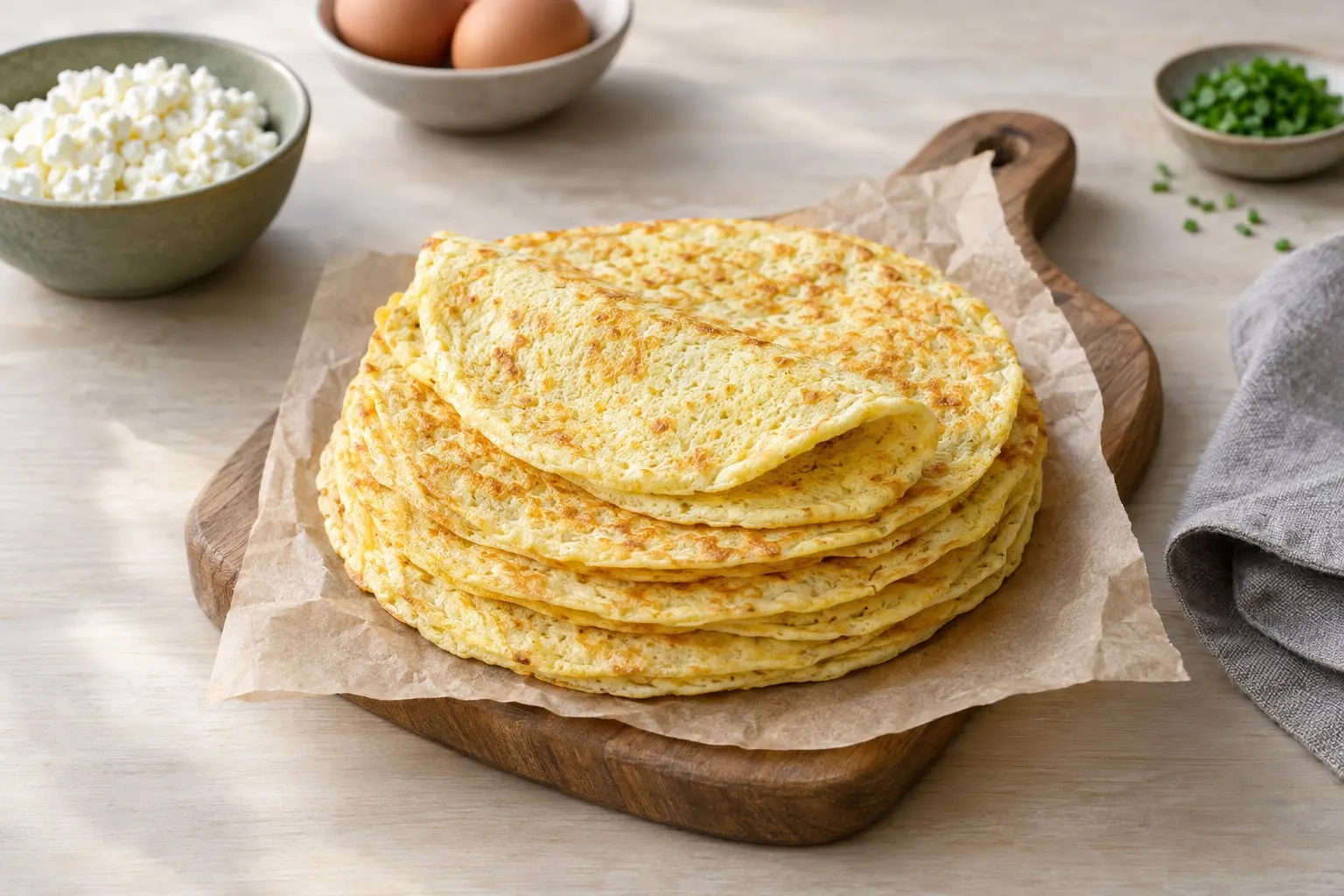
Cottage Cheese Wraps
13 g protein110 kcal26 minVegetarianGluten-free
A flatbread wrap that keeps sandwiches simple and carries protein.
Sources
- McCance and Widdowson's Composition of Foods Integrated Dataset 2021 (CoFID) – Protein, energy and fibre for white, wholemeal, seeded and wheatgerm bread, bagels, pitta and tortillas
- NHS Eatwell Guide – General advice on starchy foods and good sources of protein
Read our editorial policy for how figures are checked and how to report a mistake.
More protein guides
All guides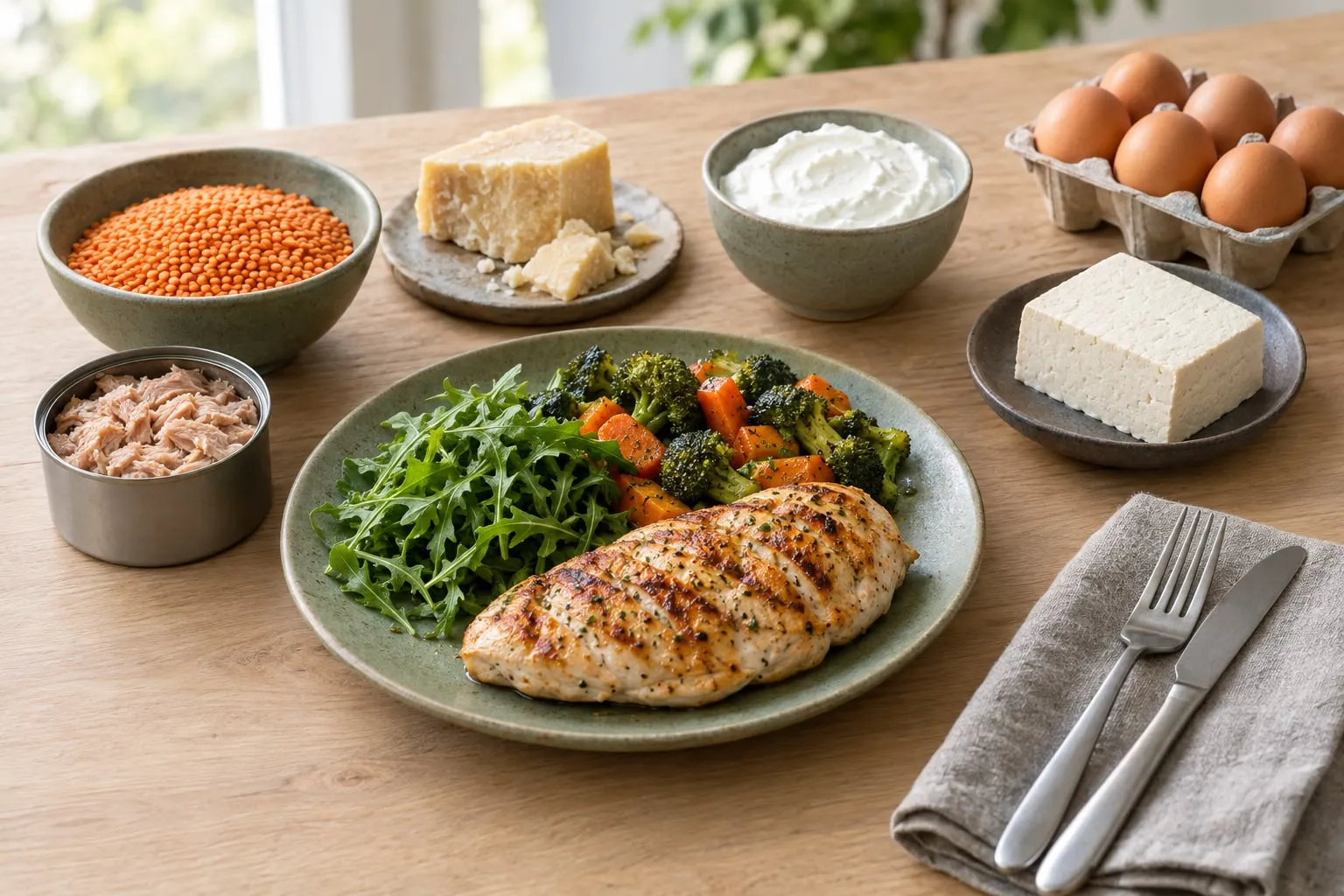
Guide
High Protein Foods: A Ranked List
High protein foods ranked by protein per 100 g and per 100 kcal: Parmesan has 36.2 g, grilled chicken 32.0 g, dried red lentils 25.6 g and egg white 10.8 g.
Guide
How Much Protein Do You Need Per Day?
How much protein do I need? The UK reference is 0.75 g per kg of body weight a day, or 52.5 g at 70 kg. See food values and a worked example day.
Guide
What Is Protein and Why Do We Need It?
What is protein good for? It is made of amino acids, nine of them essential. See what it does, the UK 0.75 g per kg a day reference and food values.
Guide
Lean Protein: Best Sources
Lean protein sources ranked by fat: raw chicken breast has 24.0 g protein and 1.1 g fat per 100 g, tuna 24.9 g and 1.0 g. Meat, fish and dairy compared.