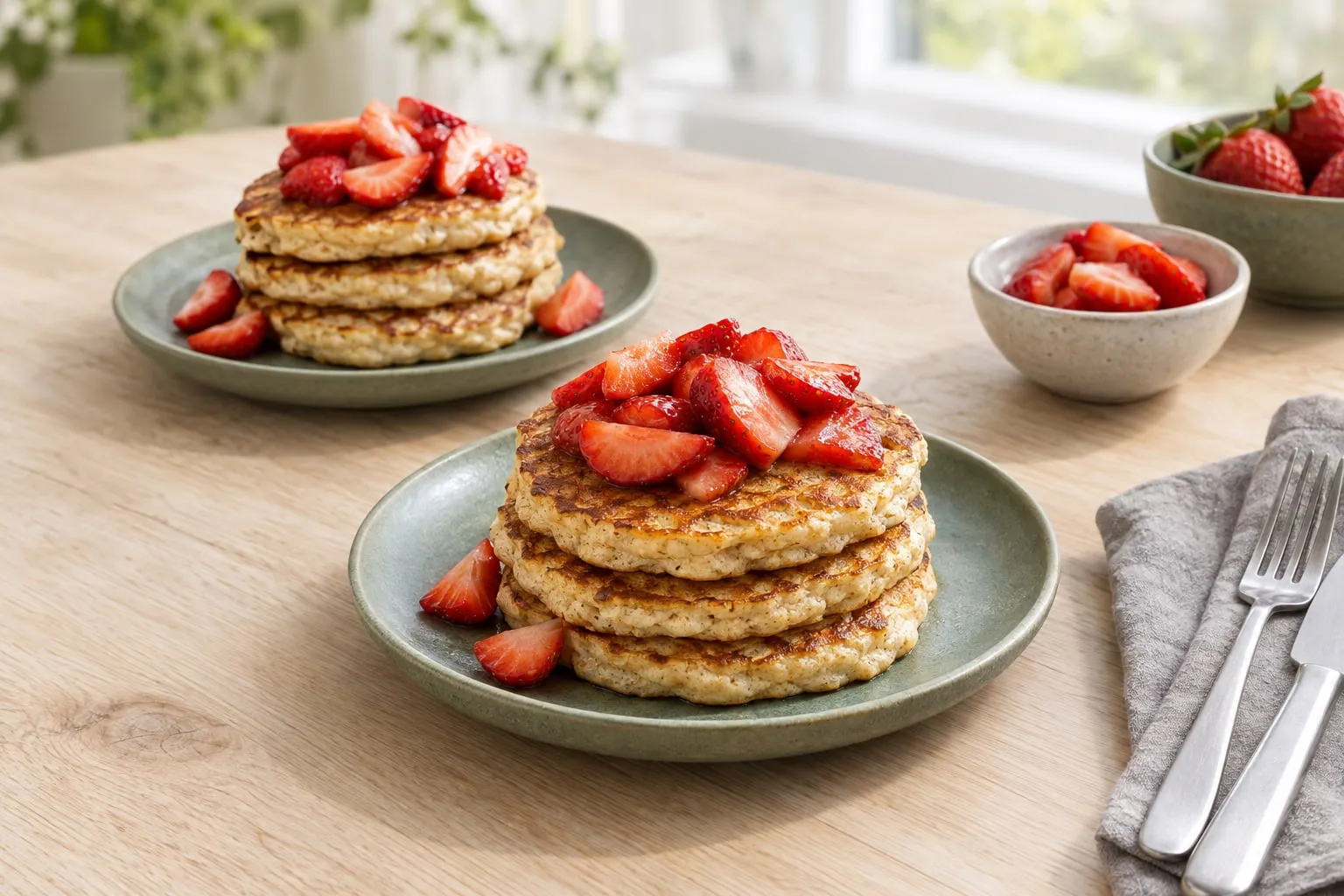
 31 g protein
Category · 18 recipes
High Protein Breakfast Ideas
Sixteen breakfasts, from 3-minute yogurt bowls to batch-baked egg muffins, each worked out per serving from the British CoFID food tables.
21–45 g proteinper serving, calculated from CoFID
All breakfast recipes
18 recipes, most popular first31 g protein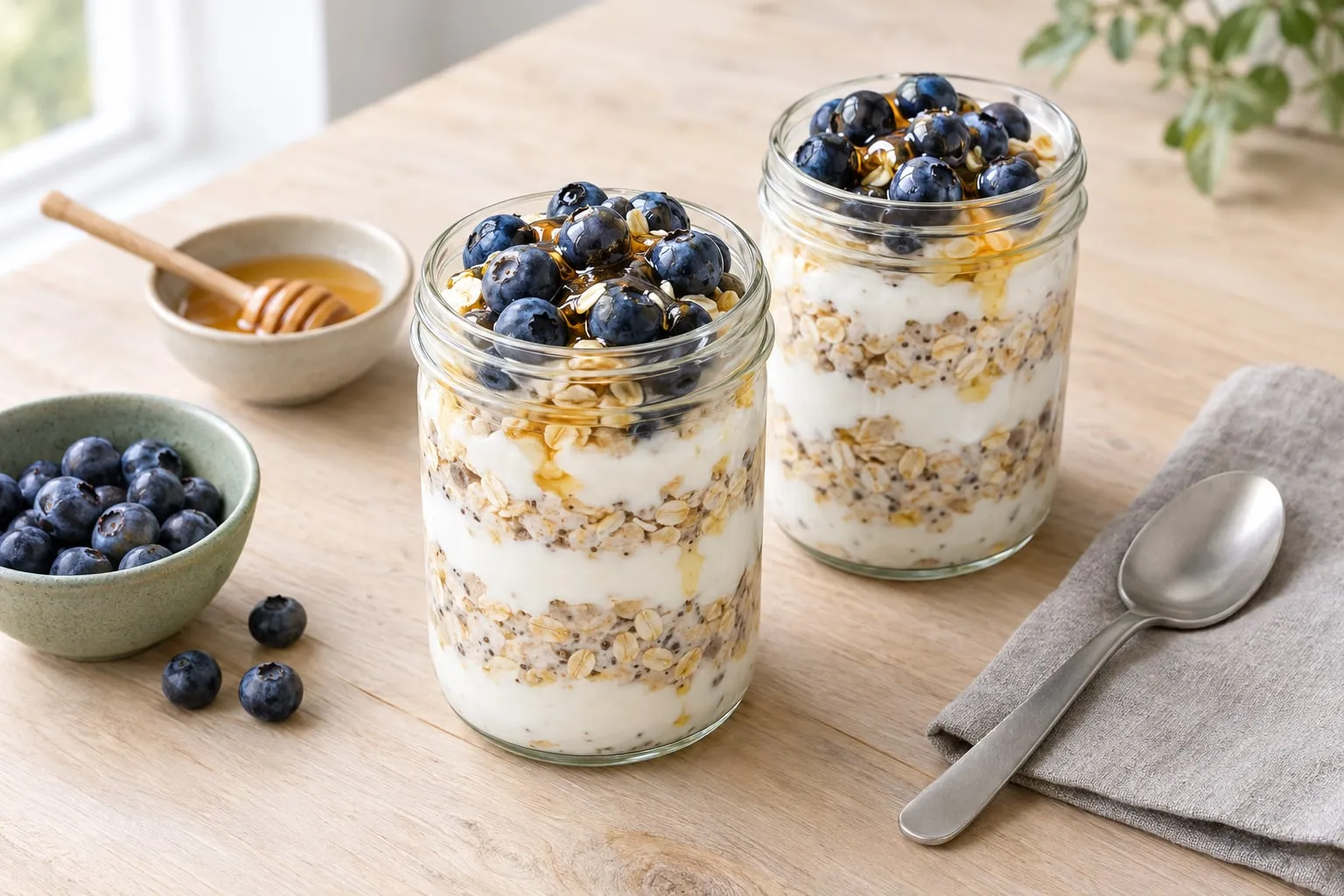 26 g protein
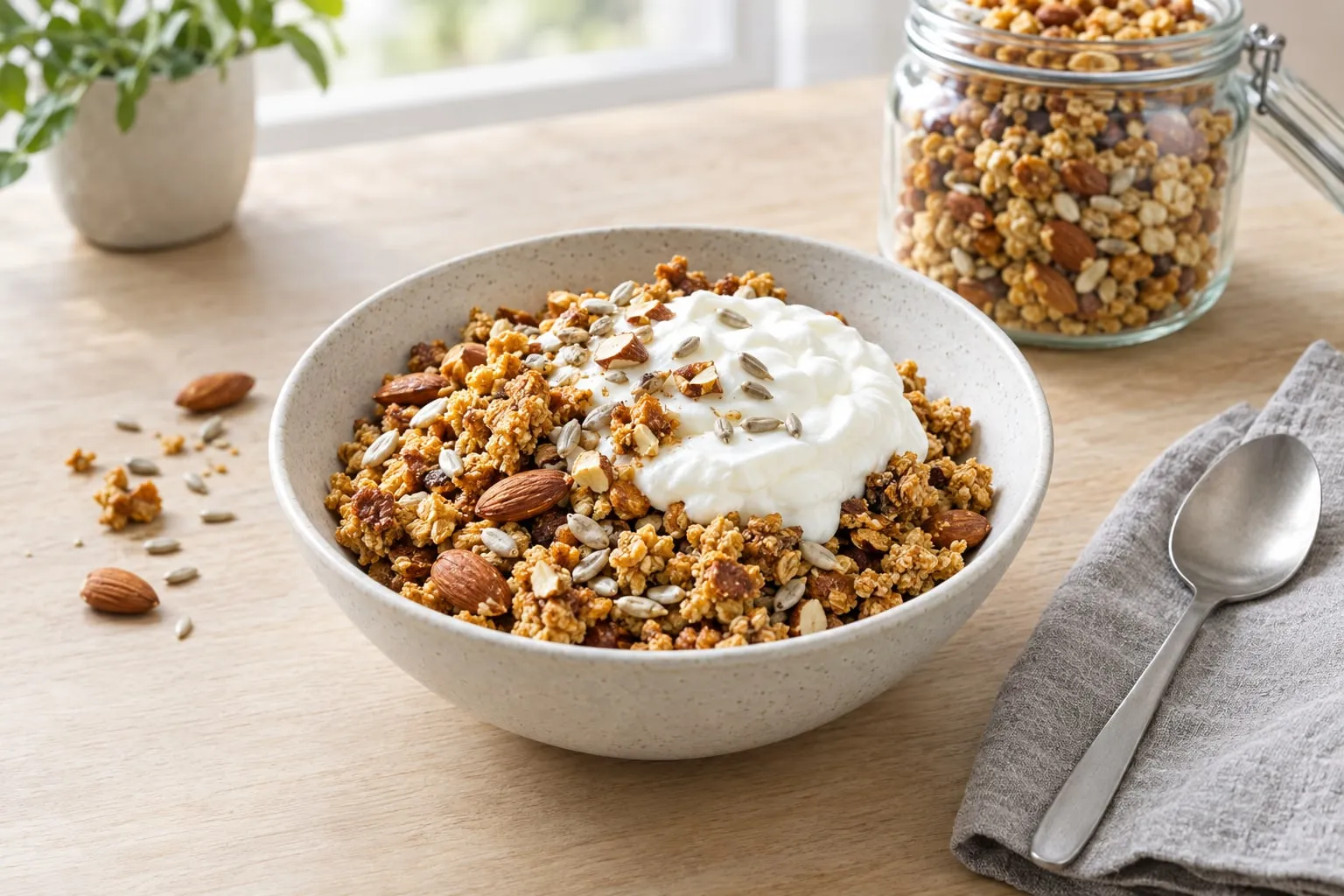 28 g protein
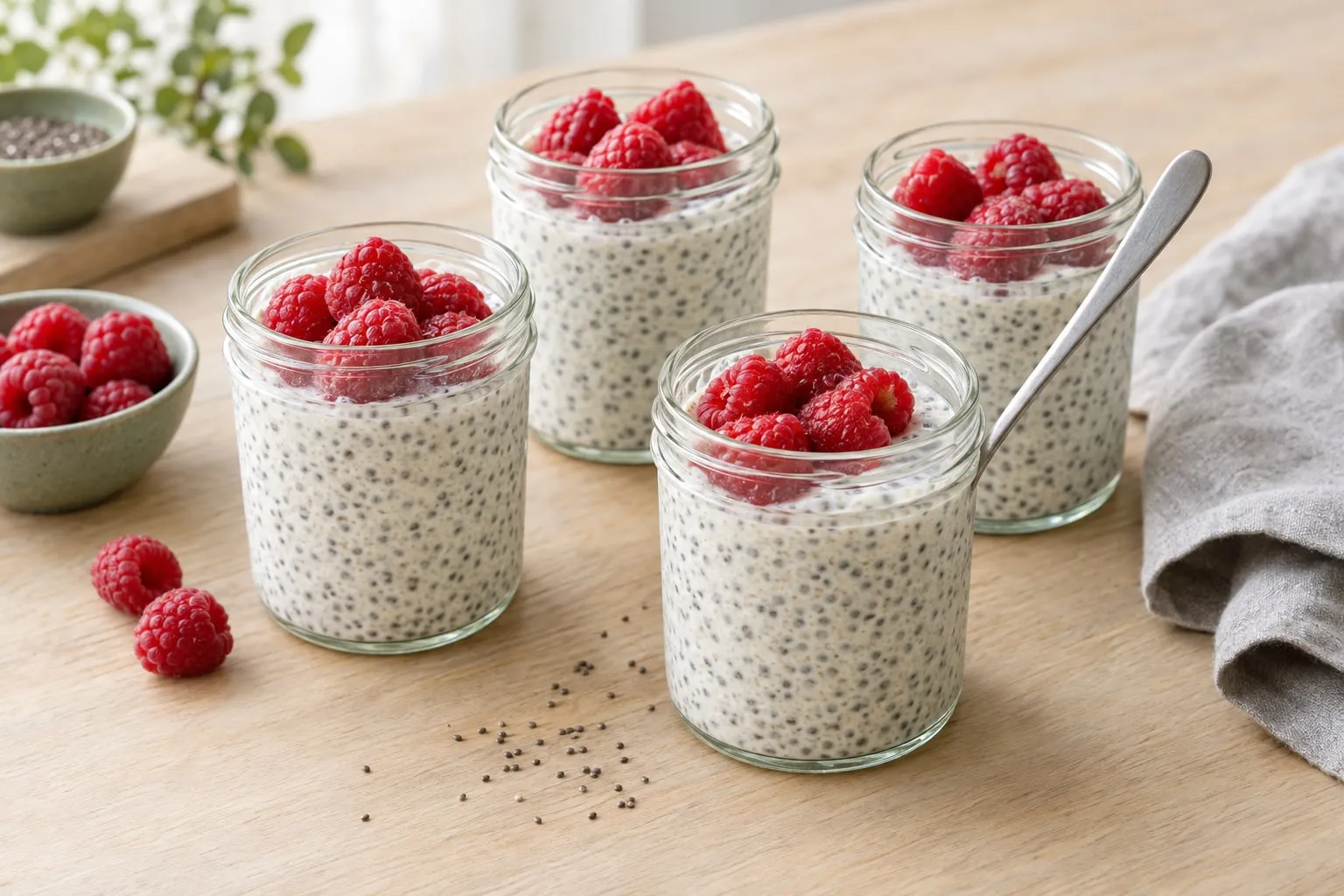 26 g protein
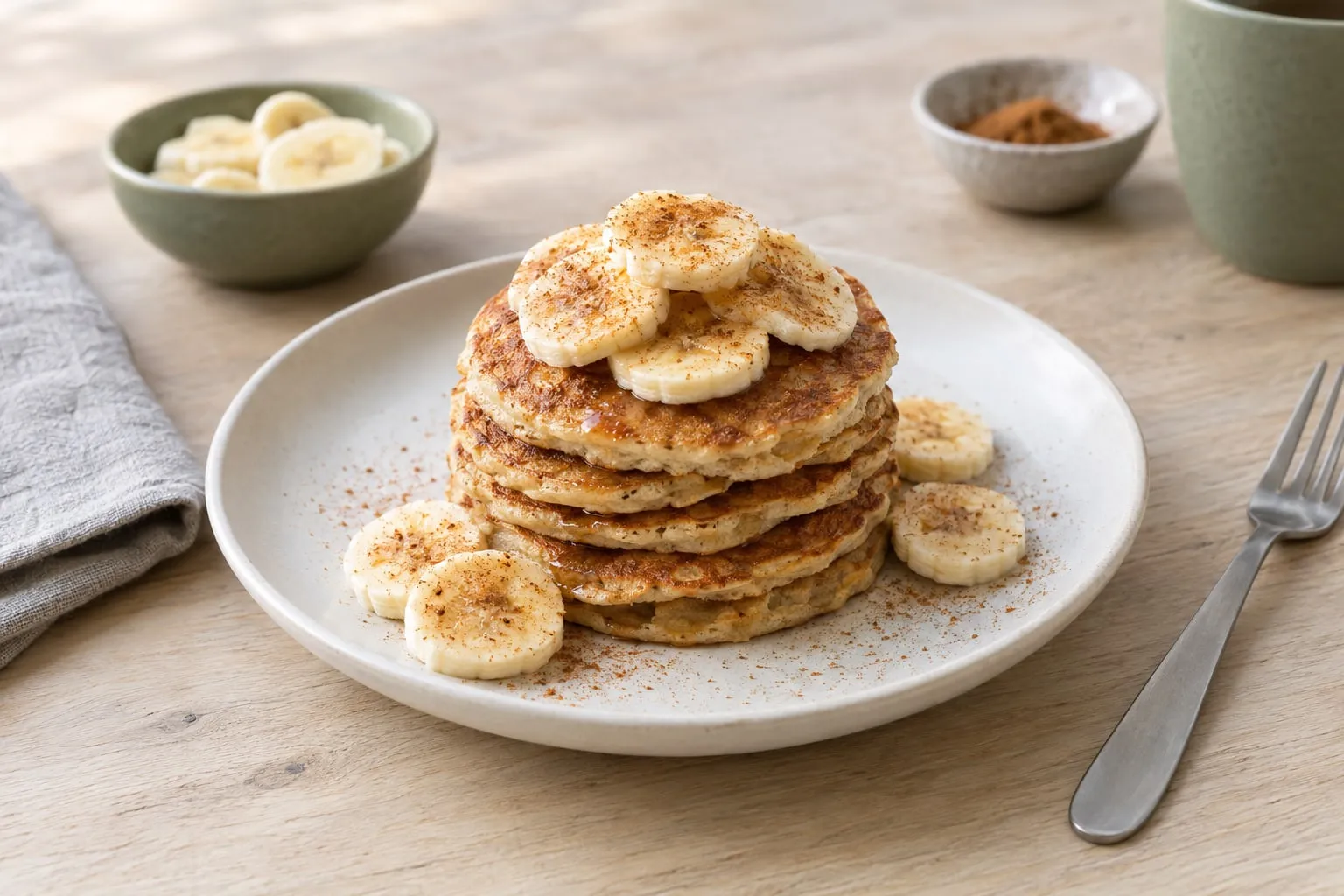 28 g protein
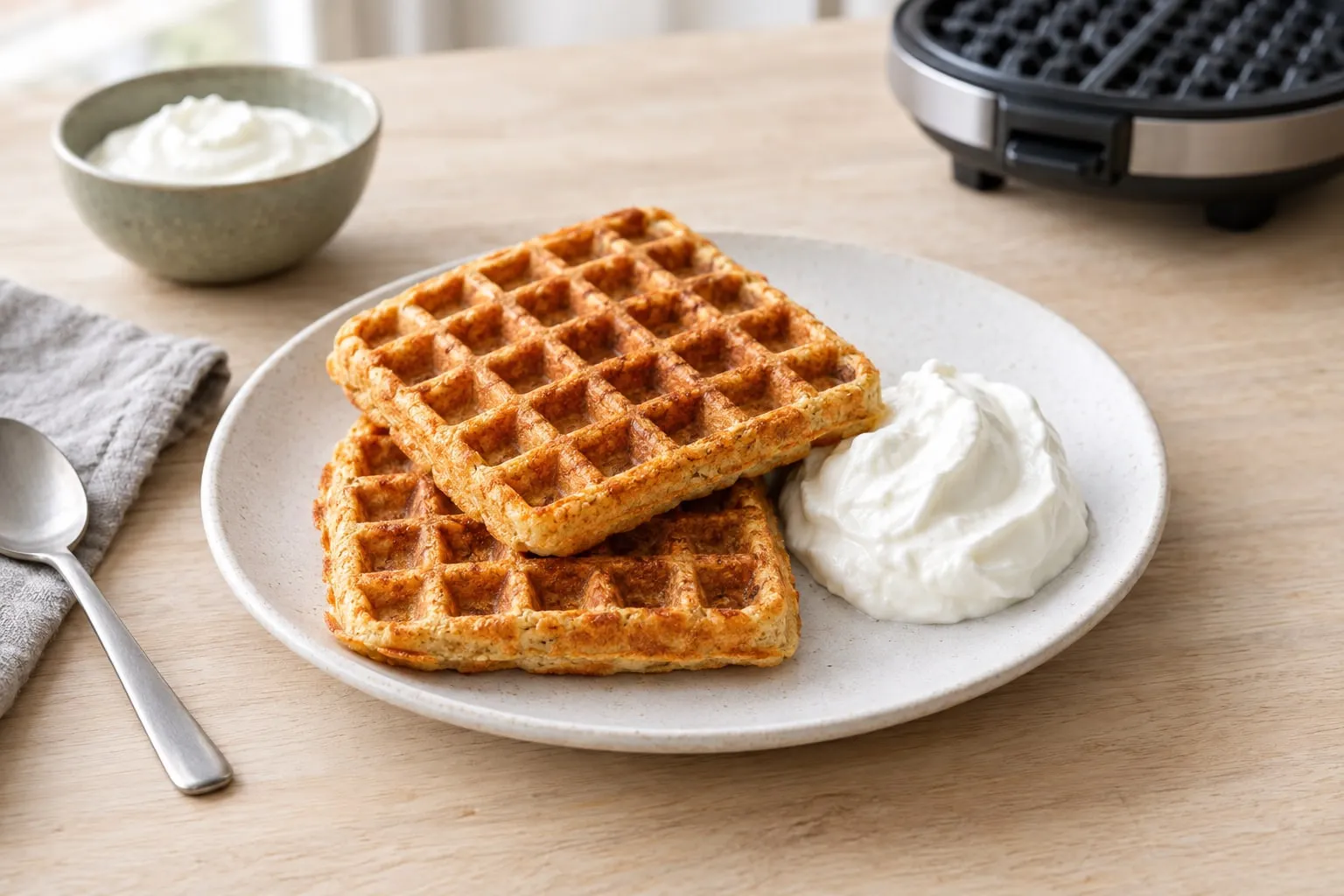 30 g protein
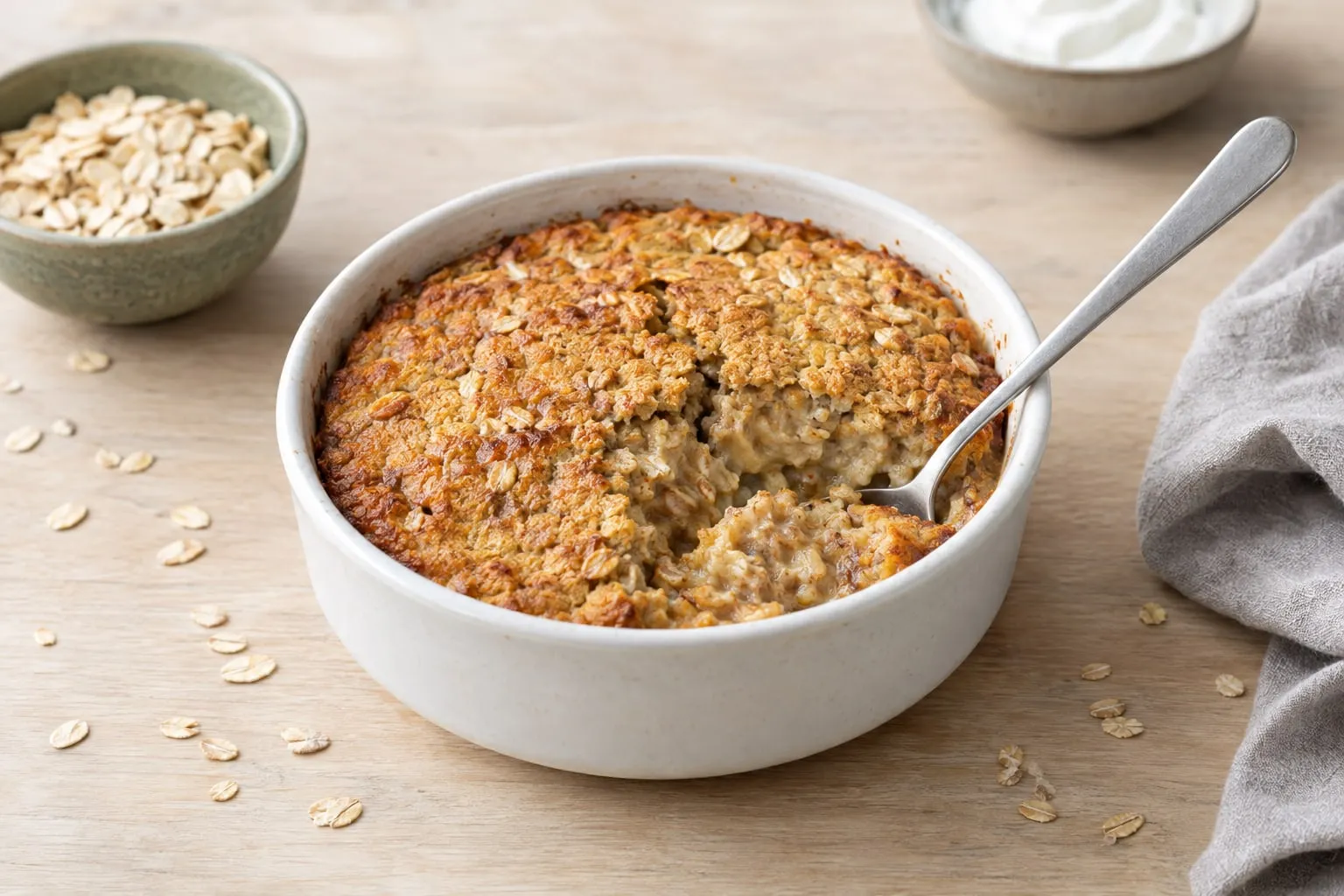 38 g protein
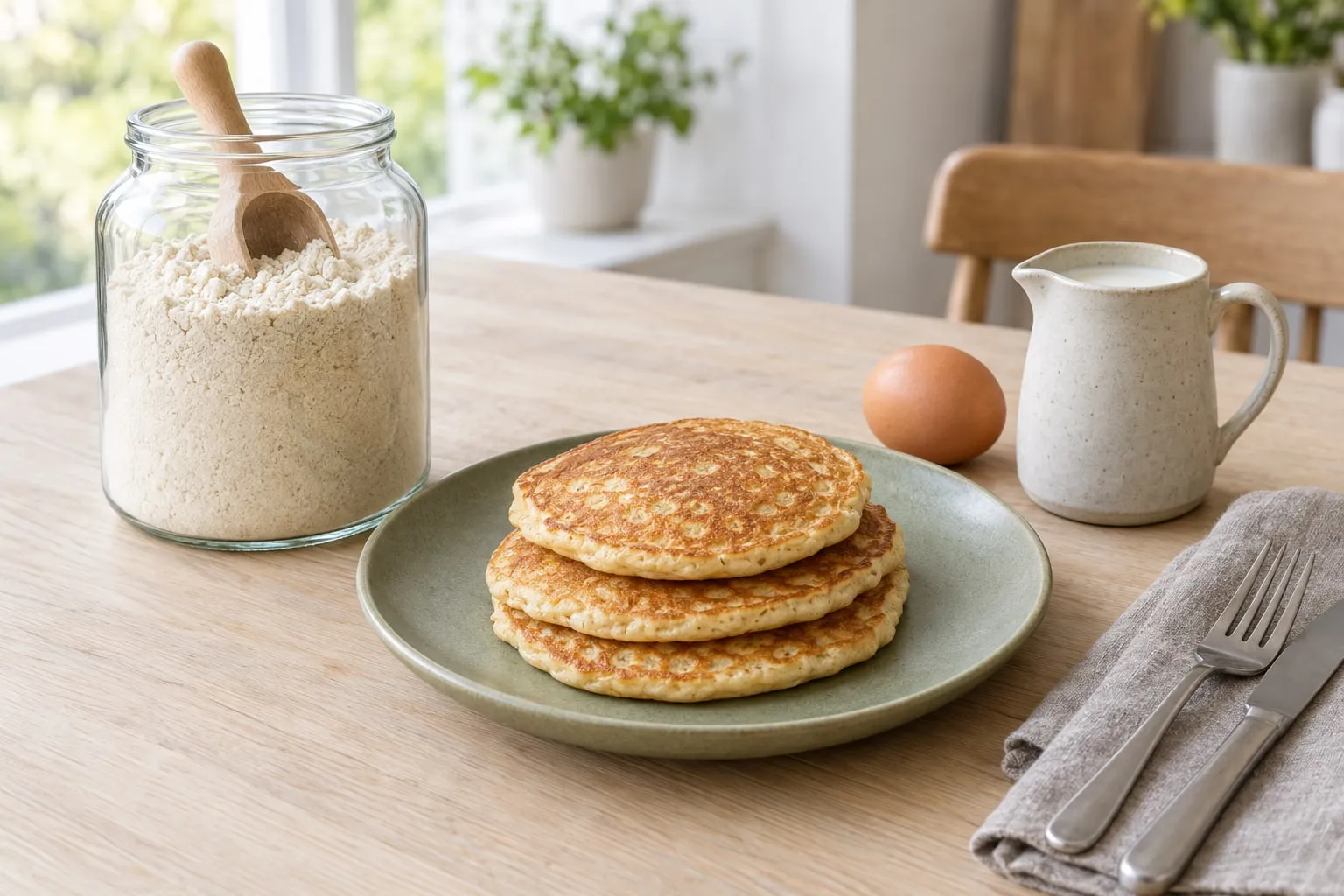 26 g protein
 22 g protein
 36 g protein
 32 g protein
 31 g protein
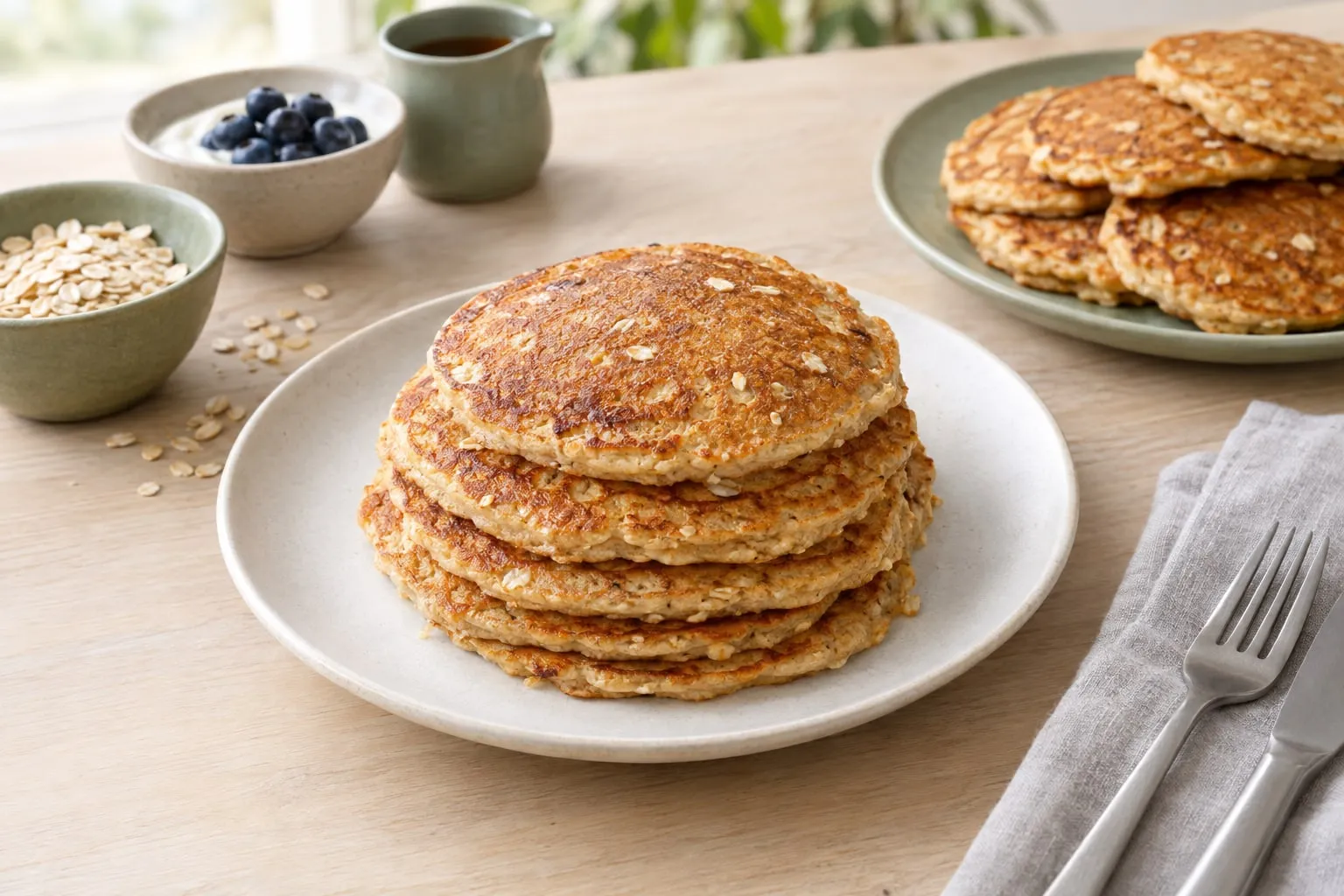 25 g protein
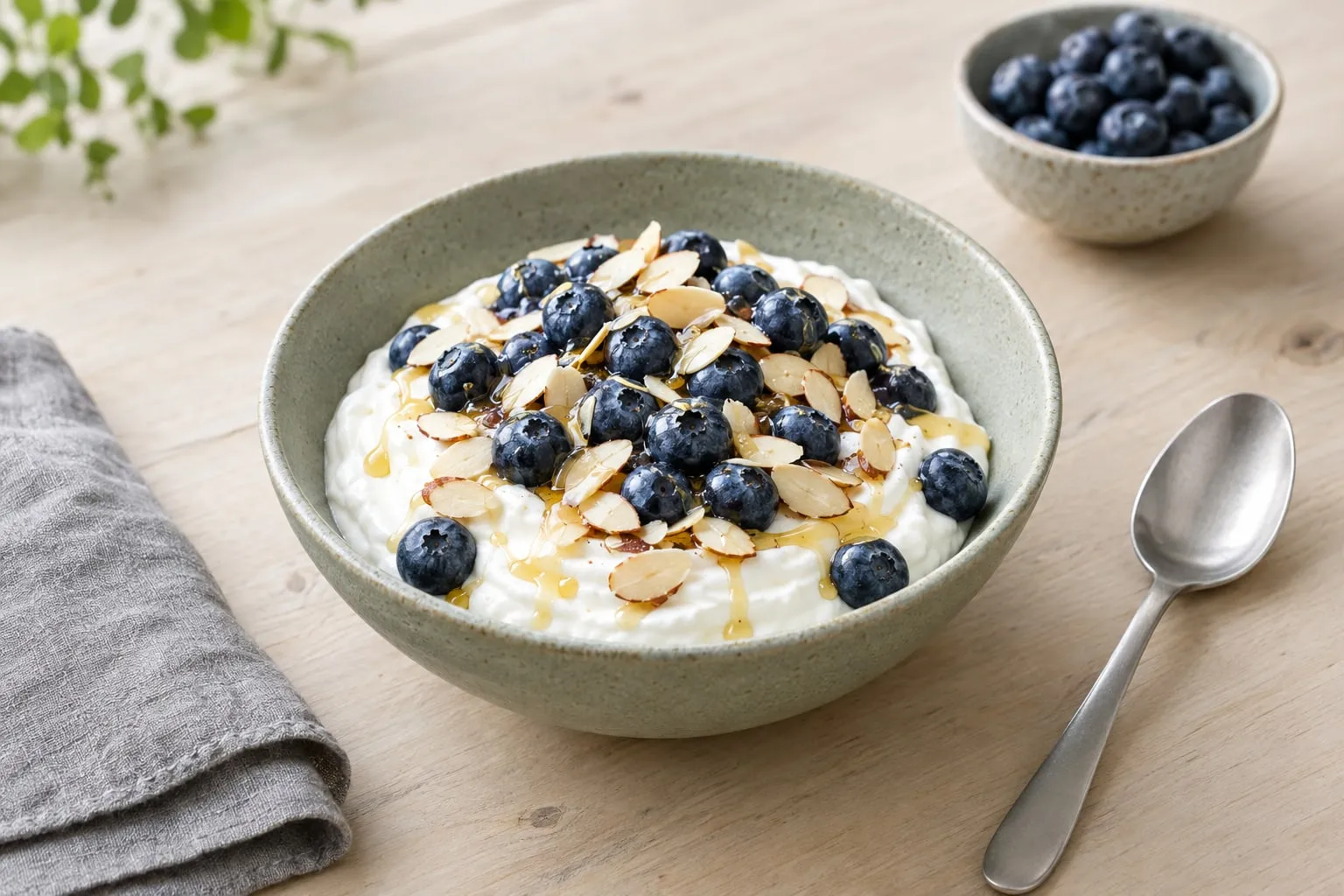 30 g protein
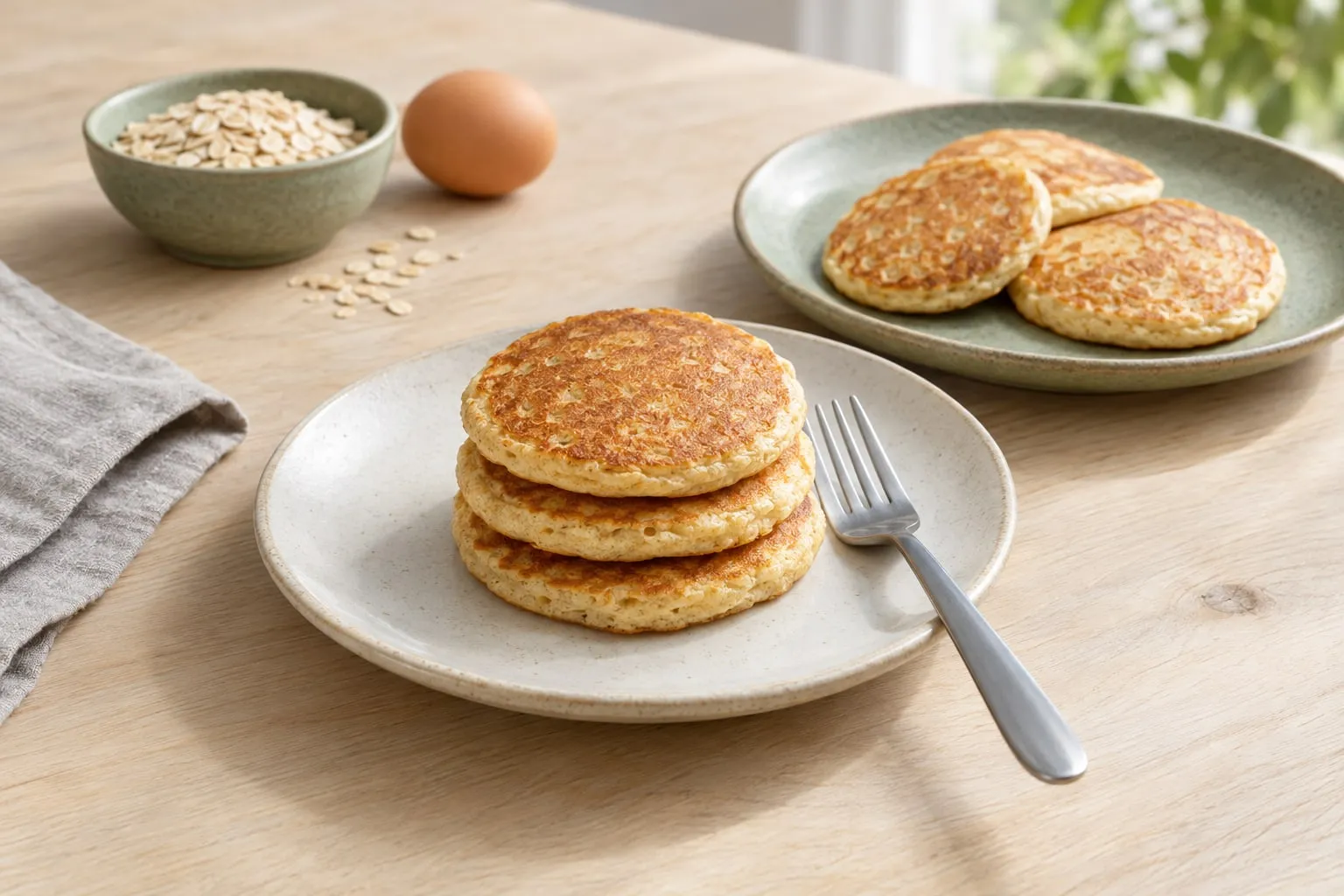 21 g protein
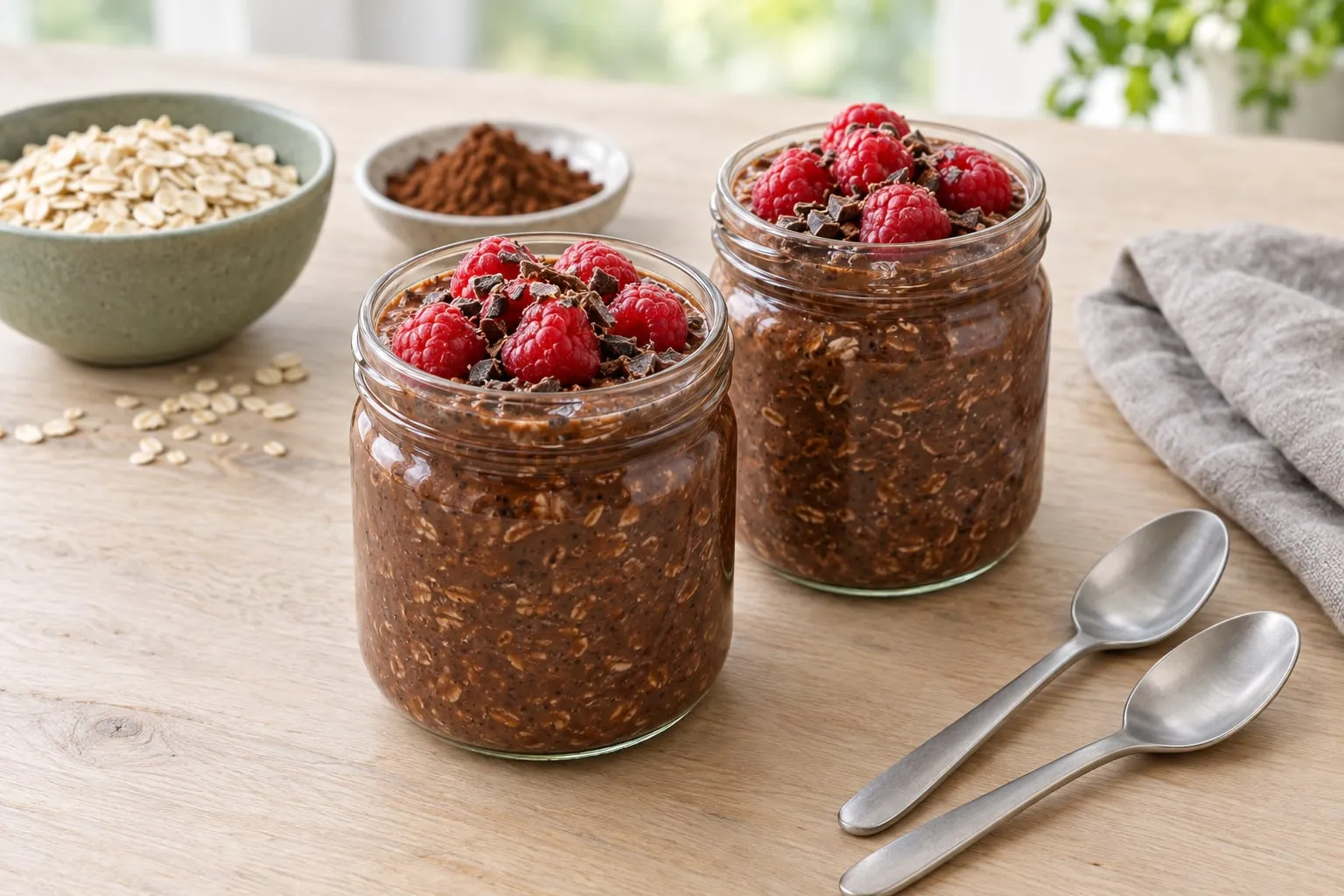 45 g protein
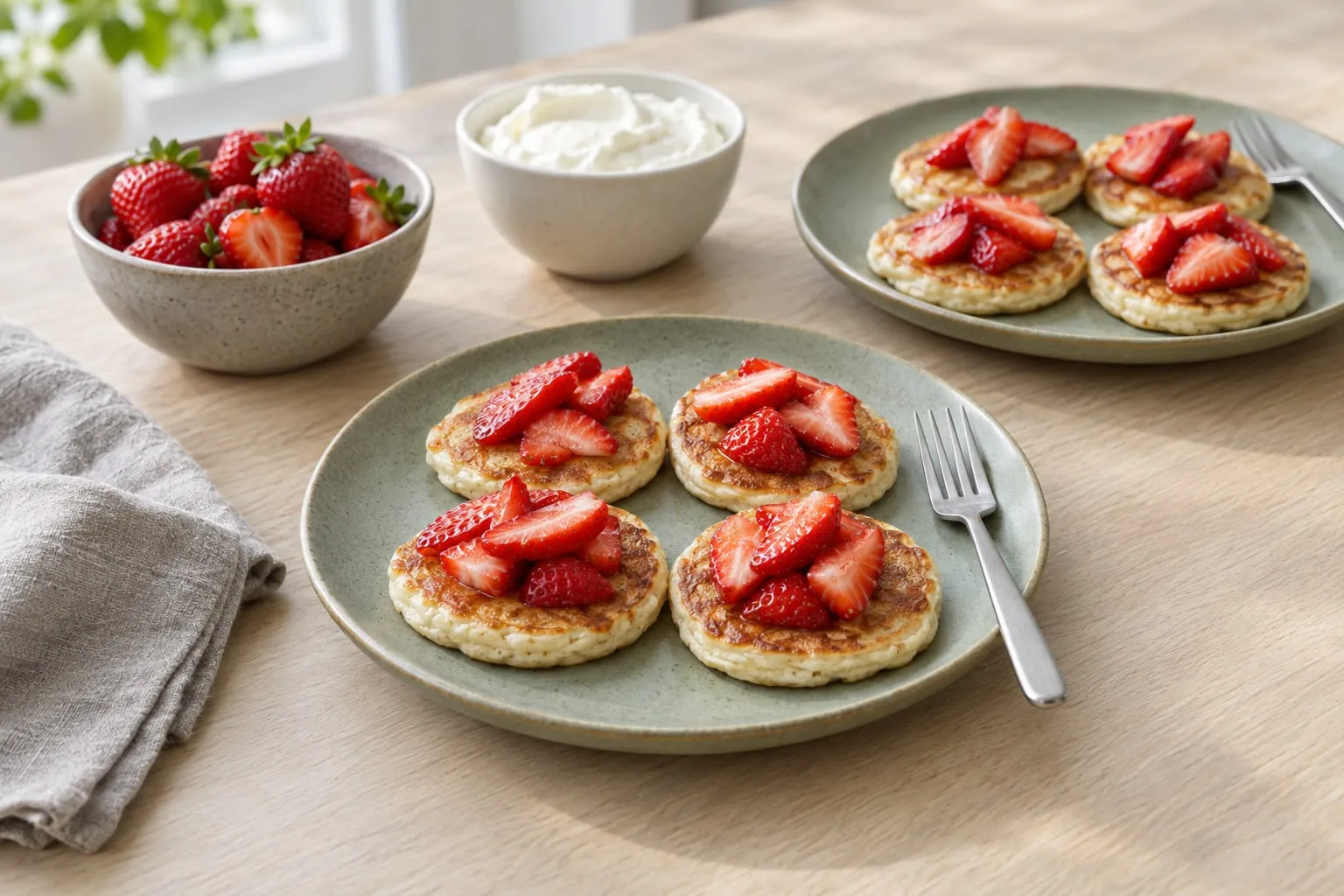 26 g protein
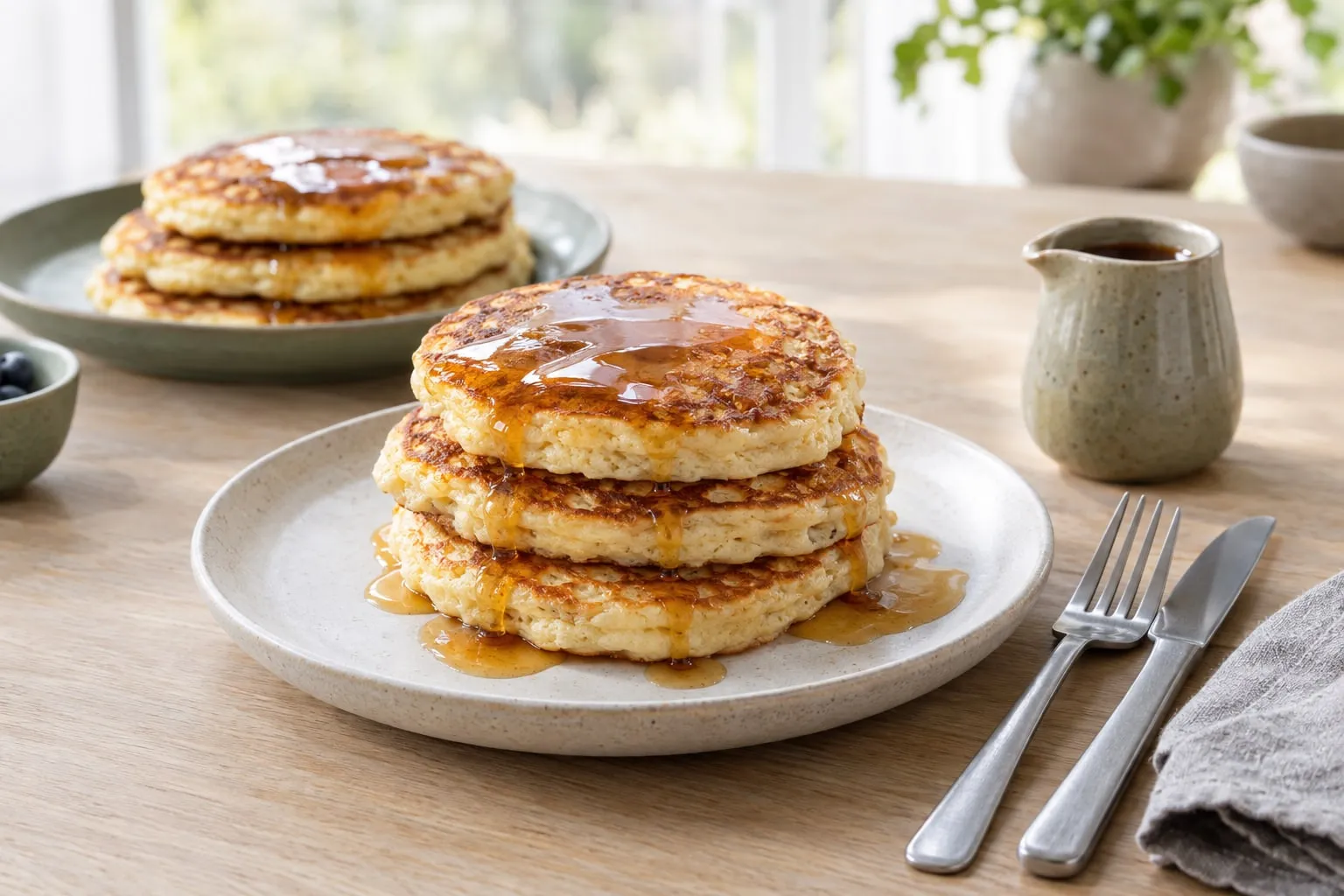 30 g protein
Compare protein and calories
Every recipe on this page per serving, highest protein first. Figures are calculated from the ingredient list using CoFID.
| Recipe | Protein | Energy | From protein | Time |
|---|---|---|---|---|
| Chocolate Protein Overnight Oatsper serving | 45 g | 444 kcal | 41% | 8 hr 10 min |
| Protein Baked Oatsper serving | 38 g | 440 kcal | 35% | 30 min |
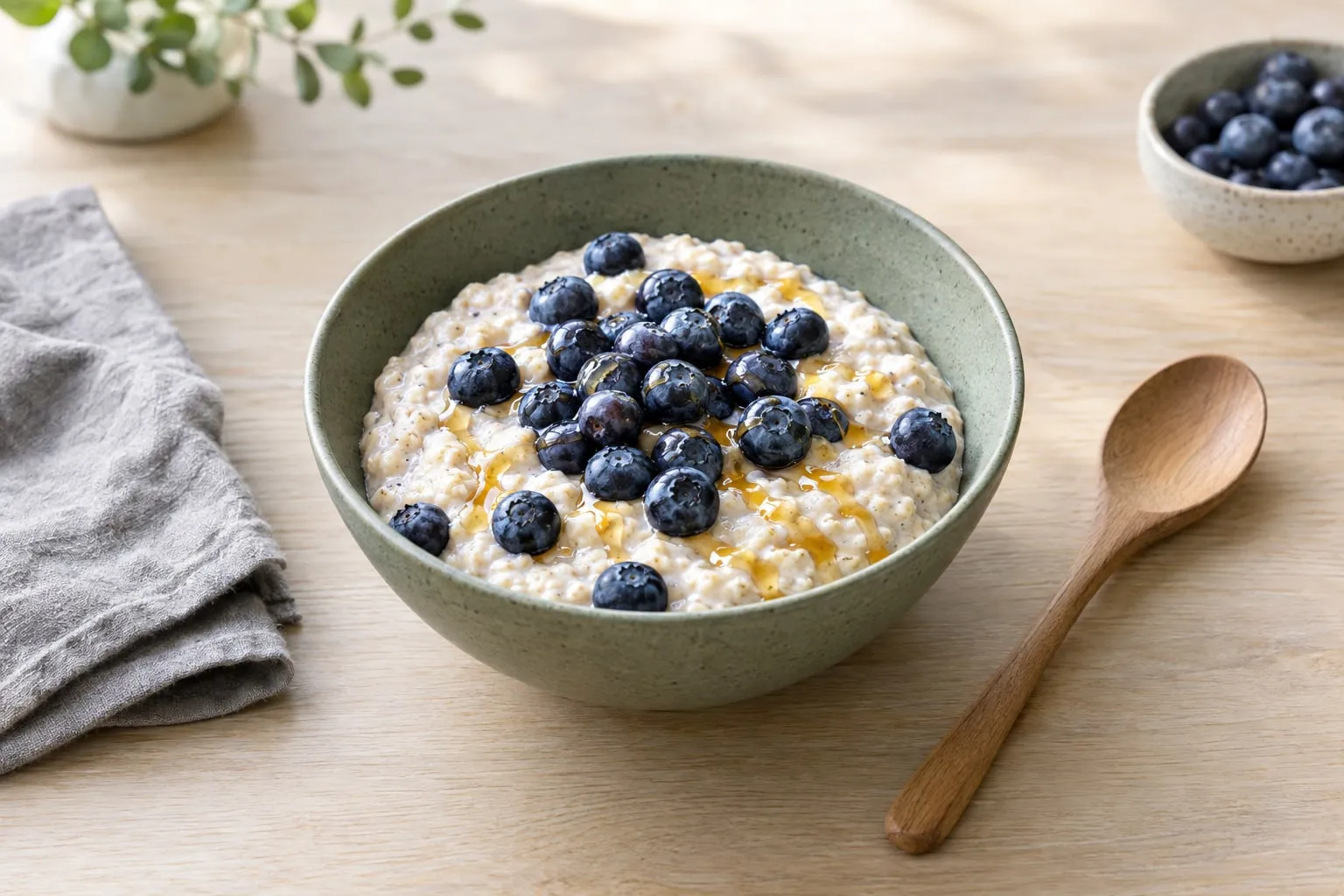
| Protein Porridgeper serving | 36 g | 402 kcal | 36% | 7 min |
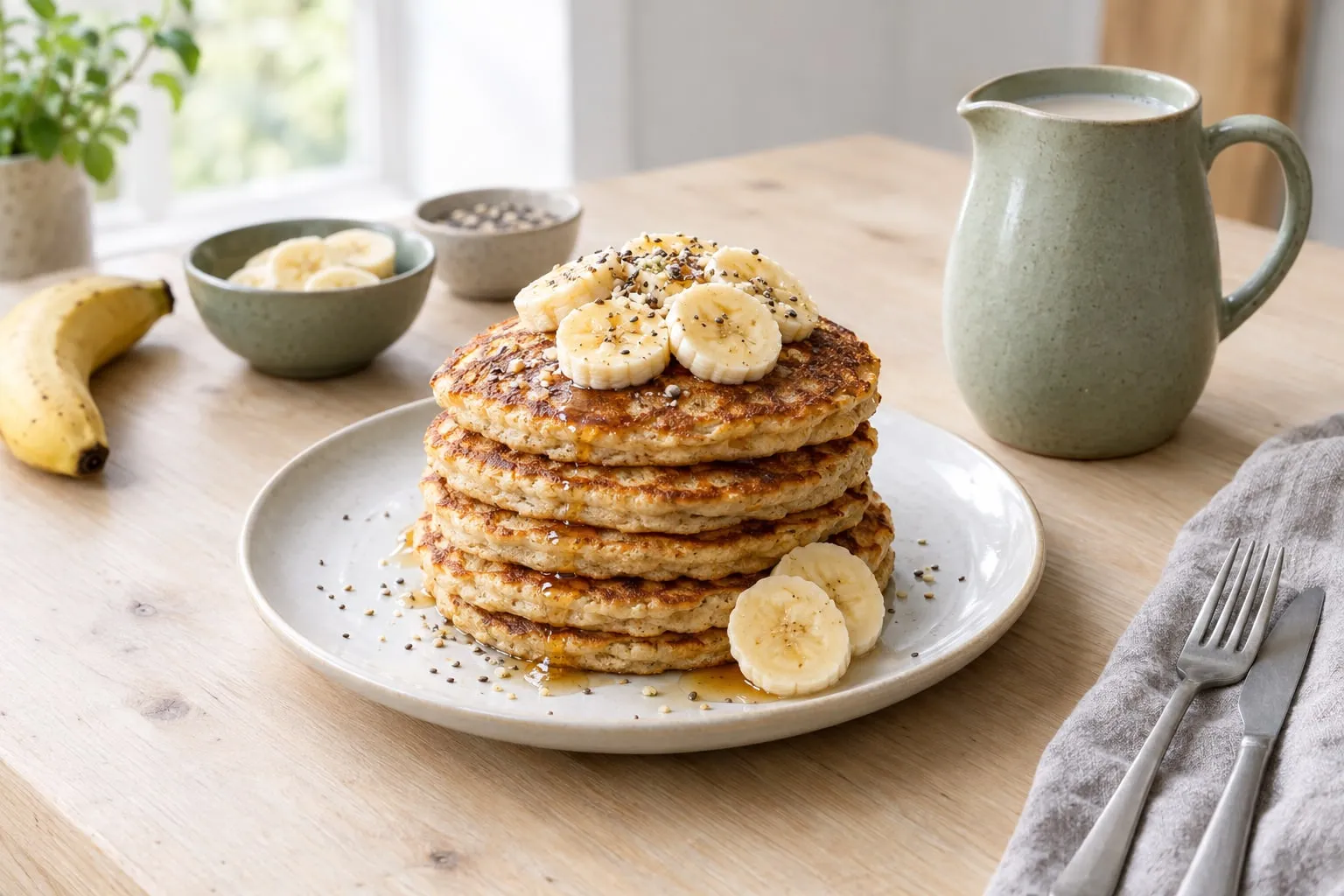
| Vegan Protein Pancakesper serving | 32 g | 391 kcal | 33% | 30 min |
| Protein Pancakesper serving | 31 g | 342 kcal | 36% | 25 min |
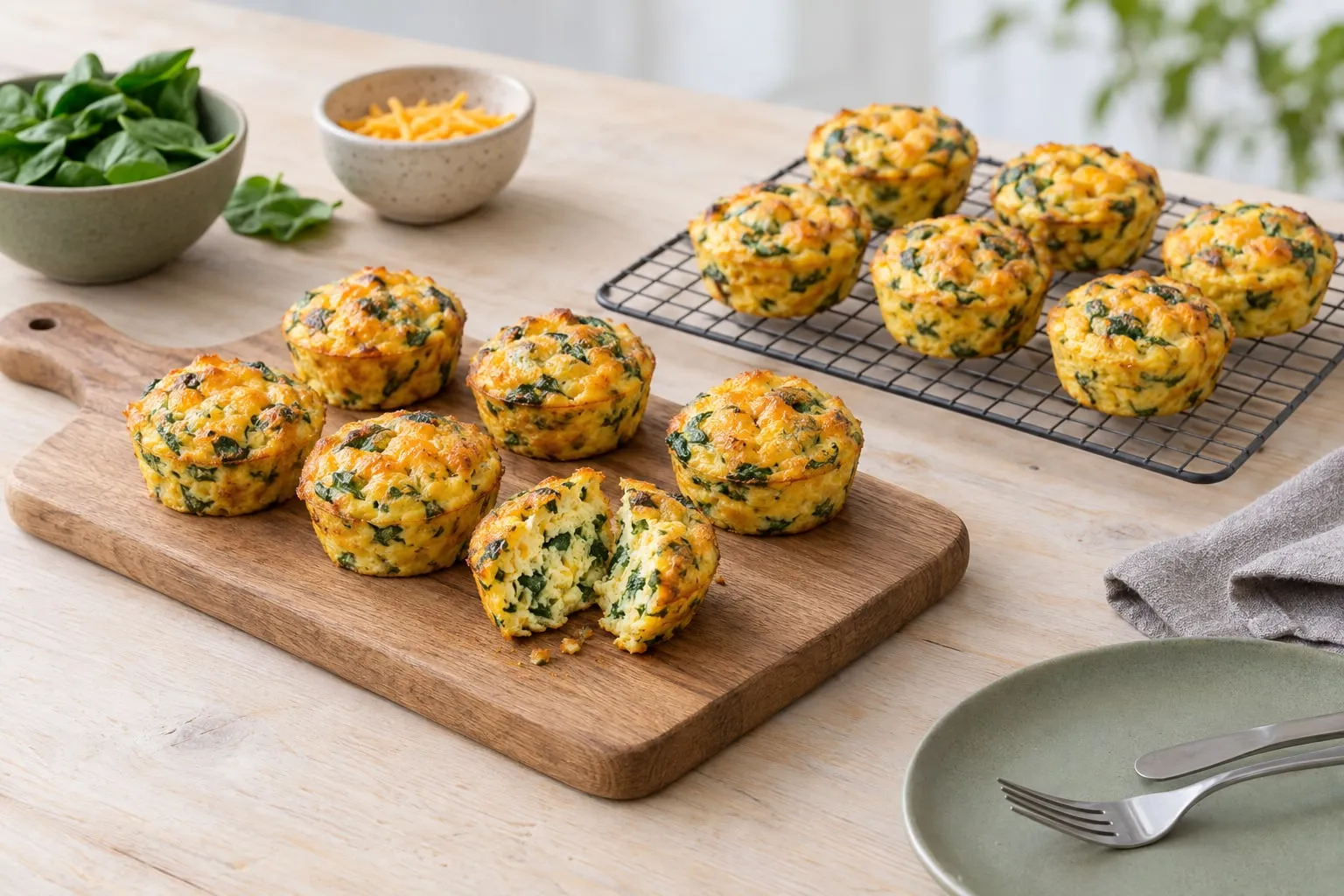
| High Protein Egg Muffinsper serving | 31 g | 265 kcal | 46% | 45 min |
| Fluffy American Protein Pancakesper serving | 30 g | 332 kcal | 36% | 37 min |
| Protein Wafflesper serving | 30 g | 367 kcal | 33% | 34 min |
| High Protein Yogurt Bowlper bowl | 30 g | 279 kcal | 43% | 3 min |
| Banana Protein Pancakesper serving | 28 g | 392 kcal | 29% | 20 min |
| High Protein Granolaper serving | 28 g | 277 kcal | 40% | 1 hr 15 min |
| Chia Seed Protein Puddingper pot | 26 g | 320 kcal | 32% | 4 hr 15 min |
| Protein Overnight Oatsper serving | 26 g | 334 kcal | 31% | 8 hr 5 min |
| Low Calorie Protein Pancakesper serving | 26 g | 306 kcal | 34% | 22 min |
| Homemade Protein Pancake Mixper serving | 26 g | 297 kcal | 34% | 25 min |
| Oat Protein Pancakesper serving | 25 g | 333 kcal | 30% | 25 min |
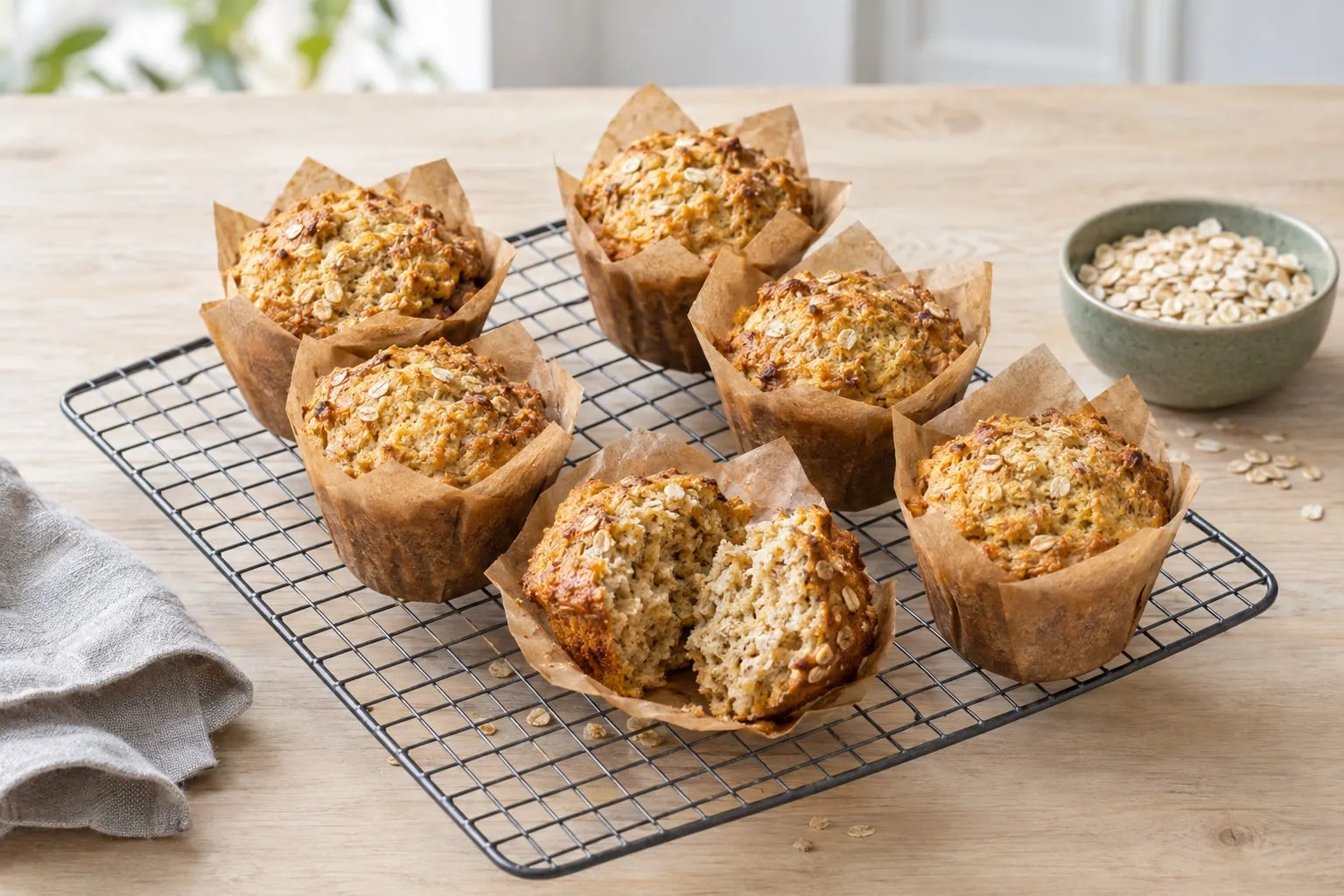
| Protein Breakfast Muffinsper serving | 22 g | 250 kcal | 35% | 40 min |
| 3-Ingredient Protein Pancakesper serving | 21 g | 289 kcal | 29% | 16 min |
Thirty grams is an easy target to hit at breakfast once the base is chosen with it in mind. Strained 0% fat Greek yogurt has about 10 g protein per 100 g, quark nearly 15 g, and a medium egg about 6 g, while a 40 g portion of porridge oats adds only around 4 g. Build the bowl or the batter around the first three and the number takes care of itself.
Pancakes and waffles: 25–32 g protein
Pancakes are the quickest way to put a high protein breakfast on the table that feels like a weekend treat. Protein pancakes give 31 g protein and 342 kcal a serving, with whey, eggs and strained yogurt doing the work and blended oats standing in for most of the flour. Banana protein pancakes come in at 28 g and 392 kcal, and the fluffy American protein pancakes reach 30 g at 332 kcal. Waffle iron owners can make protein waffles with 30 g a serving.
Without whey in the cupboard, the 3-ingredient protein pancakes manage 21 g from eggs, cottage cheese and oats, and the vegan protein pancakes reach 32 g with pea and rice protein powder. A homemade protein pancake mix is worth making once: it gives 26 g a serving and saves weighing powder on school mornings.
Oats, porridge and puddings: ready the night before
Oats alone are modest on protein, so each of these recipes adds a second source. Protein overnight oats have 26 g protein and 334 kcal a serving, and the chocolate protein overnight oats go up to 45 g with 444 kcal. Protein baked oats give 38 g from a single-serving bake, and protein porridge gives 36 g. Stir the whey into porridge once the pan is off the hob, otherwise it clumps and turns grainy.
For anything cold, chia seed protein pudding makes four pots with 26 g protein and 320 kcal each. Overnight oats and chia pots keep in the fridge for 2–3 days, so one Sunday session covers most of the working week.
Eggs, yogurt and no-cook options
When there is no time to stand at the hob, the high protein yogurt bowl is ready in 3 minutes with 30 g protein and 279 kcal. High protein egg muffins take a bit longer but make four servings of 31 g and 265 kcal, and the protein breakfast muffins give 22 g and 250 kcal. Both are baked in a 12-hole muffin tin, cooled and kept in the fridge for 2–3 days. The guide to protein in eggs shows how egg size and whites versus whole eggs change the numbers.
High protein granola is the odd one out, because it is baked once and keeps in an airtight jar. A serving has 28 g protein and 277 kcal, so it works with milk or on top of a yogurt bowl. The guide to protein in Greek yogurt explains the difference between strained 0% fat, 5% fat and skyr, which matters when you compare tubs in the chilled aisle.
Shopping for a high protein breakfast in the UK
Most of the protein in these recipes comes from four supermarket staples. Eggs are sold by size, and the recipes assume medium eggs of about 50 g without the shell. Strained 0% fat Greek yogurt and skyr come in 450 g to 1 kg tubs, and a 450 g tub of fat-free skyr holds about 50 g protein. Quark is sold in 250 g tubs with around 36 g protein in the whole tub. A tub of cottage cheese (300 g) has roughly 28 g.
For whey, one scoop is about 30 g and supplies around 22 g protein. Buy plain or vanilla if you want to use it in both sweet and savoury dishes, and check that the label gives protein per 100 g so you can compare tubs fairly.
Matching breakfast to your day
Which breakfast suits which morning depends on the time you have. Roundups cover the most common requests: quick high protein breakfasts that take 10 minutes or less, 30 g protein breakfast ideas, low calorie high protein breakfasts and a list of high protein breakfasts without eggs.
To set a daily target first, the guide on how much protein you need per day gives the UK reference figures and a way to work out a personal range. Splitting that across three meals usually means 20–30 g at breakfast, and every recipe here sits in or above that range.
Frequently asked questions
How much protein should a high protein breakfast have?
Most people aiming for a high protein breakfast look for 20–30 g. Protein pancakes give 31 g a serving, protein overnight oats 26 g and high protein egg muffins 31 g, so all of them reach that range without a second course.
What is a high protein breakfast without protein powder?
Egg muffins, a yogurt bowl and chia pudding all work without powder. The high protein yogurt bowl has 30 g protein and 279 kcal, and the egg muffins have 31 g and 265 kcal a serving.
Can you make a high protein breakfast the night before?
Yes. Protein overnight oats (26 g protein) and chia seed protein pudding (26 g a pot) are made the evening before and eaten cold, and egg muffins and granola are batch-made for the week.
How many eggs do you need for 30 g of protein?
A medium egg has about 6 g protein, so eggs alone would take around five. Mixing eggs with cottage cheese, quark or whey gets there with far less, which is why the egg muffins reach 31 g.
What is the quickest high protein breakfast?
The high protein yogurt bowl takes 3 minutes and gives 30 g protein. Protein porridge is next at 2 minutes of prep and 36 g, made with whey stirred in off the heat.
Updated 22 November 2026 by The Protein Recipes editorial team.