Protein guide
Vegan Protein Sources
Quick answer
The strongest everyday vegan protein sources per 100 g are TVP (50 g, dry), seitan (25 g), dried red lentils (25.6 g) and tempeh (20.7 g). Firm tofu has 12.5 g, and a 240 g drained tin of chickpeas gives 20.2 g.
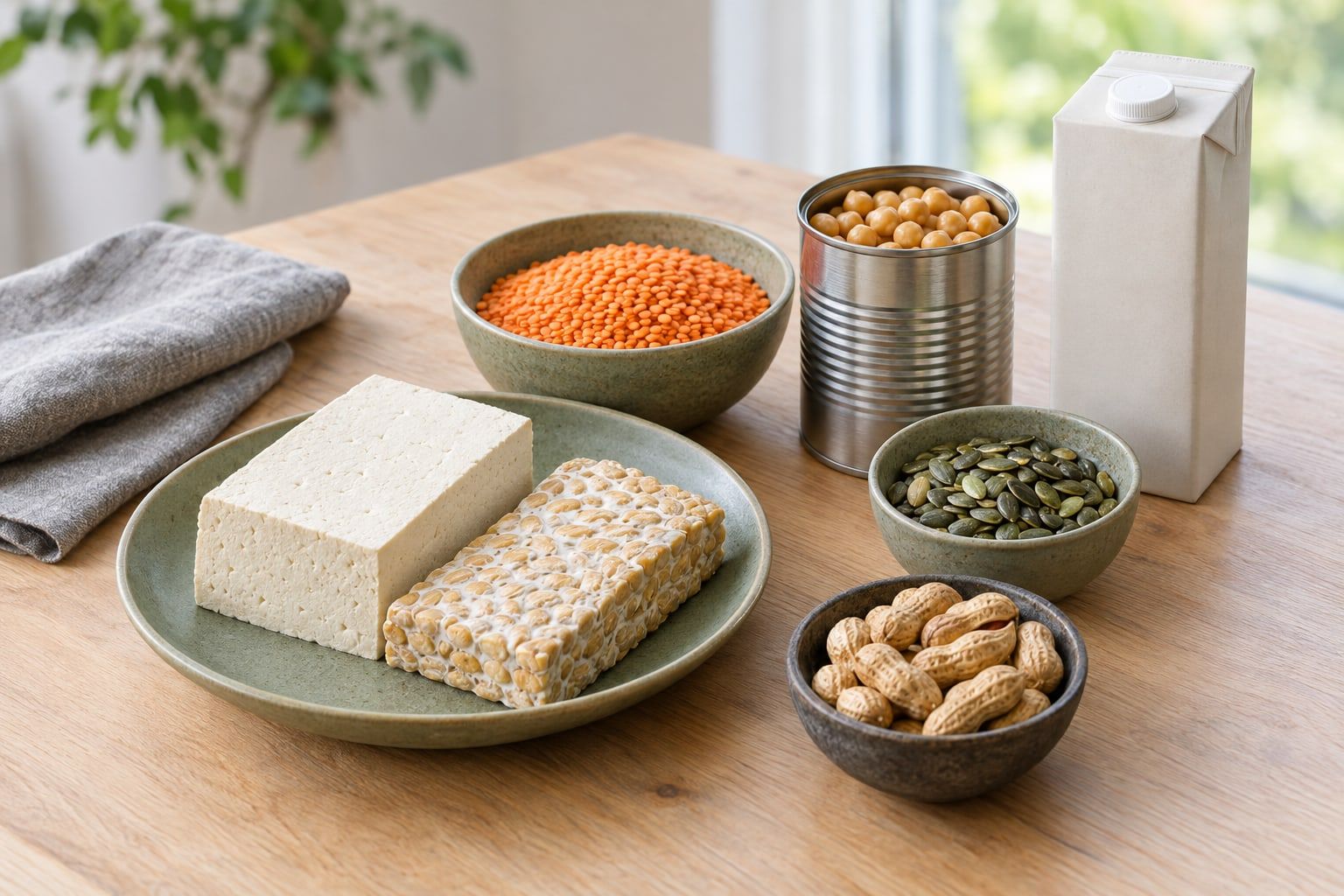
The strongest sources of protein for vegans are tempeh with 20.7 g per 100 g, dried red lentils with 25.6 g and seitan with about 25 g, with tofu and edamame at 12.5 g and 12.2 g. A 240 g tin of drained chickpeas gives 20.2 g, and 30 g of dry textured vegetable protein gives 15.0 g for only 99 kcal.
The important variable is the weight you measure. Dried red lentils have 25.6 g protein per 100 g, but boiled lentils have 8.1 g because water makes up much of their cooked weight. TVP is also listed dry, at about 50 g per 100 g, and swells when soaked. Fresh foods such as tofu, tempeh and tinned pulses are quoted as bought, so they are the simplest to count. Nuts and seeds are rich per 100 g but are eaten in small amounts.
For a practical start, choose one protein food for each meal: tofu scramble or soya yogurt at breakfast, lentils or chickpeas at lunch, and tempeh, seitan or TVP at dinner. Vegan protein powder is a convenience for smoothies and baking, not a requirement, and the recipes below show how the foods in this guide fit into everyday cooking.
| Food | Protein | Energy |
|---|---|---|
| Soya beans, dried, raw | 35.9 g | 370 kcal |
| Textured vegetable protein (TVP), dry | 50.0 g | 330 kcal |
| Seitan, ready to eat | 25.0 g | 140 kcal |
| Red lentils, dried, raw | 25.6 g | 311 kcal |
| Red lentils, boiled | 8.1 g | 102 kcal |
| Peanuts, plain | 25.8 g | 564 kcal |
| Pumpkin seeds | 24.4 g | 565 kcal |
| Tempeh | 20.7 g | 166 kcal |
| Edamame beans, boiled | 12.2 g | 142 kcal |
| Firm tofu, pressed | 12.5 g | 125 kcal |
| Chickpeas, tinned, drained | 8.4 g | 129 kcal |
| Vegan pea and rice protein powder | 75.0 g | 380 kcal |
| Unsweetened soya drink (per 100 ml) | 2.4 g | 26 kcal |
Source: CoFID – McCance and Widdowson's Composition of Foods Integrated Dataset 2021 (codes 13-115, 13-657, 13-658, 14-877, 14-842, 13-118, 13-667, 13-670, 12-524); TVP, seitan, firm tofu and vegan protein powder are typical values, not CoFID entries
| Portion | Protein | Energy |
|---|---|---|
| 100 g firm tofu | 12.5 g | 125 kcal |
| 100 g tempeh | 20.7 g | 166 kcal |
| 30 g dry TVP | 15.0 g | 99 kcal |
| 75 g dried red lentils | 19.2 g | 233 kcal |
| 1 tin chickpeas, 240 g drained | 20.2 g | 310 kcal |
| 30 g vegan protein powder (1 scoop) | 22.5 g | 114 kcal |
| 200 ml unsweetened soya drink | 4.8 g | 52 kcal |
Source: Calculated from the per 100 g values above; a tin of chickpeas is assumed to hold about 240 g drained and a scoop of powder to weigh 30 g
Which vegan foods have the most protein?
Per 100 g, dry foods lead the table. Dried soya beans have 35.9 g protein, textured vegetable protein about 50 g and dried red lentils 25.6 g, with peanuts and pumpkin seeds close to 25 g. These figures are for the foods as bought, before soaking or cooking, so they overstate what ends up on the plate. The foods most people actually eat in a meal are tofu, tempeh, seitan, pulses and soya products, and per portion tempeh gives 20.7 g per 100 g and firm tofu 12.5 g. Nuts and seeds sit at the top of the per 100 g list but are eaten by the spoonful, so they add a few grams rather than most of a meal.
Does raw weight or cooked weight count?
The weight of the food when you measure it decides which number to use. Dried red lentils have 25.6 g protein per 100 g, but boiled lentils have 8.1 g because they take up water and weigh about three times as much. Neither figure is wrong; they describe different weights of the same food. A 75 g portion of dried red lentils gives 19.2 g protein whichever way it is cooked, whereas 75 g of boiled lentils gives only about 6 g. Pair a cooked weight with a cooked value and a raw weight with a raw value, and tinned pulses with the drained figure.
How much protein does a vegan need each day?
The UK Reference Nutrient Intake for adults is 0.75 g protein per kg of body weight per day, which is 52.5 g for someone weighing 70 kg. The British Nutrition Foundation notes that average protein intake in the UK is above this level, including among vegetarians and vegans, and that a varied mix of plant proteins can meet the need. The full calculation is in the guide on how much protein you need per day. Anyone with a medical condition, or who is unsure whether their diet covers their needs, should speak to their GP or a registered dietitian.
What does a vegan protein diet look like in practice?
A day of vegan meals can reach a good protein total from ordinary foods. A tofu scramble or soya yogurt at breakfast, a lentil or chickpea dish at lunch and tempeh or seitan at dinner use the foods in the table above. Pulses are the base of most vegan cooking and carry 8–9 g protein per 100 g when cooked, so a 240 g tin of chickpeas gives 20.2 g. Adding 30 g dry TVP to a bolognese gives another 15 g for only 99 kcal. Mixing pulses, grains, nuts and soya through the day is simple and does not need any complicated pairing at a single meal.
Are plant-based protein shakes worth it?
A scoop of vegan pea and rice protein powder, around 30 g, gives about 22.5 g protein and 114 kcal, which makes it the simplest way to add protein to a smoothie or porridge. The powder is more grainy than whey and usually needs a little more liquid. Soya drink has 2.4 g protein per 100 ml, so 200 ml gives 4.8 g, while many other plant drinks have less. The powder and the drink are conveniences rather than necessities, and plenty of vegans get their protein from food alone.
What about Veganuary and a first month of vegan cooking?
A change to vegan eating in January is easiest with a handful of dishes that already work. Lentil bolognese, tofu scramble, chickpea curry and bean chilli cover most weeknights and are built on the high protein foods above. Check the protein of a few favourite meals using the portion values here, and then rotate between pulses, soya foods and seitan across the week. Breakfast is an easy place to start, with pancakes, overnight oats or a smoothie made with soya drink and vegan powder.
Practical tips
- Press and marinate tofu
Firm tofu holds more flavour once it has been pressed for 15 minutes and soaked in a marinade. Fry it until golden and it adds 12.5 g protein per 100 g to a stir-fry.
- Choose pulses in tins for speed
A 400 g tin of chickpeas holds about 240 g drained, which is 20.2 g protein for 310 kcal. Drain and rinse them before use.
- Read labels on plant drinks
Soya drink gives 2.4 g protein per 100 ml, but oat, almond and rice drinks usually have much less. Check the label before assuming a plant drink is a protein source.
Myth or fact
- Myth
Is it true that vegans cannot get enough protein?
No. The British Nutrition Foundation reports that average UK protein intakes are above the RNI of 0.75 g per kg per day, including among vegetarians and vegans. Foods such as lentils, tofu, tempeh and seitan supply plenty per portion.
- Myth
Is it true that you must combine plant proteins at every meal?
No. Eating a mix of pulses, grains, nuts, seeds and soya through the day is enough, and each meal does not need to be balanced in itself.
- Myth
Is it true that soya is the only good vegan protein?
No. Soya foods are strong sources, but dried lentils have 25.6 g per 100 g, peanuts 25.8 g and seitan about 25 g.
Frequently asked questions
What are the best sources of protein for vegans?
Tempeh (20.7 g per 100 g), seitan (about 25 g), dried lentils (25.6 g), TVP (about 50 g dry), tofu (12.5 g), edamame (12.2 g) and chickpeas (8.4 g drained) are the main ones. Nuts and seeds add a few grams per handful.
How much protein is in 100 g of tofu?
Firm tofu has about 12.5 g protein and 125 kcal per 100 g. Tempeh has 20.7 g and 166 kcal per 100 g.
What is a vegan protein diet?
A vegan protein diet builds meals around plant foods that are richer in protein, such as tofu, tempeh, seitan, pulses and soya products, with no meat, fish, dairy or eggs.
How do I get enough protein on Veganuary?
Put a protein food in every meal, such as tofu scramble, lentils or tempeh, and check a few meals against the portion table. Anyone who is unsure whether their diet covers their needs should speak to their GP or a registered dietitian.
Do plant-based protein shakes have as much protein as whey?
Vegan pea and rice powder has a similar typical value of about 75 g protein per 100 g, so a 30 g scoop gives about 22.5 g. It is grainier than whey.
Recipes to try
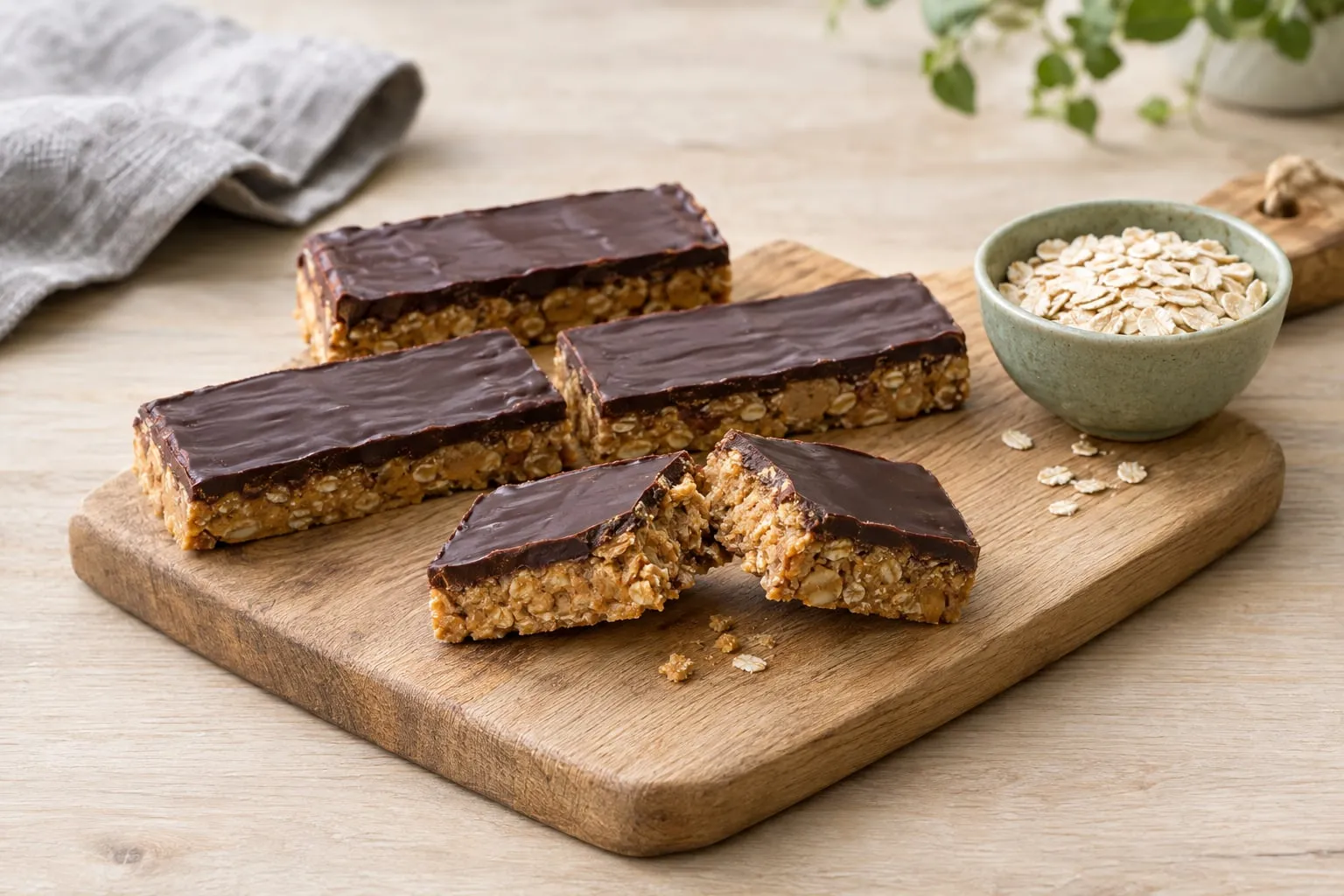
Vegan Protein Bars
13 g protein208 kcal2 hr 20 minVegetarianVegan
Chewy bars built on vegan powder and oats for a portable snack.
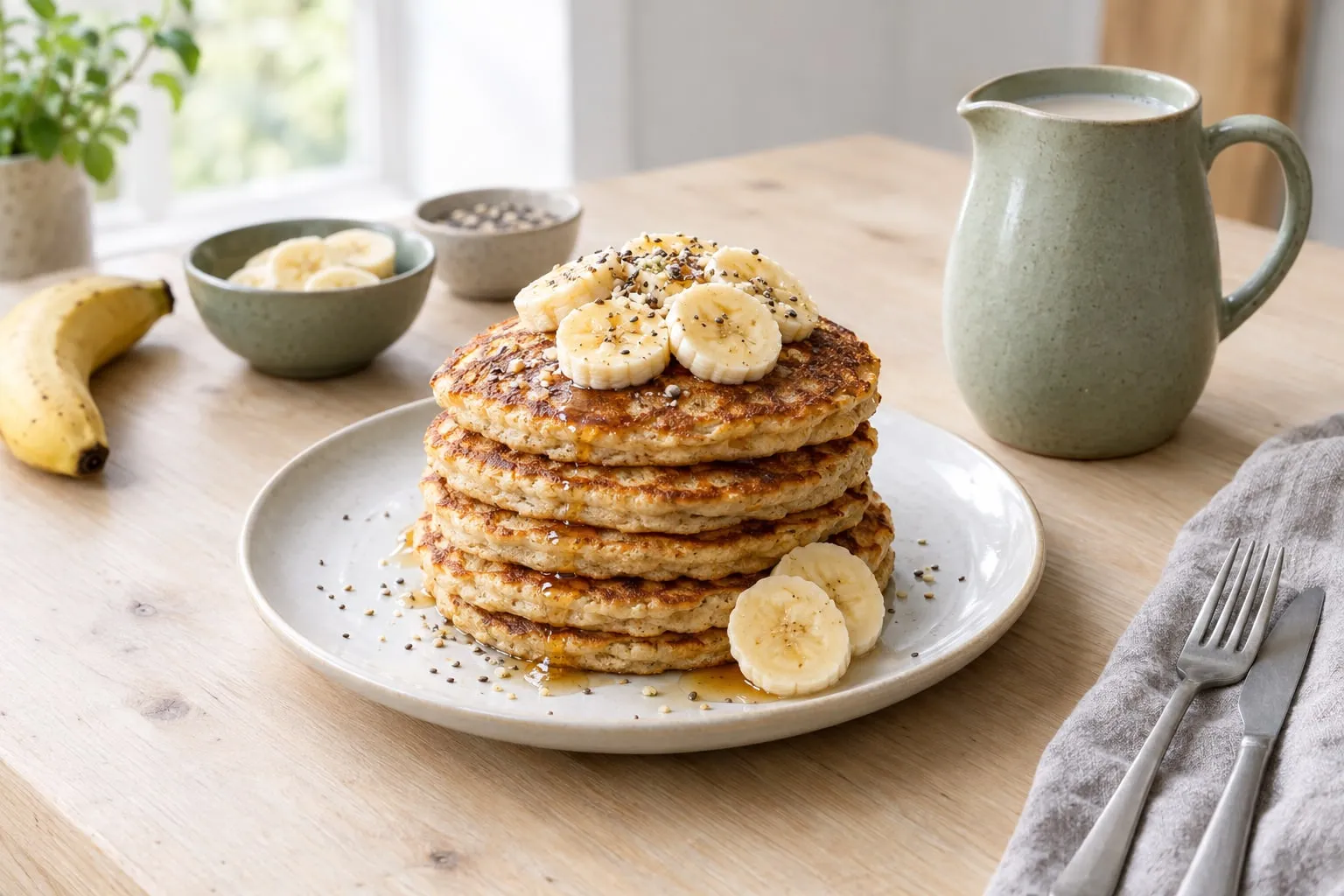
Vegan Protein Pancakes
32 g protein391 kcal30 minVegetarianVegan
Breakfast pancakes that use plant ingredients and vegan powder.
Sources
- McCance and Widdowson's Composition of Foods Integrated Dataset 2021 (CoFID) – Values for soya beans, lentils, chickpeas, peanuts, seeds, tempeh, edamame and soya drink
- British Nutrition Foundation – Protein overview, including average UK intakes and the RNI of 0.75 g per kg per day
Read our editorial policy for how figures are checked and how to report a mistake.
More protein guides
All guides
Guide
High Protein Foods: A Ranked List
High protein foods ranked by protein per 100 g and per 100 kcal: Parmesan has 36.2 g, grilled chicken 32.0 g, dried red lentils 25.6 g and egg white 10.8 g.

Guide
How Much Protein Do You Need Per Day?
How much protein do I need? The UK reference is 0.75 g per kg of body weight a day, or 52.5 g at 70 kg. See food values and a worked example day.
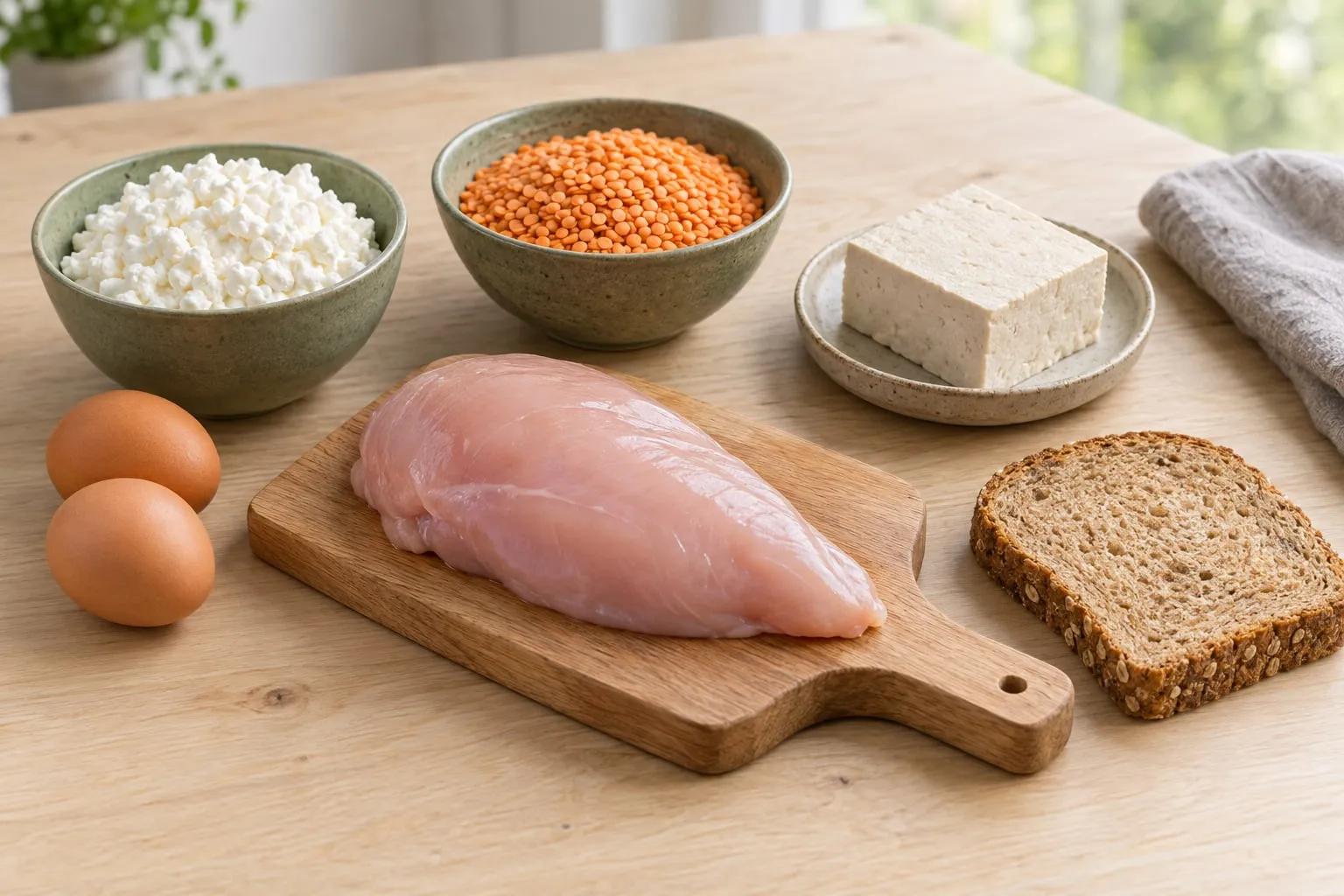
Guide
What Is Protein and Why Do We Need It?
What is protein good for? It is made of amino acids, nine of them essential. See what it does, the UK 0.75 g per kg a day reference and food values.
Guide
Lean Protein: Best Sources
Lean protein sources ranked by fat: raw chicken breast has 24.0 g protein and 1.1 g fat per 100 g, tuna 24.9 g and 1.0 g. Meat, fish and dairy compared.