Protein guide
How Much Protein Do You Need Per Day?
Quick answer
The UK reference for adults is 0.75 g protein per kg of body weight per day, enough for nearly everyone and 52.5 g for someone weighing 70 kg. EFSA sets a slightly higher figure of 0.83 g per kg, or 58 g at 70 kg.
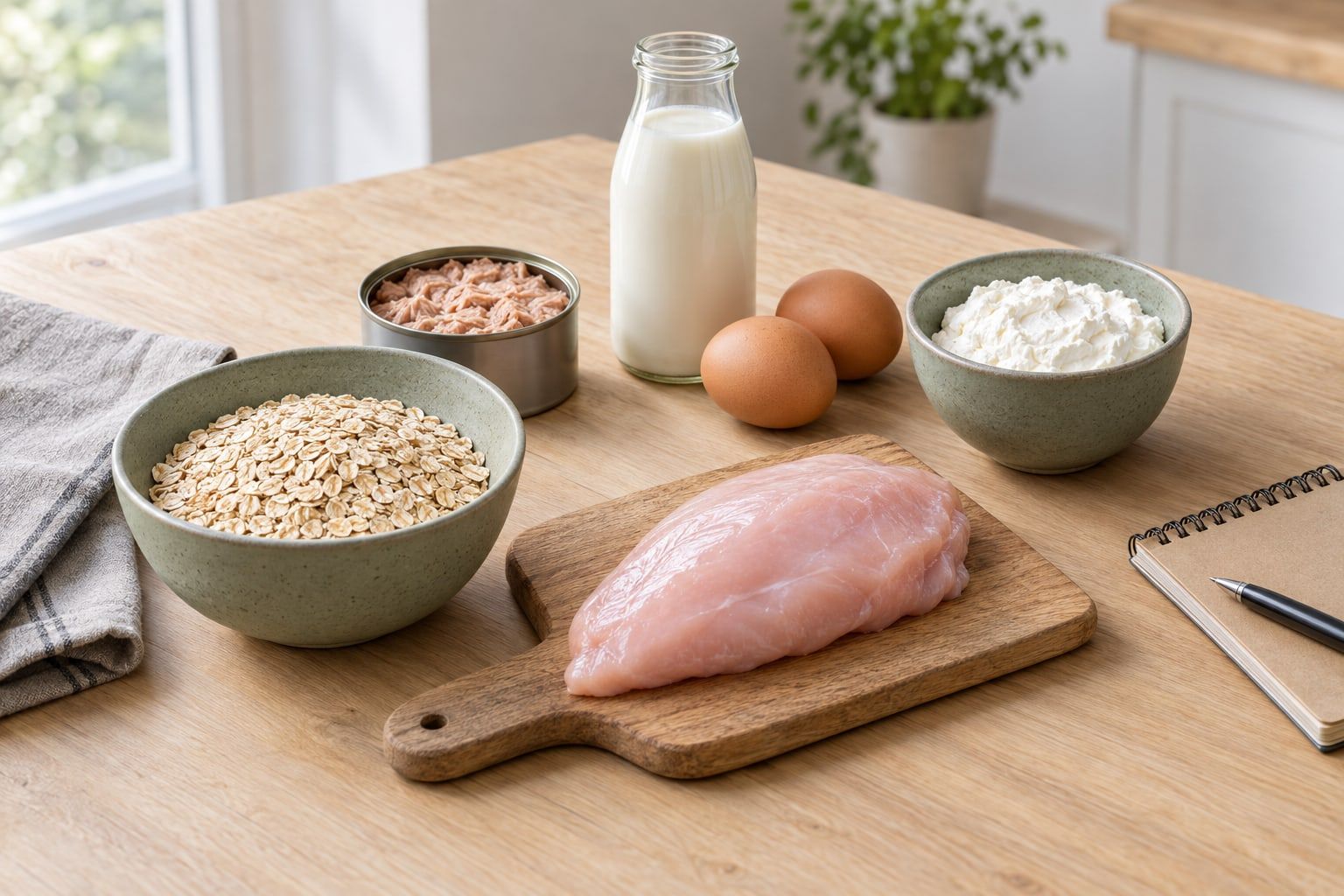
How much protein do I need? For most healthy UK adults the answer is about 0.75 g per kg of body weight per day, which is 52.5 g at 70 kg, while the European figure of 0.83 g per kg gives about 58 g. The reference intake on food labels is a round 50 g.
Body weight sets the practical figure, and the way food is weighed decides how accurate the count is. Weigh meat, fish and pulses raw, because cooking removes water and cooked weights look higher per 100 g. Then convert from the per 100 g figure to the portion on the plate: oats have 10.9 g protein per 100 g dry, but a 40 g bowl gives 4.4 g, while 150 g quark gives 21.9 g.
In practice, a typical day of porridge with milk, a tuna sandwich and a chicken dinner reaches about 80 g without protein powder. Plan meals around a protein food at each sitting, and treat the daily figure as a guide rather than something to hit to the gram. Anyone with a medical condition, or who is pregnant, should speak to their GP or a registered dietitian.
| Food | Protein per 100 g | Portion | Protein per portion |
|---|---|---|---|
| Porridge oats | 10.9 g | 40 g dry | 4.4 g |
| Semi-skimmed milk | 3.5 g | 200 ml | 7.0 g |
| Egg, raw | 12.6 g | 1 medium, about 50 g | 6.3 g |
| Wholemeal bread | 9.4 g | 2 slices, about 72 g | 6.8 g |
| Tuna in brine, drained | 24.9 g | 1 × 145 g tin, about 102 g drained | 25.4 g |
| Chicken breast fillet, raw | 24.0 g | 150 g raw | 36.0 g |
| Quark | 14.6 g | 150 g | 21.9 g |
Source: CoFID – McCance and Widdowson's Composition of Foods Integrated Dataset 2021 (codes 11-788, 12-313, 12-937, 11-981, 16-416, 12-174); chicken breast is a typical value, not a CoFID entry. Portion figures are calculated from the per 100 g values
| Meal | What is eaten | Protein |
|---|---|---|
| Breakfast | 40 g porridge oats made with 200 ml semi-skimmed milk | 11.4 g |
| Lunch | Tuna sandwich with 1 tin tuna and 2 slices wholemeal bread | 32.2 g |
| Dinner | 150 g raw chicken breast fillet | 36.0 g |
| Day total | Before vegetables, snacks and drinks | 79.6 g |
Source: Calculated from the per 100 g values in the table above (CoFID codes 11-788, 12-313, 16-416, 11-981; chicken breast typical value)
How much protein do adults need each day?
The UK Reference Nutrient Intake for adults is 0.75 g protein per kg of body weight per day, set by the COMA panel in 1991. For someone weighing 70 kg that is 52.5 g a day. The European Food Safety Authority (EFSA) reviewed the evidence more recently and set a Population Reference Intake of 0.83 g per kg per day for adults of all ages, or about 58 g at 70 kg. The reference intake printed on UK food labels uses a single figure of 50 g a day. These are intakes that cover the needs of nearly everyone in a healthy population, not upper limits, which is why most people who eat meat, fish, dairy or pulses reach them without effort.
How do I work out my own figure?
Multiply your weight in kilograms by 0.75 for the UK figure or by 0.83 for the EFSA figure. At 60 kg that gives 45 g and 49.8 g, and at 80 kg it gives 60 g and 66.4 g. Use your usual body weight rather than a goal weight. The numbers are a starting point for planning meals, not a target that has to be hit to the gram, and the protein calculator guide covers the formula in more detail.
Do active people need more protein?
Research on people who train regularly often looks at 1.2–1.6 g protein per kg per day, and some studies go up to about 2.0 g. For a 70 kg person that is 84–112 g, or up to 140 g at the top of the range. These figures come from studies of athletes and gym-goers, and they are not an official recommendation for the general population. Spreading protein across meals is a sensible habit, but there is no need to count the minutes after a workout or to cap a meal at 30 g.
What does 50–80 g of protein look like on a plate?
A bowl of porridge made with milk gives about 11 g, a tuna sandwich about 32 g and a 150 g raw chicken breast fillet about 36 g. That adds up to roughly 80 g before any vegetables, snacks or drinks contribute. Smaller amounts add up quickly: an egg has 6.3 g, 150 g of quark has 21.9 g and two slices of wholemeal bread give 6.8 g. Raw weights matter because cooking removes water, so a 150 g raw chicken fillet weighs less on the plate but has the same protein.
When should you speak to a professional?
The figures on this page are for healthy adults. People with kidney disease, liver conditions or other illnesses, pregnant women, and older adults with a small appetite may need a different amount. If any of these applies, speak to your GP or a registered dietitian before changing how much protein you eat. The same applies to anyone who has been advised to follow a special diet, and to children and teenagers, whose needs are based on age and growth rather than the adult figure. A professional can look at your own results, medicines and appetite, which a general reference figure cannot do.
Practical tips
- Start with breakfast
Porridge made with milk, or two eggs on wholemeal toast, puts 11–19 g protein into the first meal, which makes a daily total easier to reach without large dinners.
- Count raw weights
Weigh meat, fish and pulses before cooking and use the raw per 100 g values. A cooked weight paired with a raw value undercounts, because the water lost in cooking makes the same protein weigh less.
- Aim for a range, not a precise number
A day with 50–60 g and a day with 80 g can both be fine. Look at the average over a week rather than a single day.
Myth or fact
- Myth
Is it true that the body can only absorb 30 g protein per meal?
No. The body digests and absorbs far more than 30 g in a meal. Some research suggests 20–40 g per meal is enough to stimulate muscle protein synthesis in many people, but that is a different thing and does not set a ceiling on absorption.
- Myth
Is it true that everyone needs to eat protein within 30 minutes of a workout?
No. Total protein across the day matters more than the exact timing. Eating a meal in the hours before or after training is a practical habit, not a deadline.
- Myth
Is it true that you need protein powder to reach your daily protein?
No. The example day on this page reaches about 80 g from oats, milk, tuna, bread and chicken. Powder is convenient, but it is not necessary.
Frequently asked questions
How much protein should I eat in a day?
The UK reference is 0.75 g per kg of body weight, which is 52.5 g at 70 kg. EFSA sets 0.83 g per kg, or about 58 g at 70 kg.
How many protein grams per day for a 60 kg person?
The UK reference of 0.75 g per kg gives 45 g, and the EFSA figure of 0.83 g per kg gives 49.8 g. Active people sometimes aim for 1.2–1.6 g per kg, which is 72–96 g, although this is not an official target.
Is 50 g of protein a day enough?
For many adults it is close to the reference intake, and it is the figure used on UK food labels. The right number depends on body weight, so a heavier person needs more.
How much protein is in a typical day of eating?
The example day on this page gives about 80 g from porridge with milk, a tuna sandwich and 150 g raw chicken breast, before any snacks or vegetables.
Can you eat too much protein?
For healthy adults, intakes above the reference are common and generally considered safe within normal diets. People with kidney disease or other conditions should speak to their GP or a registered dietitian.
Recipes to try
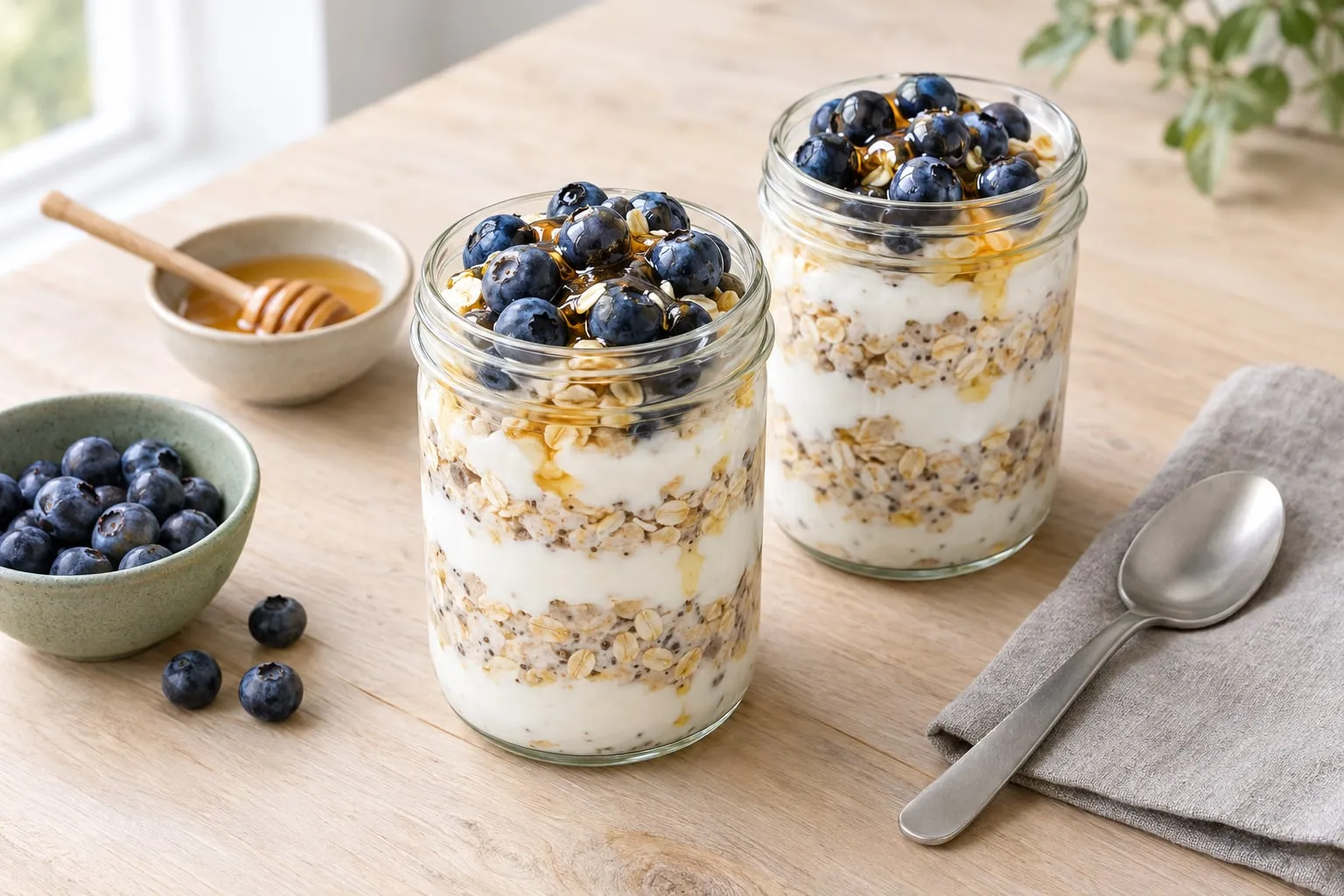
Protein Overnight Oats
26 g protein334 kcal8 hr 5 minVegetarian
Two jars of oats, Greek yogurt and milk with 26 g protein each, made the night before.
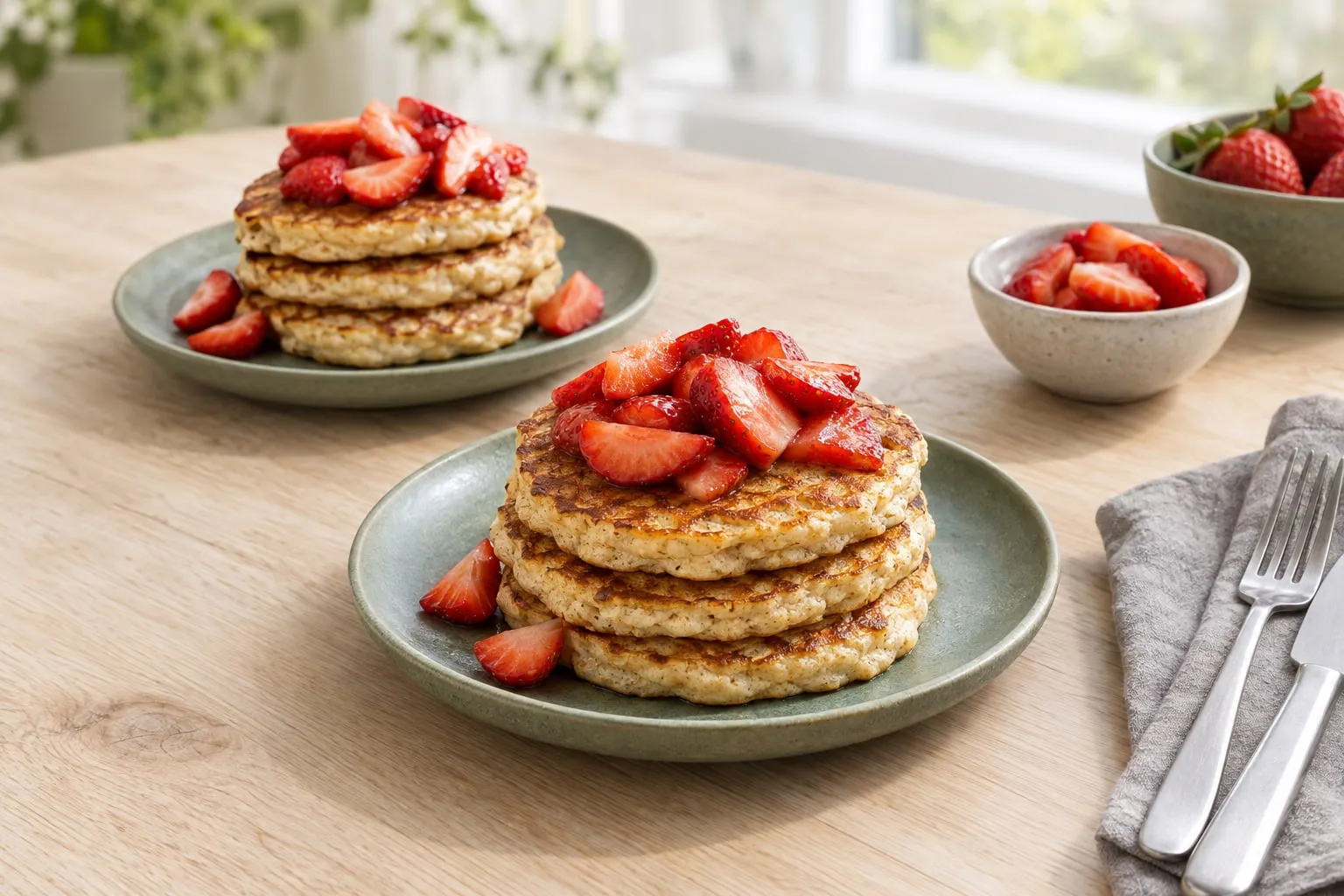
Protein Pancakes
31 g protein342 kcal25 minVegetarian
Oat and whey pancakes with 31 g protein per serving from eggs and Greek yogurt.
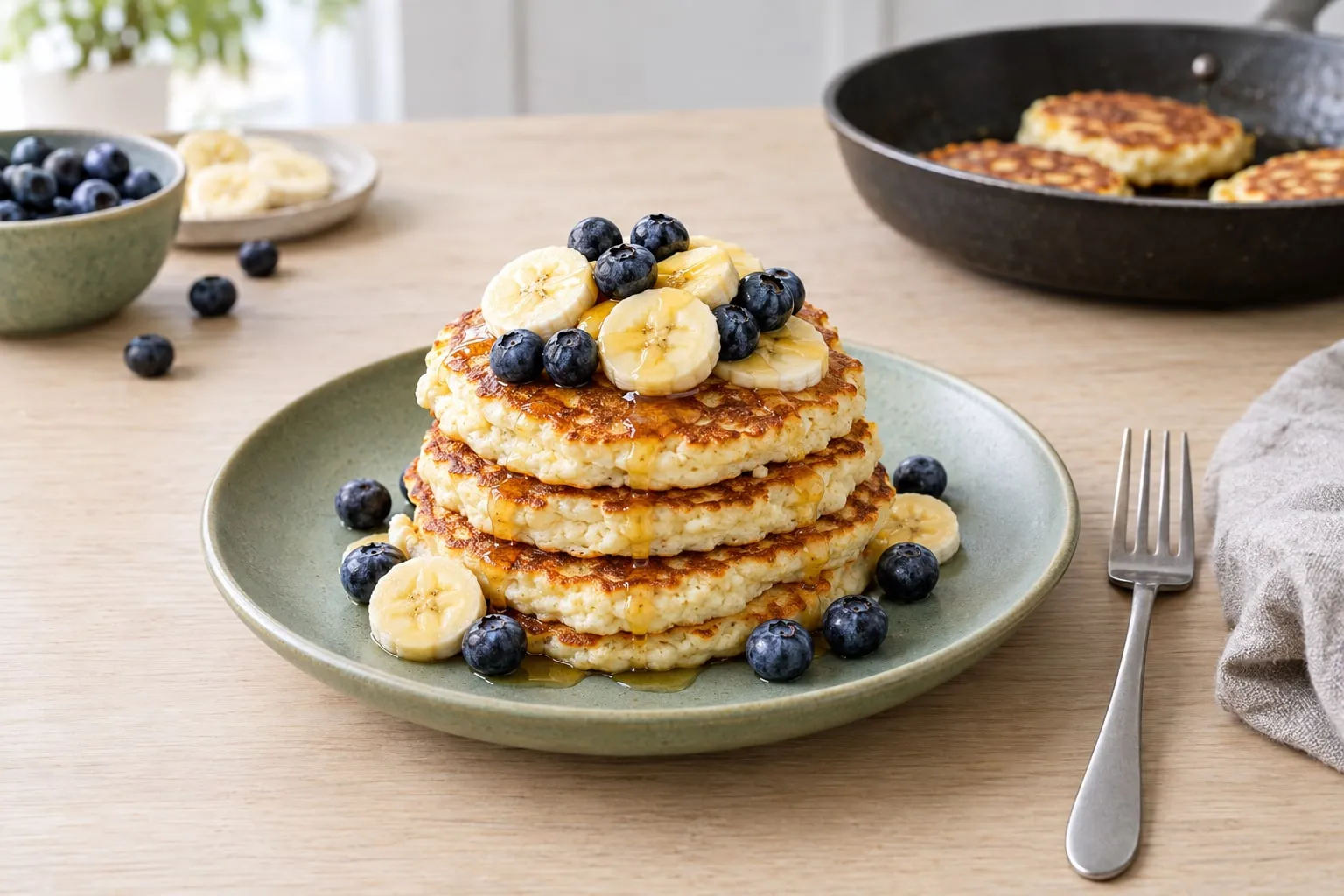
Cottage Cheese Pancakes
20 g protein274 kcal30 minVegetarian
Thick pancakes with 20 g protein per serving and no powder.

Cottage Cheese and Egg Bake
22 g protein190 kcal55 minVegetarianGluten-free
A flour-free bake that gives 22 g protein per portion for meal prep.
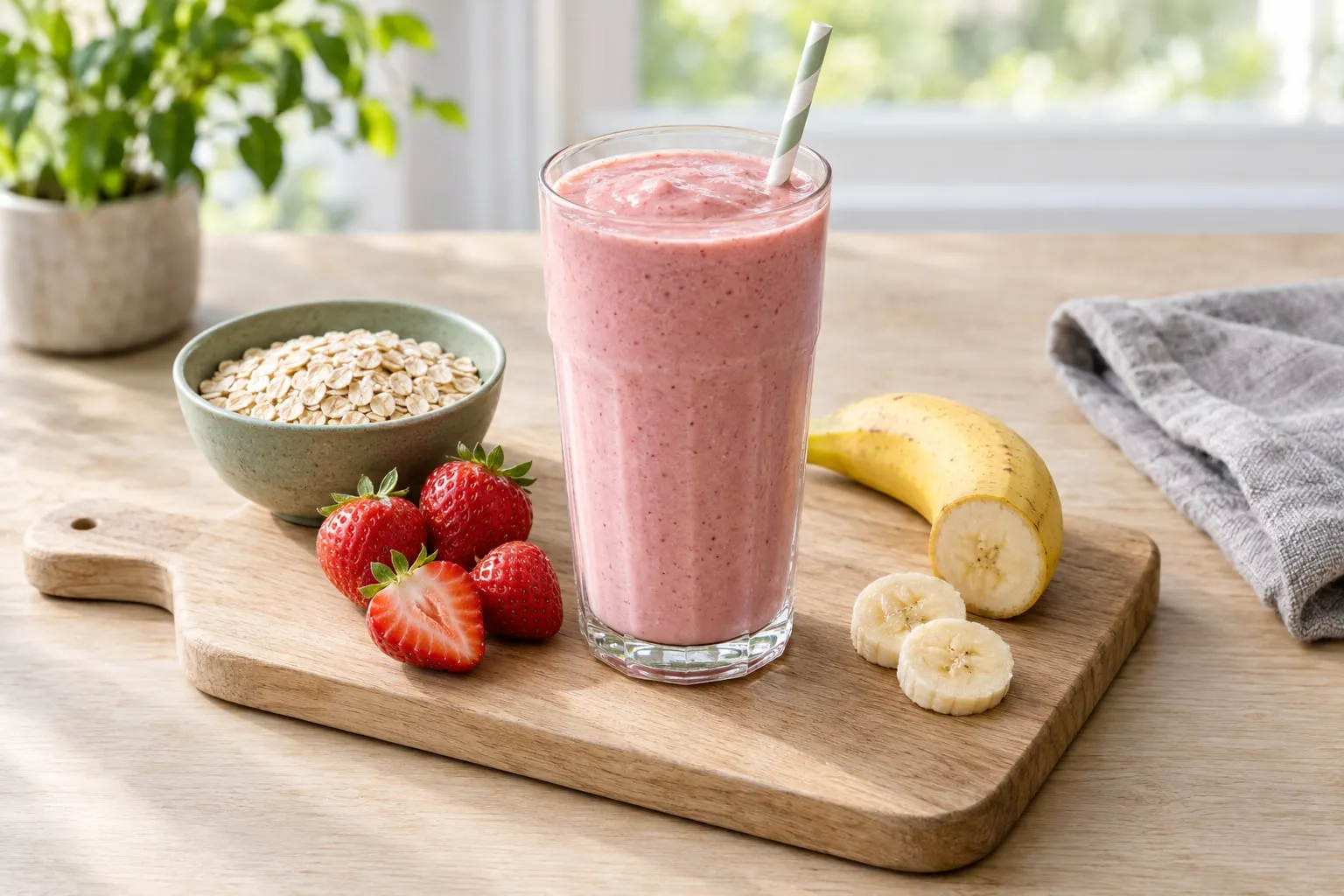
Protein Smoothie
32 g protein387 kcal5 minVegetarian
A glass with 32 g protein from yogurt, milk and oats.

Protein Iced Coffee (Proffee)
31 g protein230 kcal7 minVegetarianGluten-free
Espresso, cold milk and one scoop of whey for 31 g protein per glass.
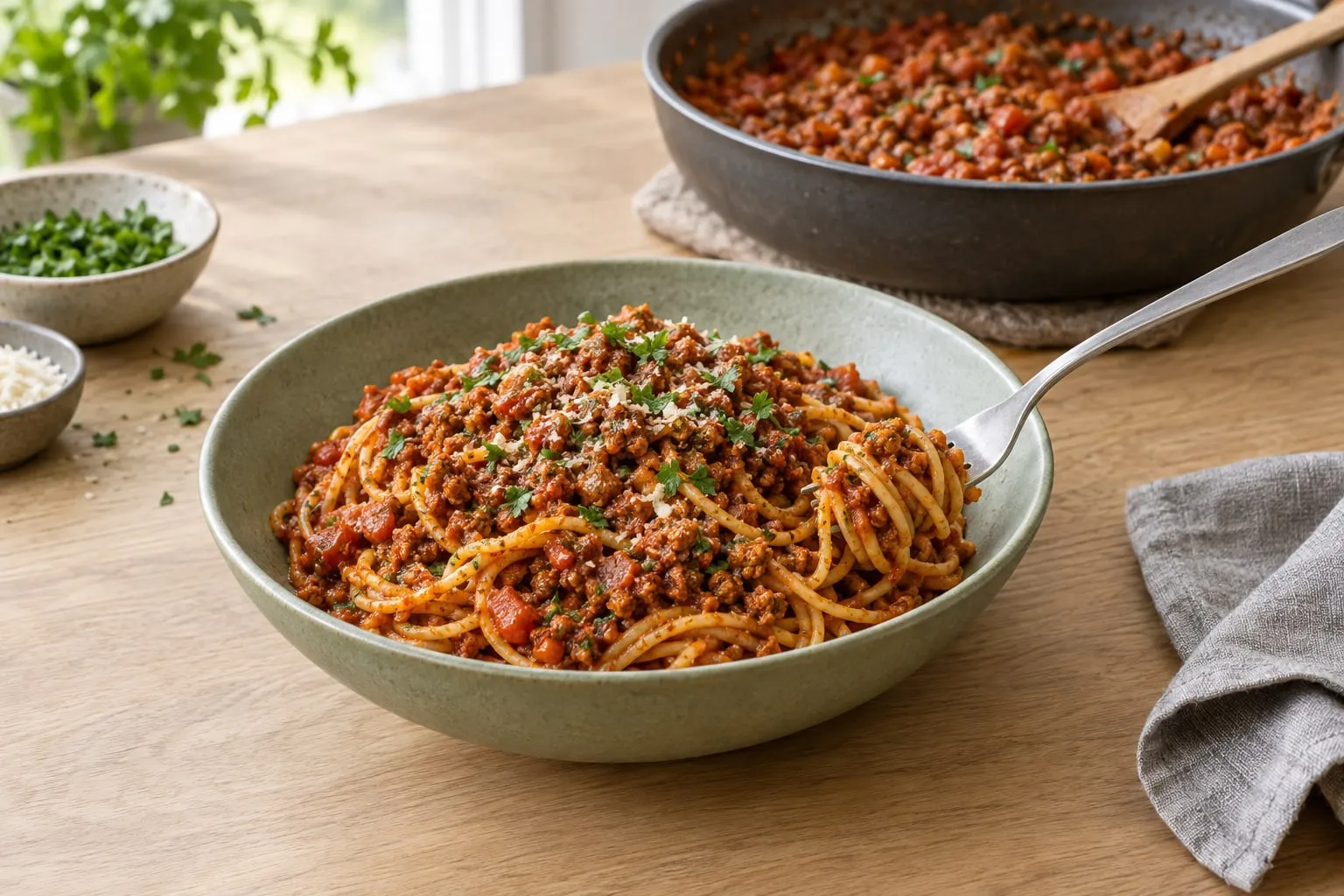
TVP Mince Bolognese
30 g protein476 kcal55 minVegetarianVegan
A vegan dinner with 30 g protein per serving.
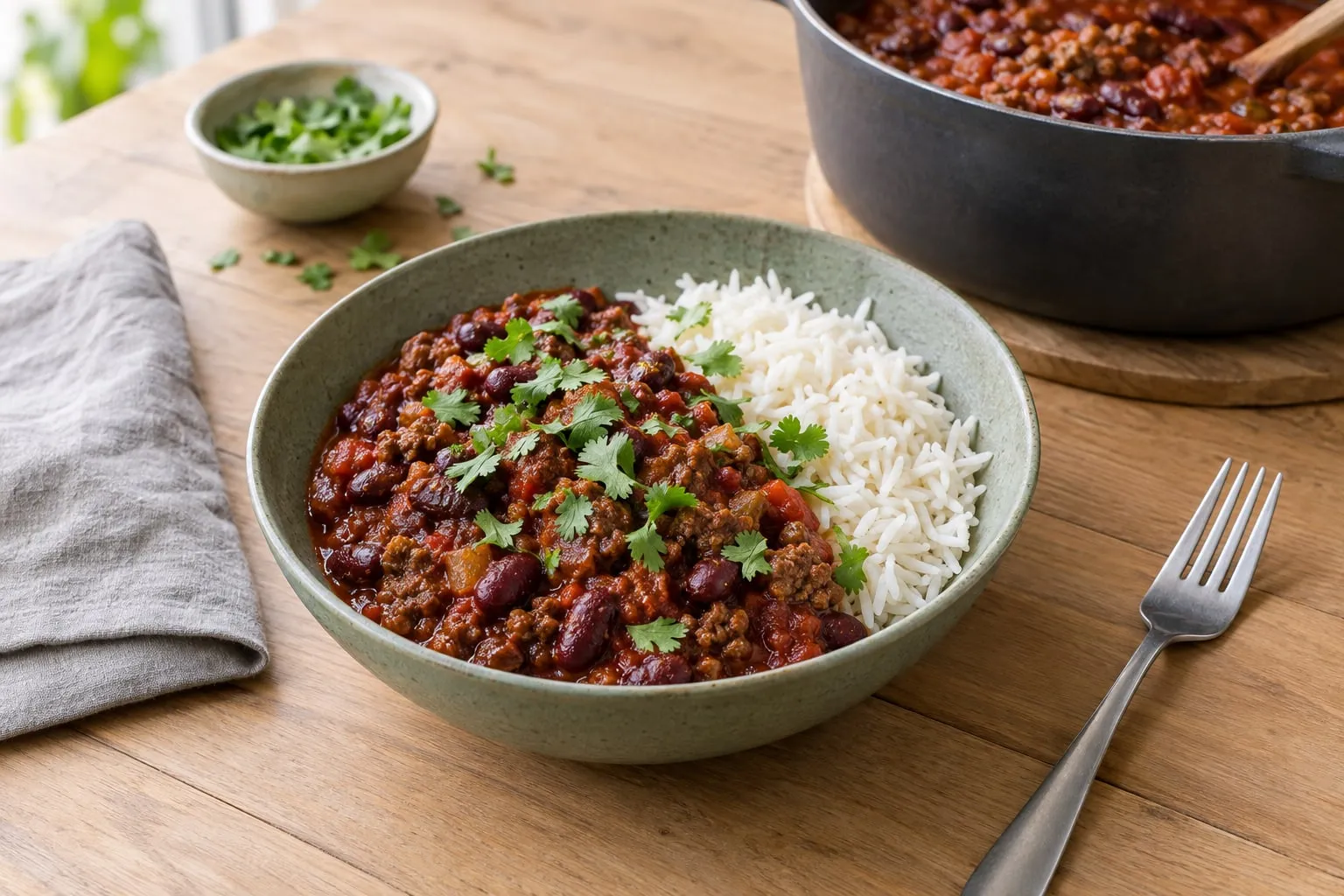
High Protein Chilli con Carne
33 g protein287 kcal1 hr 25 minGluten-freeDairy-free
A batch-cooking dinner with 33 g protein per serving before rice.
Sources
- McCance and Widdowson's Composition of Foods Integrated Dataset 2021 (CoFID) – Protein per 100 g for oats, milk, eggs, bread, tuna and quark
- European Food Safety Authority (EFSA) – Population Reference Intake of 0.83 g protein per kg body weight per day for adults
- COMA Dietary Reference Values for Food Energy and Nutrients for the United Kingdom (1991) – UK Reference Nutrient Intake of 0.75 g protein per kg body weight per day
Read our editorial policy for how figures are checked and how to report a mistake.
More protein guides
All guides
Guide
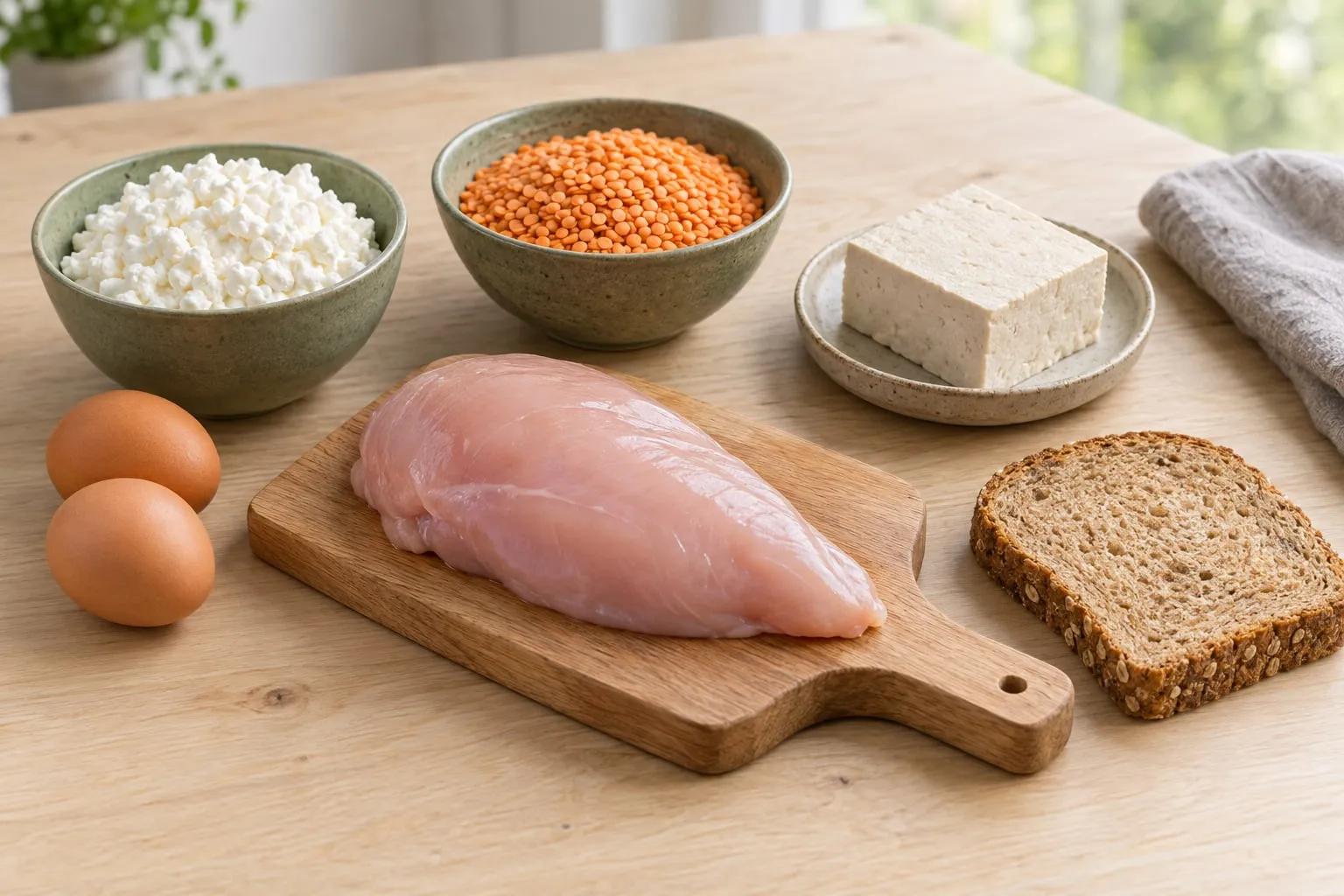
High Protein Foods: A Ranked List
High protein foods ranked by protein per 100 g and per 100 kcal: Parmesan has 36.2 g, grilled chicken 32.0 g, dried red lentils 25.6 g and egg white 10.8 g.
Guide
What Is Protein and Why Do We Need It?
What is protein good for? It is made of amino acids, nine of them essential. See what it does, the UK 0.75 g per kg a day reference and food values.
Guide
Protein Calculator
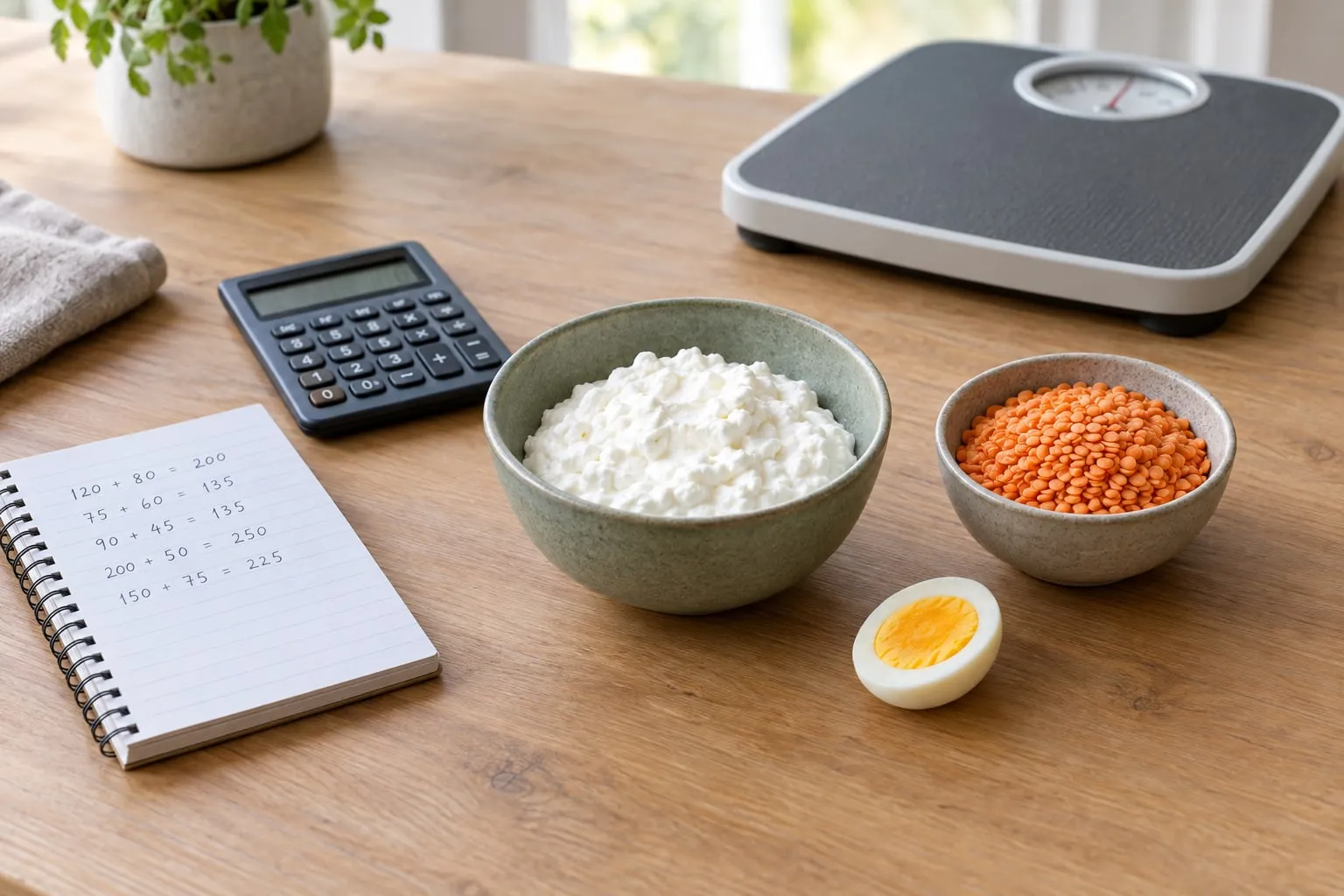
Protein calculator: multiply your weight in kg by 0.75 for the UK reference amount, so 70 kg gives 53 g a day. Tables for kg and stone, plus foods per 20 g.
Guide
Lean Protein: Best Sources
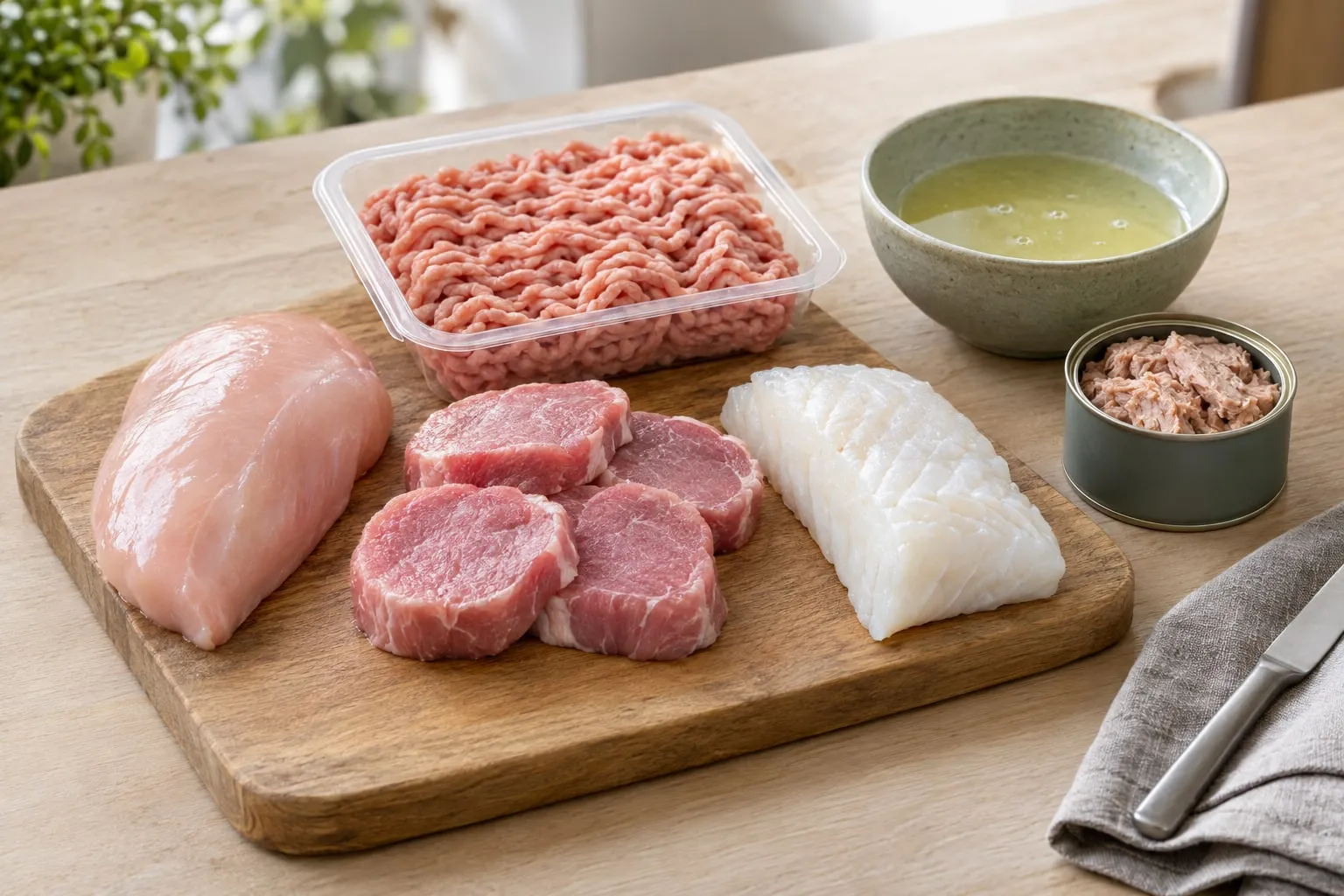
Lean protein sources ranked by fat: raw chicken breast has 24.0 g protein and 1.1 g fat per 100 g, tuna 24.9 g and 1.0 g. Meat, fish and dairy compared.