Protein Cheesecake
14 g protein145 kcal8 hr 15 minVegetarian
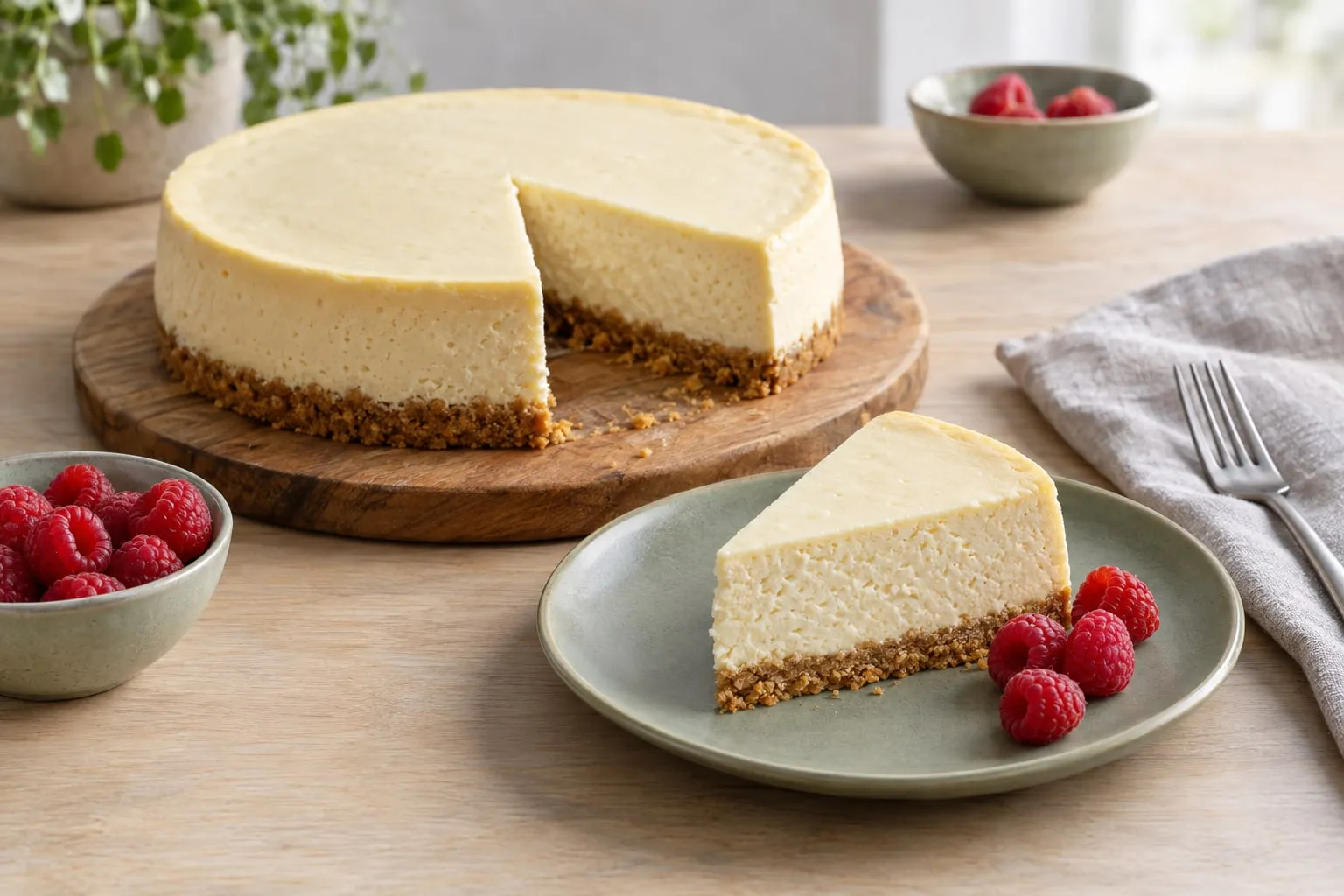
A 23 cm baked cheesecake of quark, strained Greek yogurt and eggs on a digestive biscuit base – 14 g protein per slice.
Category · 12 recipes
A dessert can reach 12–34 g protein a portion when the base is quark, Greek yogurt, cottage cheese or eggs. The 13 recipes below range from no-bake glasses to baked puddings and frozen desserts.
13–34 g proteinper serving, calculated from CoFID
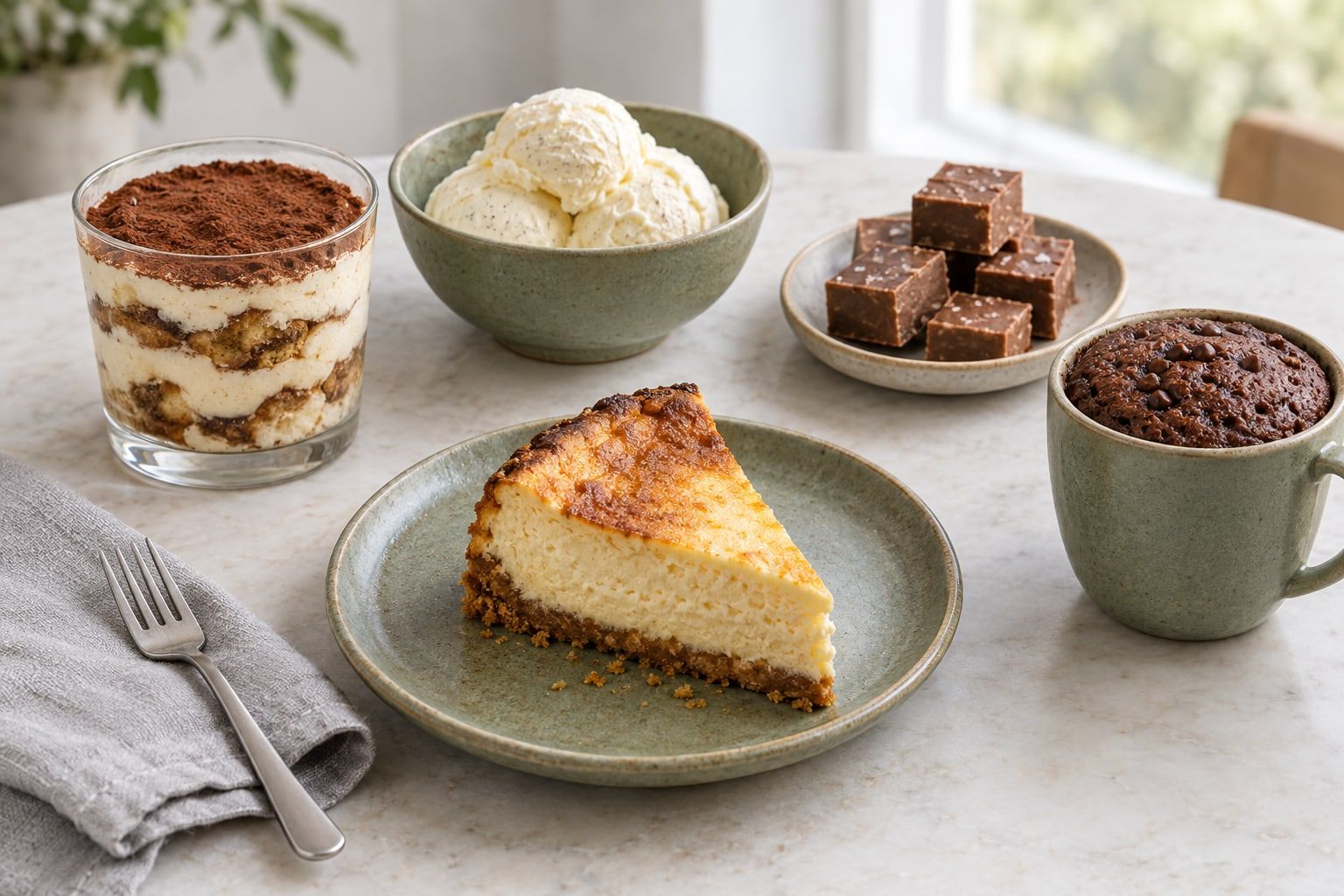
High protein desserts start with a simple swap: quark, strained Greek yogurt or cottage cheese where a recipe would normally use cream or mascarpone. Done that way, a slice of cheesecake has 14 g protein, a glass of tiramisu 14 g, and a mug cake that takes about 70 seconds in the microwave reaches 34 g.
The thirteen recipes cover every format, so there is something for a dinner party, a quick sweet and an after-training snack. Quark and strained yogurt carry most of the protein in the cold desserts, eggs and whey do the work in the baked ones, and casein gives the fudge its firm texture. Each recipe gives its protein per portion, and none of the numbers depends on a serving size that is unrealistically small.
Most of these can be made the day before, which makes them easy to fit around a working week. A tiramisu or a batch of no-bake glasses takes 10–20 minutes of work and a night in the fridge. The ice cream and frozen yogurt are frozen ahead, so that a pint is ready whenever one is wanted.
14 g protein145 kcal8 hr 15 minVegetarian
A 23 cm baked cheesecake of quark, strained Greek yogurt and eggs on a digestive biscuit base – 14 g protein per slice.
24 g protein176 kcal24 hr 8 minVegetarian
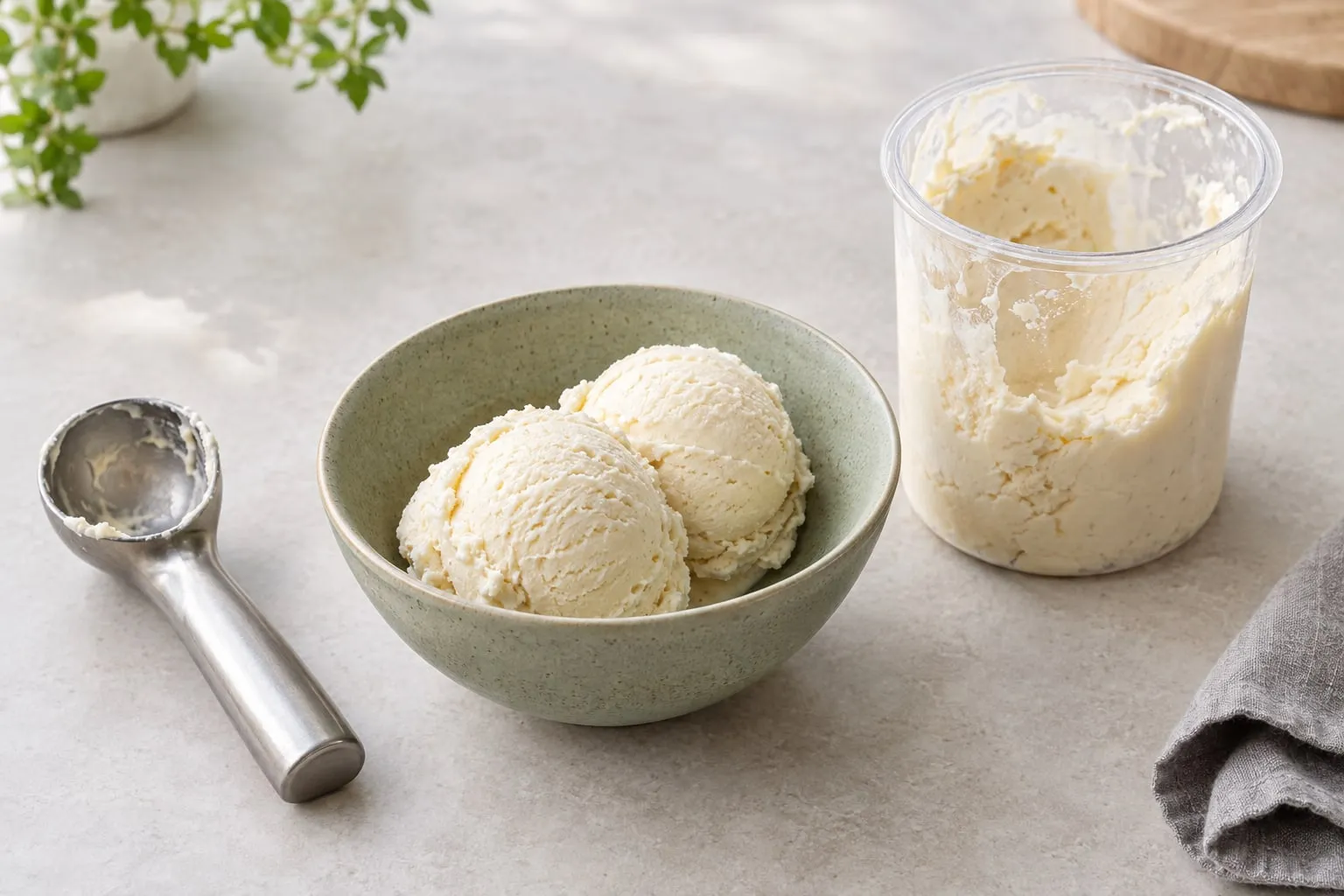
Skimmed milk, plain skyr and whey frozen in a pint and spun smooth – 24 g protein per portion.
15 g protein131 kcal2 hr 10 minVegetarian
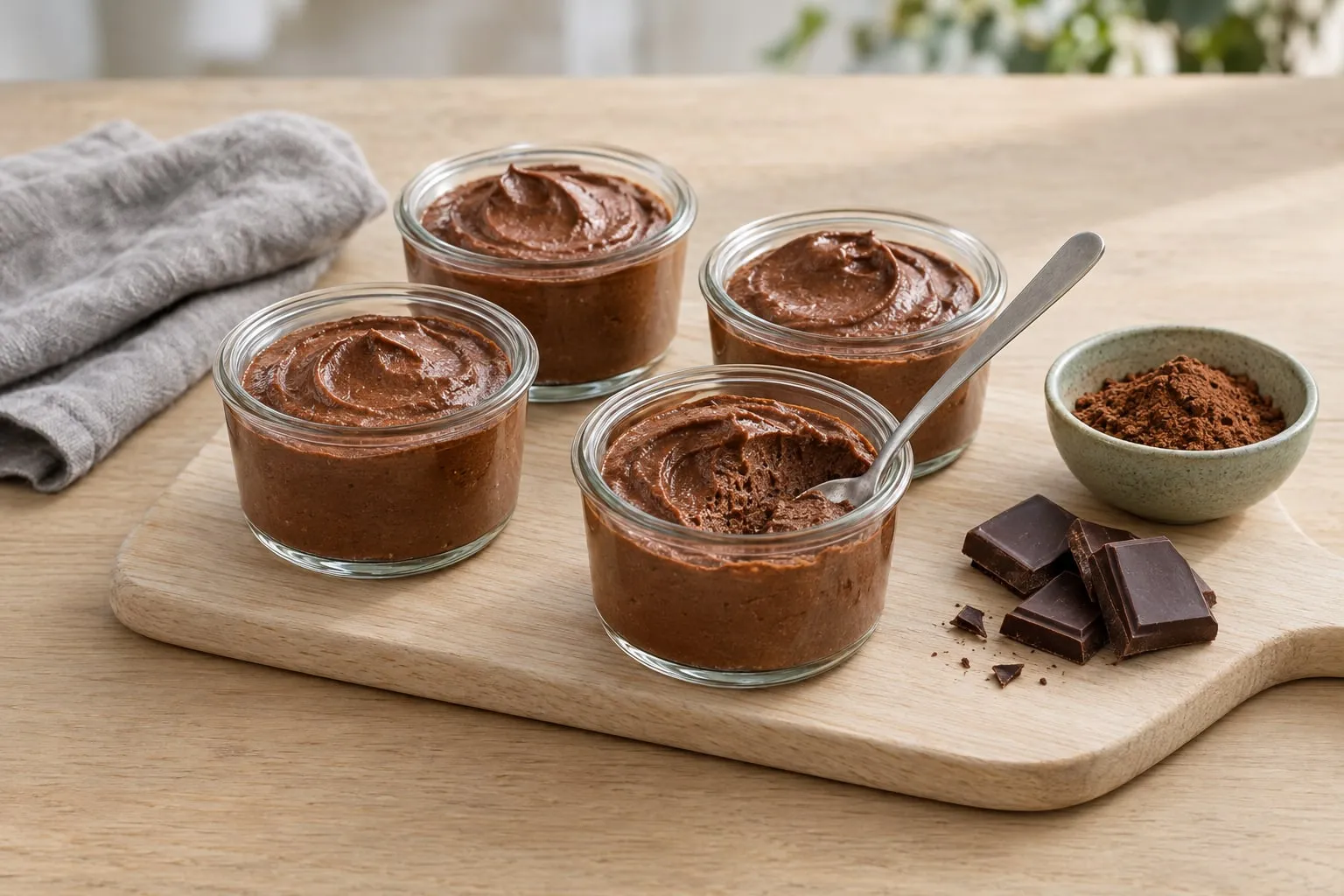
Blended reduced-fat cottage cheese with chocolate whey and cocoa – 15 g protein and 131 kcal per pot.
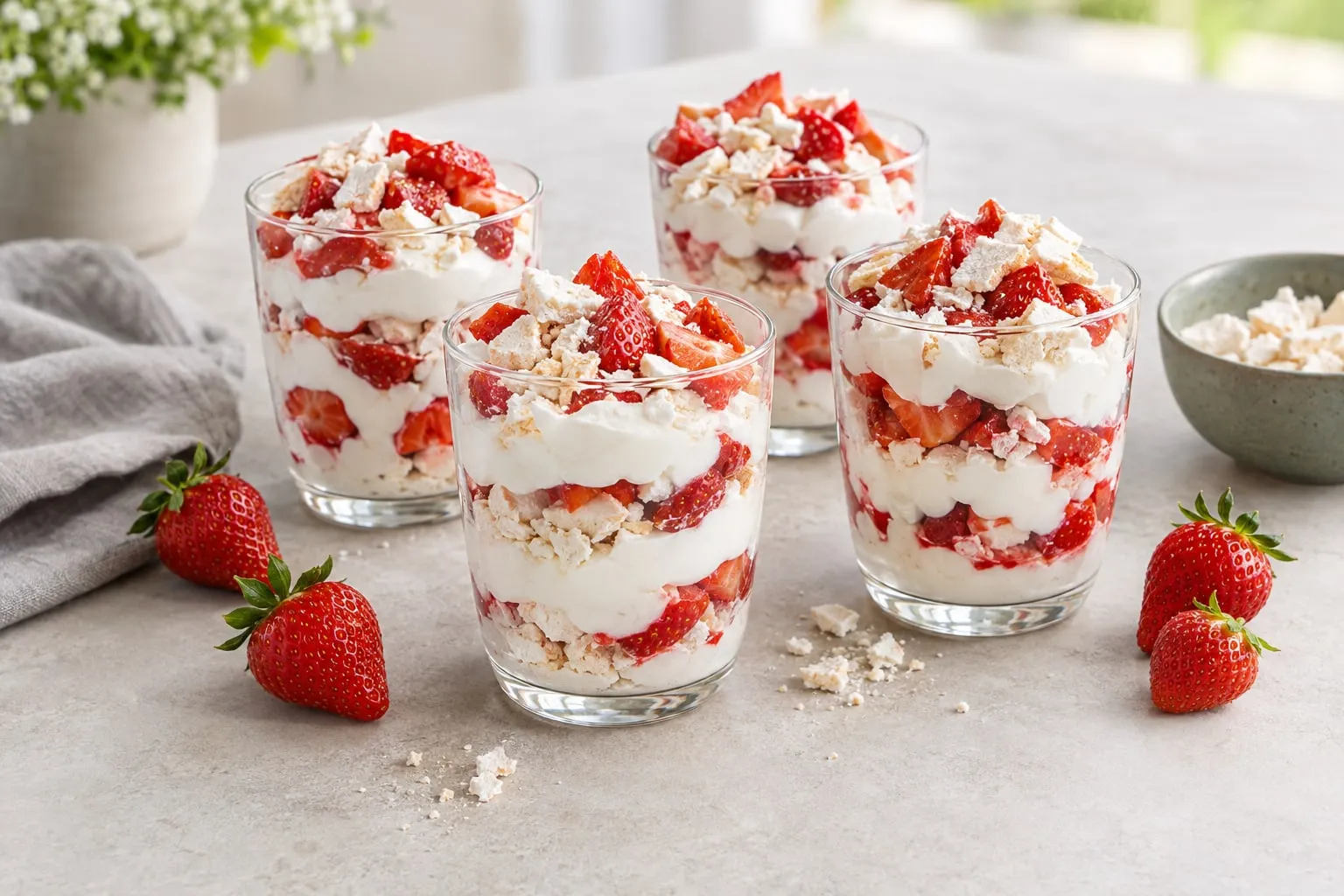
13 g protein116 kcal10 minVegetarianGluten-free
Strained Greek yogurt, crushed meringue and strawberries in ten minutes – 12 g protein per glass.
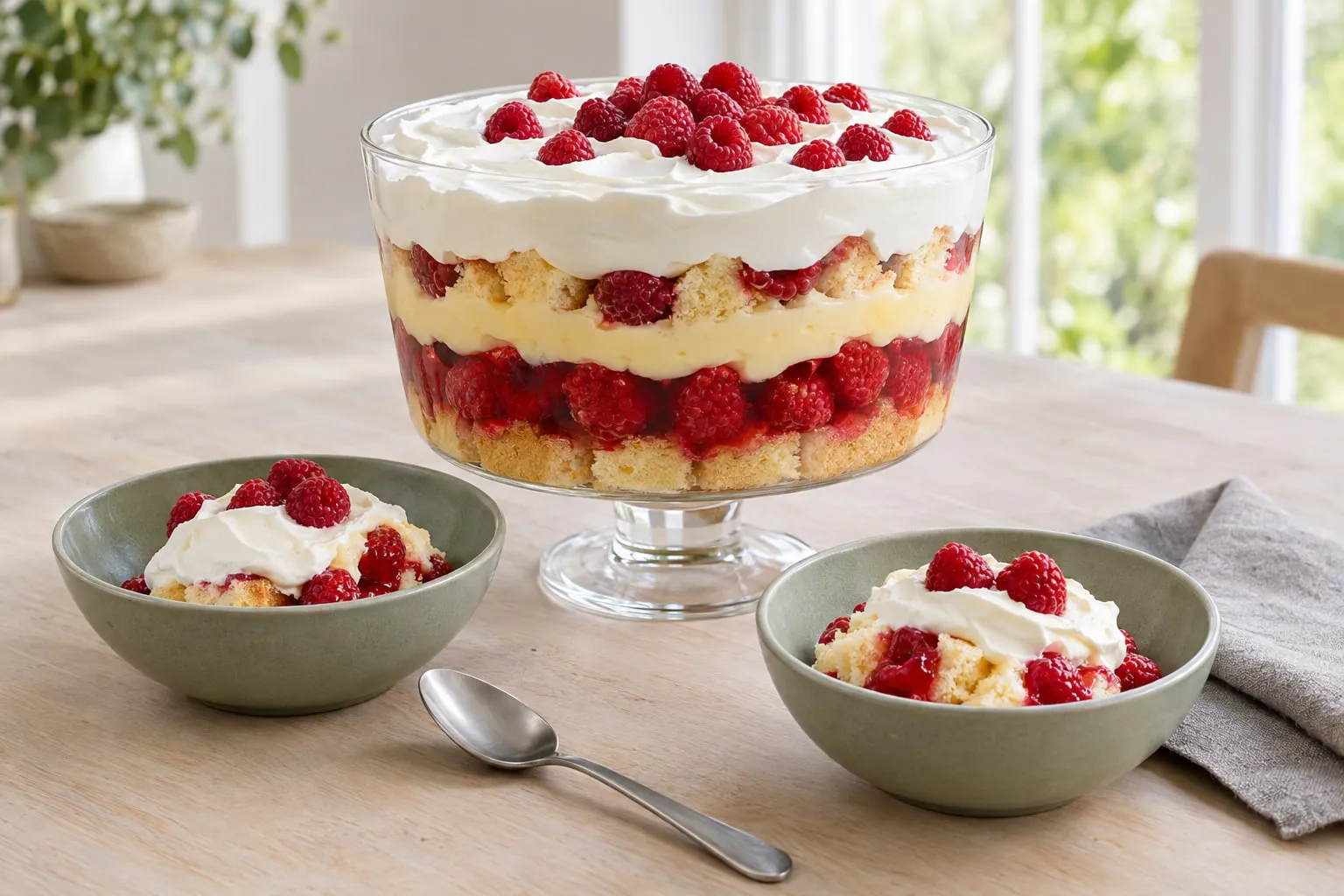
13 g protein153 kcal5 hr 25 min
Sponge, jelly, whey custard and a yogurt top, chilled for 4 hours – 13 g protein per serving.
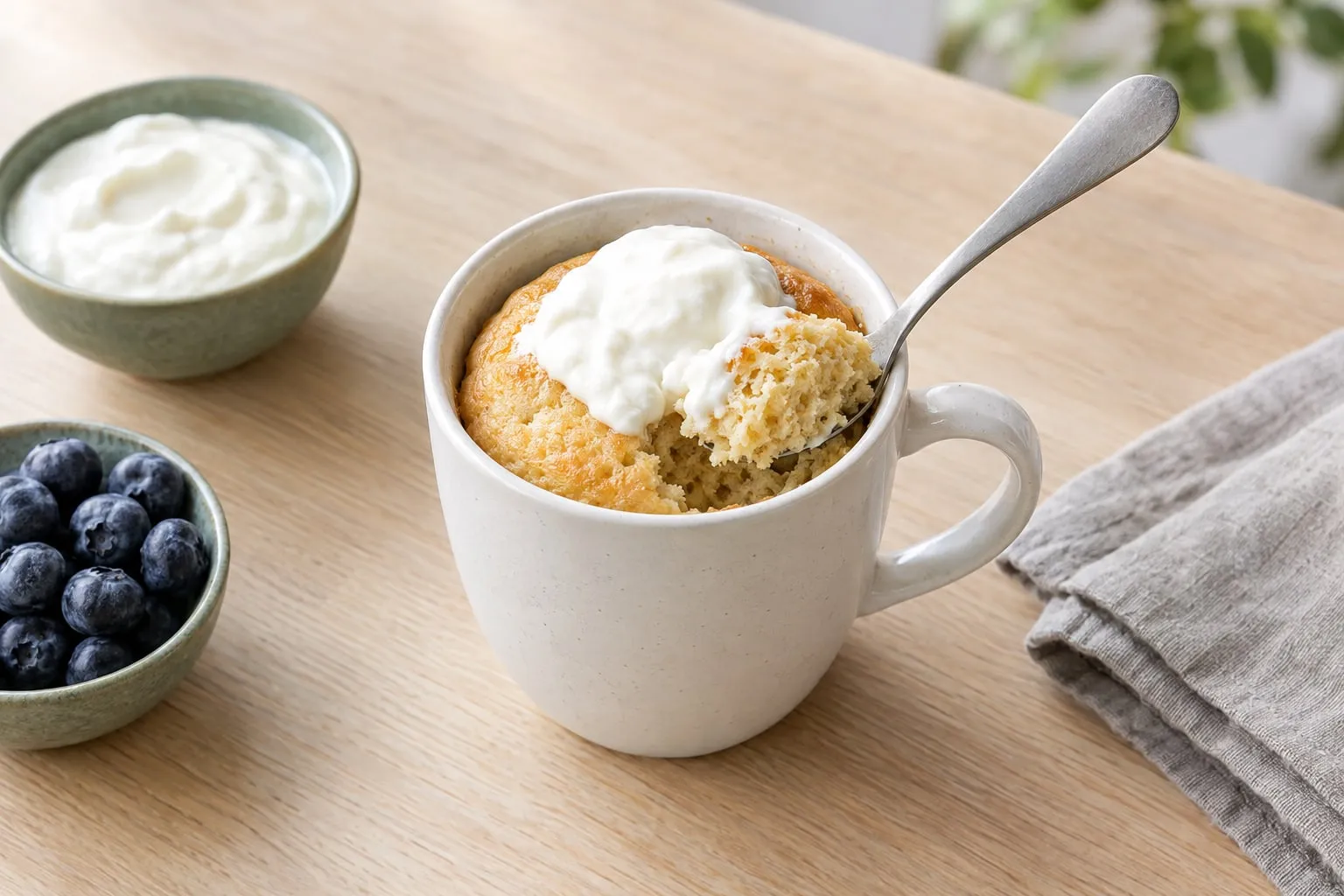
34 g protein272 kcal8 minVegetarian
Whey, an egg and Greek yogurt mixed in the mug and microwaved for about 70 seconds – 34 g protein.
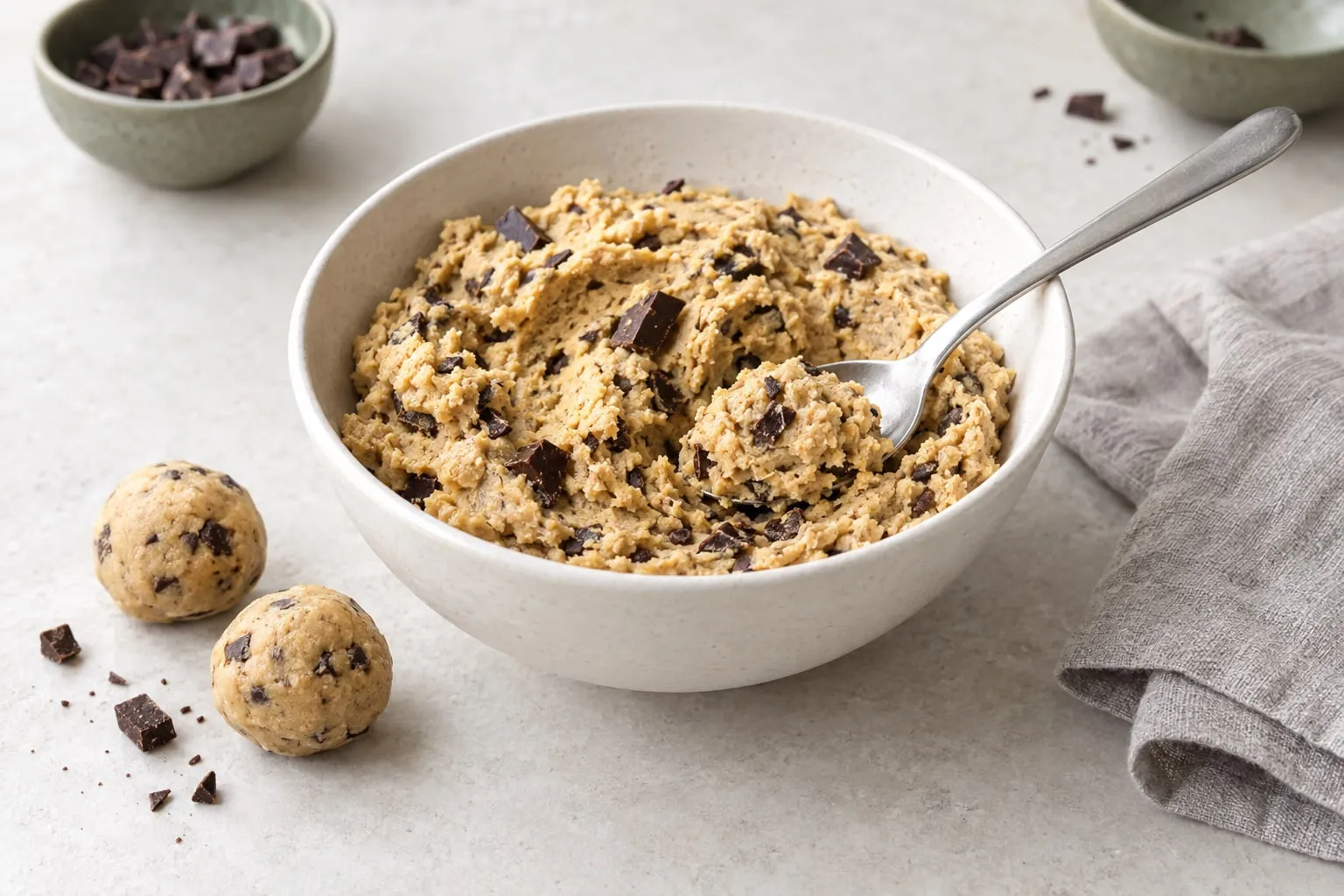
13 g protein172 kcal40 minVegetarian
Oat flour, whey and quark with chopped chocolate, no raw egg, eaten with a spoon – 13 g protein per serving.
24 g protein15 g protein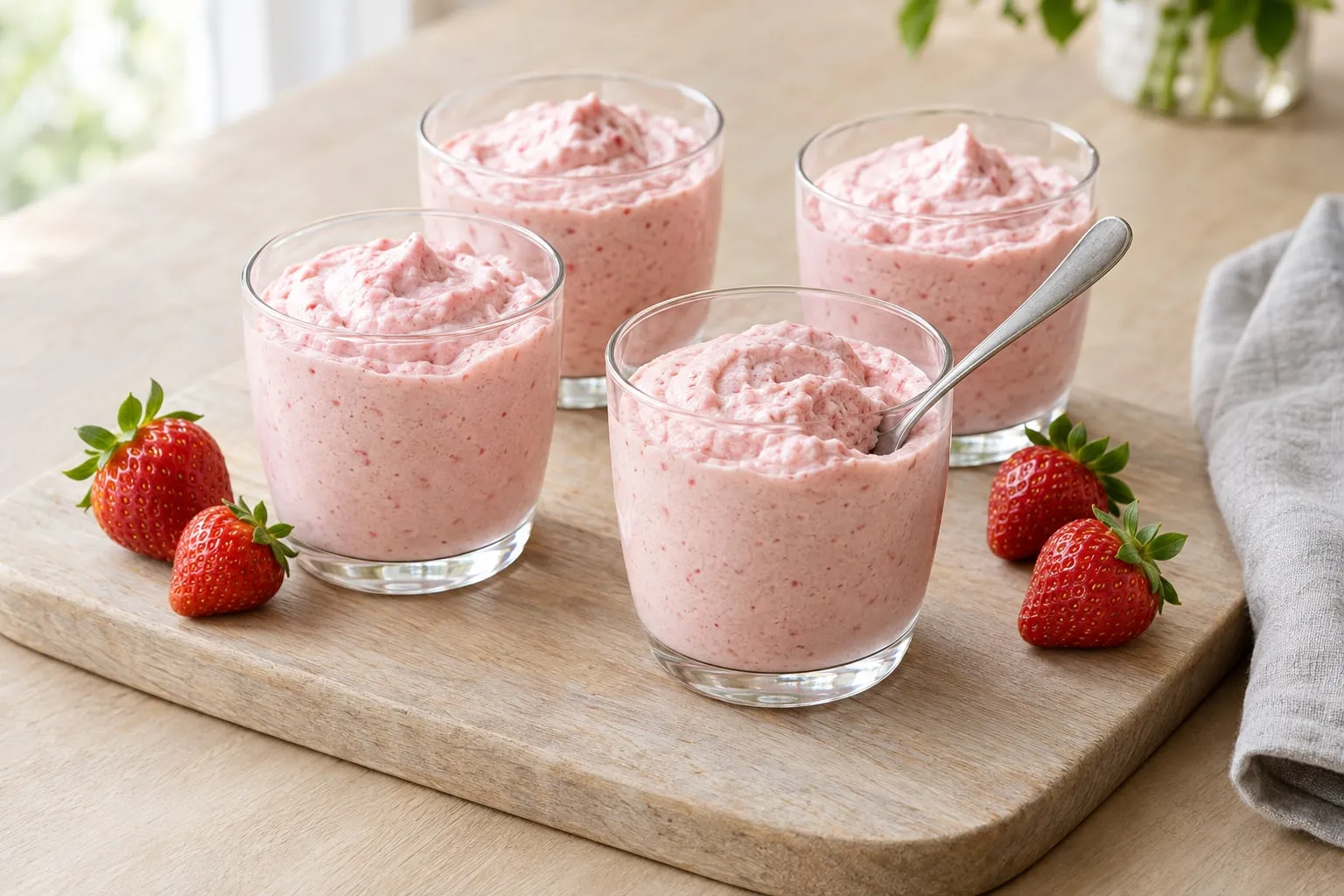 13 g protein14 g protein34 g protein
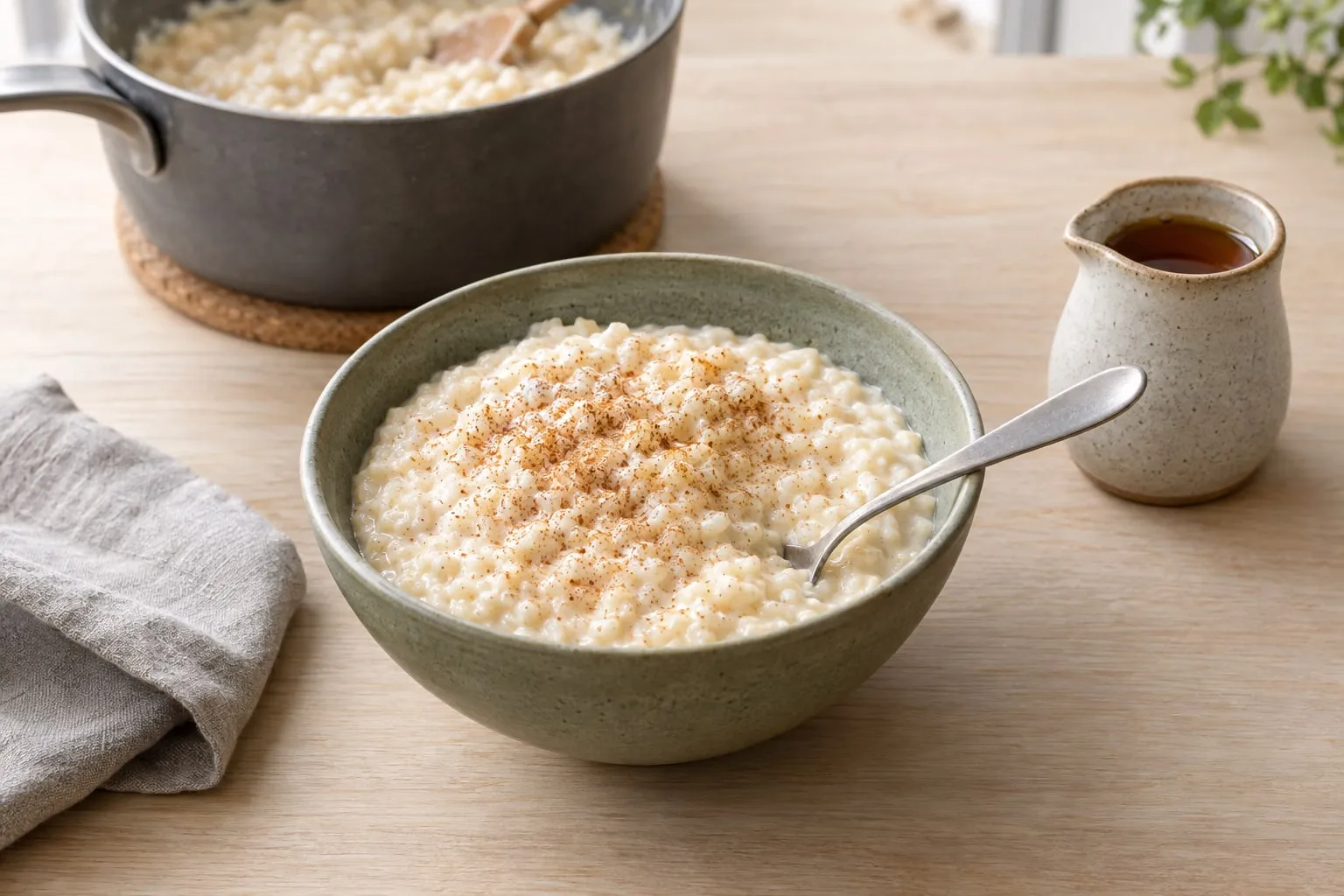 17 g protein13 g protein
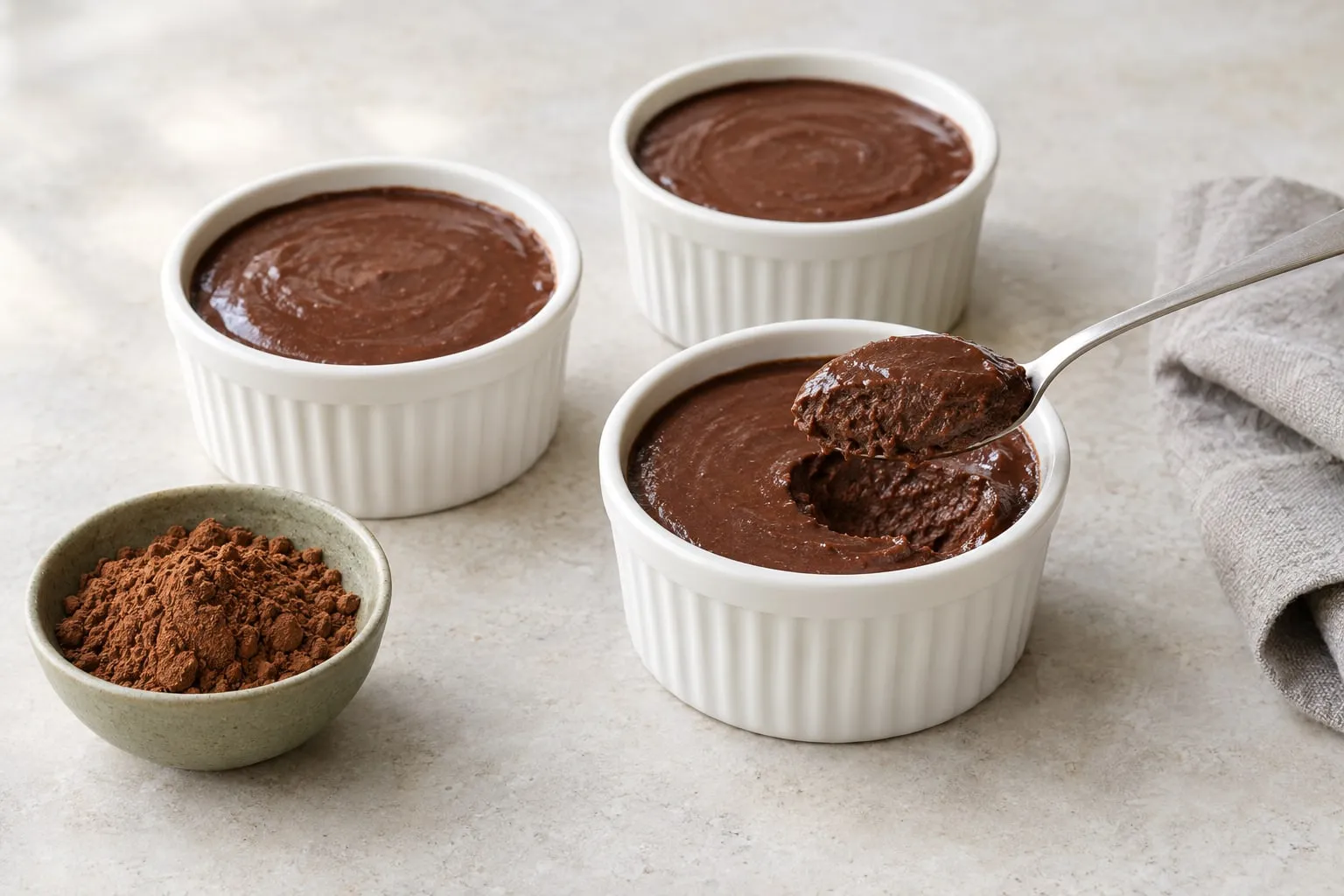 15 g protein
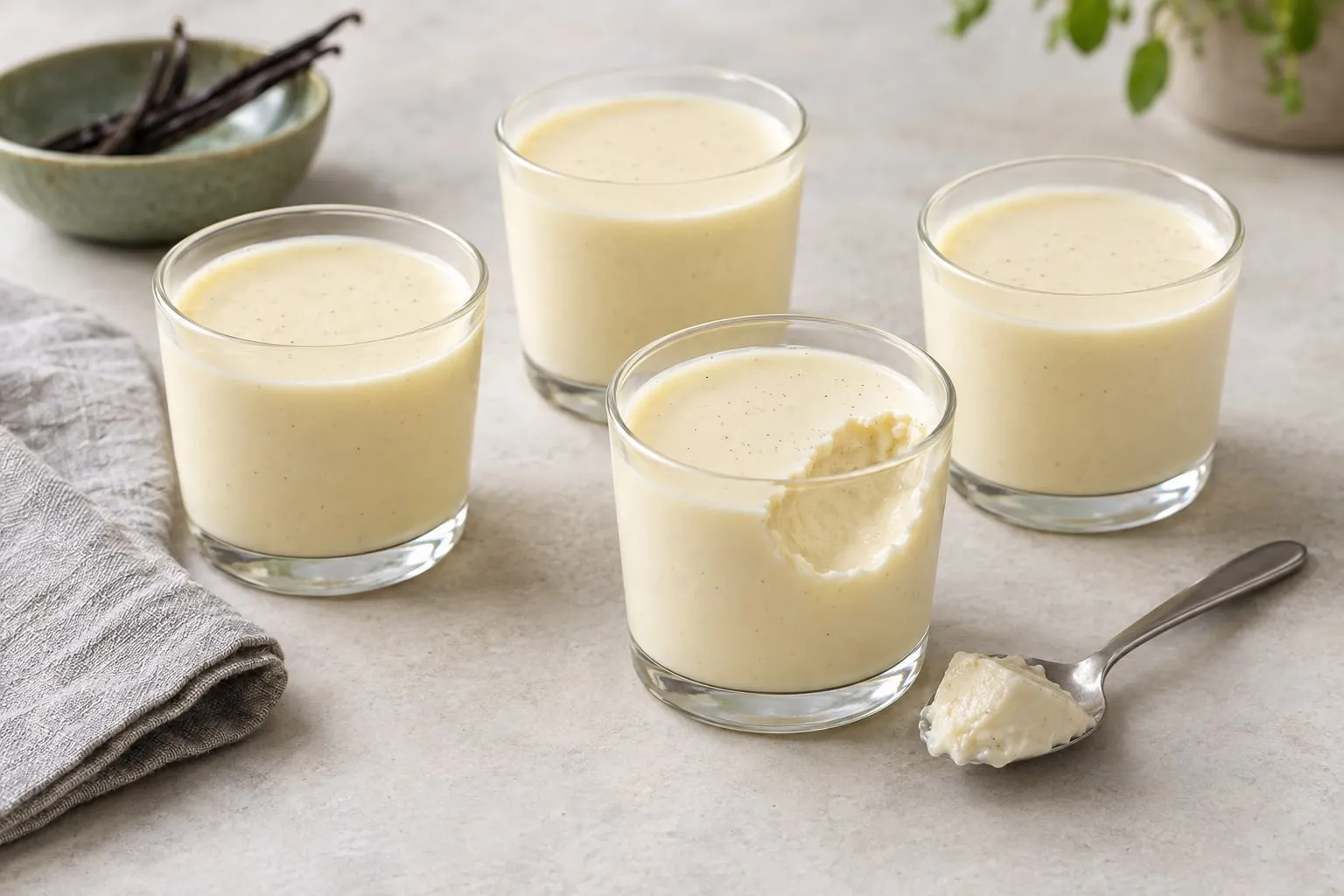 17 g protein13 g protein13 g protein
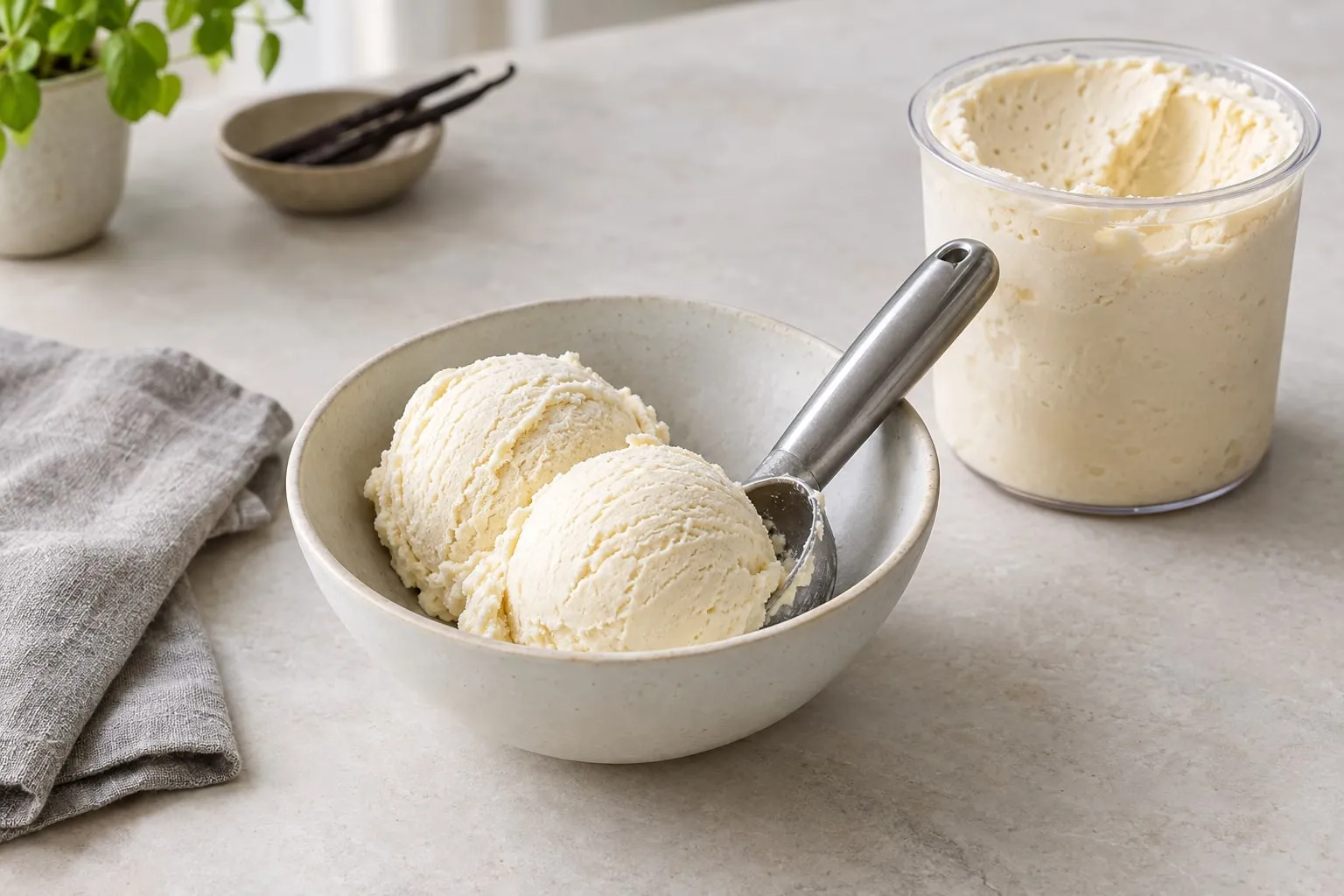 21 g protein
Ordinary desserts rarely pass 5 g protein a portion. These ones are built on high protein dairy instead of cream, butter and flour, and the figures run from 12 g in the Eton mess to 34 g in the mug cake. Most of the glasses, slices and squares land at 13–15 g. The single-serve mug cake and the ice cream sit higher, at 34 g and 24 g, because a mug or a pint is made for one or two people rather than cut from a larger dish. Every number on the page is the protein in one portion, taken from the recipe itself, so you can compare like for like.
Ten of the thirteen use a scoop of whey or casein, which lifts the protein and helps the filling or batter set. Protein tiramisu, protein frozen yogurt and the Eton mess use none. They get their protein from quark and strained Greek yogurt alone, which makes them the easier choice if you do not keep powder in the cupboard. Where powder is used, whey is the default. Casein appears in the fudge, where it soaks up the liquid and sets a dense, sliceable block that whey would leave crumbly.
Six need no oven. The tiramisu and the Eton mess are assembled cold, the no-bake cheesecake sets in glasses with gelatine, the fudge is pressed into a tin and chilled, the cookie dough is mixed and eaten raw, and the mousse is blended and chilled for 2 hours. The cookie dough is made with oat flour and has no raw egg, so it is safe to eat as it is. The baked ones are the cheesecake, the sticky toffee puddings, the apple crumble and, in the microwave, the mug cake.
Protein ice cream and protein frozen yogurt are frozen desserts by design. The ice cream is a frozen pint spun in an ice cream machine, while the frozen yogurt is frozen in a loaf tin and blended a second time, and keeps for about 2 weeks. Sliced baked cheesecake can also be wrapped and frozen for a month, and rolled balls of cookie dough freeze for the same time. The tiramisu, the no-bake cheesecake and the Eton mess are better kept in the fridge, since the cream turns watery after thawing.
Every recipe on this page per serving, highest protein first. Figures are calculated from the ingredient list using CoFID.
| Recipe | Protein | Energy | From protein | Time |
|---|---|---|---|---|
| Protein Mug Cakeper mug | 34 g | 272 kcal | 49% | 8 min |
| Protein Ice Creamper serving | 24 g | 176 kcal | 54% | 24 hr 8 min |
| Vanilla Protein Ice Creamper serving | 21 g | 206 kcal | 41% | 24 hr 8 min |
| Protein Jellyper pot | 17 g | 102 kcal | 66% | 4 hr 13 min |
| Protein Rice Puddingper portion | 17 g | 186 kcal | 36% | 50 min |
| Chocolate Protein Puddingper pot | 15 g | 180 kcal | 34% | 2 hr 15 min |
| Chocolate Protein Mousseper pot | 15 g | 131 kcal | 46% | 2 hr 10 min |
| Protein Cheesecakeper slice | 14 g | 145 kcal | 38% | 8 hr 15 min |
| Protein Mousseper glass | 13 g | 80 kcal | 66% | 2 hr 15 min |
| Edible Protein Cookie Doughper serving | 13 g | 172 kcal | 30% | 40 min |
| Protein Trifleper serving | 13 g | 153 kcal | 34% | 5 hr 25 min |
| Protein Eton Messper glass | 13 g | 116 kcal | 43% | 10 min |
Cheesecake, tiramisu, mousse and the no-bake glasses all firm up in the fridge. Give them the full chilling time in the recipe before tasting.
Beat quark and yogurt smooth before adding anything else. A smooth base is what stops fillings looking grainy.
Pick the no-bake desserts when there is no time for an oven and the baked ones when the pudding can be made the day before.
The desserts on this page have at least 12 g protein a portion. Most of the glasses and slices give 13–15 g, the apple crumble gives 18 g and the mug cake gives 34 g.
Yes. Protein tiramisu, protein frozen yogurt and the Eton mess use no powder, relying on quark and strained Greek yogurt.
The cookie dough here has no raw egg and is made with oat flour rather than wheat flour, which is why it is safe to eat unbaked. Keep it in the fridge and eat it within 3 days.
Protein ice cream and protein frozen yogurt are made to be frozen, and sliced protein cheesecake freezes for up to 1 month. Rolled balls of the cookie dough freeze for the same time. The tiramisu and the no-bake cheesecake should not be frozen.
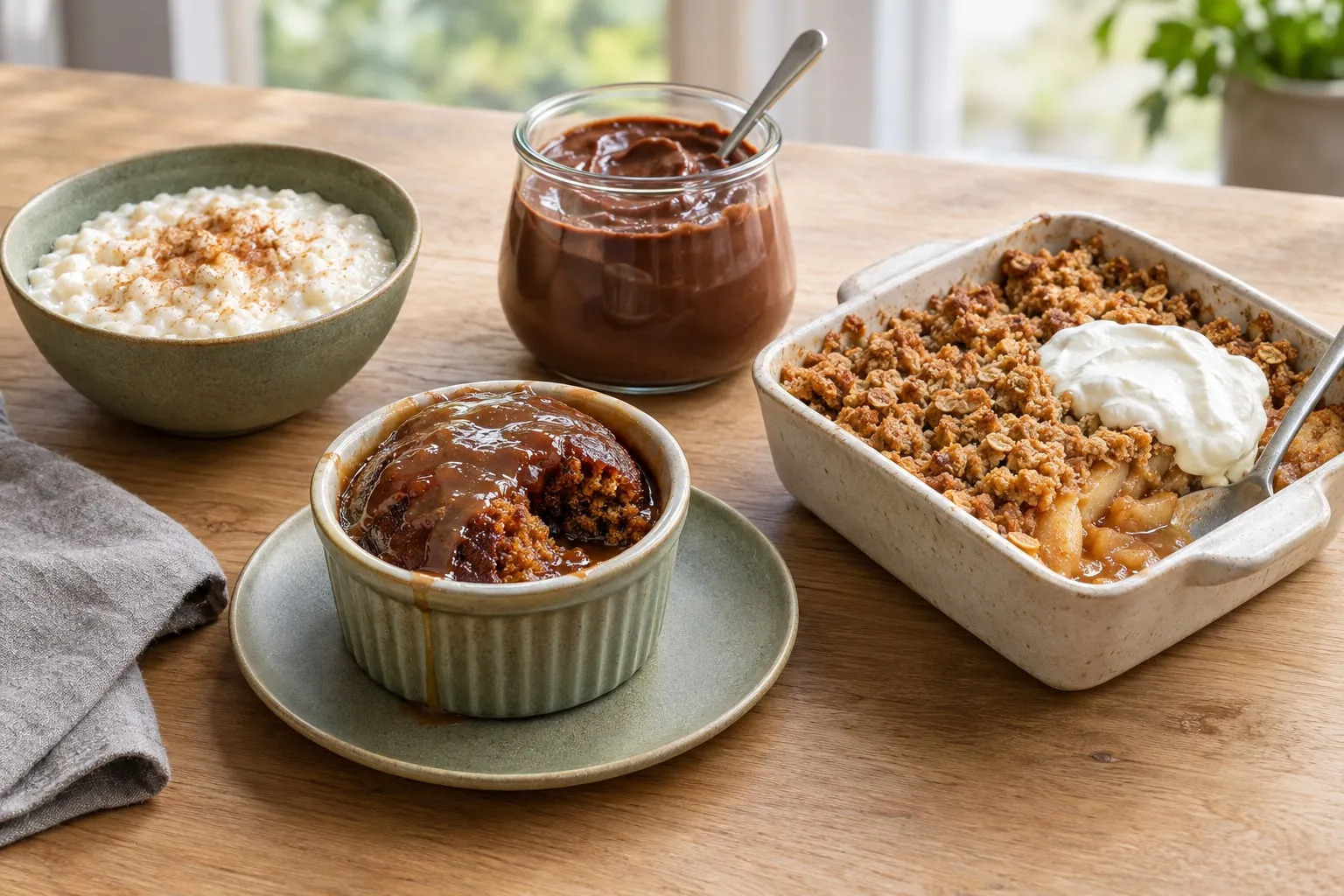
Ideas & collections
Pudding with protein, British style: custard pots, rice pudding, sticky toffee and apple crumble, 11 recipes with 13–29 g protein per portion.
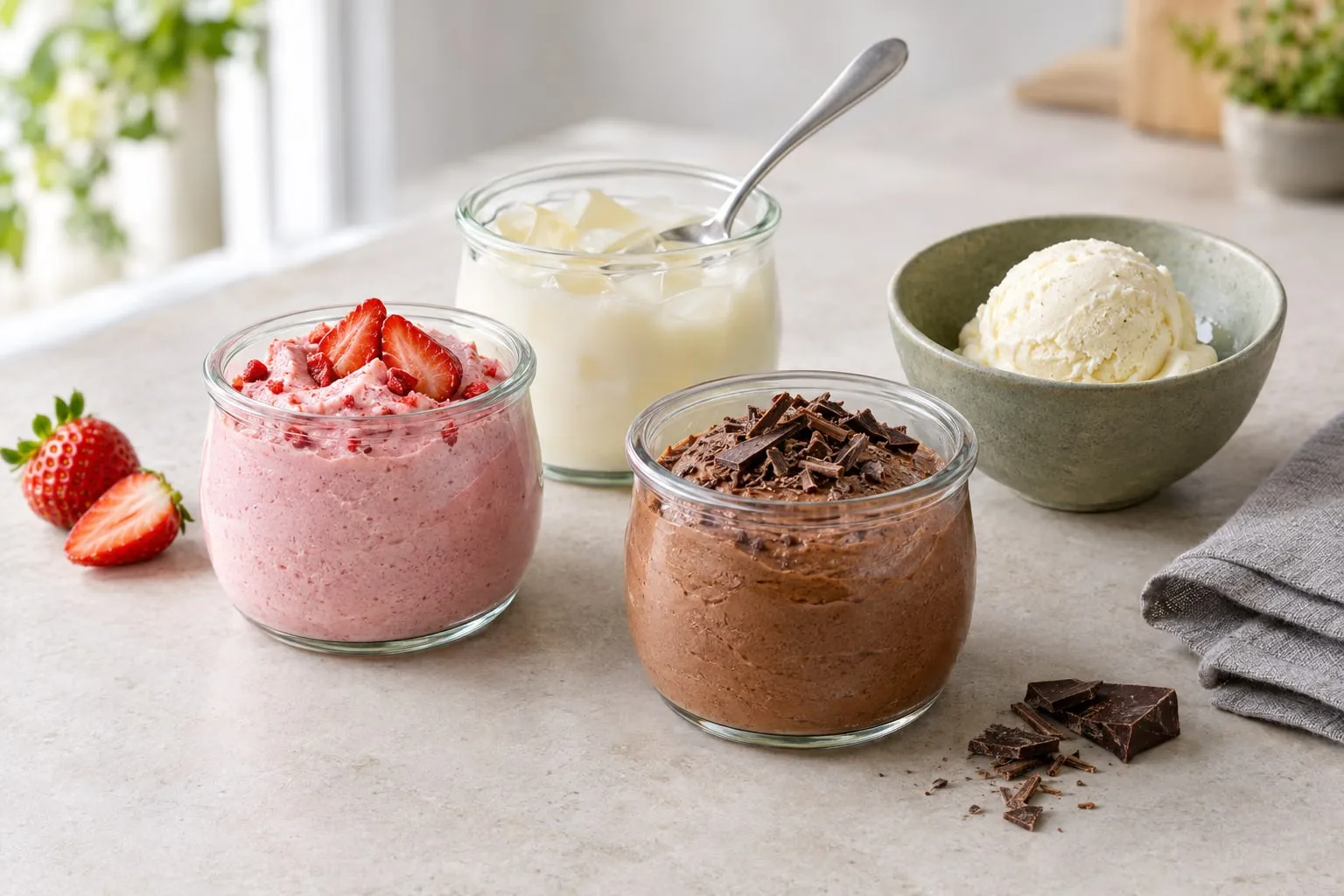
Ideas & collections
Low calorie high protein desserts from 80 to 193 kcal a portion, 12 recipes with 13–21 g protein each, from milk jelly to mousse and ice cream.
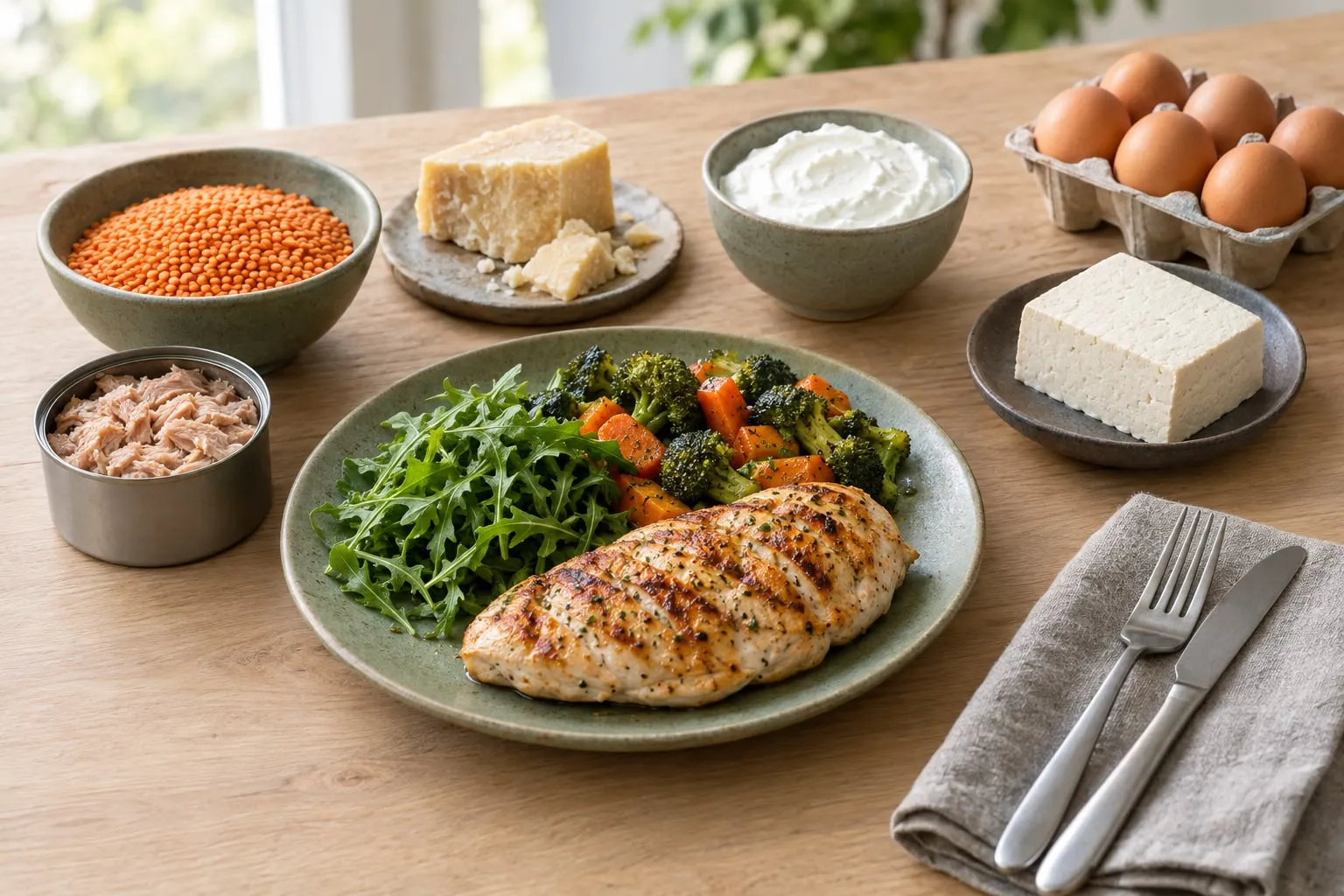
Guide
High protein foods ranked by protein per 100 g and per 100 kcal: Parmesan has 36.2 g, grilled chicken 32.0 g, dried red lentils 25.6 g and egg white 10.8 g.
Guide
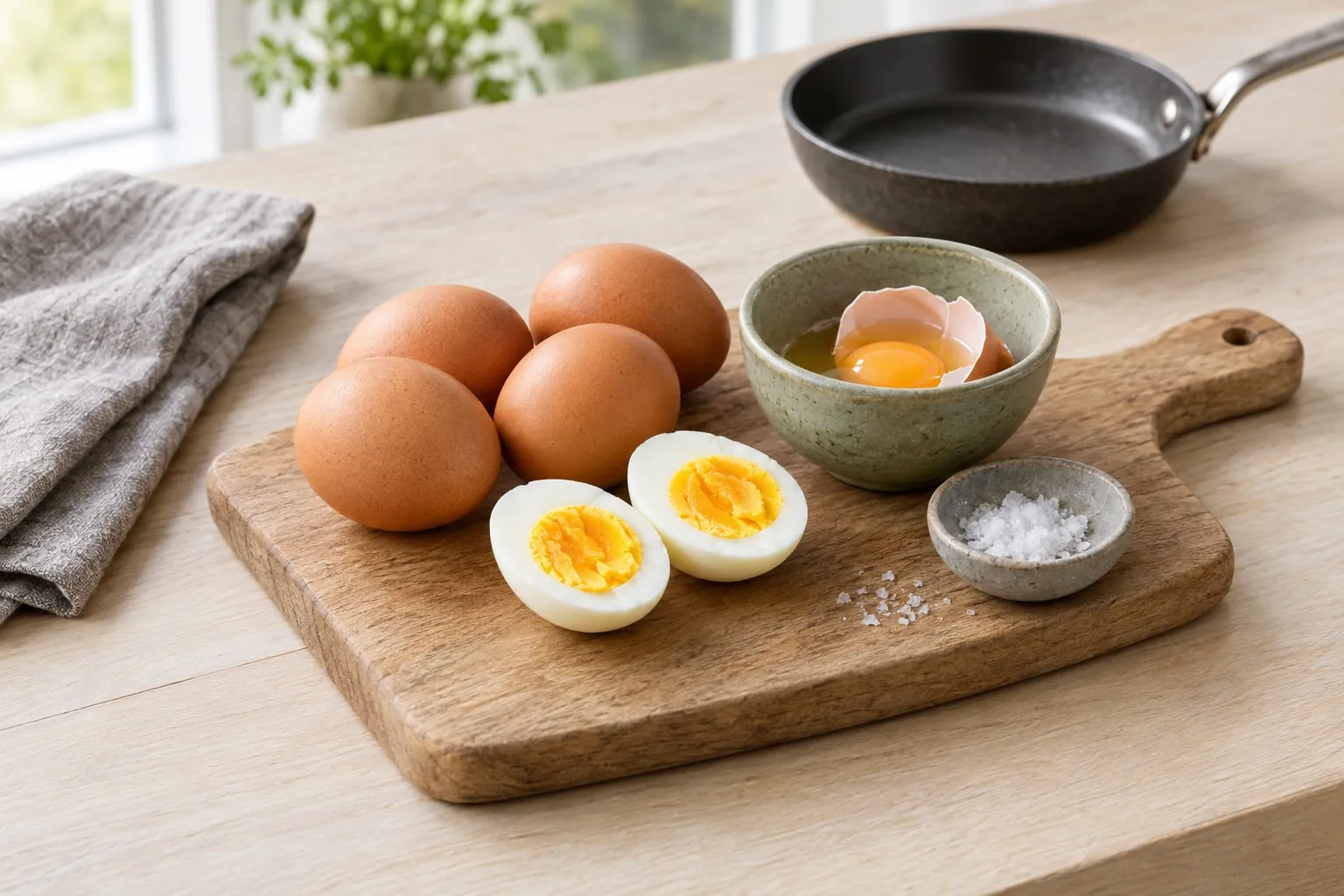
How much protein in an egg: one medium raw egg has 6.3 g protein and 66 kcal. Values per egg, per 100 g, boiled, fried and scrambled.
Updated 22 November 2026 by The Protein Recipes editorial team.