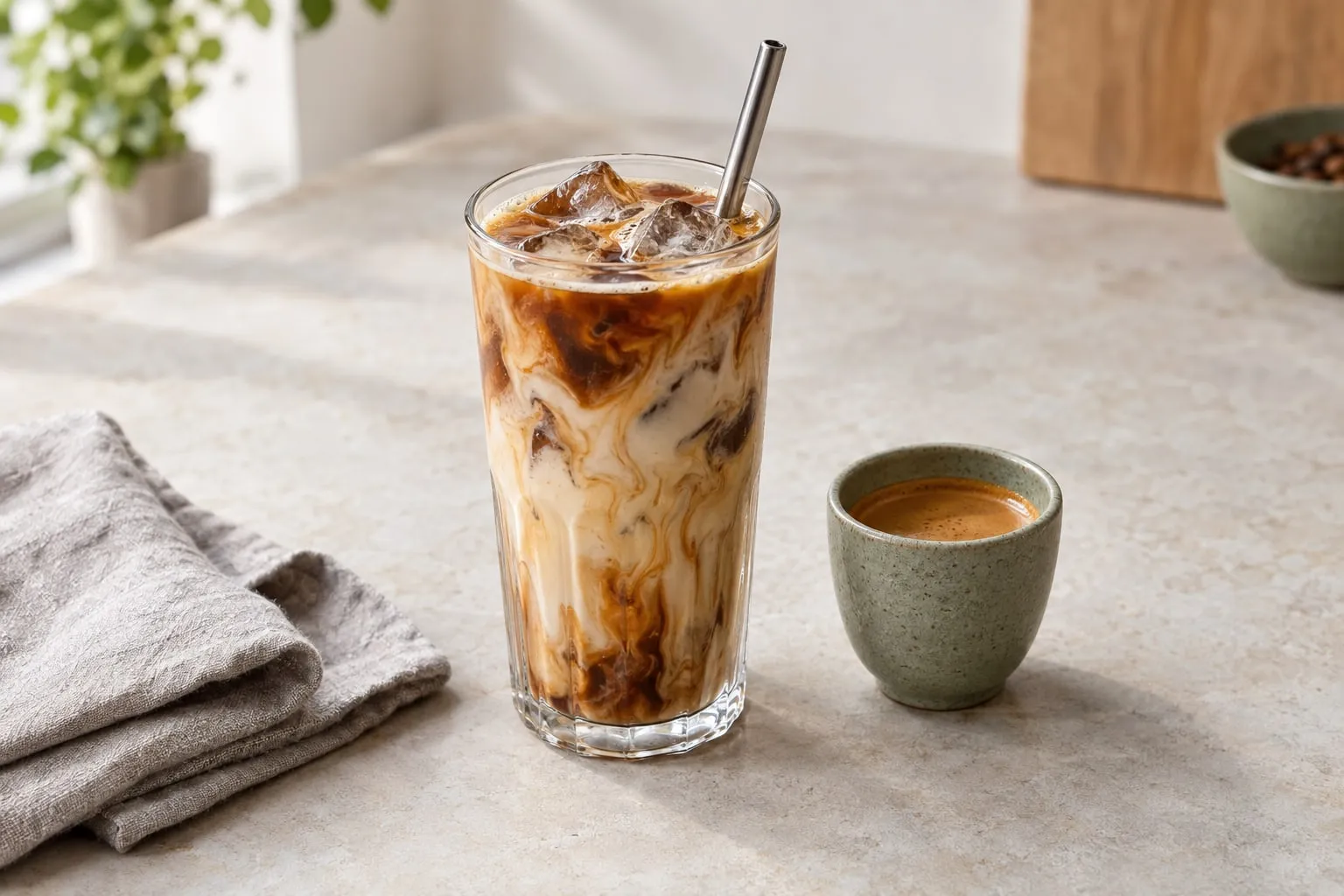
 31 g protein
Category · 16 recipes
Protein Shakes and Smoothies
Sixteen shakes and smoothies counted per glass, from a 196 kcal fruit blend to a 50 g protein shake.
27–51 g proteinper serving, calculated from CoFID
All shakes & smoothies recipes
16 recipes, most popular first31 g protein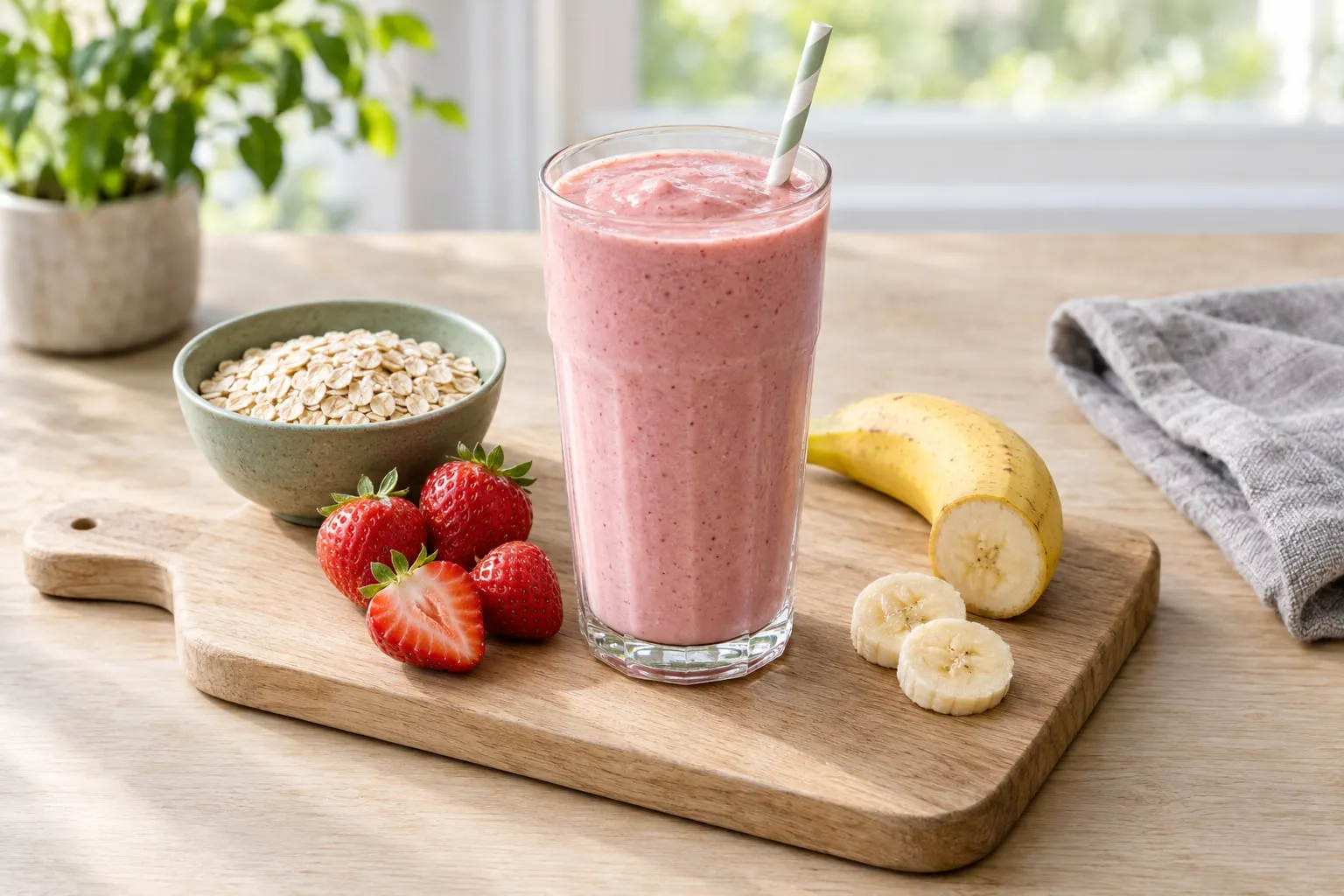 32 g protein
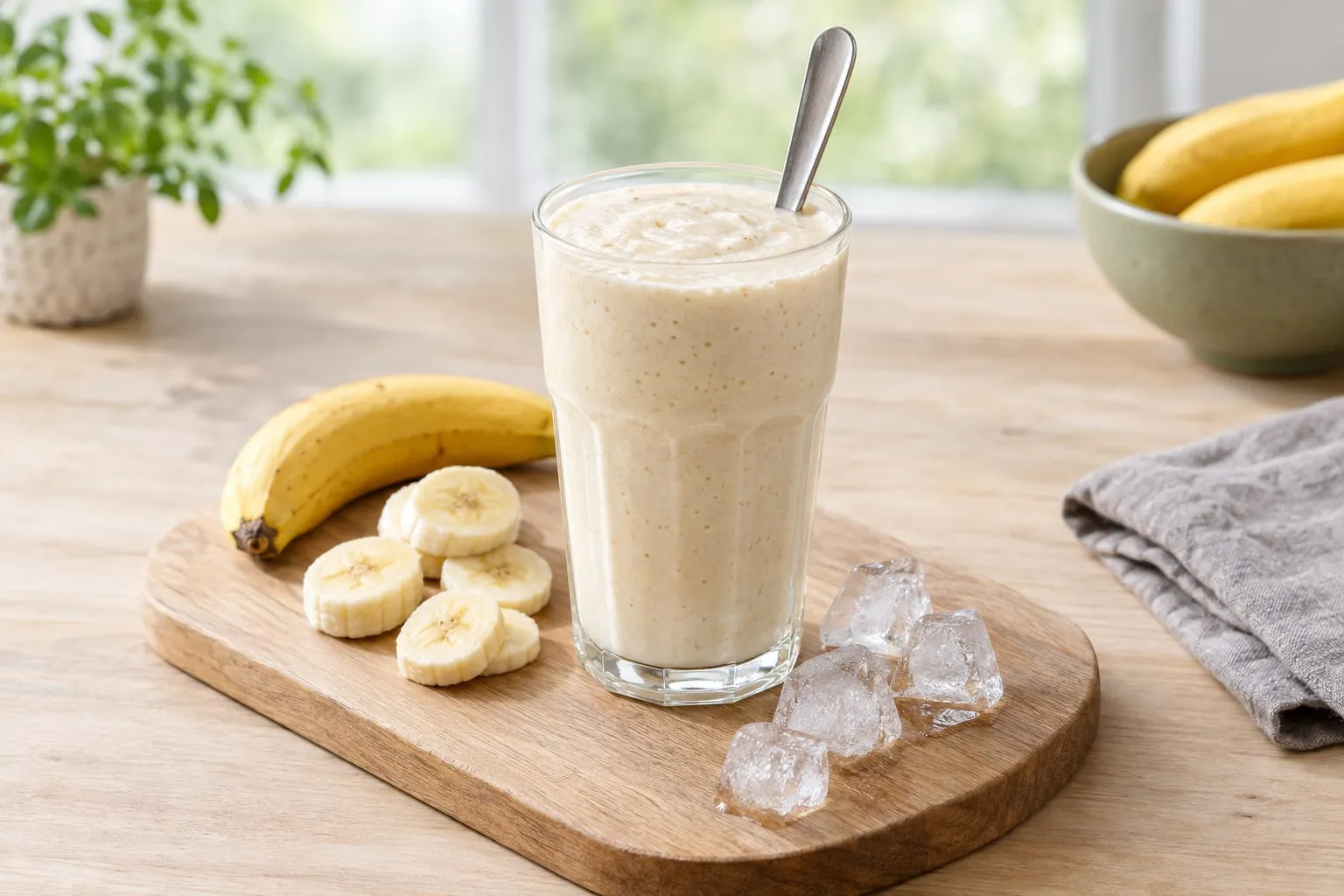 31 g protein
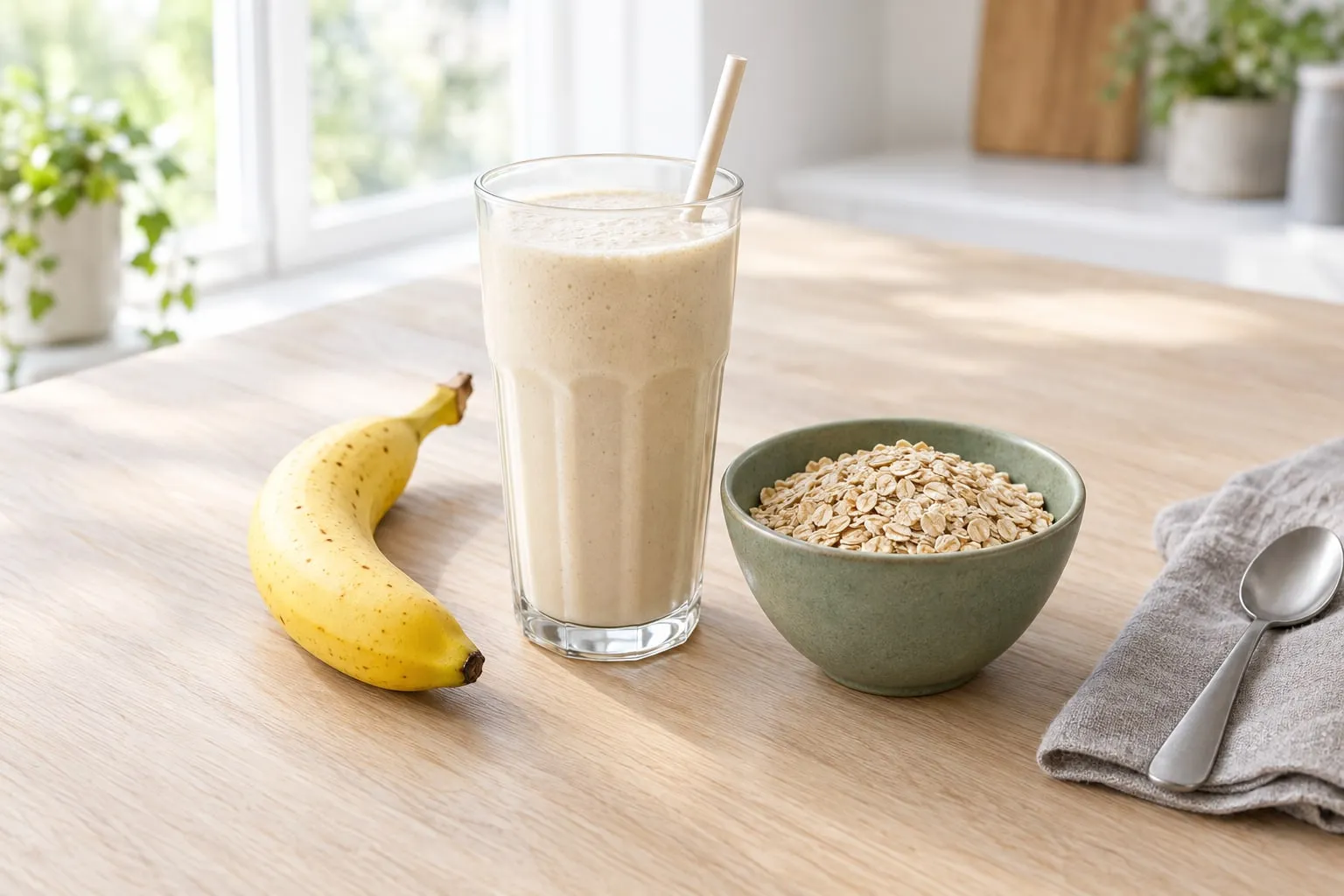 38 g protein
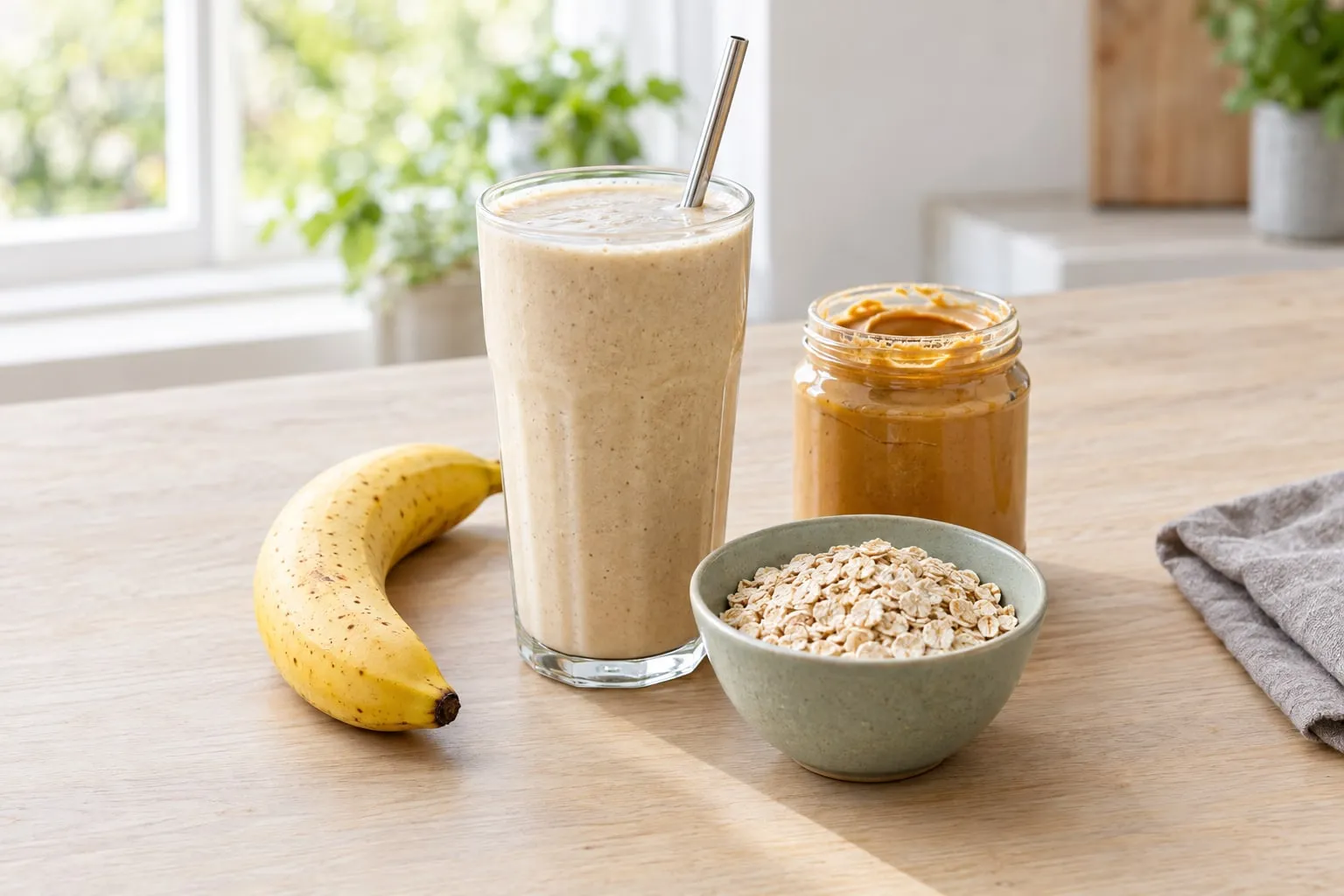 51 g protein
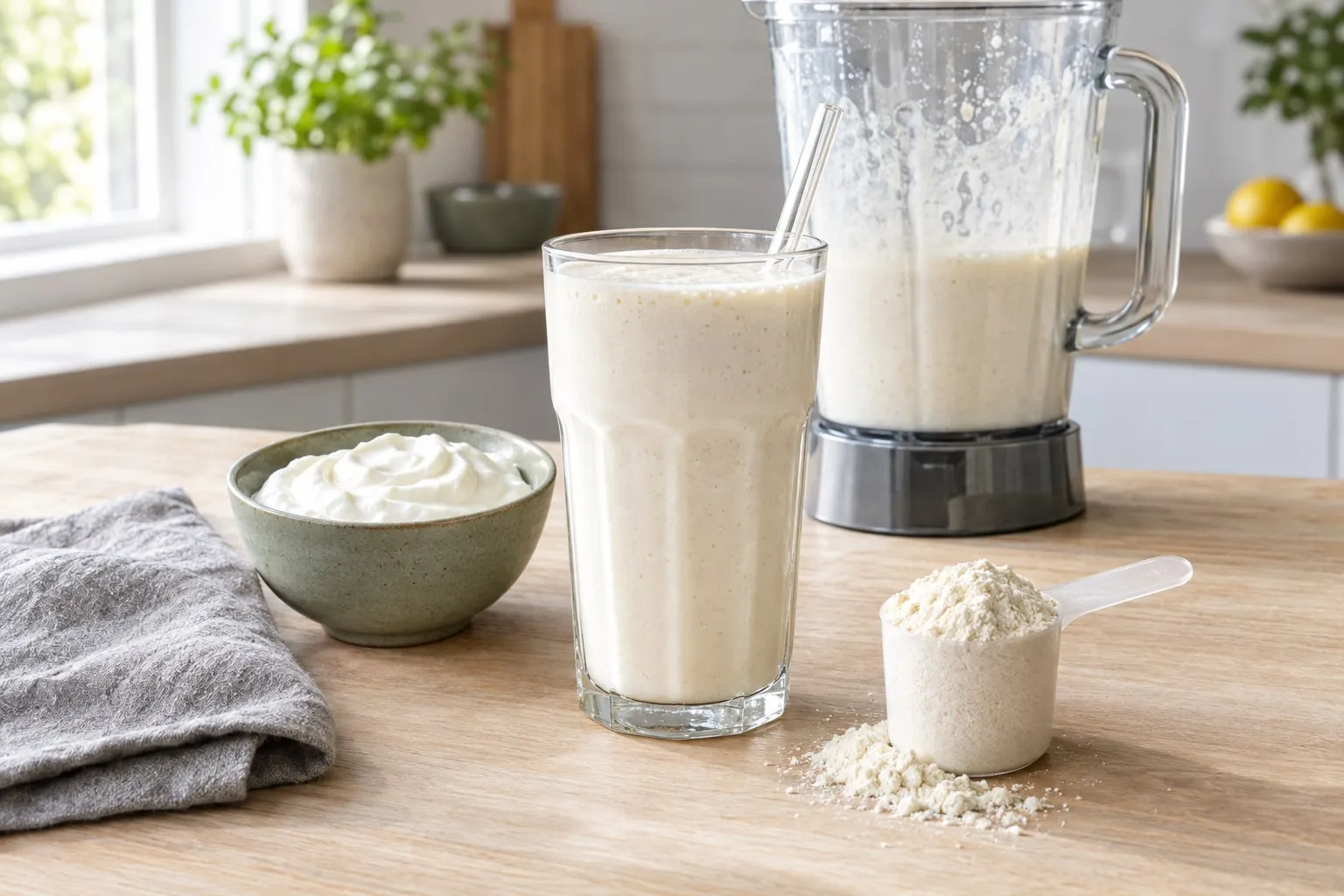 51 g protein
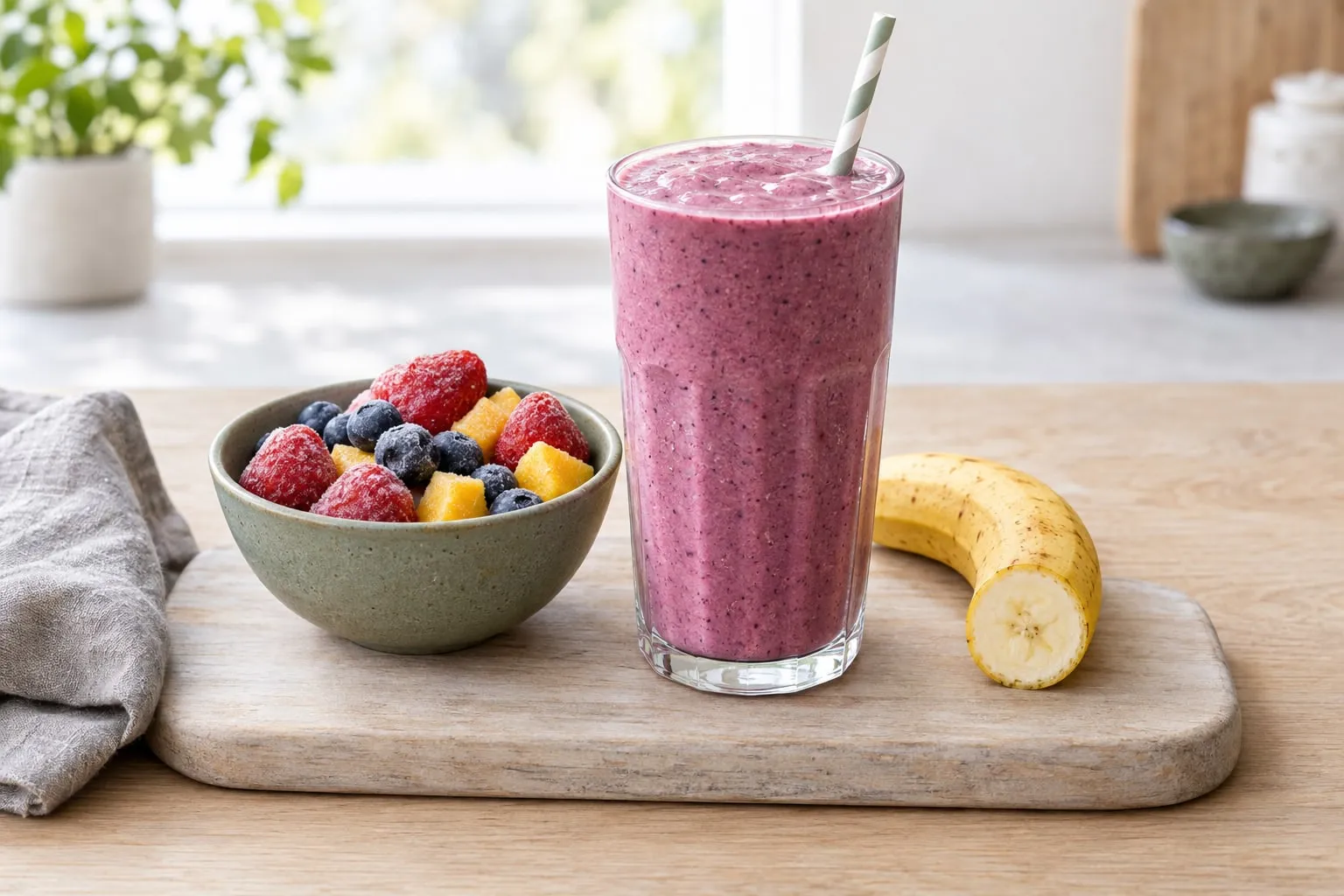 29 g protein
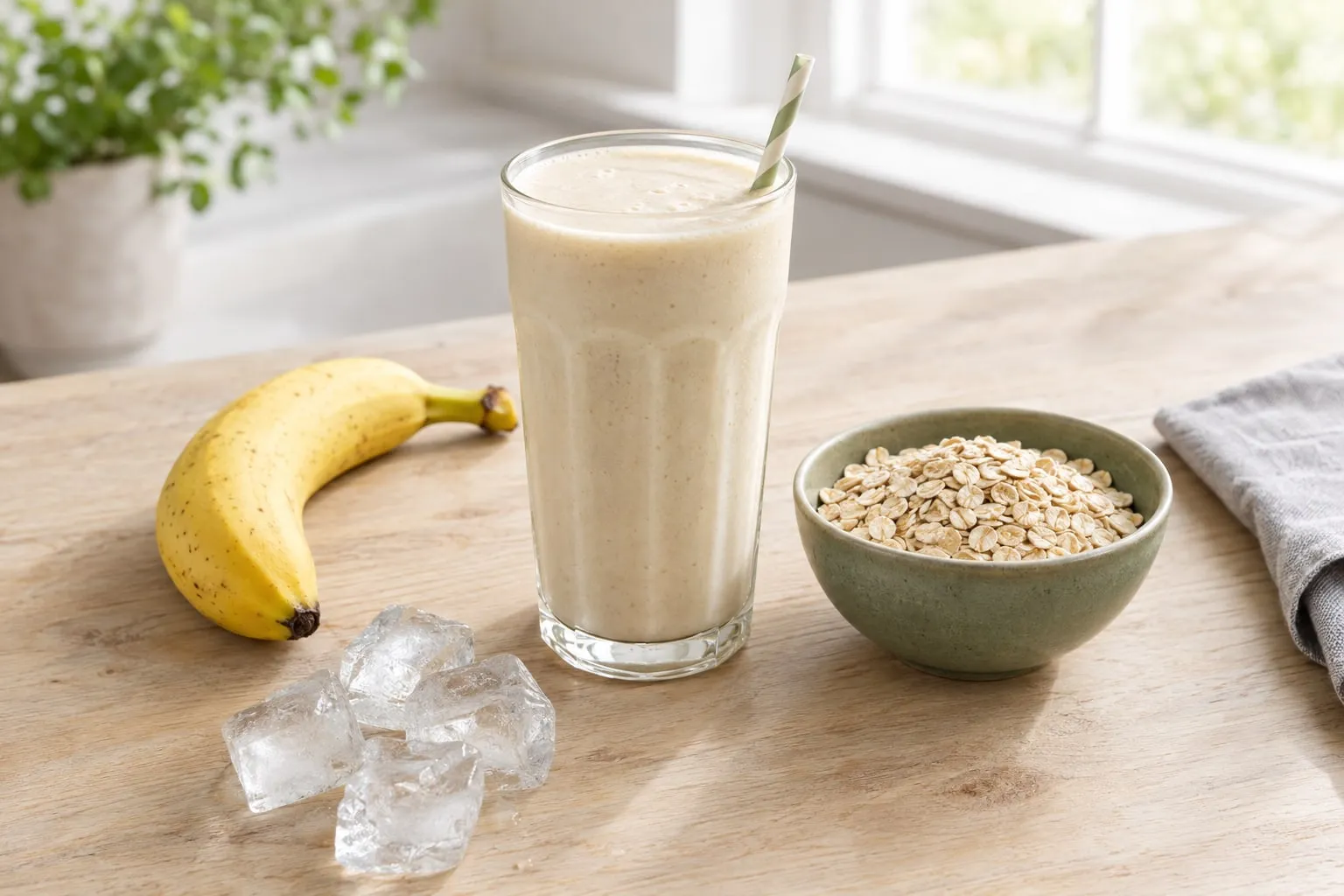 46 g protein
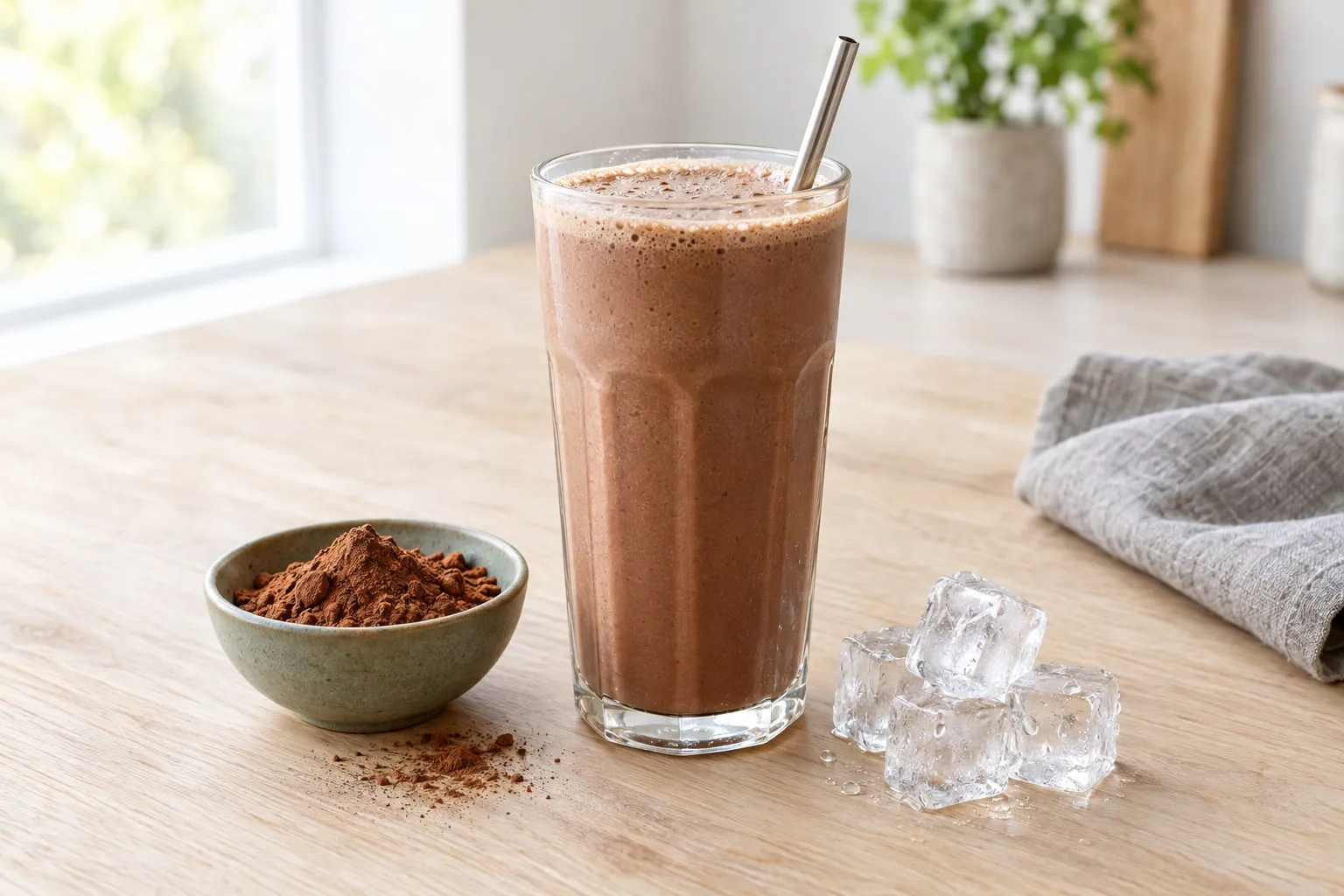 34 g protein
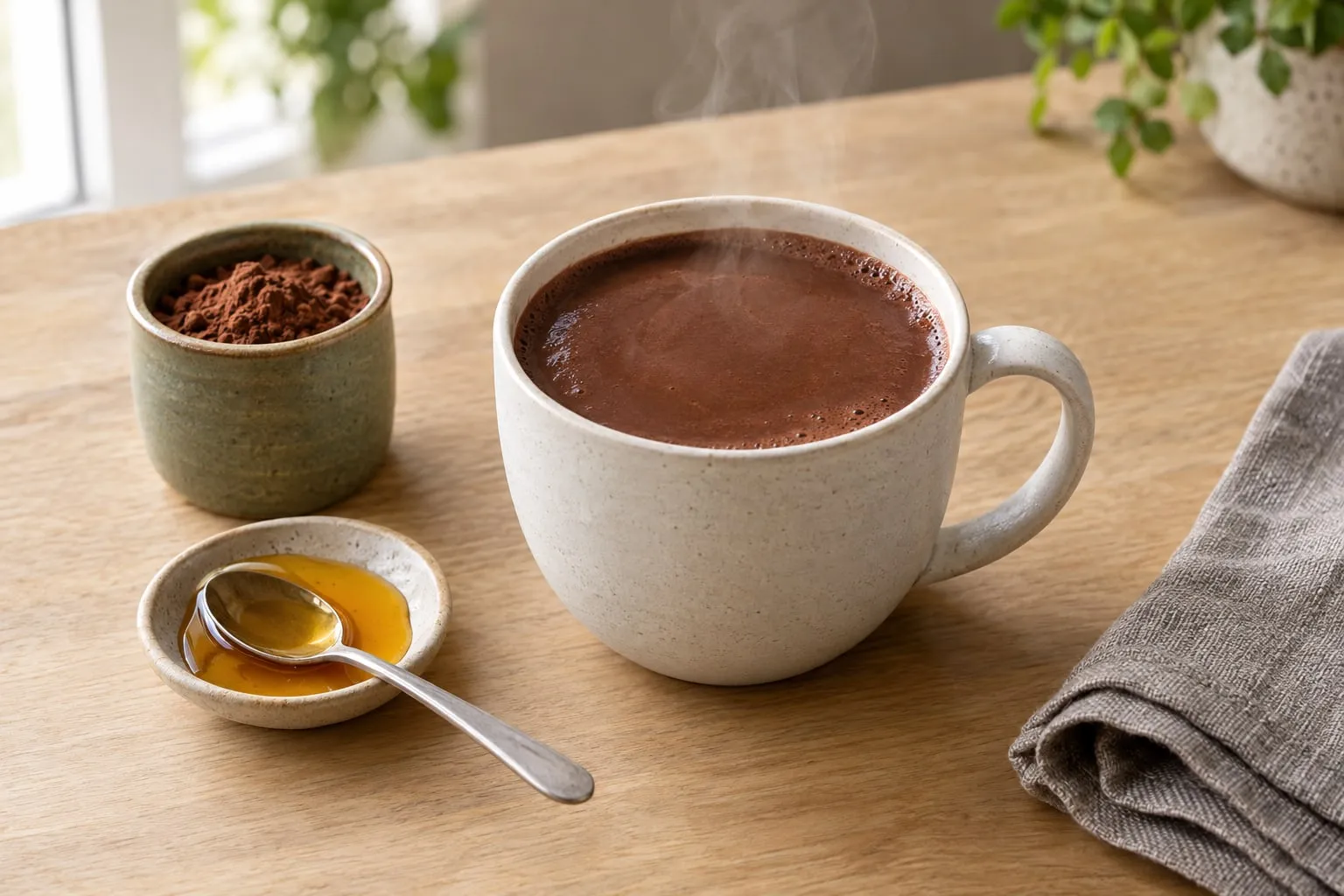 33 g protein
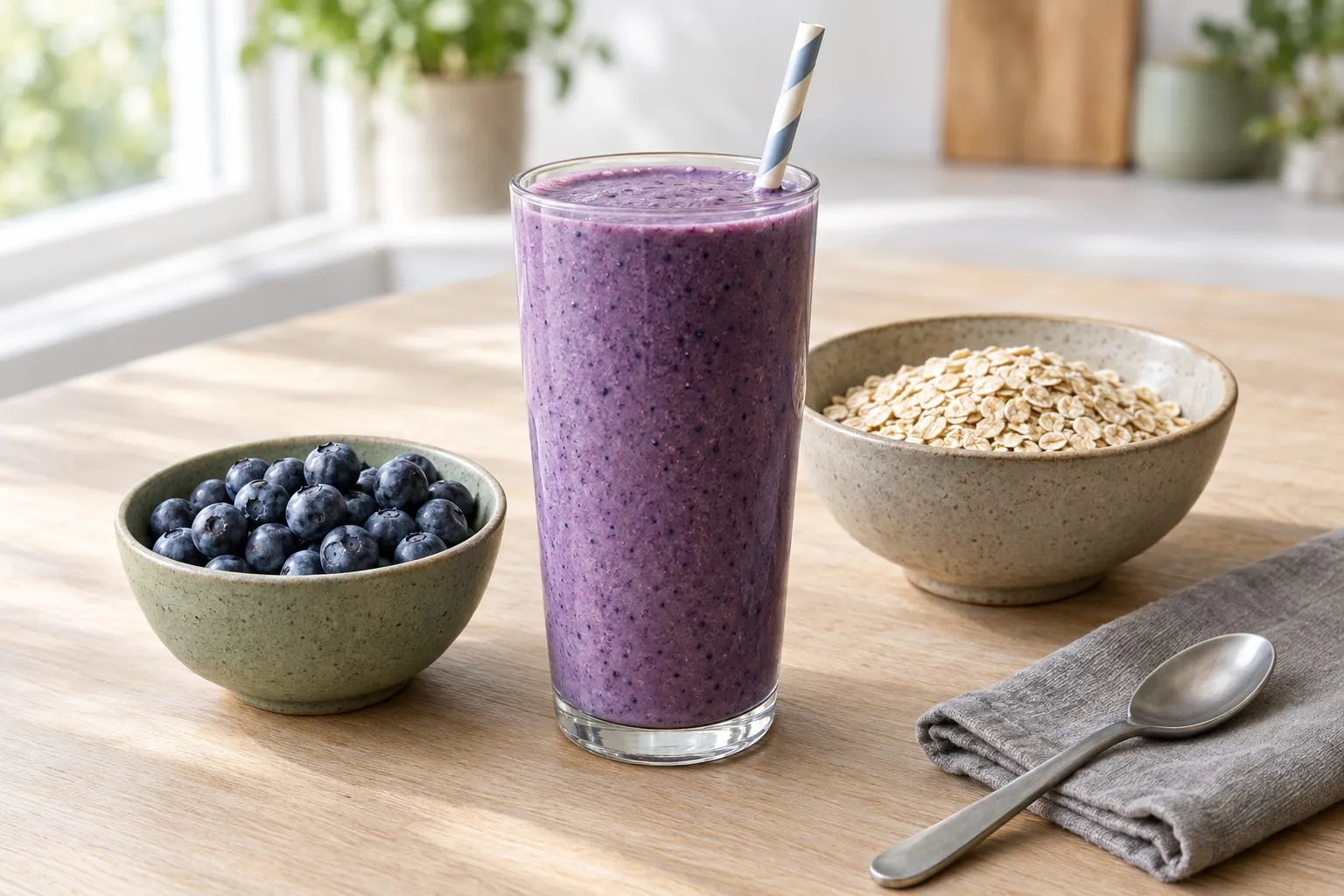 27 g protein
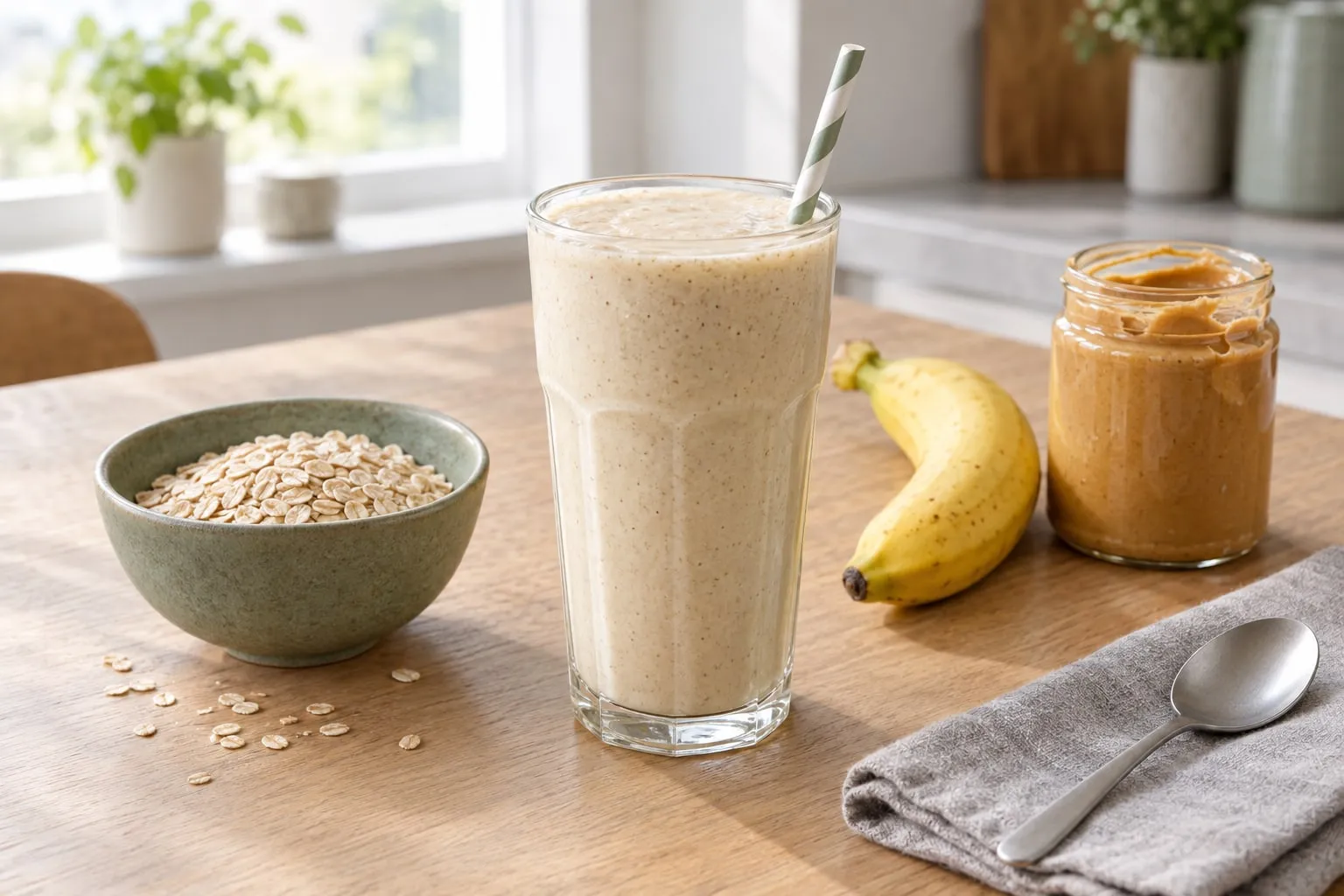 30 g protein
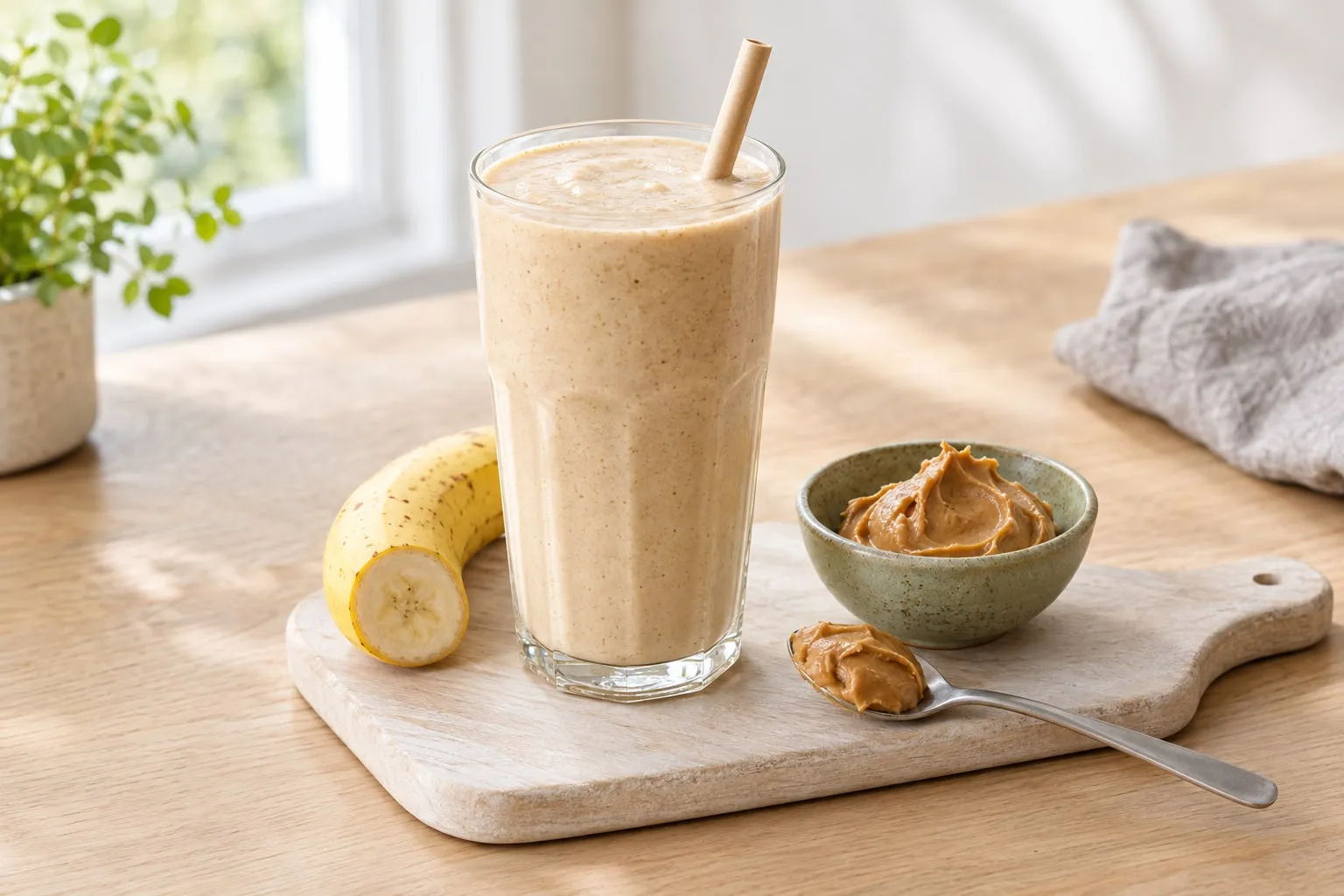 28 g protein
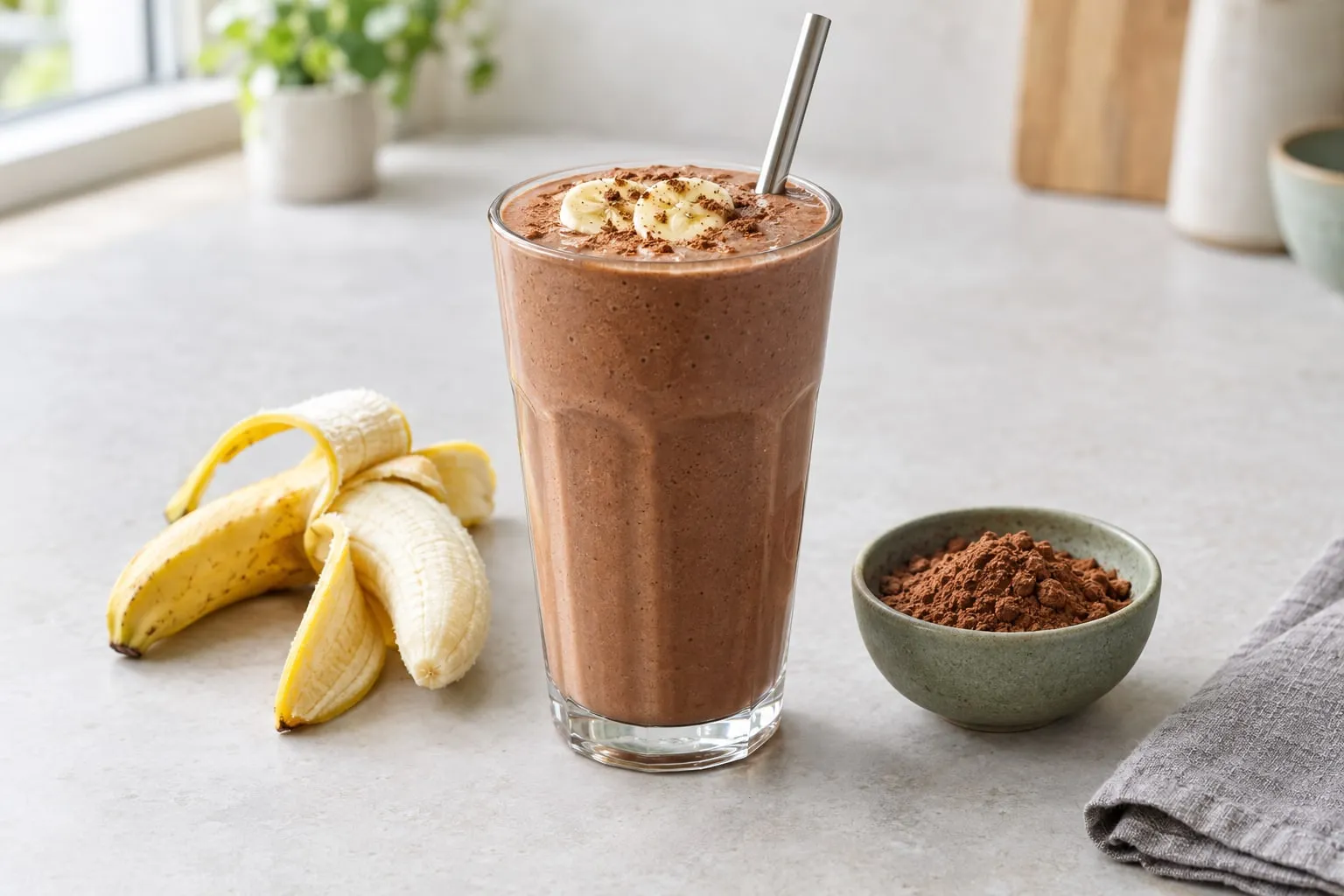 36 g protein
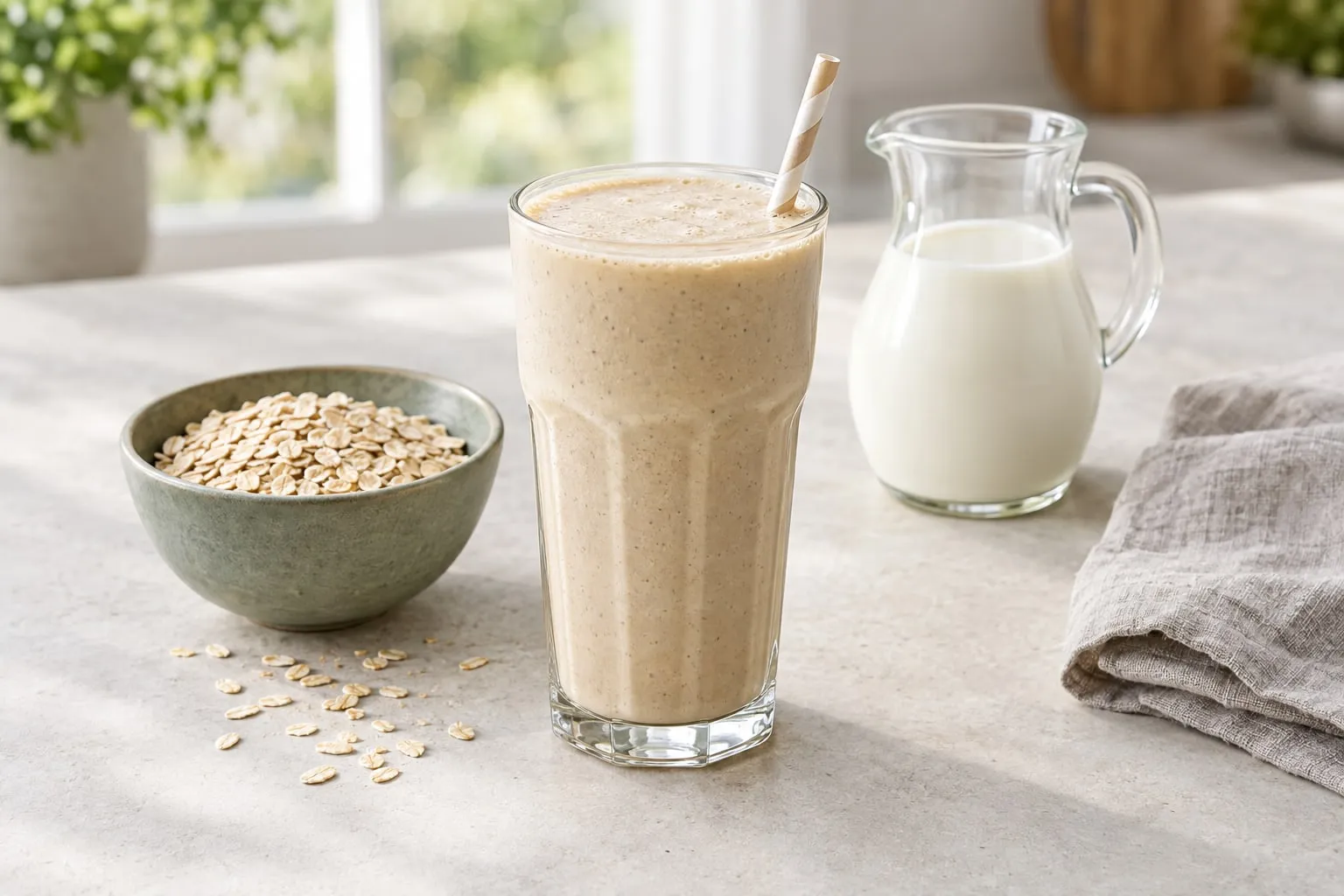 37 g protein
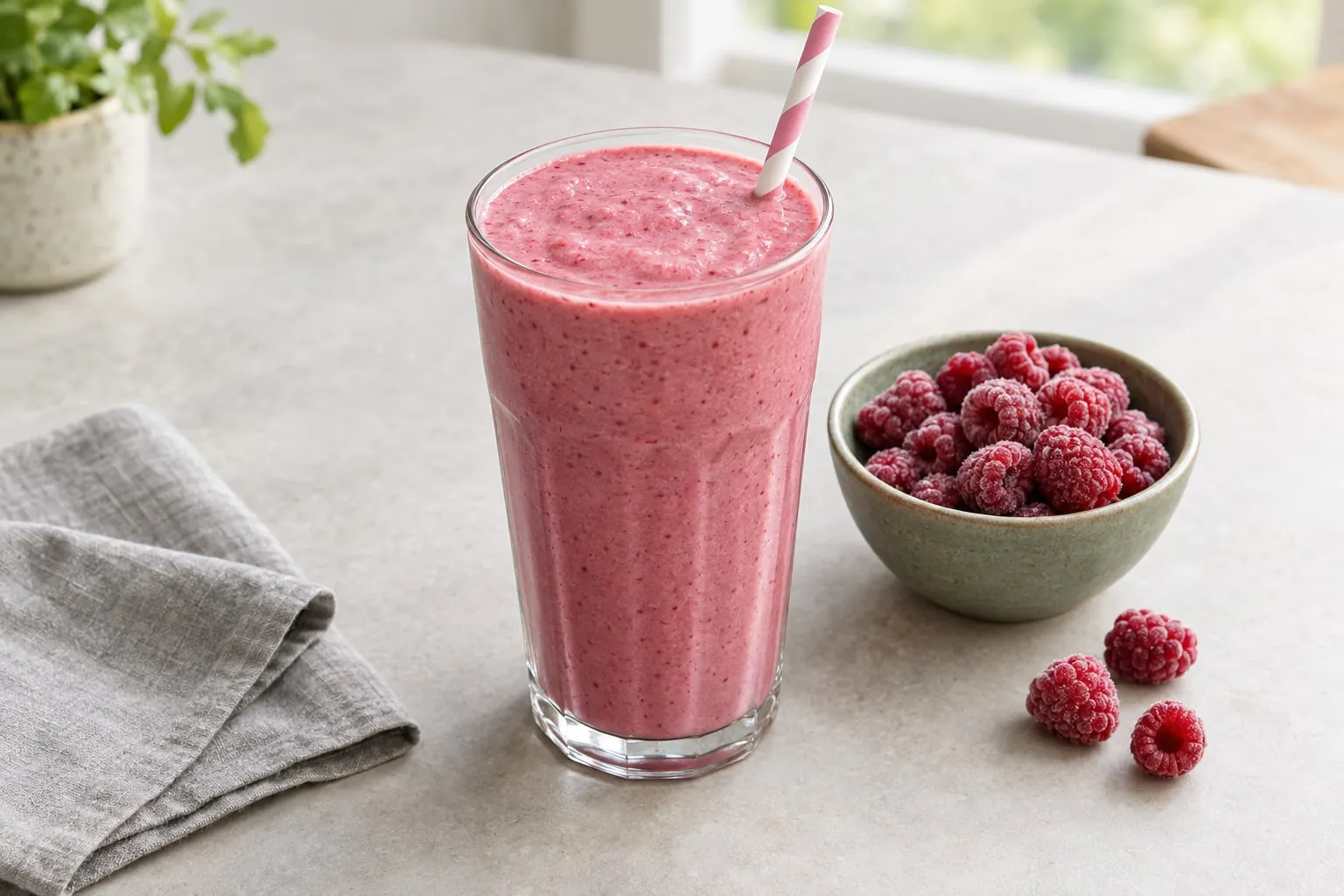 27 g protein
Compare protein and calories
Every recipe on this page per serving, highest protein first. Figures are calculated from the ingredient list using CoFID.
| Recipe | Protein | Energy | From protein | Time |
|---|---|---|---|---|
| 50g Protein Shakeper glass | 51 g | 344 kcal | 59% | 3 min |
| High Calorie Protein Shakeper glass | 51 g | 858 kcal | 24% | 5 min |
| Post-Workout Protein Shakeper glass | 46 g | 523 kcal | 35% | 4 min |
| Homemade Protein Shakeper glass | 38 g | 447 kcal | 34% | 3 min |
| Oat Protein Shakeper glass | 37 g | 404 kcal | 37% | 10 min |
| Chocolate Banana Protein Smoothieper glass | 36 g | 322 kcal | 44% | 5 min |
| Chocolate Protein Shakeper glass | 34 g | 268 kcal | 51% | 3 min |
| Protein Hot Chocolateper mug | 33 g | 280 kcal | 47% | 5 min |
| Protein Smoothieper glass | 32 g | 387 kcal | 33% | 5 min |
| Protein Iced Coffee (Proffee)per glass | 31 g | 230 kcal | 55% | 7 min |
| Protein Milkshakeper glass | 31 g | 287 kcal | 43% | 5 min |
| Protein Breakfast Smoothieper glass | 30 g | 467 kcal | 26% | 5 min |
| Protein Fruit Smoothieper glass | 29 g | 376 kcal | 31% | 5 min |
| Peanut Butter Banana Protein Smoothieper glass | 28 g | 375 kcal | 30% | 5 min |
| Protein Kefir Smoothieper glass | 27 g | 332 kcal | 33% | 5 min |
| Low Calorie High Protein Smoothieper glass | 27 g | 196 kcal | 55% | 5 min |
A scoop of whey gives about 22 g protein on its own, so a shake needs only a second ingredient to pass 30 g. Milk, strained yogurt, kefir, oats and peanut butter all add some, and the recipes below use them in different ratios. Each is counted per glass, so you can match a shake to breakfast, a post-training drink or an afternoon snack.
Classic protein shakes with 31–38 g protein
The homemade protein shake is the all-rounder, with 38 g protein and 447 kcal a glass. For something lighter, the chocolate protein shake gives 34 g and 268 kcal, and the protein milkshake gives 31 g and 287 kcal. Winter drinkers can have the protein hot chocolate, which gives 33 g and 280 kcal in a mug, and the protein iced coffee (Proffee) gives 31 g and 230 kcal.
Smoothies with fruit
Smoothies bring fruit and fibre alongside the protein. The basic protein smoothie gives 32 g and 387 kcal, the protein fruit smoothie 29 g and 376 kcal, and the protein breakfast smoothie 30 g and 467 kcal because oats go in. Peanut butter banana smoothie gives 28 g and 375 kcal, and the chocolate banana protein smoothie gives 36 g and 322 kcal. The low calorie protein smoothie has 196 kcal and 27 g protein, and the protein kefir smoothie has 27 g and 332 kcal.
A frozen banana makes a smoothie thick without ice, and a handful of frozen berries or spinach adds volume for very few calories. Blend the liquid first, then the powder, then the frozen fruit, which stops powder from sticking to the bottom of the jug.
High protein shakes for training and weight gain
Larger shakes suit heavy training days. The post-workout protein shake gives 46 g protein and 523 kcal, the oat protein shake gives 37 g and 404 kcal, and the 50g protein shake gives 51 g and 344 kcal. The high calorie protein shake is the big one, at 51 g protein and 858 kcal. Compare them with the daily advice in the guides on protein before or after a workout and how much protein to build muscle.
Put the oats in the blender dry and blitz them to a flour first, then add the liquid, otherwise the shake is lumpy. A tablespoon of peanut butter adds about 4 g protein and around 100 kcal, and a medium banana adds sweetness and bulk for around 80 kcal. If a shake tastes too thick, add 50–100 ml cold water or milk and blend again.
Choosing powder and liquid
Whey is the default and blends smoothly. Casein is thicker, and a vegan powder made from pea and rice is grainier, so it needs more liquid. Choose a powder by protein per 100 g on the label, as scoops differ in size, and weigh 30 g rather than relying on the scoop. Semi-skimmed milk has 3.5 g protein per 100 ml, so 300 ml adds around 10 g, while an oat or almond drink adds much less.
For anyone avoiding powder, strained Greek yogurt, skyr and quark carry the protein instead. The guide on protein in Greek yogurt compares them, and are protein shakes good for you answers common questions about shakes as part of a normal diet.
Texture is the other thing to get right. Ice makes a shake colder but thinner, while frozen fruit thickens it, so choose one or the other. A pinch of cinnamon or a teaspoon of cocoa powder changes the flavour for almost no calories, and a shot of cooled espresso turns a vanilla shake into a coffee one.
Making and storing shakes
Shake or blend for 20–30 seconds, drink straight away or keep in a lidded bottle in the fridge for up to 24 hours. Shake again before drinking. Never leave a milk-based shake out for hours. For a portable version, put the dry powder in a bottle and add cold milk when you need it.
Frozen bananas and berries are cheaper than fresh in most supermarkets and keep for months, so a bag in the freezer is enough to make a smoothie any day. Check how much protein you need per day to see how a shake fits your target, and see do protein shakes help you lose weight for the evidence on shakes and diets.
Frequently asked questions
How much protein is in a homemade protein shake?
Between 27 g and 51 g in these recipes. The homemade protein shake gives 38 g and 447 kcal, and the chocolate protein shake gives 34 g and 268 kcal.
How do you make a protein smoothie without protein powder?
Use strained 0% fat Greek yogurt, skyr, quark or kefir as the base. Strained Greek yogurt has about 10 g protein per 100 g, and the protein kefir smoothie gives 27 g a glass.
What are the best protein smoothie recipes for weight loss?
The low calorie protein smoothie gives 27 g protein for 196 kcal. Fruit, ice and a scoop of whey keep calories low.
How much whey goes in a protein shake?
One scoop is about 30 g and gives roughly 22 g protein. Add milk, yogurt or oats for the rest. The 50g protein shake uses more of these to reach 51 g.
Can you make a protein shake the night before?
Yes, shake or blend and keep it in a lidded bottle in the fridge for up to 24 hours. Stir or shake again before drinking, because it separates.
Updated 22 November 2026 by The Protein Recipes editorial team.