Protein guide
How Much Protein Is in an Egg?
Quick answer
One medium egg (about 50 g without the shell) has 6.3 g protein and 66 kcal raw, and about 7 g once boiled. Raw whole egg contains 12.6 g protein per 100 g, according to the UK food composition tables.
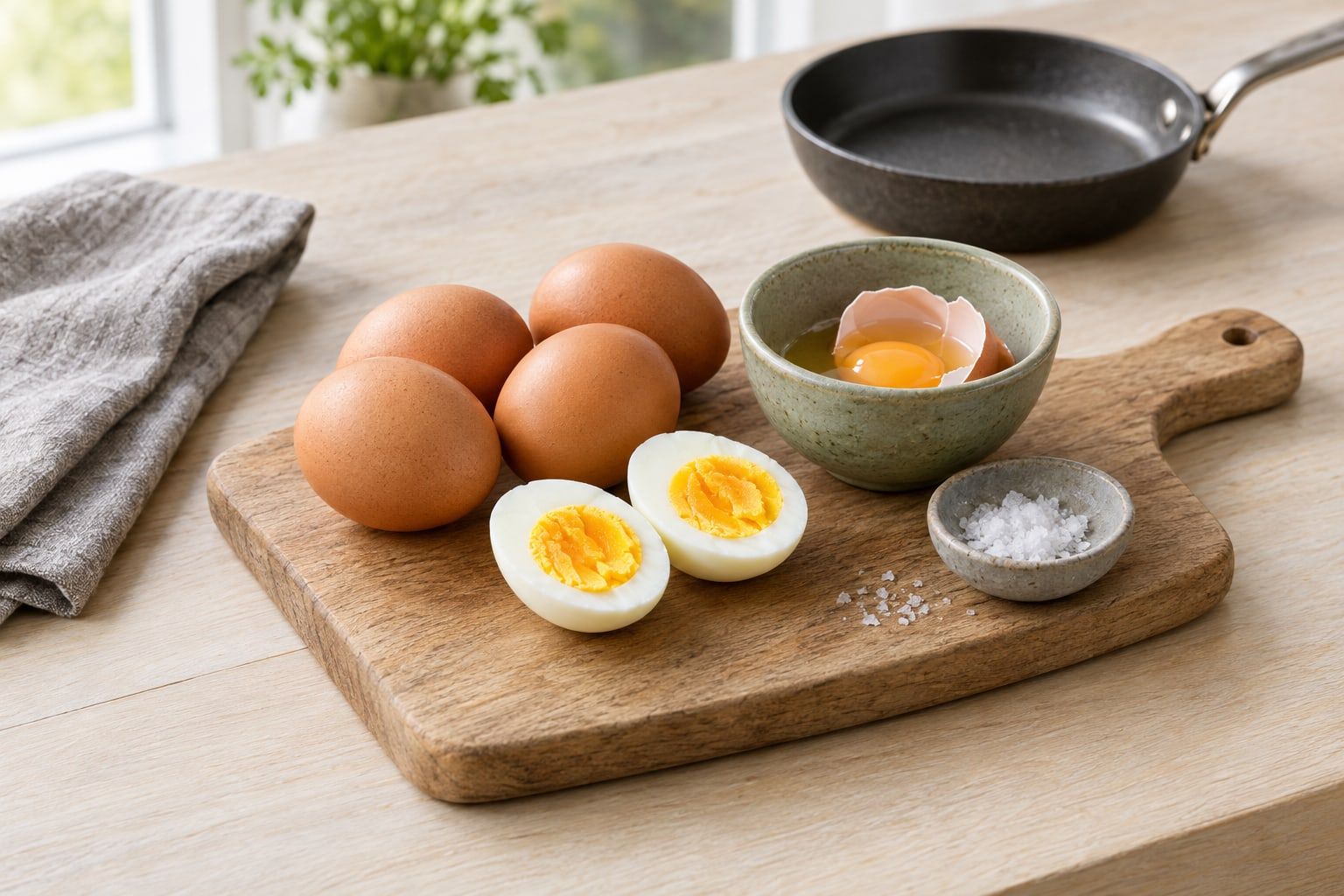
How much protein in an egg depends on its size: a medium egg gives 6.3 g protein and 66 kcal raw, and a large egg gives 7.3 g. That is roughly 12.6 g of protein per 100 g of raw whole egg, which is about 38% of its energy.
The figures that move are weight and cooking. A medium egg is about 50 g without the shell and a large one about 58 g, so the protein per egg shifts by a gram between sizes. Boiling, frying and scrambling change the per 100 g value because water is lost or fat and milk are added, not because protein is created. Fried without fat shows 16.0 g per 100 g, and scrambled with milk 11.0 g, but the protein in each whole egg is the same.
For everyday counting, use the portion table: about 6–7 g per medium egg and 19 g for three. Weigh the eggs raw if you want precision, count the shell-free weight, and add the cooking fat separately if energy matters.
| Food | Protein | Energy | Fat |
|---|---|---|---|
| Whole egg, raw | 12.6 g | 131 kcal | 9.0 g |
| Whole egg, boiled | 14.1 g | 143 kcal | 9.6 g |
| Whole egg, poached | 13.3 g | 149 kcal | 10.6 g |
| Whole egg, fried without fat | 16.0 g | 167 kcal | 11.4 g |
| Whole egg, fried in sunflower oil | 14.7 g | 200 kcal | 15.7 g |
| Whole egg, scrambled without milk | 14.6 g | 152 kcal | 10.4 g |
| Whole egg, scrambled with semi-skimmed milk | 11.0 g | 237 kcal | 21.2 g |
Source: CoFID – McCance and Widdowson's Composition of Foods Integrated Dataset 2021 (codes 12-937, 12-940, 12-943, 12-962, 12-944, 12-963, 12-945)
| Portion | Weight | Protein | Energy |
|---|---|---|---|
| 1 medium egg, raw | about 50 g | 6.3 g | 66 kcal |
| 1 medium egg, boiled | about 50 g | 7.1 g | 72 kcal |
| 1 large egg, raw | about 58 g | 7.3 g | 76 kcal |
| 2 medium eggs, raw | about 100 g | 12.6 g | 131 kcal |
| 3 medium eggs, raw | about 150 g | 18.9 g | 197 kcal |
Source: Calculated from CoFID raw and boiled values; weights are typical for UK medium and large eggs without shell
How much protein is in one egg?
A medium egg weighs about 50 g without the shell, and raw whole egg contains 12.6 g protein per 100 g. That gives 6.3 g protein and 66 kcal per egg. A large egg of about 58 g gives 7.3 g protein and 76 kcal. Around 38% of the energy in a raw egg comes from protein, which is why eggs are a convenient base for a high protein breakfast. The figures are for the edible part only, so the shell is not counted.
How much protein is in a boiled egg?
A boiled medium egg has about 7 g protein and 72 kcal. The table lists boiled whole egg at 14.1 g protein per 100 g, which is higher than the 12.6 g for raw egg. Cooking has not created extra protein: the egg loses a little water, so the same amount of protein is spread over a slightly smaller weight. When you count protein, using the raw figure per egg or the portion table gives a reliable number.
How much protein is in three eggs?
Three medium eggs weigh around 150 g and have 18.9 g protein and 197 kcal raw. Three large eggs give about 22 g. For a scramble or omelette, that makes roughly a third of the 53–58 g a 70 kg adult needs on the reference intakes in the section below. Eggs are often mixed with other protein foods such as cottage cheese or ham, so the total on the plate is higher than the eggs alone.
Does frying or scrambling change the protein in an egg?
Protein per 100 g varies from 11.0 g to 16.0 g depending on how the egg is cooked, but most of that comes from water loss and added ingredients. Fried without fat the egg loses the most water, so the figure is highest at 16.0 g. Scrambled with semi-skimmed milk gives 11.0 g, because the milk dilutes the eggs, and it also has far more fat and energy at 237 kcal per 100 g. Frying in sunflower oil raises the energy to 200 kcal per 100 g.
How many eggs fit into a day's protein?
The UK Reference Nutrient Intake for adults is 0.75 g protein per kg of body weight a day (COMA, 1991), and the European Food Safety Authority sets its reference intake at 0.83 g per kg. For a 70 kg adult that is roughly 53–58 g a day. The reference intake used on UK food labels is 50 g. One medium egg supplies about 12% of 53 g. Most people eat a mix of foods, so eggs are one part of the total rather than the only source.
Practical tips
- Count by egg size
Egg sizes vary. A large egg without shell is about 58 g and a medium egg about 50 g, so counting the number of eggs by size is accurate enough for most meal planning.
- Count protein from the raw weight
Cooked eggs list a higher figure per 100 g only because they lose water. Use the per-egg figure rather than weighing a cooked egg, and the protein will not be overcounted.
- Add the cooking fat to your count
Frying in oil or scrambling with milk and butter adds energy but only a little protein. If you are tracking energy, count the fat as well.
Myth or fact
- Myth
Is it true that brown eggs have more protein than white eggs?
No. The shell colour depends on the breed of hen and does not change the protein content of the egg inside.
- Myth
Is it true that raw eggs have more protein than cooked eggs?
No. Cooking does not remove protein, and cooked egg protein is generally easier to digest. Raw eggs also carry a small risk of salmonella, which cooking removes.
Frequently asked questions
How many grams of protein are in a medium egg?
A medium raw egg (about 50 g) has 6.3 g protein and 66 kcal. Boiled, it has about 7.1 g protein.
How much protein is in a boiled egg?
A boiled medium egg has about 7.1 g protein and 72 kcal. The per 100 g figure for boiled egg is 14.1 g.
How much protein is in 3 eggs?
Three medium raw eggs have about 18.9 g protein and 197 kcal. Three large eggs give around 22 g.
How much protein is in 2 eggs?
Two medium raw eggs weigh about 100 g and have 12.6 g protein and 131 kcal.
Do eggs raise cholesterol?
Eggs contain cholesterol, and the effect on blood cholesterol varies between people. If you have high cholesterol or a heart condition, speak to your GP or a registered dietitian about how many eggs suit you.
Recipes to try

High Protein Egg Muffins
31 g protein265 kcal45 min
Whole eggs baked with vegetables into portable muffins for a week of breakfasts.

Cottage Cheese Omelette
37 g protein369 kcal8 minVegetarianGluten-free
Cottage cheese beaten into the omelette lifts the protein above eggs alone.
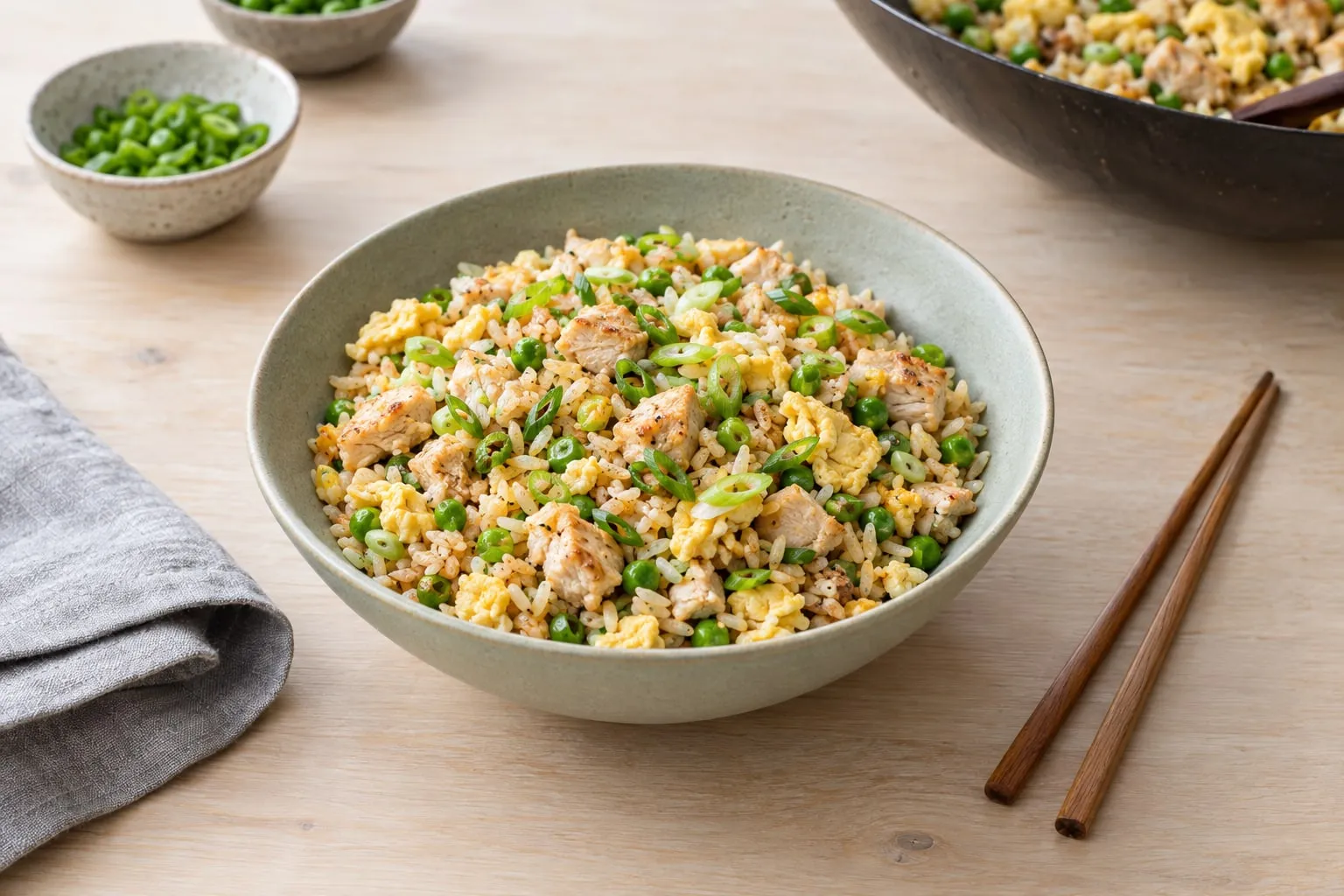
High Protein Egg Fried Rice
34 g protein462 kcal50 min
Scrambled eggs stirred through rice for a quick dinner with protein in every serving.
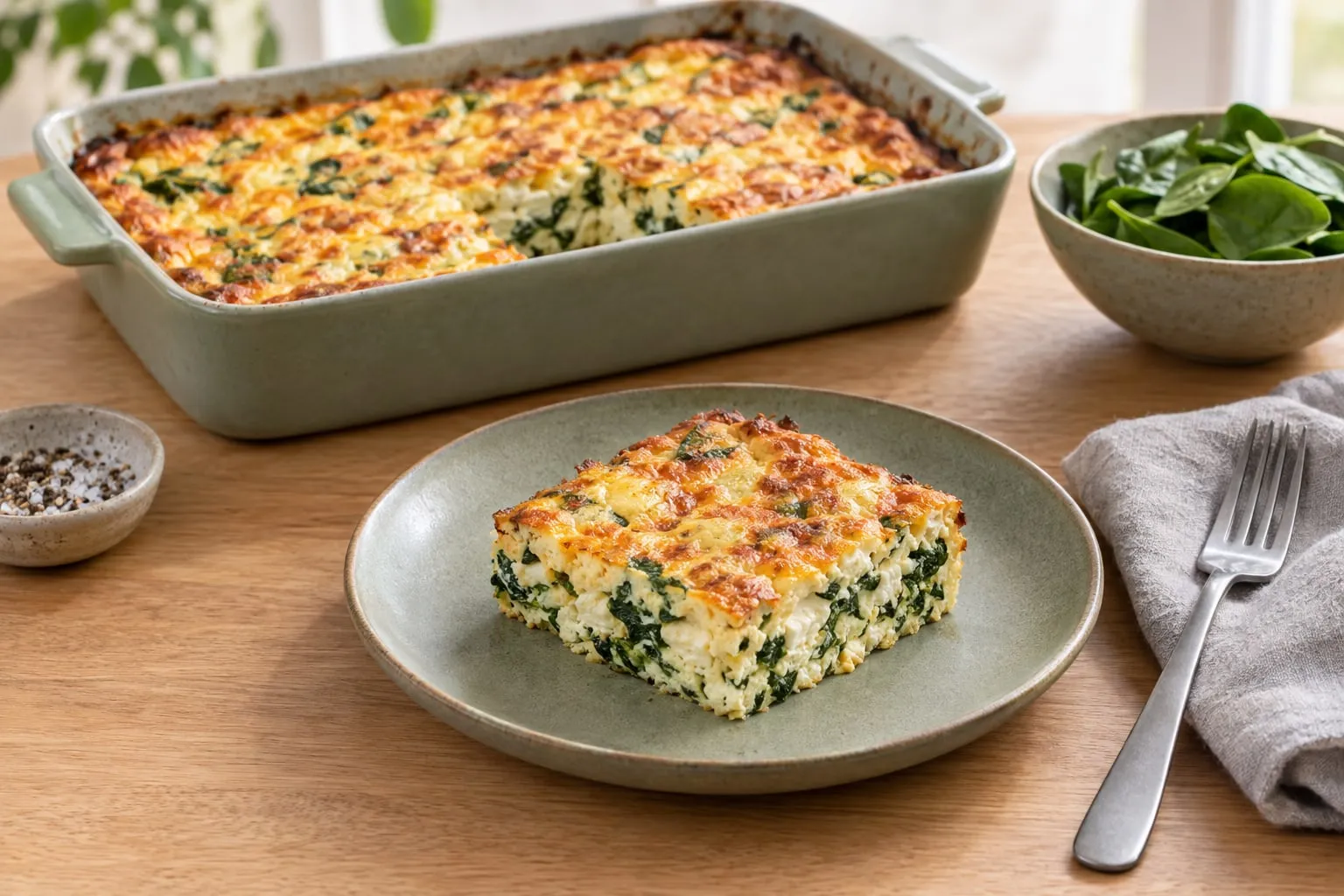
Cottage Cheese and Egg Bake
22 g protein190 kcal55 minVegetarianGluten-free
A baked dish of eggs and cottage cheese that cuts into portions for the week.
Sources
- McCance and Widdowson's Composition of Foods Integrated Dataset 2021 (CoFID) – Values for raw, boiled, poached, fried and scrambled whole egg
- European Food Safety Authority (EFSA) – Dietary Reference Value of 0.83 g protein per kg body weight per day for adults
- Committee on Medical Aspects of Food Policy (COMA), 1991 – UK Reference Nutrient Intake of 0.75 g protein per kg body weight per day for adults
Read our editorial policy for how figures are checked and how to report a mistake.
More protein guides
All guides
Guide
How Much Protein Is in Egg Whites?
Protein in egg whites: raw egg white has 10.8 g protein per 100 g and 43 kcal. Values per white, per 100 g and compared with whole eggs and yolks.
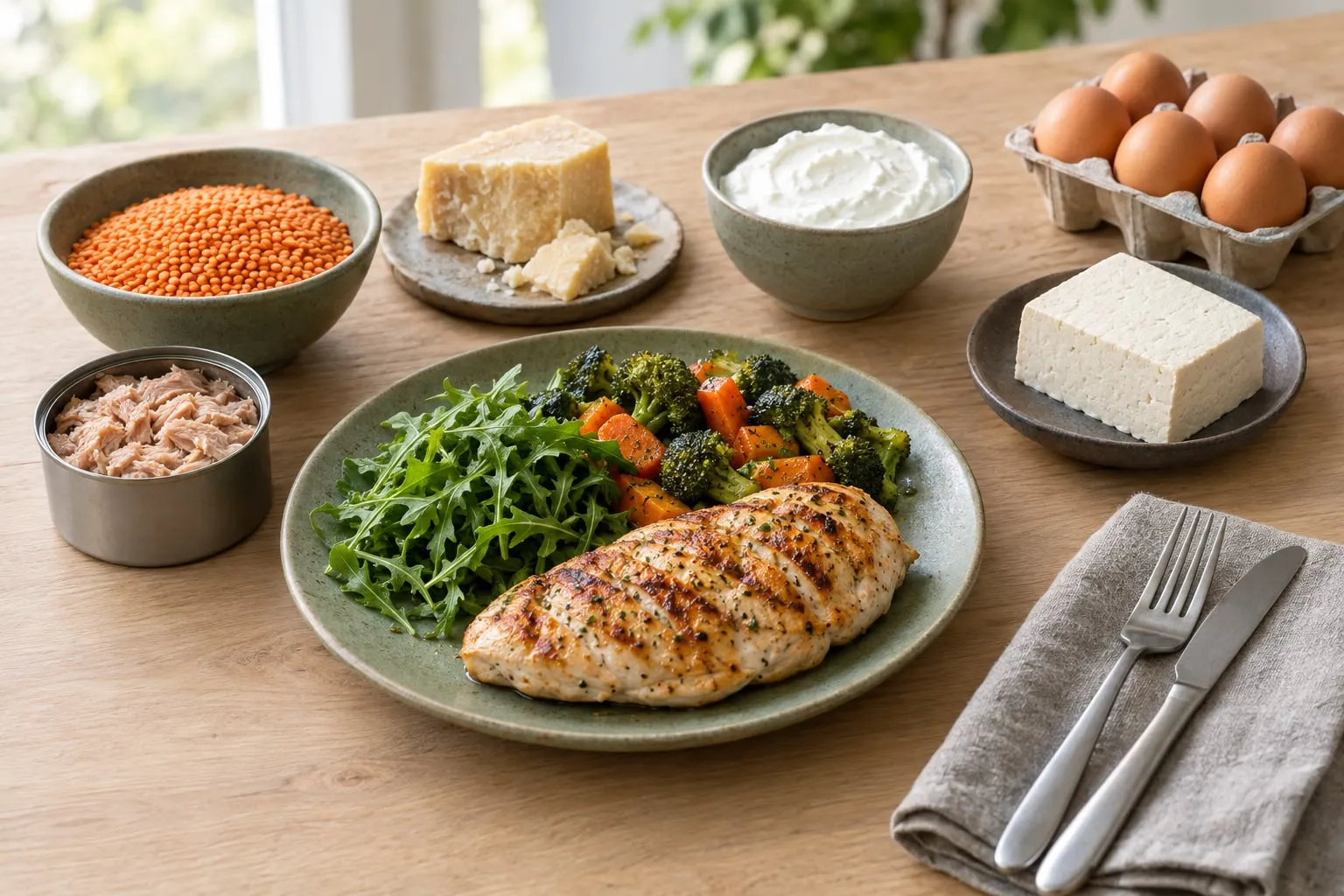
Guide
High Protein Foods: A Ranked List
High protein foods ranked by protein per 100 g and per 100 kcal: Parmesan has 36.2 g, grilled chicken 32.0 g, dried red lentils 25.6 g and egg white 10.8 g.
Guide
How Much Protein Do You Need Per Day?
How much protein do I need? The UK reference is 0.75 g per kg of body weight a day, or 52.5 g at 70 kg. See food values and a worked example day.
Guide
What Is Protein and Why Do We Need It?
What is protein good for? It is made of amino acids, nine of them essential. See what it does, the UK 0.75 g per kg a day reference and food values.