Protein guide
How Much Protein Is in Egg Whites?
Quick answer
One medium egg white (about 33 g) has 3.6 g protein and 14 kcal. Raw egg white contains 10.8 g protein per 100 g, according to the UK food composition tables.

Protein in egg whites is easy to count: one medium white gives 3.6 g protein for just 14 kcal, and raw egg white contains 10.8 g protein per 100 g. That makes it one of the leanest protein sources in the fridge, with almost no fat and no carbohydrate.
The figure that matters most is size. A large white weighs a few grams more than a medium one and gives about 4.1 g protein, so recipes built on whites need several of them. Weigh or count the whites raw, because cooked white loses some water and looks higher per 100 g even though the protein has not changed. The yolk is richer in protein per 100 g but brings all the fat, which is why whites stretch the protein further for the same calories.
In daily cooking the simplest move is to replace some whole eggs with whites rather than all of them. One whole egg plus three whites still tastes of egg, holds together in a pan and gives around 17 g protein. Cartons of pasteurised liquid white save time and leave no yolks behind, and they are the safe choice for anything that will not be cooked.
| Food | Protein | Energy | Fat |
|---|---|---|---|
| Egg white, raw | 10.8 g | 43 kcal | 0 g |
| Egg white, boiled | 13.0 g | 52 kcal | 0 g |
| Egg yolk, raw | 16.4 g | 347 kcal | 31.3 g |
| Whole egg, raw | 12.6 g | 131 kcal | 9.0 g |
| Dried egg white powder | 81.7 g | 327 kcal | 0 g |
Source: CoFID – McCance and Widdowson's Composition of Foods Integrated Dataset 2021 (codes 12-938, 12-941, 12-939, 12-937, 12-960)
| Portion | Weight | Protein | Energy |
|---|---|---|---|
| 1 medium egg white | about 33 g | 3.6 g | 14 kcal |
| 1 large egg white | about 38 g | 4.1 g | 16 kcal |
| 2 medium egg whites | about 66 g | 7.1 g | 28 kcal |
| 4 medium egg whites | about 132 g | 14.3 g | 57 kcal |
| 1 medium whole egg | about 50 g | 6.3 g | 66 kcal |
Source: Calculated from CoFID raw values; weights are typical for UK medium and large eggs without shell
How much protein is in one egg white?
A medium egg white weighs around 33 g once separated, and raw egg white has 10.8 g protein per 100 g. That works out at 3.6 g protein and only 14 kcal per white. A large egg gives a slightly bigger white of about 38 g, or 4.1 g protein. The figures are small per egg, which is why recipes that lean on egg whites usually use three or four of them, or a carton of liquid egg white, to reach a meaningful amount.
Does the white or the yolk have more protein?
Per 100 g, the yolk actually has more protein: 16.4 g against 10.8 g in the white. The yolk is much smaller, though, so in a medium egg the white still supplies a little over half of the total, about 3.6 g of the 6.3 g. The big difference is fat and energy. The yolk carries all of the fat and around 59 kcal, while the white is almost pure protein and water. Measured per 100 kcal, egg white gives roughly 25 g protein and the whole egg about 10 g.
Does cooking change the protein in egg whites?
Cooking does not add or remove protein, but it changes the weight. Boiled egg white is listed at 13.0 g protein per 100 g because some water is lost, so the same white simply weighs a little less. When you count protein, weigh egg whites raw or count the number of whites, and use the raw figure. Cooking does make the protein easier to digest than raw white, which is one more reason to cook them rather than drink them.
Are cartons of liquid egg white the same as fresh?
Pasteurised liquid egg white in a carton is close to fresh white, typically around 11 g protein per 100 ml. It is handy for omelettes, pancakes and baking because there are no leftover yolks to use up, and pasteurisation makes it suitable for uncooked recipes such as protein mousse. Check the label: some cartons contain a little added salt or stabiliser, which slightly changes the figures.
How can you use more egg whites in everyday cooking?
The easiest swap is in an omelette or scrambled eggs: one whole egg plus two or three whites gives a bigger portion with more protein and far less fat than three whole eggs. Egg whites also lighten protein pancakes, bind turkey meatballs and set baked oats. Leftover yolks keep for two days in the fridge covered with a little water, and work well in custard, mayonnaise or carbonara.
Practical tips
- Separate eggs cold
Eggs straight from the fridge separate more cleanly because the yolk is firmer. Crack each egg over a small bowl first so a broken yolk does not spoil the whole batch.
- Count whites, not grams
For quick maths, count roughly 3.5 g protein per medium white and 4 g per large white. It is accurate enough for meal planning.
- Use pasteurised whites for no-cook recipes
For mousse, shakes or anything that will not be cooked, use pasteurised liquid egg white rather than fresh raw whites.
Myth or fact
- Myth
Is it true that all the protein in an egg is in the white?
No. The white supplies a little over half of the protein in a medium egg, about 3.6 g of 6.3 g. The yolk is smaller but richer in protein per 100 g.
- Myth
Is it true that raw egg whites give you more protein?
No. Raw and cooked whites contain the same protein, and cooked egg protein is digested more efficiently. Raw whites also carry a small risk of salmonella unless they are pasteurised.
Frequently asked questions
How much protein is in 2 egg whites?
Two medium egg whites have about 7.1 g protein and 28 kcal. Two large whites give around 8.2 g.
How much protein is in 100 g of egg white?
Raw egg white has 10.8 g protein and 43 kcal per 100 g. Boiled egg white is listed at 13.0 g because it loses a little water.
Are egg whites a complete protein?
Yes. Egg white protein contains all the essential amino acids in useful amounts, which is why it is often used as a reference protein.
How many egg whites do I need for 20 g protein?
About six medium egg whites, or five large ones, give roughly 20 g protein.
Recipes to try
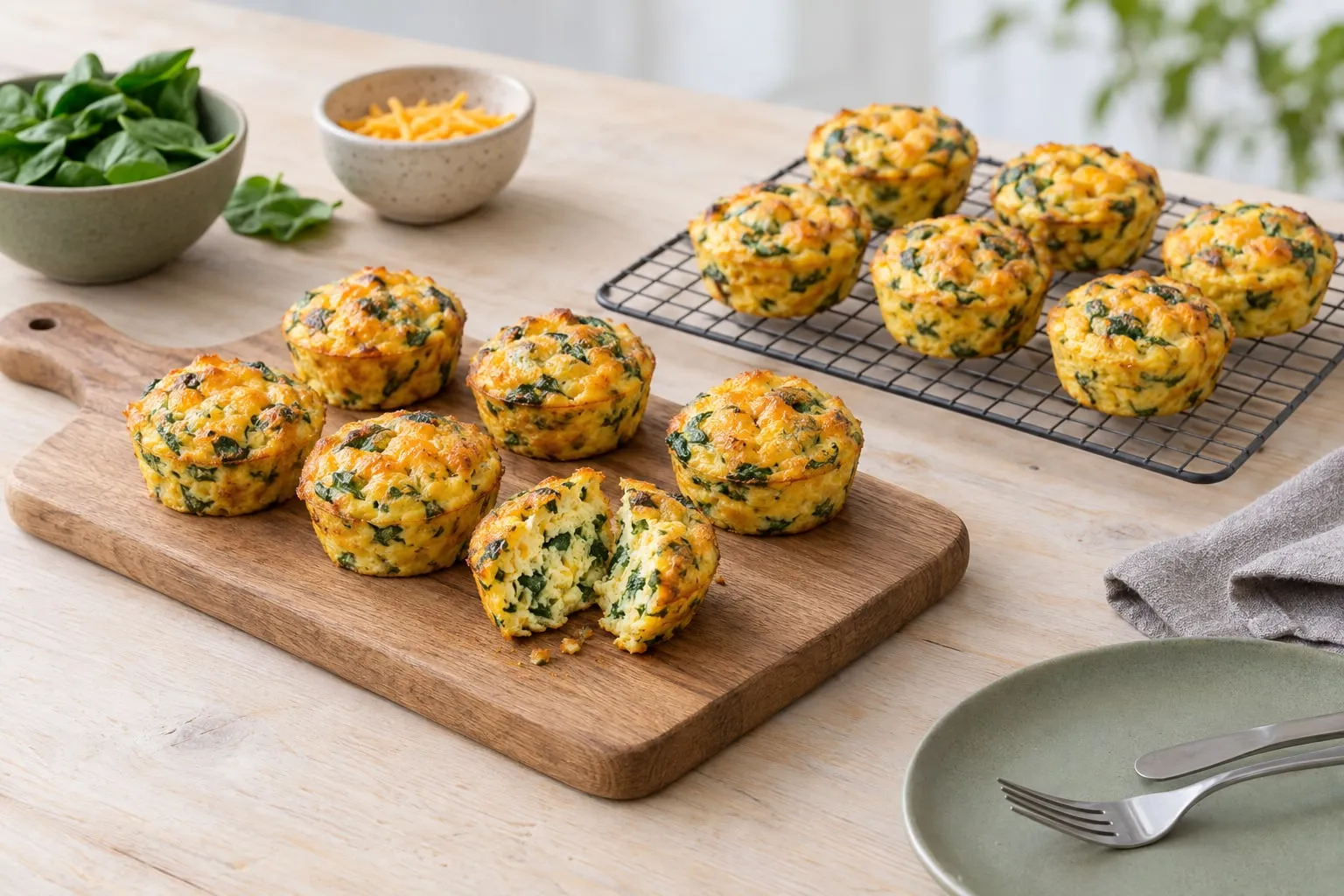
High Protein Egg Muffins
31 g protein265 kcal45 min
Whites and whole eggs baked with vegetables for a week of breakfasts.
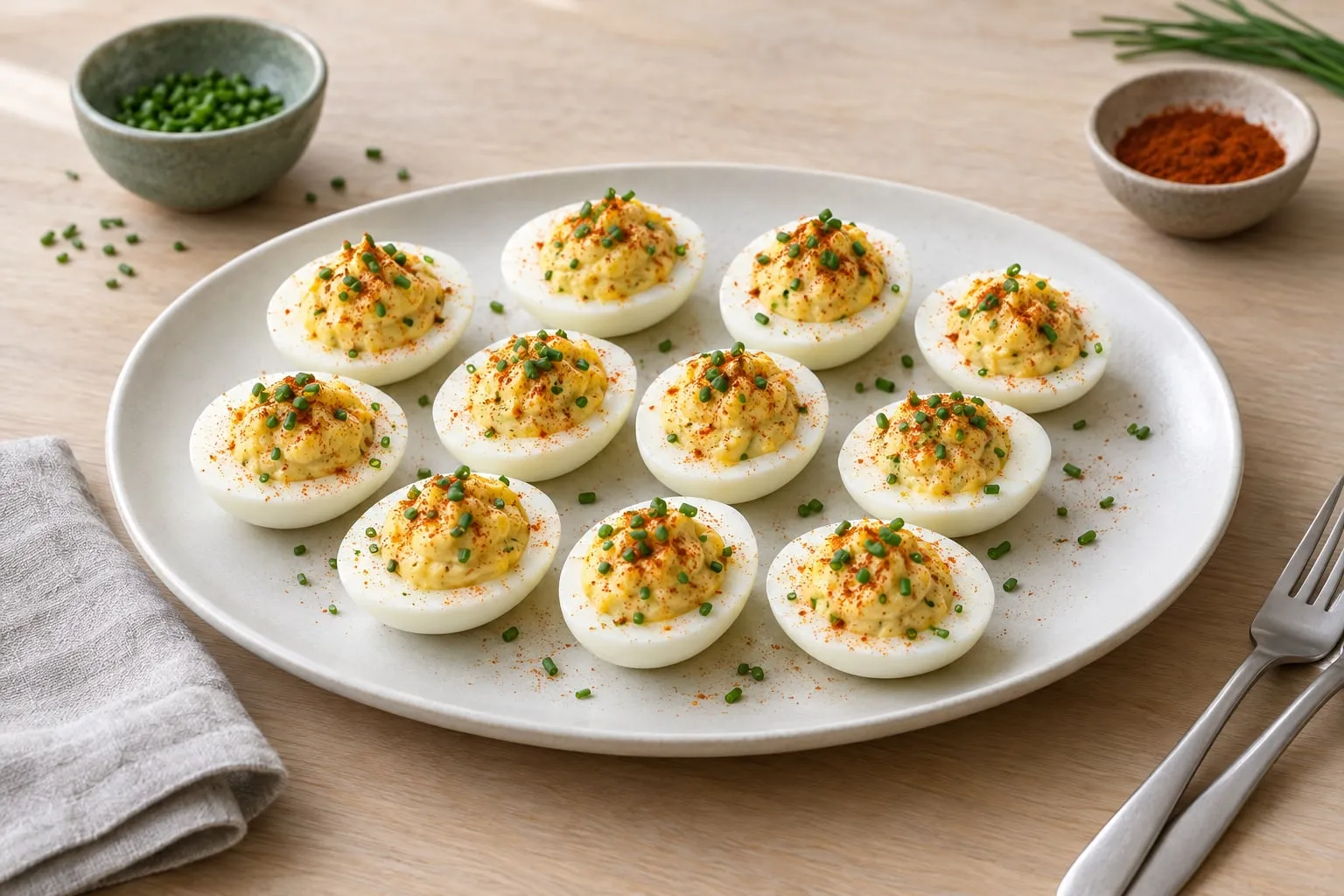
Devilled Eggs
12 g protein123 kcal35 minVegetarianGluten-free
Whole boiled eggs with a lighter filling as a quick high protein snack.
Sources
- McCance and Widdowson's Composition of Foods Integrated Dataset 2021 (CoFID) – Values for raw and boiled egg white, yolk, whole egg and dried egg white
- Food Standards Agency – Advice on eating raw or lightly cooked eggs
Read our editorial policy for how figures are checked and how to report a mistake.
More protein guides
All guides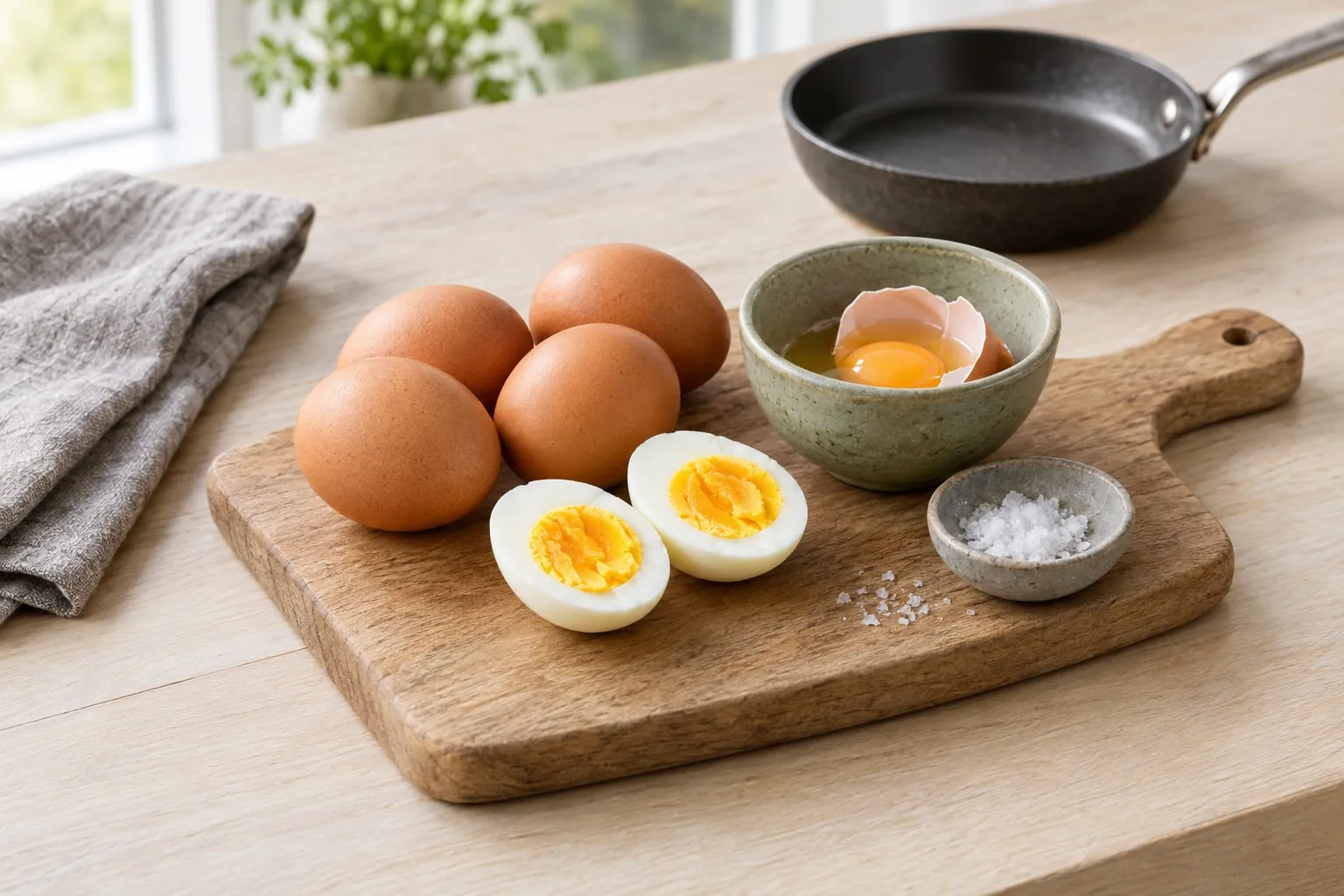
Guide
How Much Protein Is in an Egg?
How much protein in an egg: one medium raw egg has 6.3 g protein and 66 kcal. Values per egg, per 100 g, boiled, fried and scrambled.
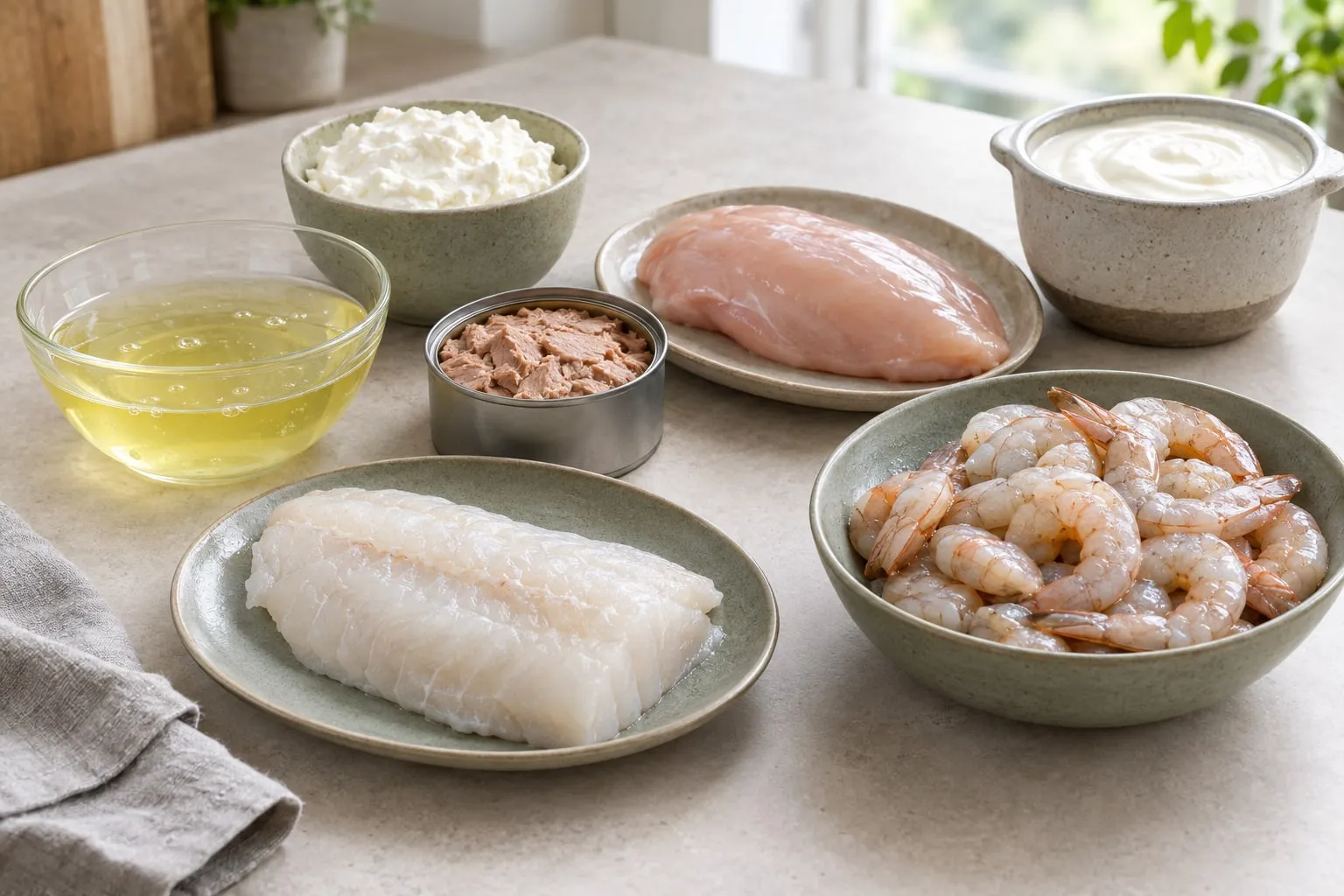
Guide
High Protein Low Calorie Foods
High protein low calorie foods ranked by protein per 100 kcal: egg white gives 25.1 g, cod 23.3 g, prawns 22.9 g and tuna 22.8 g. Tables and portions inside.
Guide
Lean Protein: Best Sources
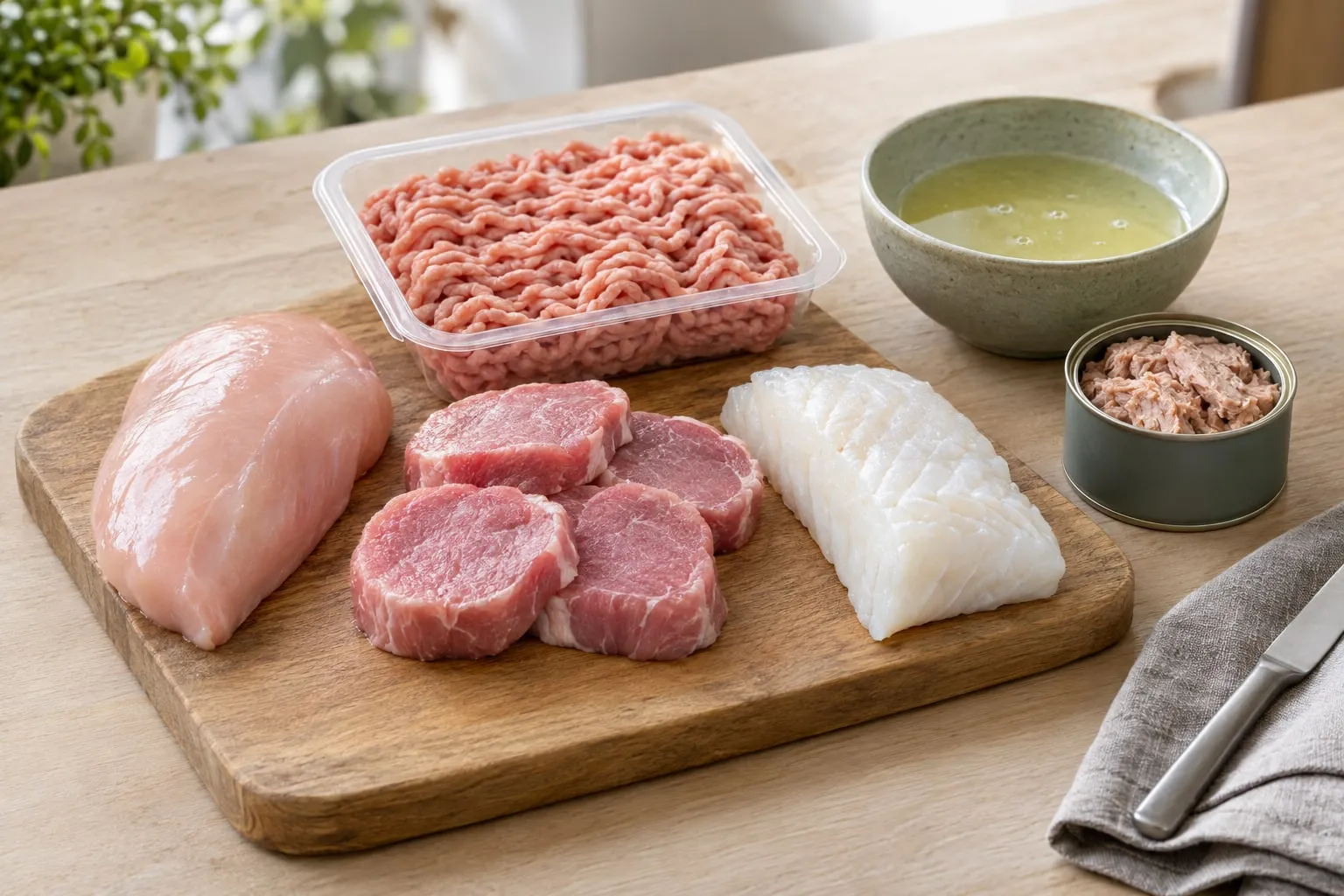
Lean protein sources ranked by fat: raw chicken breast has 24.0 g protein and 1.1 g fat per 100 g, tuna 24.9 g and 1.0 g. Meat, fish and dairy compared.
Guide
High Protein Foods: A Ranked List
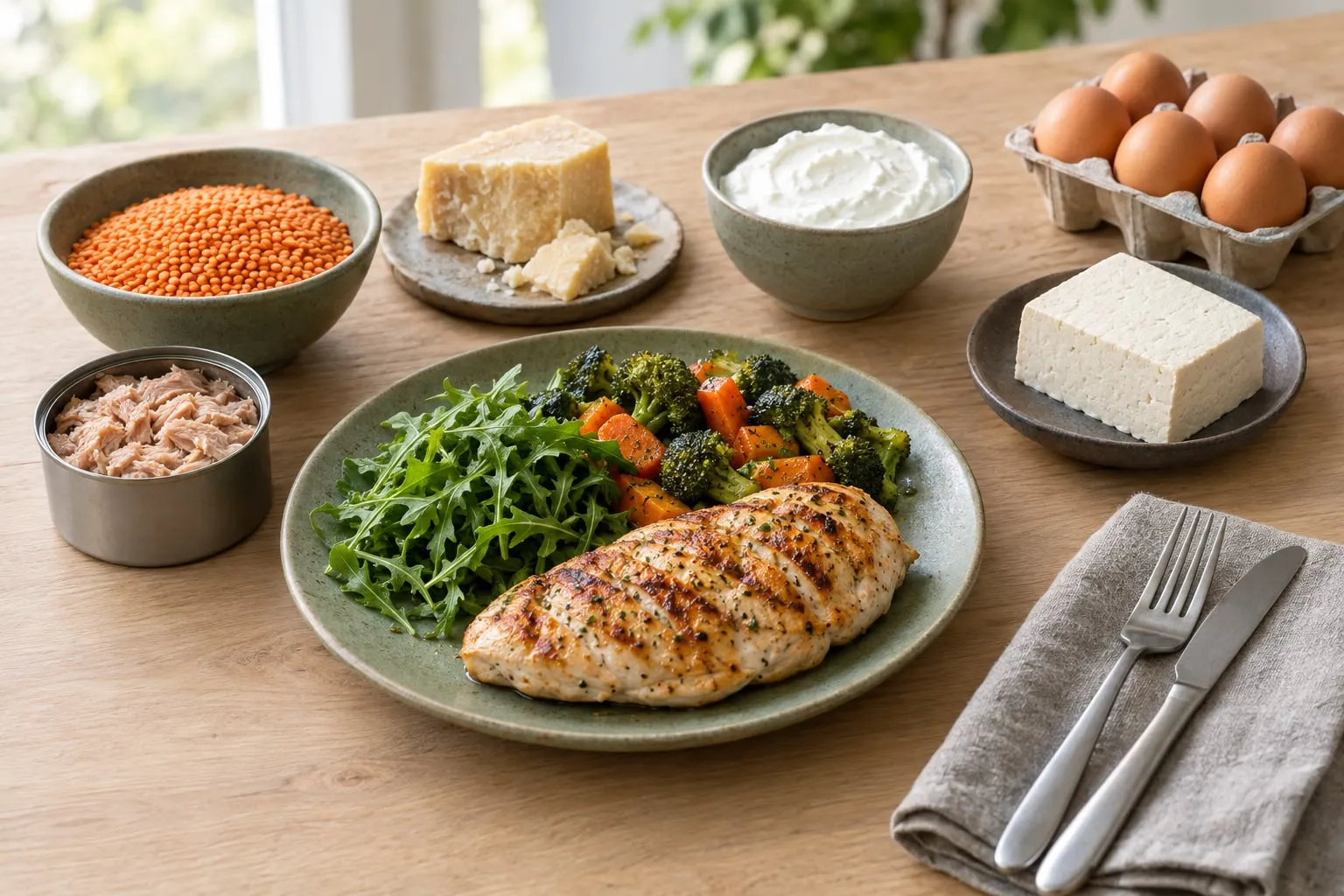
High protein foods ranked by protein per 100 g and per 100 kcal: Parmesan has 36.2 g, grilled chicken 32.0 g, dried red lentils 25.6 g and egg white 10.8 g.