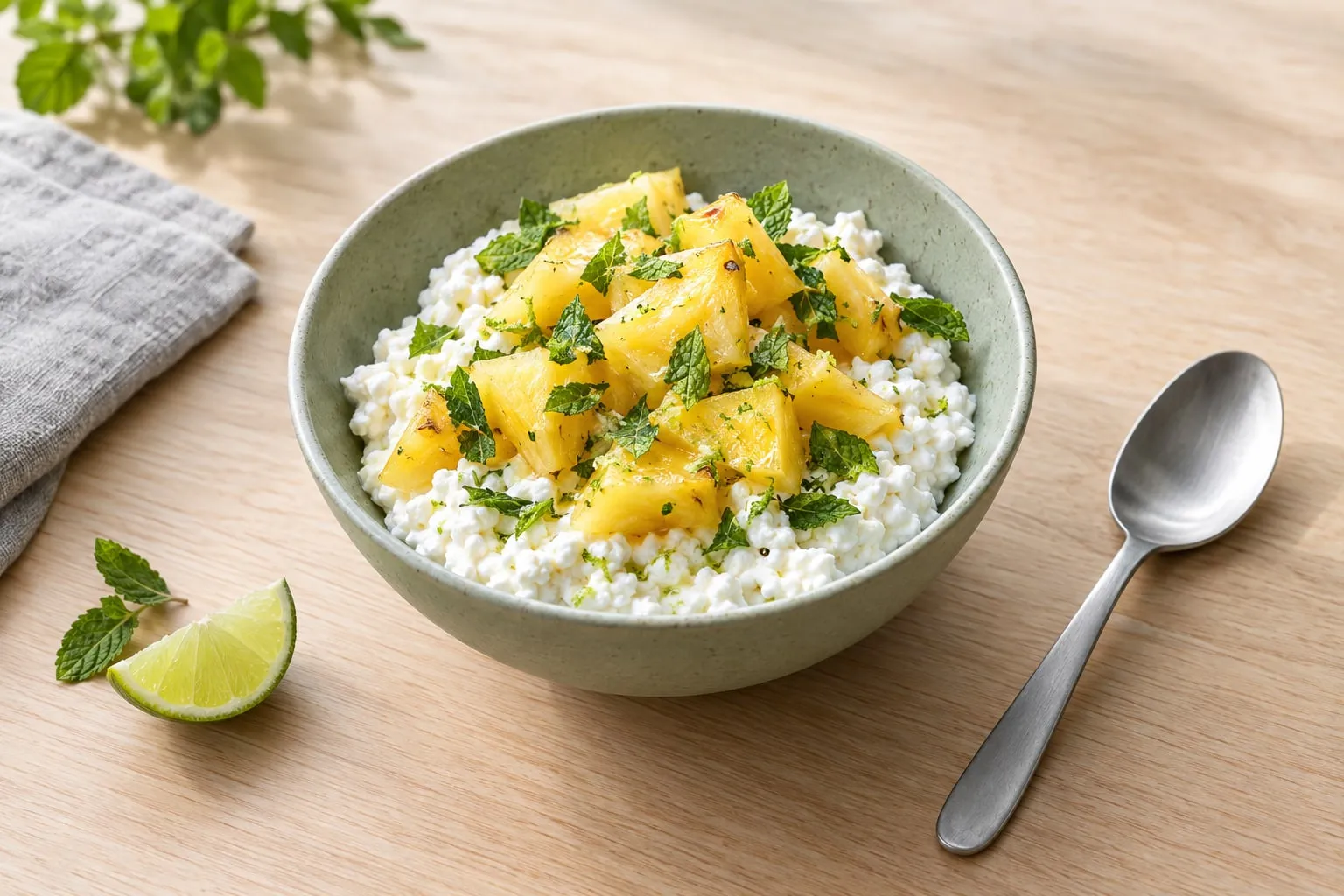
Cottage Cheese with Pineapple
17 g protein149 kcal3 minVegetarianGluten-free
A 3-minute bowl of cottage cheese, pineapple, lime and mint – 17 g protein and 2.4 g fat.
Ideas & collections · 8 recipes
Low fat snacks high-protein: 11 recipes with 11–19 g protein and 5 g fat or less per portion, made with 0% Greek yogurt, quark, egg white and cottage cheese.
11–19 g proteinper serving, calculated from CoFID
In short
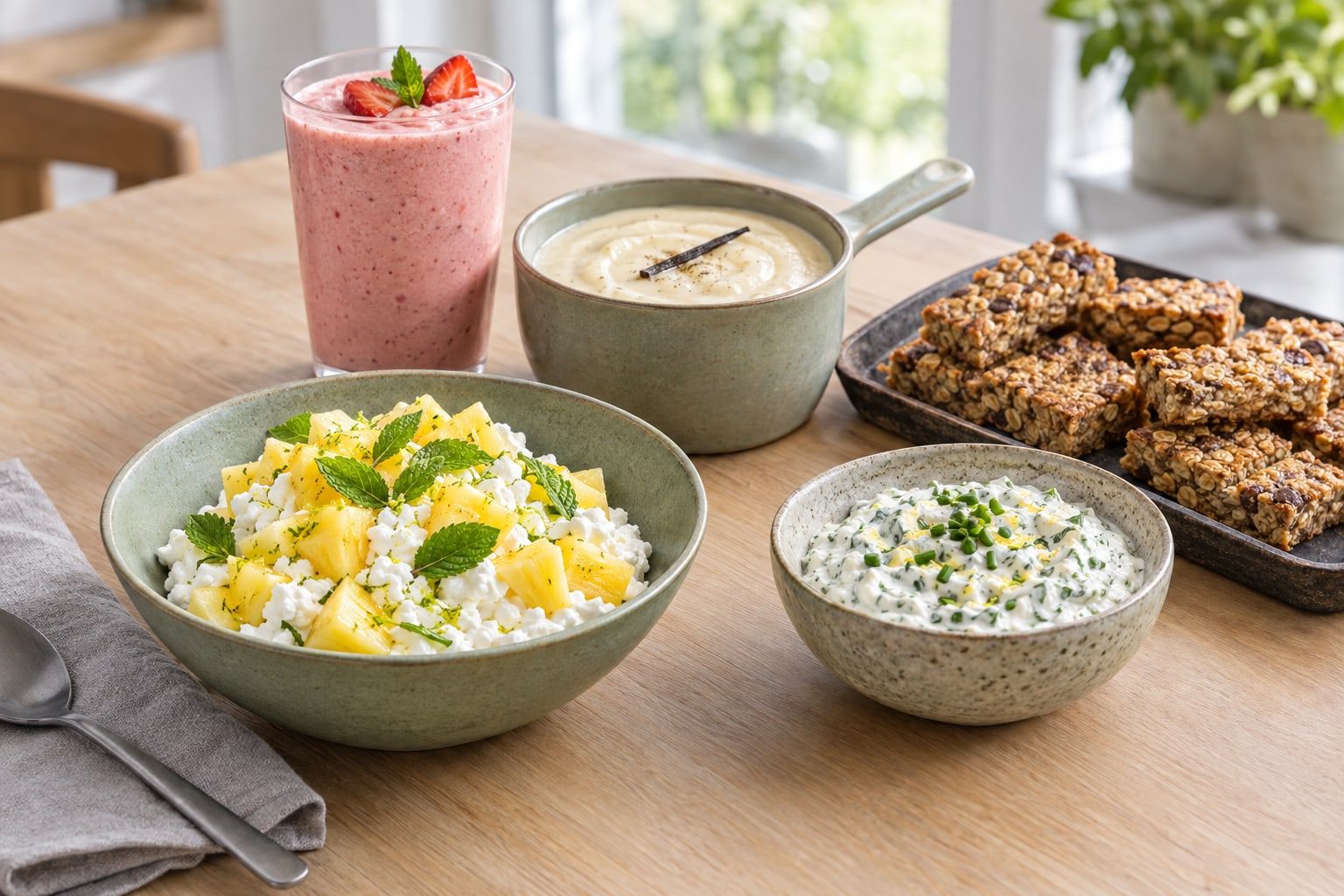
Every snack below has at least 11 g protein and no more than 5 g fat per portion. They lean on strained 0% fat Greek yogurt, reduced fat cottage cheese, quark and egg white instead of nuts and butter.
Low fat snacks high-protein enough to count give 11–19 g protein with 5 g of fat or less, and the eleven below manage that with ingredients like 0% fat Greek yogurt, reduced fat cottage cheese, quark and egg white. Fat per portion is lowest in the mousse and jelly, which have under 1 g.
The common thread is that the protein comes from foods with little fat to begin with. Cottage cheese, quark and strained 0% yogurt do the heavy lifting, whey and casein fill gaps, and oats add body in the bars. Nuts and nut butters are left out because they are the main fat source in most snack recipes. Portion fat figures come from each recipe page, so they hold only if the recipe is made as written.
For a week, make a pot of protein jelly or protein mousse for the fridge, keep a tub of cottage cheese dip with vegetable sticks, and bake a tray of protein oat bars for the days you need something to carry. Frozen yogurt is the one to prepare ahead and keep in the freezer.
17 g protein149 kcal3 minVegetarianGluten-free
A 3-minute bowl of cottage cheese, pineapple, lime and mint – 17 g protein and 2.4 g fat.
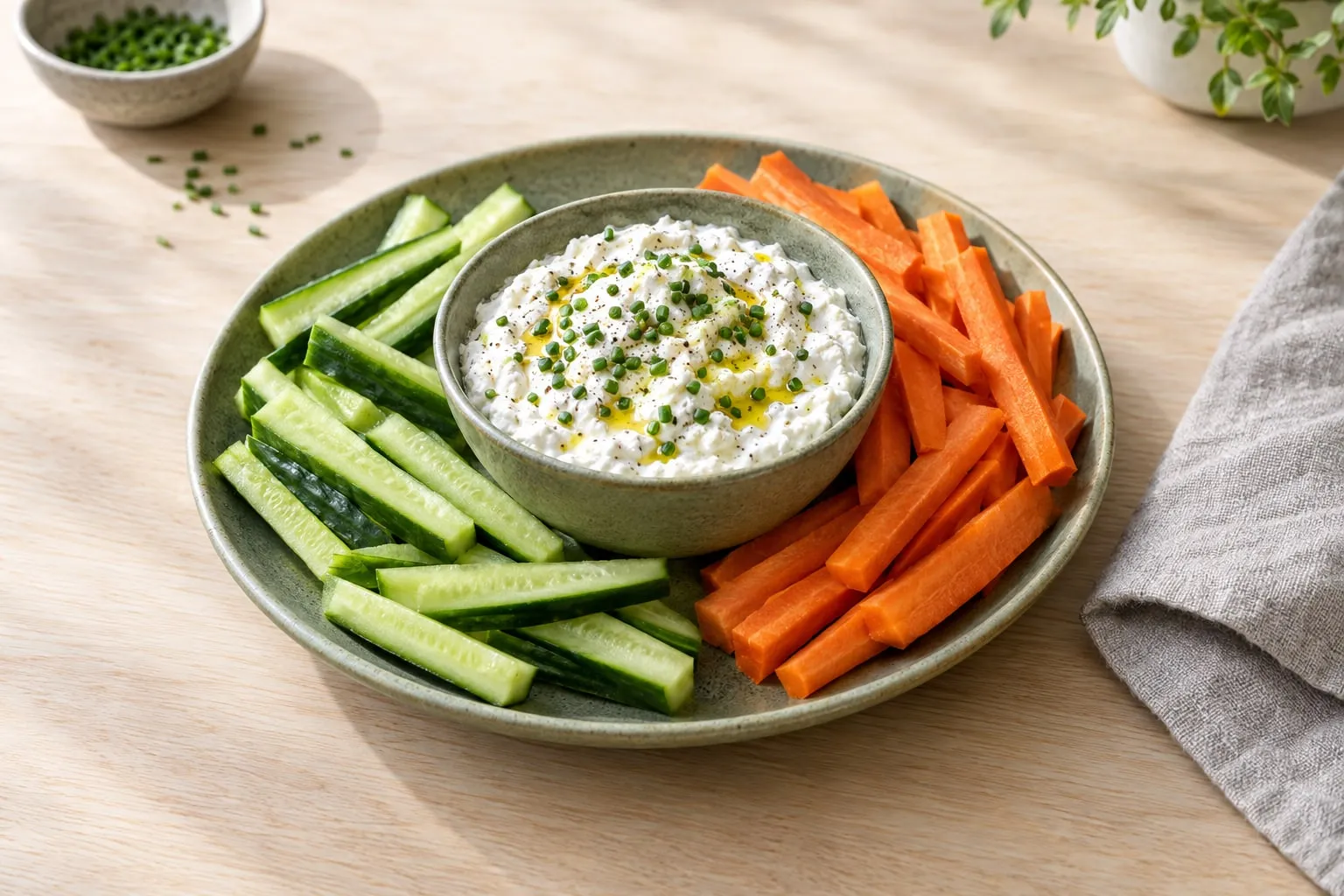
12 g protein88 kcal35 minVegetarianGluten-free
A smooth blended dip of cottage cheese and 0% yogurt – 12 g protein per portion for 88 kcal.
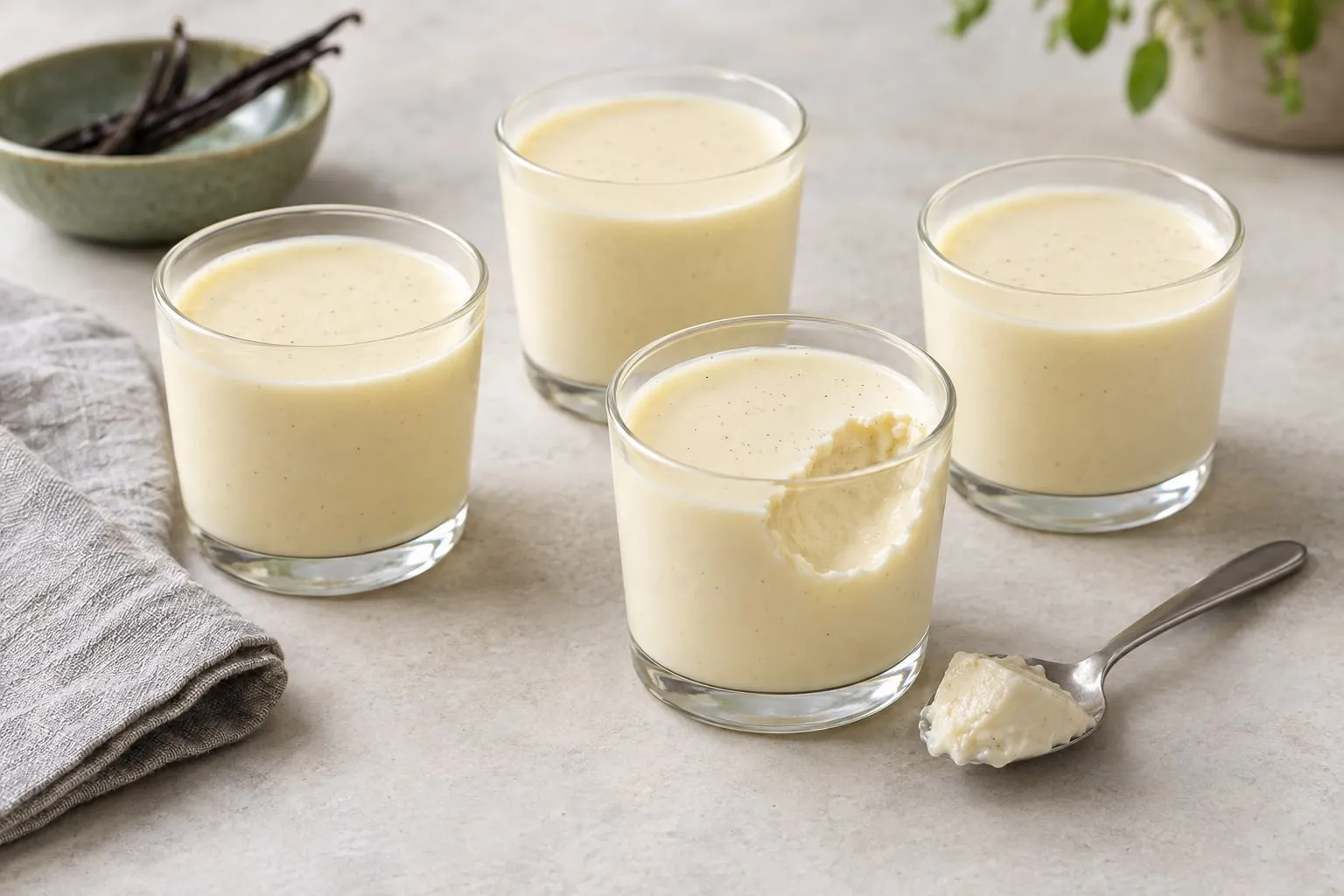
17 g protein102 kcal4 hr 13 minGluten-free
Whey, skimmed milk and strained 0% yogurt set with gelatine – 17 g protein and 0.9 g fat per pot.
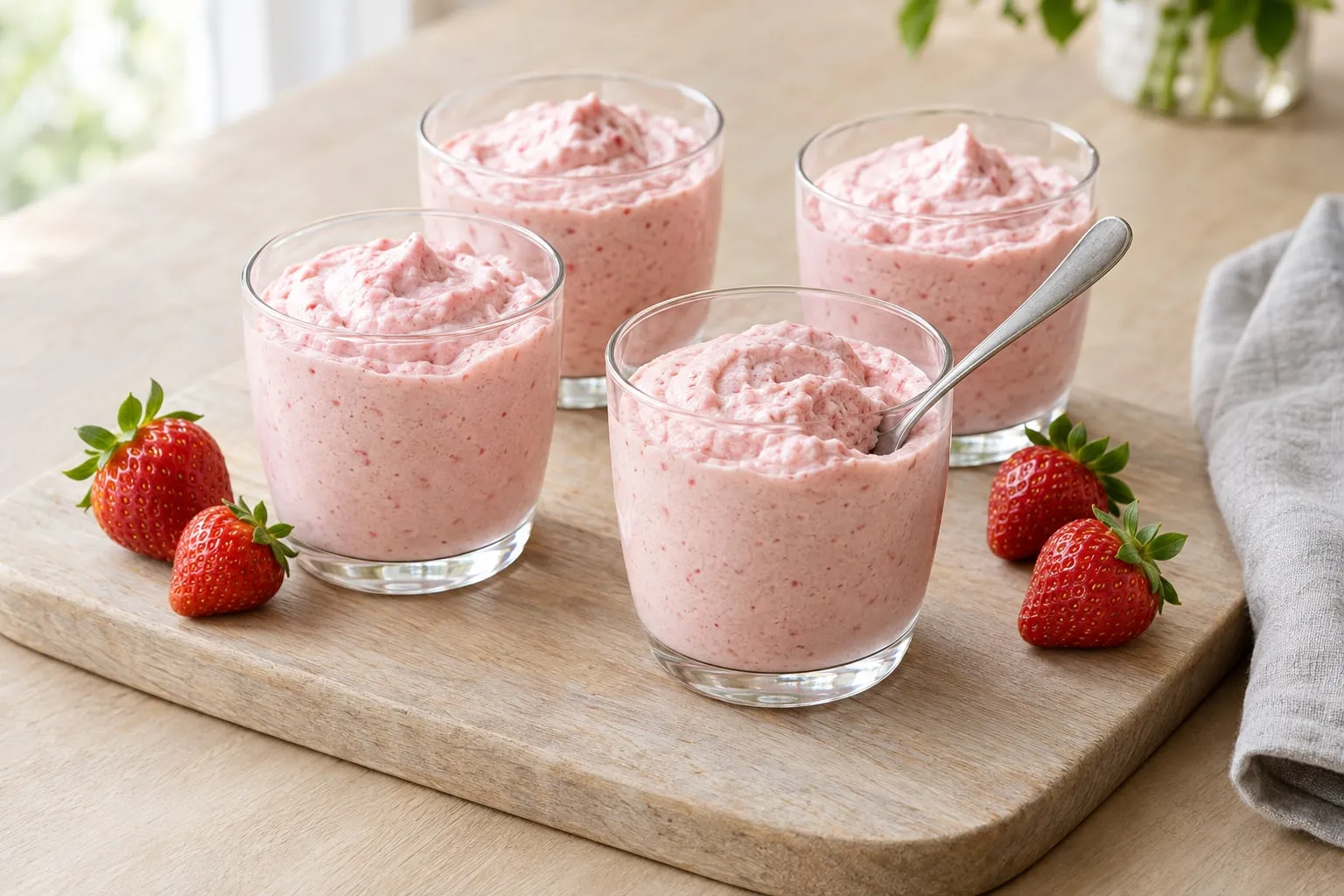
13 g protein80 kcal2 hr 15 minVegetarianGluten-free
Whisked egg white folded into yogurt and strawberries – 13 g protein for 80 kcal and 0.6 g fat.
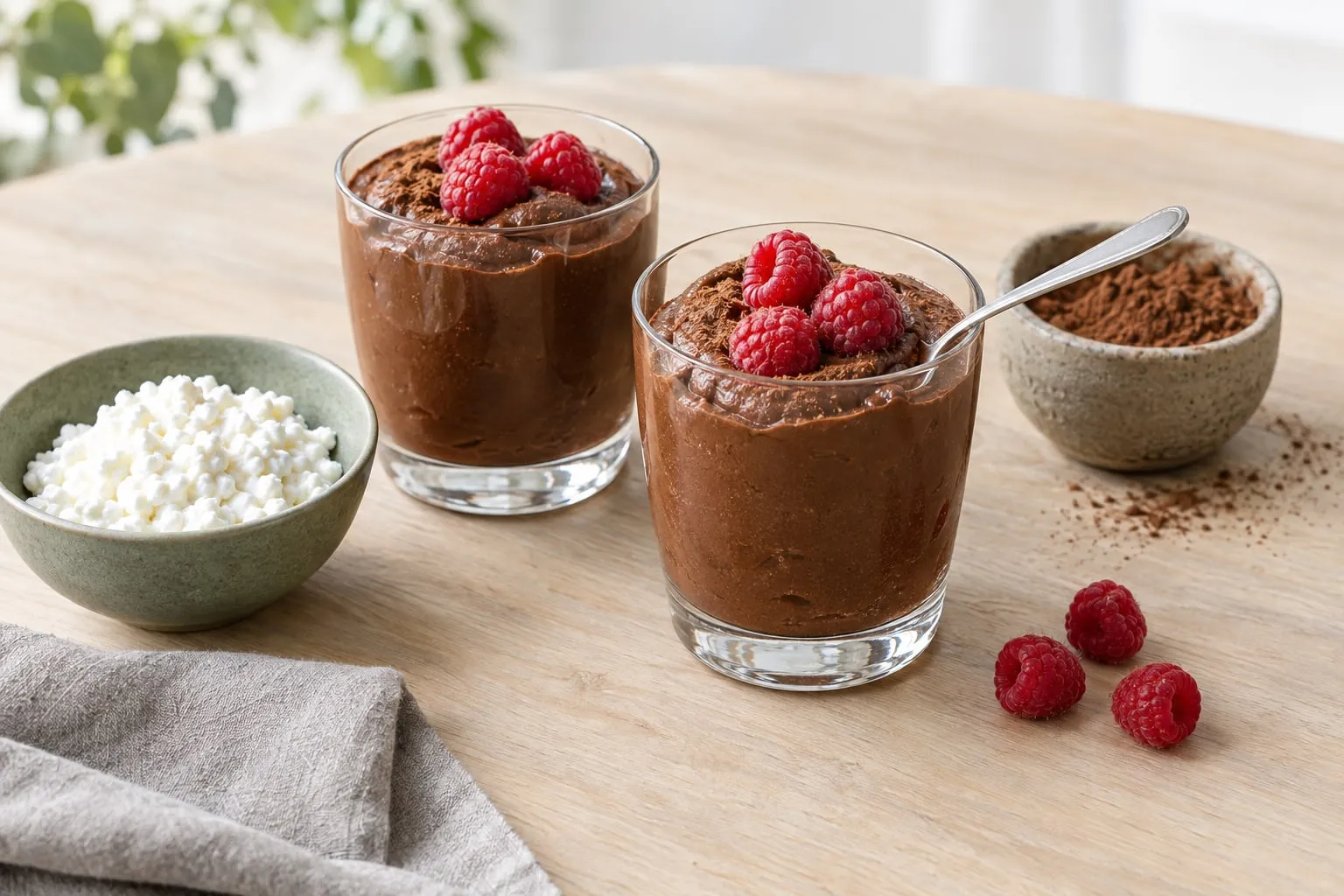
19 g protein193 kcal38 minVegetarianGluten-free
Cocoa and honey blended into reduced fat cottage cheese – 19 g protein and 4.9 g fat per bowl.
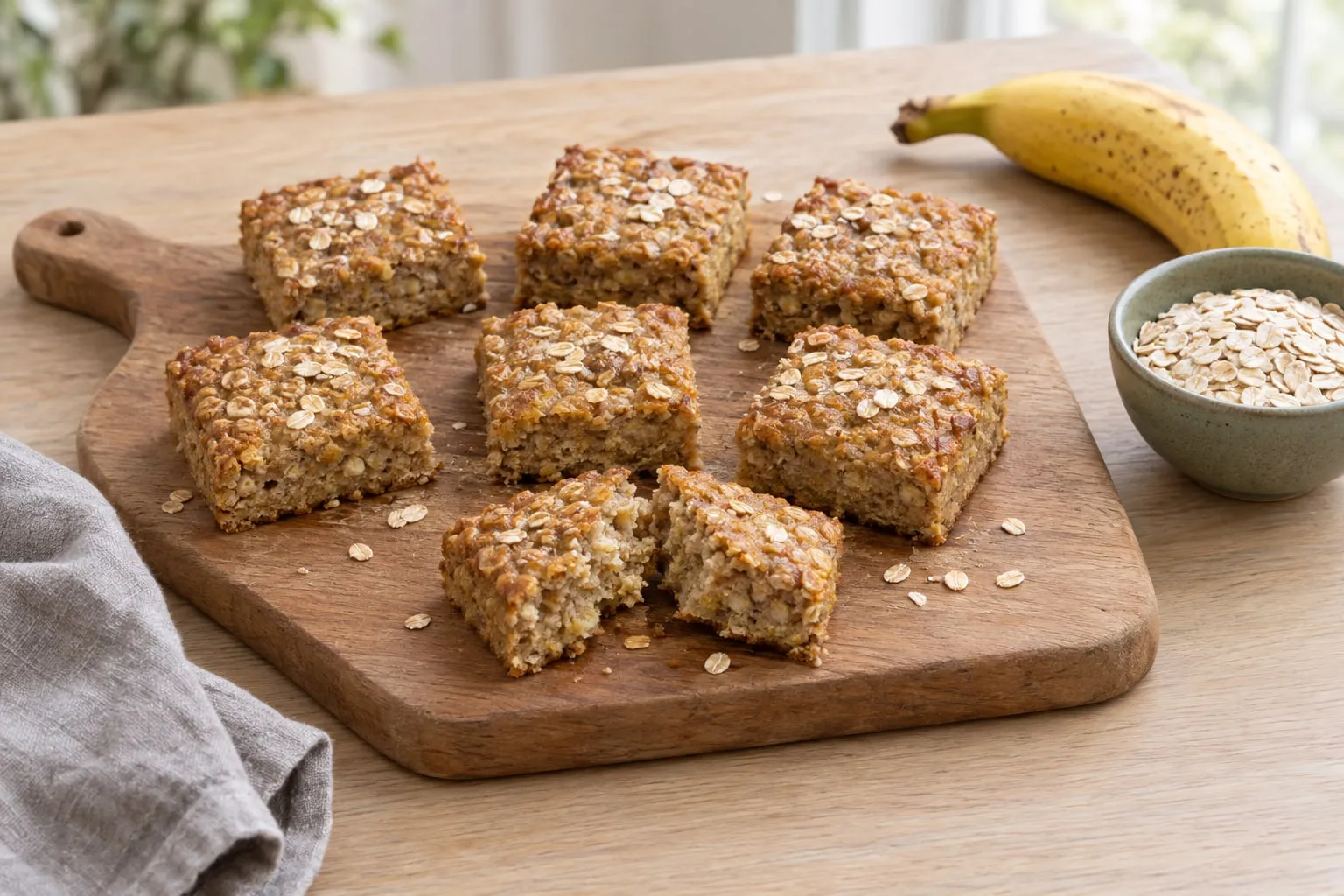
13 g protein160 kcal1 hr 35 minVegetarian
Baked bars of oats, quark, egg and banana – 13 g protein and 3.2 g fat per bar.
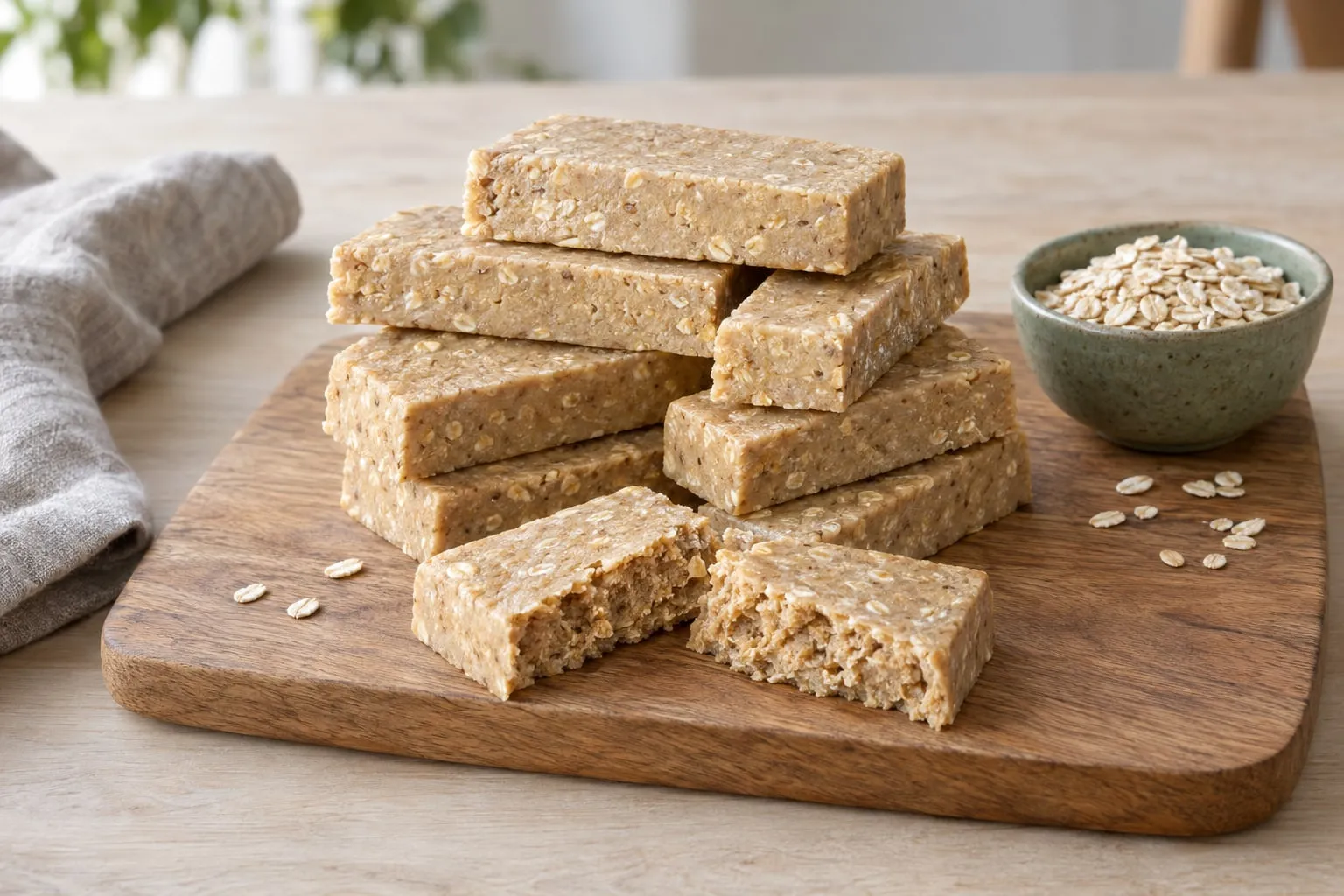
16 g protein110 kcal3 hr 15 minVegetarian
Chilled quark and whey bars with peanut butter powder – 16 g protein, 1.9 g fat and 110 kcal.
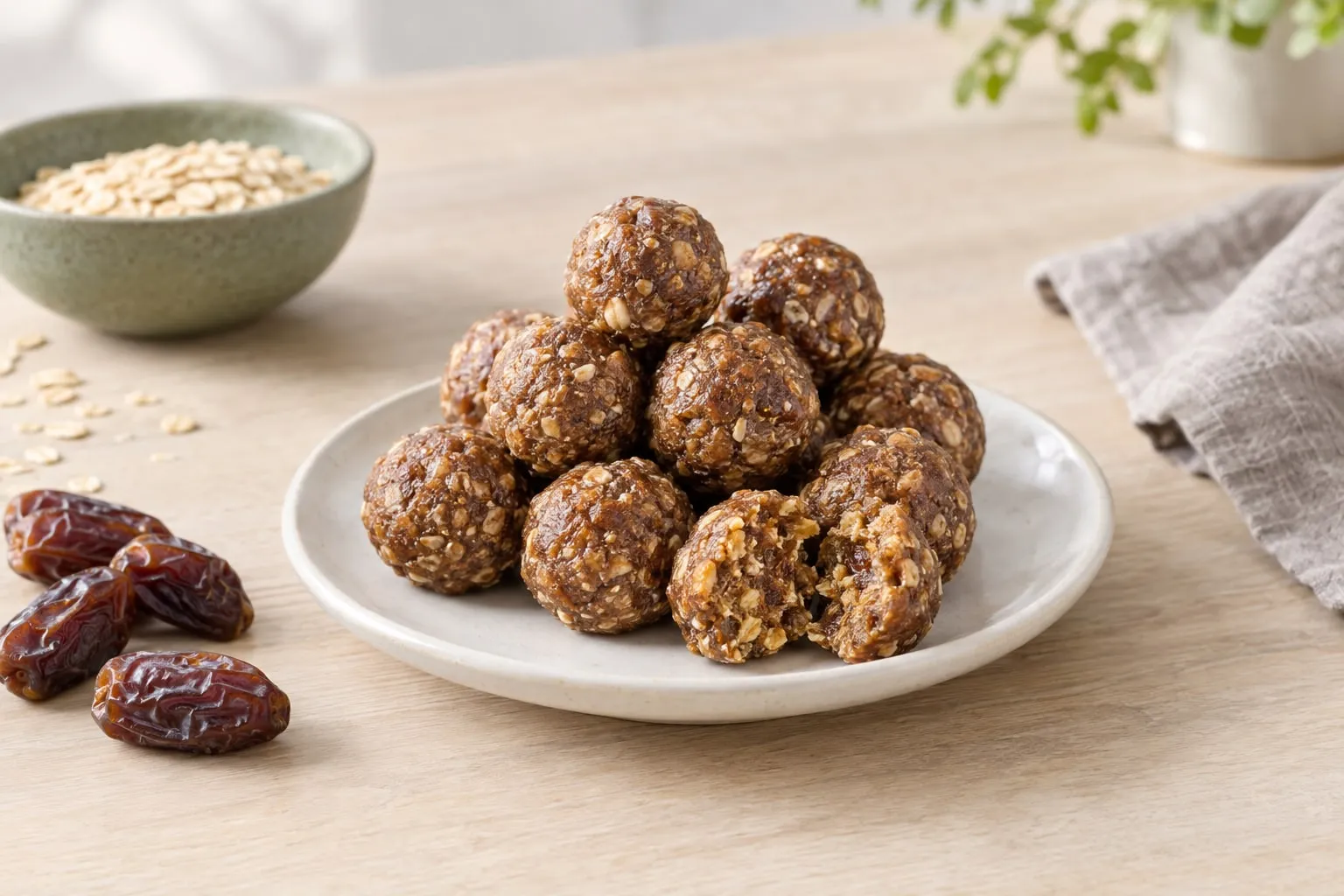
11 g protein157 kcal45 minVegetarianVegan
Dates, defatted peanut flour and oats – 11 g protein and 3.2 g fat for two balls.
3 more recipes in this collection are being published over the coming weeks. Follow the RSS feed or browse all snacks recipes in the meantime.
On a UK food label, a product can be called low fat when it has 3 g of fat or less per 100 g. That is a per-100 g rule for the packaged product, so it does not map neatly onto a homemade snack. Here the working limit is per portion instead: every recipe has 5 g of fat or less per portion, taken from the nutrition figures on each recipe page. The lowest are protein mousse at 0.6 g and protein jelly at 0.9 g, and the highest is cottage cheese chocolate mousse at 4.9 g.
Strained 0% fat Greek yogurt, reduced fat cottage cheese, quark and liquid egg white have almost no fat and a lot of protein for their calories. They carry the creamy snacks: protein mousse, protein jelly, high protein frozen yogurt and the cottage cheese dip. Whey and casein add to the jelly, pudding and bars, and oats give protein oat bars their chew. Nuts, nut butter and oil are the main sources of fat in most snack recipes, so this list avoids them, apart from defatted peanut flour in the date balls.
The swap is simple and the numbers are clear. Per 100 g, strained 5% fat Greek yogurt has 5 g fat and 9 g protein, while strained 0% fat Greek yogurt has no fat and 10.3 g protein. Reduced fat cottage cheese has 1.5 g fat per 100 g against 6 g for plain, and slightly more protein at 10.6 g against 9.4 g. Texture is the trade-off, since lower fat yogurt is a little less rich, so the frozen yogurt recipe keeps 150 g of the 5% yogurt alongside 350 g of the 0% to stay scoopable.
Sweet is easier to cover. Protein mousse, protein jelly, vanilla protein pudding, high protein frozen yogurt and cottage cheese chocolate mousse all give 13–19 g protein, while the oat bars and the two low calorie recipes (bars and balls) are the portable ones. For savoury, cottage cheese dip gives 12 g protein per portion with sticks of cucumber or carrot, and cottage cheese with pineapple sits in between with a sweet, salty bowl in 3 minutes. Both are fridge snacks and should be eaten within a few days.
Every recipe on this page per serving, highest protein first. Figures are calculated from the ingredient list using CoFID.
| Recipe | Protein | Energy | From protein | Time |
|---|---|---|---|---|
| Cottage Cheese Chocolate Mousseper serving | 19 g | 193 kcal | 39% | 38 min |
| Protein Jellyper pot | 17 g | 102 kcal | 66% | 4 hr 13 min |
| Cottage Cheese with Pineappleper bowl | 17 g | 149 kcal | 44% | 3 min |
| Low Calorie Protein Barsper bar | 16 g | 110 kcal | 57% | 3 hr 15 min |
| Protein Oat Barsper bar | 13 g | 160 kcal | 33% | 1 hr 35 min |
| Protein Mousseper glass | 13 g | 80 kcal | 66% | 2 hr 15 min |
| High Protein Cottage Cheese Dipper portion | 12 g | 88 kcal | 55% | 35 min |
| Protein Balls with Datesper serving | 11 g | 157 kcal | 28% | 45 min |
Strained Greek yogurt comes in 0%, 2% and 5% versions. Only the 0% tub keeps these snacks at the fat figures given on the recipe pages.
A minute or two in a blender turns reduced fat cottage cheese into a smooth base for the dip and the mousse. Curds that stay whole make both feel grainy.
Lime juice, mint, cocoa, vanilla and fresh fruit lift low fat snacks without adding oil or butter, so reach for those before you add cream.
The snacks here have 5 g fat or less per portion, and most are under 4 g. Protein mousse has 0.6 g and protein jelly has 0.9 g, while cottage cheese chocolate mousse is the highest at 4.9 g.
Cottage cheese dip gives 12 g protein per portion for 88 kcal, and goes well with cucumber, carrot or pepper sticks. Cottage cheese with pineapple is a sweet and salty bowl with 17 g protein.
Often, but not always. Protein mousse has 80 kcal, and low calorie protein bars have 110 kcal, while vanilla protein pudding has 174 kcal because of the milk, cornflour and sugar.
Yes. Cottage cheese with pineapple, cottage cheese dip, cottage cheese chocolate mousse and high protein frozen yogurt contain no protein powder and get their protein from cottage cheese or strained Greek yogurt.
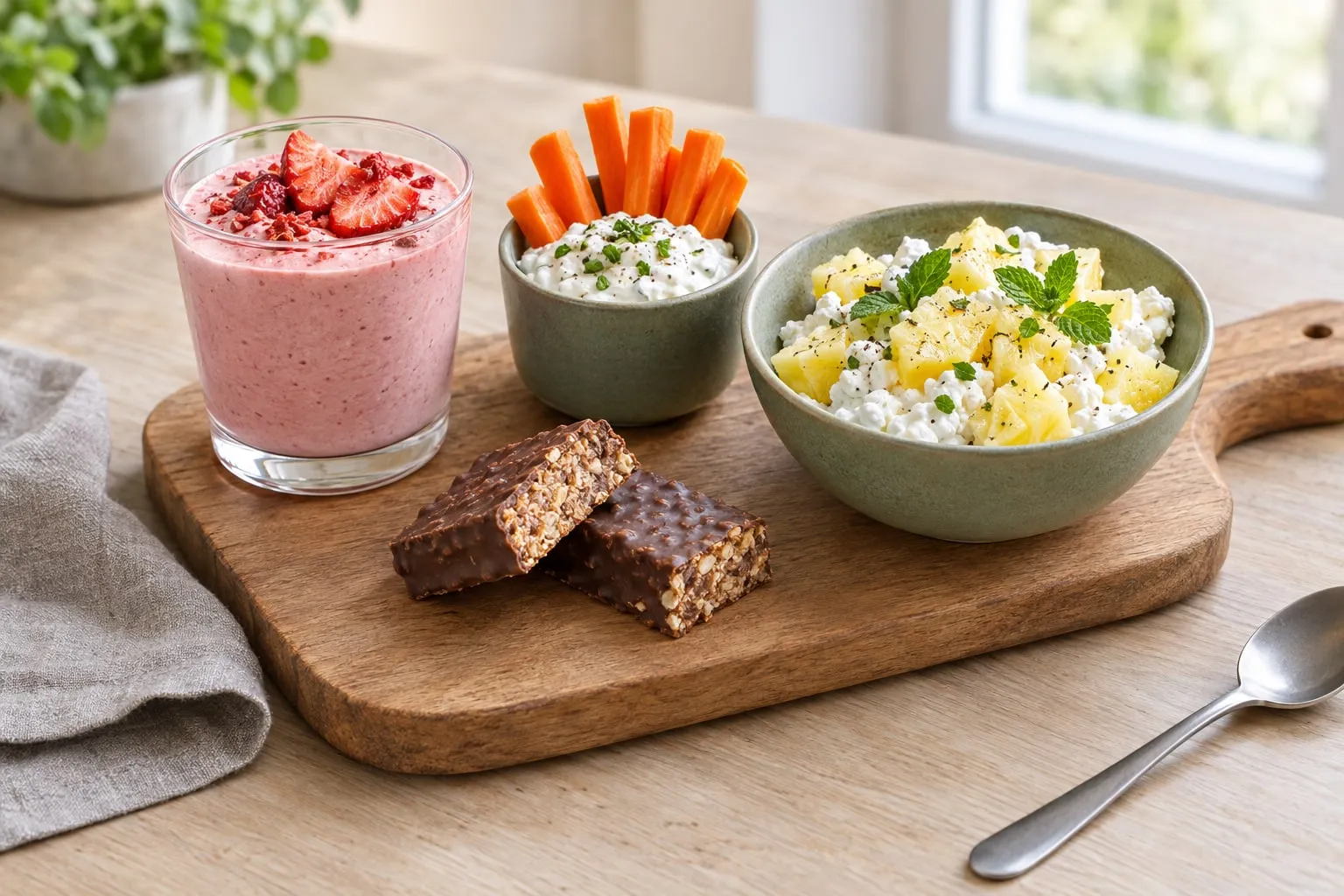
Ideas & collections
Low-calorie snacks high-protein enough to matter: 12 recipes under 150 kcal with 11–17 g protein per portion, sweet and savoury, with exact portion sizes.
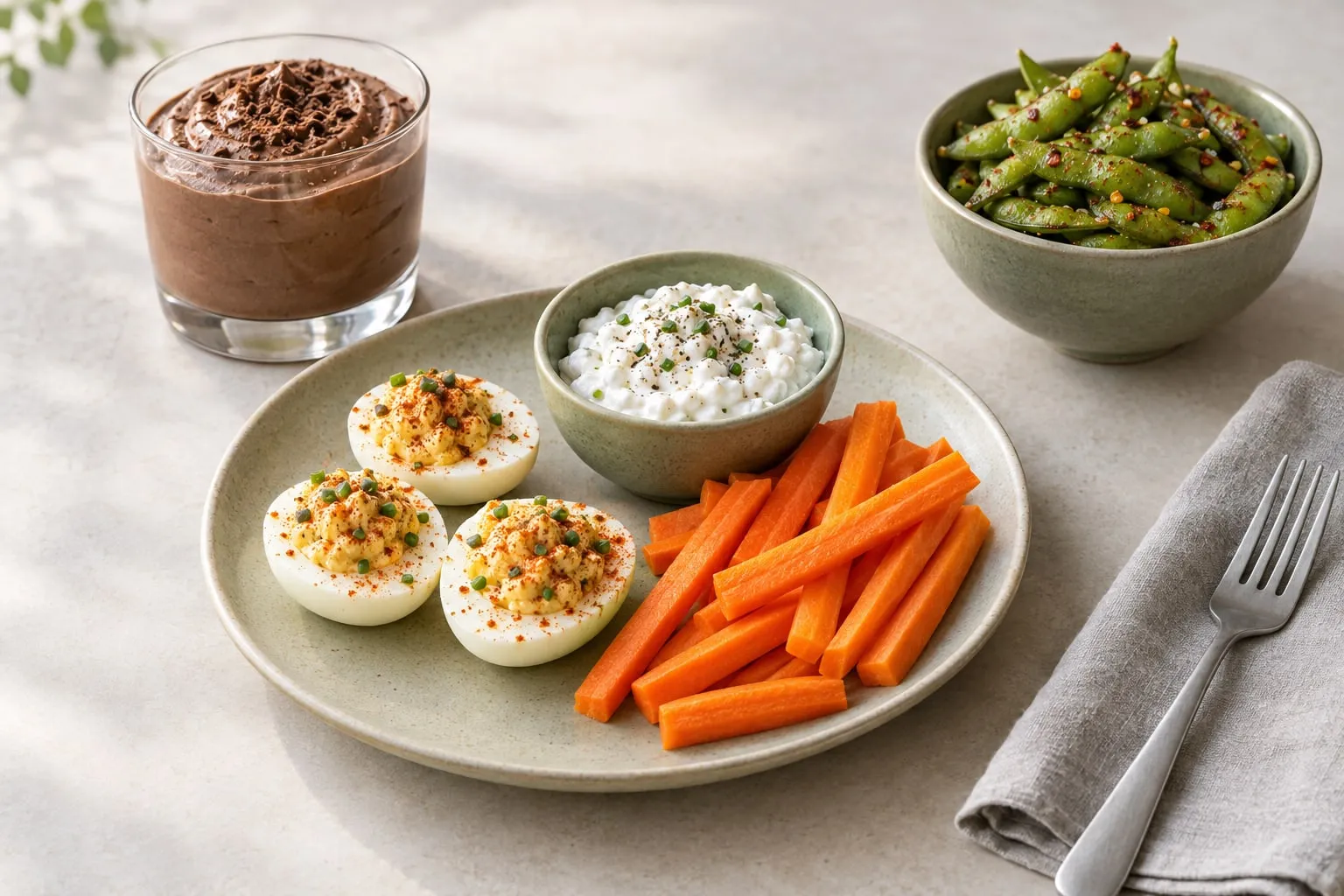
Ideas & collections
High-protein snacks weight loss searches turn up: 12 recipes with 11–19 g protein and 80–193 kcal per portion, with the numbers for every serving size.
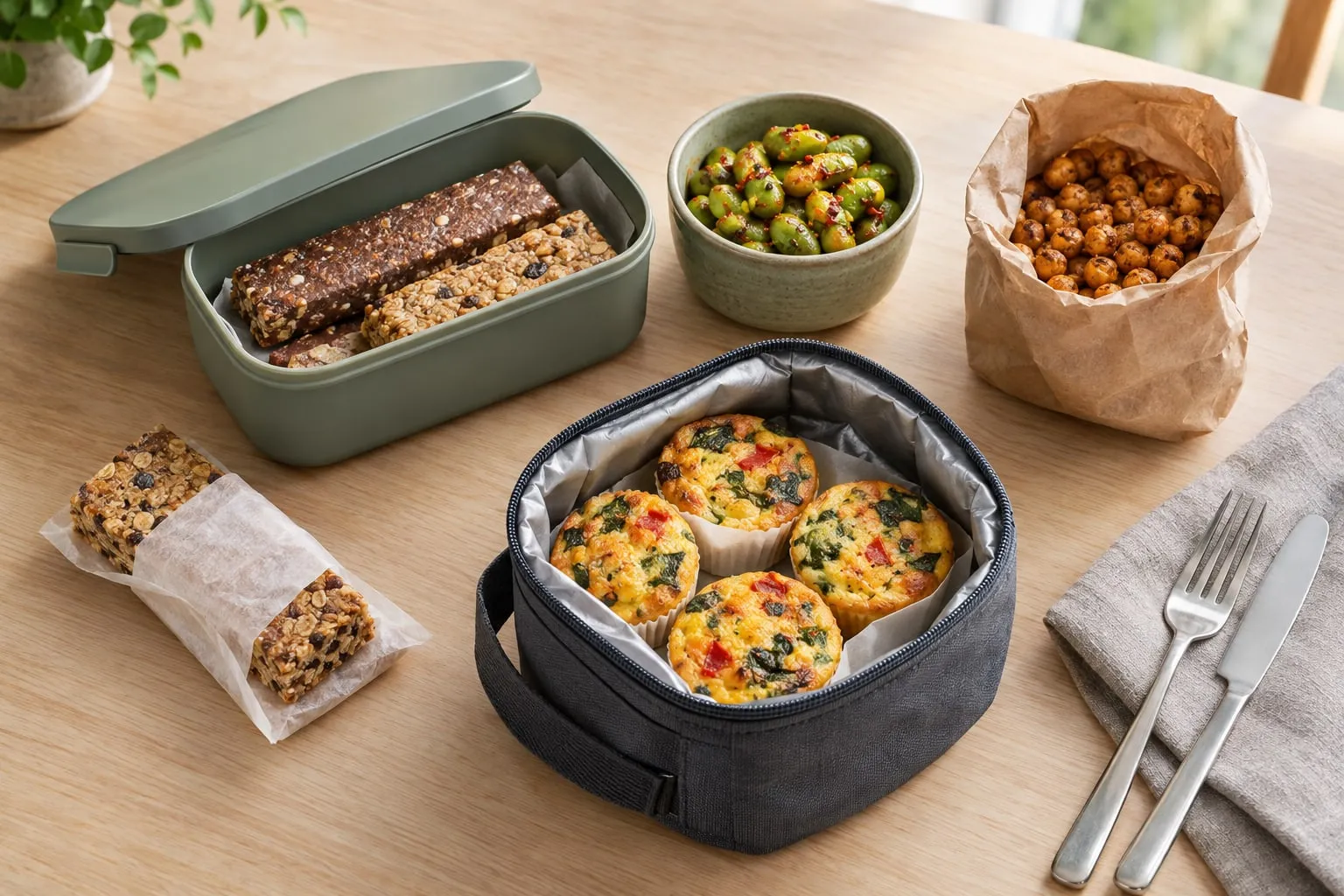
Ideas & collections
Protein snack on the go: 12 portable ideas with 10–31 g protein, sorted by what needs a fridge and how long each lasts in a bag, from bars to egg muffins.
Ideas & collections
Protein snack homemade: 13 recipes with 10–16 g protein per portion, grouped by kit (no-bake, oven or air fryer), with batch sizes, keeping times and freezing.
Updated 22 November 2026 by The Protein Recipes editorial team.