Protein guide
How Much Protein to Build Muscle
Quick answer
Research on regular strength training suggests 1.2–1.6 g protein per kg of body weight a day, sometimes up to 2.0 g. For a 70 kg adult that is 84–112 g, against 53 g for the UK reference intake of 0.75 g per kg.
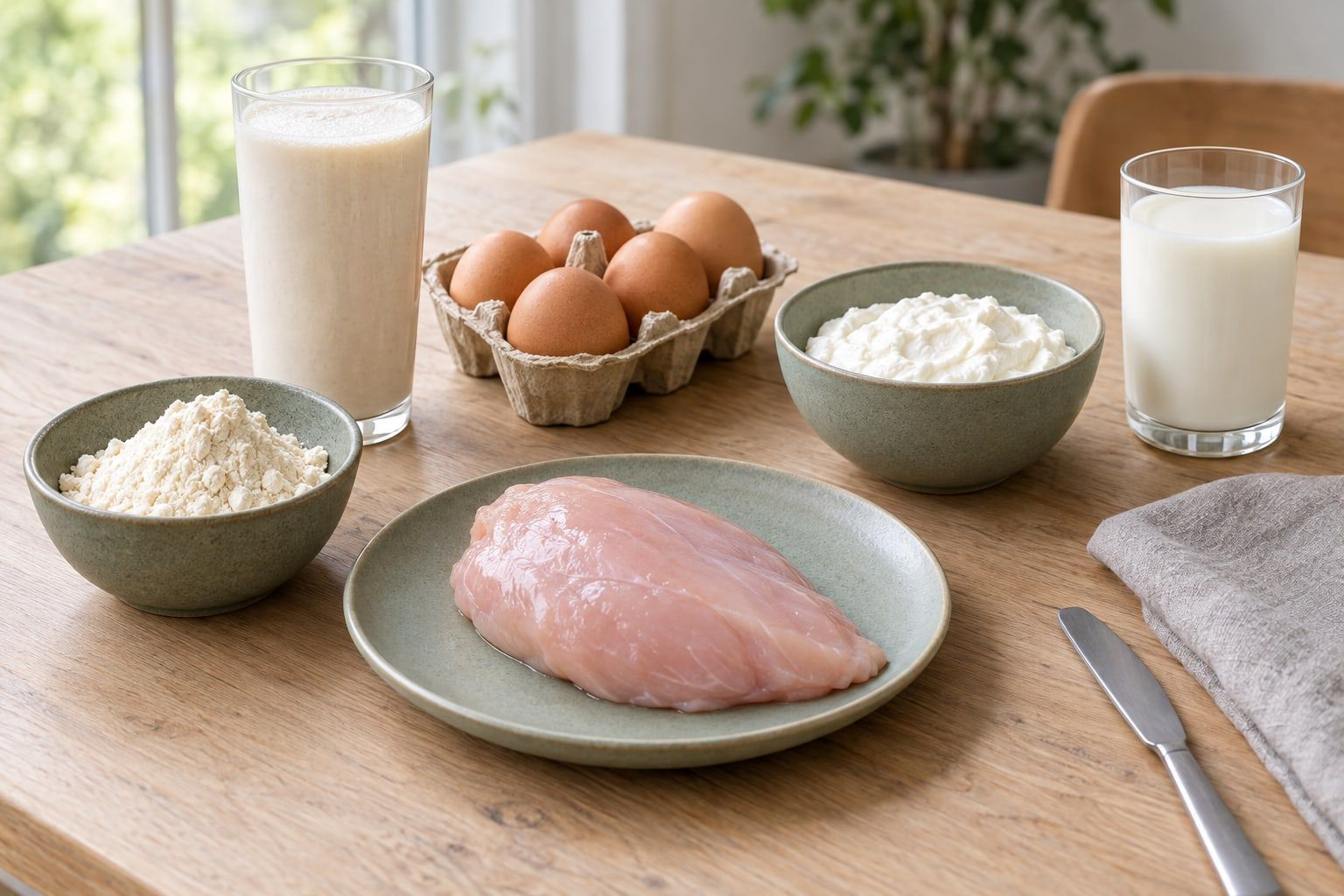
How much protein to build muscle is a research question rather than a rule: studies on regular training use 1.2–1.6 g per kg of body weight a day, sometimes up to 2.0 g. For a 70 kg adult that is 84–112 g, or up to 140 g, against 53 g from the UK reference intake of 0.75 g per kg.
The variables are body weight, the factor you choose and how the total is divided. Heavier people need larger totals, and the same factor gives 96–128 g at 80 kg and 72–96 g at 60 kg. The higher factors come from studies of people who train, so they do not apply to everyone. Splitting the total into 20–30 g portions is a common pattern, although the day total matters more than any single meal.
In practice, 25 g of protein takes about 100 g of tuna, 104 g of raw chicken breast, 170 g of quark or four medium eggs, so most people can reach their number with ordinary meals. A shake with 30 g of whey and 300 ml of semi-skimmed milk (33.0 g) is a handy extra after training, but it is a convenience rather than a necessity.
| Body weight | 0.75 g/kg (UK RNI) | 1.2 g/kg | 1.6 g/kg | 2.0 g/kg |
|---|---|---|---|---|
| 60 kg | 45 g | 72 g | 96 g | 120 g |
| 70 kg | 53 g | 84 g | 112 g | 140 g |
| 80 kg | 60 g | 96 g | 128 g | 160 g |
| 90 kg | 68 g | 108 g | 144 g | 180 g |
Source: Calculated from body weight multiplied by each factor and rounded to the nearest gram; 0.75 g/kg is the UK Reference Nutrient Intake (COMA, 1991), the higher factors are ranges used in research on regular training
| Food | Protein per 100 g | Amount | Energy |
|---|---|---|---|
| Chicken breast fillet, raw (typical value) | 24.0 g | 104 g | 110 kcal |
| Tuna in brine, drained | 24.9 g | 100 g | 109 kcal |
| Whole eggs, raw | 12.6 g | 4 medium eggs, about 200 g | 262 kcal |
| Quark | 14.6 g | 170 g | 126 kcal |
| Skyr, fat free (typical value) | 11.0 g | 227 g | 145 kcal |
| Semi-skimmed milk | 3.5 g | 714 ml | 328 kcal |
| Whey protein powder (typical value) | 75.0 g | 33 g | 125 kcal |
Source: Calculated from CoFID (codes 16-416, 12-937, 12-174, 12-313); chicken, skyr and whey are typical values, and a medium egg is taken as about 50 g without shell
How much protein do you need to build muscle?
Research on people who train regularly with weights often uses 1.2–1.6 g protein per kg of body weight a day, and some studies go up to 2.0 g. At 70 kg that means 84–112 g a day, or up to 140 g. The UK Reference Nutrient Intake for adults in general is lower, at 0.75 g per kg or 53 g at 70 kg, and the EFSA value of 0.83 g per kg gives 58 g. The higher ranges are findings from research and are not official recommendations, so they describe what has been studied rather than what you must eat.
How should you spread protein across the day?
Many studies divide the daily total into three or four eating times, with around 20–30 g at each. That is a convenient pattern, and a 25 g target is easy to hit from a single food: 100 g of drained tinned tuna gives 24.9 g, and 4 medium eggs give 25.2 g. There is no rule that the body can only use 30 g in one sitting. Larger portions are digested more slowly, and a day total matters more than any single meal.
Which foods give 25 g protein?
Chicken breast (104 g raw for 25.0 g), quark (170 g for 24.8 g) and fat free skyr (227 g for 25.0 g) all do it for under 150 kcal. Four medium eggs give 25.2 g for 262 kcal, and 714 ml of semi-skimmed milk gives 25.0 g for 328 kcal. The table shows the energy next to each, so you can pick on cost, taste or calories as well as protein. For a bigger meal, add rice, potatoes or bread alongside.
Are protein drinks the best way to gain muscle?
Protein drinks are a convenient way to reach a daily target, not a requirement. A 30 g scoop of whey gives 22.5 g protein and 114 kcal, and mixed with 300 ml of semi-skimmed milk it gives 22.5 + 10.5 = 33.0 g and about 252 kcal. Casein thickens more. Pea and rice blends are grittier and need a little more liquid. Food works just as well for the protein itself, so a powder mainly saves time and washing up.
What else matters besides protein?
Research on muscle looks at the whole picture: how hard and how often someone trains, how much they sleep and how much energy they eat. Protein is one part of that. Eating enough overall energy, spreading protein through the day and keeping up regular training matter as much as the exact gram figure. The right amount depends on age, health and experience, so these are starting points for discussion rather than prescriptions.
Who should speak to a professional first?
Anyone with kidney disease, liver problems or another medical condition, who is pregnant or breastfeeding, who is under 18, or who has a history of disordered eating should speak to their GP or a registered dietitian before raising protein intake. A higher protein intake is not suitable for everyone, and an individual plan from a professional who knows your history is safer than a general figure from a web page or a table. The numbers above are estimates for healthy adults, and they should not replace medical advice about your own situation.
Practical tips
- Start from your own number
Multiply your weight in kg by 1.2 for a lower figure and by 1.6 for a higher one, then pick a point in between. At 80 kg that is 96–128 g.
- Make breakfast count
Many breakfasts contain only 5–10 g protein. Eggs, skyr, quark or a smoothie with a scoop of whey can bring the first meal to 25 g or more.
- Keep a quick option for busy days
A tin of tuna (about 25 g protein) or a pot of skyr (16.5 g protein per 150 g) needs no cooking and travels well.
Myth or fact
- Myth
Is it true that the body can only absorb 30 g protein per meal?
No. Digestion does not stop at 30 g. Larger amounts take longer to digest, and studies often use 20–30 g per eating time as a practical pattern, but the total over the day is what most research measures.
- Myth
Is it true that you need protein shakes to gain muscle?
No. Shakes are a convenience. Four medium eggs, 170 g of quark or 104 g of raw chicken breast each give about 25 g protein without any powder.
Frequently asked questions
How much protein do I need to build muscle?
Research on regular strength training suggests 1.2–1.6 g per kg of body weight a day, sometimes up to 2.0 g. That is 84–112 g for a 70 kg adult, and up to 140 g.
What are the best protein drinks to gain muscle?
Any drink with a good amount of protein suits. A 30 g scoop of whey in 300 ml semi-skimmed milk gives 33.0 g protein and about 252 kcal, and milk alone gives 3.5 g per 100 ml.
How much protein should I eat in a day to grow muscle?
Work out your weight in kg and multiply by the factor in the table. At 80 kg, 1.2 g per kg gives 96 g and 1.6 g per kg gives 128 g.
How much protein is too much?
There is no single limit for healthy adults, but people with kidney or other conditions should speak to their GP or a registered dietitian. Intakes of up to 2.0 g per kg a day have been used in research on healthy adults.
Do you need protein powder?
No. Chicken, tuna, eggs, quark, skyr and milk all give protein, and 25 g takes only 100–230 g of most of them. Powder is a convenience for busy days.
Recipes to try
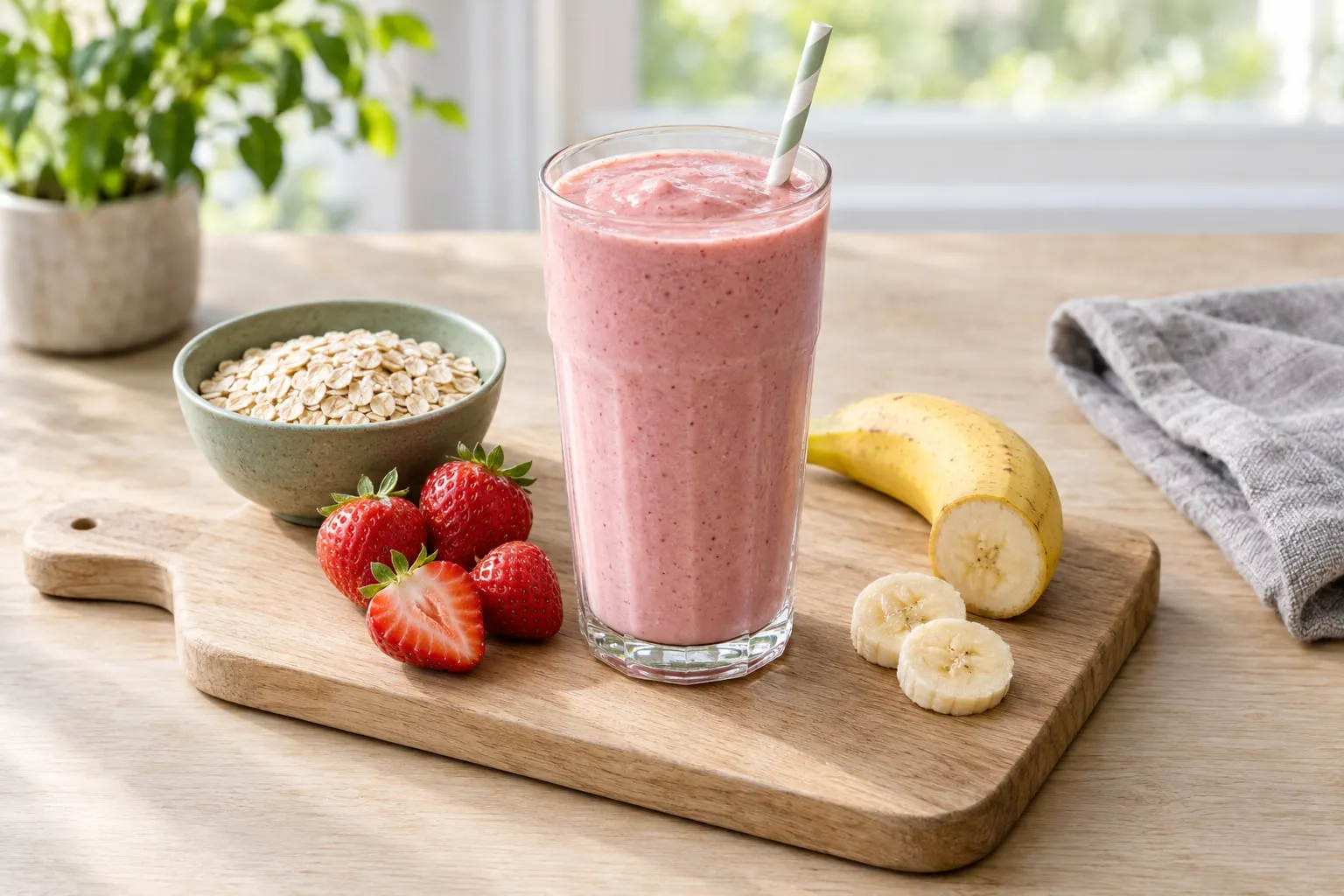
Protein Smoothie
32 g protein387 kcal5 minVegetarian
A blended drink where powder or dairy gives the protein.
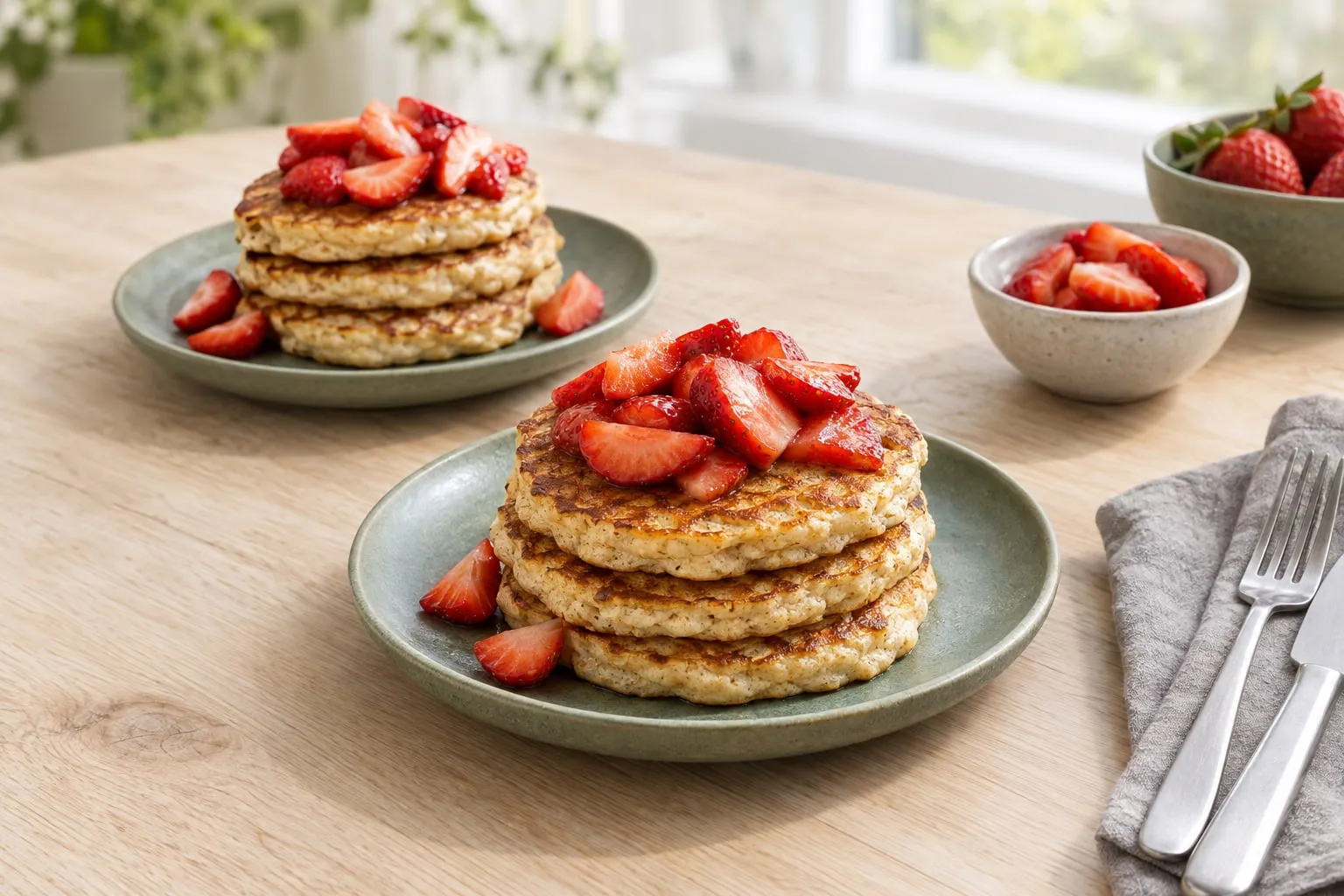
Protein Pancakes
31 g protein342 kcal25 minVegetarian
A breakfast stack with protein from egg and dairy.
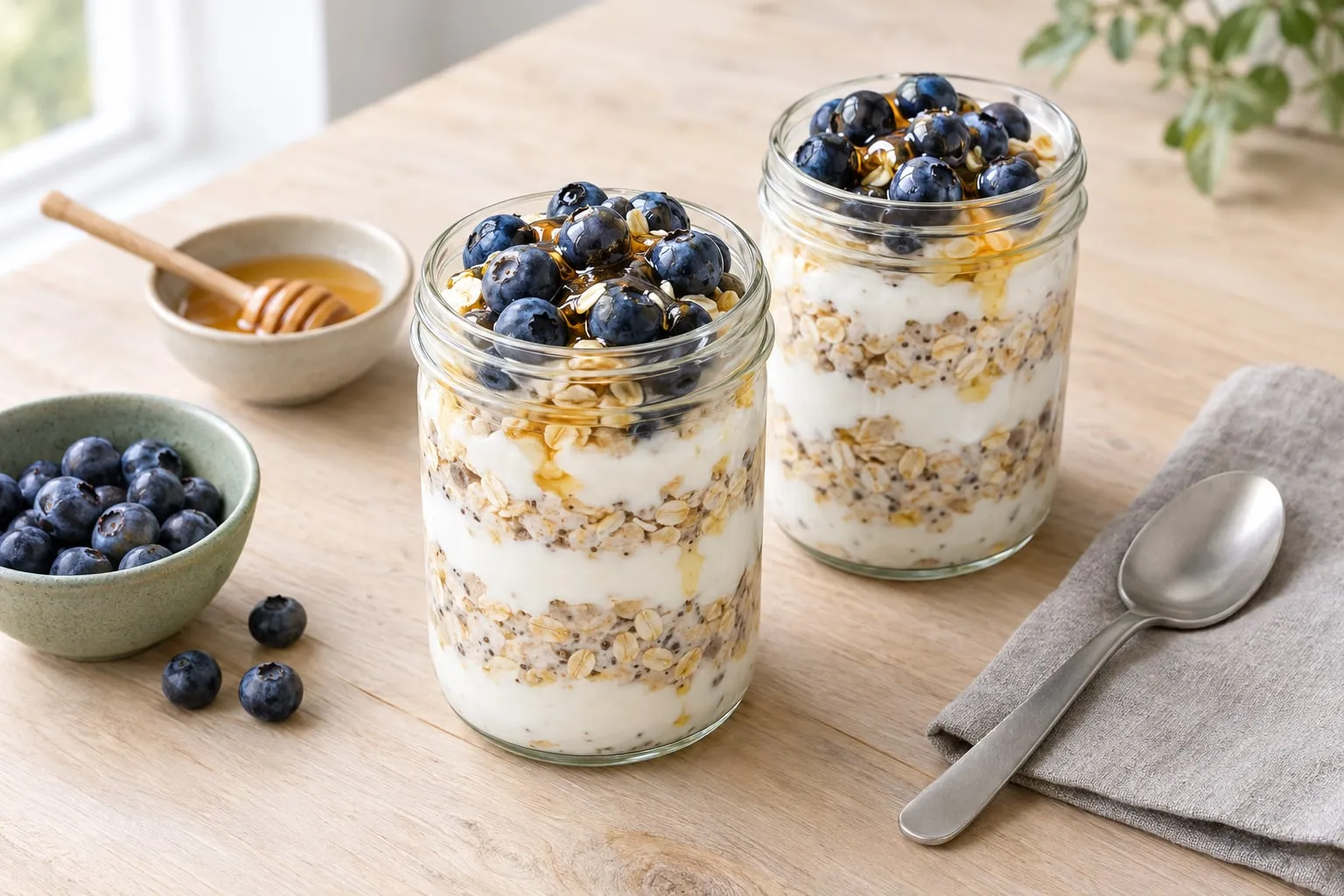
Protein Overnight Oats
26 g protein334 kcal8 hr 5 minVegetarian
Oats soaked in a high protein base, ready after training or in the morning.
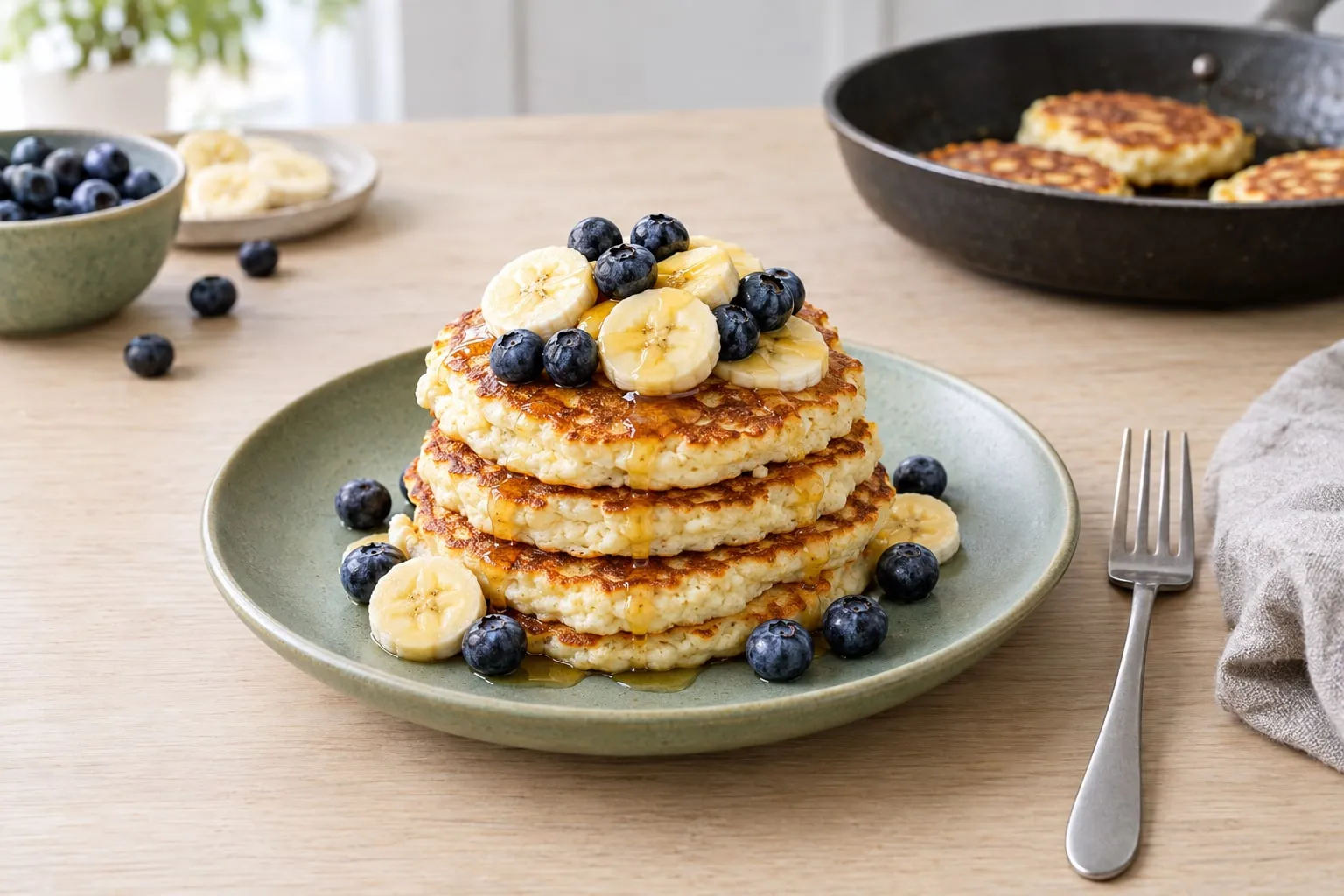
Cottage Cheese Pancakes
20 g protein274 kcal30 minVegetarian
Pancakes that use cottage cheese in the batter.
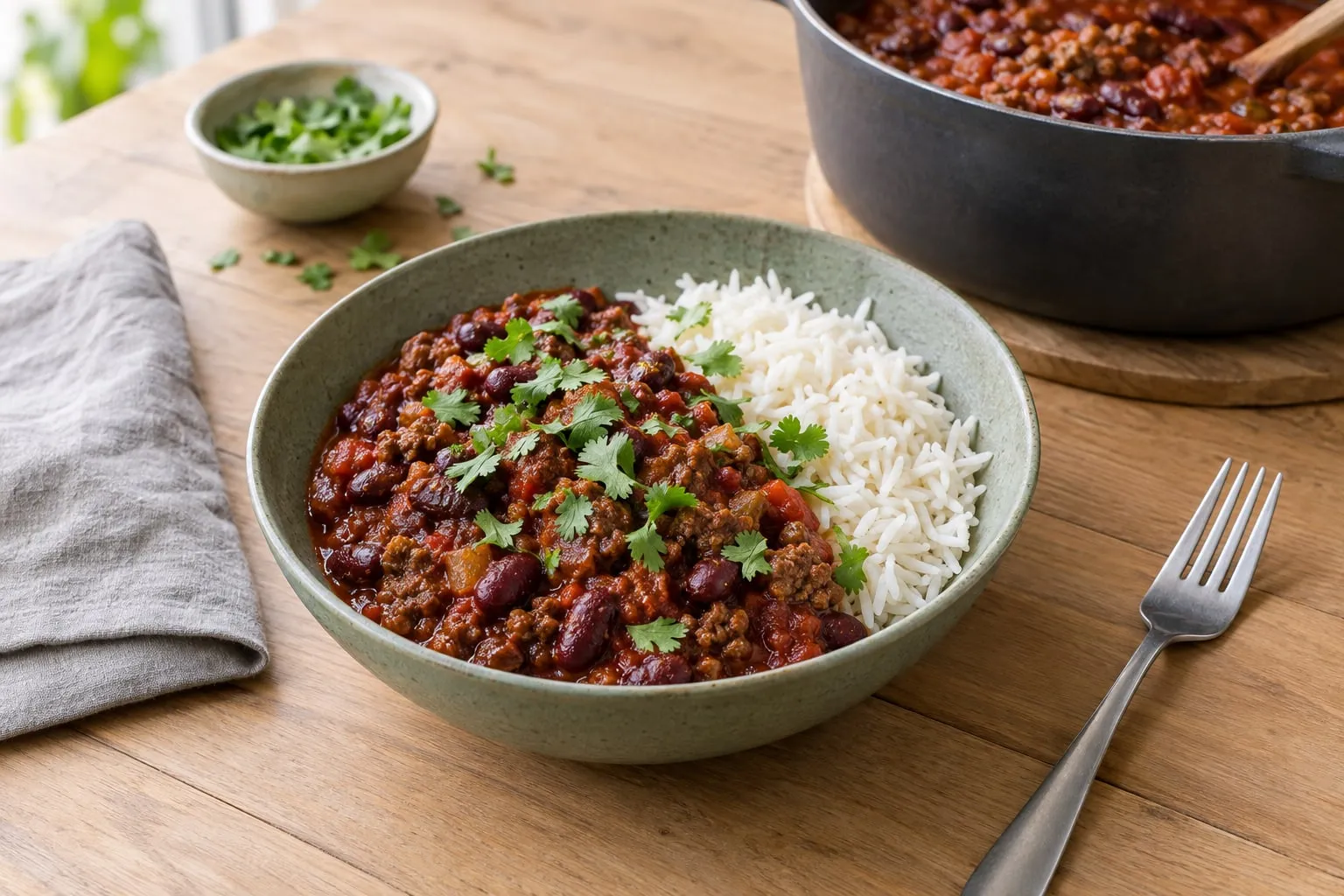
High Protein Chilli con Carne
33 g protein287 kcal1 hr 25 minGluten-freeDairy-free
A dinner with mince and beans in one pot.
Sources
- Dietary Reference Values for Food Energy and Nutrients for the UK (COMA, 1991) – Reference Nutrient Intake of 0.75 g protein per kg body weight per day for adults
- EFSA Scientific Opinion on Dietary Reference Values for protein (2012) – Population Reference Intake of 0.83 g per kg body weight per day for adults
- McCance and Widdowson's Composition of Foods Integrated Dataset 2021 (CoFID) – Protein and energy per 100 g for the foods in the portion table
Read our editorial policy for how figures are checked and how to report a mistake.
More protein guides
All guides
Guide
How Much Protein Do You Need Per Day?
How much protein do I need? The UK reference is 0.75 g per kg of body weight a day, or 52.5 g at 70 kg. See food values and a worked example day.
Guide
Protein Calculator
Protein calculator: multiply your weight in kg by 0.75 for the UK reference amount, so 70 kg gives 53 g a day. Tables for kg and stone, plus foods per 20 g.
Guide
Protein for Weight Loss
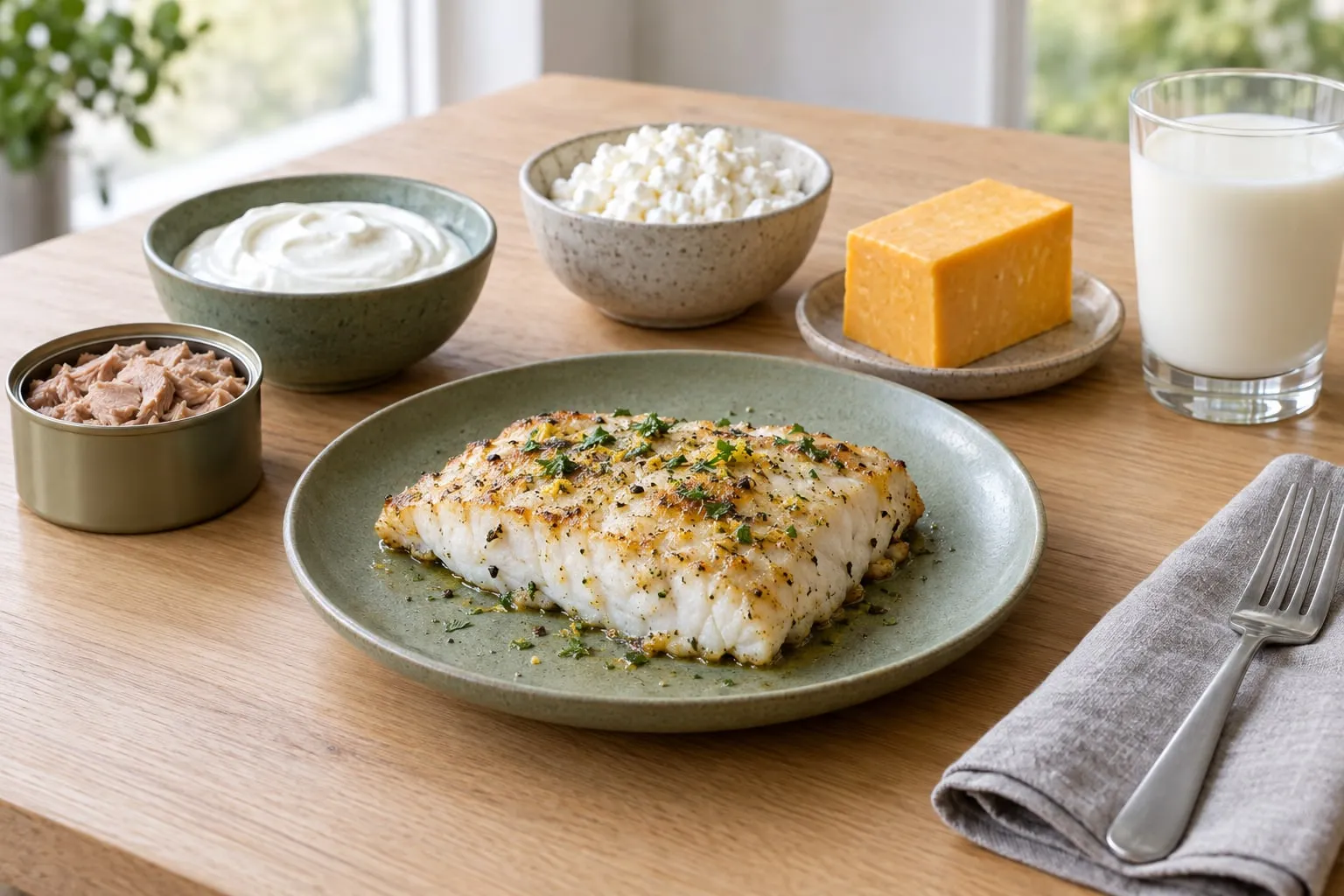
Protein for weight loss in numbers: 20 g of protein costs 84 kcal from baked cod, 105 kcal from Greek yogurt and 328 kcal from Cheddar. Ranked table inside.

Guide
High Protein Foods: A Ranked List
High protein foods ranked by protein per 100 g and per 100 kcal: Parmesan has 36.2 g, grilled chicken 32.0 g, dried red lentils 25.6 g and egg white 10.8 g.