Protein guide
Protein for Weight Loss
Quick answer
Weight change depends on energy balance, not on protein alone, but the energy that comes with protein varies a lot: 20 g of protein costs 84 kcal from baked cod, 105 kcal from strained Greek yogurt and 328 kcal from Cheddar.
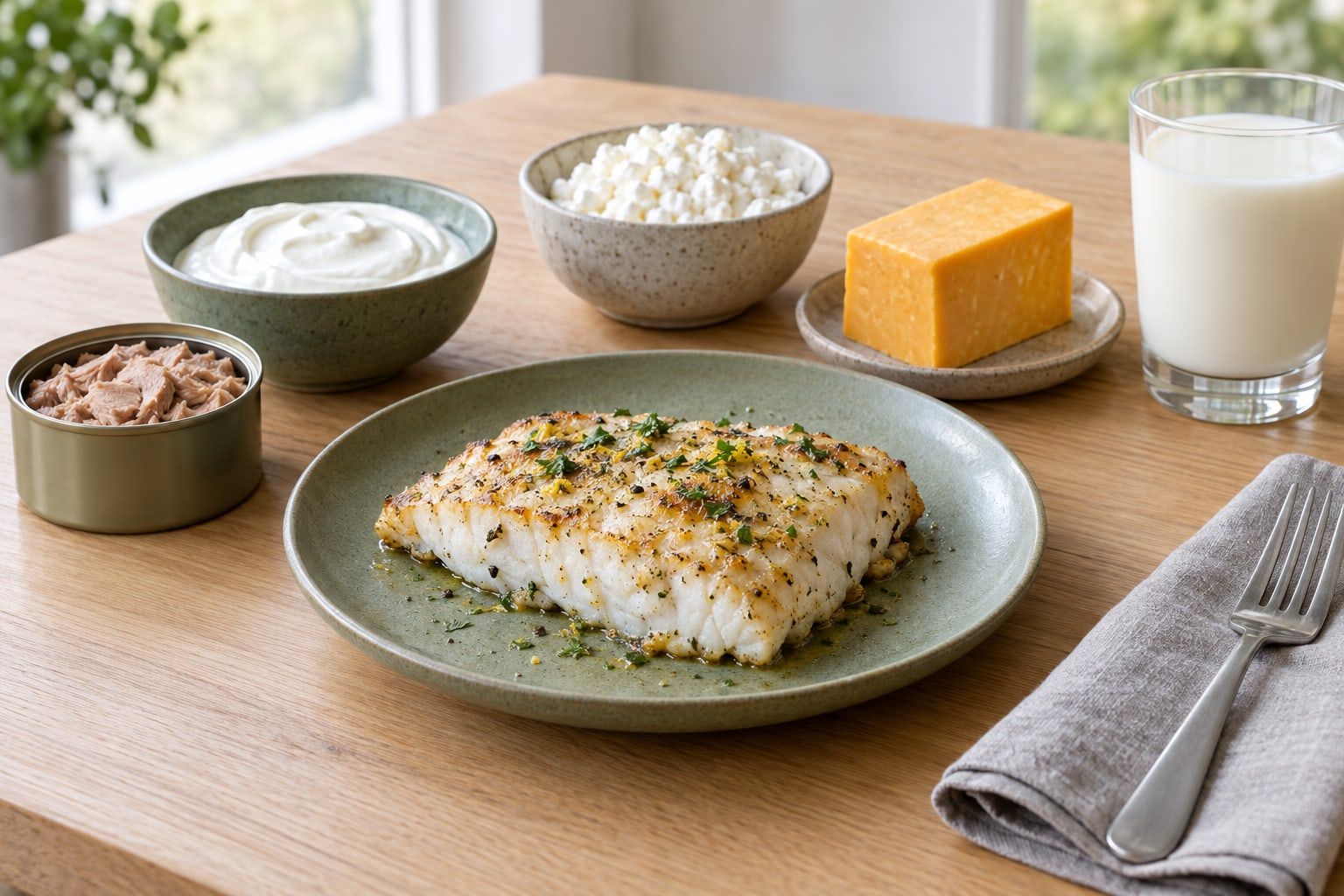
Protein for weight loss is best understood through energy, because weight change depends on overall energy balance and the energy that comes with protein varies widely. Twenty grams of protein costs 84 kcal from baked cod, 105 kcal from strained 0% Greek yogurt, 219 kcal from full-fat cottage cheese and 328 kcal from Cheddar.
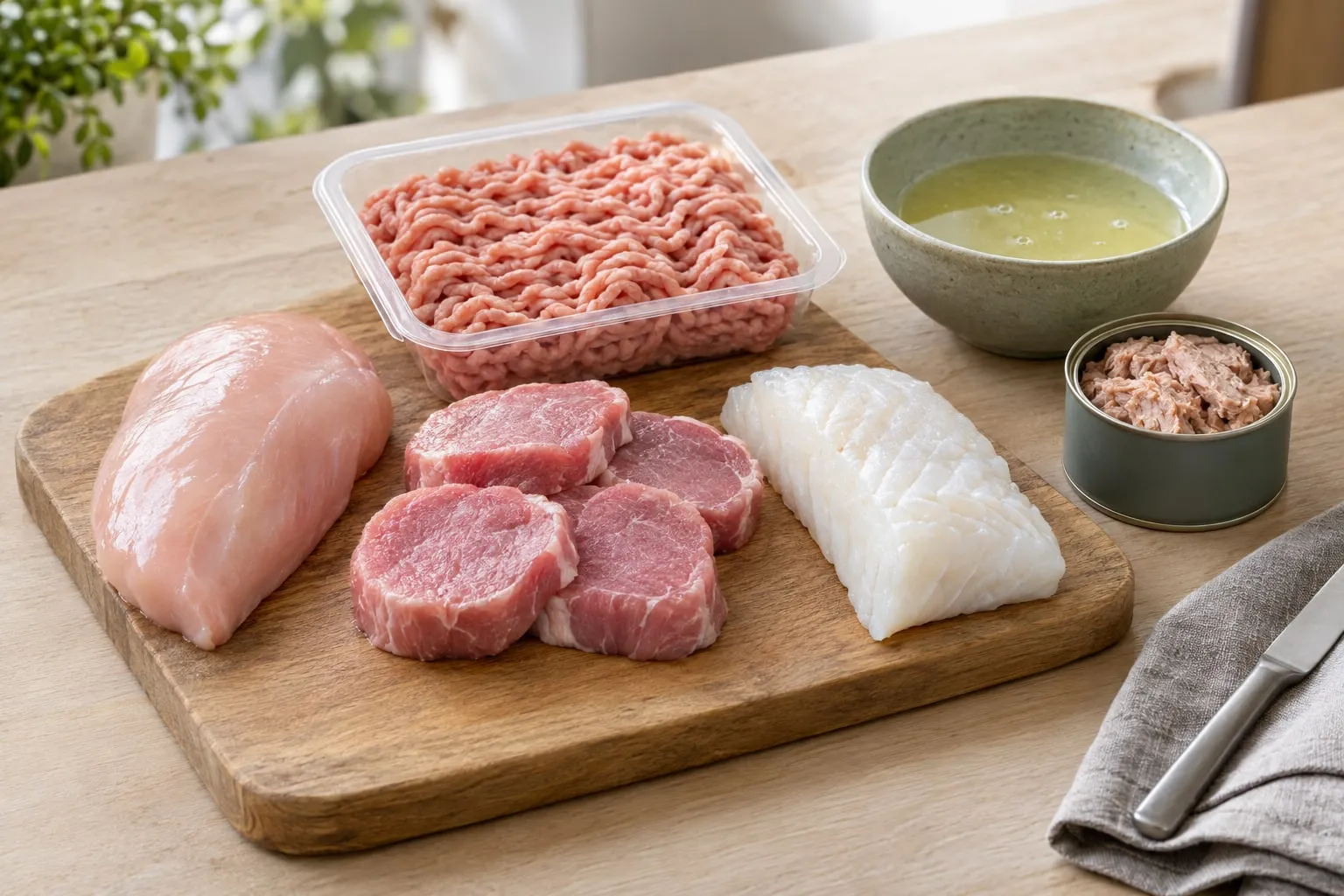
Two variables explain the spread: fat and water. Cod, tuna, chicken breast and Greek yogurt carry almost no fat, so a 20 g serving stays below 110 kcal. Salmon, Cheddar and whole milk carry fat or a lot of water, so the same 20 g costs far more. Even within one food the choice matters, since reduced fat cottage cheese gives 20 g protein for 91 kcal less than the full-fat version. Studies on appetite are mixed, which is why this page sticks to the numbers.
For a practical start, compare foods by the amount that gives 20 g protein rather than by the label on the front. Then build meals around one lean source, add vegetables, and count the oil, cheese and sauces separately. If you are unwell, pregnant, under 18 or have had an eating disorder, speak to your GP or a registered dietitian first.
| Food | Protein per 100 g | Amount for 20 g protein | Energy for 20 g protein |
|---|---|---|---|
| Cod, baked | 23.9 g | 84 g | 84 kcal |
| Tuna in brine, drained | 24.9 g | 80 g | 88 kcal |
| Chicken breast, grilled, no skin | 32.0 g | 63 g | 93 kcal |
| Strained 0% Greek yogurt (typical value) | 10.3 g | 194 g | 105 kcal |
| Beef mince, extra lean, raw | 21.9 g | 91 g | 119 kcal |
| Cottage cheese, reduced fat | 10.6 g | 189 g | 128 kcal |
| Salmon, farmed, baked | 25.2 g | 79 g | 184 kcal |
| Cottage cheese, full fat | 9.4 g | 213 g | 219 kcal |
| Semi-skimmed milk | 3.5 g | 571 ml | 263 kcal |
| Cheddar, English | 25.4 g | 79 g | 328 kcal |
| Whole milk | 3.4 g | 588 ml | 371 kcal |
Source: Calculated from CoFID (codes 16-373, 16-416, 18-323, 18-508, 12-550, 16-359, 12-539, 12-313, 12-346, 12-596); Greek yogurt is a typical value, not CoFID; amounts are rounded to the nearest gram, and cooked foods use cooked values, raw foods raw
Does protein help with weight loss?
Weight change comes down to energy balance over time, and no single nutrient decides it. Some studies suggest a higher protein intake can affect appetite, but the research on satiety is mixed and results differ between people. What the numbers can show is how much energy comes with each gram of protein. The UK reference intake for adults is 0.75 g per kg a day, or 53 g at 70 kg, and EFSA gives 0.83 g per kg, or 58 g, so the starting point is simply to meet a normal daily amount.
Which foods give protein for the fewest calories?
Cooked white fish, tinned tuna and chicken breast give 20 g protein for under 100 kcal: 84 kcal from 84 g of baked cod, 88 kcal from 80 g of drained tuna and 93 kcal from 63 g of grilled chicken. Strained 0% Greek yogurt follows at 105 kcal for 194 g. Extra lean beef mince costs 119 kcal for 91 g raw. All of these have little fat. Foods that bring more fat with the protein, such as salmon (184 kcal) and Cheddar (328 kcal), cost more energy for the same 20 g.
How much difference does the dairy choice make?
A lot, because dairy comes in many fat levels. Twenty grams of protein from reduced fat cottage cheese costs 128 kcal, against 219 kcal for the full-fat version, which is 91 kcal less. Semi-skimmed milk costs 263 kcal for 20 g protein, whole milk 371 kcal, and strained 0% Greek yogurt 105 kcal. Milk is a modest protein source at 3.5 g per 100 ml, so a large volume is needed. Yogurt, quark and skyr give more protein for the energy.
What do weight loss high protein meals look like?
A typical meal pairs a lean protein with vegetables and a measured portion of starch. A 150 g raw chicken fillet gives 36.0 g protein for 159 kcal, and a tin of tuna gives 25.4 g for 111 kcal. Egg dishes are another option: a medium egg has 6.3 g protein and 66 kcal, so egg muffins baked with vegetables give a modest amount of protein per muffin for little energy. The energy in the rest of the meal, such as oil, cheese and sauces, usually decides the total.
Will protein shakes help you lose weight?
A shake does not change energy balance by itself. A 30 g scoop of whey in water gives 22.5 g protein for 114 kcal, which is a small amount of energy for the protein. Mixed with 300 ml of semi-skimmed milk it becomes 33.0 g and 252 kcal, and with fruit or nut butter it can reach the size of a meal. Whether a shake fits into a plan for losing weight depends on what else is eaten that day. A drink to lose weight is just another source of calories to count.
When should you speak to a professional?
Anyone who is ill, pregnant or breastfeeding, under 18, living with an eating disorder or considering a very low calorie diet should speak to their GP or a registered dietitian before changing how they eat. Aim for plans that include a range of foods, and avoid cutting out entire food groups to chase a protein figure. The tables on this page are for general information about foods, not a diet plan, and they cannot take your health, medication or history into account. A GP or dietitian can set a calorie and protein target that suits you, and can also advise on how quickly it is reasonable to lose weight.
Practical tips
- Compare by 20 g, not by 100 g
Because foods vary in water and fat, the amount that gives 20 g protein is more useful than the per 100 g figure. It shows the real energy cost of a portion.
- Check the fat in dairy
Choose plain, lower fat versions of cottage cheese, yogurt and quark, and compare the label with the table. The energy gap between full and reduced fat cottage cheese is 91 kcal per 20 g protein.
- Count the extras
Cooking oil, cheese and sauces can outweigh the protein source. One tablespoon of oil adds about 126 kcal, more than the whole 20 g serving of cod in the table.
Myth or fact
- Myth
Is it true that a high protein diet always leads to weight loss?
No. Weight change depends on energy balance, and foods high in protein can still be high in calories. Twenty grams of protein from Cheddar comes with 328 kcal, against 84 kcal from baked cod.
- Partly
Is it true that protein shakes are low calorie?
It depends on the recipe. A 30 g scoop of whey in water has 114 kcal, but with 300 ml of semi-skimmed milk it has about 252 kcal, and with fruit or nut butter it has more.
Frequently asked questions
What are weight loss foods high in protein?
Foods with the lowest energy per 20 g protein are baked cod (84 kcal), drained tuna (88 kcal), grilled chicken breast (93 kcal) and strained 0% Greek yogurt (105 kcal).
Will protein shakes help you lose weight?
A shake gives protein and energy, but it does not change energy balance on its own. A 30 g scoop of whey in water has 22.5 g protein and 114 kcal.
Is a protein drink to lose weight better than food?
Neither is better by itself. A shake is convenient, and food such as 194 g of Greek yogurt (20 g protein, 105 kcal) works equally well.
Are high protein egg muffins good for weight loss?
They suit a high protein, controlled-portion meal. A medium egg has 6.3 g protein and 66 kcal, and what else goes into the muffin decides the total energy.
How much protein do I need if I want to lose weight?
The UK reference intake is 0.75 g per kg a day, which is 53 g for a 70 kg adult. Research on weight loss sometimes uses higher intakes, and the right figure depends on the individual, so speak to your GP or a registered dietitian if you are unsure.
Recipes to try
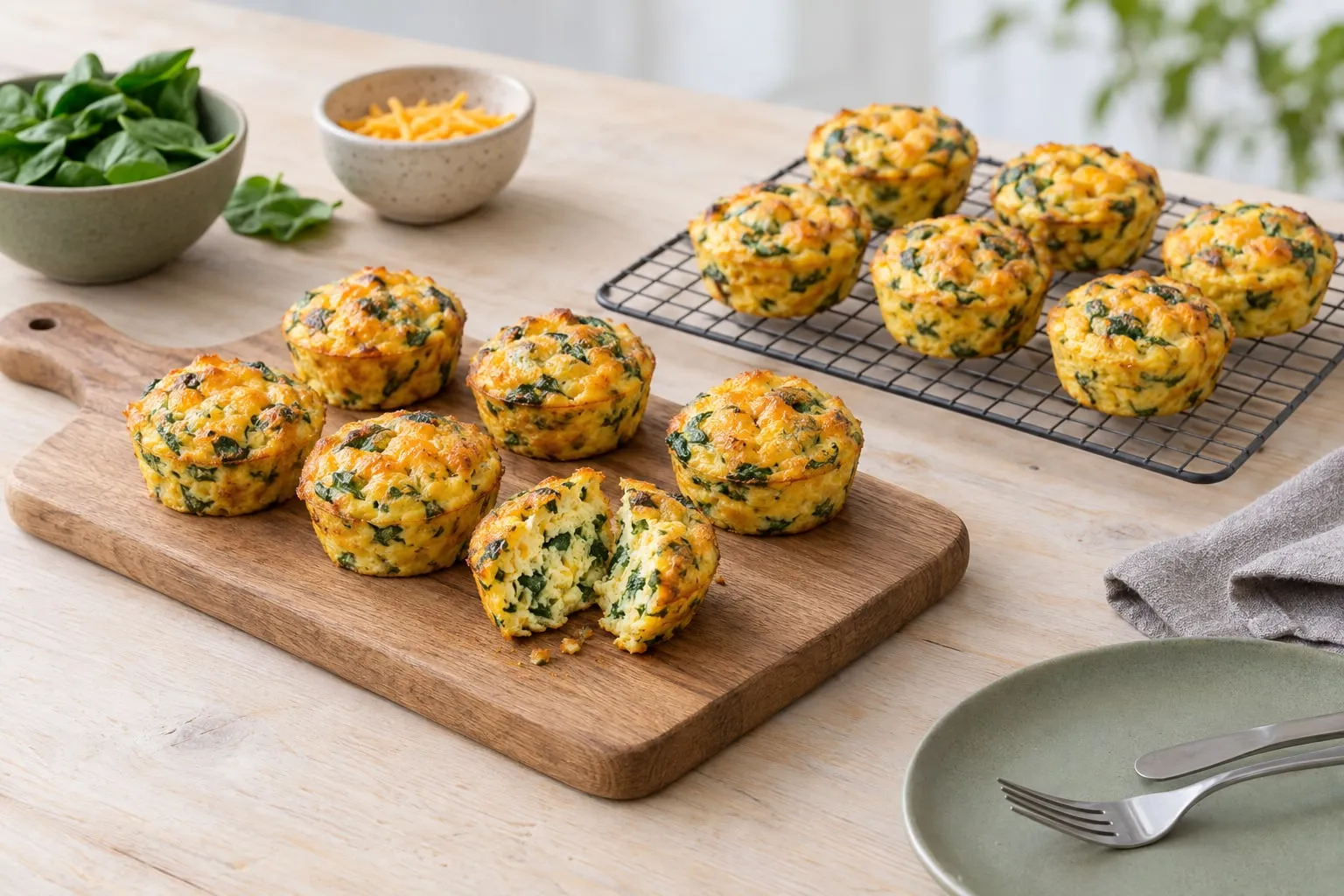
High Protein Egg Muffins
31 g protein265 kcal45 min
Egg muffins baked with vegetables, portioned and easy to count.
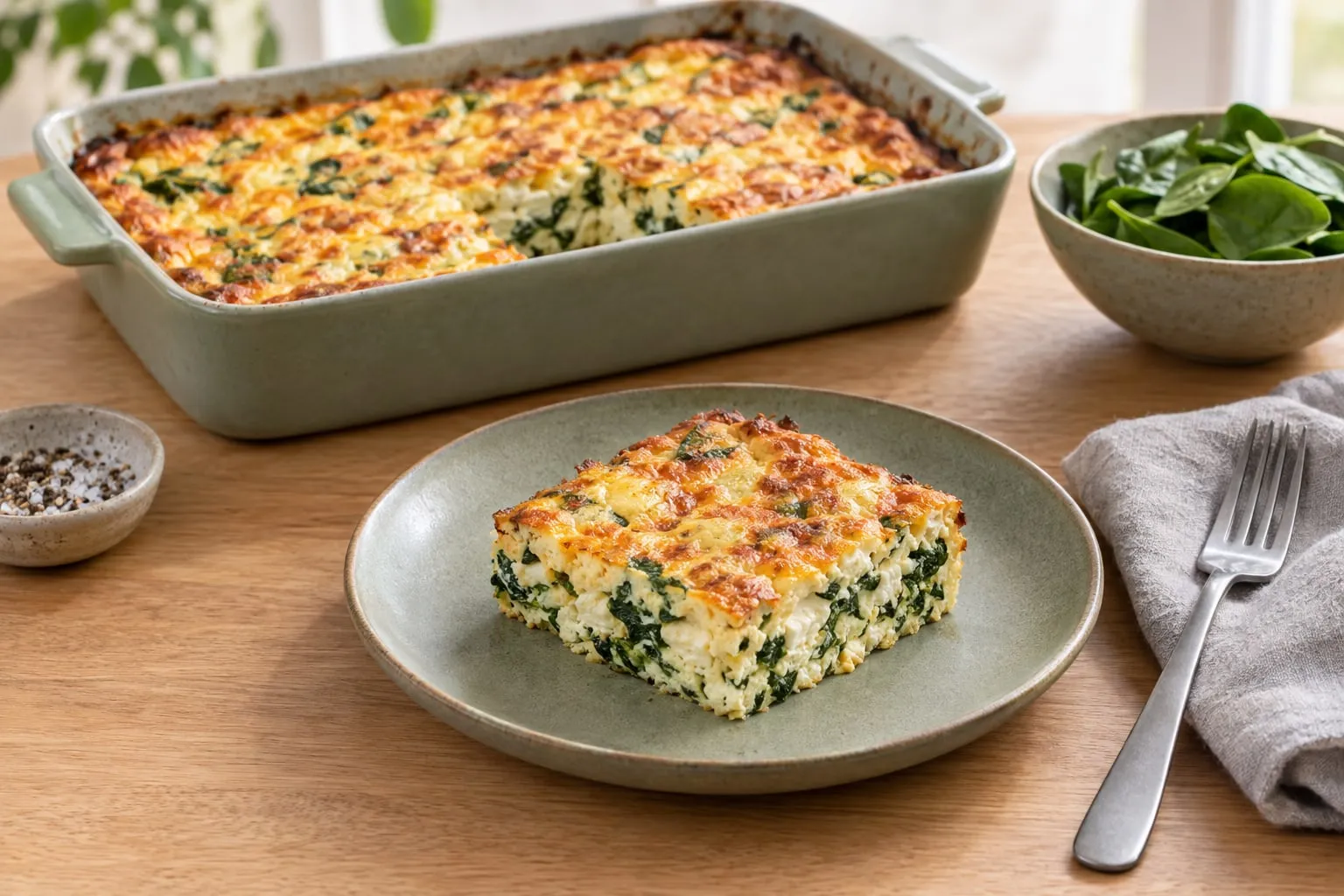
Cottage Cheese and Egg Bake
22 g protein190 kcal55 minVegetarianGluten-free
Eggs and cottage cheese baked together, ready in slices.
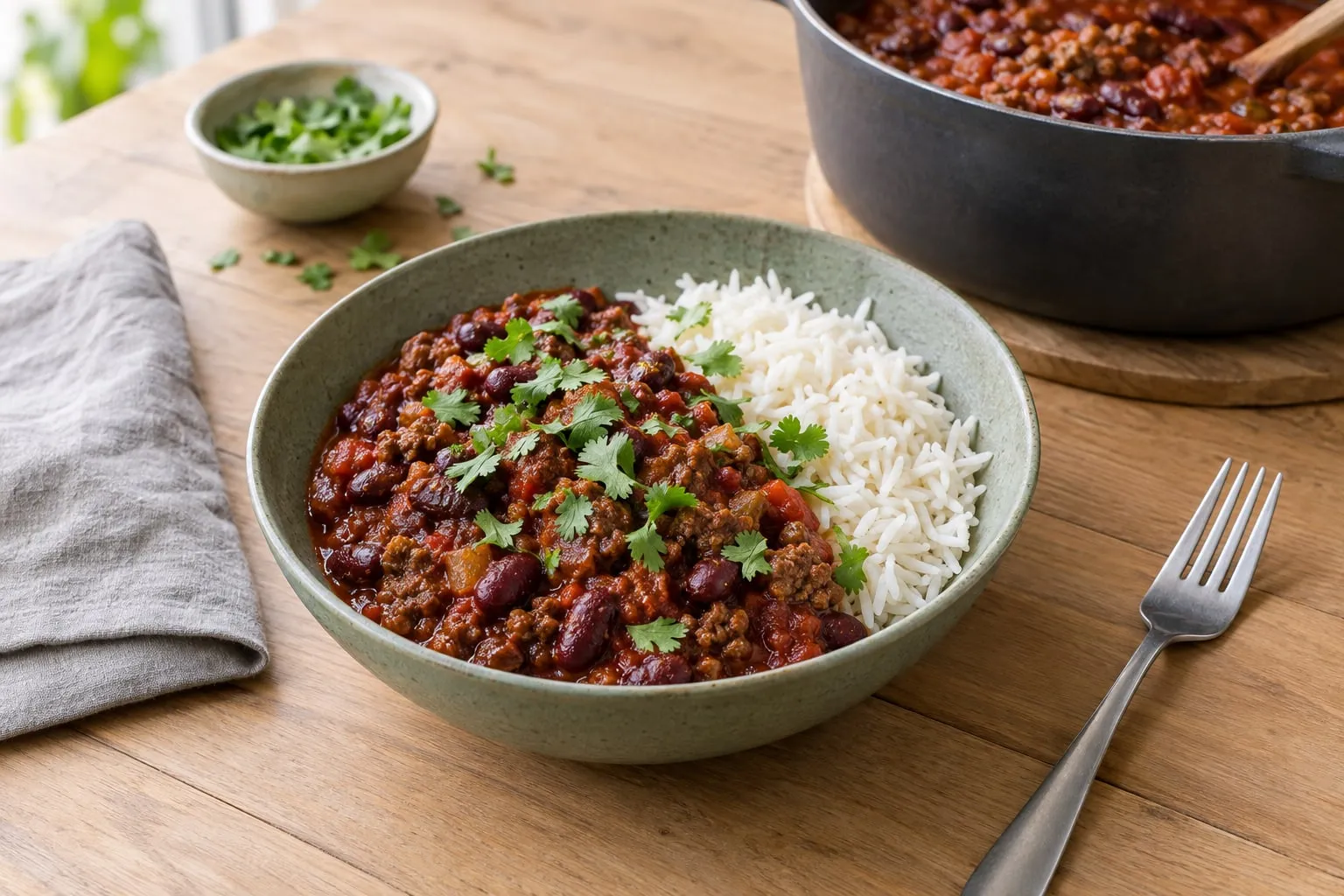
High Protein Chilli con Carne
33 g protein287 kcal1 hr 25 minGluten-freeDairy-free
A chilli with mince and beans in one pot.
TVP Mince Bolognese
30 g protein476 kcal55 minVegetarianVegan
A meat-free bolognese built on textured vegetable protein.
Protein Overnight Oats
26 g protein334 kcal8 hr 5 minVegetarian
Oats soaked in a high protein base for a no-cook breakfast.
Protein Smoothie
32 g protein387 kcal5 minVegetarian
A blended drink where you control the protein and the energy.
Sources
- McCance and Widdowson's Composition of Foods Integrated Dataset 2021 (CoFID) – Protein and energy per 100 g for fish, meat, dairy and milk
- Dietary Reference Values for Food Energy and Nutrients for the UK (COMA, 1991) – Reference Nutrient Intake of 0.75 g protein per kg body weight per day for adults
- EFSA Scientific Opinion on Dietary Reference Values for protein (2012) – Population Reference Intake of 0.83 g per kg body weight per day for adults
Read our editorial policy for how figures are checked and how to report a mistake.
More protein guides
All guides
Guide
High Protein Foods: A Ranked List
High protein foods ranked by protein per 100 g and per 100 kcal: Parmesan has 36.2 g, grilled chicken 32.0 g, dried red lentils 25.6 g and egg white 10.8 g.

Guide
How Much Protein Do You Need Per Day?
How much protein do I need? The UK reference is 0.75 g per kg of body weight a day, or 52.5 g at 70 kg. See food values and a worked example day.
Guide
Protein Calculator
Protein calculator: multiply your weight in kg by 0.75 for the UK reference amount, so 70 kg gives 53 g a day. Tables for kg and stone, plus foods per 20 g.
Guide
Lean Protein: Best Sources
Lean protein sources ranked by fat: raw chicken breast has 24.0 g protein and 1.1 g fat per 100 g, tuna 24.9 g and 1.0 g. Meat, fish and dairy compared.