Protein guide
Highest Protein Cheese
Quick answer
Parmesan has the most protein of the cheeses in the UK tables at 36.2 g per 100 g, followed by half-fat Cheddar at 32.7 g. Half-fat Cheddar gives the most protein per calorie, at 12.0 g per 100 kcal.
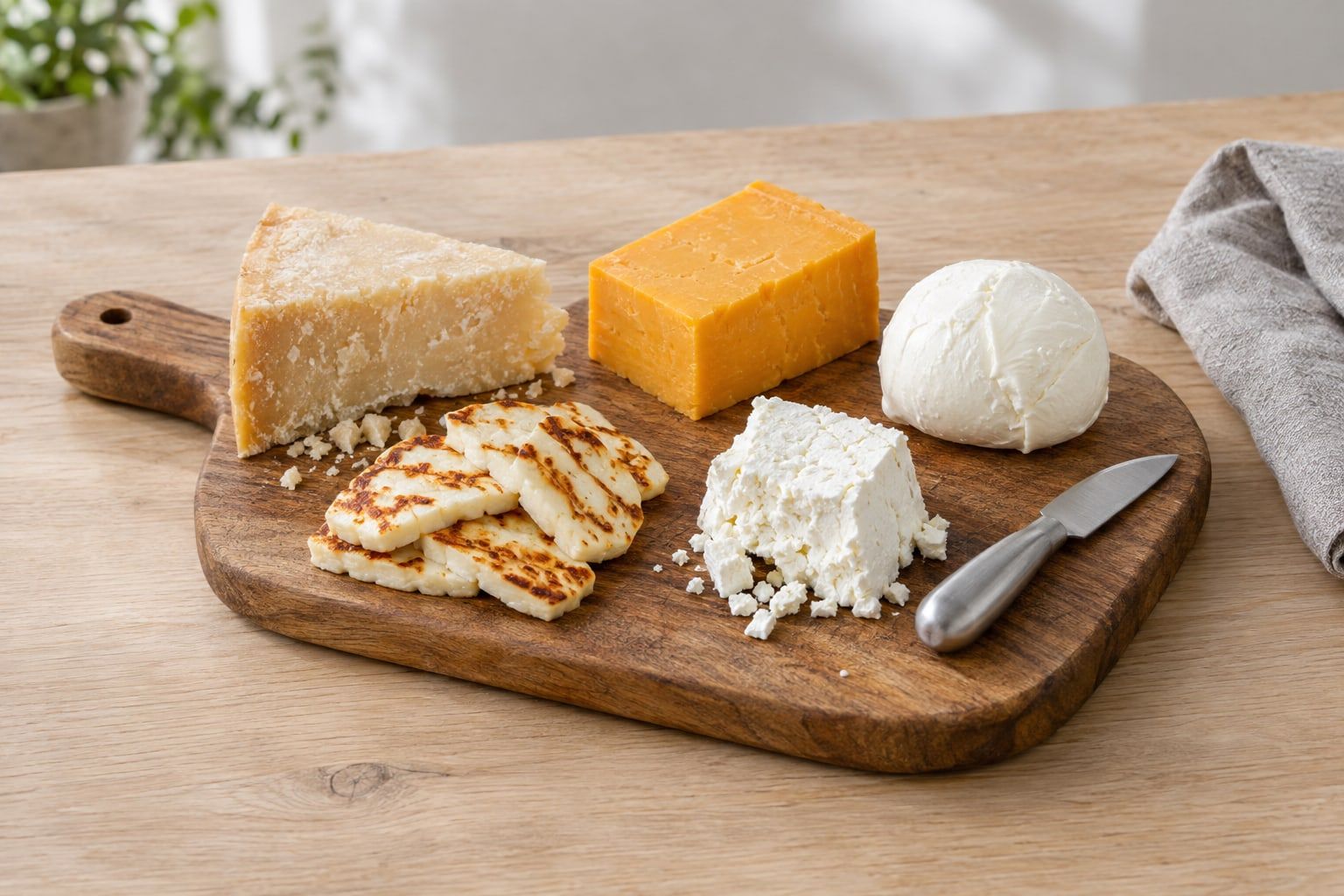
Protein in cheese is highest in Parmesan, at 36.2 g per 100 g, with half-fat Cheddar at 32.7 g and Emmental at 30.2 g close behind. Fresh mozzarella has 18.6 g and feta 15.6 g, so the range across common cheeses is wide.
Per 100 g is only half of the story, because the portion size and the energy change the picture. Parmesan is eaten at around 10 g, so it gives 3.6 g protein, while half-fat Cheddar has the best protein per calorie among hard cheeses at 12.0 g per 100 kcal. A 30 g portion gives 9.8 g and 82 kcal against 7.6 g and 125 kcal for English Cheddar. Halloumi and feta bring more salt, at 3.0 g and 2.5 g per 100 g.
A practical approach is to use cheese as the flavour that adds 5–10 g protein to a meal, and take most of the protein from eggs, meat, fish, beans or cottage cheese. Half-fat Cheddar in a snack, halloumi in a bowl and fresh mozzarella on a pizza are the portions that matter most, and the tables above show what each gives.
| Cheese | Protein | Energy | Protein per 100 kcal |
|---|---|---|---|
| Parmesan | 36.2 g | 415 kcal | 8.7 g |
| Cheddar, half fat | 32.7 g | 273 kcal | 12.0 g |
| Emmental | 30.2 g | 399 kcal | 7.6 g |
| Edam | 26.7 g | 341 kcal | 7.8 g |
| Cheddar, English | 25.4 g | 416 kcal | 6.1 g |
| Halloumi | 23.9 g | 313 kcal | 7.6 g |
| Mozzarella, fresh | 18.6 g | 257 kcal | 7.2 g |
| Feta | 15.6 g | 250 kcal | 6.2 g |
| Cottage cheese, reduced fat, for contrast | 10.6 g | 68 kcal | 15.6 g |
| Quark, for contrast | 14.6 g | 74 kcal | 19.7 g |
Source: CoFID – McCance and Widdowson's Composition of Foods Integrated Dataset 2021 (codes 12-526, 12-348, 12-493, 12-355, 12-346, 12-496, 12-360, 12-525, 12-550, 12-174)
| Portion | Weight | Protein | Energy |
|---|---|---|---|
| Parmesan, grated | 10 g | 3.6 g | 42 kcal |
| Cheddar, English | 30 g | 7.6 g | 125 kcal |
| Cheddar, half fat | 30 g | 9.8 g | 82 kcal |
| Small snack cheese, Edam-style | 20 g | 5.3 g | 68 kcal |
| Feta | 40 g | 6.2 g | 100 kcal |
| Halloumi | 50 g | 12.0 g | 157 kcal |
| Fresh mozzarella ball | 125 g | 23.3 g | 321 kcal |
| Fresh mozzarella on a pizza | 60 g | 11.2 g | 154 kcal |
Source: Calculated from CoFID values; the snack cheese uses Edam (12-355) as a stand-in, so check the label of the product you buy
Which cheese has the most protein?
Parmesan has the most protein of the cheeses in the UK food tables, at 36.2 g per 100 g, followed by half-fat Cheddar at 32.7 g, Emmental at 30.2 g and Edam at 26.7 g. English Cheddar has 25.4 g, halloumi 23.9 g, fresh mozzarella 18.6 g and feta 15.6 g. Because Parmesan is eaten in 10 g grated portions, it gives 3.6 g in practice, while a 30 g piece of half-fat Cheddar gives 9.8 g.
Which cheese gives the most protein per calorie?
Half-fat Cheddar, with 12.0 g protein per 100 kcal, is the best of the hard and semi-hard cheeses. Parmesan gives 8.7 g, Edam 7.8 g, halloumi 7.6 g, mozzarella 7.2 g, feta 6.2 g and English Cheddar 6.1 g. Soft fresh cheeses do better still: reduced fat cottage cheese gives 15.6 g per 100 kcal and quark 19.7 g. In a 30 g portion, half-fat Cheddar has about 2 g more protein than regular Cheddar and about 43 fewer kcal.
How much protein is in feta and halloumi?
Feta has 15.6 g protein and 250 kcal per 100 g, so a 40 g crumble over a salad gives 6.2 g and 100 kcal. Halloumi is higher at 23.9 g per 100 g, and a 50 g portion gives 12.0 g and 157 kcal. Both are salty. Halloumi has 3.0 g salt per 100 g and feta 2.5 g, which is 1.5 g salt in a 50 g portion of halloumi, so they suit smaller portions or dishes where nothing else is salted.
What is the best cheese for pizza and for snacks?
Fresh mozzarella has 18.6 g protein per 100 g, so 60 g on a pizza gives 11.2 g and 154 kcal. Light mozzarella is typically around 18 g per 100 g with 165 kcal, which makes it lower in energy for the same protein. For a snack, a small Edam-style round of 20 g gives about 5.3 g and 68 kcal, and cubes of half-fat Cheddar give more per calorie. Check the label of any snack cheese, because small packs differ in weight and fat.
Does cheese count as a high protein food?
Hard cheeses are high in protein per 100 g, but they are also high in fat and energy, so they work best as part of a meal. Cheese does have protein: per 30 g, English Cheddar gives 7.6 g and half-fat Cheddar 9.8 g. If the goal is a lot of protein for few calories, cottage cheese and quark do better per 100 kcal, and the cottage cheese page covers them. Cheese suits adding flavour and 5–10 g protein to eggs, pasta, wraps or salads.
Practical tips
- Grate for flavour, not for protein
Two tablespoons of grated Parmesan (about 10 g) gives 3.6 g protein, so use it for flavour and count the protein from the rest of the meal.
- Pick half-fat Cheddar for more protein per kcal
In a 30 g portion, half-fat Cheddar has 9.8 g protein and 82 kcal, against 7.6 g and 125 kcal for English Cheddar.
- Watch the salt in feta and halloumi
Halloumi has 3.0 g salt per 100 g and feta 2.5 g. Use less salt elsewhere in the dish.
Myth or fact
- The facts
Is it true that all cheese is high in protein?
Per 100 g, most hard cheeses are, with 25–36 g. Soft cheeses such as feta (15.6 g) and mozzarella (18.6 g) have less, and portions are small, so a 30 g piece of Cheddar gives 7.6 g.
- The facts
Is it true that cottage cheese has more protein than Cheddar?
Not per 100 g. Reduced fat cottage cheese has 10.6 g and English Cheddar 25.4 g. Per 100 kcal, though, cottage cheese has 15.6 g against 6.1 g for Cheddar.
Frequently asked questions
What is the highest protein cheese?
Parmesan, with 36.2 g protein per 100 g, then half-fat Cheddar at 32.7 g and Emmental at 30.2 g.
Does cheese have protein?
Yes. Hard cheeses have 25–36 g per 100 g, and a 30 g piece of English Cheddar gives 7.6 g.
How much protein is in feta cheese?
Feta has 15.6 g protein and 250 kcal per 100 g. A 40 g portion gives 6.2 g.
How much protein is in pizza cheese?
Fresh mozzarella has 18.6 g protein per 100 g, so 60 g on a pizza gives 11.2 g. Light mozzarella is typically about 18 g per 100 g.
What is a good high protein cheese snack?
Half-fat Cheddar cubes (30 g gives 9.8 g and 82 kcal), a small Edam-style cheese (about 5.3 g in 20 g) or a portion of cottage cheese.
Recipes to try
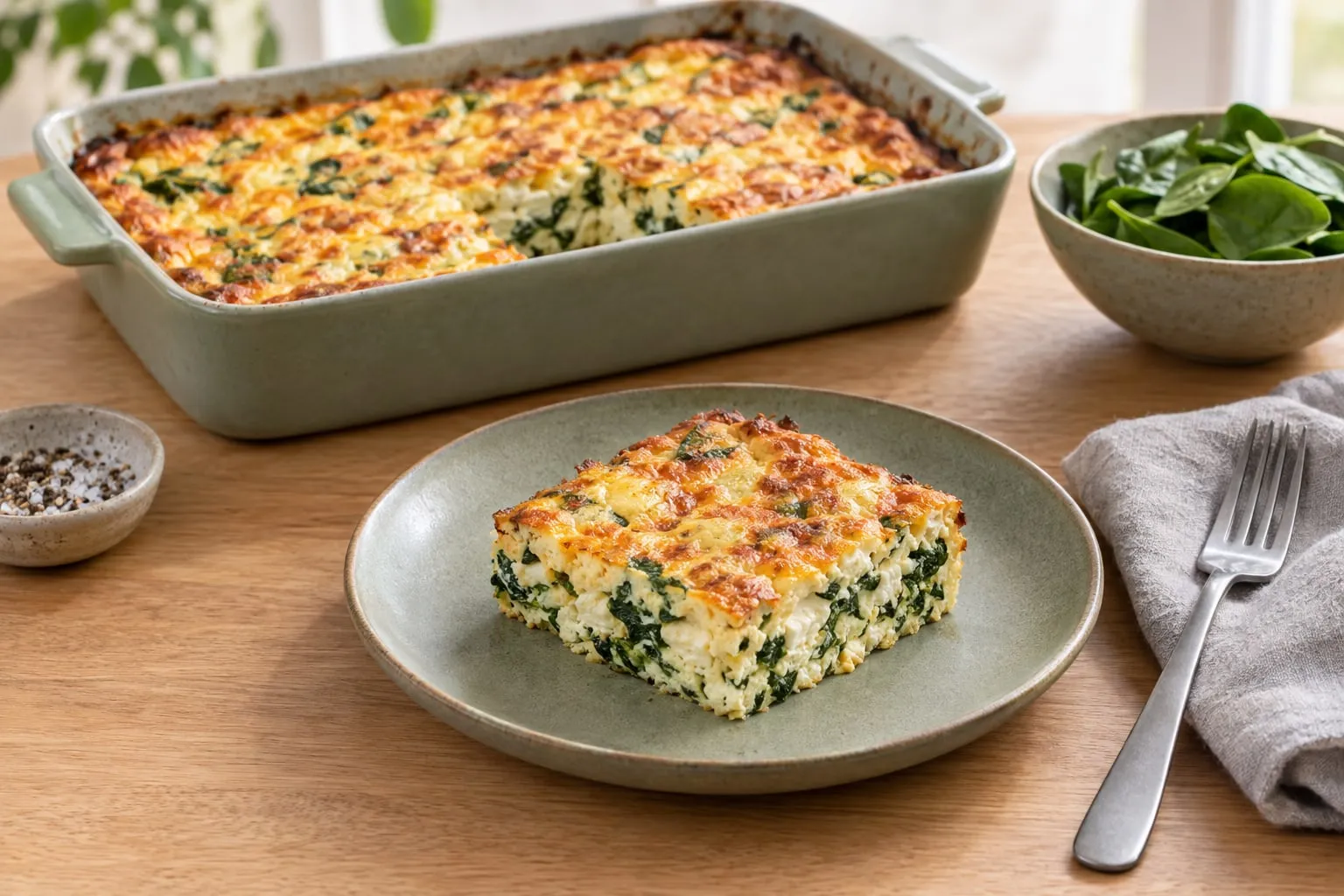
Cottage Cheese and Egg Bake
22 g protein190 kcal55 minVegetarianGluten-free
A bake where eggs and cottage cheese give the protein, with cheese on top.
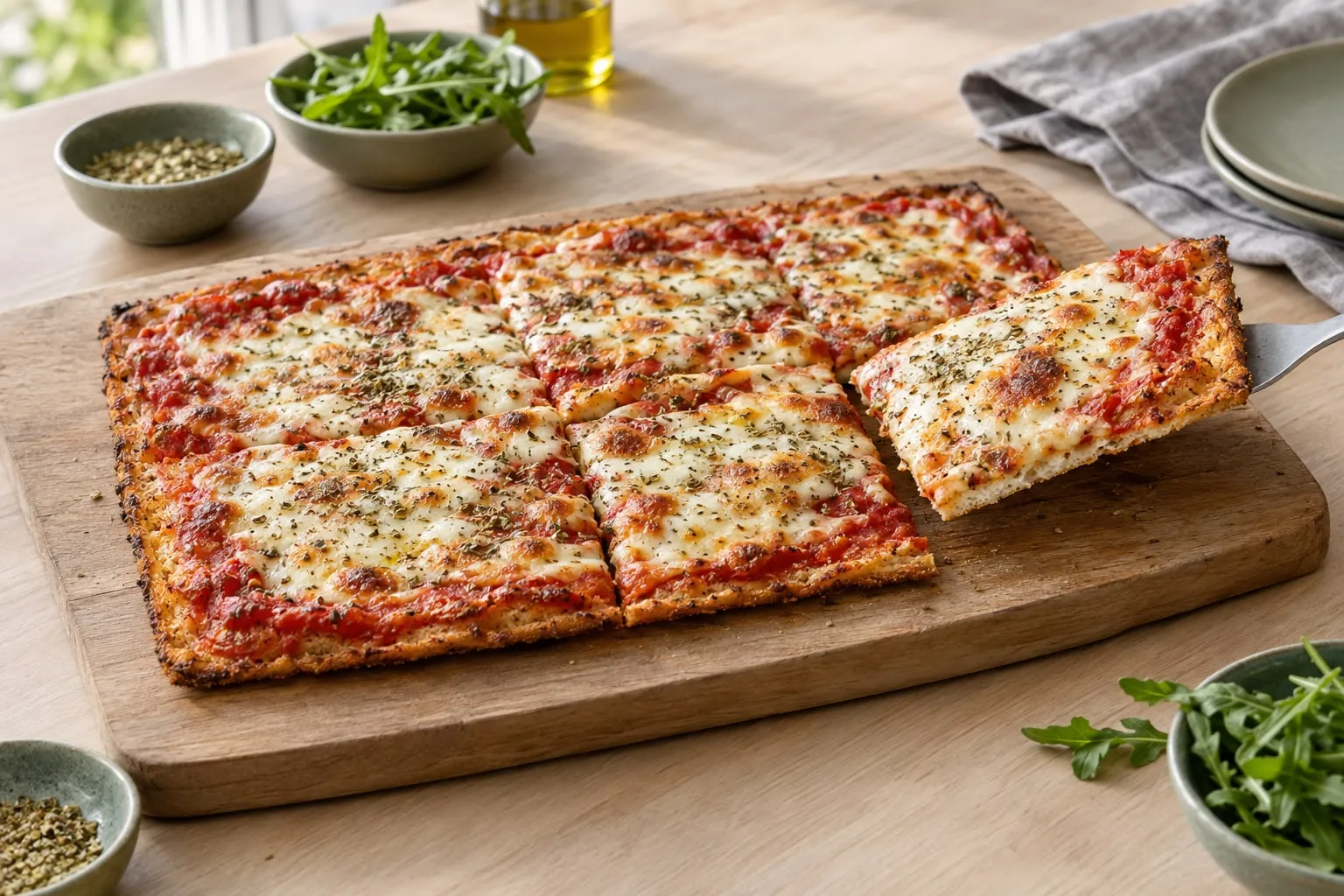
Cottage Cheese Pizza Base
35 g protein398 kcal37 minVegetarian
A pizza base built from cottage cheese, topped with mozzarella.
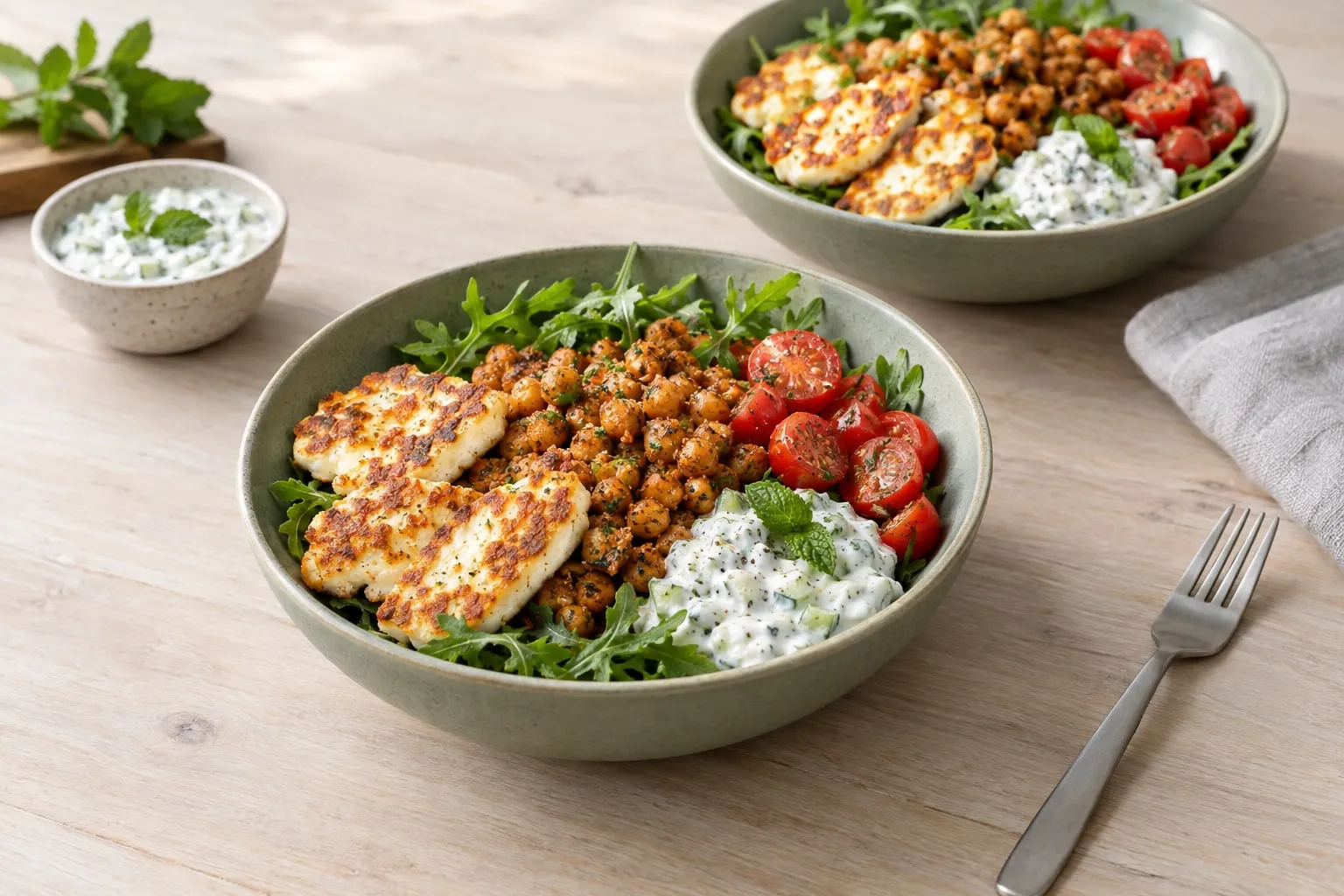
Halloumi Protein Bowl
31 g protein416 kcal34 minVegetarianGluten-free
A bowl built around halloumi, with the protein per serving.
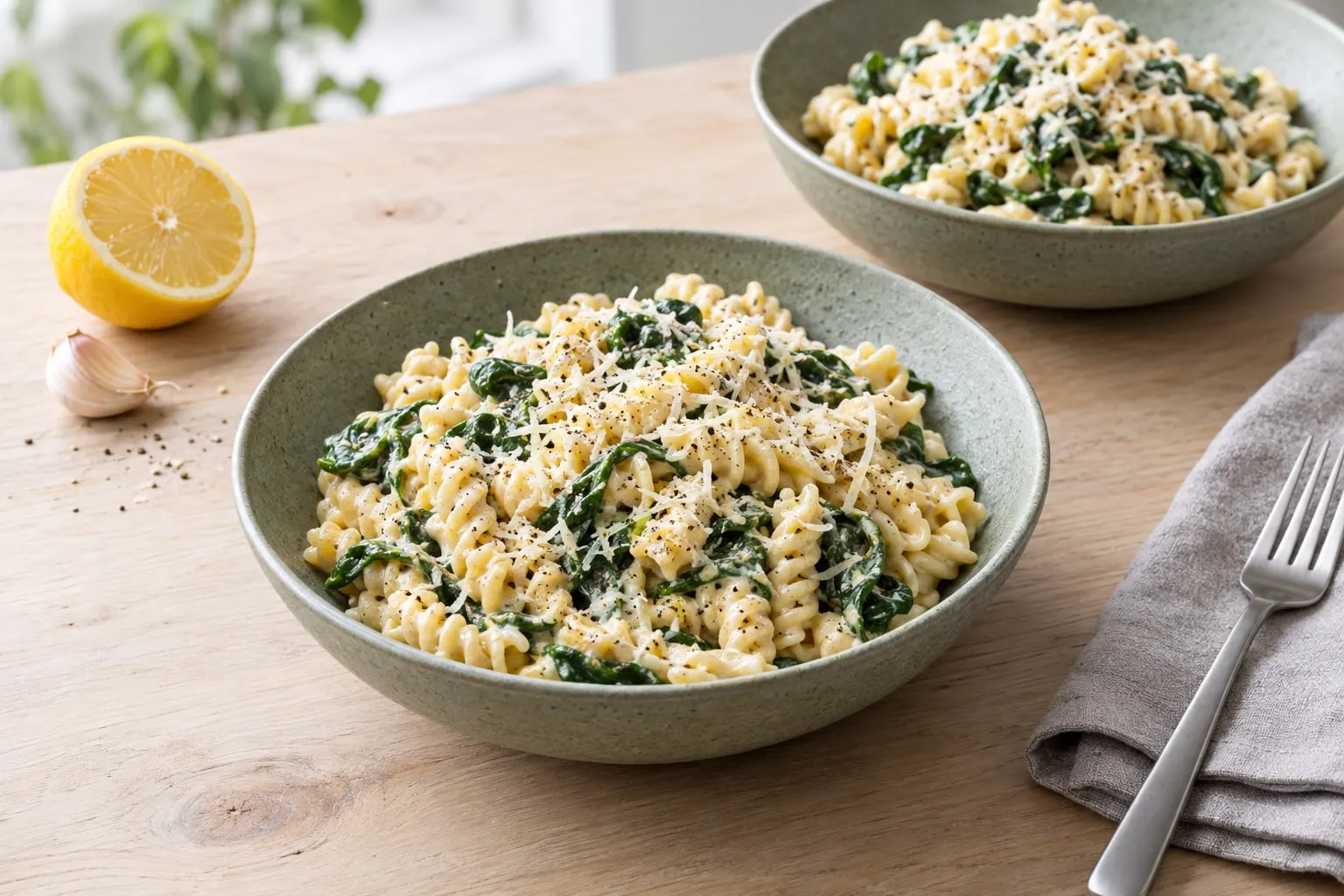
Creamy Cottage Cheese Pasta Sauce
29 g protein415 kcal20 minVegetarian
A pasta where cottage cheese makes the sauce.
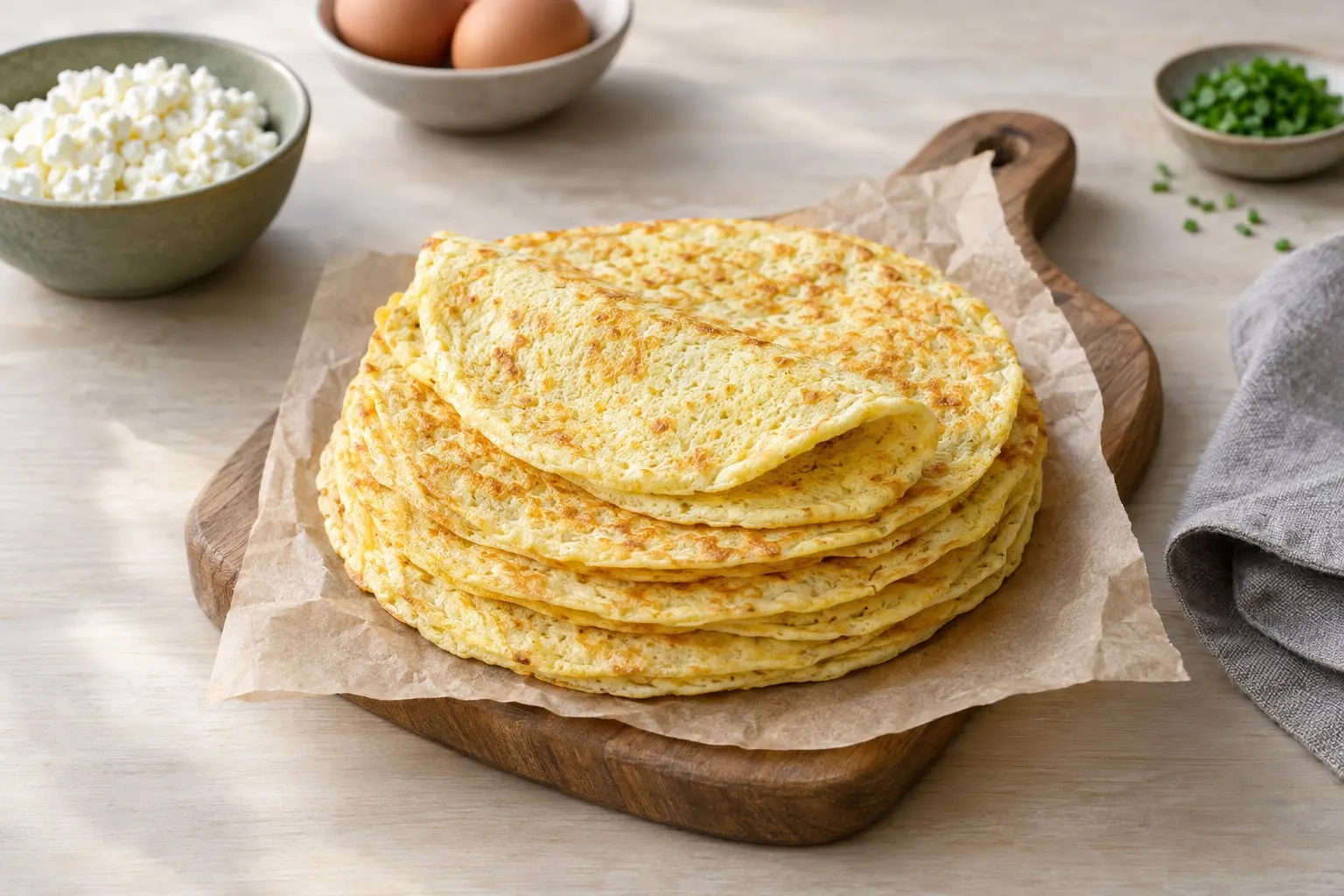
Cottage Cheese Wraps
13 g protein110 kcal26 minVegetarianGluten-free
A cottage cheese wrap that works as a lunchbox option.
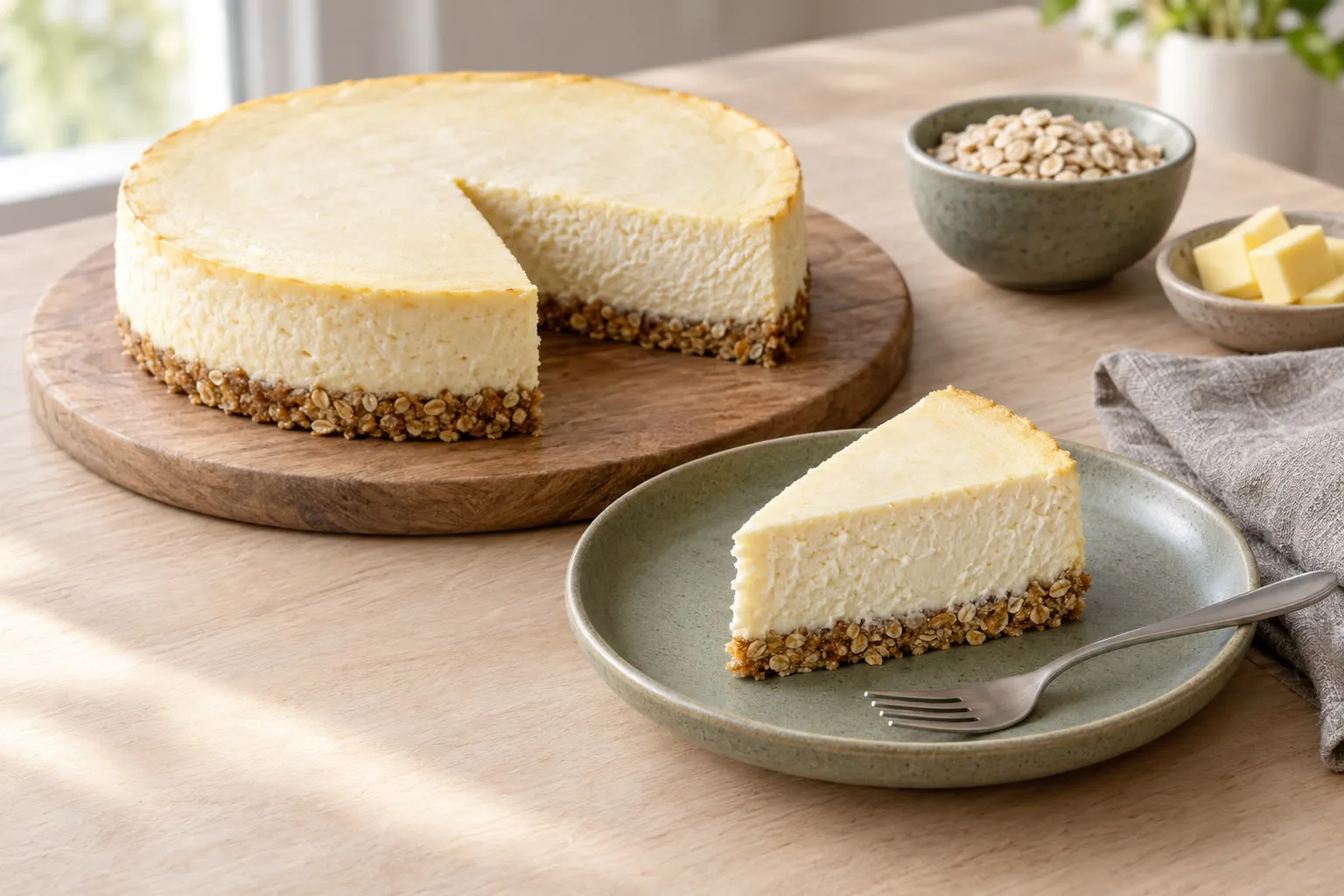
Cottage Cheese Cheesecake
15 g protein164 kcal6 hr 20 minVegetarian
A dessert version that turns cottage cheese into a cheesecake.
Sources
- McCance and Widdowson's Composition of Foods Integrated Dataset 2021 (CoFID) – Protein, energy and salt for Parmesan, Cheddar, Emmental, Edam, halloumi, mozzarella, feta, cottage cheese and quark
- NHS Eatwell Guide – Dairy foods and general guidance on salt and saturated fat
Read our editorial policy for how figures are checked and how to report a mistake.
More protein guides
All guides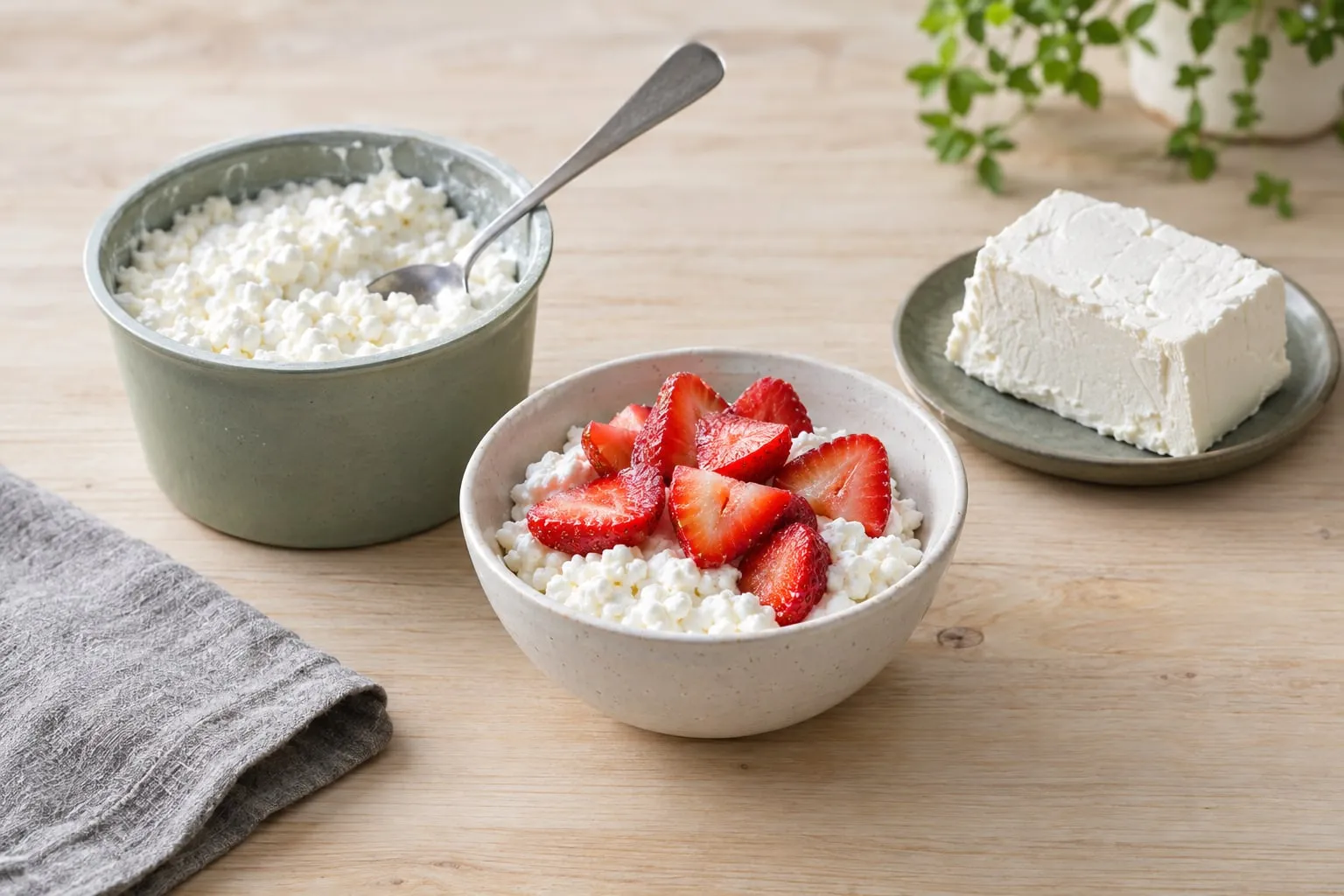
Guide
Protein in Cottage Cheese
Protein in cottage cheese: 150 g plain has 14.1 g protein and 155 kcal, reduced fat has 15.9 g and 102 kcal. Values per 100 g, per portion and per tub.

Guide
High Protein Foods: A Ranked List
High protein foods ranked by protein per 100 g and per 100 kcal: Parmesan has 36.2 g, grilled chicken 32.0 g, dried red lentils 25.6 g and egg white 10.8 g.

Guide
How Much Protein Do You Need Per Day?
How much protein do I need? The UK reference is 0.75 g per kg of body weight a day, or 52.5 g at 70 kg. See food values and a worked example day.
Guide
What Is Protein and Why Do We Need It?
What is protein good for? It is made of amino acids, nine of them essential. See what it does, the UK 0.75 g per kg a day reference and food values.