Protein guide
Protein in Cottage Cheese
Quick answer
A 150 g serving of plain cottage cheese, half of a 300 g tub, has 14.1 g protein and 155 kcal. The reduced fat kind gives 15.9 g protein and 102 kcal for the same weight.
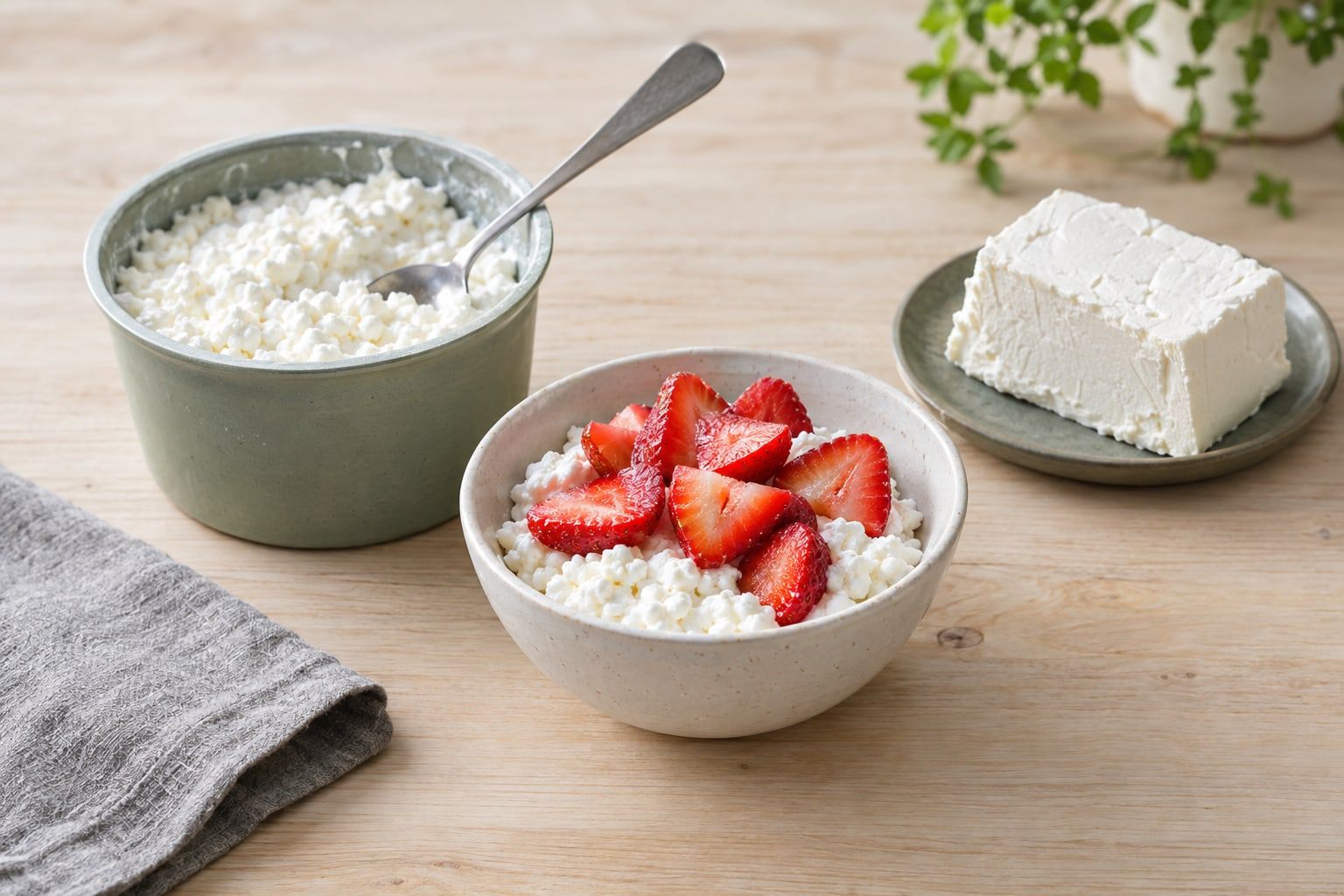
Protein in cottage cheese comes to 9.4 g per 100 g for the plain kind and 10.6 g for reduced fat. A 150 g serving, which is half of a standard 300 g tub, therefore gives 14.1 g protein and 155 kcal if plain, or 15.9 g and 102 kcal if reduced fat. As a share of the energy, that is 37% protein in plain cottage cheese and 62% in the reduced fat version.
The fat level is the variable that moves the numbers. Plain has 6.0 g fat per 100 g and reduced fat 1.5 g, so the protein stays similar while the calories fall by about a third. Salt is the other figure to read: 150 g of plain contains 0.93 g, so cottage cheese counts towards the day’s salt as well as protein. Quark is a different product, with 14.6 g protein and no fat per 100 g, and gives 21.9 g in a 150 g serving. Blending cottage cheese smooth changes only the texture.
In the kitchen, a whole 300 g tub of plain gives 28.2 g protein and the reduced fat tub 31.8 g, which is why it turns up in pancakes, egg bakes, bread and mousse. Eaten as it comes it makes a quick snack with fruit or on toast, and blended it becomes the base for the cottage cheese pudding many people search for.
| Food | Protein | Energy | Fat | Salt |
|---|---|---|---|---|
| Cottage cheese, plain | 9.4 g | 103 kcal | 6.0 g | 0.62 g |
| Cottage cheese, reduced fat | 10.6 g | 68 kcal | 1.5 g | 0.53 g |
| Quark | 14.6 g | 74 kcal | 0.0 g | 0.11 g |
| Ricotta | 9.4 g | 144 kcal | 11.0 g | 0.25 g |
| Strained 0% fat Greek yogurt (typical value) | 10.3 g | 54 kcal | 0.0 g | 0.10 g |
| Low fat cream cheese (typical value) | 8.0 g | 145 kcal | 11.0 g | 0.80 g |
Source: CoFID – McCance and Widdowson's Composition of Foods Integrated Dataset 2021 (codes 12-539, 12-550, 12-174, 12-176); the yogurt and cream cheese rows are typical values for those products (x5, x35), not CoFID figures
| Portion | Protein | Energy | Fat | Salt |
|---|---|---|---|---|
| 150 g plain cottage cheese | 14.1 g | 155 kcal | 9.0 g | 0.93 g |
| 150 g reduced fat cottage cheese | 15.9 g | 102 kcal | 2.3 g | 0.80 g |
| 300 g tub, plain | 28.2 g | 309 kcal | 18.0 g | 1.86 g |
| 300 g tub, reduced fat | 31.8 g | 204 kcal | 4.5 g | 1.59 g |
| 150 g quark | 21.9 g | 111 kcal | 0.0 g | 0.17 g |
Source: Calculated from CoFID codes 12-539, 12-550 and 12-174; a standard UK tub is assumed to weigh 300 g
How much protein is in 150 g of cottage cheese?
Plain cottage cheese has 9.4 g protein per 100 g, so 150 g, which is half of a standard 300 g tub, gives 14.1 g protein and 155 kcal. Reduced fat cottage cheese has 10.6 g per 100 g and gives 15.9 g protein and 102 kcal in the same amount. A whole 300 g tub comes to 28.2 g protein in the plain version and 31.8 g in the reduced fat one. Protein makes up about 37% of the energy in plain cottage cheese and 62% in reduced fat, which is why it counts as a high protein food even though the per 100 g figure looks modest next to hard cheese.
Is reduced fat cottage cheese higher in protein?
Slightly. Reduced fat cottage cheese has 10.6 g protein per 100 g against 9.4 g for plain, so a 150 g serving gives 1.8 g more. The bigger difference is energy: 102 kcal against 155 kcal for the same 150 g, because fat drops from 6.0 g to 1.5 g per 100 g. If you are using cottage cheese in cooking, the full fat version gives a creamier result, while the reduced fat one gives more protein for fewer calories. Neither figure changes when the cottage cheese is stirred into a recipe, but the finished dish will have the combined total of everything in it.
How much salt is in cottage cheese?
Cottage cheese carries more salt than most people expect. Plain has 0.62 g salt per 100 g and reduced fat 0.53 g, so 150 g plain contributes 0.93 g and a whole 300 g tub 1.86 g. Quark is far lower at 0.11 g per 100 g. Salt content differs between products, so the label is worth checking, especially if cottage cheese is going into a recipe that already contains salty ingredients such as ham, feta or stock. In baking, a pinch less added salt is usually enough to balance it.
How does cottage cheese compare with quark, ricotta and Greek yogurt?
Quark is the most concentrated: 14.6 g protein and 74 kcal per 100 g, with no fat, so 150 g gives 21.9 g protein and 111 kcal. Ricotta has 9.4 g protein like plain cottage cheese, but 144 kcal and 11.0 g fat per 100 g, so only about 26% of its energy is protein. Strained 0% fat Greek yogurt, a typical value, has 10.3 g protein and 54 kcal per 100 g, and low fat cream cheese about 8 g protein and 145 kcal. For the most protein per portion, quark leads, then cottage cheese and strained yogurt are close, and cream cheese and ricotta come last.
Does blending cottage cheese change the protein?
Blending cottage cheese until smooth changes the texture and nothing else; the protein per 100 g stays the same. That is the idea behind a cottage cheese protein pudding: blend reduced fat cottage cheese with cocoa, fruit or a little sweetener, and chill it. On its own, 150 g of reduced fat cottage cheese supplies 15.9 g protein and 102 kcal before anything is added, so sweeteners and toppings change the calories more than the protein. For a worked recipe, see the cottage cheese chocolate mousse linked below.
Practical tips
- Check fat and salt on the label
Cottage cheese varies by product. Look at protein per 100 g, fat and salt, and compare tubs side by side if you use it often.
- Drain watery tubs before baking
If there is liquid on top of the tub, tip it into a sieve for a few minutes before using the cheese in bread, wraps or pancakes. The mix will be thicker and easier to handle.
- Blend for sweet dishes
A stick blender or small food processor turns cottage cheese smooth in under a minute, which suits mousse, cheesecake and puddings.
Myth or fact
- Myth
Is it true that cottage cheese is mostly fat?
No. Plain cottage cheese has 6.0 g fat and 9.4 g protein per 100 g, and the reduced fat version has just 1.5 g fat against 10.6 g protein.
- Myth
Is it true that blending cottage cheese destroys the protein?
No. Blending only breaks up the curds. The protein per 100 g is the same whether the cheese is lumpy or smooth.
Frequently asked questions
How much protein is in 100 g of cottage cheese?
Plain cottage cheese has 9.4 g protein and 103 kcal per 100 g. Reduced fat has 10.6 g protein and 68 kcal.
How much protein is in a tub of cottage cheese?
A 300 g tub of plain cottage cheese has 28.2 g protein and 309 kcal, and a reduced fat tub has 31.8 g protein and 204 kcal.
What is a good high protein cottage cheese snack?
A 150 g pot of reduced fat cottage cheese gives 15.9 g protein and 102 kcal on its own. Spoon it over toast, fruit or sliced tomatoes, and remember that toppings add their own calories.
How do you make a protein pudding with cottage cheese?
Blend reduced fat cottage cheese until smooth with cocoa, fruit or sweetener, then chill. The pudding keeps the cheese's protein, 15.9 g per 150 g, and the cottage cheese chocolate mousse below gives exact quantities.
Which has more protein, cottage cheese or quark?
Quark. It has 14.6 g protein per 100 g against 9.4 g in plain and 10.6 g in reduced fat cottage cheese.
Recipes to try
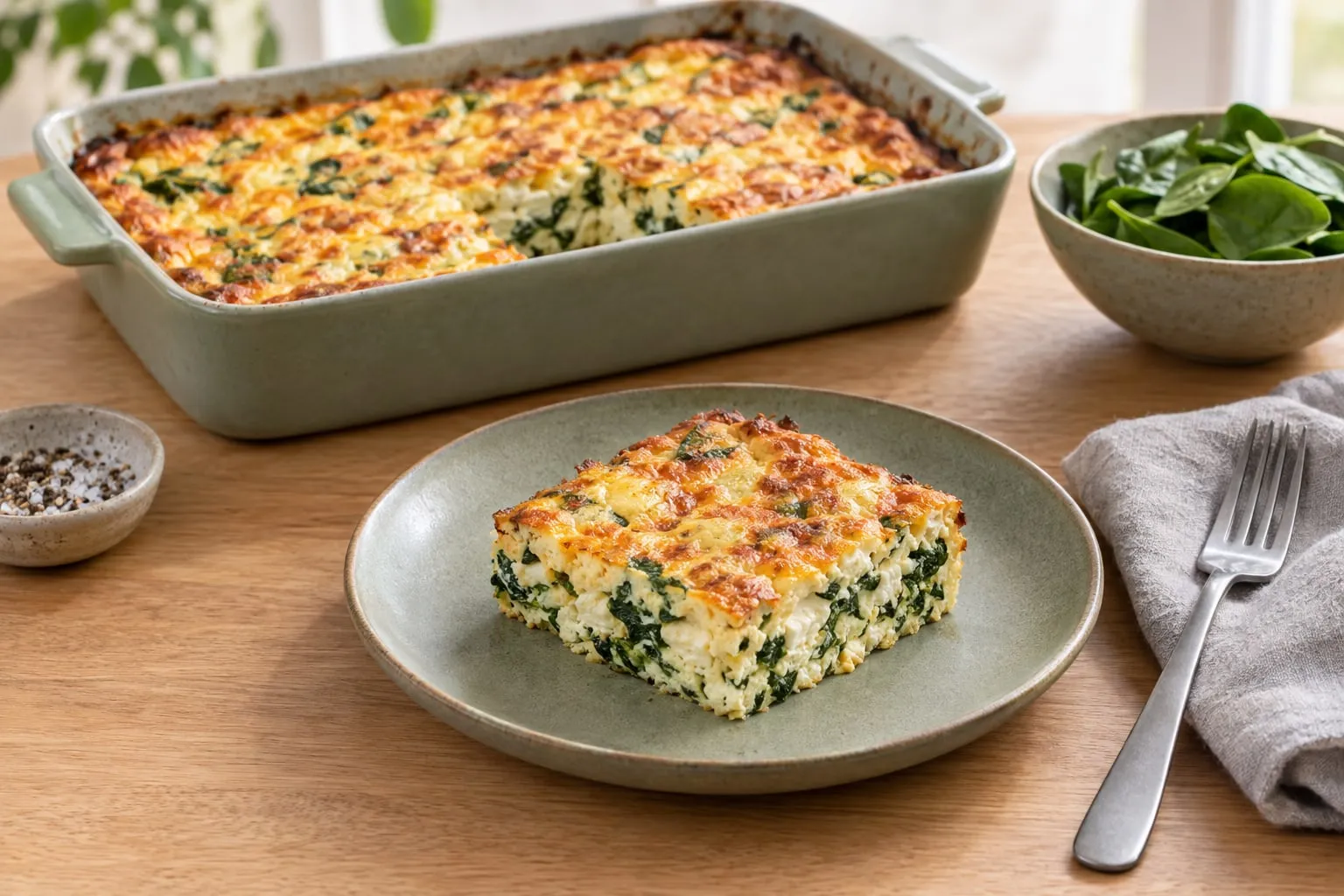
Cottage Cheese and Egg Bake
22 g protein190 kcal55 minVegetarianGluten-free
Eggs and cottage cheese baked together for a make-ahead breakfast.
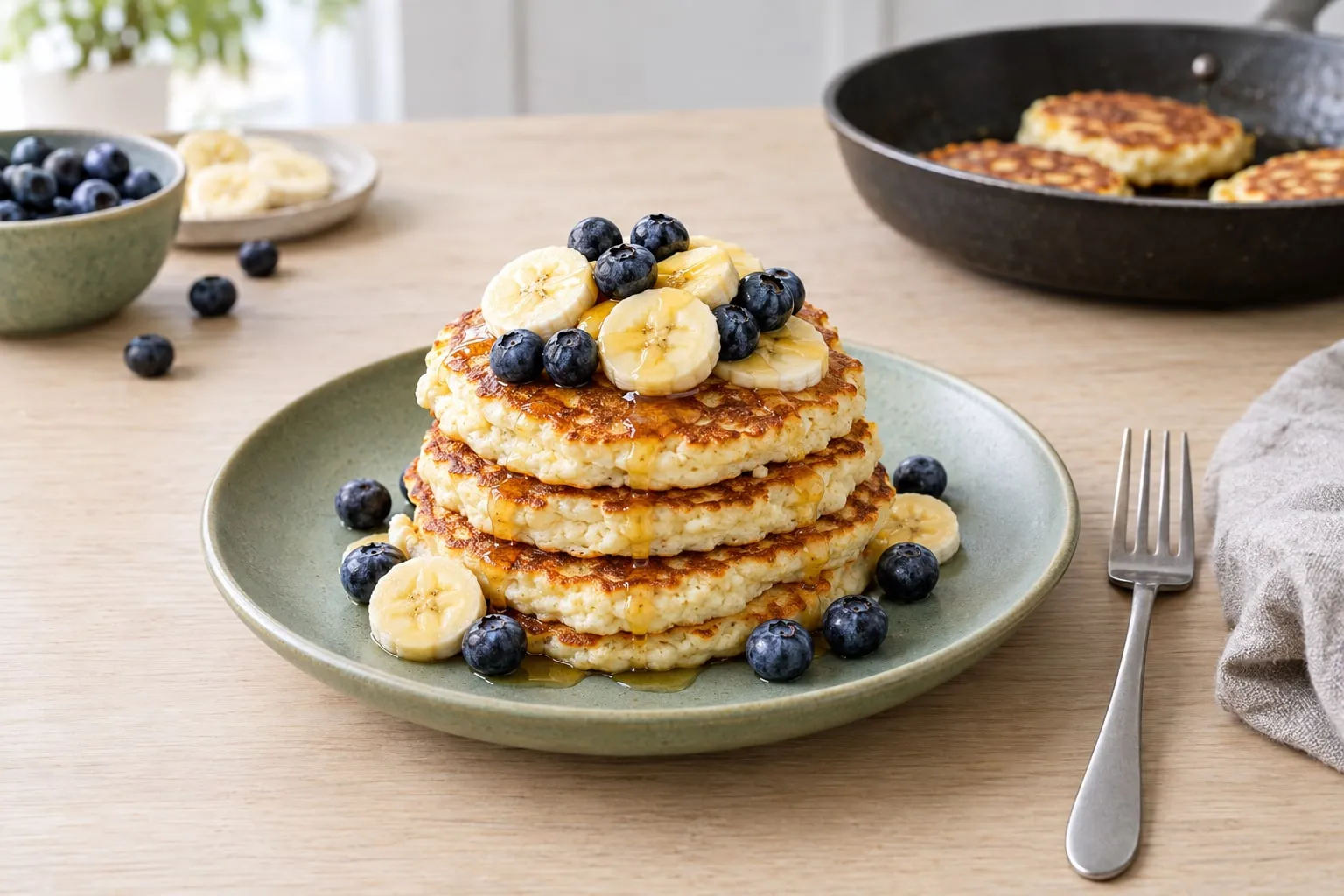
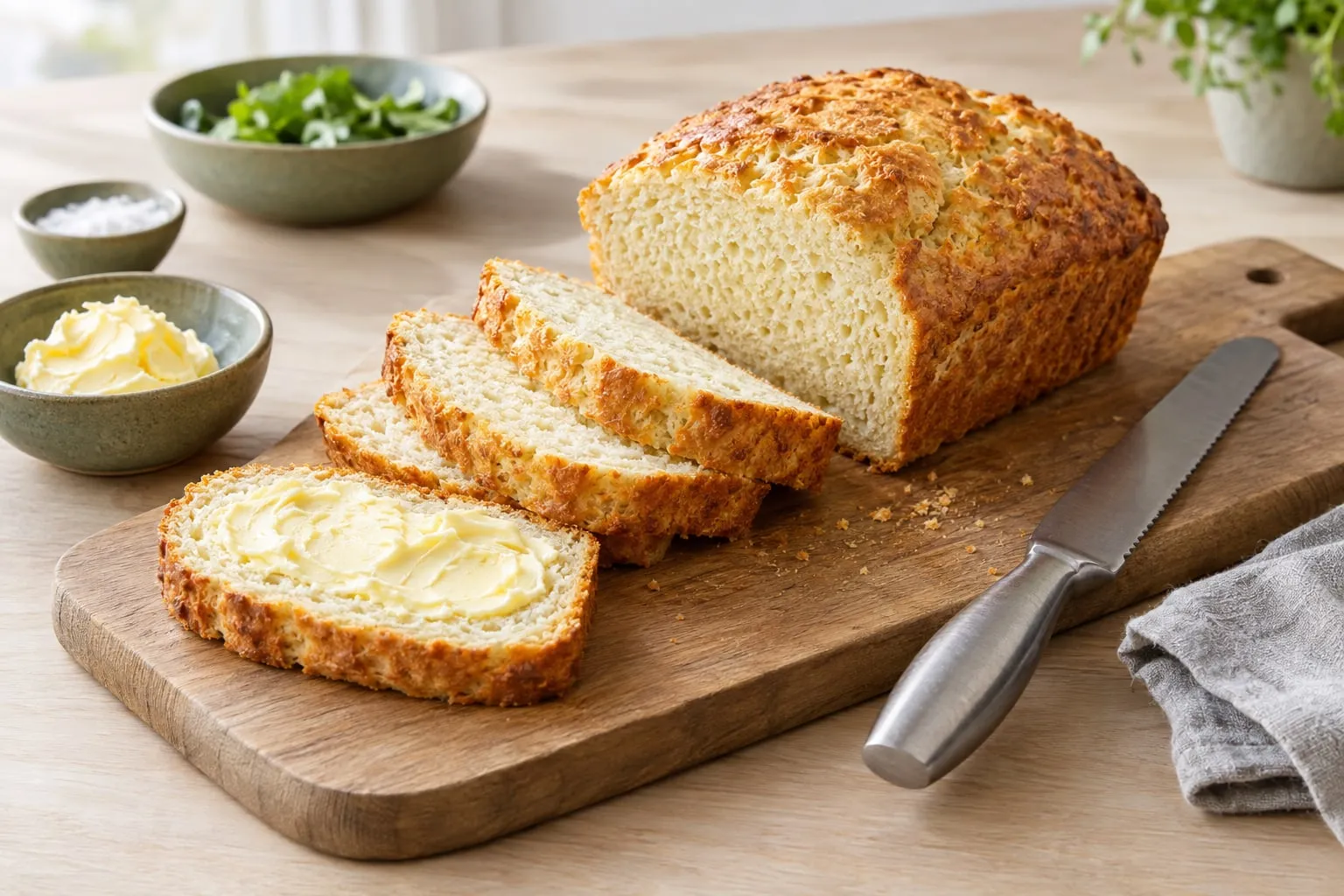
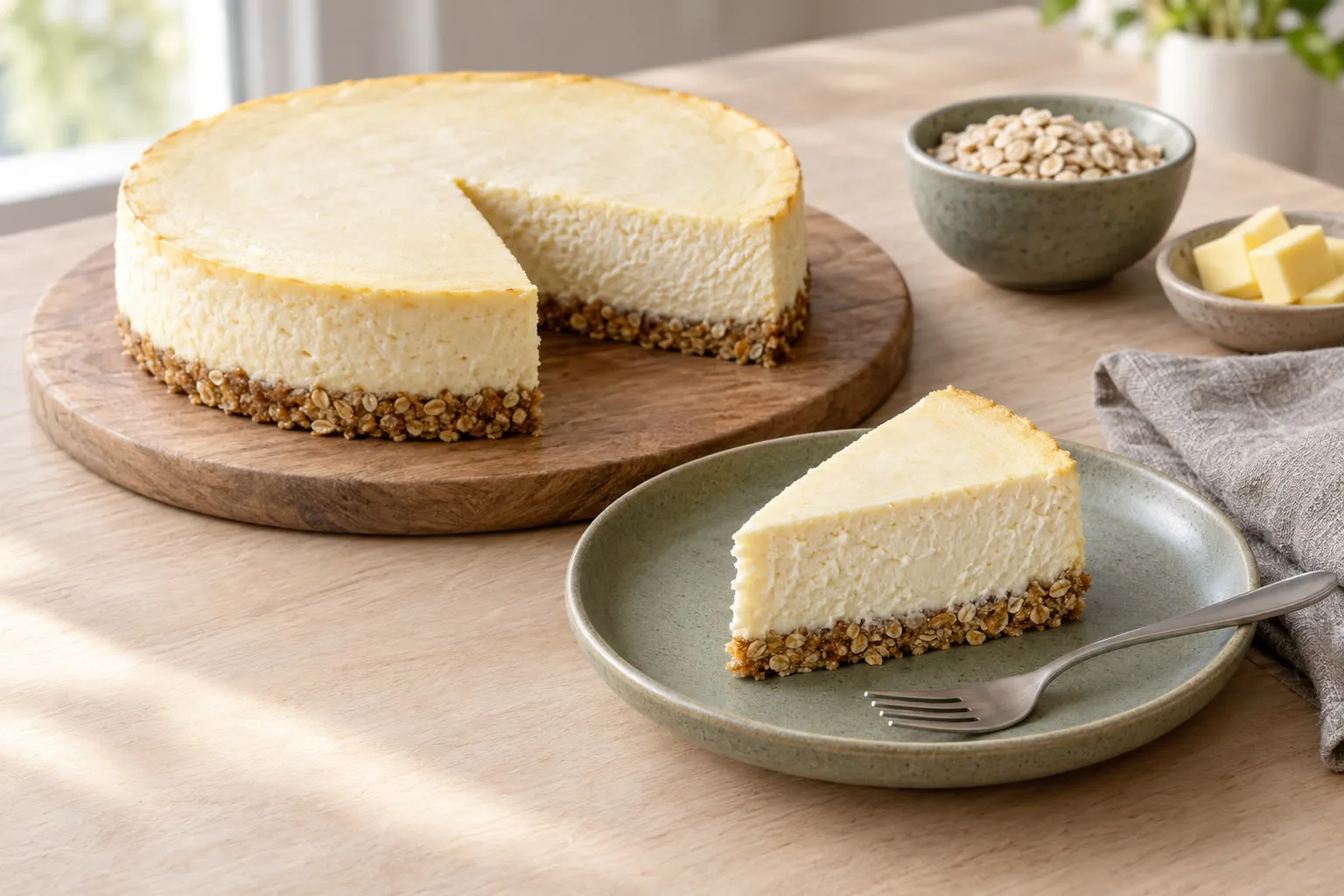
Cottage Cheese Cheesecake
15 g protein164 kcal6 hr 20 minVegetarian
A cheesecake made with cottage cheese.
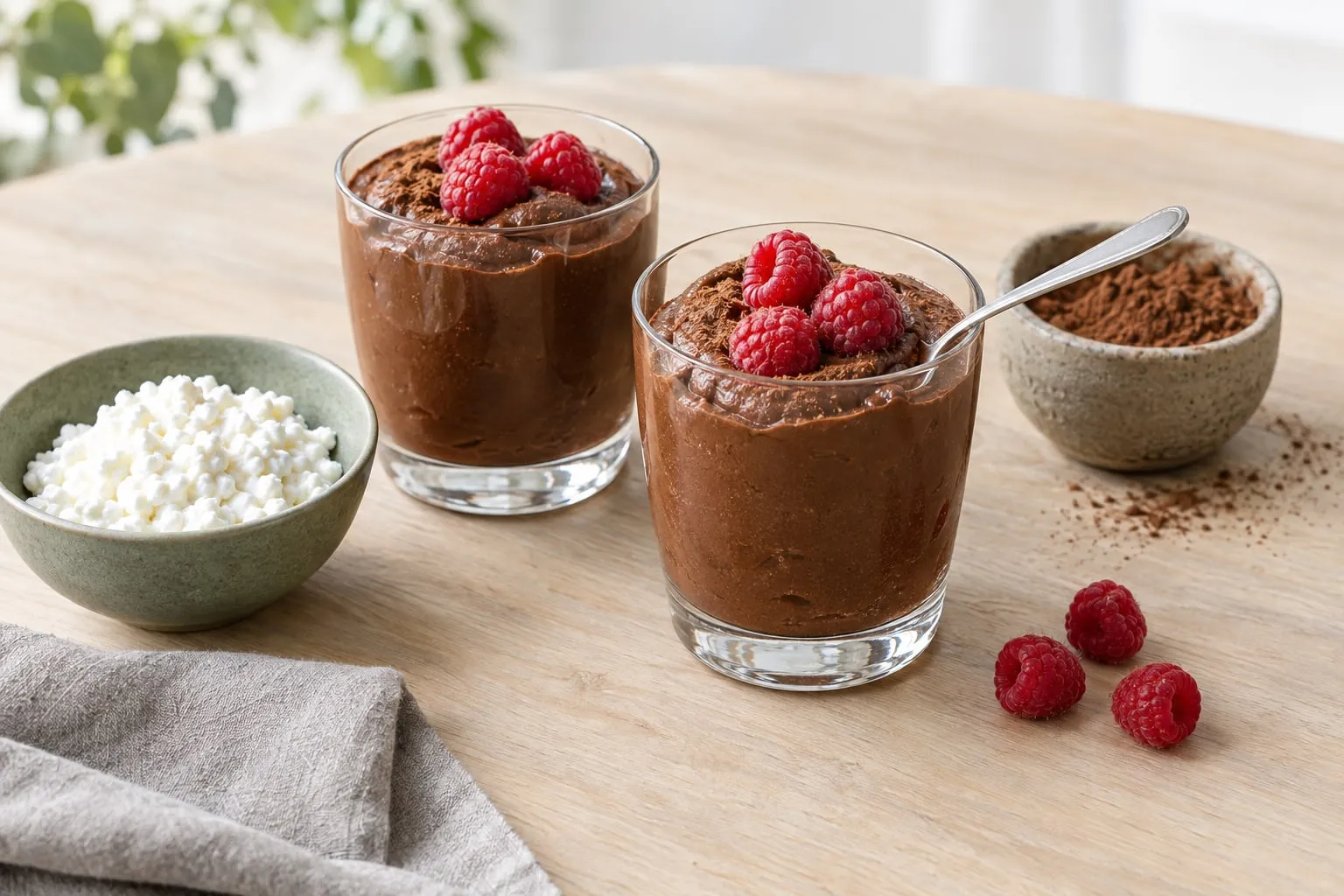
Cottage Cheese Chocolate Mousse
19 g protein193 kcal38 minVegetarianGluten-free
A chocolate mousse and the clearest example of a blended cottage cheese pudding.
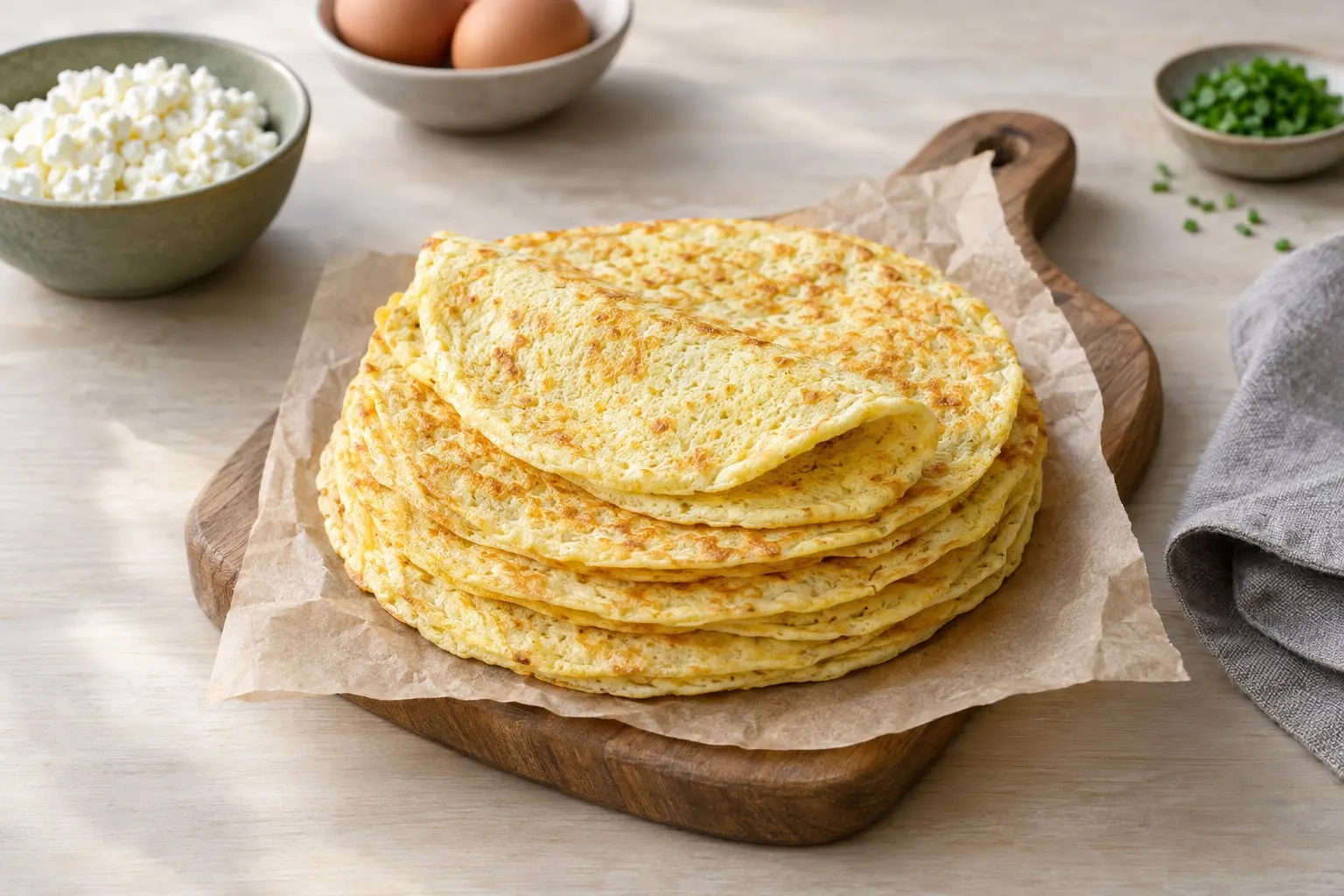
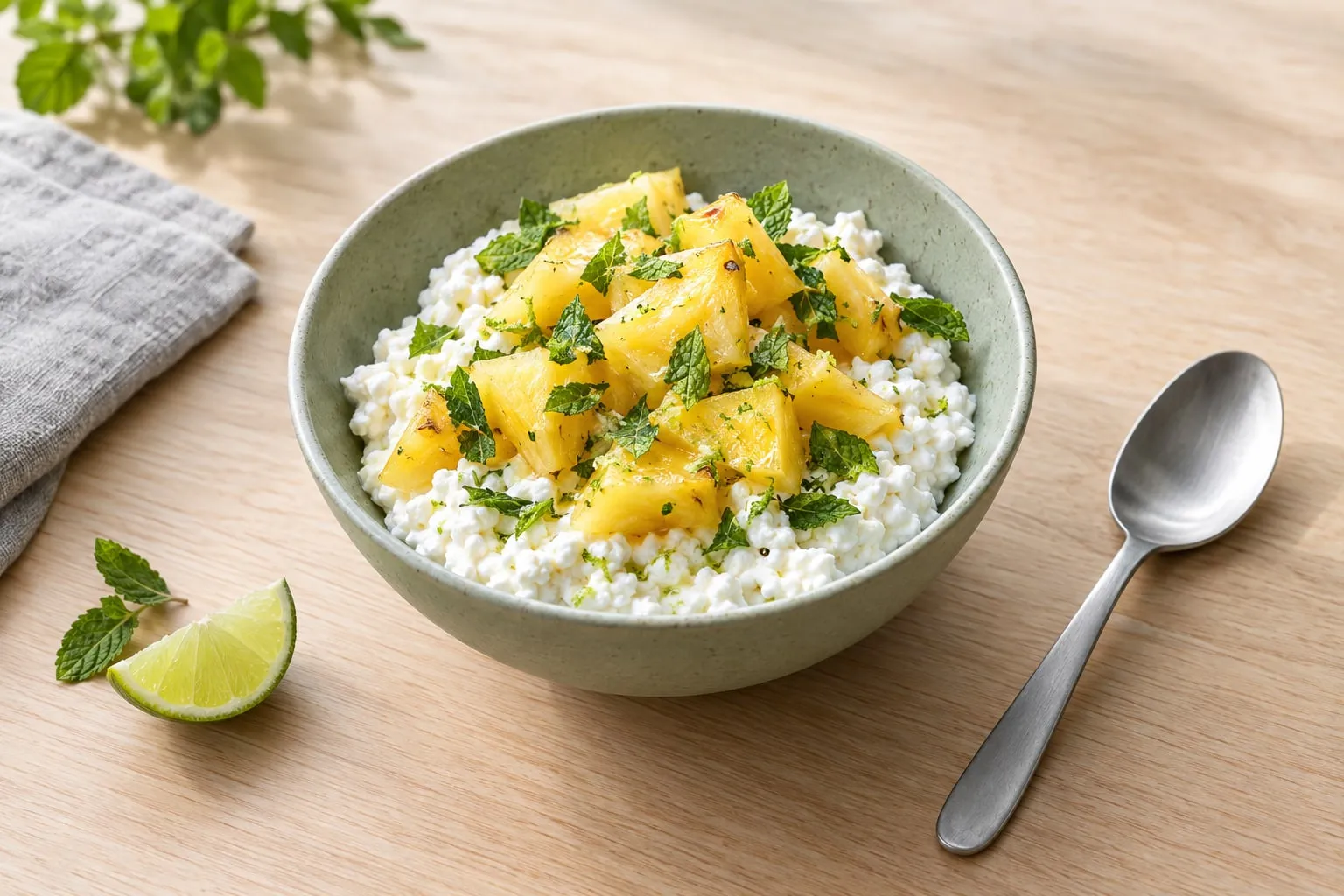
Cottage Cheese with Pineapple
17 g protein149 kcal3 minVegetarianGluten-free
Cottage cheese with pineapple as a quick snack.
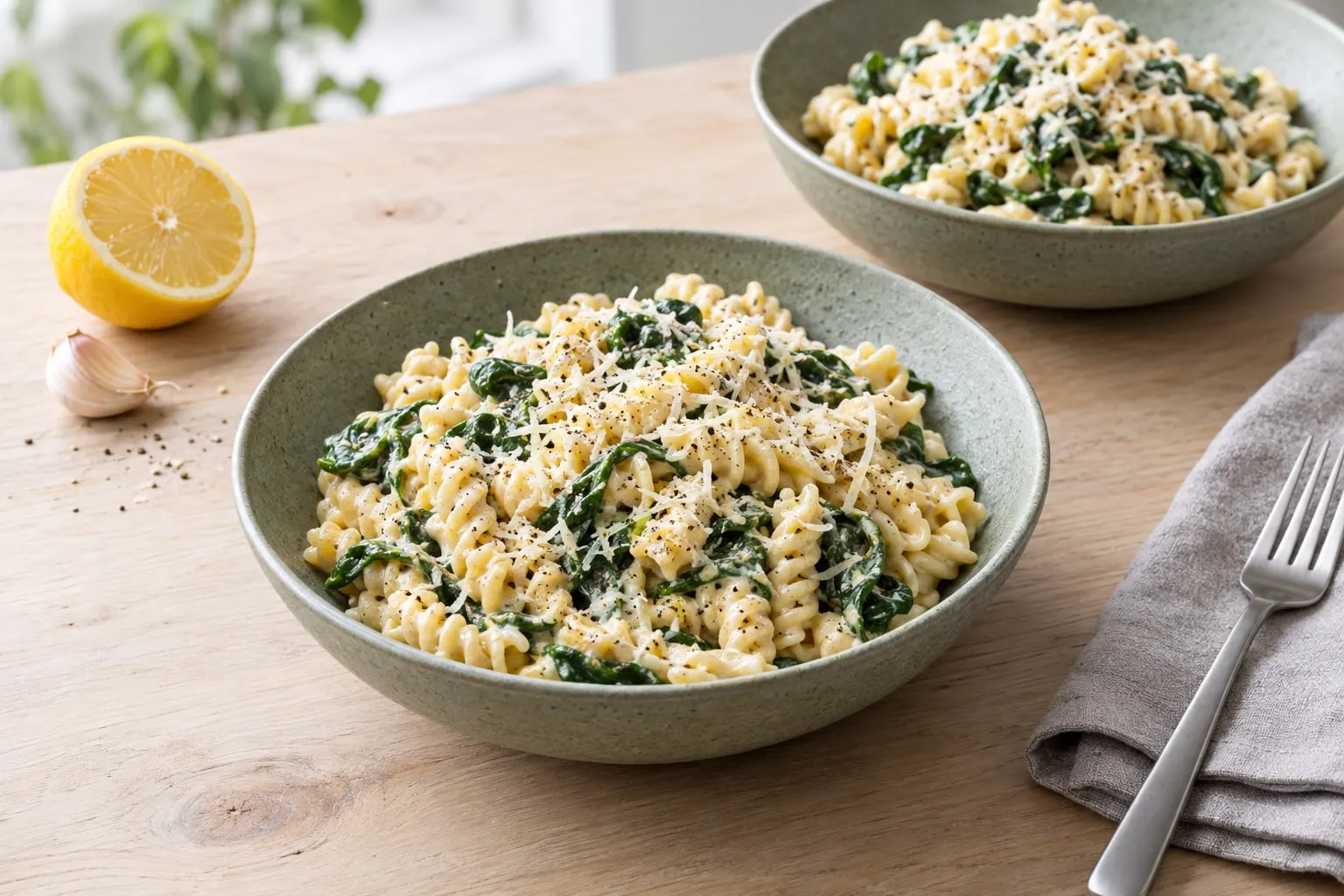
Creamy Cottage Cheese Pasta Sauce
29 g protein415 kcal20 minVegetarian
A pasta dish made with cottage cheese.
Sources
- McCance and Widdowson's Composition of Foods Integrated Dataset 2021 (CoFID) – Values for plain and reduced fat cottage cheese, quark and ricotta, including salt
Read our editorial policy for how figures are checked and how to report a mistake.
More protein guides
All guides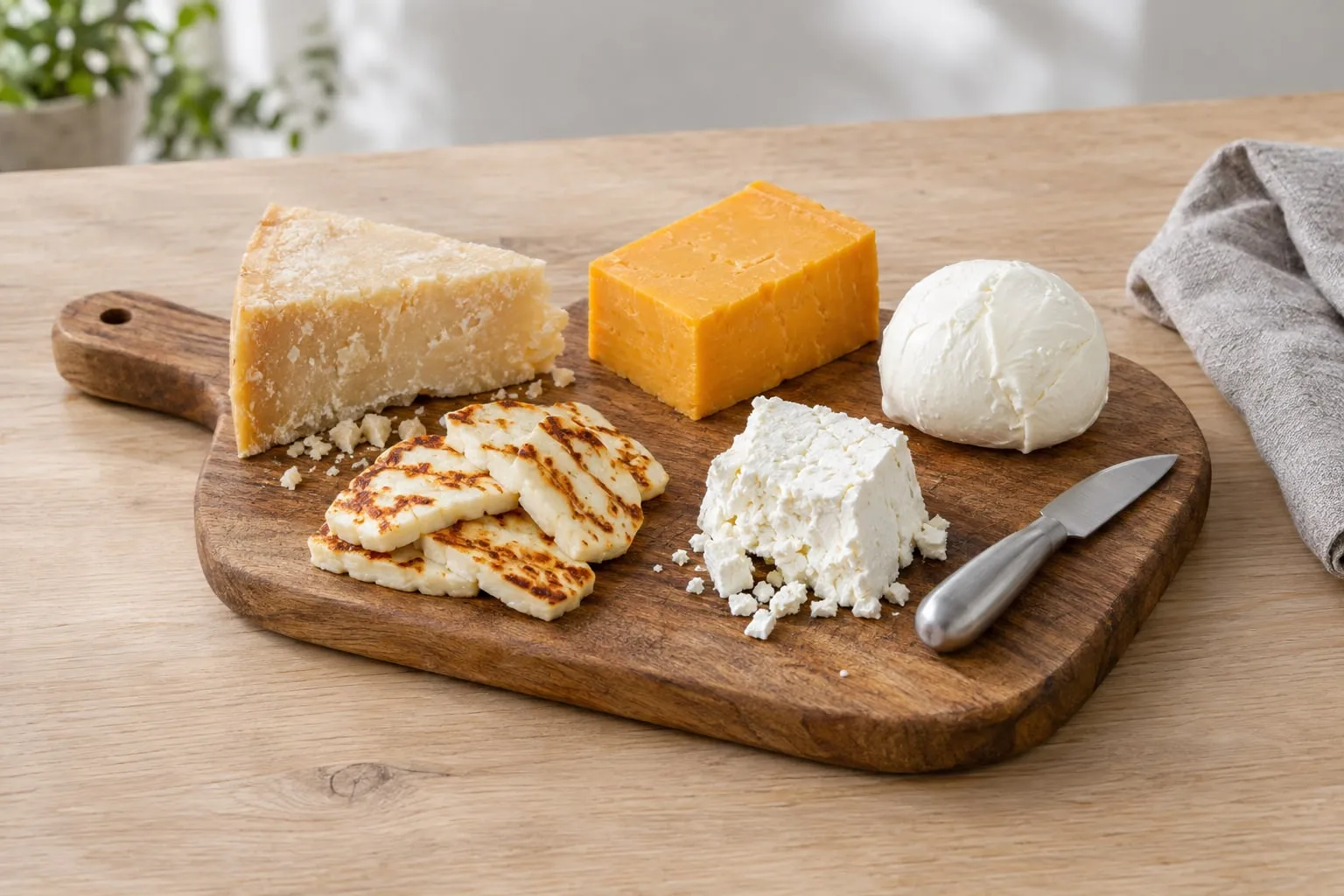
Guide
Highest Protein Cheese
Protein in cheese per 100 g and per portion: Parmesan has 36.2 g, half-fat Cheddar 32.7 g and feta 15.6 g. Ranked by protein and per 100 kcal.

Guide
High Protein Foods: A Ranked List
High protein foods ranked by protein per 100 g and per 100 kcal: Parmesan has 36.2 g, grilled chicken 32.0 g, dried red lentils 25.6 g and egg white 10.8 g.
Guide
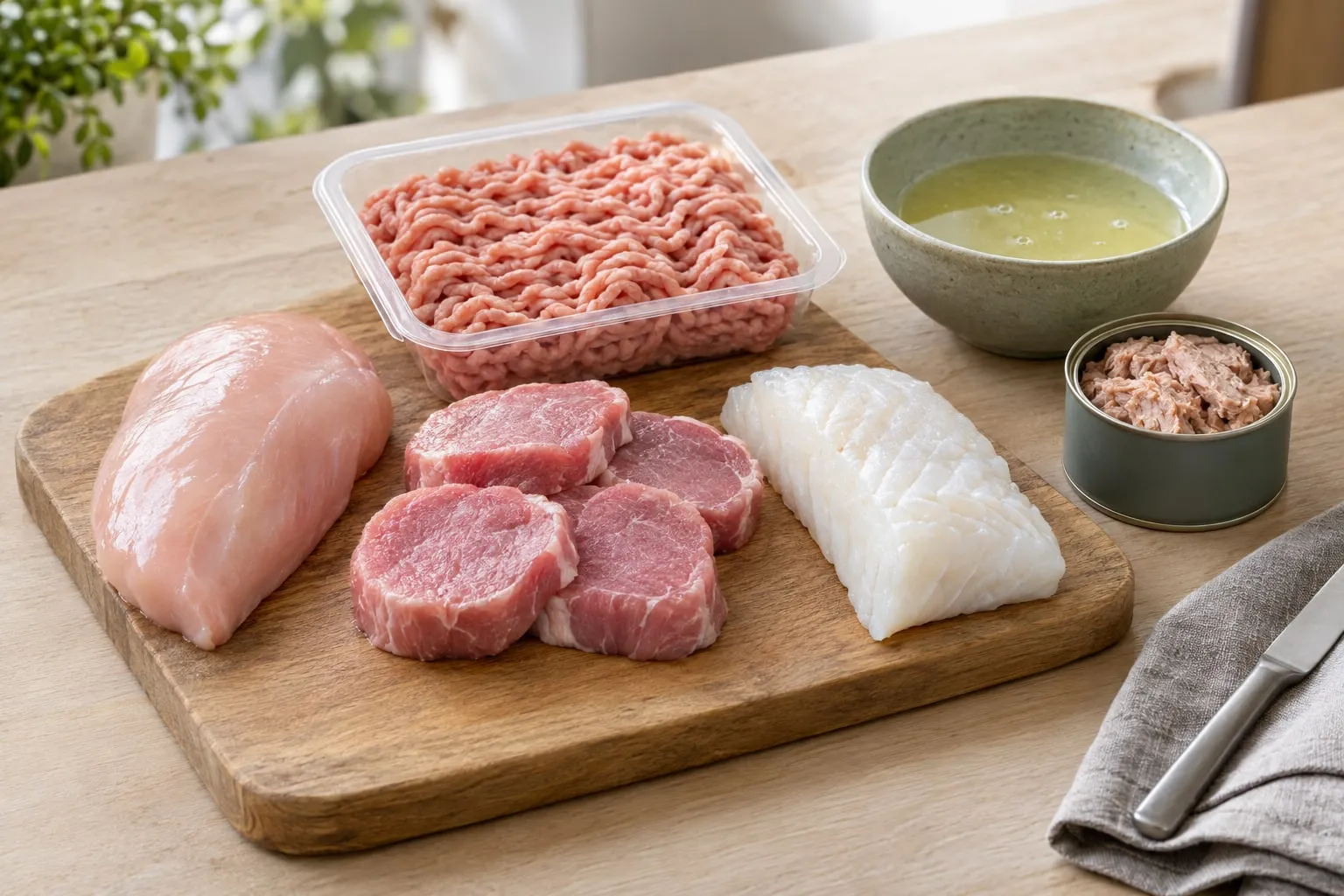
Lean Protein: Best Sources
Lean protein sources ranked by fat: raw chicken breast has 24.0 g protein and 1.1 g fat per 100 g, tuna 24.9 g and 1.0 g. Meat, fish and dairy compared.

Guide
How Much Protein Do You Need Per Day?
How much protein do I need? The UK reference is 0.75 g per kg of body weight a day, or 52.5 g at 70 kg. See food values and a worked example day.