Protein guide
Cheap Protein Foods (UK)
Quick answer
Dried red lentils, eggs, tinned tuna, tinned chickpeas and porridge oats are the usual budget staples. 78 g of dried red lentils or 159 g of eggs gives 20 g protein, so compare the price per kg of each.
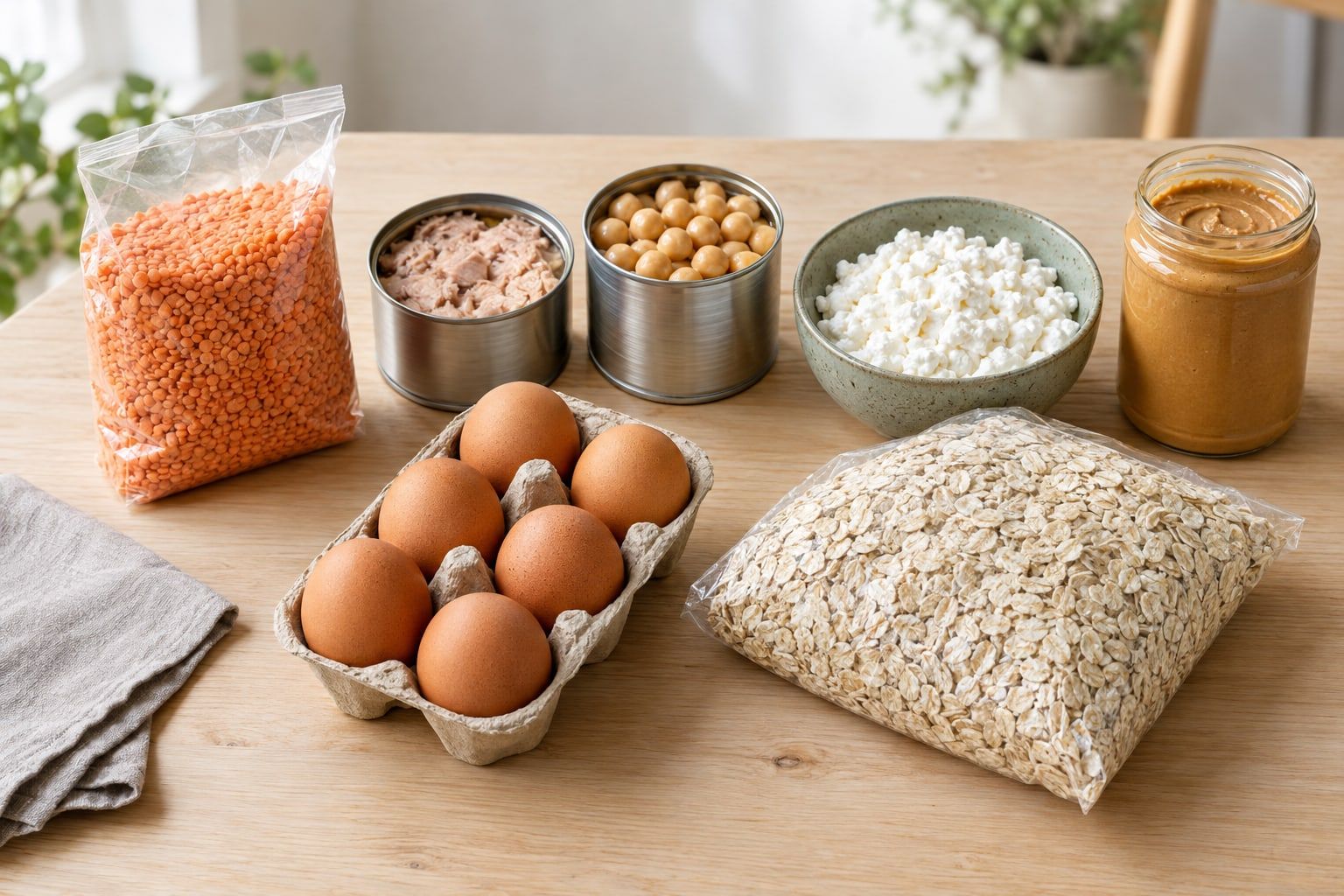
Cheap sources of protein come down to one sum: how many grams of a food give 20 g protein, and what those grams cost per kg. Dried red lentils need 78 g, tinned tuna about 80 g drained, three medium eggs 159 g and dried TVP only 40 g.
Weight on the label is the main variable. Lentils have 25.6 g protein per 100 g dry but 8.1 g boiled, a 400 g tin of chickpeas has about 240 g once drained, and oats need 183 g for the same 20 g protein, which brings 699 kcal. Compare the same state of each food, and take the price per kg from the shelf label rather than the pack price.
In practice the staples are dried pulses, eggs, tinned fish, oats, cottage cheese and TVP, mixed with whatever else is on offer that week. Protein bars and drinks follow the same sum, so divide the price by the protein per portion and multiply by 20 to see how they compare.
| Food | Amount for 20 g protein | Energy | Protein per 100 g |
|---|---|---|---|
| Whey protein powder (typical value) | 27 g | 101 kcal | 75 g |
| Textured vegetable protein (TVP), dried (typical value) | 40 g | 132 kcal | 50 g |
| Red lentils, dried, raw | 78 g | 243 kcal | 25.6 g |
| Tuna in brine, drained | 80 g | 88 kcal | 24.9 g |
| Chicken breast fillet, raw (typical value) | 83 g | 88 kcal | 24.0 g |
| Peanut butter, smooth | 88 g | 532 kcal | 22.8 g |
| Eggs, raw | 159 g, about 3 medium eggs | 208 kcal | 12.6 g |
| Porridge oats | 183 g | 699 kcal | 10.9 g |
| Cottage cheese, plain | 213 g | 219 kcal | 9.4 g |
| Chickpeas, tinned, drained | 238 g | 307 kcal | 8.4 g |
| Semi-skimmed milk | 571 ml | 263 kcal | 3.5 g |
Source: CoFID – McCance and Widdowson's Composition of Foods Integrated Dataset 2021 (codes 13-657, 16-416, 14-892, 12-937, 11-788, 12-539, 13-670, 12-313). Whey powder, TVP and chicken breast are typical values (x1, x33, x10), not CoFID entries. A medium egg is taken as about 50 g without the shell
| Food | Portion | Protein |
|---|---|---|
| Porridge oats | 40 g dry | 4.4 g |
| Egg, raw | 1 medium, about 50 g | 6.3 g |
| Peanut butter, smooth | 2 tbsp, about 32 g | 7.3 g |
| Chickpeas, tinned | 1 × 400 g tin, about 240 g drained | 20.2 g |
| Tuna in brine | 1 × 145 g tin, about 102 g drained | 25.4 g |
| Red lentils, dried | 100 g raw | 25.6 g |
Source: Calculated from CoFID per 100 g values (codes 11-788, 12-937, 14-892, 13-670, 16-416, 13-657). Portion weights are typical for UK packs
What are the cheapest sources of protein?
The foods that give 20 g protein from the smallest weight are not always the cheapest, and the tables here carry no prices because shelf prices change week to week. Rank by grams first, then check the unit price per kg on the shelf label. Dried red lentils need 78 g for 20 g protein, so the cost is the price per kg multiplied by 0.078. Eggs need 159 g, so multiply by 0.159, and for tinned tuna drained weight is about 80 g, so multiply by 0.08. A few minutes with a calculator in the shop shows which staple is cheapest on the day.
Which budget staples give the most protein?
Dried red lentils (25.6 g per 100 g), tinned tuna (24.9 g drained), eggs (12.6 g), porridge oats (10.9 g) and tinned chickpeas (8.4 g drained) are the long-standing staples. The NHS Eatwell Guide places beans, pulses, fish, eggs and meat in the same food group, without setting an amount. Plain cottage cheese (9.4 g) and textured vegetable protein (50 g dry) are two more useful options. TVP is light, stores for months and bulks out mince dishes, so it appears in the bolognese recipe linked below.
Why do raw and drained weights matter?
The weight on the label is the weight you pay for, and cooking changes it. Dried red lentils have 25.6 g protein per 100 g, but boiled lentils have only 8.1 g because they absorb water. A tin of chickpeas weighs 400 g, but only about 240 g of that is chickpeas once drained, which gives about 20 g protein. Oats show a different trap: 183 g of oats gives 20 g protein but also 699 kcal, so they are a poor choice when protein is the goal, even though they are cheap. Always compare the same state, either dry or drained.
Are protein bars and drinks cheap?
Compare them on the same footing as everything else: price per 20 g protein. Work out how much protein is in a bar or bottle, divide the price by that figure and multiply by 20. Whey powder is compact, since 27 g gives 20 g protein, but prices vary widely between products, and ready-made bars and drinks can cost more per 20 g protein than powder or whole foods, so the sum is worth doing. Check the sugar content too. Homemade bars, like the recipe linked below, are made from basic ingredients and give a known amount of protein.
How do you stretch protein on a budget?
Combine a cheap protein with something that bulks the meal. Mix lentils or TVP into a bolognese or chilli, add eggs or cottage cheese to a bake and use oats with milk for breakfast. A pack of dried lentils lasts for months, and tinned fish, beans and eggs keep well. Cooking in batches and freezing portions also reduces waste, which is part of the cost. Planning two or three of these staples into each week keeps protein up without relying on expensive cuts.
Practical tips
- Work out price per 20 g protein
Divide 20 by the protein per 100 g and multiply by 100 to get the grams needed, then multiply by the price per kg and divide by 1,000. Doing this for three products in the shop usually points to the cheapest.
- Compare dry with dry
Compare lentils, rice and pasta by dry weight, and tinned beans and tuna by drained weight. Mixing the two states gives answers that look cheaper or dearer than they are.
- Buy staples in larger packs
Dried pulses, oats, TVP and frozen foods often cost less per kg in larger packs, and they keep for months. Check the unit price rather than the pack price, as a bigger pack is not always cheaper.
Myth or fact
- Myth
Is it true that you need protein powder to get cheap protein?
No. Powder is compact, with 27 g giving 20 g protein, but dried lentils, eggs, tinned tuna and oats can give the same amount from ordinary groceries. Compare the unit price of each before deciding.
- Myth
Is it true that cheap protein foods are lower quality?
No. Eggs, tuna and cottage cheese are everyday foods with plenty of protein. Plant proteins such as lentils and chickpeas have a different amino acid mix, so a varied diet over the day, with grains as well as pulses, covers the range.
- The facts
Is it true that protein bars are the cheapest way to get protein?
Not as a rule. Work out the price per 20 g protein for the bar and compare it with powder, eggs or lentils. The answer depends on the pack and the day's price, so check the label rather than assuming.
Frequently asked questions
What is the cheapest source of protein?
It depends on the price on the day, so compare the price per kg. In grams, 40 g of dried TVP, 78 g of dried red lentils or 80 g of drained tuna each give 20 g protein, and 159 g of eggs (about 3 medium) does too.
Are protein drinks cheap?
Ready-made protein drinks can cost more per 20 g protein than powder or whole foods. Work out the protein per bottle, divide the price by it and multiply by 20, then compare with a scoop of powder (27 g gives 20 g protein).
Are protein bars the cheapest protein?
Rarely. Divide the bar's price by its protein and multiply by 20, then compare with eggs, cottage cheese or lentils. Homemade protein bars give a known amount, for example 12 g per bar in the recipe below.
How many eggs give 20 g protein?
About 3 medium eggs, which is 159 g and about 208 kcal. A single medium egg has 6.3 g protein.
Are lentils a good cheap source of protein?
Yes. Dried red lentils have 25.6 g protein per 100 g, so 78 g gives 20 g protein. Boiled lentils have only 8.1 g per 100 g because they take up water, so weigh them dry.
Recipes to try
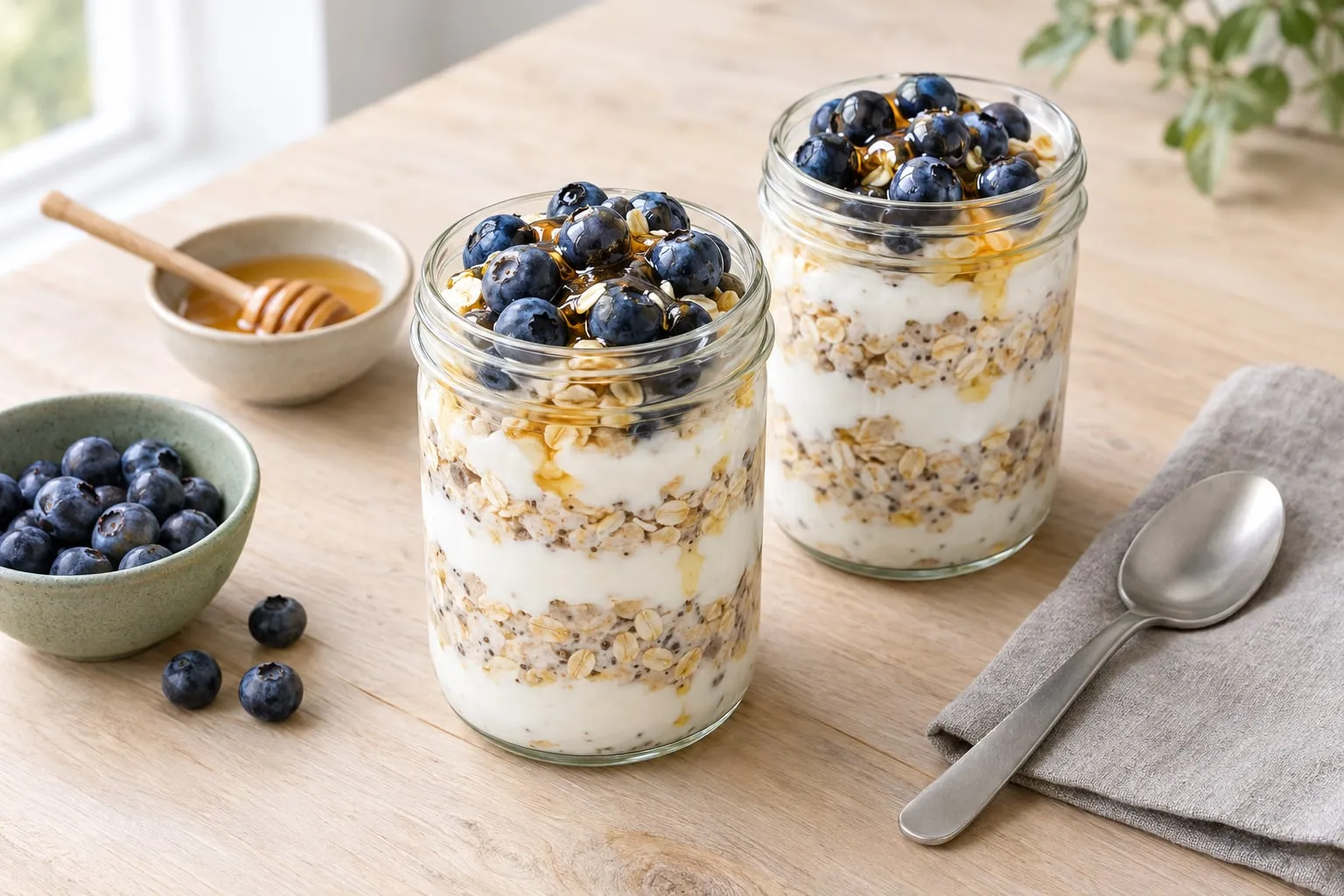
Protein Overnight Oats
26 g protein334 kcal8 hr 5 minVegetarian
Oats, milk and yogurt with 26 g protein per serving, made from basic ingredients.
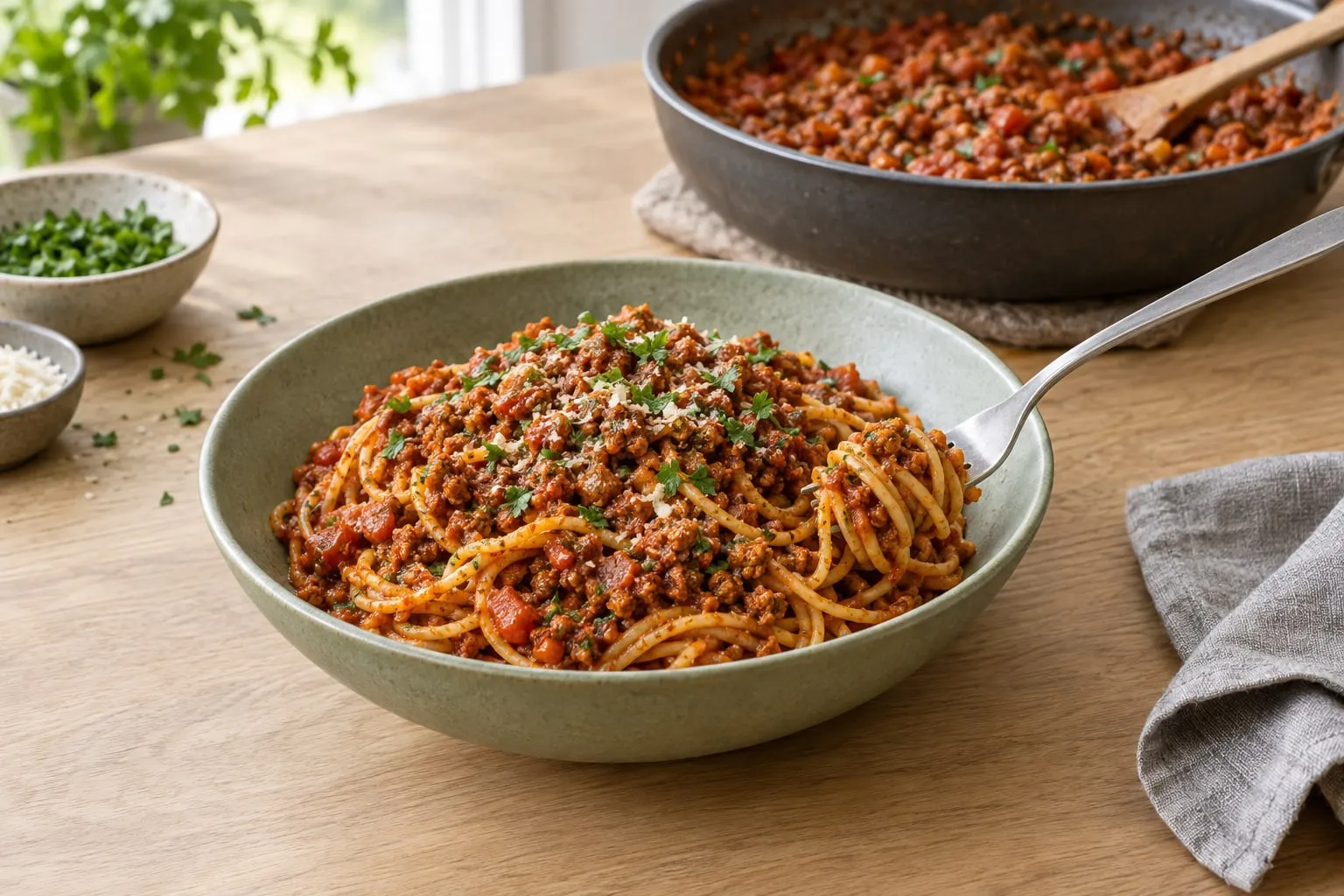
TVP Mince Bolognese
30 g protein476 kcal55 minVegetarianVegan
Dried TVP stretches a pasta sauce to 30 g protein per serving.
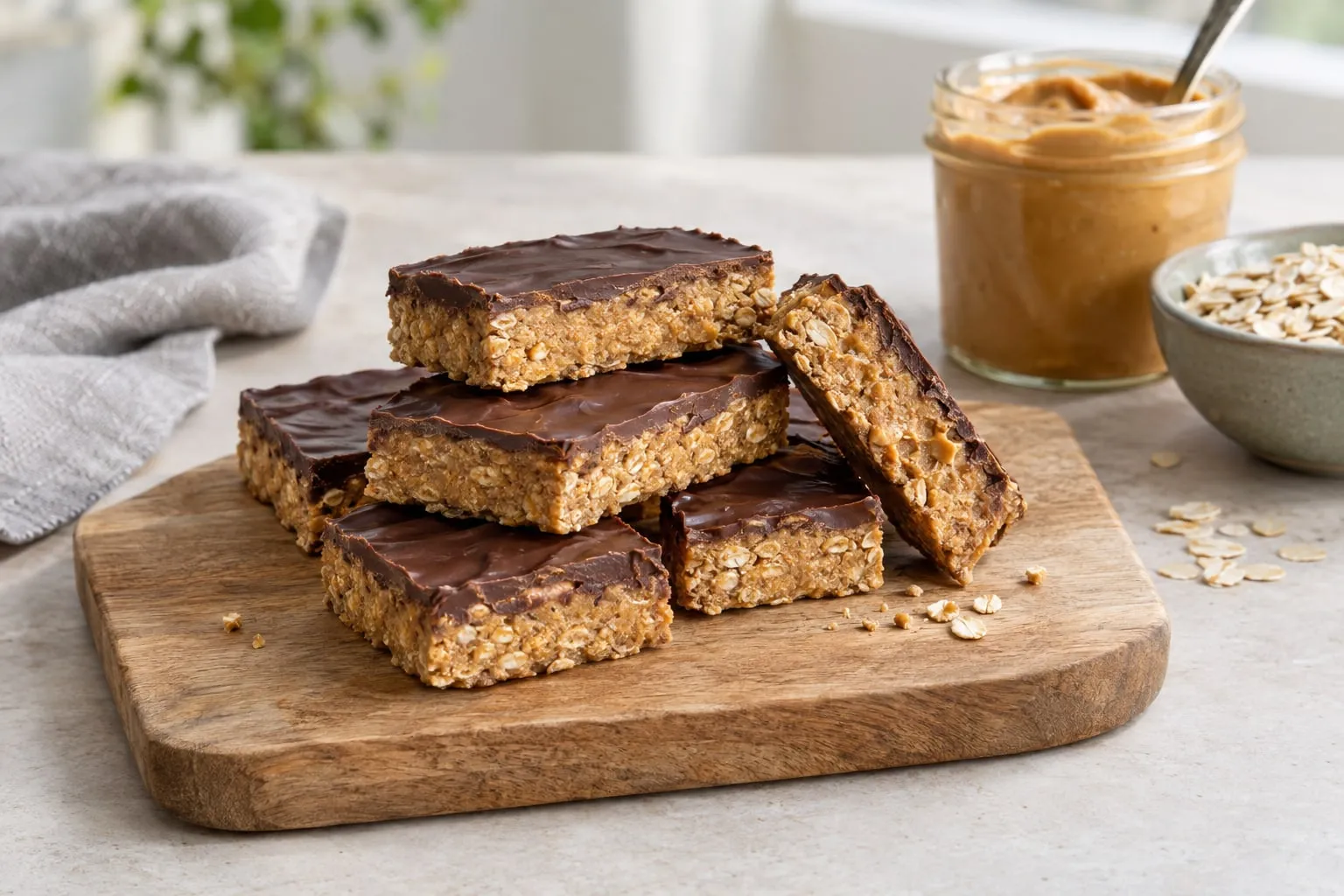
Homemade Protein Bars
12 g protein208 kcal2 hr 15 minVegetarian
A batch of 8 bars with 12 g protein each, a homemade alternative to shop bars.
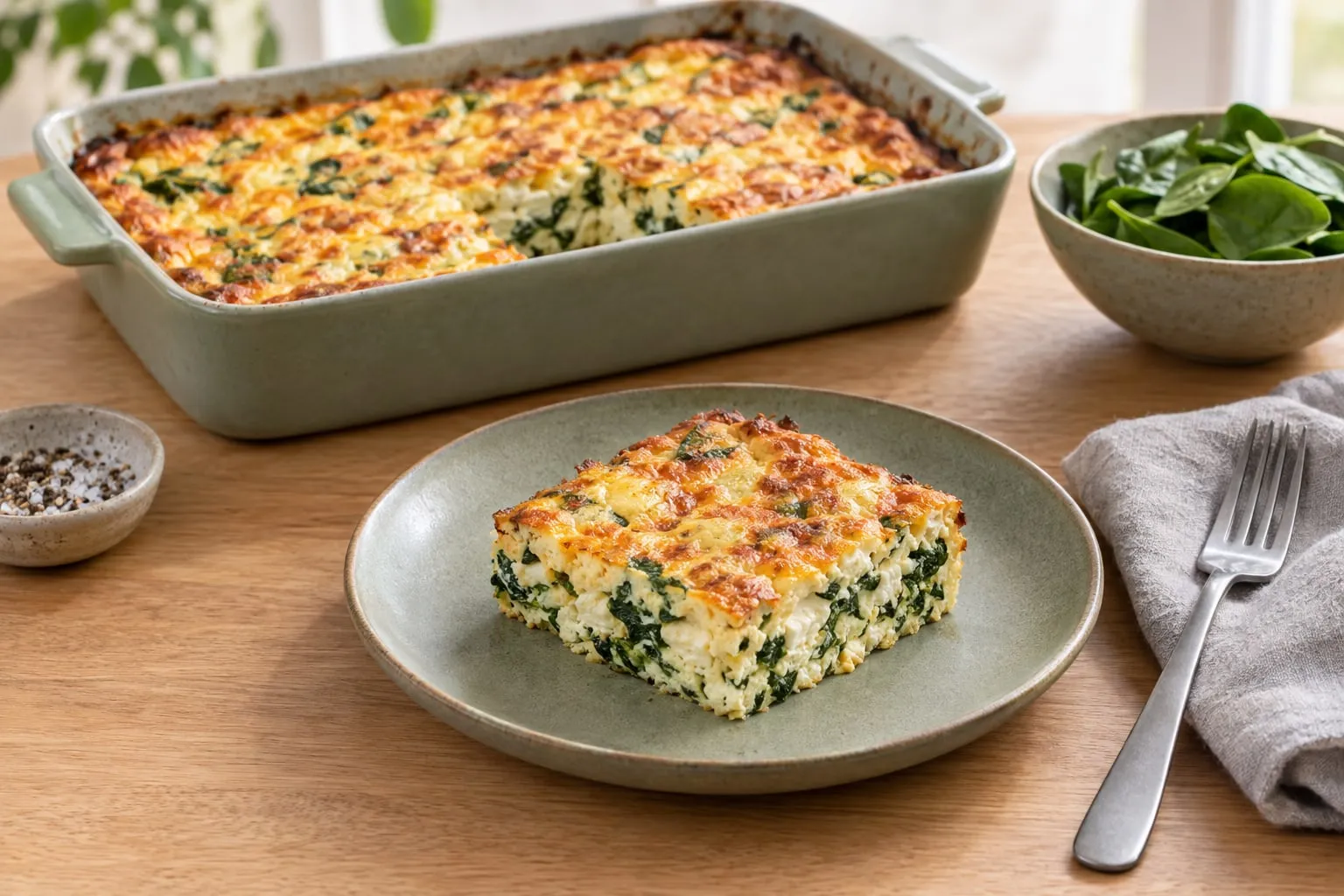
Cottage Cheese and Egg Bake
22 g protein190 kcal55 minVegetarianGluten-free
Eggs and cottage cheese baked together for 22 g protein per portion.
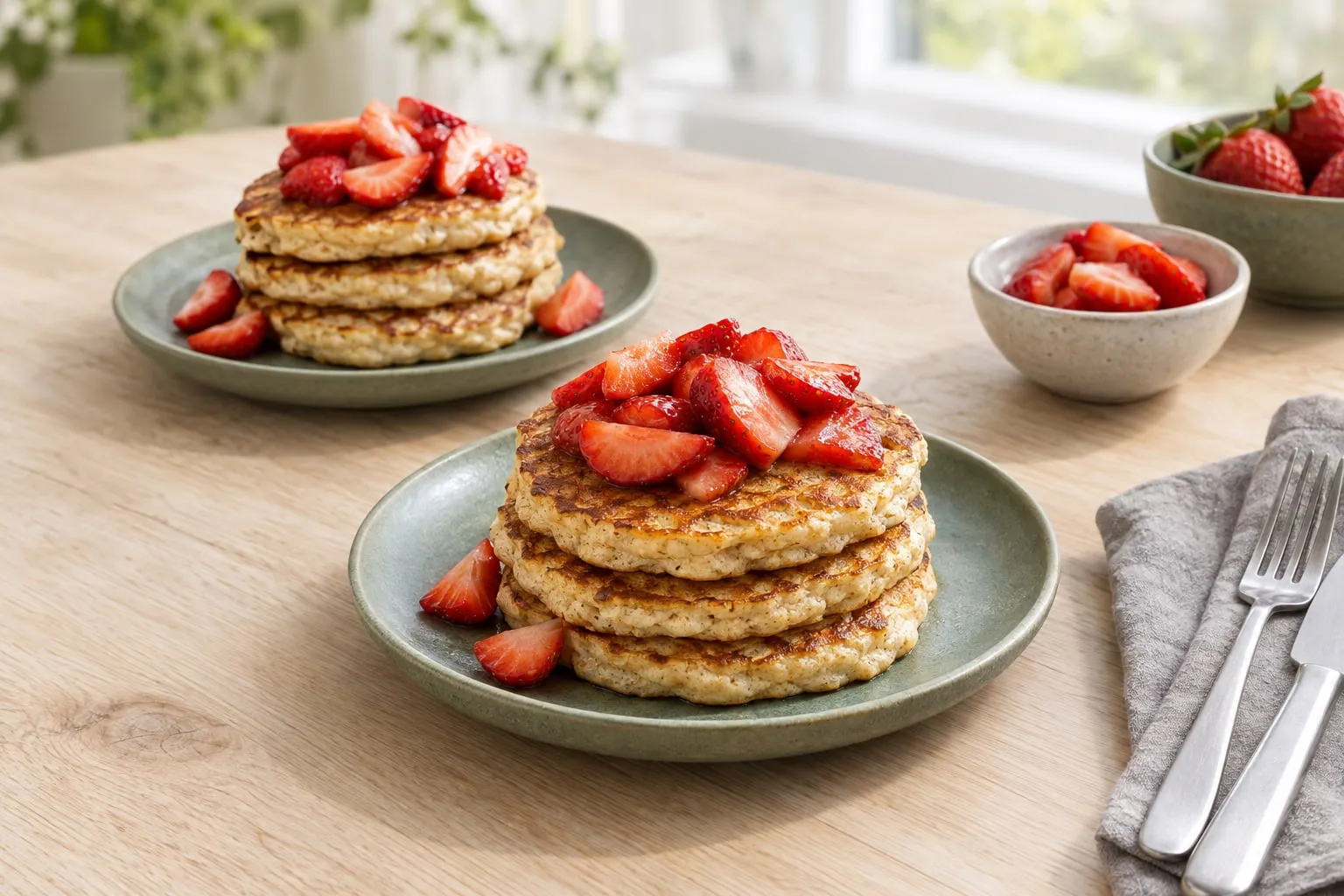
Protein Pancakes
31 g protein342 kcal25 minVegetarian
Pancakes made from oats, eggs and Greek yogurt with 31 g protein per serving.
Sources
- McCance and Widdowson's Composition of Foods Integrated Dataset 2021 (CoFID) – Protein and energy per 100 g for lentils, tuna, peanut butter, eggs, oats, cottage cheese, chickpeas and milk
- NHS Eatwell Guide – Beans, pulses, fish, eggs and meat grouped as protein foods
Read our editorial policy for how figures are checked and how to report a mistake.
More protein guides
All guides
Guide
High Protein Foods: A Ranked List
High protein foods ranked by protein per 100 g and per 100 kcal: Parmesan has 36.2 g, grilled chicken 32.0 g, dried red lentils 25.6 g and egg white 10.8 g.

Guide
How Much Protein Do You Need Per Day?
How much protein do I need? The UK reference is 0.75 g per kg of body weight a day, or 52.5 g at 70 kg. See food values and a worked example day.
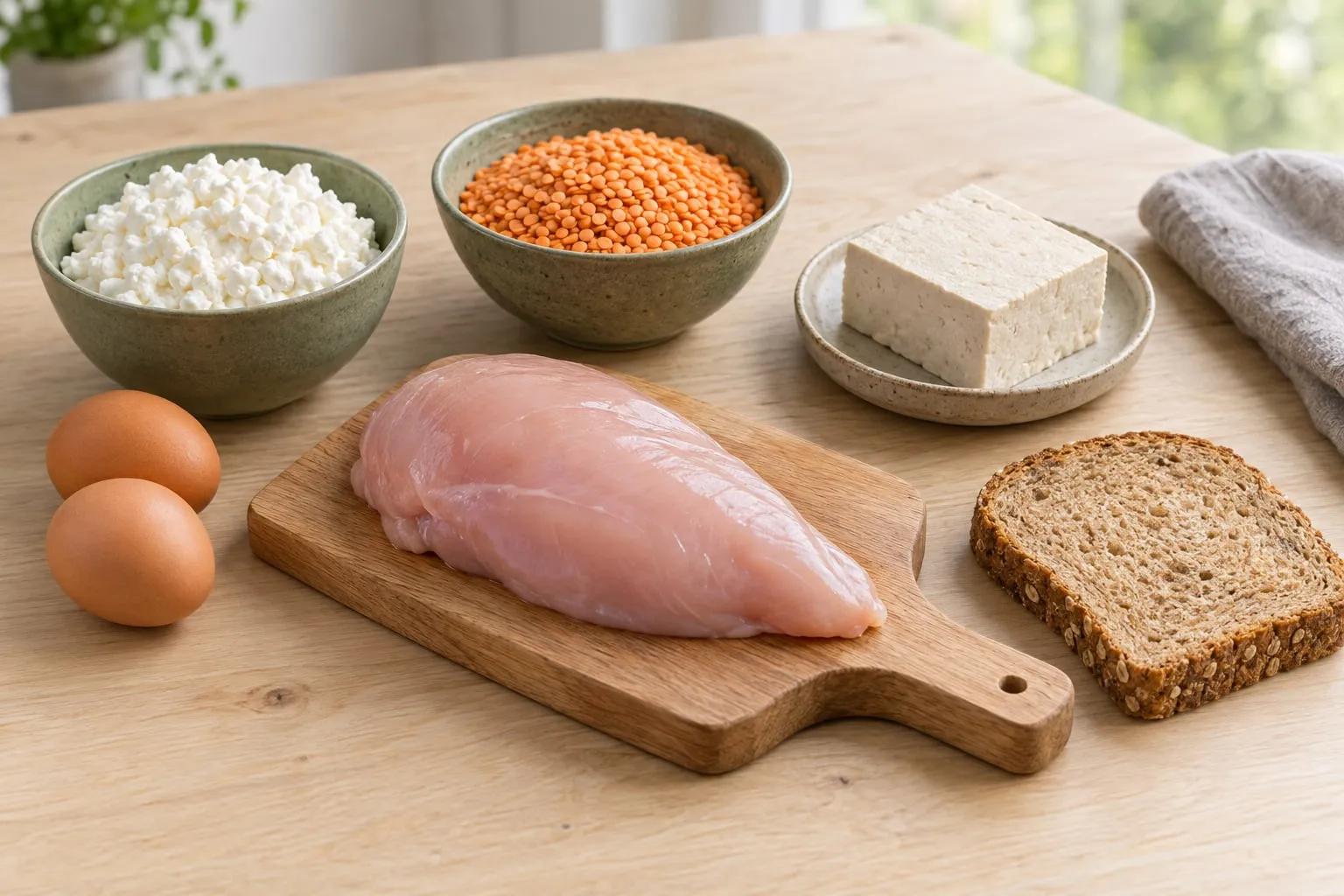
Guide
What Is Protein and Why Do We Need It?
What is protein good for? It is made of amino acids, nine of them essential. See what it does, the UK 0.75 g per kg a day reference and food values.
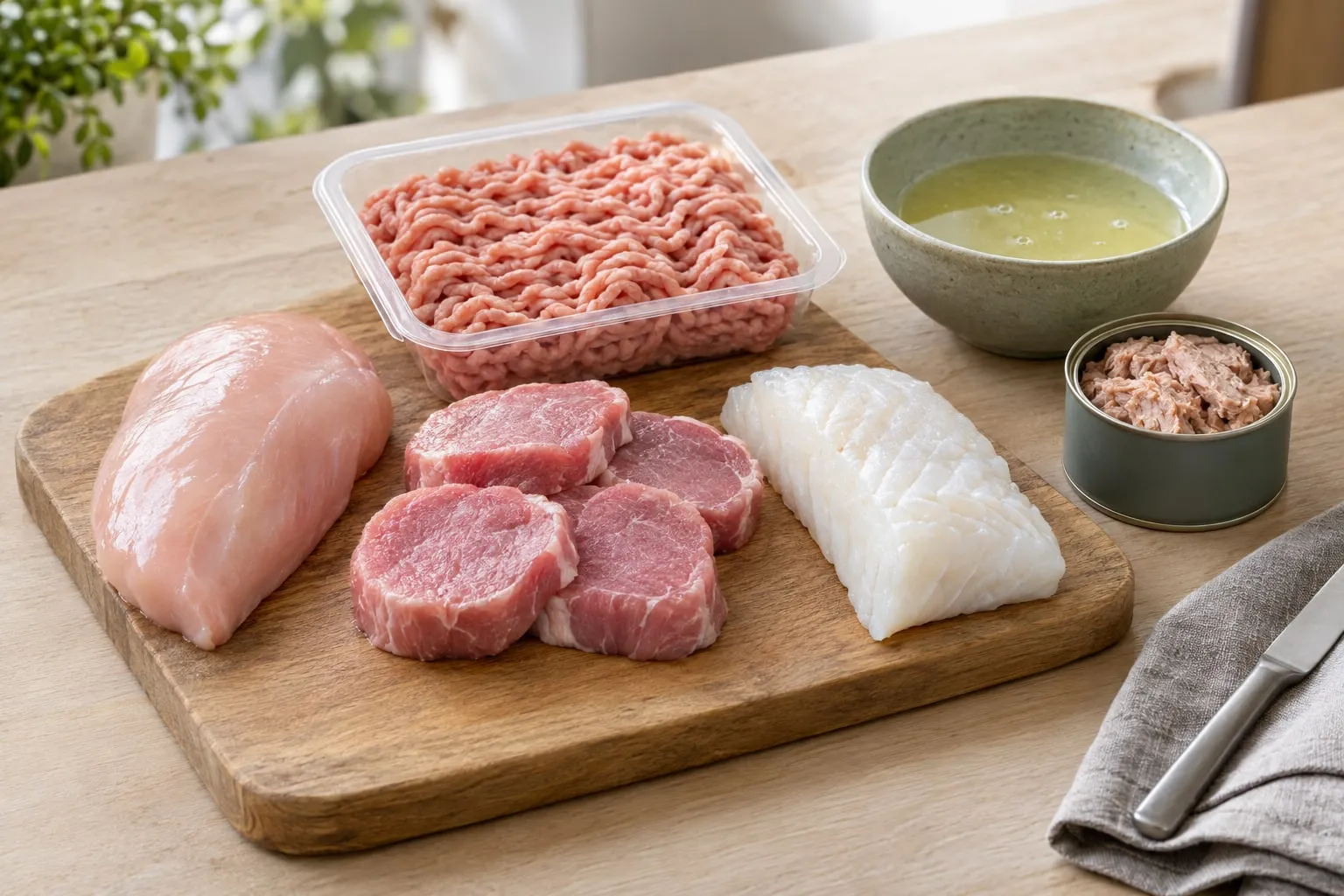
Guide
Lean Protein: Best Sources
Lean protein sources ranked by fat: raw chicken breast has 24.0 g protein and 1.1 g fat per 100 g, tuna 24.9 g and 1.0 g. Meat, fish and dairy compared.