Protein guide
High Protein Fruits
Quick answer
Fresh fruit usually has 0.5–1.5 g protein per 100 g, so no fruit is a high protein food. The highest in the UK food tables are dried apricots (4.8 g per 100 g) and passion fruit (2.6 g).
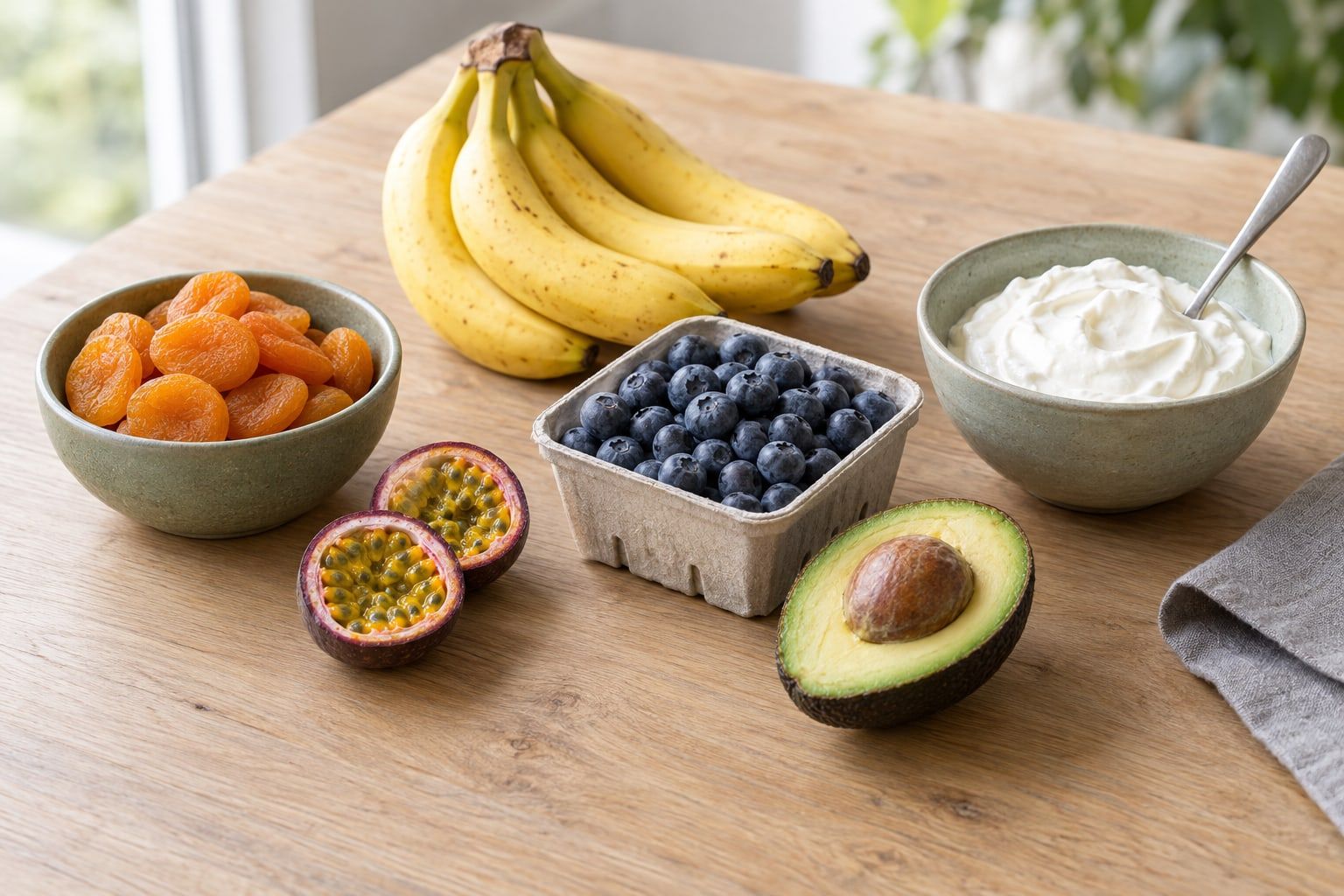
High-protein fruits barely exist: fresh fruit has 0.5–1.5 g protein per 100 g, and even the highest in the UK food tables, dried apricots, reach only 4.8 g per 100 g. Passion fruit has 2.6 g, bananas 1.2 g and blueberries 0.9 g.
Water content and drying explain the gap. Dried apricots, figs and pineapple look better on paper because most of the water has gone, but they also concentrate sugar, so the energy rises with the protein (188 kcal per 100 g for dried apricots, against 43 kcal for nectarines). A typical portion is 80 g of fresh fruit or 30 g of dried, which supplies about 1 g of protein either way.
The practical route to a high protein fruit dish is to put the fruit with something that is high in protein. A 150 g pot of skyr with 80 g blueberries gives 17.2 g protein, and the same idea works in smoothies, pancakes and muffins where yogurt, quark, eggs or powder carry the numbers.
| Fruit | Protein | Energy |
|---|---|---|
| Dried apricots | 4.8 g | 188 kcal |
| Dried figs | 3.6 g | 227 kcal |
| Dried pineapple | 3.3 g | 303 kcal |
| Fresh coconut flesh | 3.2 g | 351 kcal |
| Passion fruit, flesh and pips | 2.6 g | 36 kcal |
| Avocado, Hass | 1.8 g | 171 kcal |
| Banana, flesh only | 1.2 g | 81 kcal |
| Nectarine | 1.0 g | 43 kcal |
| Blackcurrants | 0.9 g | 28 kcal |
| Blueberries | 0.9 g | 40 kcal |
| Oranges, flesh only | 0.8 g | 36 kcal |
| Apple, eating | 0.6 g | 51 kcal |
Source: CoFID – McCance and Widdowson's Composition of Foods Integrated Dataset 2021 (codes 14-031, 14-092, 14-396, 14-816, 14-178, 14-386, 14-318, 14-380, 14-053, 14-325, 14-327, 14-319)
| Portion | Weight | Protein | Energy |
|---|---|---|---|
| Dried apricots | 30 g | 1.4 g | 56 kcal |
| Blueberries | 80 g | 0.7 g | 32 kcal |
| 1 medium banana with skin | about 120 g | 1.0 g | 61 kcal |
| Skyr (typical value) | 150 g | 16.5 g | 96 kcal |
| Skyr with blueberries | 150 g + 80 g | 17.2 g | 128 kcal |
Source: Calculated from CoFID values (codes 14-031, 14-325, 14-347) and the typical value for fat free skyr; 80 g is the usual fresh fruit portion, 30 g a typical portion of dried fruit
Is there any fruit with a lot of protein?
Not really. Fruit is mostly water and carbohydrate, and fresh varieties sit between 0.5 g and 1.5 g protein per 100 g. Blueberries and blackcurrants have 0.9 g, oranges 0.8 g and apples 0.6 g. Only a few fresh fruits go above 1.5 g: passion fruit (2.6 g), coconut (3.2 g) and avocado (1.8 g), and coconut and avocado are also high in fat, at 351 and 171 kcal per 100 g. If you want a meal with plenty of protein, the fruit is the side, not the source.
Which fruits have the most protein?
Dried fruit tops the table because drying removes water and concentrates everything else. Dried apricots have 4.8 g protein per 100 g, dried figs 3.6 g and dried pineapple 3.3 g. Among fresh fruits, passion fruit (flesh and pips) has 2.6 g per 100 g and fresh coconut 3.2 g, although coconut carries 351 kcal per 100 g. Bananas come in at 1.2 g per 100 g of flesh, which is about 1.0 g in a medium banana weighed with its skin.
Why do dried fruits look higher than fresh?
Weight is the reason. A 30 g handful of dried apricots gives 1.4 g protein and 56 kcal, and it takes several fresh apricots to make that handful. The same drying that raises protein per 100 g also concentrates sugar: dried apricots have 43.4 g carbohydrate per 100 g, and dried pineapple 75.7 g. Dried fruit is therefore worth comparing by portion rather than by 100 g. A small handful adds a gram or so of protein and a lot more sugar than the fresh fruit would.
How can you get more protein with fruit?
Pair it with a food that carries the protein. A 150 g pot of fat free skyr has 16.5 g protein, and 80 g of blueberries add 0.7 g, which makes 17.2 g for 128 kcal. Quark, strained 0% Greek yogurt and cottage cheese work the same way, and so does a scoop of whey or plant protein powder in a smoothie. Fruit then brings sweetness, colour and fibre while the dairy or powder supplies nearly all of the protein.
Where do fruit and protein fit in a balanced diet?
The NHS Eatwell Guide groups fruit with vegetables as a source of vitamins, minerals and fibre, and lists beans, pulses, fish, eggs and meat as the protein foods. Fruit is not meant to be the protein. Guidance on how much protein you need uses the UK Reference Nutrient Intake of 0.75 g per kg of body weight per day, or 53 g for a 70 kg adult, and fruit will contribute only a small share of that.
Practical tips
- Weigh dried fruit by the portion
Dried fruit is easy to over-pour. A 30 g portion of dried apricots gives 1.4 g protein and 56 kcal; double the handful and both numbers double with it.
- Add the protein separately
Treat fruit as the topping and pick the protein first: skyr, quark, Greek yogurt, cottage cheese or a scoop of powder. Add fruit afterwards for flavour.
- Use frozen fruit in smoothies
Frozen berries and banana chunks thicken a smoothie without ice and keep the drink cold, so a smaller amount of powder or yogurt still gives a thick texture.
Myth or fact
- Myth
Is it true that bananas are a high protein food?
No. Banana flesh has 1.2 g protein per 100 g, and a medium banana weighed with its skin about 1.0 g. Bananas are mainly carbohydrate.
- The facts
Is it true that avocado has a lot of protein?
Not a lot. Avocado has 1.8 g protein per 100 g, which is the highest among common fresh fruit, but it also has 17.4 g fat and 171 kcal per 100 g, so most of its energy comes from fat.
Frequently asked questions
What fruit has the most protein?
Dried apricots have the most protein in the UK food tables, at 4.8 g per 100 g. The highest fresh fruits are fresh coconut at 3.2 g and passion fruit at 2.6 g per 100 g.
How much protein is in a banana?
A medium banana weighed with its skin (about 120 g) has about 1.0 g protein and 61 kcal. The edible flesh has 1.2 g protein per 100 g.
Do berries have protein?
A little. Blueberries and blackcurrants both have 0.9 g protein per 100 g, so an 80 g portion of blueberries gives about 0.7 g.
What fruits have protein for a smoothie?
Bananas and passion fruit have a little, but the protein in a smoothie comes from the base. Adding 150 g skyr gives 16.5 g protein, against 0.7 g from 80 g of blueberries.
Is dried fruit a good source of protein?
Dried apricots have 4.8 g protein per 100 g, which is higher than any fresh fruit, but a 30 g portion gives only 1.4 g and comes with 13.0 g carbohydrate.
Recipes to try
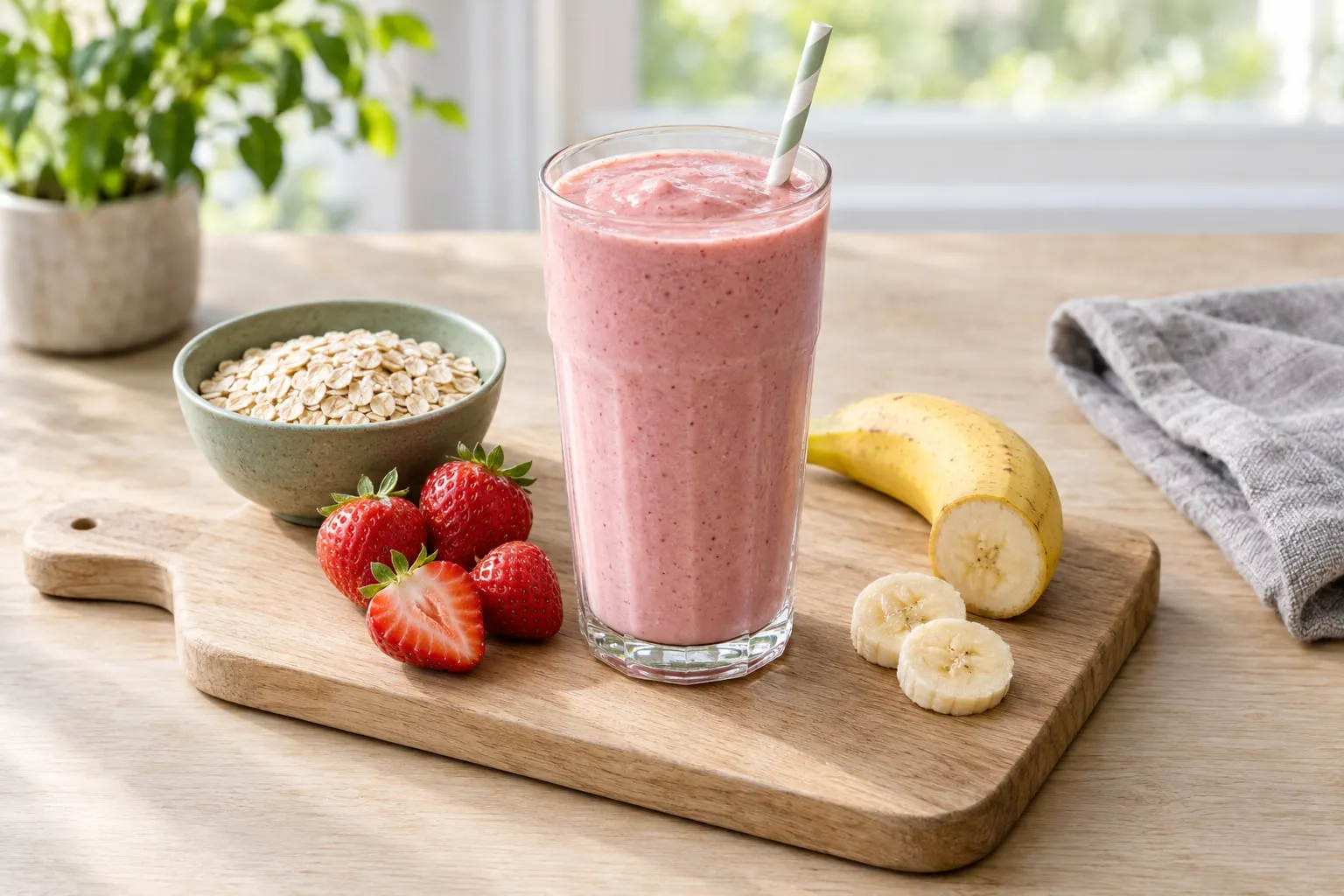
Protein Smoothie
32 g protein387 kcal5 minVegetarian
A simple blended drink where the protein comes from dairy or powder and the fruit adds flavour.
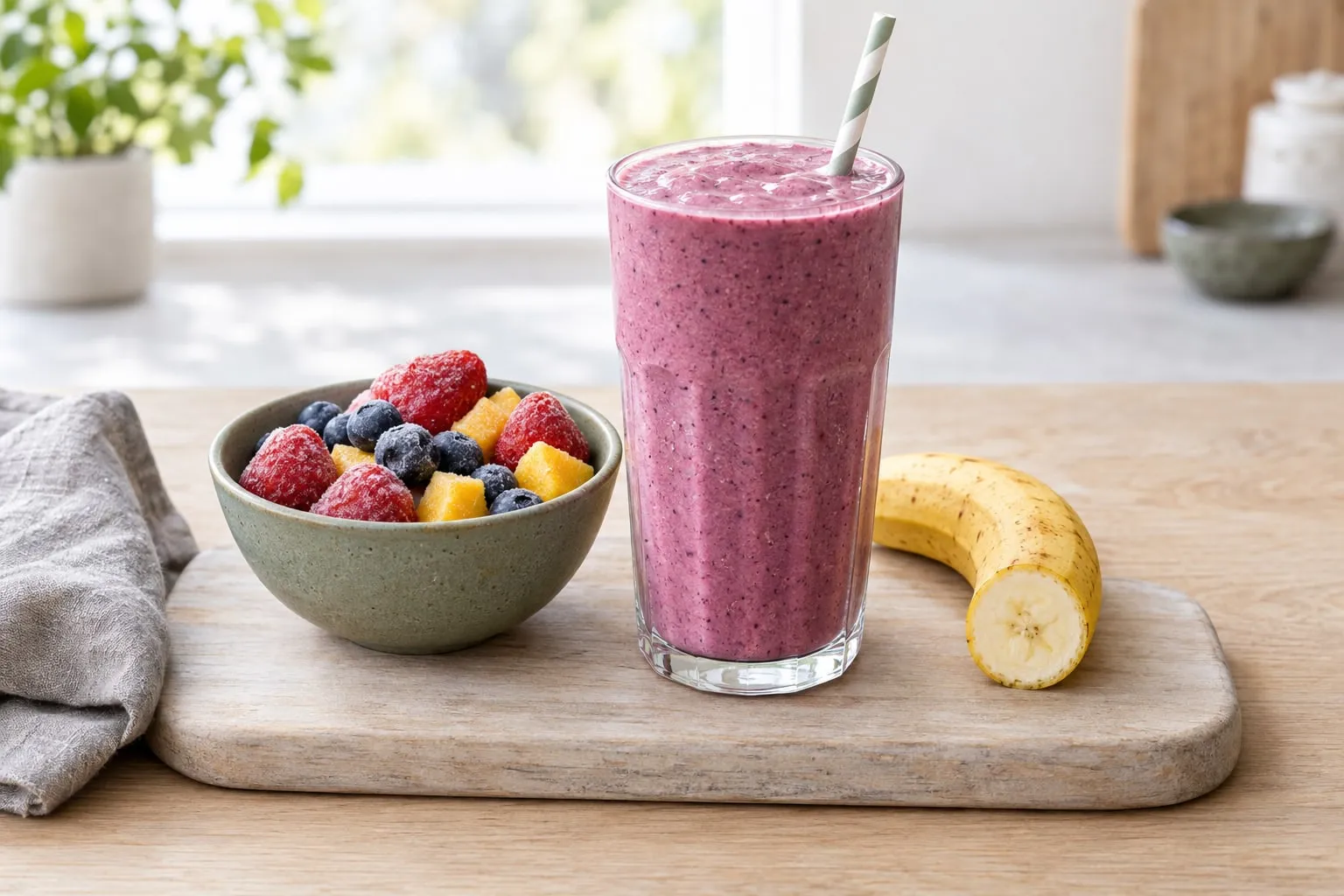
Protein Fruit Smoothie
29 g protein376 kcal5 minVegetarianGluten-free
A fruit-led smoothie with a protein base so the fruit does not have to carry the numbers.
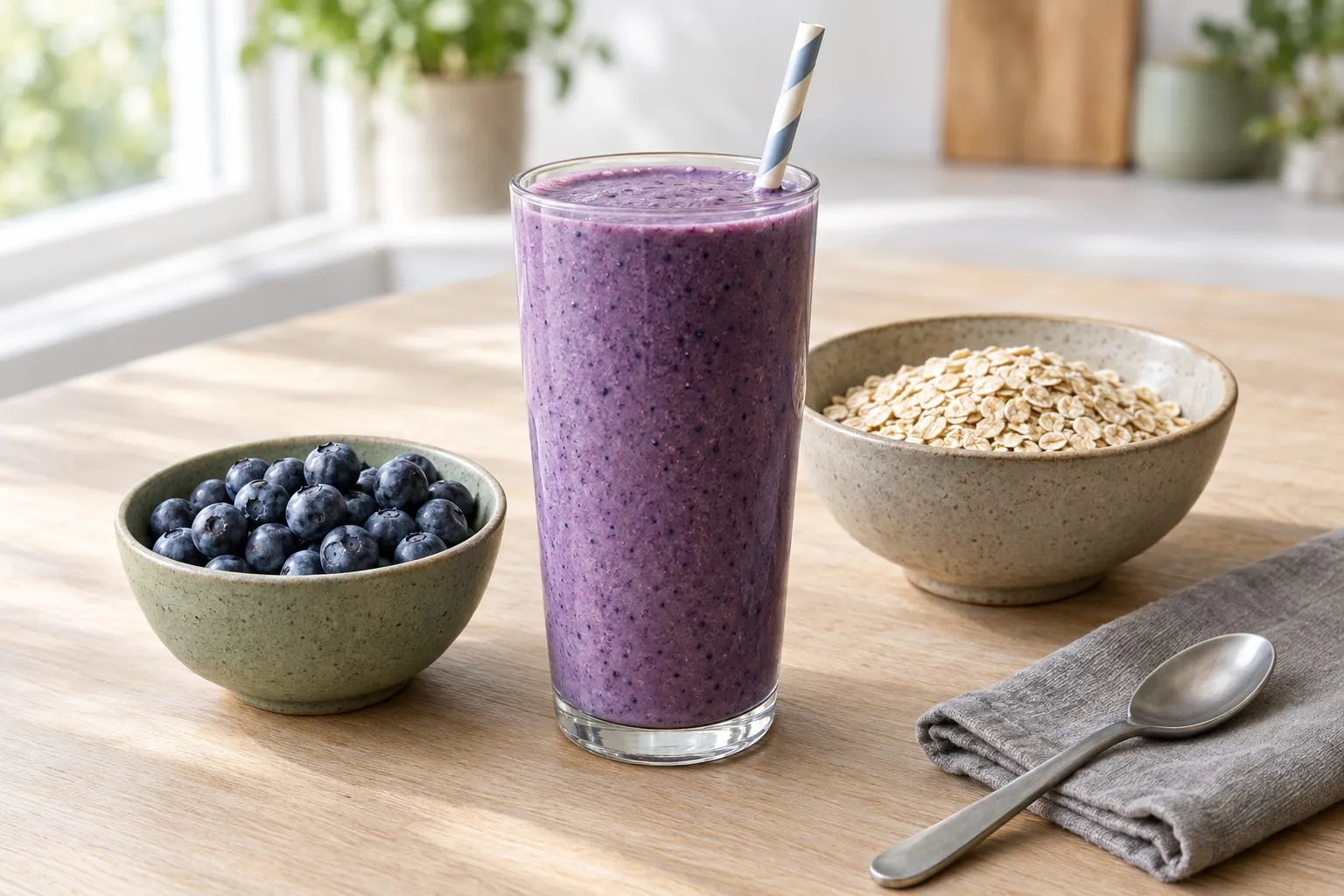
Protein Kefir Smoothie
27 g protein332 kcal5 minVegetarian
Kefir as the base, with fruit blended in for sweetness.
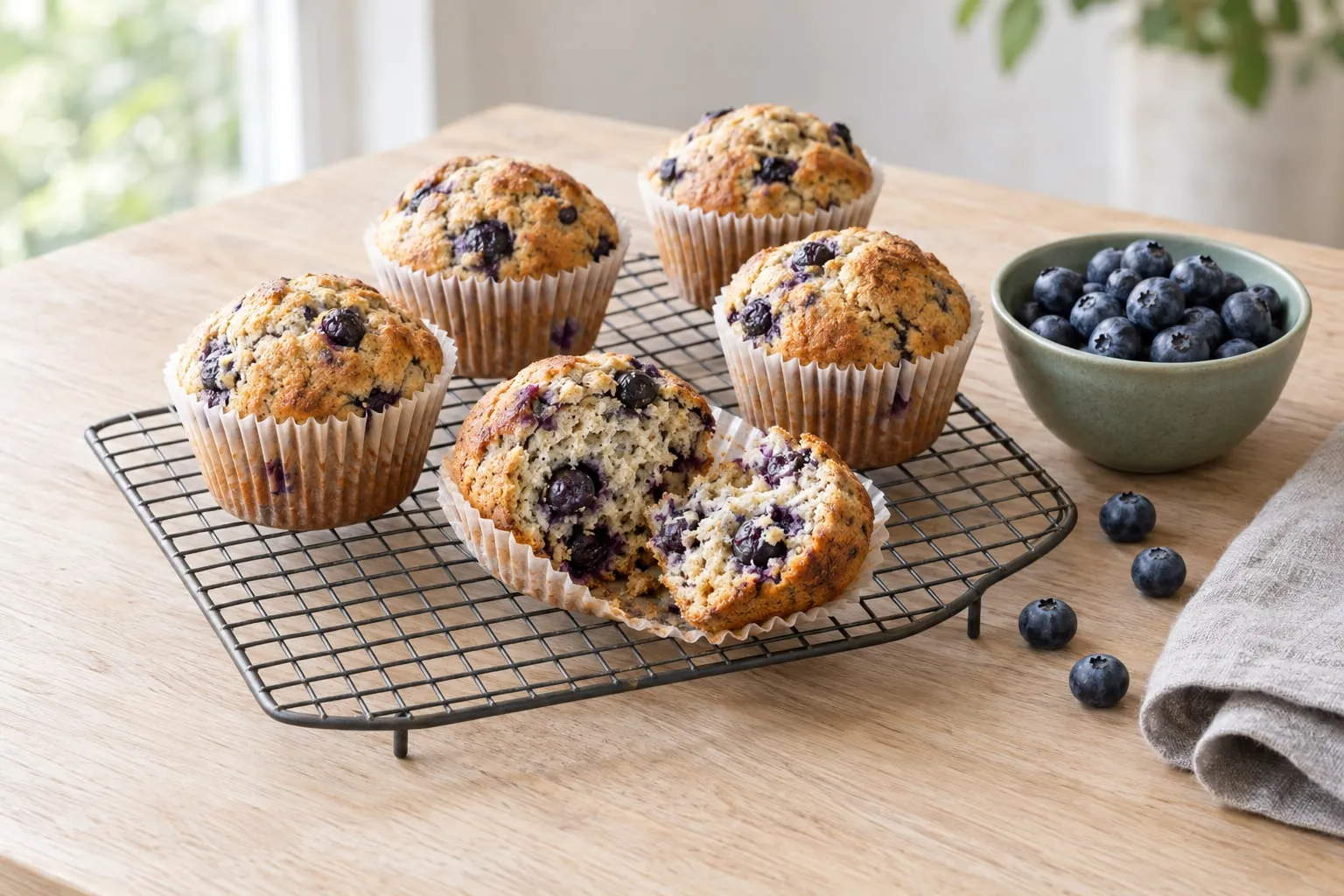
Blueberry Protein Muffins
8 g protein130 kcal45 minVegetarian
Blueberries baked into a muffin that uses dairy and powder for its protein.
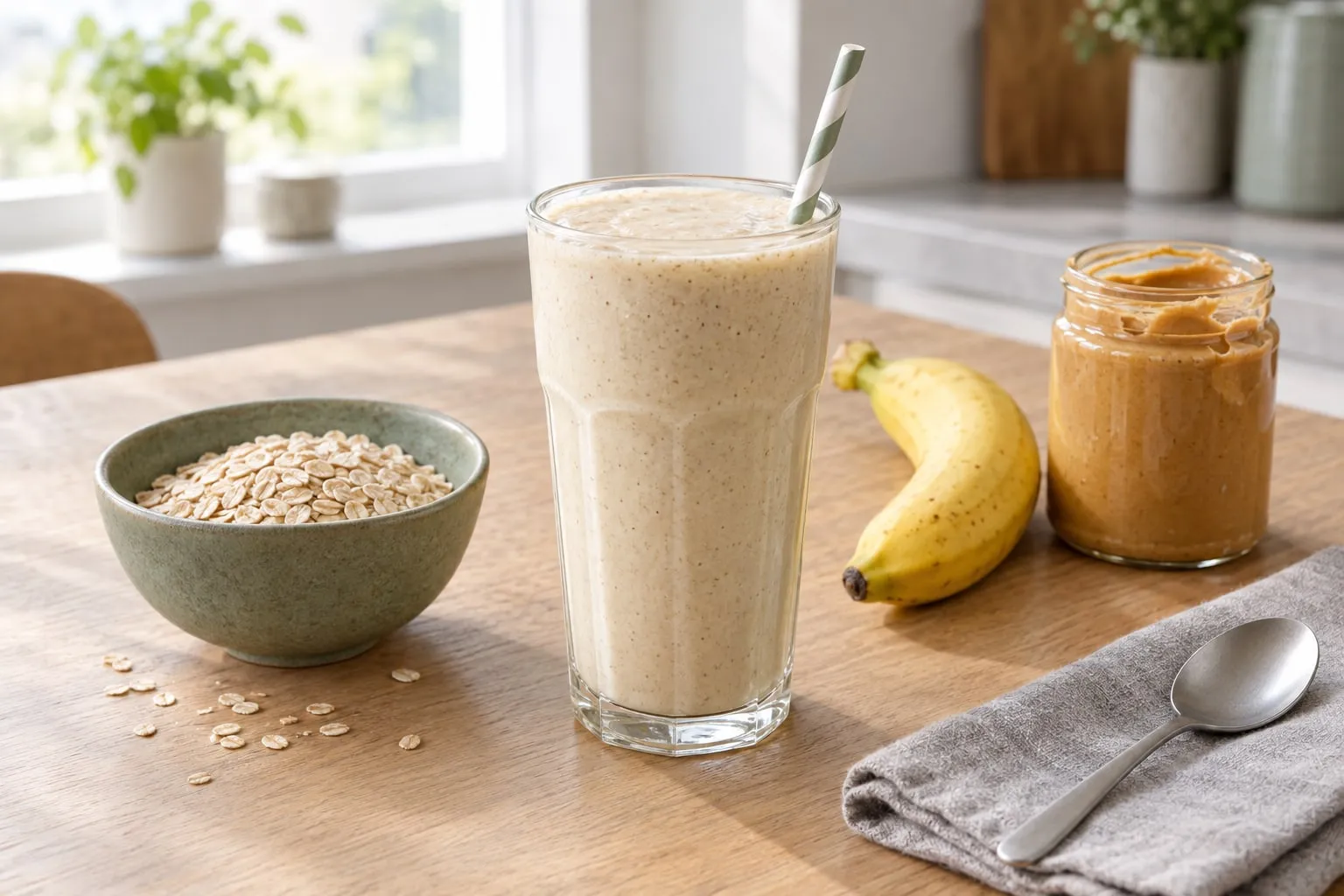
Protein Breakfast Smoothie
30 g protein467 kcal5 minVegetarian
A thicker smoothie that works as a quick breakfast.
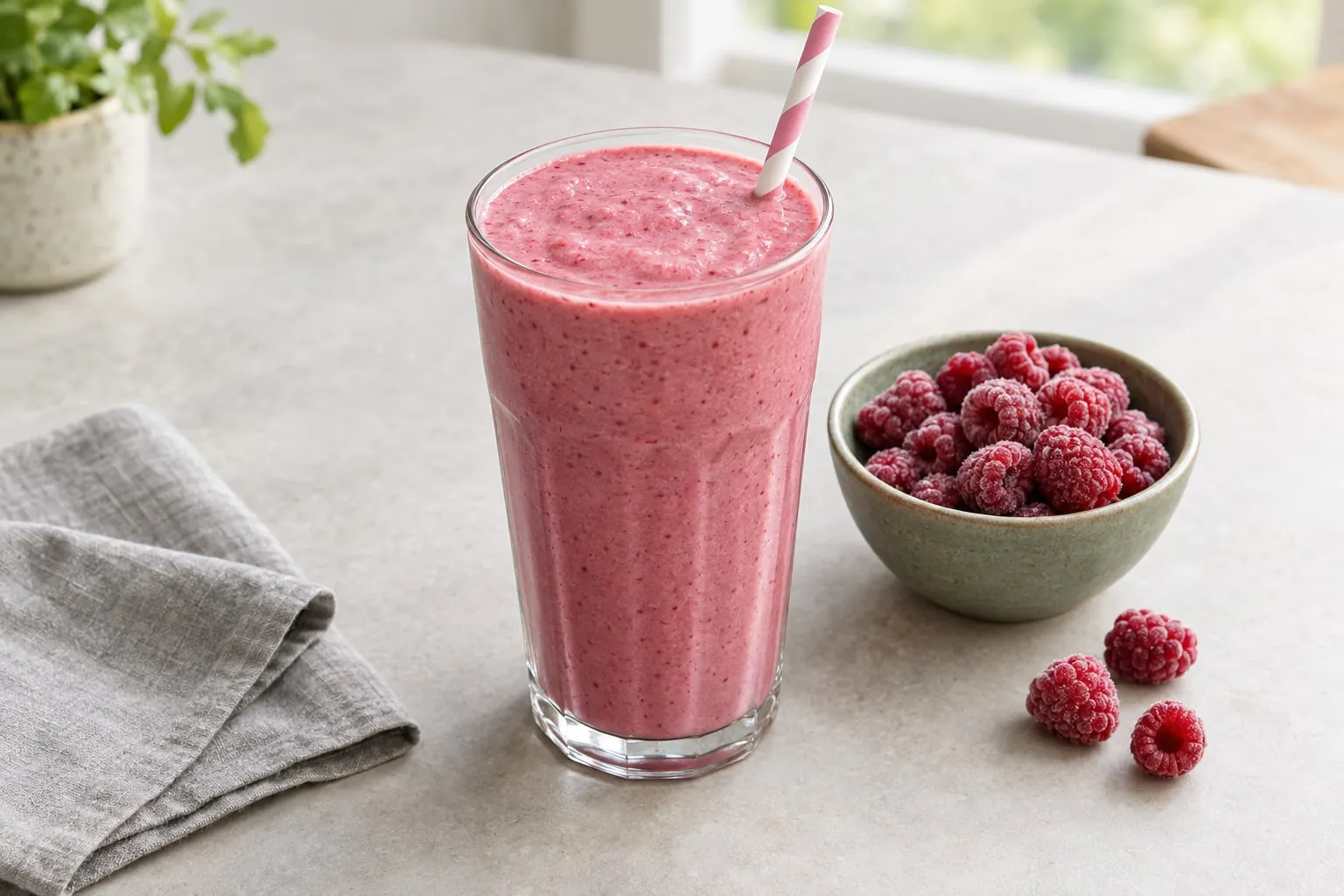
Low Calorie High Protein Smoothie
27 g protein196 kcal5 minVegetarianGluten-free
A lighter blend for when the calories matter as much as the protein.
Sources
- McCance and Widdowson's Composition of Foods Integrated Dataset 2021 (CoFID) – Protein, energy and carbohydrate values for fresh and dried fruit
- NHS Eatwell Guide – Groups beans, pulses, fish, eggs and meat as protein foods and fruit and vegetables as a separate group
Read our editorial policy for how figures are checked and how to report a mistake.
More protein guides
All guides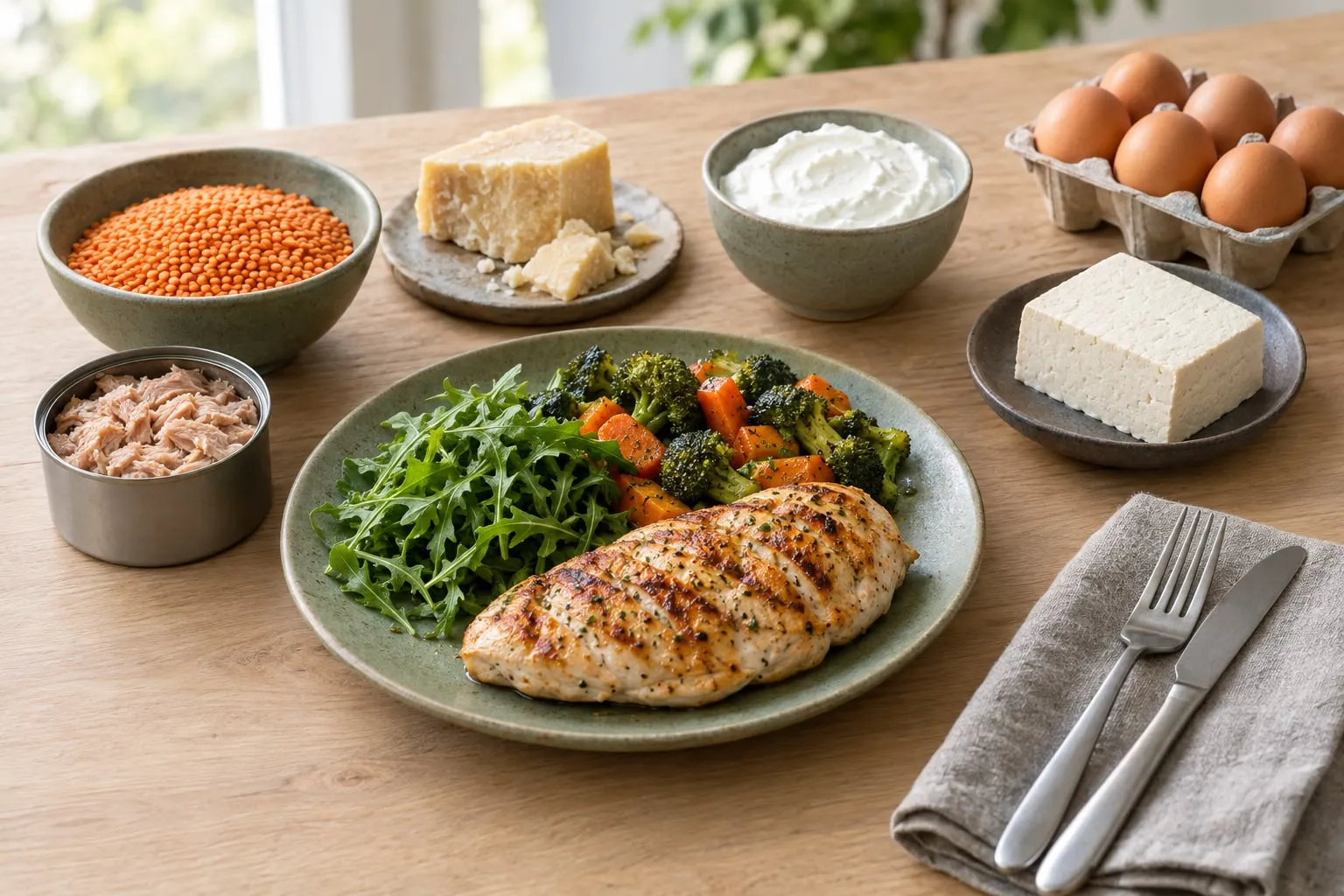
Guide
High Protein Foods: A Ranked List
High protein foods ranked by protein per 100 g and per 100 kcal: Parmesan has 36.2 g, grilled chicken 32.0 g, dried red lentils 25.6 g and egg white 10.8 g.
Guide
How Much Protein Do You Need Per Day?
How much protein do I need? The UK reference is 0.75 g per kg of body weight a day, or 52.5 g at 70 kg. See food values and a worked example day.
Guide
What Is Protein and Why Do We Need It?
What is protein good for? It is made of amino acids, nine of them essential. See what it does, the UK 0.75 g per kg a day reference and food values.
Guide
Lean Protein: Best Sources
Lean protein sources ranked by fat: raw chicken breast has 24.0 g protein and 1.1 g fat per 100 g, tuna 24.9 g and 1.0 g. Meat, fish and dairy compared.