Protein guide
Protein in Quinoa
Quick answer
Raw quinoa has 13.8 g protein per 100 g, according to the UK food composition tables, which is 10.4 g and 232 kcal in a 75 g portion. About 18% of its energy comes from protein.
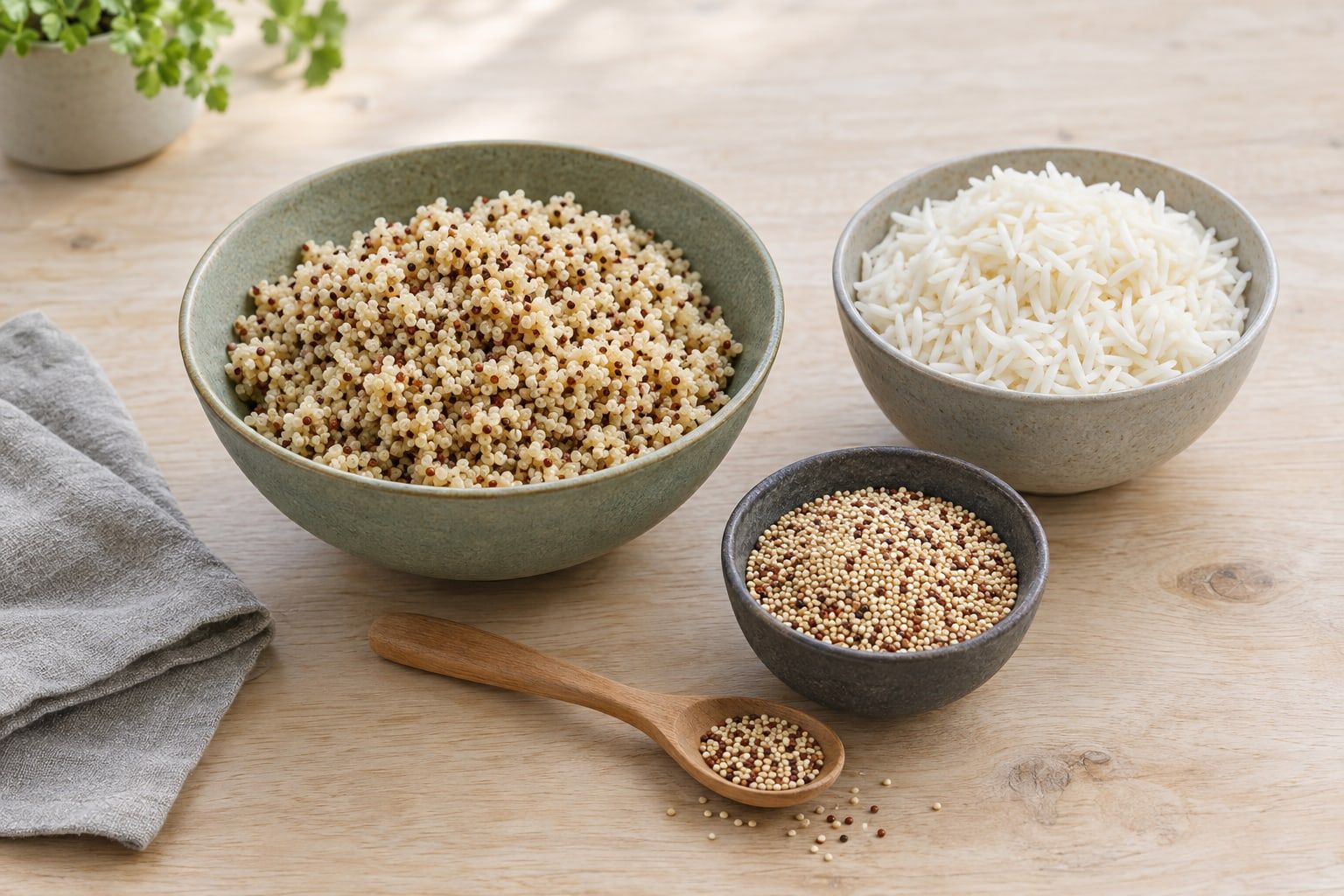
Quinoa protein comes to 13.8 g per 100 g raw, which works out at 10.4 g and 232 kcal in a 75 g portion. Roughly 18% of its energy is protein, a higher share than rice or most other grains.
Raw weight is the figure to use. Quinoa takes up water as it cooks and ends up at about three times its dry weight, so cooked quinoa lists around a third of the raw protein per 100 g. Against rice, the gap is clear: 75 g of raw quinoa gives 10.4 g protein, while the same weight of basmati gives 6.1 g. Couscous, bulgur and pasta fall in between.
For a meal that reaches 20 g or more, quinoa works best as the base rather than the whole story. Stir through tinned beans, flake over tuna or add a couple of boiled eggs, and the quinoa supplies the grain while the extra food does most of the protein work. Rinse the grains before cooking, because the coating on the surface can taste bitter.
| Food | Protein | Energy | Fat |
|---|---|---|---|
| Quinoa, raw | 13.8 g | 309 kcal | 5.0 g |
| Quinoa, uncooked (typical value) | 14 g | 368 kcal | 6 g |
| Couscous, plain, raw | 12.0 g | 364 kcal | 2.1 g |
| Bulgur wheat, raw | 10.6 g | 352 kcal | 2.0 g |
| Pasta, white, dried, raw | 11.3 g | 343 kcal | 1.6 g |
| Basmati rice, white, raw | 8.1 g | 351 kcal | 0.5 g |
| Long grain rice, white, raw | 6.7 g | 355 kcal | 1.0 g |
Source: CoFID – McCance and Widdowson's Composition of Foods Integrated Dataset 2021 (codes 14-843, 11-901, 11-904, 11-716, 11-857, 11-861); quinoa uncooked is a typical value (x28), not a CoFID entry
| Portion | Weight | Protein | Energy |
|---|---|---|---|
| Quinoa, small side | 60 g | 8.3 g | 185 kcal |
| Quinoa, main portion | 75 g | 10.4 g | 232 kcal |
| Couscous | 75 g | 9.0 g | 273 kcal |
| Bulgur wheat | 75 g | 8.0 g | 264 kcal |
| White pasta | 75 g | 8.5 g | 257 kcal |
| Basmati rice | 75 g | 6.1 g | 263 kcal |
Source: Calculated from CoFID raw values; 75 g raw is a typical main portion and 60 g a small side
How much protein is in quinoa?
Raw quinoa contains 13.8 g protein and 309 kcal per 100 g, with 5.0 g of fat. A 75 g portion, which is a typical main serving before cooking, gives 10.4 g protein and 232 kcal, and a 60 g side gives 8.3 g. About 18% of the energy comes from protein. Some packs of quinoa list slightly different values, and the typical value of 14 g protein and 368 kcal per 100 g is close, so check the label if you want to be exact.
Is quinoa higher in protein than rice?
Yes. A 75 g portion of raw quinoa gives 10.4 g protein, against 6.1 g in the same weight of basmati rice and about 5 g in long grain rice. That is 4.3 g more than basmati, and the quinoa has about 31 kcal fewer, at 232 kcal against 263 kcal. Couscous, bulgur wheat and dried pasta sit between the two, at 8.0 g to 9.0 g per 75 g. Quinoa still gives only a little over 10 g, so it is a useful extra rather than a main protein source.
Should you weigh quinoa raw or cooked?
Weigh it raw wherever you can, because the tables above are for raw quinoa. It absorbs water as it cooks and ends up at about three times its dry weight, so 100 g of cooked quinoa holds roughly a third of the raw figure, in the region of 4.6 g protein. That is an estimate, not a table value. If you only have cooked quinoa to hand, remember that a large scoop of it is mostly water, and the protein per scoop is lower than the raw numbers suggest.
Is quinoa a complete protein?
Quinoa is often described as containing all nine essential amino acids, which is less usual in a grain. The UK tables used on this page give total protein but not an amino acid breakdown, so the figures here cannot confirm the detail. In practice the point matters little for most people, who eat a mix of foods across the day. What counts for a meal is the amount: about 10 g from a 75 g portion, plus whatever beans, eggs, fish or meat go with it.
How do you build a higher protein quinoa bowl?
Add a separate protein food. A 75 g portion of quinoa with 120 g drained tinned kidney beans gives 10.4 g plus 10.3 g, or 20.7 g protein, in a meat-free bowl. With 150 g raw chicken breast, the chicken alone adds 36.0 g. Quinoa salads work well with feta, eggs or tuna, and cooked quinoa can be stirred into a protein pancake batter or baked into patties. Rinse the grains in a sieve before cooking, as the coating can taste bitter.
Practical tips
- Weigh the quinoa dry
Weigh quinoa before it goes into the pan and log it as raw. It makes a 75 g portion easy to compare with rice, couscous or pasta.
- Rinse before cooking
Rinse the grains in a fine sieve under cold running water for a minute. This removes the bitter coating and gives a cleaner flavour.
- Pair it with beans or eggs
Quinoa gives about 10 g in a portion. Tinned beans, boiled eggs or a handful of feta each add several grams more to a salad or bowl.
Myth or fact
- The facts
Is it true that quinoa is a high protein food?
It is higher than rice but not high in absolute terms. A 75 g raw portion gives 10.4 g protein, about 18% of its energy, so it is best treated as a protein-richer grain.
- Myth
Is it true that cooked quinoa has more protein than raw?
No. Cooking adds water, not protein. A given portion has the same protein, but each 100 g of cooked quinoa lists about a third of the raw value because it weighs roughly three times as much.
Frequently asked questions
How much protein is in 100 g of quinoa?
Raw quinoa has 13.8 g protein and 309 kcal per 100 g. Cooked quinoa weighs roughly three times as much, so 100 g cooked has around a third of that.
How much protein is in a portion of quinoa?
A 75 g raw portion has 10.4 g protein and 232 kcal. A smaller 60 g side has 8.3 g protein and 185 kcal.
Is quinoa better for protein than rice?
Yes. A 75 g raw portion of quinoa gives 10.4 g protein, while the same weight of basmati rice gives 6.1 g.
Is quinoa a complete protein?
Quinoa is often said to contain all nine essential amino acids. The UK food tables list total protein only, so this page gives amounts of protein and not the amino acid profile.
Can you use quinoa for protein if you are vegetarian?
It can contribute, but it needs help. A 75 g portion with 120 g drained kidney beans gives 20.7 g protein.
Recipes to try
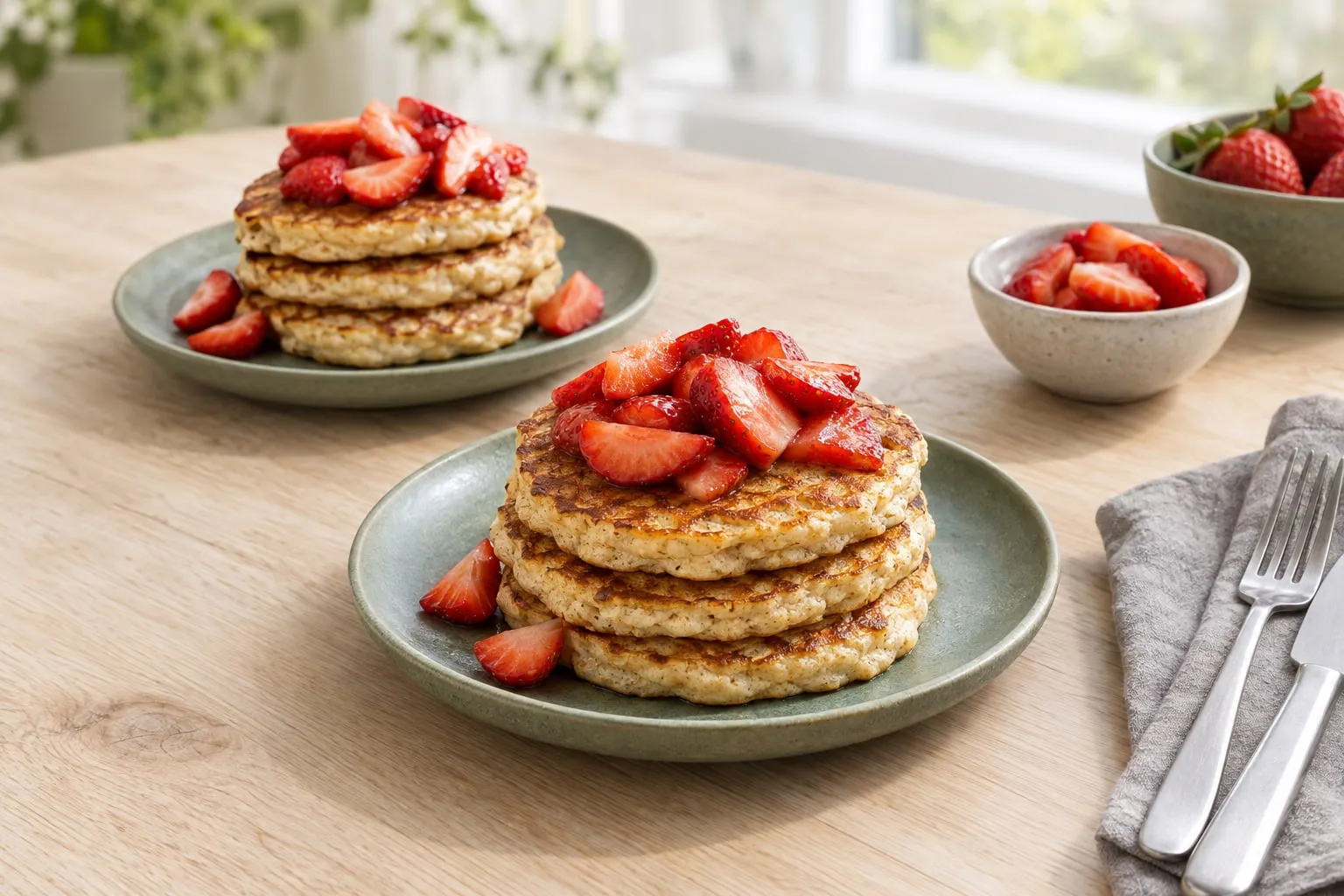
Protein Pancakes
31 g protein342 kcal25 minVegetarian
A breakfast option if you want more protein than a bowl of grains.
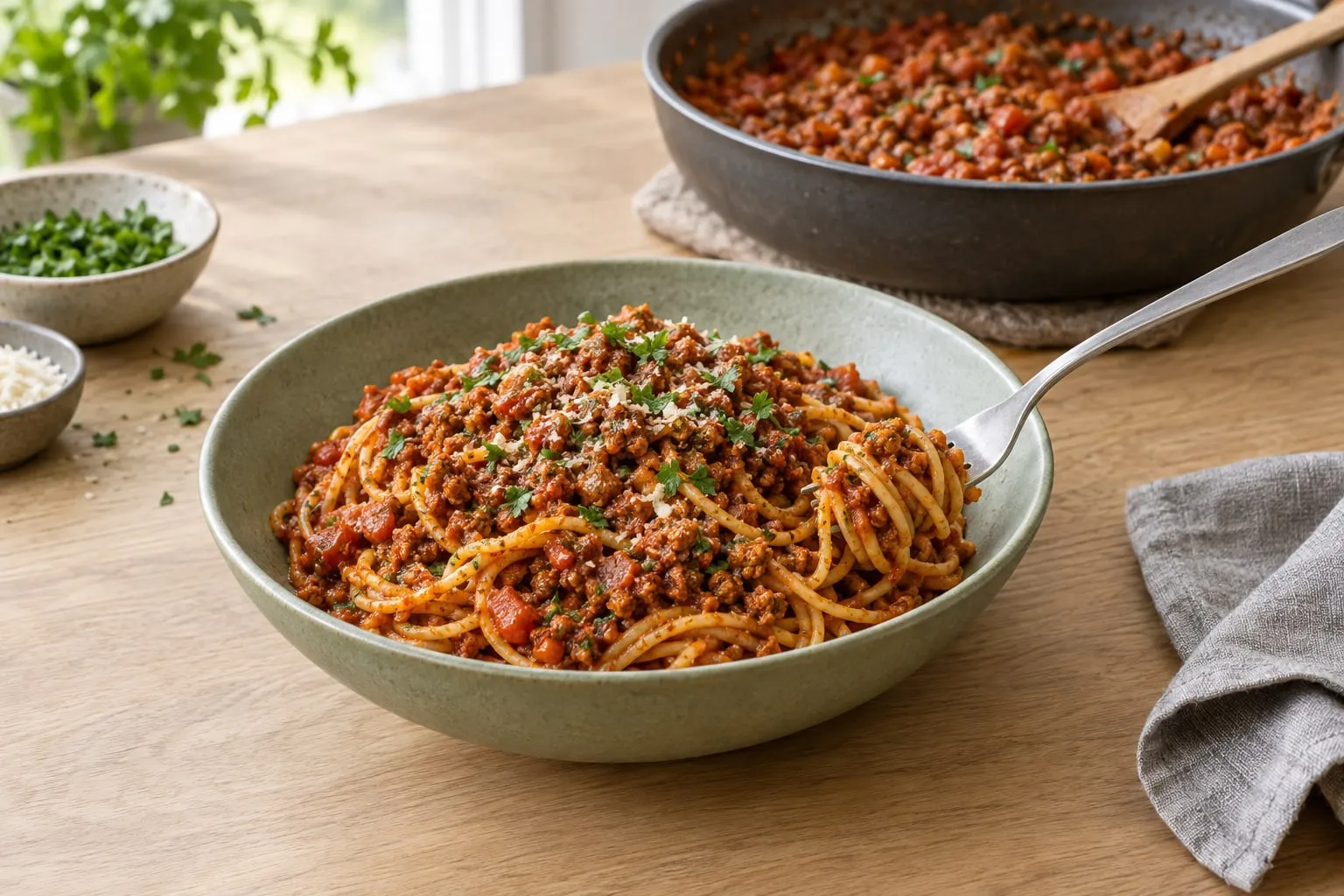
TVP Mince Bolognese
30 g protein476 kcal55 minVegetarianVegan
A mince-style sauce that works over quinoa instead of pasta.
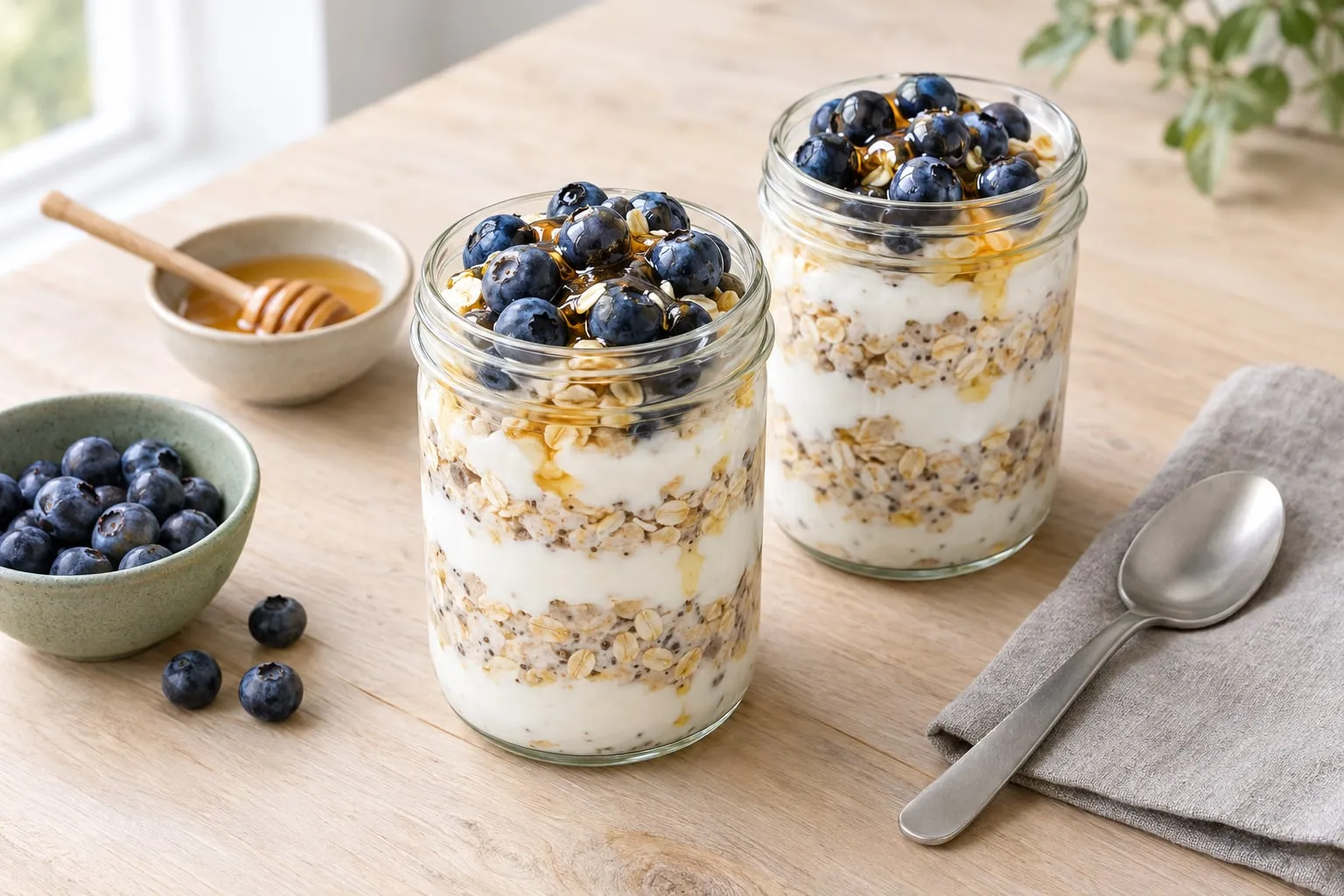
Protein Overnight Oats
26 g protein334 kcal8 hr 5 minVegetarian
A make-ahead breakfast for anyone comparing grains for protein.
Sources
- McCance and Widdowson's Composition of Foods Integrated Dataset 2021 (CoFID) – Values for raw quinoa, couscous, bulgur wheat, dried pasta and white rice
- NHS Eatwell Guide – Lists beans, pulses, fish, eggs and meat as good sources of protein
Read our editorial policy for how figures are checked and how to report a mistake.
More protein guides
All guides
Guide
Protein in Rice and Pasta
Rice with protein: 75 g dry basmati has 6.1 g protein and 75 g dried pasta 8.5 g. Raw and cooked values, plus how high protein pasta compares.

Guide
High Protein Foods: A Ranked List
High protein foods ranked by protein per 100 g and per 100 kcal: Parmesan has 36.2 g, grilled chicken 32.0 g, dried red lentils 25.6 g and egg white 10.8 g.

Guide
How Much Protein Do You Need Per Day?
How much protein do I need? The UK reference is 0.75 g per kg of body weight a day, or 52.5 g at 70 kg. See food values and a worked example day.
Guide
What Is Protein and Why Do We Need It?
What is protein good for? It is made of amino acids, nine of them essential. See what it does, the UK 0.75 g per kg a day reference and food values.