Protein guide
Protein in Chia and Pumpkin Seeds
Quick answer
A 15 g tablespoon of chia seeds has about 2.5 g protein, and a 30 g handful of pumpkin seeds has 7.3 g. Pumpkin seeds contain 24.4 g protein per 100 g in the UK food tables.
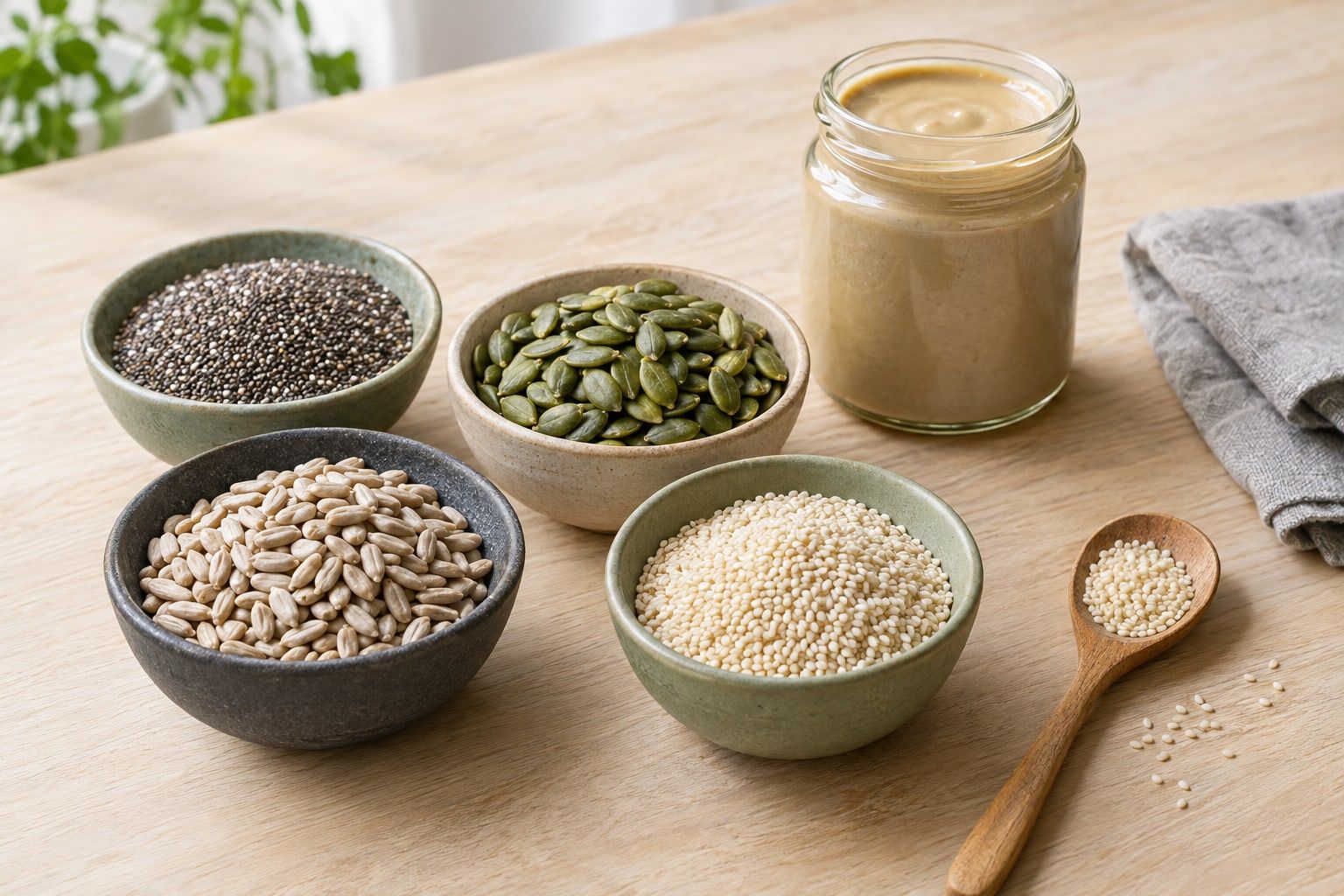
Protein in chia seeds comes to about 2.5 g per 15 g tablespoon, while a 30 g handful of pumpkin seeds gives 7.3 g. Per 100 g, pumpkin seeds have 24.4 g protein and 565 kcal in the UK food tables, and chia seeds have a typical 16.5 g that should be checked against the pack.
Portion size is the main variable. Seeds are high in protein per 100 g, but a normal serving is 10–30 g, so the amount per portion is modest. Seeds are also energy dense: 100 g of pumpkin seeds has 45.6 g fat, so about 17% of its energy comes from protein. Chia is the exception that needs a different method, since the dry seeds soak up liquid and are best stirred into a pudding, porridge or yogurt.
The practical use for seeds is as a topping or an ingredient rather than the centre of a meal. A tablespoon on porridge or yogurt adds a few grams of protein and some crunch. For a bigger protein hit, pair them with eggs, dairy, fish, meat or pulses.
| Seed | Protein | Energy | Fat |
|---|---|---|---|
| Melon seeds | 28.5 g | 583 kcal | 47.7 g |
| Pumpkin seeds | 24.4 g | 565 kcal | 45.6 g |
| Poppy seeds | 20.6 g | not listed | 47.1 g |
| Sunflower seeds | 19.8 g | 576 kcal | 47.5 g |
| Tahini paste | 18.5 g | 607 kcal | 58.9 g |
| Sesame seeds | 18.2 g | 598 kcal | 58.0 g |
| Chia seeds, dried (typical value) | 16.5 g | 486 kcal | 30.7 g |
Source: CoFID – McCance and Widdowson's Composition of Foods Integrated Dataset 2021 (codes 14-826, 14-842, 13-849, 14-845, 14-847, 14-844); chia seeds are a typical value for dried chia, not a CoFID figure – check the pack label
| Portion | Weight | Protein | Energy |
|---|---|---|---|
| Pumpkin seeds, handful | 30 g | 7.3 g | 170 kcal |
| Sunflower seeds, handful | 30 g | 5.9 g | 173 kcal |
| Chia seeds, 1 tablespoon | about 15 g | 2.5 g | 73 kcal |
| Tahini, 1 tablespoon | about 15 g | 2.8 g | 91 kcal |
| Sesame seeds, 1 tablespoon | about 10 g | 1.8 g | 60 kcal |
Source: Calculated from the per 100 g values above; portion weights are typical assumptions, and chia is a typical value
How much protein is in pumpkin seeds?
Pumpkin seeds have 24.4 g protein and 565 kcal per 100 g. A 30 g handful therefore gives 7.3 g protein and 170 kcal. The seeds are also high in fat at 45.6 g per 100 g, so around 17% of the energy comes from protein. UK labelling rules allow a ‘high protein’ claim at 20% of the energy, so pumpkin seeds fall just below that line even though the protein per 100 g looks high.
How much protein is in chia seeds?
Chia seeds are not in the CoFID data used for the other seeds here, so the figure comes from a typical value of about 16.5 g protein per 100 g. The pack label is the best source for the brand you buy, and values of around 16–17 g are common. A tablespoon of about 15 g gives 2.5 g protein and 73 kcal. That is far less than a medium egg, which has 6.3 g.
Which seeds have the most protein?
Per 100 g, melon seeds lead the table at 28.5 g, followed by pumpkin seeds at 24.4 g, poppy seeds at 20.6 g and sunflower seeds at 19.8 g. Tahini, which is ground sesame seeds, has 18.5 g and sesame seeds 18.2 g. Melon and poppy seeds are rarely used in large amounts in British kitchens, so pumpkin and sunflower seeds are the practical choices.
Can seeds be a main source of protein?
Seeds are eaten in small amounts, so the protein adds up slowly. A 30 g handful of pumpkin seeds gives 7.3 g, which is about 15% of the 50 g reference intake used on UK food labels. To get 20 g protein from pumpkin seeds alone you would need about 82 g, which brings roughly 463 kcal. They work best as a topping for porridge, yogurt or salad, alongside bigger protein sources such as eggs, dairy, fish, meat or pulses.
How do you use chia seeds without eating them dry?
Chia seeds absorb many times their weight in liquid and form a gel, so they belong in a liquid rather than being eaten dry by the spoonful. Soak them in milk or yogurt for a pudding, stir them into overnight oats or mix them into a smoothie. Pumpkin and sunflower seeds can be eaten as they are or toasted in a dry pan for 2–3 minutes. Sesame is one of the 14 allergens that must be declared on UK food labels.
Practical tips
- Weigh a handful once
A handful is easy to over-pour. Weigh a 30 g portion once and see how much it fills your hand so the protein and calorie figures are accurate.
- Toast pumpkin seeds in a dry pan
Stir them in a dry frying pan over medium heat for 2–3 minutes until they pop and turn lightly golden. Toasting brings out flavour and does not change the protein.
- Soak chia in liquid
Use roughly 3 tablespoons of liquid to 1 tablespoon of chia seeds and leave for at least 30 minutes. The seeds swell and form a thick gel.
Myth or fact
- Myth
Is it true that a spoonful of chia seeds has as much protein as an egg?
No. A 15 g tablespoon of chia seeds has about 2.5 g protein, while a medium egg has 6.3 g.
- The facts
Is it true that seeds are too fatty to count as a protein food?
Not exactly. Pumpkin seeds have 24.4 g protein per 100 g. They are also energy dense at 565 kcal per 100 g, so a small portion gives 7.3 g protein for 170 kcal.
Frequently asked questions
How much protein is in 1 tablespoon of chia seeds?
A 15 g tablespoon of chia seeds has about 2.5 g protein. Check the label on your pack, as brands vary slightly.
How much protein is in a handful of pumpkin seeds?
A 30 g handful has 7.3 g protein and 170 kcal.
Which seed has the most protein?
Melon seeds have the most in the UK tables at 28.5 g per 100 g, with pumpkin seeds second at 24.4 g.
Are pumpkin seeds a high protein food?
They have 24.4 g protein per 100 g, but 17% of their energy comes from protein, below the 20% needed for a ‘high protein’ claim on a label.
Recipes to try
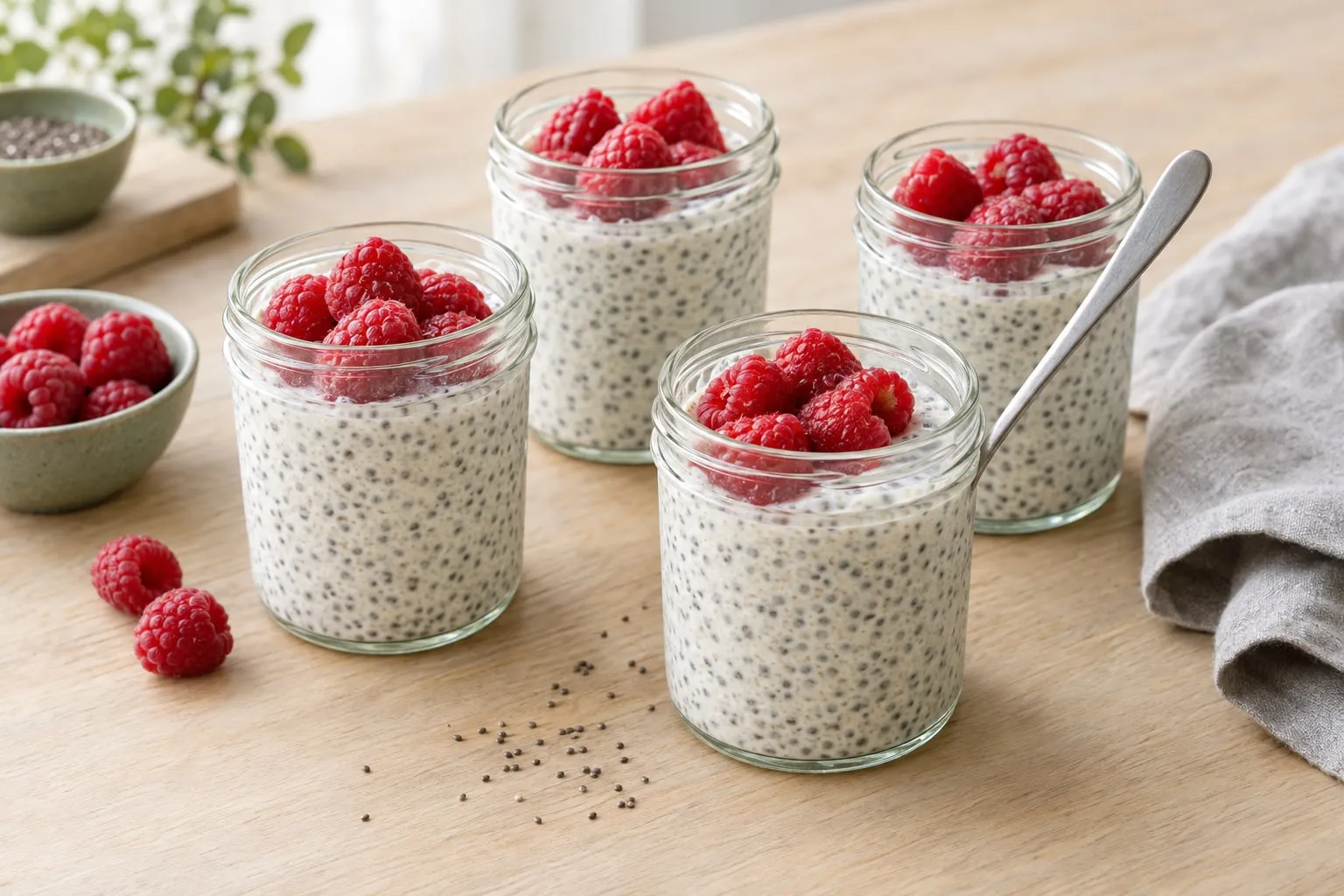
Chia Seed Protein Pudding
26 g protein320 kcal4 hr 15 minVegetarianGluten-free
Chia seeds soaked in milk and set with extra protein.
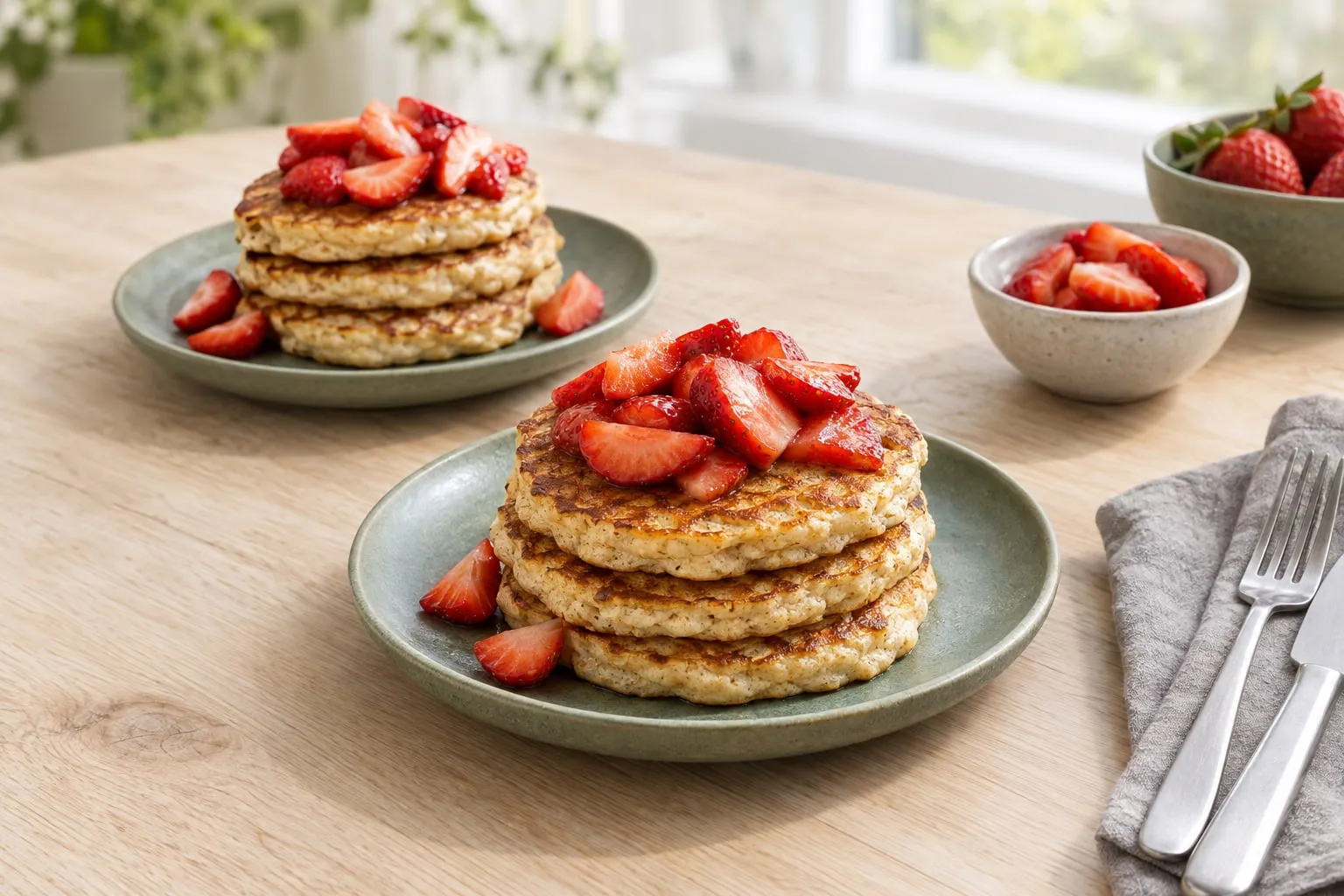
Protein Pancakes
31 g protein342 kcal25 minVegetarian
A thick pancake batter that can take a spoonful of seeds on top.
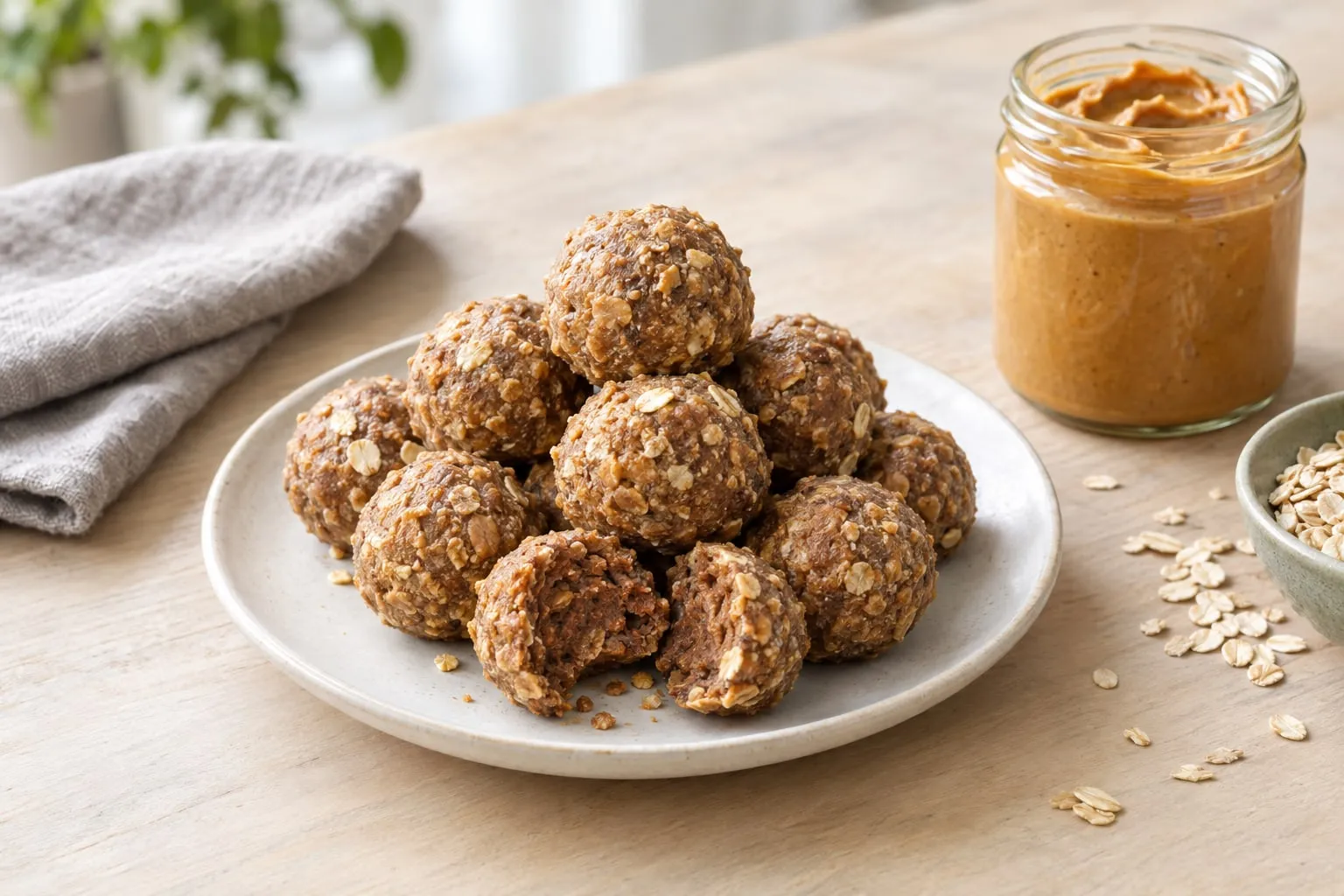
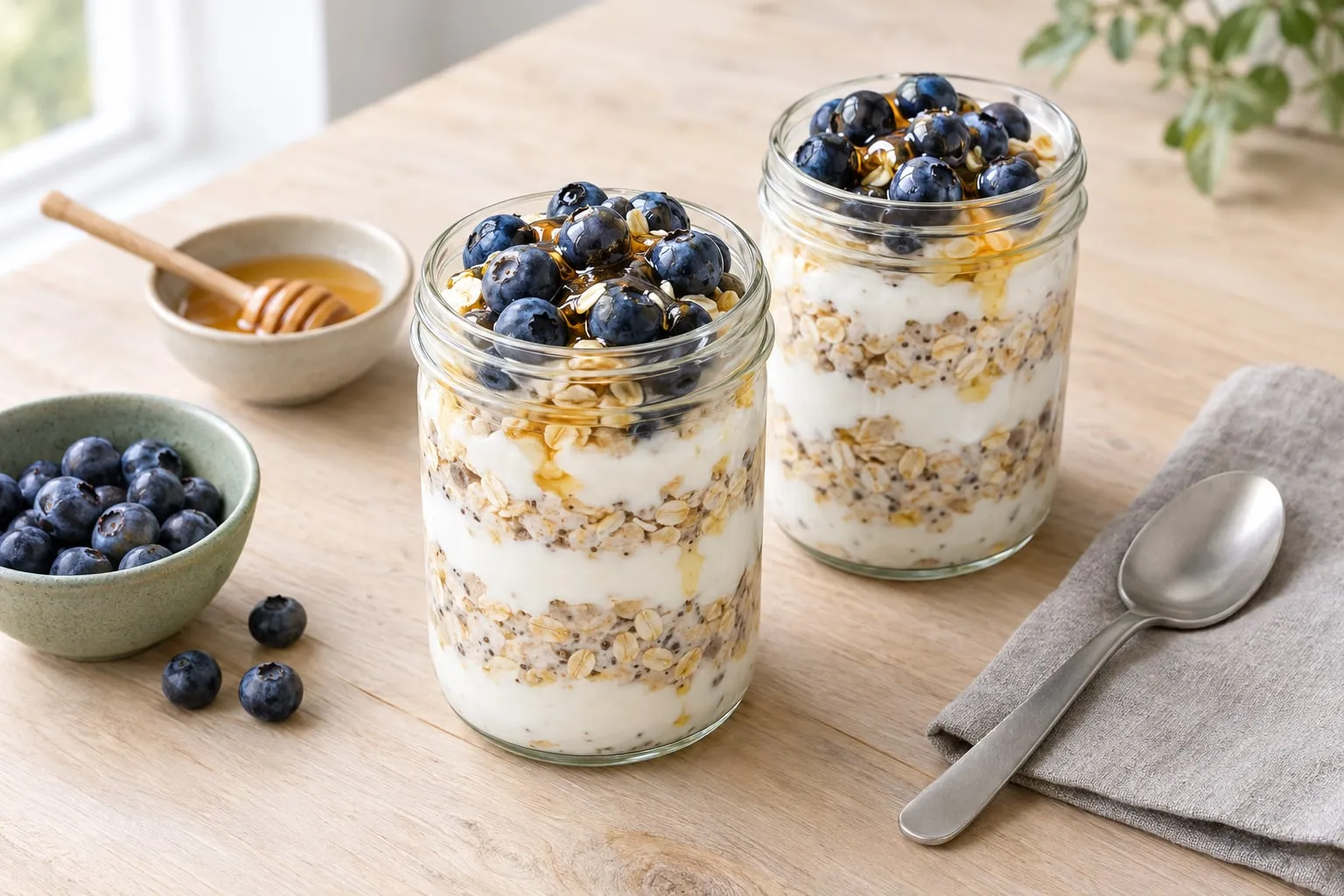
Protein Overnight Oats
26 g protein334 kcal8 hr 5 minVegetarian
Oats soaked overnight, with chia stirred in if you like.
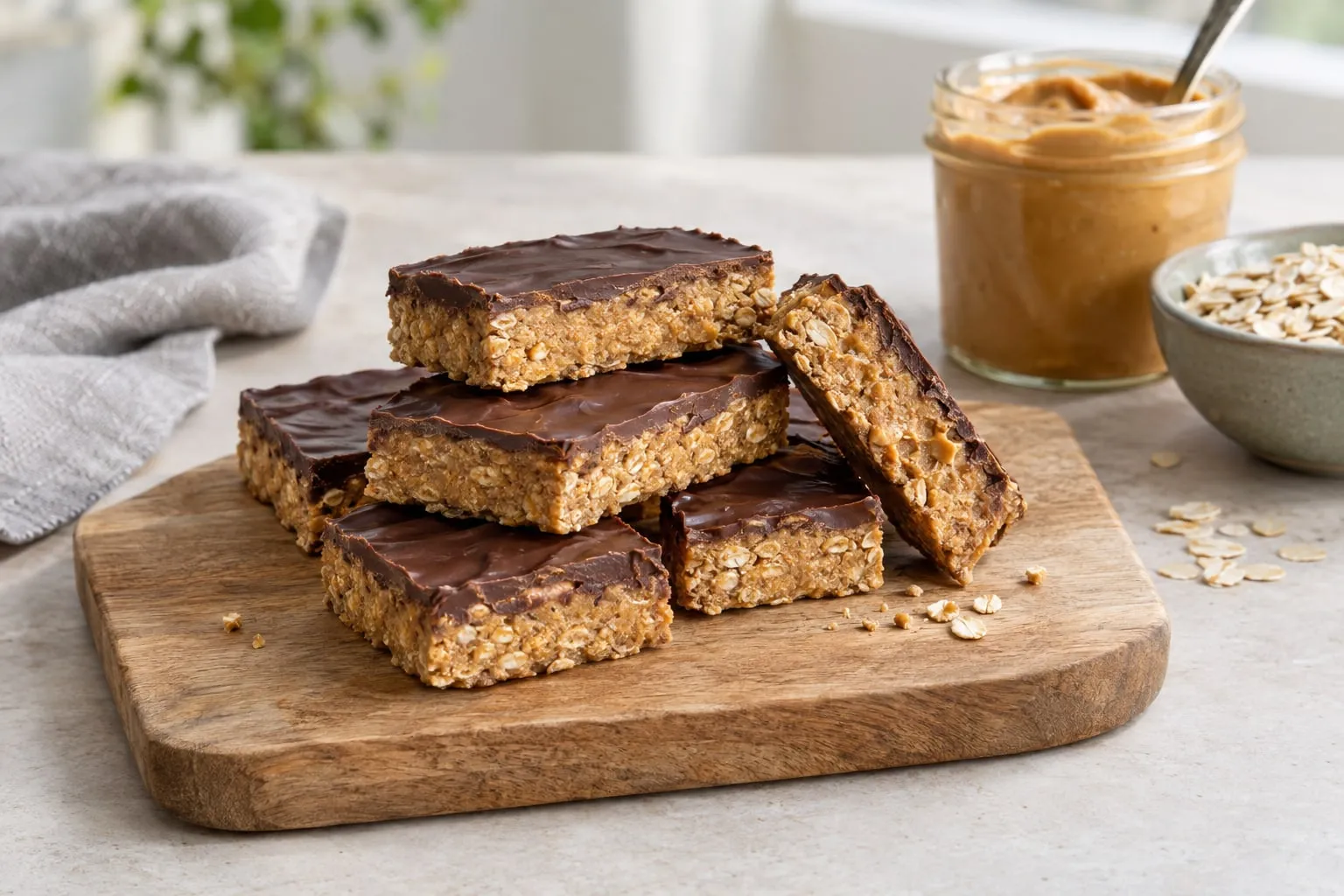
Homemade Protein Bars
12 g protein208 kcal2 hr 15 minVegetarian
Oat and peanut butter bars that take a spoonful of seeds well.
Sources
- McCance and Widdowson's Composition of Foods Integrated Dataset 2021 (CoFID) – Protein, energy and fat for pumpkin, sunflower, sesame, poppy and melon seeds and tahini
- NHS – the Eatwell Guide – Background on beans, pulses, fish, eggs and meat as protein foods
Read our editorial policy for how figures are checked and how to report a mistake.
More protein guides
All guides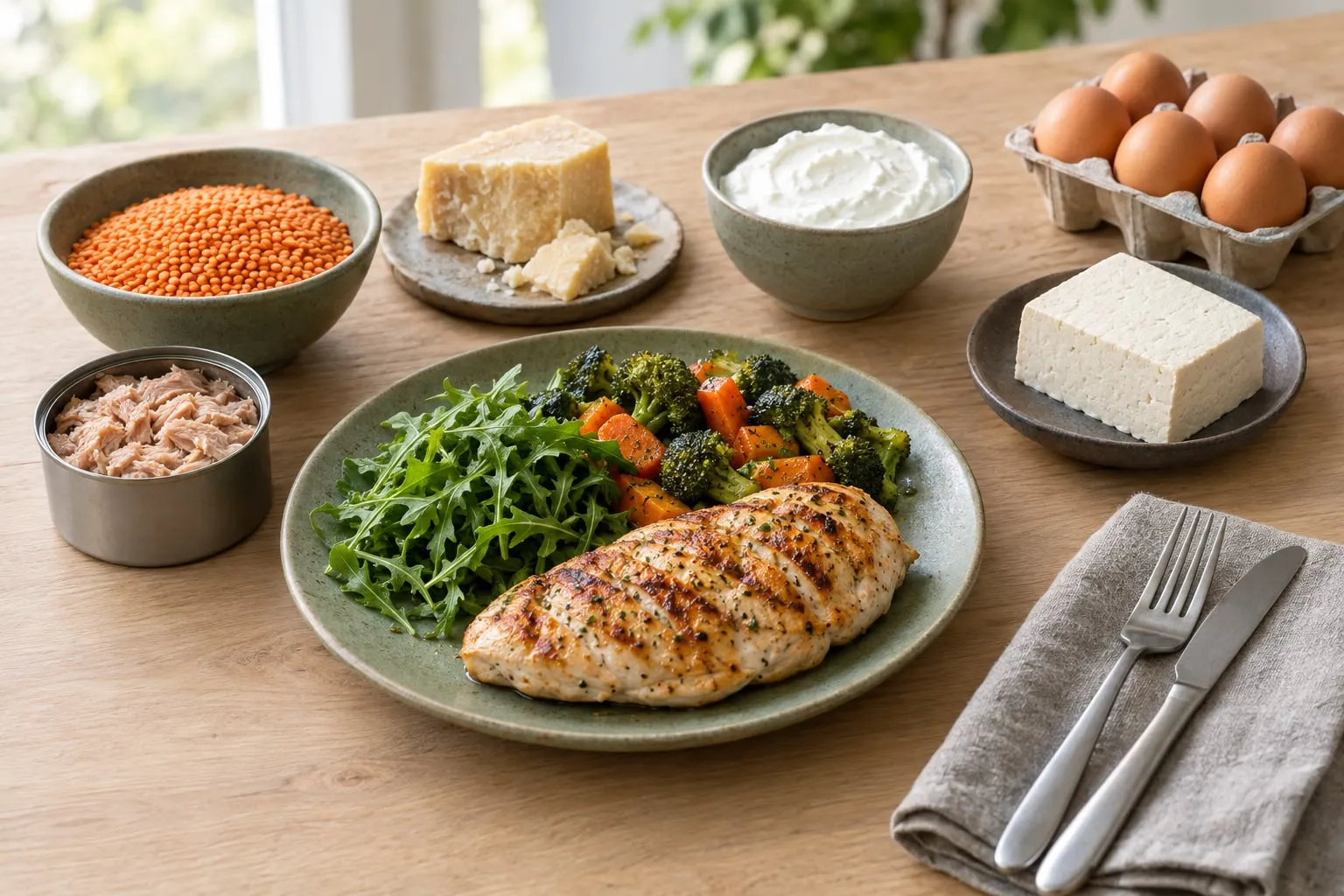
Guide
High Protein Foods: A Ranked List
High protein foods ranked by protein per 100 g and per 100 kcal: Parmesan has 36.2 g, grilled chicken 32.0 g, dried red lentils 25.6 g and egg white 10.8 g.
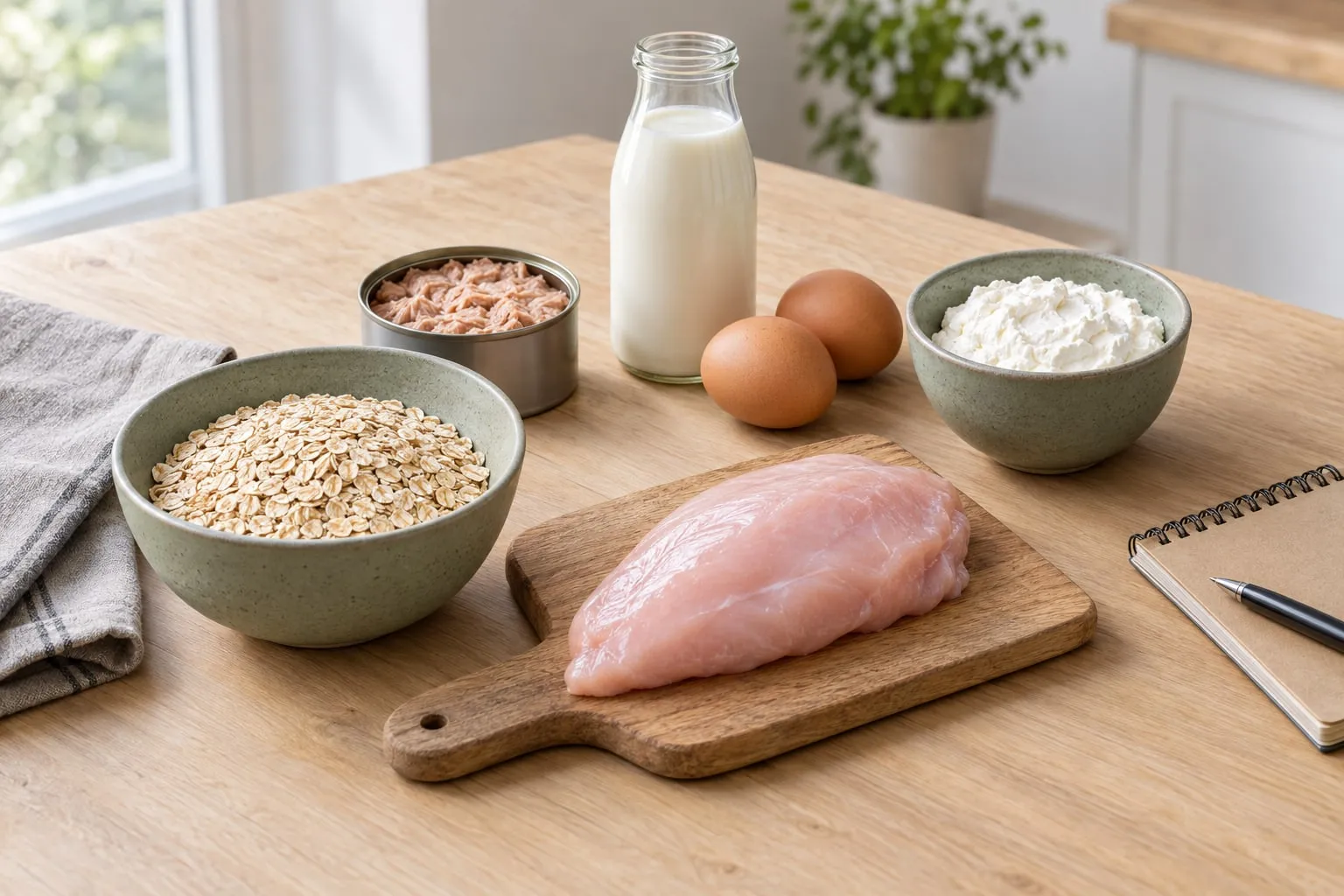
Guide
How Much Protein Do You Need Per Day?
How much protein do I need? The UK reference is 0.75 g per kg of body weight a day, or 52.5 g at 70 kg. See food values and a worked example day.
Guide
Lean Protein: Best Sources
Lean protein sources ranked by fat: raw chicken breast has 24.0 g protein and 1.1 g fat per 100 g, tuna 24.9 g and 1.0 g. Meat, fish and dairy compared.
Guide
What Is Protein and Why Do We Need It?
What is protein good for? It is made of amino acids, nine of them essential. See what it does, the UK 0.75 g per kg a day reference and food values.