Protein guide
Protein in Salmon
Quick answer
A skinless 120 g raw salmon fillet has 24.5 g protein, 260 kcal and 18.0 g fat. Baked salmon has 25.2 g protein per 100 g, according to the UK food composition tables.
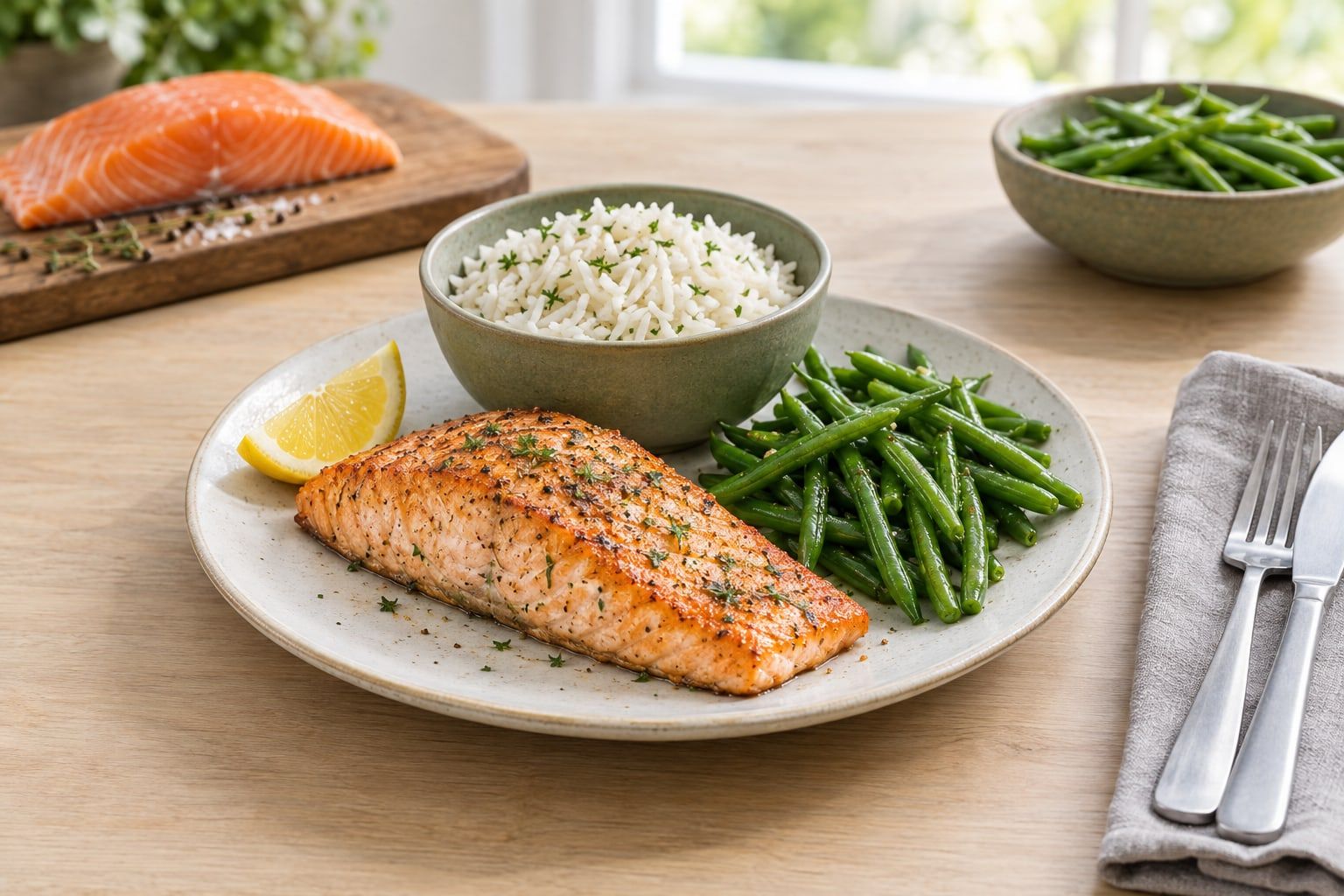
How much protein in salmon fillet comes down to size and cooking: a skinless 120 g raw fillet has 24.5 g protein and 260 kcal. Raw farmed salmon has 20.4 g protein per 100 g, and baked farmed salmon 25.2 g.
The gap between raw and baked is water, not extra protein. Salmon loses moisture in the oven, so the same protein is spread over less weight. That is why a table can show 20.4 g and 25.2 g for the same fish. Fat is the other variable. Farmed salmon carries about 15 g per 100 g, wild baked about 12 g, and smoked or tinned fish less, so calories vary much more than protein across the types.
For everyday planning, weigh the fillet raw and use 20.4 g per 100 g, which gives about 24.5 g for a typical fillet. Add a base such as rice or potatoes for a bowl, and expect around 31 g with 75 g dry rice. Leaner fish such as cod gives similar protein for far fewer calories, while salmon brings fat and flavour. For advice on how much oily fish to eat, follow the NHS and Food Standards Agency guidance.
| Food | Protein | Energy | Fat |
|---|---|---|---|
| Salmon, farmed, raw | 20.4 g | 217 kcal | 15.0 g |
| Salmon, farmed, baked | 25.2 g | 232 kcal | 14.6 g |
| Salmon, farmed, grilled | 24.6 g | 239 kcal | 15.6 g |
| Salmon, farmed, steamed | 23.6 g | 261 kcal | 18.5 g |
| Salmon, wild, baked | 26.5 g | 215 kcal | 12.1 g |
| Salmon, hot-smoked | 25.4 g | 186 kcal | 8.8 g |
| Salmon, cold-smoked | 22.8 g | 184 kcal | 10.1 g |
| Salmon, pink, canned in brine, drained | 23.6 g | 138 kcal | 4.8 g |
Source: CoFID – McCance and Widdowson's Composition of Foods Integrated Dataset 2021 (codes 16-356, 16-359, 16-357, 16-358, 16-485, 16-413, 16-412, 16-420)
| Portion | Weight | Protein | Energy |
|---|---|---|---|
| 1 salmon fillet, raw, skinless | about 120 g | 24.5 g | 260 kcal |
| 2 salmon fillets, raw, skinless | about 240 g | 49.0 g | 521 kcal |
| Salmon, farmed, baked | 100 g | 25.2 g | 232 kcal |
| Smoked salmon, cold-smoked | 50 g | 11.4 g | 92 kcal |
| Cod fillet, raw, for comparison | about 120 g | 21.0 g | 90 kcal |
Source: Calculated from CoFID values (codes 16-356, 16-359, 16-412, 16-372); fillet weights are typical for a pack of two skinless fillets
How much protein is in a salmon fillet?
A skinless raw fillet of about 120 g has 24.5 g protein, 260 kcal and 18.0 g fat. A pack of two fillets of about 240 g in total therefore gives 49.0 g protein, which is 24.5 g each. Raw farmed salmon contains 20.4 g protein per 100 g. Around 38% of the energy comes from protein and the rest mostly from fat, which is the reason salmon is richer in calories than white fish.
Does cooking change the protein in salmon?
Cooking changes the weight, not the amount of protein. Baked farmed salmon lists 25.2 g protein per 100 g compared with 20.4 g raw, because water leaves the fish in the oven and the same protein sits in a smaller piece. Grilled is similar at 24.6 g, and steamed is lower at 23.6 g because it holds on to more moisture. For a portion count, use the raw figure for a raw fillet and the baked figure for fish you weigh after cooking. Fillets cooked to 63°C, or until the flesh turns opaque and flakes, will be done.
How much protein is in a salmon steak?
A salmon steak is a cross-cut slice that usually includes the bone, so it weighs more than the edible flesh. Use the edible weight when you count protein: scale the per 100 g figures to the flesh you actually eat. With farmed baked salmon at 25.2 g per 100 g, 150 g of cooked flesh gives 37.8 g protein. Wild salmon is a little leaner and slightly higher in protein, with 26.5 g protein, 215 kcal and 12.1 g fat per 100 g baked, against 232 kcal and 14.6 g fat for farmed.
How does smoked and tinned salmon compare?
Hot-smoked salmon has 25.4 g protein per 100 g and cold-smoked 22.8 g, so 50 g of smoked salmon on toast gives 11.4 g. Smoked salmon is salty, at 2.96 g of salt per 100 g for cold-smoked, which means 1.5 g of salt in a 50 g serving. Pink salmon canned in brine and drained has 23.6 g protein and only 138 kcal per 100 g, with less fat than fresh. It is a cheap store-cupboard option for salads, fishcakes and sandwiches.
How do you make a high protein salmon bowl?
A salmon bowl is salmon plus a base, so add the numbers. A 120 g raw fillet with 75 g dry basmati rice gives 24.5 g plus 6.1 g, or 30.6 g protein, and about 524 kcal before any vegetables or dressing. Edamame, a boiled egg or a cottage cheese dressing each add a few more grams. Cod makes a leaner bowl: 120 g raw cod gives 21.0 g protein and 90 kcal, so salmon has about 2.9 times the calories for 3.5 g more protein.
Practical tips
- Weigh the fillet raw
Weigh salmon before cooking and use the raw figure, 20.4 g protein per 100 g. A 120 g fillet then gives 24.5 g however you cook it.
- Count the oil and the fat
Salmon is an oily fish, so a fillet gives 260 kcal against 90 kcal for the same weight of cod. Count the energy as well as the protein if you are tracking both.
- Watch the salt in smoked salmon
Cold-smoked salmon has 2.96 g of salt per 100 g. Skip extra salt in the rest of the dish and serve it with unsalted accompaniments.
Myth or fact
- Myth
Is it true that wild salmon has far more protein than farmed salmon?
No. Baked wild salmon has 26.5 g protein per 100 g and baked farmed salmon 25.2 g, a difference of 1.3 g. The bigger difference is fat, at 12.1 g for wild and 14.6 g for farmed.
- Myth
Is it true that cooked salmon has more protein than raw?
No. The protein is unchanged, but baked salmon has lost water, so each 100 g lists more, at 25.2 g against 20.4 g raw.
Frequently asked questions
How much protein is in a salmon fillet?
A skinless 120 g raw salmon fillet has 24.5 g protein and 260 kcal. A pack of two fillets of about 240 g has 49.0 g.
How much protein is in 100 g of salmon?
Raw farmed salmon has 20.4 g protein per 100 g and baked farmed salmon 25.2 g. Baked wild salmon has 26.5 g.
How much protein is in a salmon steak?
It depends on the edible weight, as the bone is included in the steak. At 25.2 g protein per 100 g baked, 150 g of cooked flesh gives 37.8 g.
How much protein is in smoked salmon?
Cold-smoked salmon has 22.8 g protein per 100 g, so a 50 g serving gives 11.4 g and 92 kcal. It also contains 1.5 g of salt.
Is salmon higher in protein than tuna?
Per 100 g they are close, but tuna in brine has 24.9 g protein and only 109 kcal, against 232 kcal for baked salmon. Salmon has more fat. See the guide to protein in tuna for tinned values.
Recipes to try
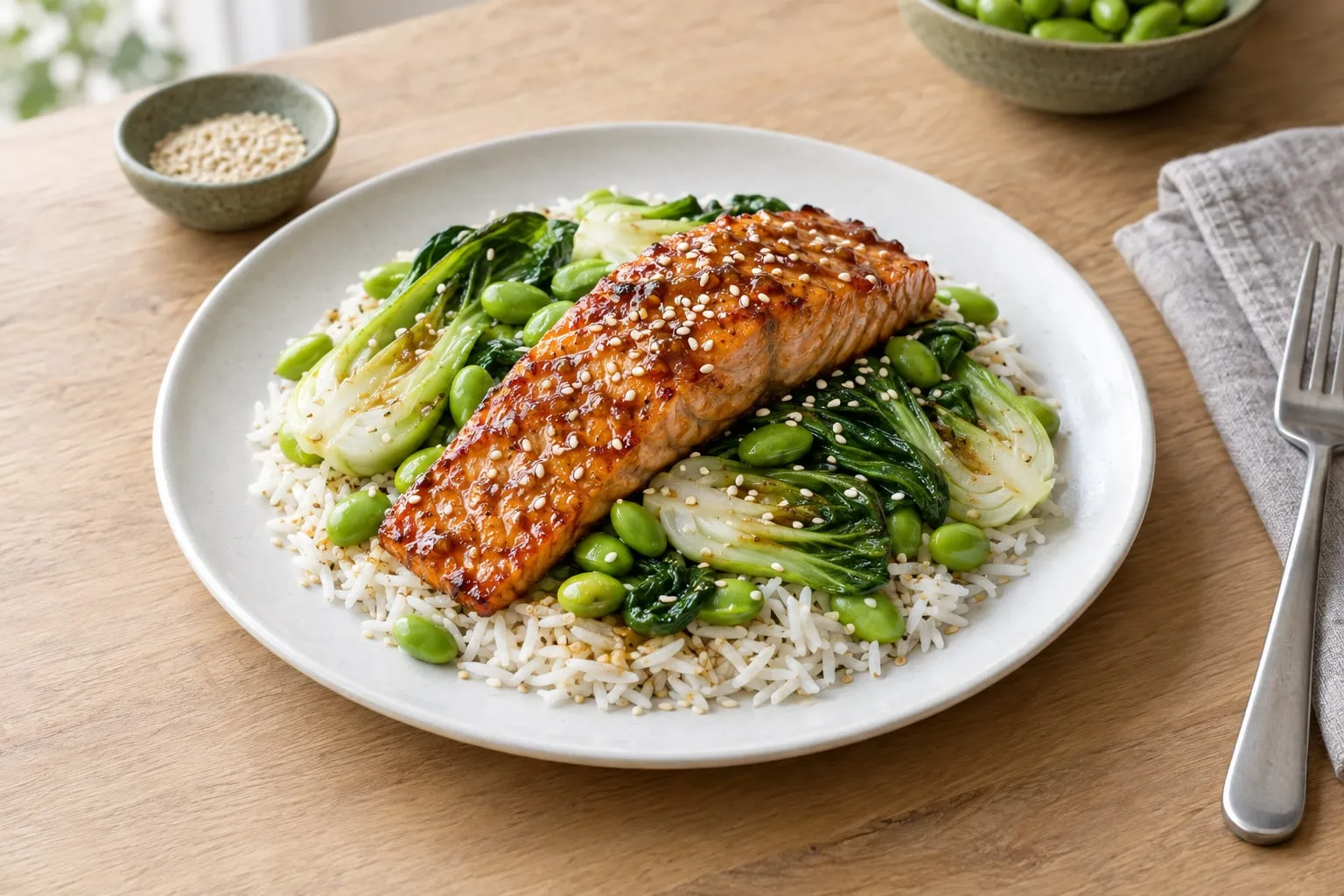
Teriyaki Salmon
45 g protein728 kcal25 minDairy-free
Salmon fillets glazed in a sticky sauce and served over rice.
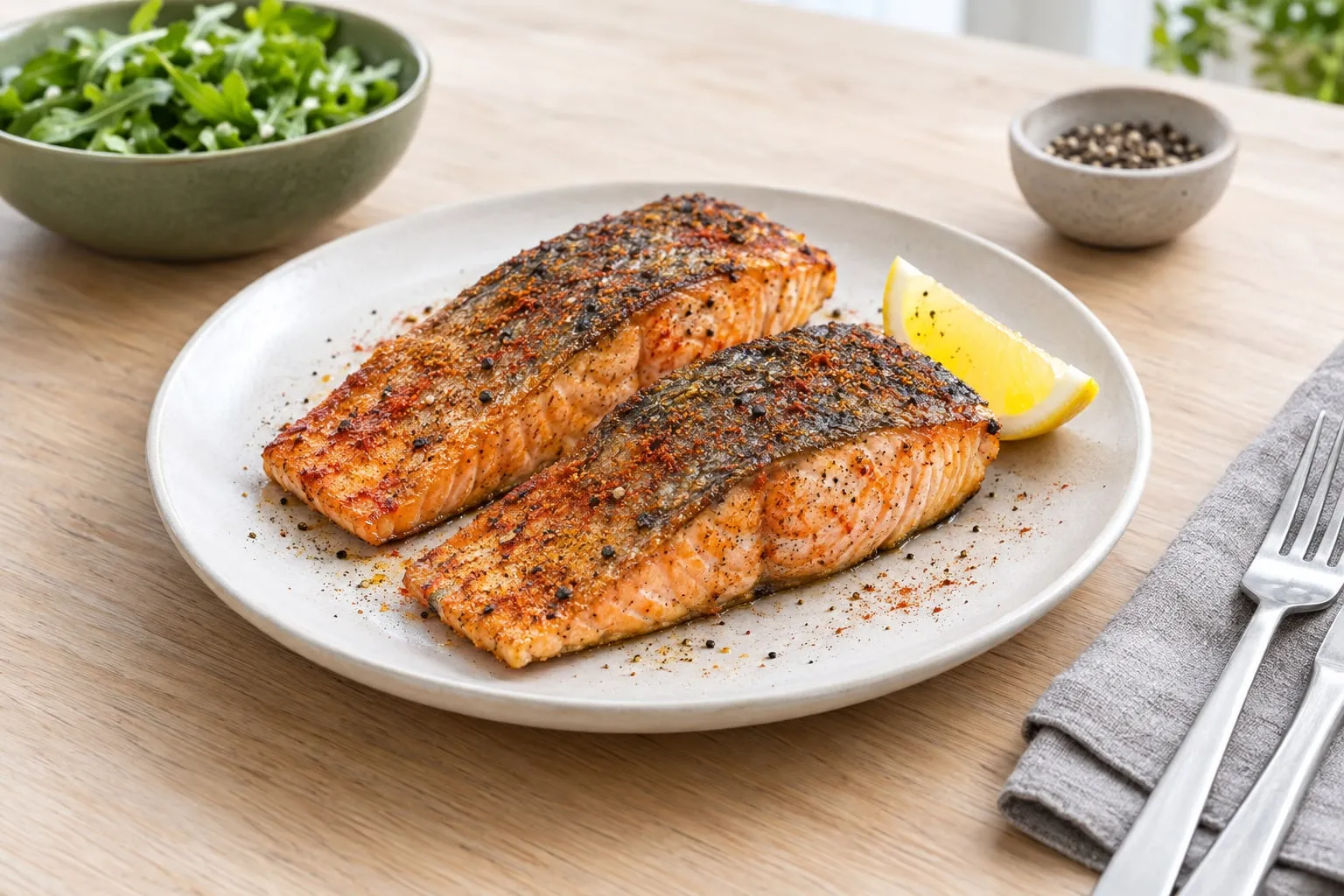
Air Fryer Salmon
33 g protein375 kcal20 minDairy-freeGluten-free
A quick way to cook a salmon fillet with crisp edges.
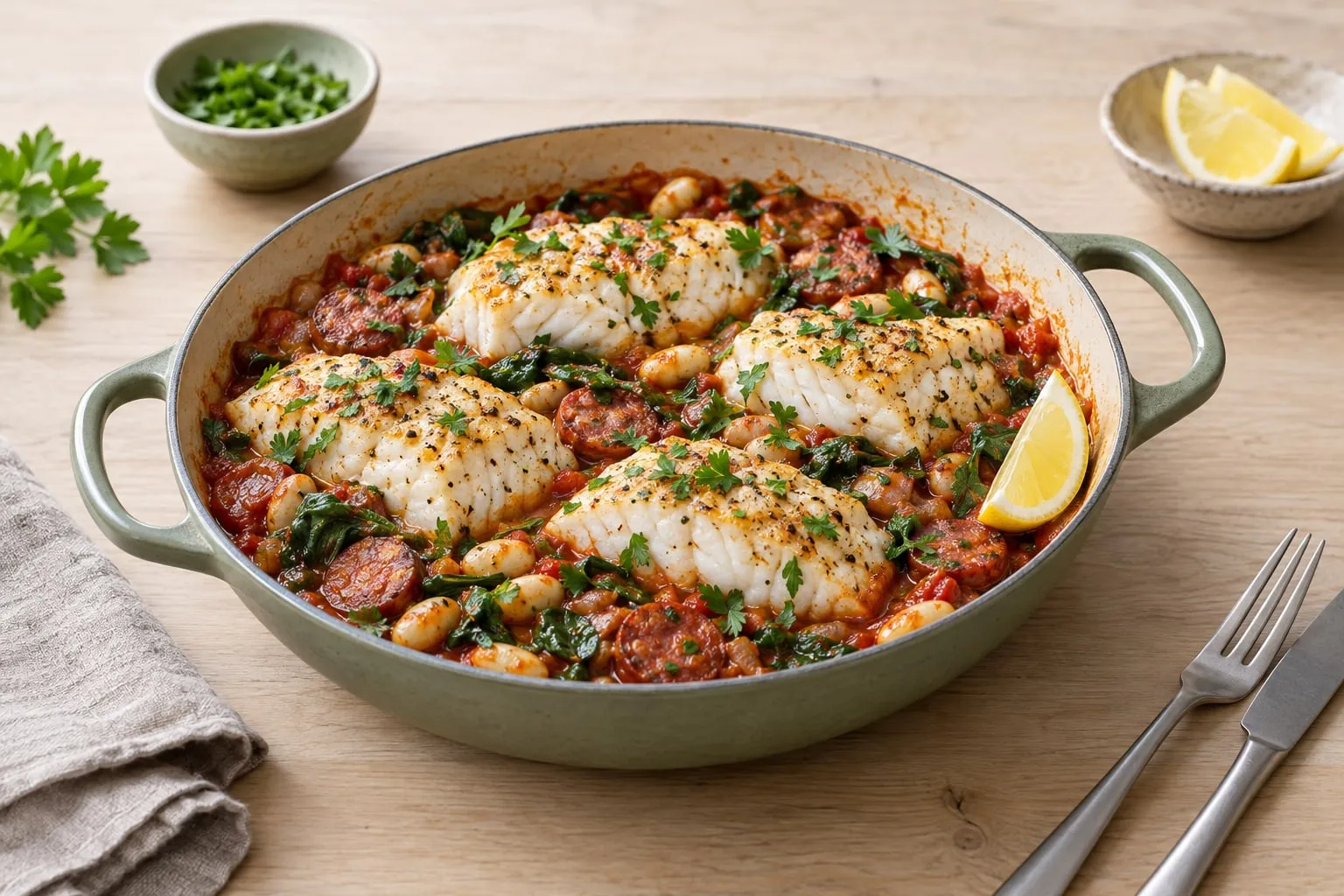
Cod with Chorizo and Butter Beans
37 g protein292 kcal45 minGluten-free
A leaner white fish option to compare with salmon.
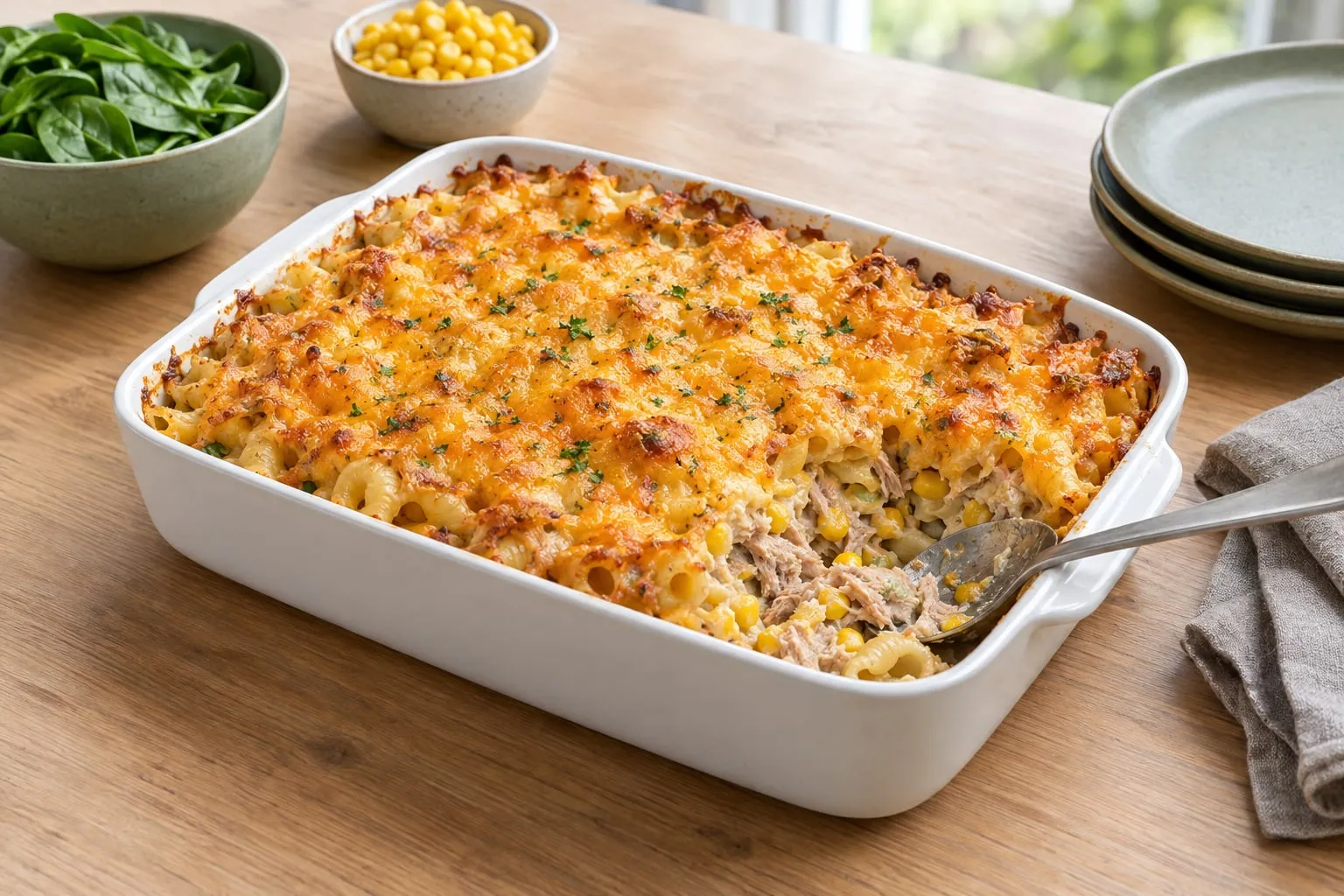
High Protein Tuna Pasta Bake
42 g protein465 kcal53 min
A family bake that uses tinned fish for protein.
Sources
- McCance and Widdowson's Composition of Foods Integrated Dataset 2021 (CoFID) – Values for raw, baked, grilled, steamed, smoked and canned salmon and for raw cod
- Food Standards Agency – Core temperature advice for cooking fish; see official guidance on how much oily fish to eat
Read our editorial policy for how figures are checked and how to report a mistake.
More protein guides
All guides
Guide
How Much Protein Is in a Tin of Tuna?
How much protein in tin of tuna: a 145 g tin in brine, drained to about 102 g, has 25.4 g protein and 111 kcal. Brine, oil and fresh tuna compared.

Guide
High Protein Foods: A Ranked List
High protein foods ranked by protein per 100 g and per 100 kcal: Parmesan has 36.2 g, grilled chicken 32.0 g, dried red lentils 25.6 g and egg white 10.8 g.

Guide
How Much Protein Do You Need Per Day?
How much protein do I need? The UK reference is 0.75 g per kg of body weight a day, or 52.5 g at 70 kg. See food values and a worked example day.
Guide
Lean Protein: Best Sources
Lean protein sources ranked by fat: raw chicken breast has 24.0 g protein and 1.1 g fat per 100 g, tuna 24.9 g and 1.0 g. Meat, fish and dairy compared.