Protein guide
Vegetarian Protein Sources
Quick answer
The strongest vegetarian protein sources per 100 g are half-fat Cheddar (32.7 g), dried red lentils (25.6 g) and tempeh (20.7 g). Quark has 14.6 g and eggs 12.6 g, so 150 g quark gives 21.9 g.
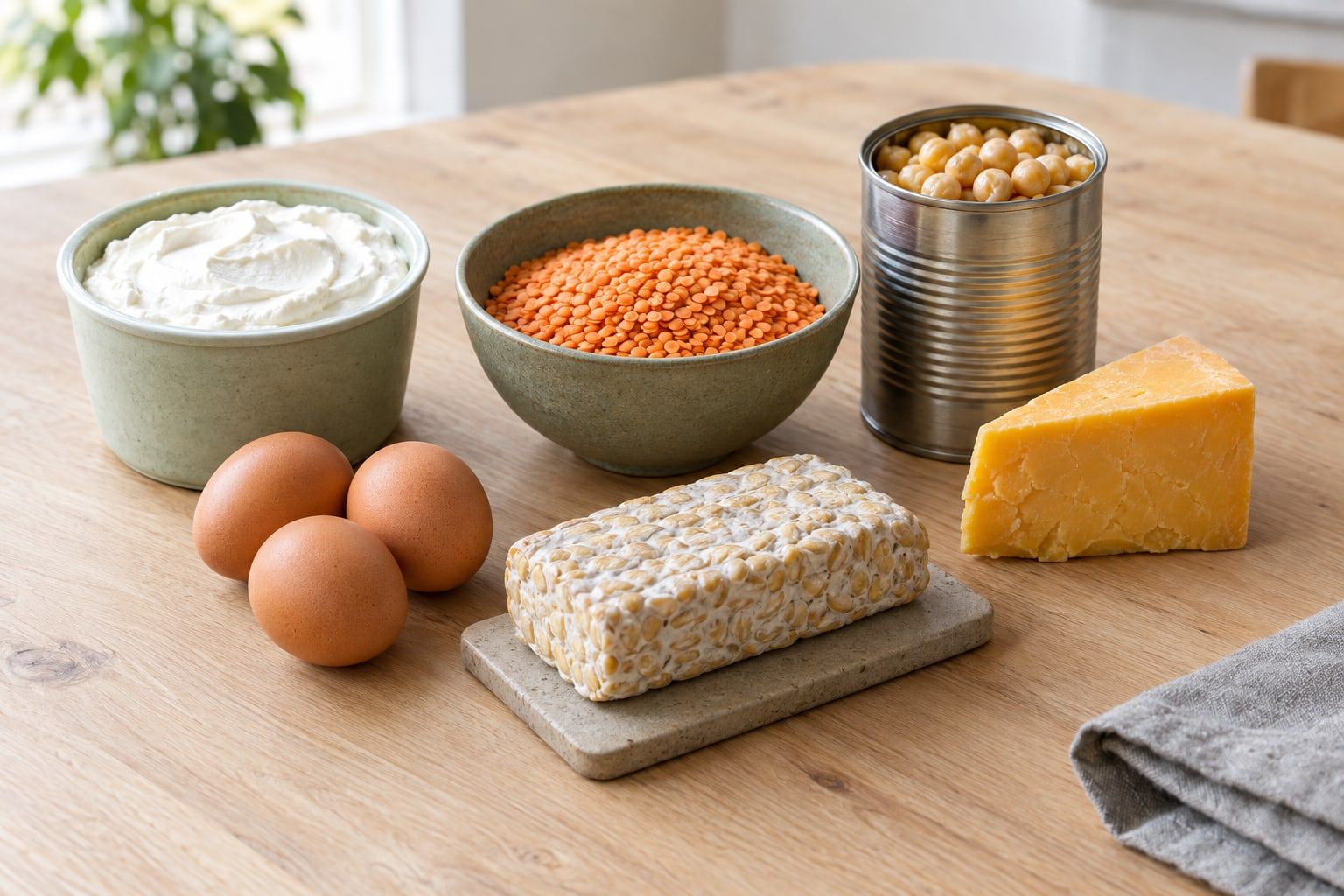
Vegetarian protein sources start with dried red lentils at 25.6 g per 100 g and tempeh at 20.7 g, followed by quark at 14.6 g, eggs at 12.6 g and firm tofu at 12.5 g. In portions, 150 g quark gives 21.9 g protein, 100 g tempeh gives 20.7 g and two medium eggs give 12.6 g.
The detail that changes the numbers is the weight on the scale. Dried lentils at 25.6 g per 100 g and tinned kidney beans at 8.6 g look far apart, yet a 75 g portion of dried lentils (19.2 g) and a 240 g drained tin of chickpeas (20.2 g) end up close. Eggs and dairy are the difference from a vegan diet, and a few ingredients such as parmesan, gelatine and meat stock are not vegetarian at all, so labels matter.
For everyday use, pick one anchor food per meal: eggs or quark at breakfast, a pulse or tofu at lunch, and tempeh, lentils or mycoprotein at dinner. The recipes below put these foods into everyday dishes.
| Food | Protein | Energy |
|---|---|---|
| Half-fat Cheddar | 32.7 g | 273 kcal |
| Red lentils, dried, raw | 25.6 g | 311 kcal |
| Tempeh | 20.7 g | 166 kcal |
| Quark | 14.6 g | 74 kcal |
| Mycoprotein pieces | 14.0 g | 73 kcal |
| Egg, raw | 12.6 g | 131 kcal |
| Firm tofu, pressed | 12.5 g | 125 kcal |
| Vegetarian pizza, retail | 10.8 g | 216 kcal |
| Cottage cheese | 9.4 g | 103 kcal |
| Kidney beans, tinned, drained | 8.6 g | 100 kcal |
Source: CoFID – McCance and Widdowson's Composition of Foods Integrated Dataset 2021 (codes 12-348, 13-657, 13-118, 12-174, 13-574, 12-937, 11-1014, 12-539, 13-660); firm tofu is a typical value, not a CoFID entry
| Portion | Protein | Energy |
|---|---|---|
| 2 medium eggs, about 100 g | 12.6 g | 131 kcal |
| 150 g quark | 21.9 g | 111 kcal |
| 100 g tempeh | 20.7 g | 166 kcal |
| 75 g dried red lentils | 19.2 g | 233 kcal |
| 1 tin chickpeas, 240 g drained | 20.2 g | 310 kcal |
| Half a vegetarian pizza, about 200 g | 21.6 g | 432 kcal |
Source: Calculated from CoFID per 100 g values (codes 12-937, 12-174, 13-118, 13-657, 13-670, 11-1014); a tin of chickpeas is assumed to hold about 240 g drained and the pizza to weigh about 400 g in total
What are the best vegetarian protein sources?
Dried pulses, soya foods, dairy and eggs lead the list. Dried red lentils have 25.6 g protein per 100 g and tempeh has 20.7 g, while quark has 14.6 g, mycoprotein pieces 14.0 g, eggs 12.6 g and firm tofu 12.5 g. Hard cheese is the most concentrated, with half-fat Cheddar at 32.7 g per 100 g, but it is eaten in small amounts and comes with fat and salt, so it adds a few grams rather than a meal. Eggs and dairy are what separate this list from the vegan one, which has its own guide.
How do you compare dried and tinned weights?
Pulses are the trap. Dried red lentils at 25.6 g per 100 g look three times richer than tinned kidney beans at 8.6 g, but the lentils are dry and the beans are drained and already full of water. A 75 g portion of dried red lentils gives 19.2 g protein, and a 240 g drained tin of chickpeas gives 20.2 g, so the two are close in practice. Match the weight you measure to the value in the table, dried with dried and drained with drained.
Do vegetarians get enough protein?
According to the British Nutrition Foundation, vegetarians in the UK on average eat more protein than the adult Reference Nutrient Intake of 0.75 g per kg a day, which comes to 52.5 g for a 70 kg adult. Variety across pulses, dairy, eggs and grains is what covers the need. The NHS Eatwell Guide lists beans, peas, lentils, nuts and eggs among protein foods. If you have a health condition or are unsure about your own needs, ask your GP or a registered dietitian.
Is vegetarian pizza a good protein source?
Retail vegetarian pizza has 10.8 g protein and 216 kcal per 100 g, so half a 400 g pizza gives about 21.6 g protein and 432 kcal. Most of the protein comes from the cheese and the dough, and the calories come with it. A homemade version built on a high protein base, topped with vegetables and a little cheese, gives more protein per calorie. Check the cheese on the label: some hard cheeses contain animal rennet, and parmesan is never vegetarian.
What should vegetarians check on labels?
A few ingredients are not vegetarian even though they look harmless. Parmesan is made with animal rennet, gelatine is made from animal bones and skin, and meat or fish stock cubes and Worcestershire sauce contain animal products. Many cheeses are labelled suitable for vegetarians, which is the quickest check. Protein bars and shakes are worth reading too, because some contain gelatine or collagen. When in doubt, a recipe that uses eggs, quark, lentils and tempeh avoids the problem completely.
Practical tips
- Use quark as an everyday base
Quark has 14.6 g protein per 100 g and almost no fat. Stir it into porridge, pancake batter or a dip to add protein cheaply.
- Cook lentils straight from dry
Red lentils need no soaking and collapse into a sauce within 15–20 minutes. 75 g dry gives 19.2 g protein and thickens dal or bolognese at the same time.
- Keep tins of pulses in the cupboard
A drained 240 g tin of chickpeas gives 20.2 g protein and is ready in a minute, which makes it the easiest vegetarian protein for a lunch or a curry.
Myth or fact
- Myth
Is it true that vegetarians cannot get enough protein?
No. Typical UK intakes, vegetarians included, sit above the RNI. Eggs, dairy, pulses and tofu all supply plenty per portion.
- The facts
Is it true that vegetarian protein is lower quality than meat?
Not as a general rule. Eggs and dairy contain all the essential amino acids, and a varied day of pulses, grains, nuts and soya also does. A single plant food may be low in one amino acid, which is why variety matters.
Frequently asked questions
What is the best vegetarian food for protein?
Per 100 g, dried red lentils (25.6 g) and tempeh (20.7 g) are the strongest, with quark (14.6 g) and eggs (12.6 g) close behind. For a meal portion, 150 g quark gives 21.9 g and 100 g tempeh gives 20.7 g.
How much protein is in two eggs?
Two medium eggs, about 100 g without shell, have 12.6 g protein and 131 kcal.
Are protein bars suitable for vegetarians?
Many are, but some contain gelatine or collagen, which are not vegetarian. Check the label, or make your own with oats, nut butter and a vegetarian protein powder.
Is vegetarian protein pizza a real thing?
Yes, as a pizza with a higher protein base or topping. Retail vegetarian pizza has 10.8 g protein per 100 g, so half a 400 g pizza gives about 21.6 g protein, and a quark or cottage cheese dough raises it further.
Do vegetarians need protein shakes?
No. Whey is made from milk and suits vegetarians, but it is a convenience rather than a need. Plenty of vegetarians reach their protein from food alone.
Recipes to try
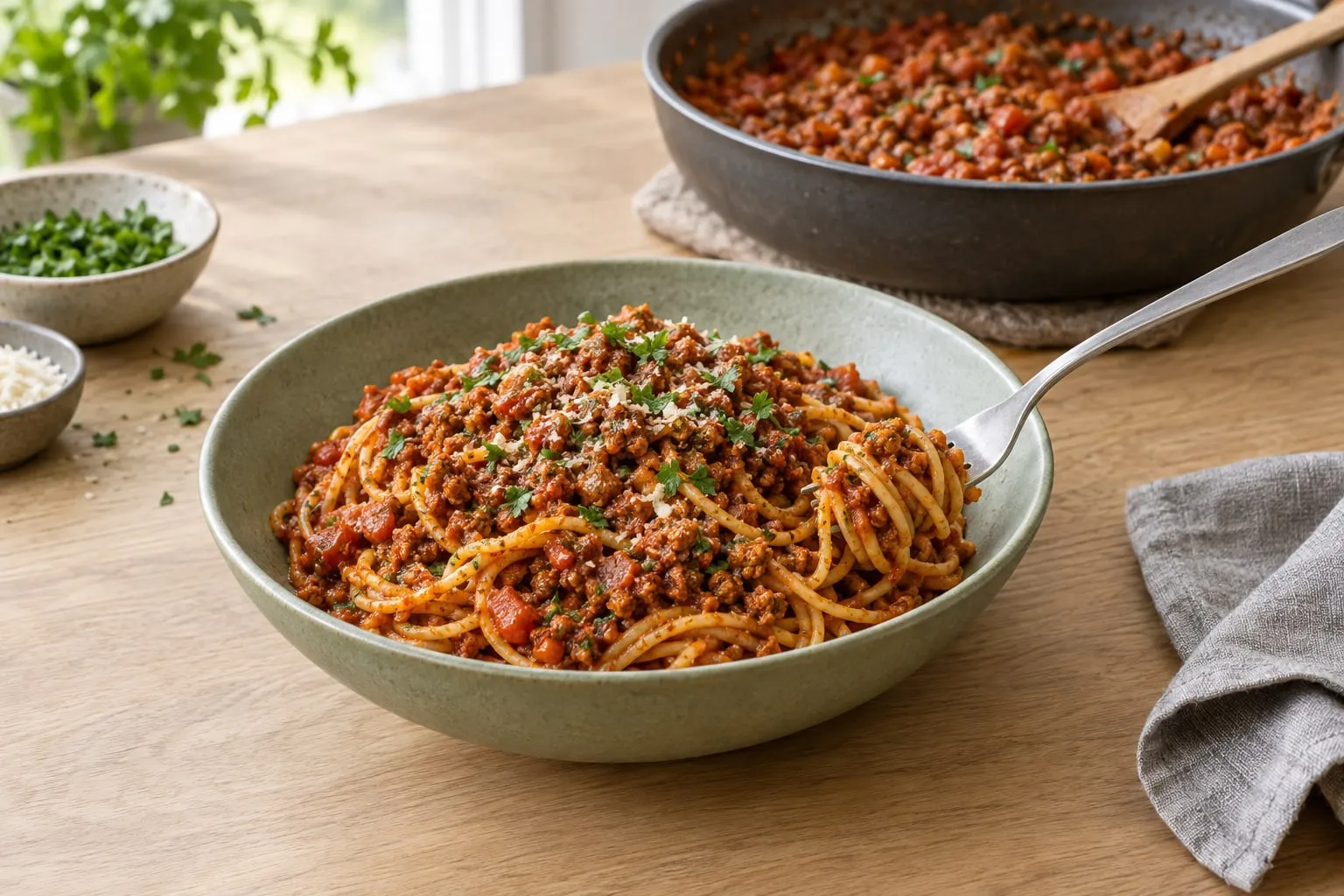
TVP Mince Bolognese
30 g protein476 kcal55 minVegetarianVegan
Dry TVP swells into a mince-style sauce for a meat-free dinner.
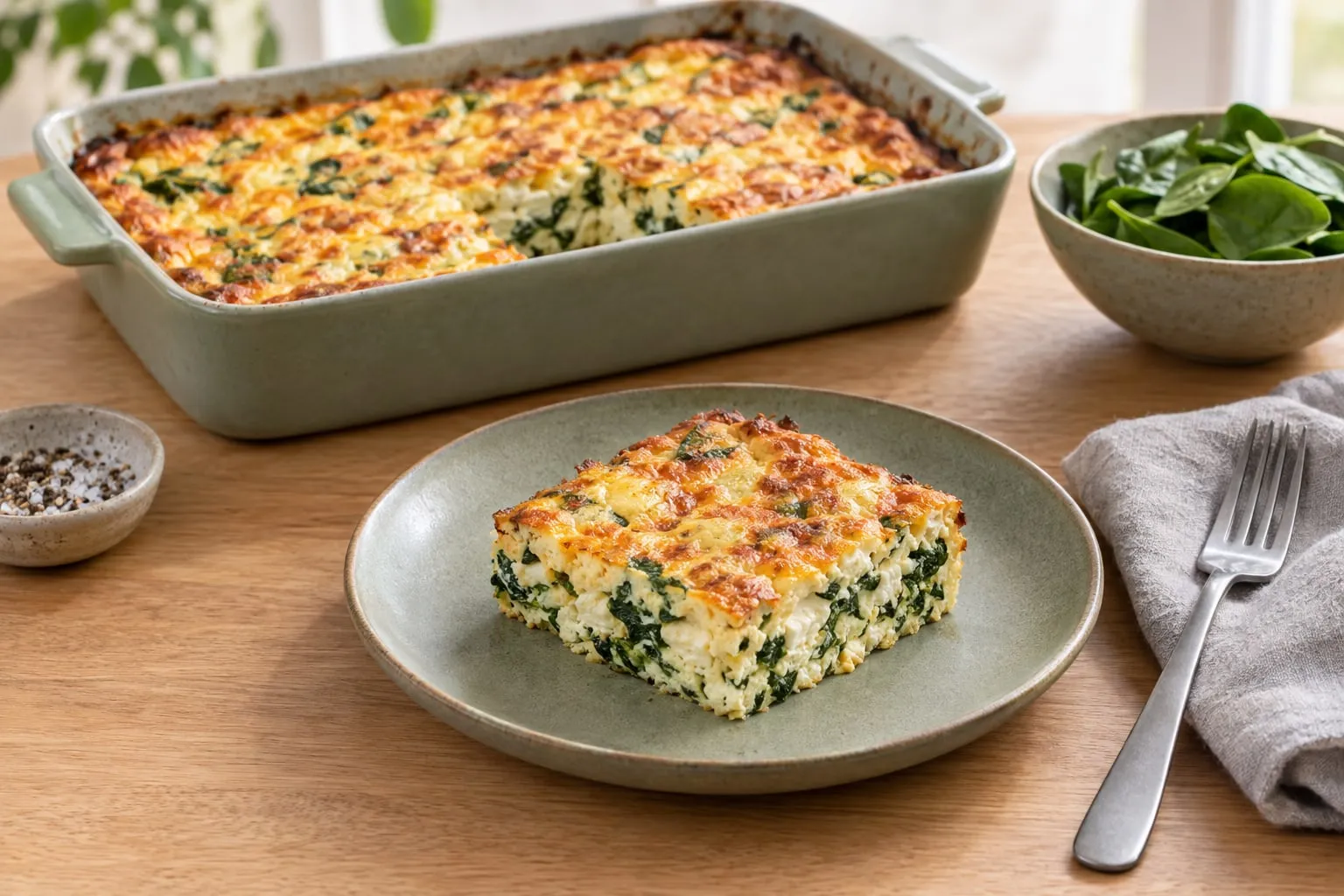
Cottage Cheese and Egg Bake
22 g protein190 kcal55 minVegetarianGluten-free
Eggs and cottage cheese baked together for a vegetarian breakfast.
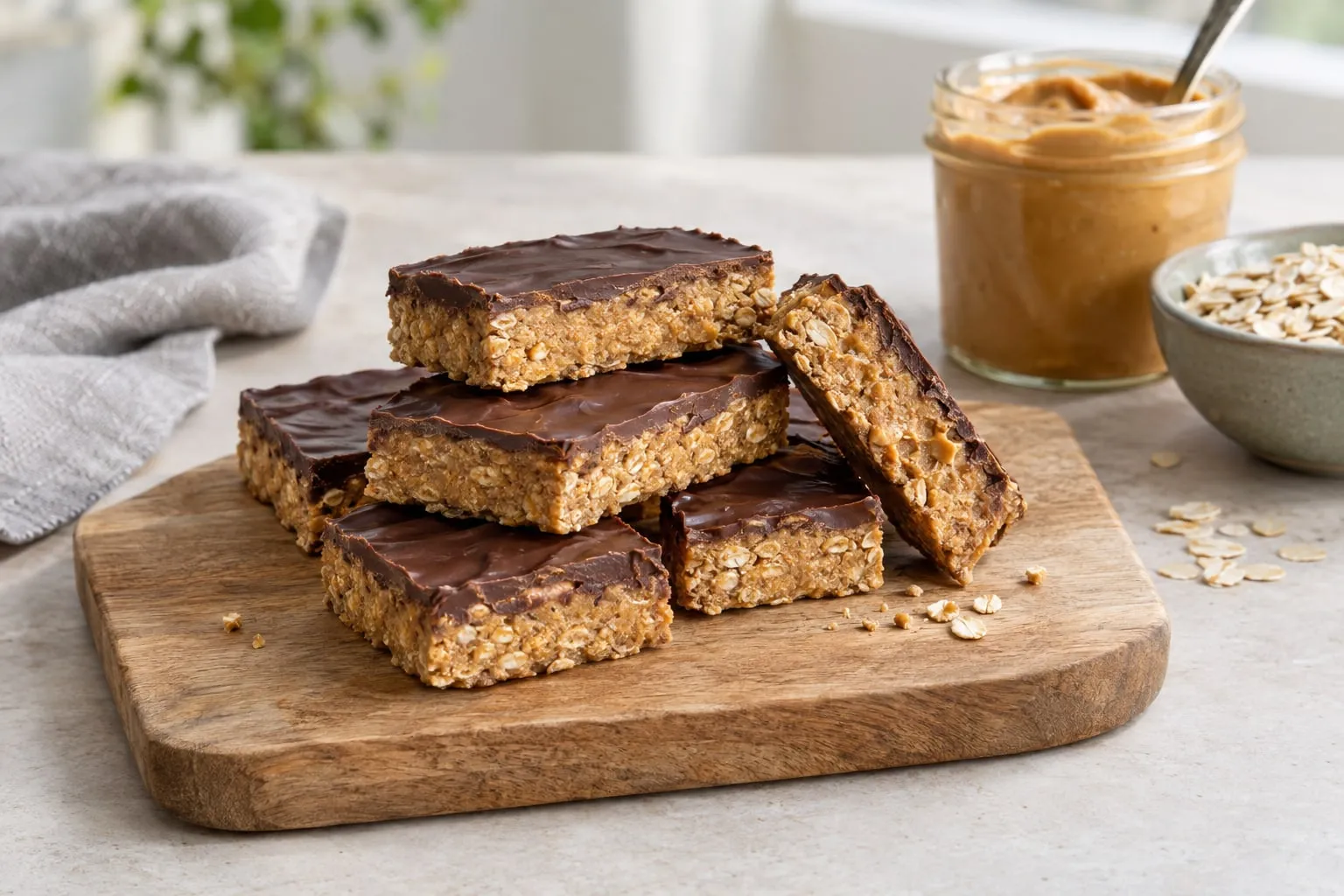
Homemade Protein Bars
12 g protein208 kcal2 hr 15 minVegetarian
Snack bars made without gelatine, so they suit vegetarians.
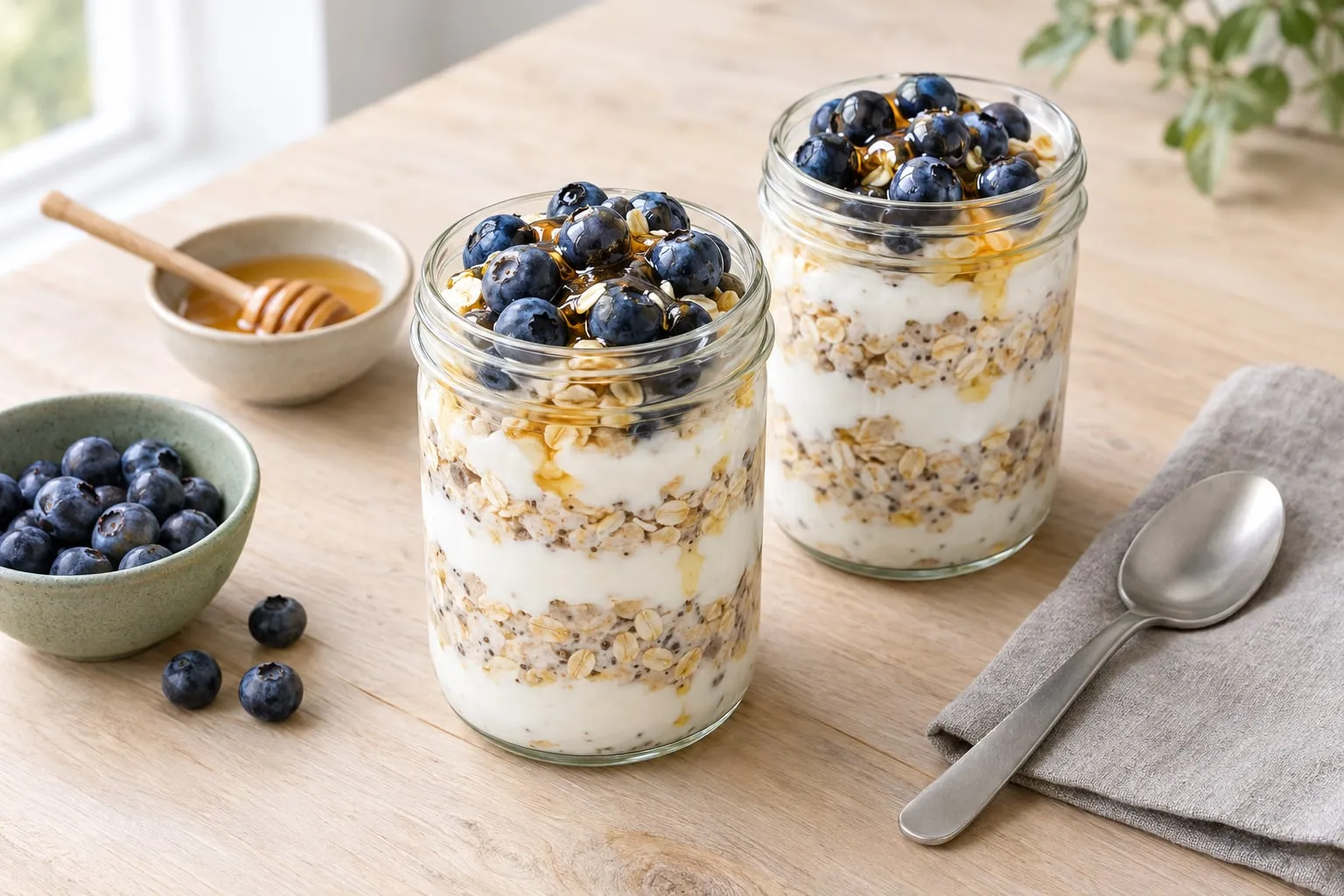
Protein Overnight Oats
26 g protein334 kcal8 hr 5 minVegetarian
A cold breakfast with yogurt and oats.
Sources
- McCance and Widdowson's Composition of Foods Integrated Dataset 2021 (CoFID) – Values for eggs, quark, cottage cheese, Cheddar, lentils, tempeh, mycoprotein, kidney beans and pizza
- British Nutrition Foundation – Protein overview, average UK intakes and the RNI of 0.75 g per kg per day
- NHS Eatwell Guide – Beans, peas, lentils, nuts and eggs listed as protein foods
Read our editorial policy for how figures are checked and how to report a mistake.
More protein guides
All guides
Guide
High Protein Foods: A Ranked List
High protein foods ranked by protein per 100 g and per 100 kcal: Parmesan has 36.2 g, grilled chicken 32.0 g, dried red lentils 25.6 g and egg white 10.8 g.

Guide
How Much Protein Do You Need Per Day?
How much protein do I need? The UK reference is 0.75 g per kg of body weight a day, or 52.5 g at 70 kg. See food values and a worked example day.
Guide
What Is Protein and Why Do We Need It?
What is protein good for? It is made of amino acids, nine of them essential. See what it does, the UK 0.75 g per kg a day reference and food values.
Guide
Lean Protein: Best Sources
Lean protein sources ranked by fat: raw chicken breast has 24.0 g protein and 1.1 g fat per 100 g, tuna 24.9 g and 1.0 g. Meat, fish and dairy compared.