Protein guide
Protein for Women: How Much Do You Need?
Quick answer
Women need the same protein per kilogram as men: the UK Reference Nutrient Intake is 0.75 g per kg of body weight a day, which is 45 g at 60 kg and 52.5 g at 70 kg. Regular training is often studied at 1.2–1.6 g per kg.
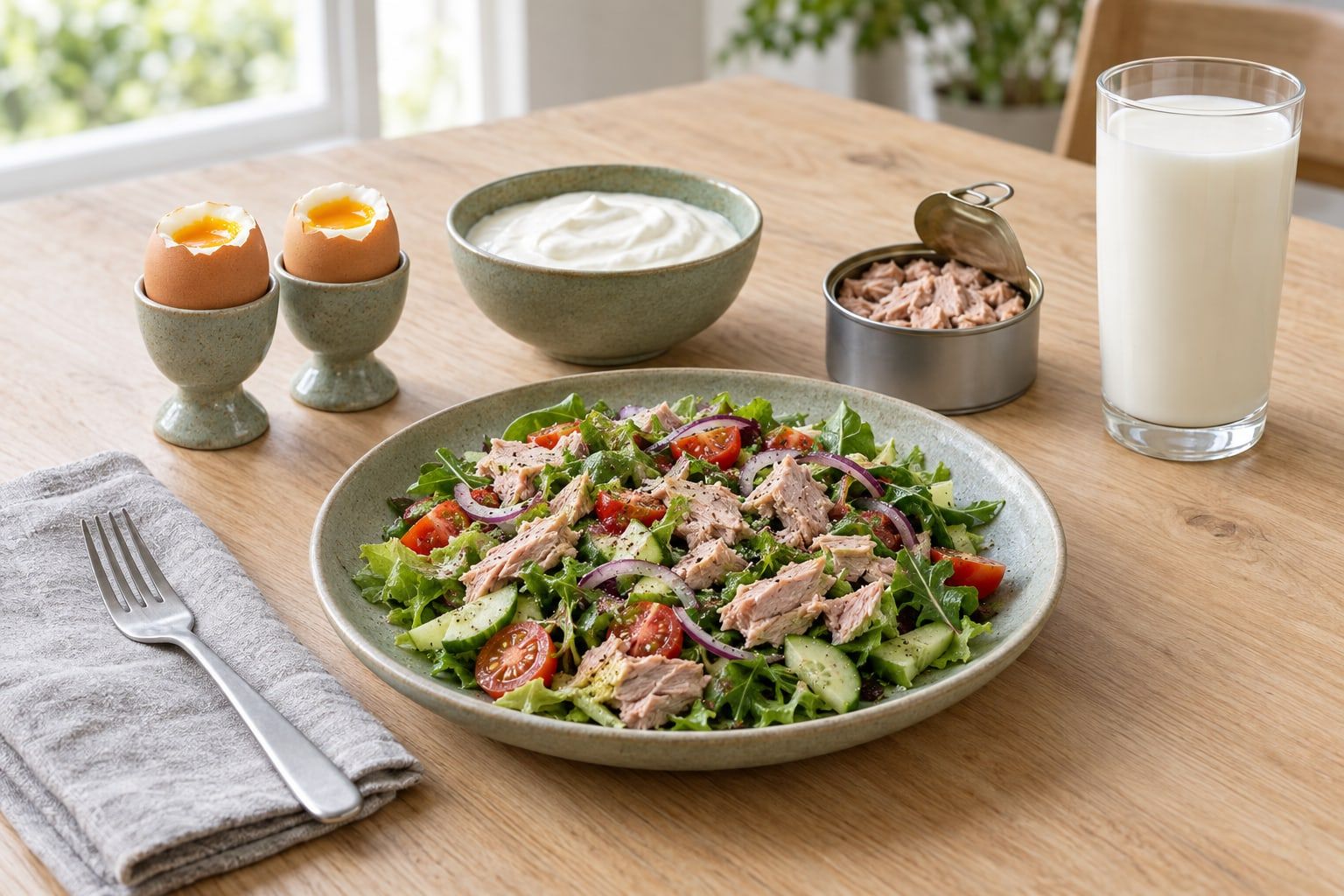
Protein for women follows the same rule as for men: the UK Reference Nutrient Intake is 0.75 g per kg of body weight a day, which is 45 g at 60 kg and 52.5 g at 70 kg. The European figure of 0.83 g per kg is a little higher, at 49.8 g for a 60 kg adult.
Body weight is the variable that matters, not sex. A heavier person needs more grams, and regular training is often planned at 1.2–1.6 g per kg, which means 72–96 g at 60 kg. What a serving contains depends on weight too: foods such as lentils and chicken are listed raw, so the same 150 g fillet reads 36.0 g raw but a different number once cooked and weighed again. Shakes are not different for women either. The protein in a scoop comes from whey, casein, pea or rice, and a typical 30 g scoop gives about 22.5 g.
The practical step is to look at what a normal day already provides. Two eggs, a pot of yogurt and a tin of tuna reach 53.5 g, more than the 50 g used on UK labels. If a day falls short, adding a portion to one meal is simpler than rebuilding the whole menu.
| Body weight | UK RNI (0.75 g/kg) | EFSA PRI (0.83 g/kg) | Training range (1.2–1.6 g/kg) |
|---|---|---|---|
| 60 kg | 45.0 g | 49.8 g | 72–96 g |
| 70 kg | 52.5 g | 58.1 g | 84–112 g |
| 80 kg | 60.0 g | 66.4 g | 96–128 g |
| 90 kg | 67.5 g | 74.7 g | 108–144 g |
Source: Calculated from the UK Reference Nutrient Intake of 0.75 g/kg/day (COMA 1991) and the EFSA Population Reference Intake of 0.83 g/kg/day; the 1.2–1.6 g/kg range is the band often used in research on people who train regularly, not an official target
| Food | Protein | Energy |
|---|---|---|
| Whole egg, raw | 12.6 g | 131 kcal |
| Quark | 14.6 g | 74 kcal |
| Tuna in brine, drained | 24.9 g | 109 kcal |
| Red lentils, dried | 25.6 g | 311 kcal |
| Chicken breast fillet, raw | 24.0 g | 106 kcal |
| Strained 0% fat Greek yogurt | 10.3 g | 54 kcal |
| Firm tofu | 12.5 g | 125 kcal |
Source: CoFID – McCance and Widdowson's Composition of Foods Integrated Dataset 2021 (codes 12-937, 12-174, 16-416, 13-657); Greek yogurt, chicken fillet and tofu are typical values (x5, x10, x16), not CoFID
| Portion | Weight | Protein | Energy |
|---|---|---|---|
| 2 medium eggs | about 100 g | 12.6 g | 131 kcal |
| Strained 0% fat Greek yogurt | 150 g | 15.5 g | 81 kcal |
| Quark | 150 g | 21.9 g | 111 kcal |
| 1 tin of tuna in brine, drained | about 102 g | 25.4 g | 111 kcal |
| Dried red lentils | 80 g | 20.5 g | 249 kcal |
| Raw chicken breast fillet | 150 g | 36.0 g | 159 kcal |
| Firm tofu | 100 g | 12.5 g | 125 kcal |
| 1 scoop whey protein powder | 30 g | 22.5 g | 114 kcal |
Source: Calculated from the 100 g values above; powder is a typical value (x1) and varies by product, so check the label
How much protein do women need a day?
The UK Reference Nutrient Intake for adults is 0.75 g protein per kg of body weight a day (COMA 1991), and it is the same for women and men. A woman weighing 60 kg works out at 45 g, and at 70 kg it is 52.5 g. The European Food Safety Authority sets its Population Reference Intake slightly higher at 0.83 g per kg, which gives 49.8 g at 60 kg. UK food labels use a reference intake of 50 g a day, a round figure for a typical adult. All of these are amounts for the population, not individual targets, and body weight is the quickest way to scale them.
Does protein need change with training?
Research on people who train regularly often uses 1.2–1.6 g protein per kg a day, which is 72–96 g at 60 kg and 84–112 g at 70 kg. That range is a study band rather than an official UK recommendation, so treat it as a way of planning meals instead of a rule. Most people who eat meat, fish, eggs or dairy at each meal land somewhere inside it without trying. The full explanation of how the norms are set sits on the page about how much protein you need per day, and the protein calculator turns your weight into a figure.
What does 50 g of protein look like on a plate?
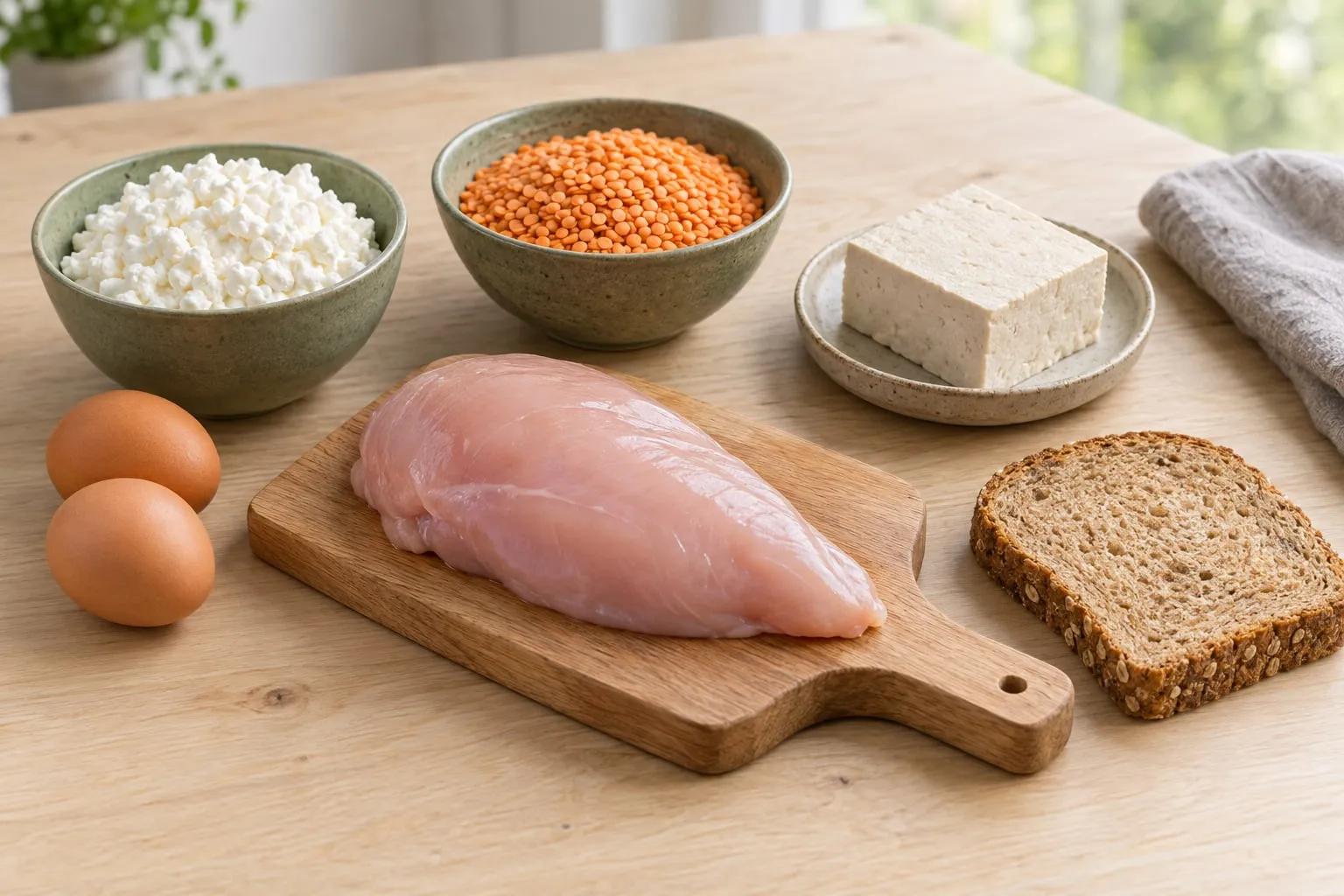
Two medium eggs give 12.6 g, 150 g of strained 0% fat Greek yogurt gives 15.5 g and a tin of tuna in brine, drained to about 102 g, gives 25.4 g. Together that is 53.5 g, which is above the 50 g label reference before any bread, rice or vegetables are counted. The same total comes from 150 g of raw chicken breast fillet (36.0 g) with 80 g of dried red lentils (20.5 g) in one meal. Weigh lentils and chicken raw, because the tables list them that way and cooked weights read differently.
Do women need a special protein shake?
Powders sold as women's shakes are made from the same proteins as other powders, so the label matters more than the pack colour. Compare protein per serving, serving size and the ingredient list. A typical whey powder has about 75 g protein per 100 g, so a 30 g scoop gives 22.5 g, and a pea and rice blend lands in a similar range. Vegan blends tend to be grainier and need a little more liquid. A shake is a convenient extra for a busy morning, not a requirement, and food covers the same numbers.
When should you ask a professional?
Pregnancy, breastfeeding, the menopause, iron deficiency, kidney disease or any medical condition can change what is sensible to eat, and general figures on this page do not replace personal advice. If any of these apply, or if you are thinking about a large step up in protein, speak to your GP, midwife or a registered dietitian. They can look at your whole diet, including iron, calcium and fibre, rather than a single nutrient.
Practical tips
- Spread protein across the day
Aim for a portion of eggs, dairy, fish, meat, tofu or pulses at each meal. A breakfast with 20 g and a lunch with 25 g makes the evening meal far easier to plan.
- Weigh raw foods raw
Lentils, chicken and mince are listed raw in food tables. Weigh them before cooking if you want the figures to match, as cooked weights contain more water.
- Check the label of any shake
Look at grams of protein per serving and the serving size in grams. Two products with the same protein per scoop can have very different scoop weights.
Myth or fact
- Myth
Is it true that women need less protein than men per kilogram?
No. The UK RNI of 0.75 g per kg a day applies to all adults. Women usually need fewer grams in total because they are on average lighter, but the amount per kilogram is the same.
- Myth
Is it true that women should use a different protein powder?
No. Whey, casein, pea and rice powders are not made differently for women. Pink packaging changes the marketing, not the protein, so compare grams per serving and ingredients instead.
Frequently asked questions
How much protein should a woman eat a day?
The UK RNI is 0.75 g per kg, so 45 g at 60 kg and 52.5 g at 70 kg. EFSA gives 0.83 g per kg, which is 49.8 g and 58.1 g at the same weights.
Is 100 g of protein a day too much for a woman?
At 70 kg, 100 g is about 1.4 g per kg, inside the 1.2–1.6 g per kg band used in training research. If you have a kidney condition or are pregnant, speak to your GP or a registered dietitian first.
What are the best protein shakes for women?
No shake is better because it is aimed at women. Pick one with at least 20 g protein per serving, a short ingredient list and a flavour you like, and use whey, casein or a vegan blend according to your diet.
How can women get 50 g of protein without a shake?
Two medium eggs (12.6 g), 150 g of Greek yogurt (15.5 g) and a tin of tuna (25.4 g) add up to 53.5 g. A raw 150 g chicken fillet alone gives 36.0 g.
How much protein do women need when they train regularly?
Training research often uses 1.2–1.6 g per kg a day, which is 72–96 g at 60 kg. It is a planning range, not an official target.
Recipes to try
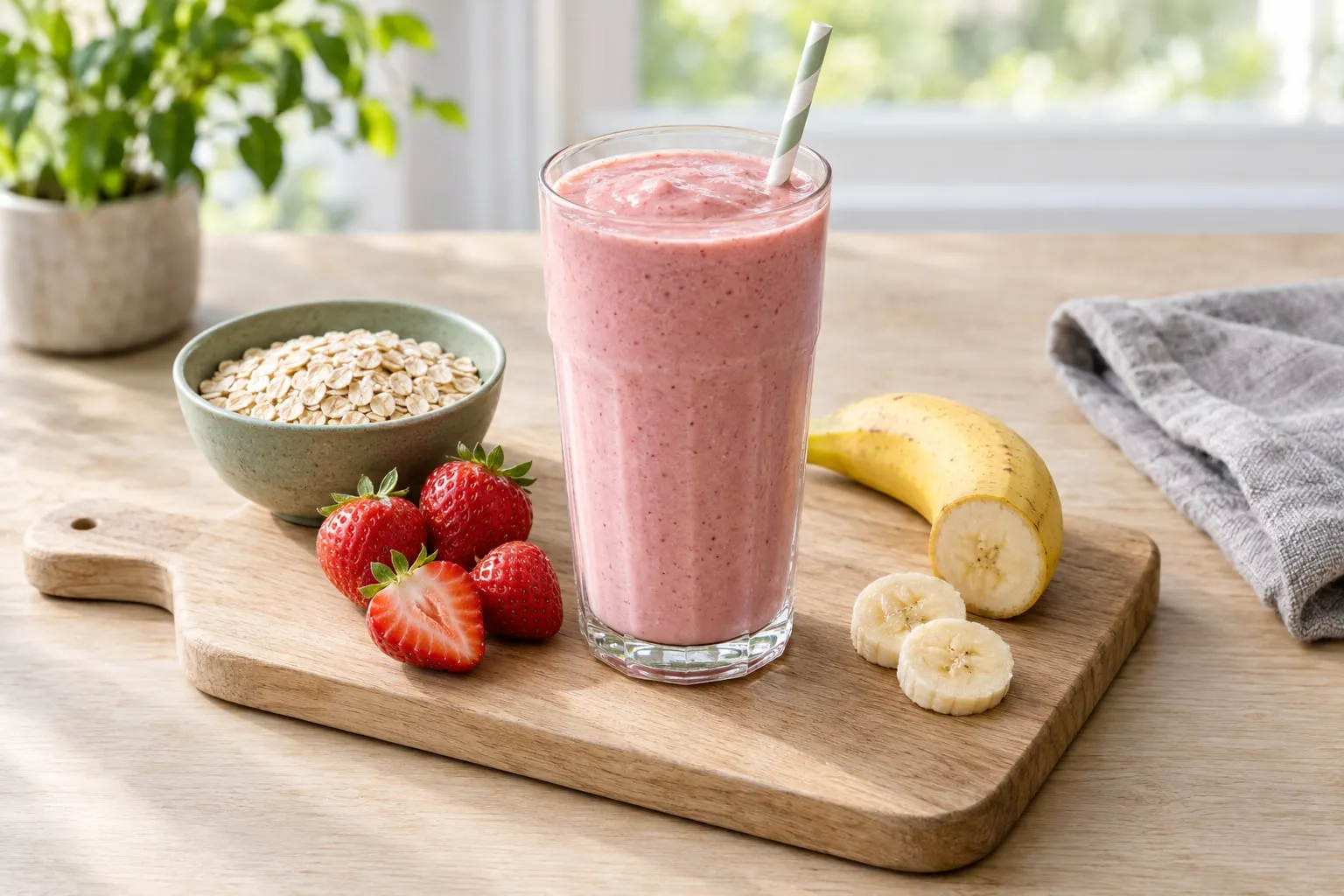
Protein Smoothie
32 g protein387 kcal5 minVegetarian
A shake built from yogurt, fruit and a scoop of powder with the protein worked out per glass.
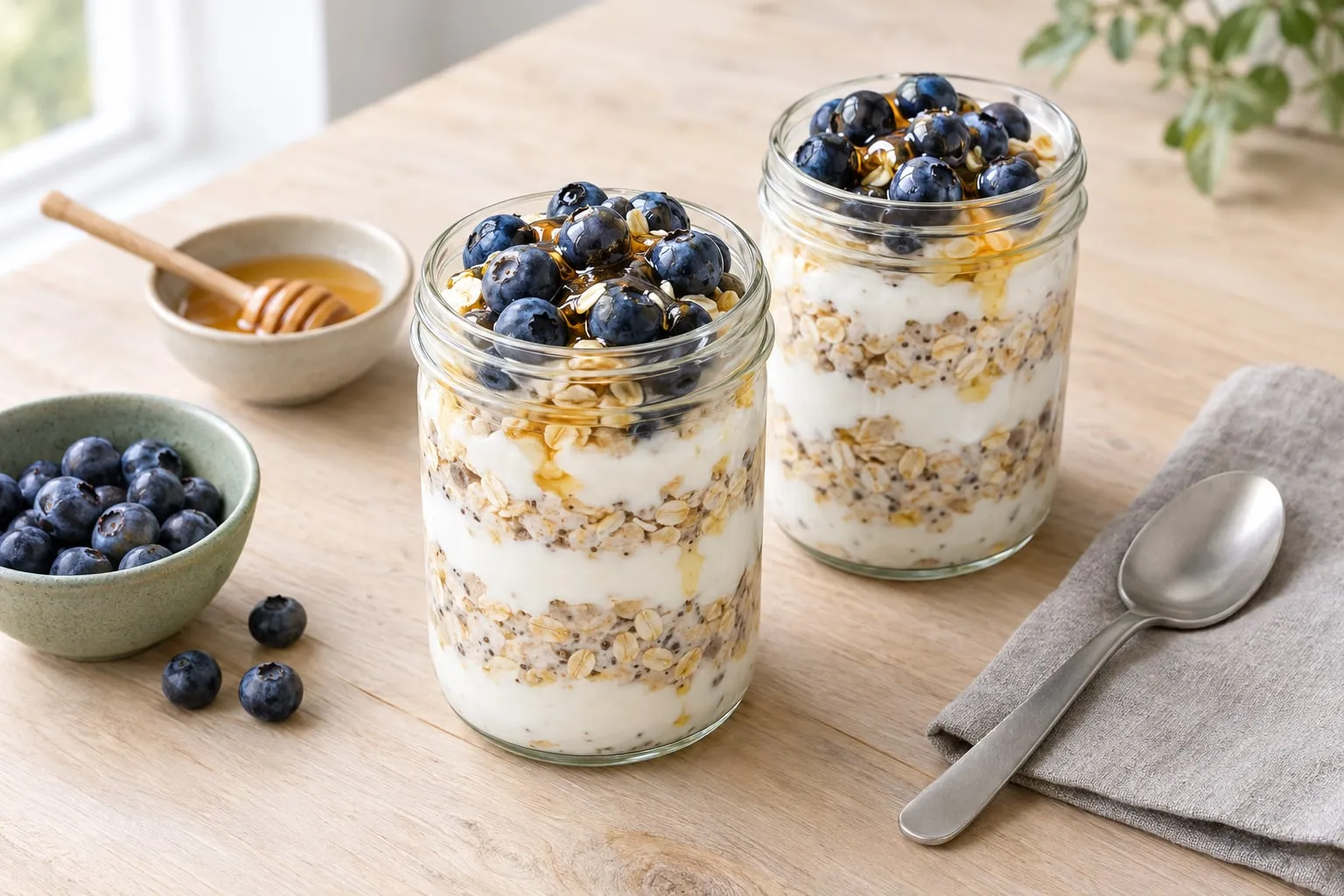
Protein Overnight Oats
26 g protein334 kcal8 hr 5 minVegetarian
A make-ahead breakfast that puts 20 g or more on the table before the day starts.
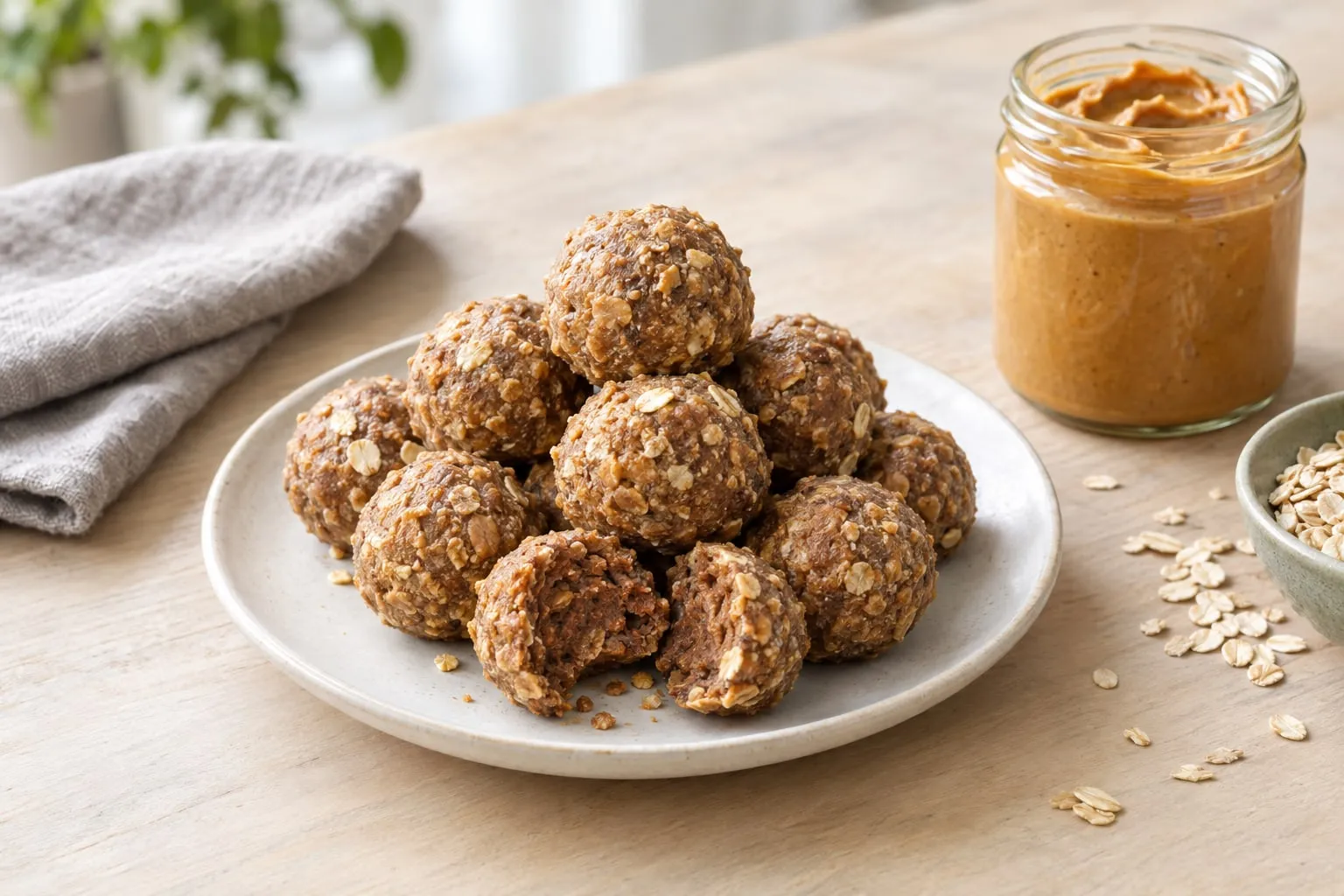
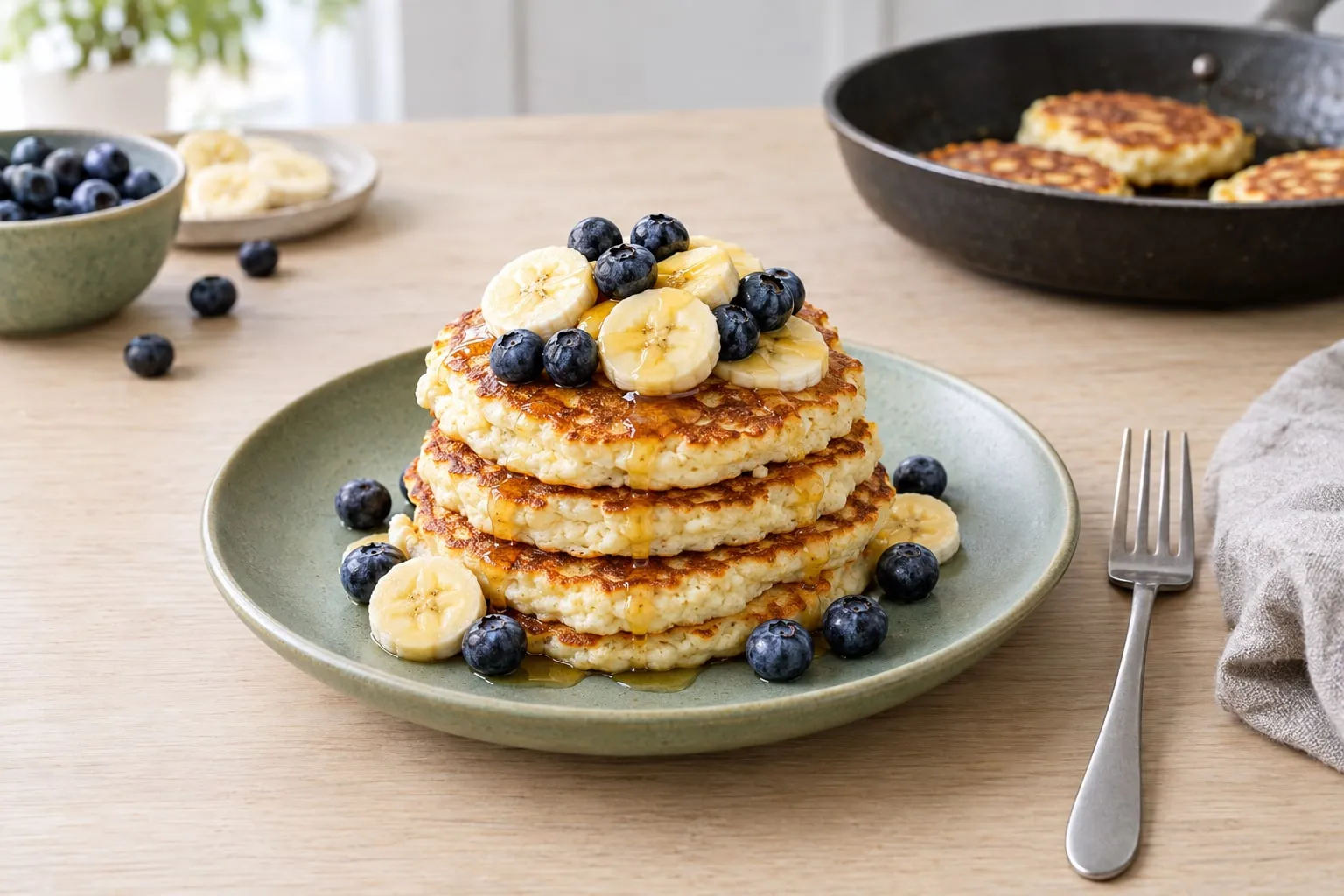
Cottage Cheese Pancakes
20 g protein274 kcal30 minVegetarian
Weekend pancakes where cottage cheese and eggs do the work.
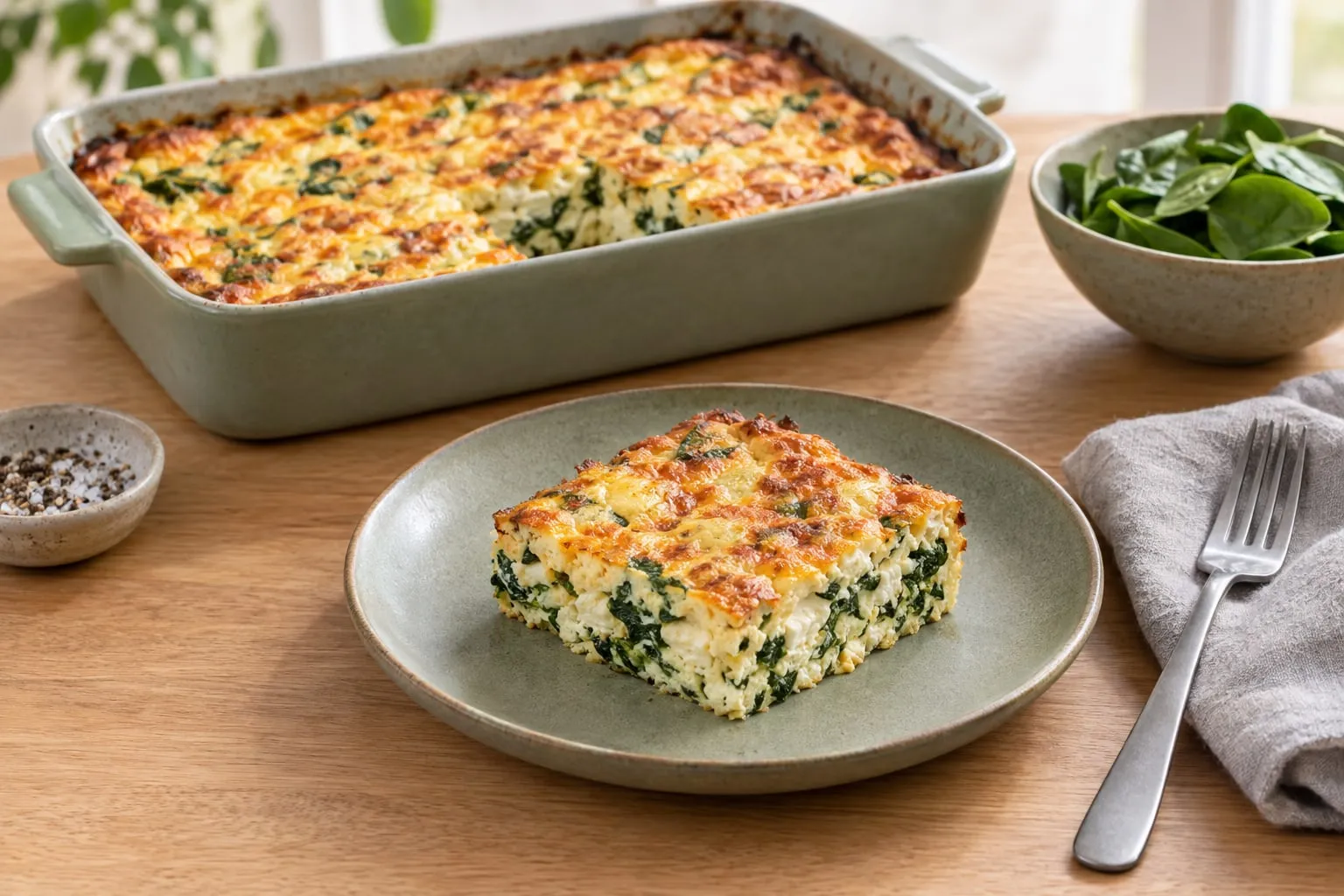
Cottage Cheese and Egg Bake
22 g protein190 kcal55 minVegetarianGluten-free
A bake that gives several lunches or breakfasts from one dish.
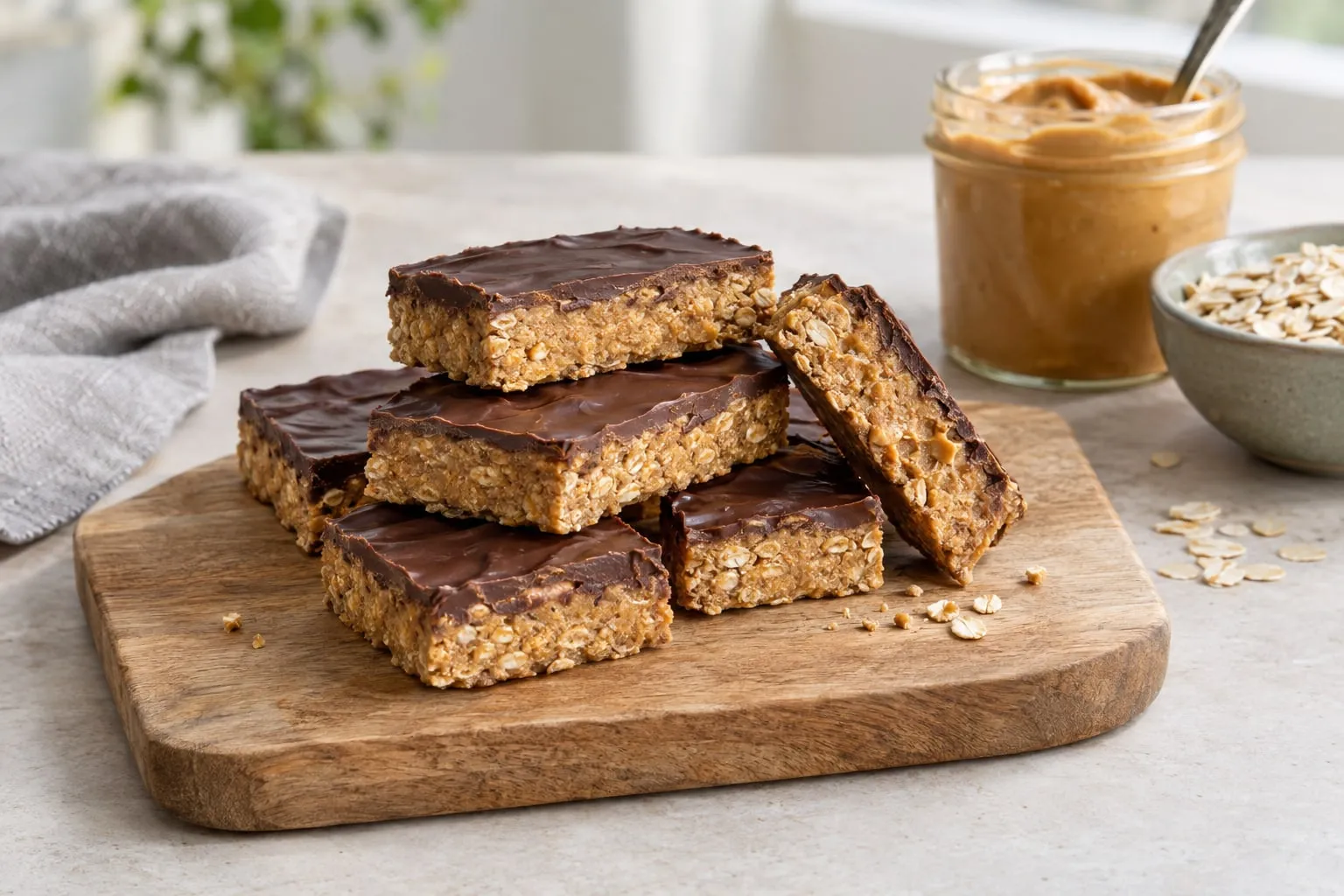
Homemade Protein Bars
12 g protein208 kcal2 hr 15 minVegetarian
A bar made at home so the protein per bar is known.
Sources
- McCance and Widdowson's Composition of Foods Integrated Dataset 2021 (CoFID) – Protein and energy per 100 g for eggs, quark, tuna and lentils
- Committee on Medical Aspects of Food Policy (COMA) 1991 – UK Reference Nutrient Intake of 0.75 g protein per kg body weight a day
- European Food Safety Authority (EFSA) – Population Reference Intake of 0.83 g protein per kg body weight a day
Read our editorial policy for how figures are checked and how to report a mistake.
More protein guides
All guides
Guide
How Much Protein Do You Need Per Day?
How much protein do I need? The UK reference is 0.75 g per kg of body weight a day, or 52.5 g at 70 kg. See food values and a worked example day.
Guide
Protein Calculator
Protein calculator: multiply your weight in kg by 0.75 for the UK reference amount, so 70 kg gives 53 g a day. Tables for kg and stone, plus foods per 20 g.

Guide
High Protein Foods: A Ranked List
High protein foods ranked by protein per 100 g and per 100 kcal: Parmesan has 36.2 g, grilled chicken 32.0 g, dried red lentils 25.6 g and egg white 10.8 g.
Guide
What Is Protein and Why Do We Need It?
What is protein good for? It is made of amino acids, nine of them essential. See what it does, the UK 0.75 g per kg a day reference and food values.