Protein guide
Can Protein Cause Constipation?
Quick answer
The NHS constipation page does not list protein as a cause. It names too little fibre, too little fluid, being less active, changes in routine, some medicines and stress.
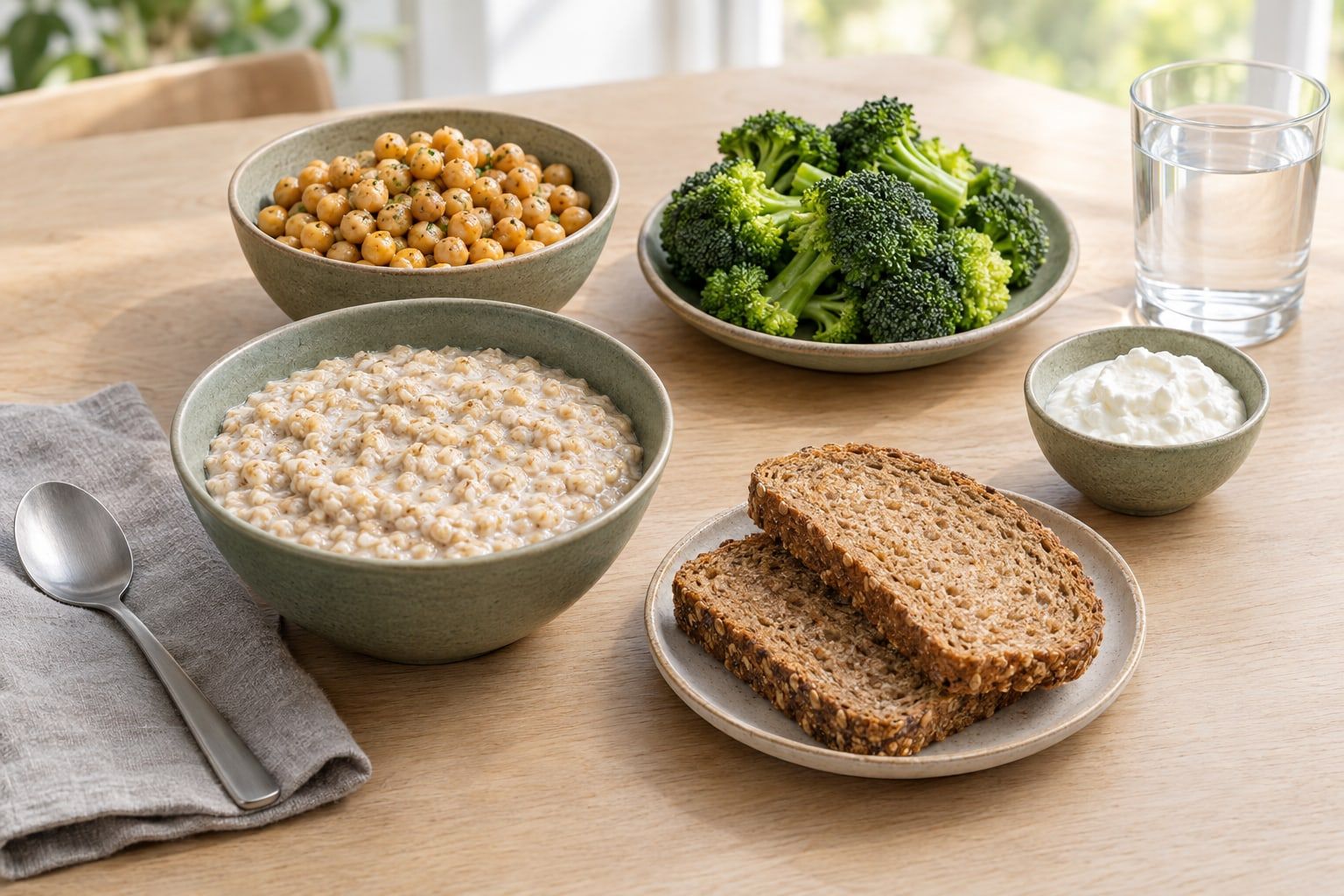
Can protein cause constipation? The NHS constipation page does not list protein among the causes. It points to too little fibre, too little fluid, being less active, changes in routine, some medicines and stress. A high protein diet can still be low in fibre, because chicken, quark and whey all contain 0 g of it.
The fibre sums show why. A 150 g chicken breast fillet, 250 g of quark and a 30 g scoop of whey together provide about 95 g of protein and no fibre at all. In contrast, 240 g of drained chickpeas gives 20.2 g protein and 17.0 g fibre, 75 g of dried red lentils gives 19.2 g protein and 13.1 g fibre, and two slices of wholemeal bread gives 5.0 g fibre. The NHS figure for adults is 30 g of fibre a day.
The practical advice is to add fibre next to the protein rather than remove the protein. Oats at breakfast, pulses at dinner and vegetables with every meal bring the day close to 30 g. Raise fibre gradually, drink plenty of fluids and keep active. If constipation continues or comes with blood in the stool, unexplained weight loss or stomach pain, speak to your GP.
| Portion | Weight | Protein | Fibre |
|---|---|---|---|
| Chicken breast fillet, raw | 150 g | 36.0 g | 0 g |
| Quark | 250 g | 36.5 g | 0 g |
| Whey protein powder | 30 g (1 scoop) | 22.5 g | 0 g |
| Tinned chickpeas, drained | 240 g | 20.2 g | 17.0 g |
| Red split lentils, dried | 75 g | 19.2 g | 13.1 g |
| Wholemeal bread | 72 g (about 2 slices) | 6.8 g | 5.0 g |
| Porridge oats | 40 g | 4.4 g | 3.1 g |
| Broccoli, raw | 80 g | 3.4 g | 3.2 g |
Source: Calculated from CoFID – McCance and Widdowson's Composition of Foods Integrated Dataset 2021 (codes 12-174, 13-670, 13-657, 11-981, 11-788, 13-502); chicken breast and whey are typical values (x10, x1), not CoFID
Does eating protein cause constipation?
The NHS constipation page does not list protein as a cause. It names not eating enough fibre, not drinking enough fluid, being less active, changes to routine, some medicines and stress. A high protein diet can still end up low in fibre if chicken, quark and shakes take the place of wholegrains, vegetables and pulses on the plate, because those foods bring little or no fibre themselves. The question is therefore often about what else is on the plate rather than about protein as such.
How much fibre is in common protein foods?
A 150 g chicken breast fillet has 36.0 g protein and no fibre, 250 g of quark has 36.5 g protein and no fibre, and a 30 g scoop of whey has 22.5 g protein and no fibre. In contrast, 240 g of drained chickpeas has 20.2 g protein and 17.0 g fibre, and 75 g of dried red lentils has 19.2 g protein and 13.1 g fibre. These figures are not a problem with the meat, dairy or powder. They show that those foods simply do not contribute to the day's fibre.
How can a high protein day reach 30 g of fibre?
The NHS gives 30 g of fibre a day for adults. A day made of chicken, quark and whey shakes provides 0 g from those foods. Add 40 g porridge oats (3.1 g), two slices of wholemeal bread (5.0 g) and 80 g raw broccoli (3.2 g) and the total is 11.3 g. Add a 240 g portion of drained chickpeas (17.0 g) and it reaches 28.3 g, close to the 30 g target. Many people also eat fruit, other vegetables and nuts, which add further fibre.
What does the NHS suggest for constipation?
The NHS advice is to increase fibre gradually, drink plenty of fluids and keep active, rather than changing everything at once. That fits the numbers above: moving from 0 g of fibre at a chicken-and-quark meal to a portion of beans or a bowl of oats is a sensible first step. If constipation continues, or comes with blood in the stool, unexplained weight loss or stomach pain, speak to your GP, because those signs are not something to manage with diet changes alone.
Does protein powder cause constipation?
Whey protein powder contains no fibre, with 0 g in a 30 g scoop, so a shake that replaces a meal containing wholegrain or vegetables lowers the fibre of that meal. The powder is not named by the NHS as a cause of constipation. If a diet has become heavy on shakes, adding porridge oats, wholemeal bread or pulses to the day is a practical way to restore fibre. People with a medical condition or who are unsure should speak to their GP or a registered dietitian.
Practical tips
- Count fibre as well as protein
Check the fibre on the label alongside protein for the day. If most meals are chicken, quark and shakes, the total may be well below 30 g.
- Put pulses next to the protein
Stir a tin of chickpeas into a curry or beans into a chilli. 240 g of drained chickpeas adds 17.0 g fibre alongside 20.2 g protein.
- Choose wholemeal and porridge oats
Wholemeal bread has 7.0 g fibre per 100 g and porridge oats 7.8 g per 100 g, so they add up quickly at breakfast.
Myth or fact
- The facts
Is it true that protein powder constipates you?
The NHS constipation page does not name it as a cause. Whey powder has no fibre, so a diet where shakes replace fibre-rich meals may be low in fibre, which is a different issue.
- The facts
Is it true that you should cut protein if you are constipated?
The NHS advice focuses on fibre, fluids and activity, not on cutting protein. If symptoms continue, speak to your GP.
Frequently asked questions
Can chicken cause constipation?
The NHS does not list chicken as a cause. Chicken has no fibre, so it needs vegetables, wholegrains or pulses beside it to contribute to the day's fibre.
Will protein shakes constipate you?
The NHS does not name shakes as a cause. A 30 g scoop of whey has no fibre, so fibre has to come from the rest of the day's food.
How much fibre do I need a day?
The NHS gives 30 g for adults. A 240 g portion of drained chickpeas has 17.0 g, and 40 g of porridge oats has 3.1 g.
When should I see a GP about constipation?
If constipation lasts, or comes with blood in your stool, unexplained weight loss or stomach pain, speak to your GP.
Recipes to try
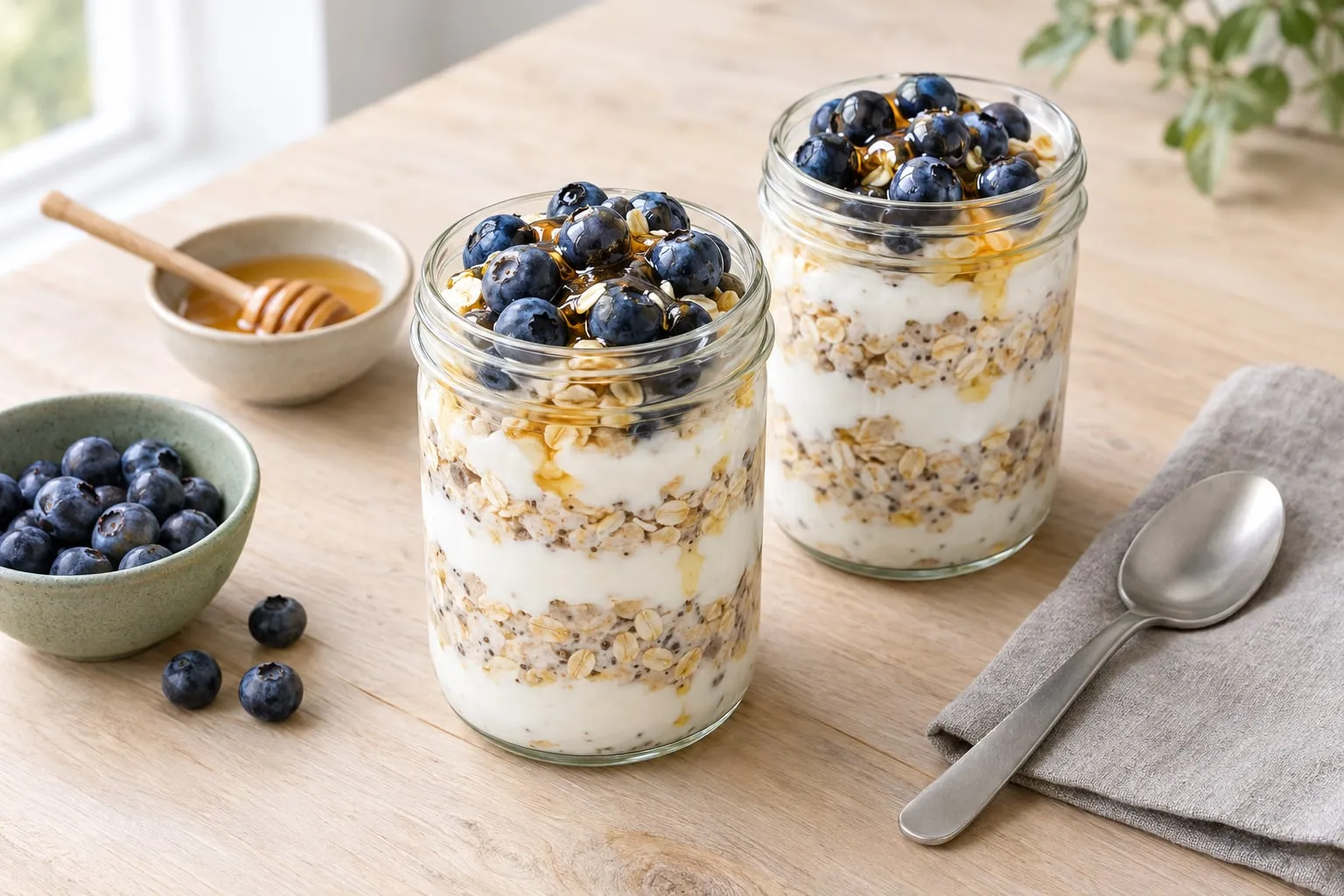
Protein Overnight Oats
26 g protein334 kcal8 hr 5 minVegetarian
Porridge oats bring fibre to a high protein breakfast.
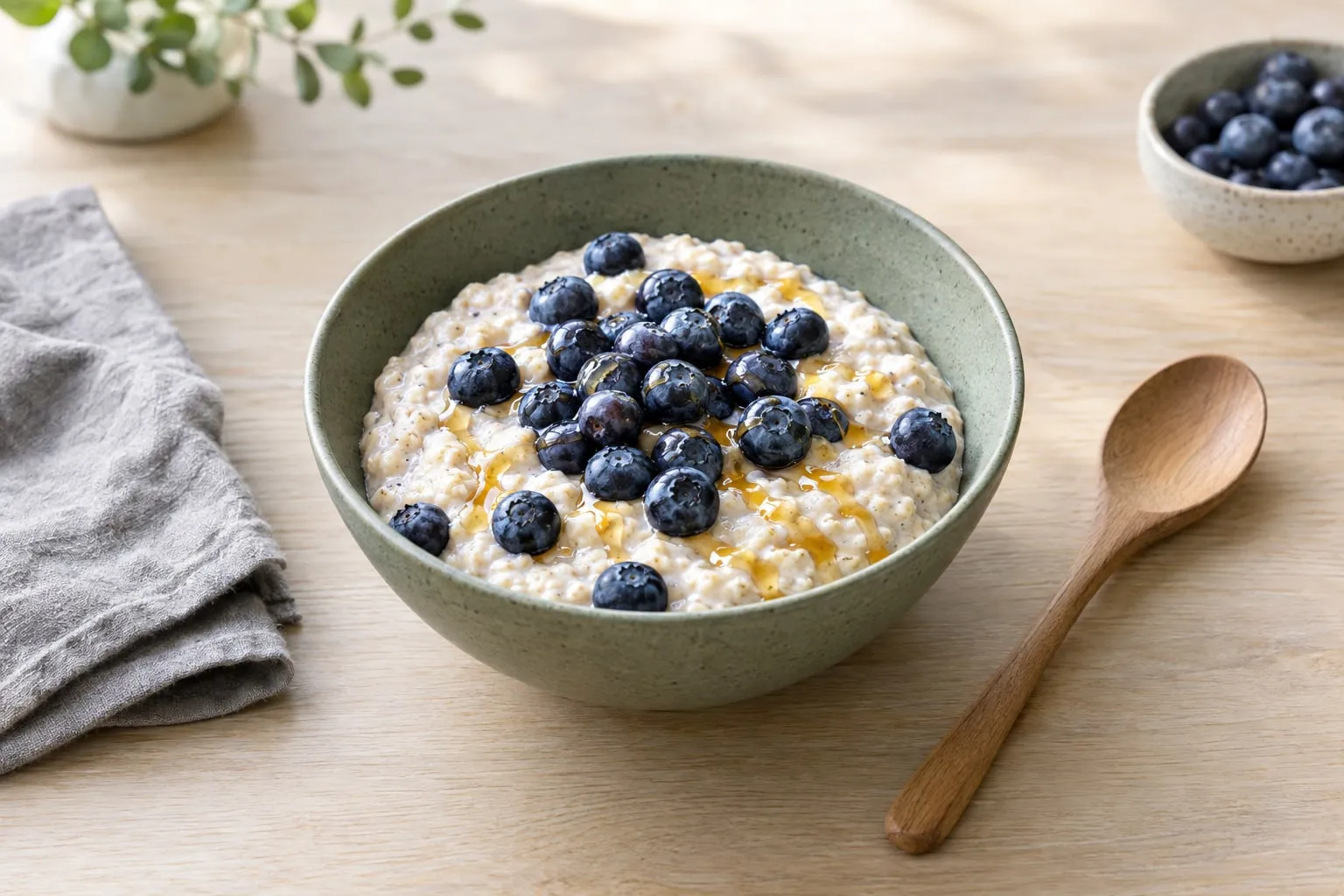
Protein Porridge
36 g protein402 kcal7 minVegetarian
Oats cooked with milk and extra protein for a warm breakfast.
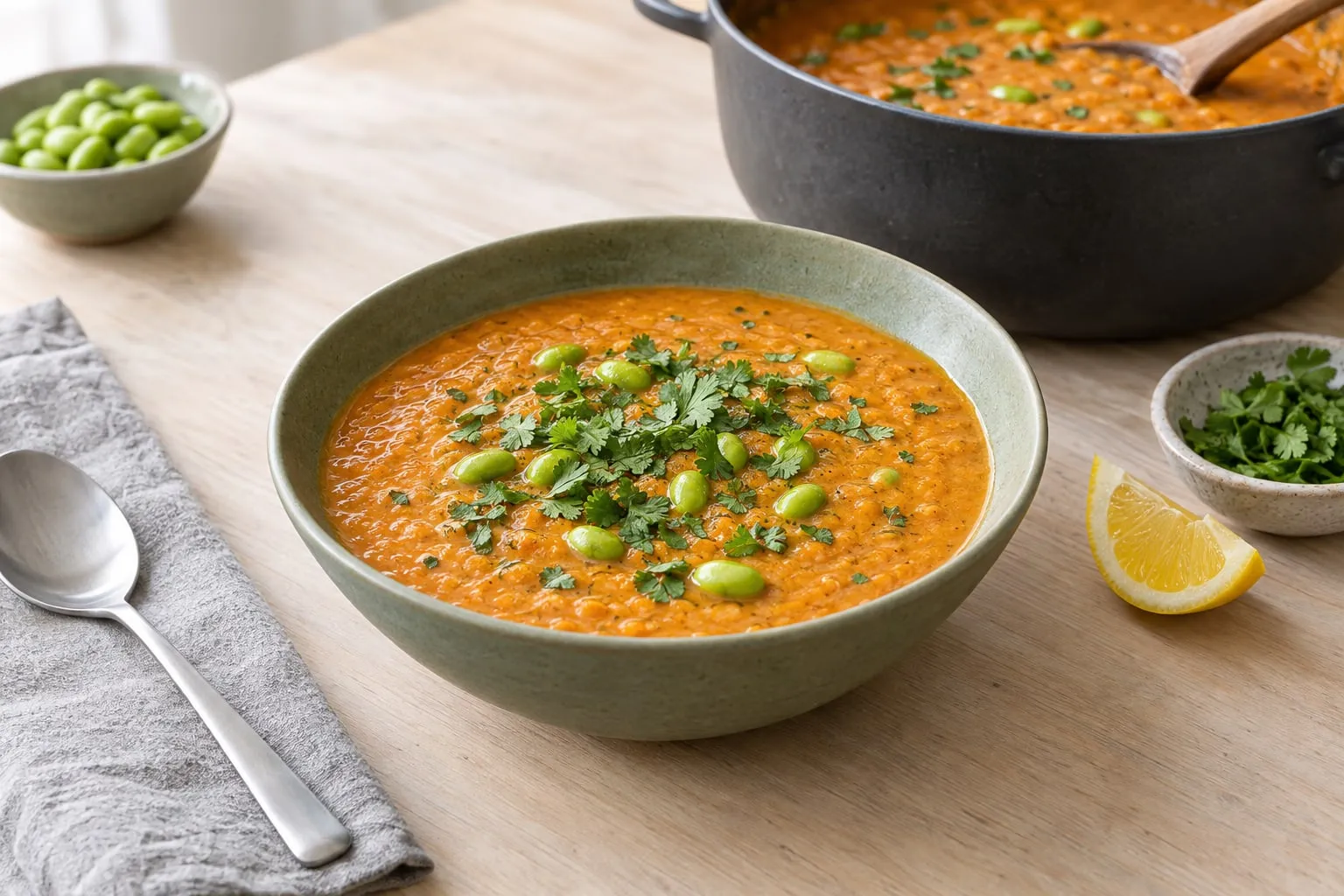
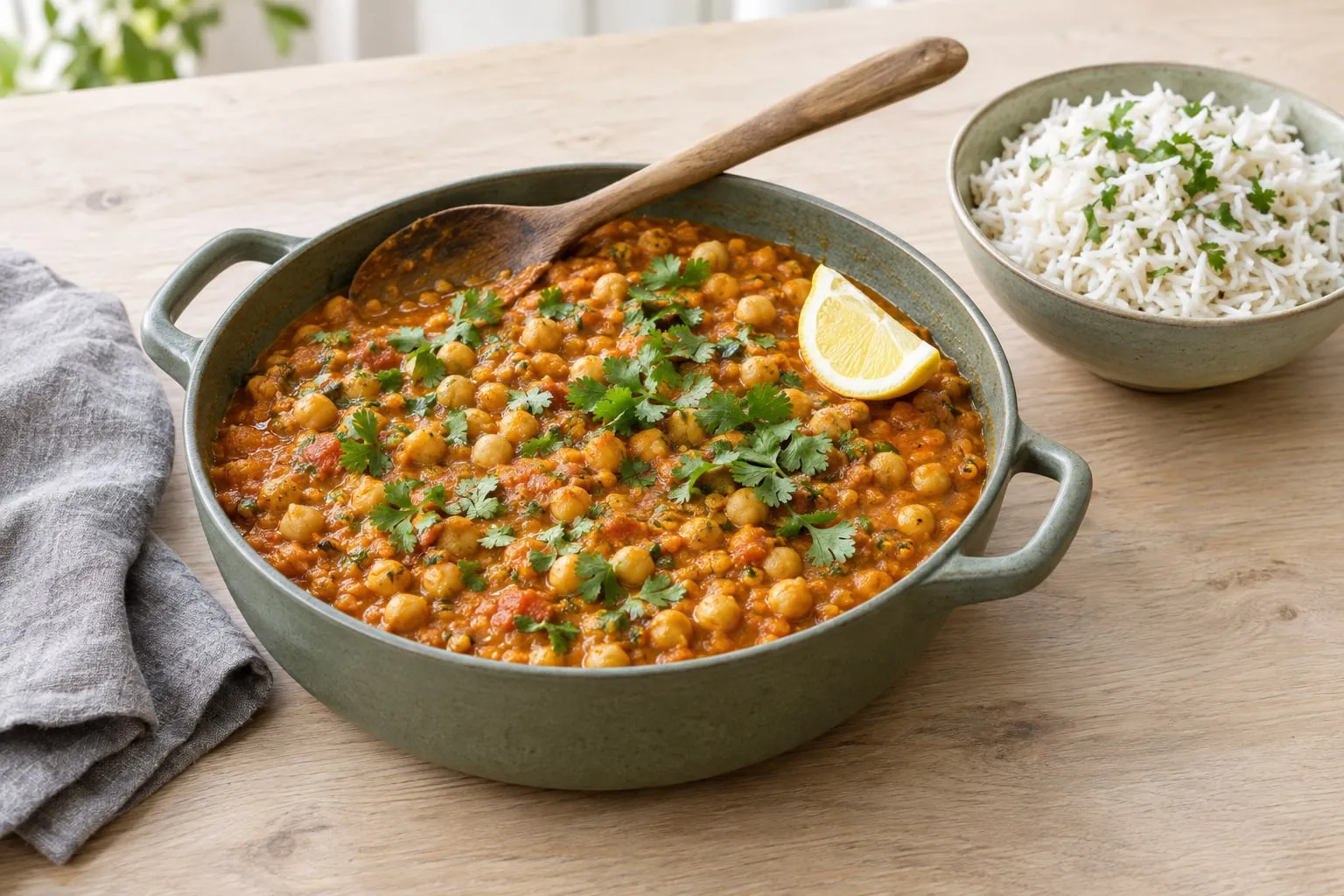
Chickpea Curry
34 g protein584 kcal50 minVegetarianVegan
Chickpeas give both protein and fibre in a tomato curry.
Sources
- NHS – constipation – Causes of constipation and when to speak to a GP
- NHS – fibre – 30 g a day for adults and the advice to increase fibre gradually
- McCance and Widdowson's Composition of Foods Integrated Dataset 2021 (CoFID) – Fibre and protein per 100 g for quark, chickpeas, lentils, bread, oats and broccoli
Read our editorial policy for how figures are checked and how to report a mistake.
More protein guides
All guides
Guide
High Protein Foods: A Ranked List
High protein foods ranked by protein per 100 g and per 100 kcal: Parmesan has 36.2 g, grilled chicken 32.0 g, dried red lentils 25.6 g and egg white 10.8 g.

Guide
How Much Protein Do You Need Per Day?
How much protein do I need? The UK reference is 0.75 g per kg of body weight a day, or 52.5 g at 70 kg. See food values and a worked example day.
Guide
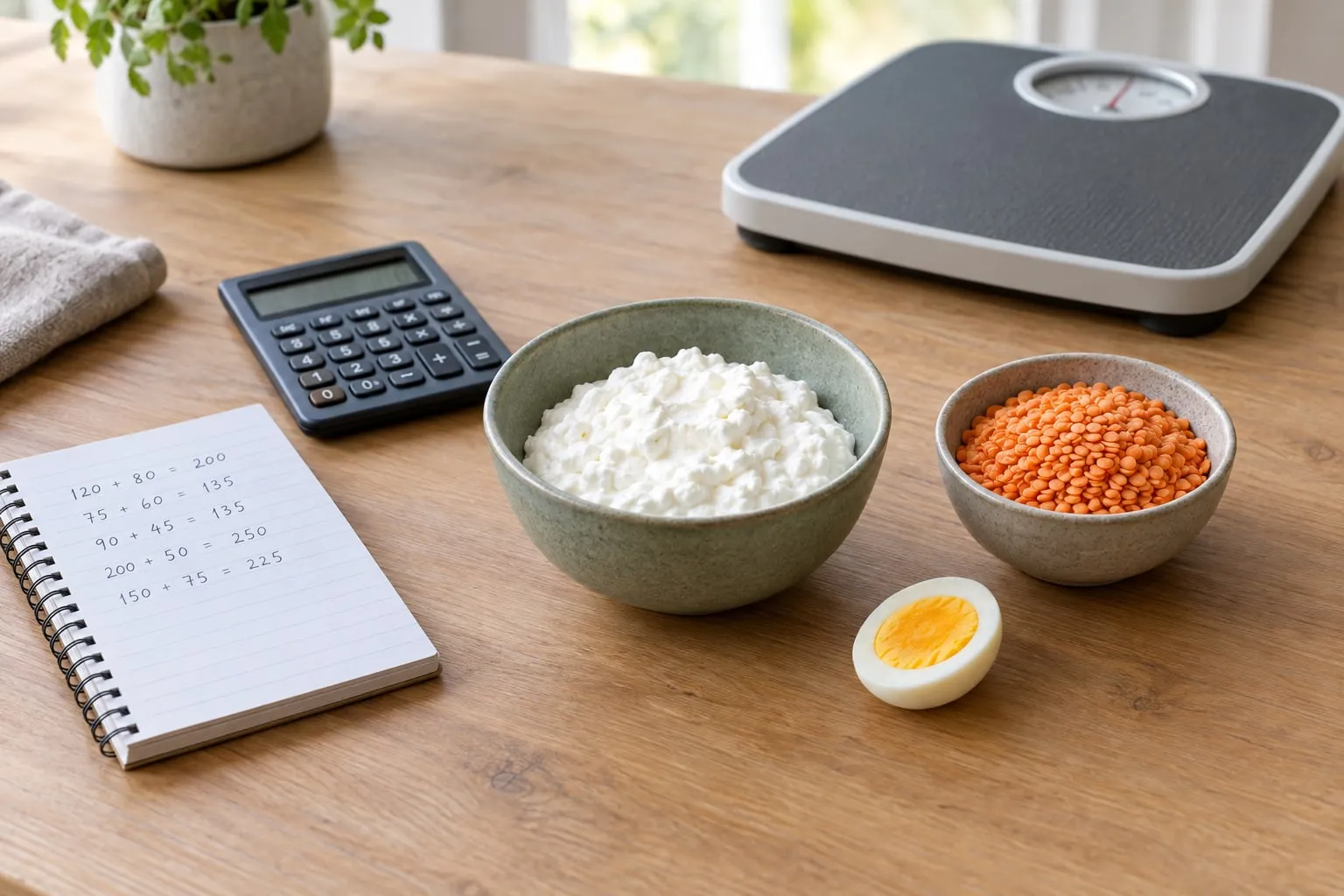
Protein Calculator
Protein calculator: multiply your weight in kg by 0.75 for the UK reference amount, so 70 kg gives 53 g a day. Tables for kg and stone, plus foods per 20 g.
Guide
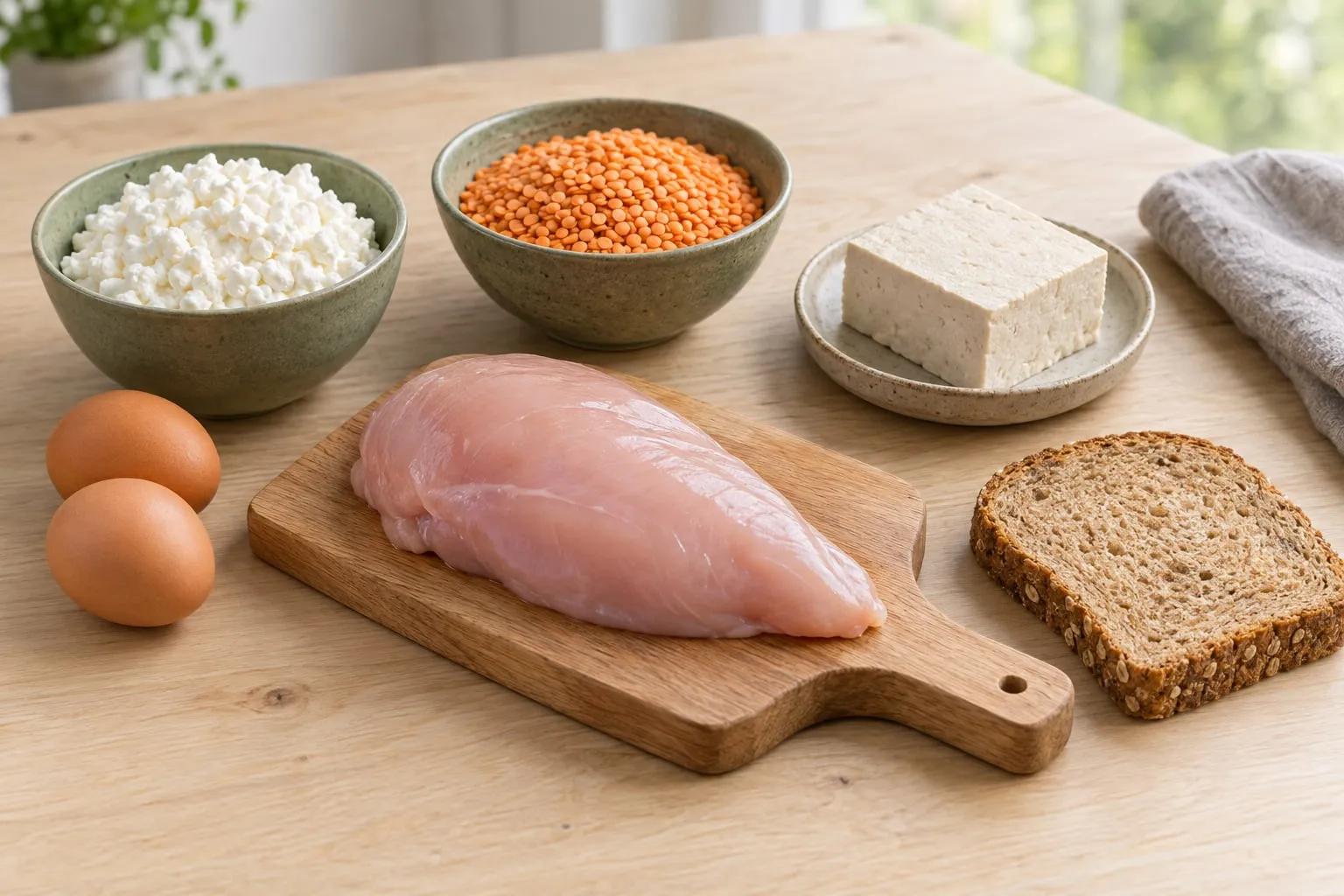
What Is Protein and Why Do We Need It?
What is protein good for? It is made of amino acids, nine of them essential. See what it does, the UK 0.75 g per kg a day reference and food values.