Method
Tap a time to start a timer.
Heat the oven to 200°C (180°C fan), gas 6. Finely grate the cheddar.
Cook the macaroni in a large pan of boiling water until just tender, 1 minute less than the pack says. Drain well in a colander.
While the macaroni cooks, blend the cottage cheese, milk, mustard powder and black pepper for 1 minute until completely smooth.
Pour the sauce into the small saucepan and warm it over a low heat, stirring, until steaming but not bubbling. Take the pan off the heat and stir in 100 g of the cheddar until melted.
Stir the drained macaroni into the sauce, then tip it into the baking dish and scatter over the remaining 50 g cheddar.
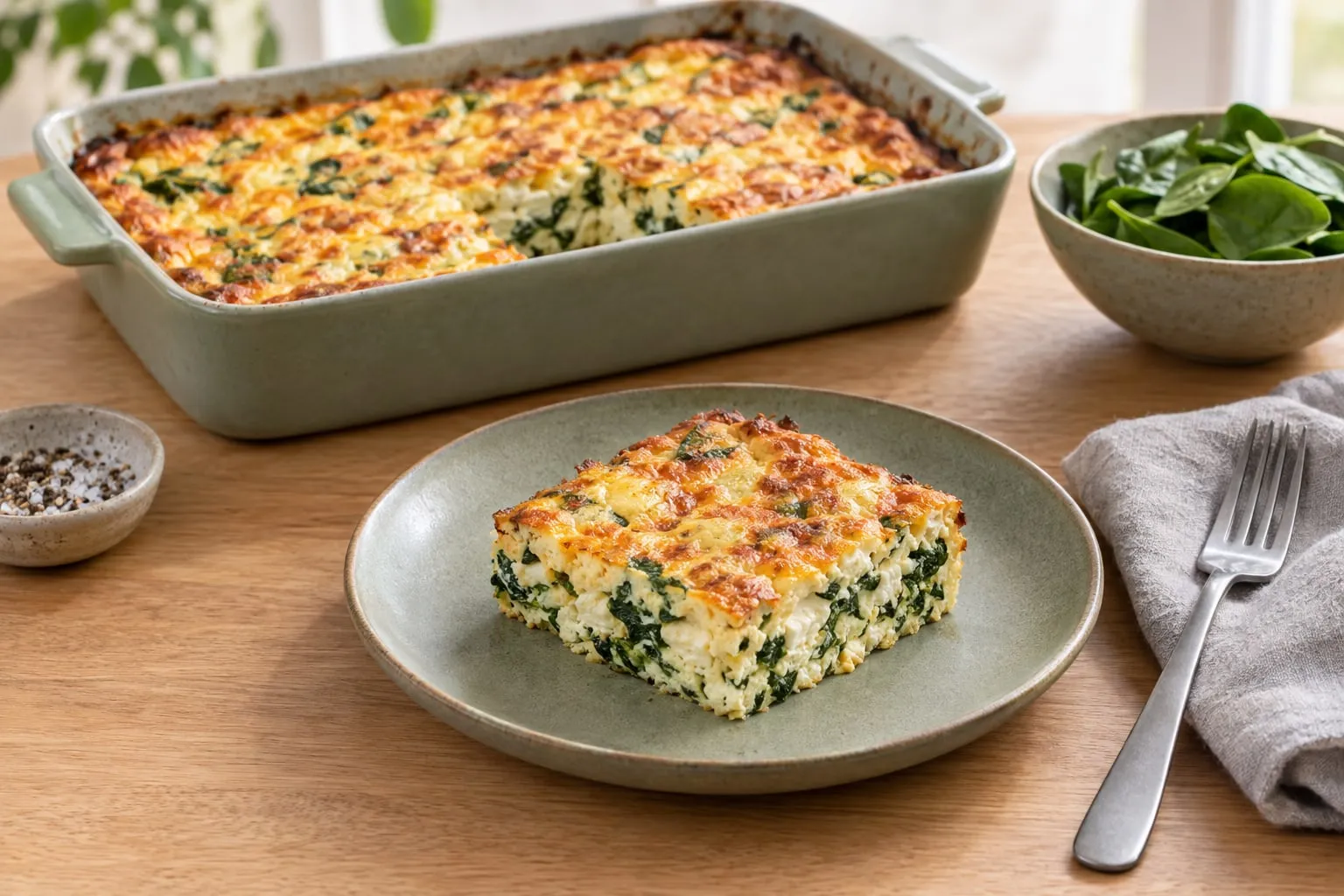
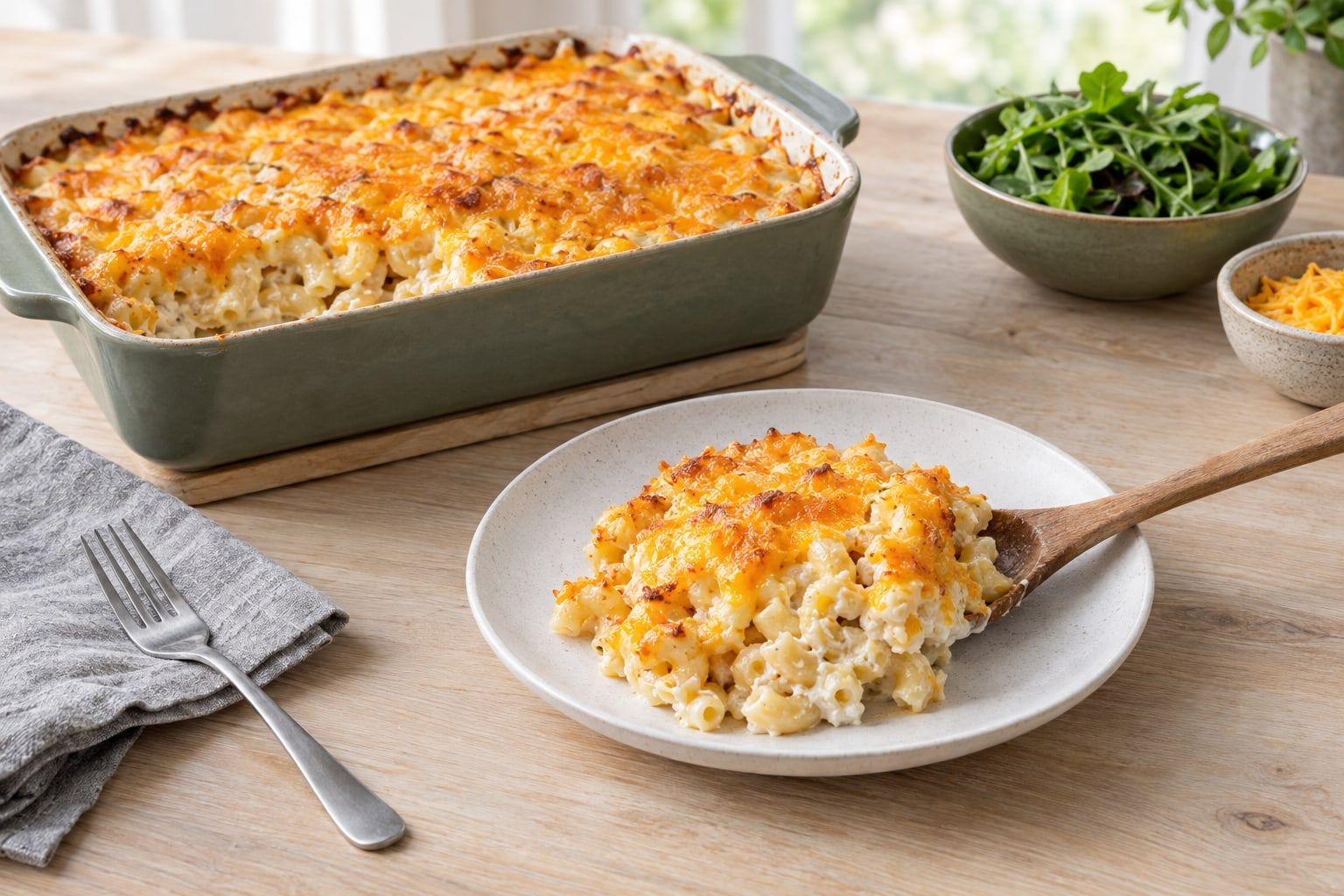
Bake on the top shelf until the top is golden and the edges are bubbling. Leave to stand for 2 minutes before serving.
How to tell it's done
- The cheddar on top is golden brown and the edges are bubbling.
- The sauce coats the macaroni with no thin liquid pooling in the dish.
Tips for success
- Blend the sauce until no grains are left
Run the blender for a full minute. Whole cottage cheese curds do not melt, so any curds that survive show up as a grainy sauce.
- Melt the cheddar off the heat
Half-fat cheddar turns oily and stringy if the sauce bubbles. Take the small pan off the hob before the first handful goes in and stir until each addition has melted.
- Stop the macaroni a minute early
The macaroni keeps cooking in the hot sauce and again in the oven. Drain it 1 minute before the pack time and it stays tender rather than soft.
- Grate the cheddar finely
Fine shreds melt into the sauce at once, and the 50 g kept back for the top browns evenly in 12–15 minutes.
Boost the protein
- Swap the 300 g dried macaroni for 300 g high protein pasta: about +8 g protein per serving.
- Stir 100 g quark into the finished sauce off the heat: about +4 g protein per serving.
Choosing ingredients
Reduced fat cottage cheese blends smoothest and keeps the sauce lighter. Full fat works too but adds fat and a little less protein per 100 g.
Half-fat cheddar has more protein per 100 g than mature full-fat cheddar. Using full-fat cheddar instead gives a stronger flavour and about 3 g less protein per serving. Look for a vegetarian cheddar if needed.
Variations
- With broccoli
Add 200 g broccoli florets to the macaroni pan for the last 3 minutes of step 2 and drain them together. Protein rises by about 2 g per serving.
- With tuna
Fold 2 drained tins of tuna (about 110 g drained each) into the macaroni in step 5. Protein rises by about 14 g per serving.
Serve it with
- Tomato and cucumber salad
- Steamed green beans
- Grilled tomatoes
Storage
The cottage cheese mac and cheese keeps in the fridge in a lidded container for 3 days.
Reheat single portions with a splash of milk until piping hot, stirring once halfway, as the macaroni absorbs sauce overnight.
Troubleshooting
Why is my cottage cheese mac and cheese grainy?
The sauce was not blended for long enough. Blend it for a full minute in step 3, or push the sauce through a sieve before warming it.
Why is my cottage cheese mac and cheese dry on top?
The macaroni was cooked to the pack time or the dish stayed in the oven too long. Drain the macaroni a minute early and take the dish out as soon as the top is golden.
Why did the sauce turn oily?
The cheddar went in while the sauce was still bubbling. Take the pan off the heat first and add the cheddar a handful at a time.
Frequently asked questions
How much protein is in cottage cheese mac and cheese?
Each of the four servings has 31 g protein and 437 kcal, so 28% of the energy comes from protein. This makes it a high protein mac and cheese compared with the usual version.
Can you taste the cottage cheese in the mac and cheese?
Blended with milk and mustard, the cottage cheese gives a mild, creamy base, and the cheddar supplies the flavour.
Can I make cottage cheese macaroni cheese without the oven?
Yes. Skip step 6 and serve straight from the pan after stirring in the macaroni. It will be softer and without the golden top.
Made it? Rate the recipe
Read next
- Protein in Cottage CheeseProtein in cottage cheese: 150 g plain has 14.1 g protein and 155 kcal, reduced fat has 15.9 g and 102 kcal. Values per 100 g, per portion and per tub.
- Highest Protein CheeseProtein in cheese per 100 g and per portion: Parmesan has 36.2 g, half-fat Cheddar 32.7 g and feta 15.6 g. Ranked by protein and per 100 kcal.
Written by The Protein Recipes editorial team. Nutrition is calculated from the ingredient list using CoFID. Read how our recipes are made and how we correct mistakes.